Hi-Fi Audio
Cambridge Audio MXN10 and DacMagic 200M Review: Two Hi-Fi Upgrades Worth Knowing
A practical look at the Cambridge Audio MXN10 network streamer and the DacMagic 200M DAC, covering what each does well and which one belongs in your system.
Introduction
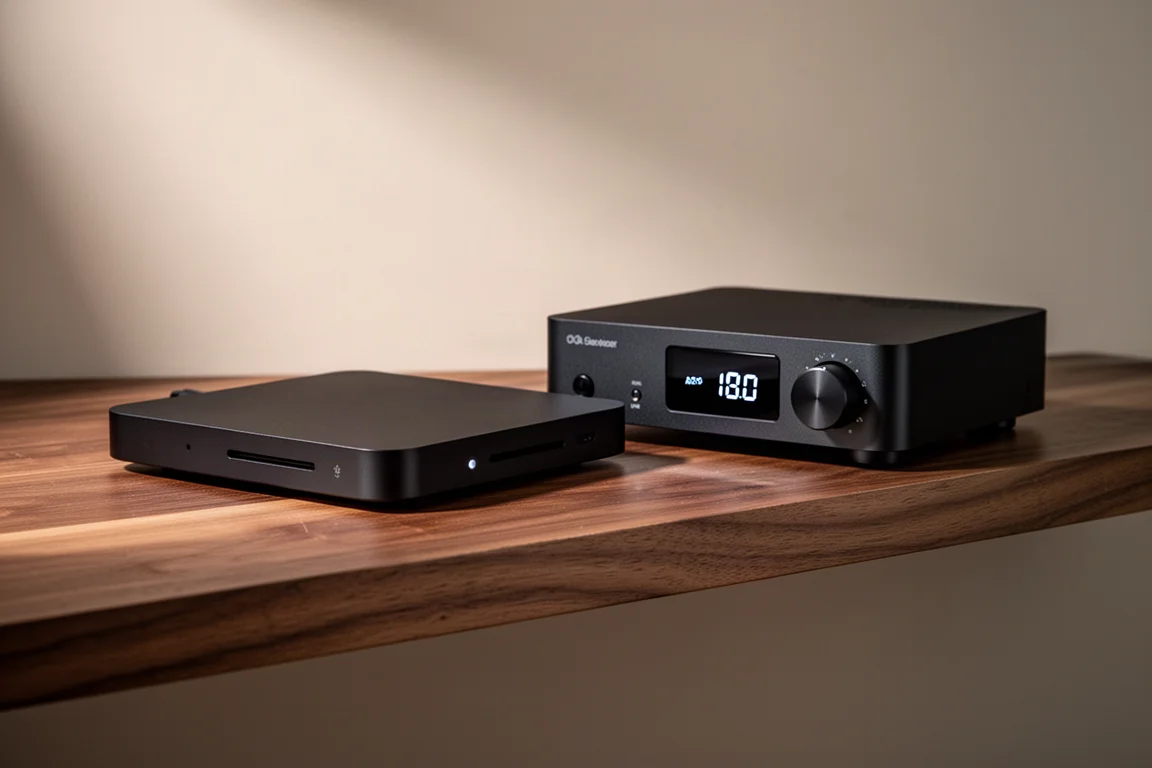
Cambridge Audio has spent decades building hi-fi components, and the two products in this guide sit at the friendly end of its range: the MXN10 network streamer at $500 and the DacMagic 200M DAC at $550. Both are designed for listeners who want a dedicated component rather than another smart speaker, and both are flexible enough to slot into a system you already own.
They also overlap just enough to make the choice interesting. The MXN10 already contains a capable converter, while the DacMagic 200M is a standalone DAC with a headphone amplifier built in. Understanding where each one earns its keep is the fastest way to decide which, if either, belongs on your shelf.
What Makes These Cambridge Audio Components Worth a Look
The case for Cambridge Audio rests partly on track record. The company is distributed through traditional retail channels and has been a stable presence in hi-fi for a long time, which matters when you are buying a component you intend to keep for years. That kind of continuity is not something every streaming brand can offer.
Both products are also focused. Neither tries to be a receiver, a speaker, or a media hub. The MXN10 handles network streaming and conversion, and the DacMagic 200M handles digital-to-analog conversion and headphone listening. The MXN10 ships with a two-year warranty.
Cambridge Audio MXN10: Streaming With a Built-In DAC
The MXN10 is a network music streamer with Bluetooth, Apple AirPlay 2, Chromecast built-in, and Roon playback support. Inside is an ESS Sabre ES9033Q DAC, and that internal converter is genuinely good. If you already own an external DAC you love, you can send a digital signal out and bypass the internal conversion entirely.
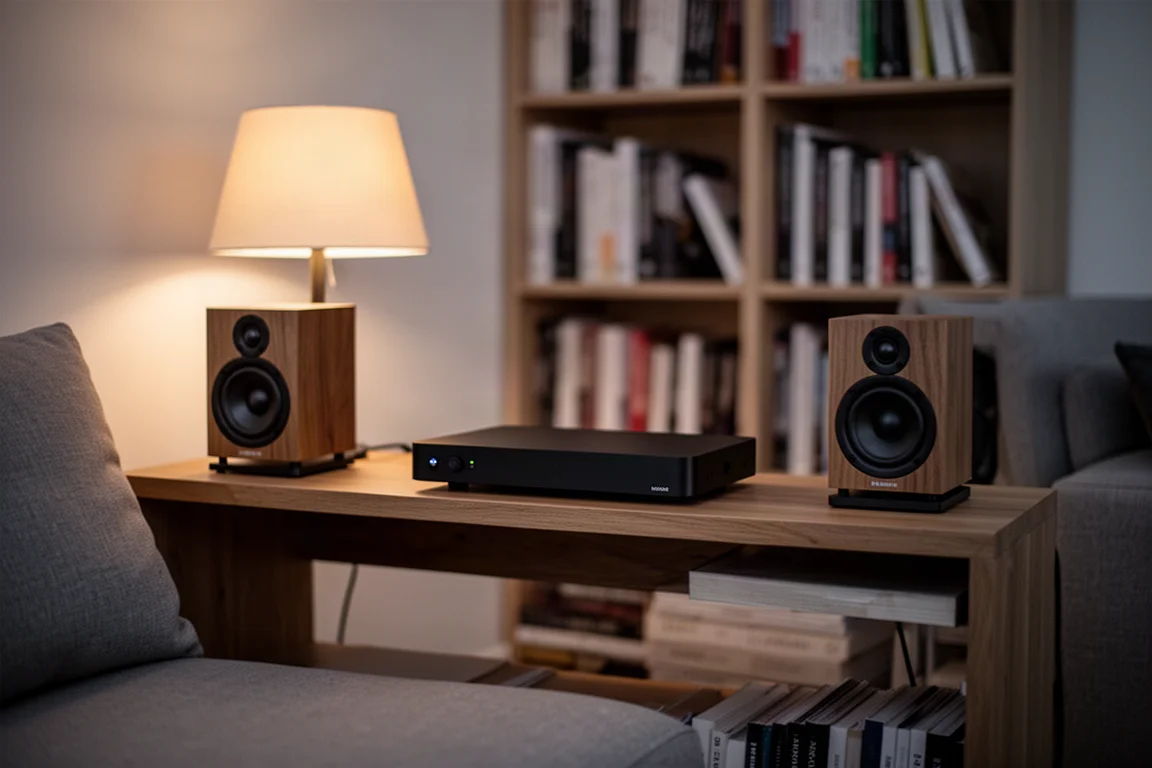
Setup runs through the Cambridge Audio app. You install the app, connect the unit, and enter your credentials for services such as Tidal and Qobuz. Spotify Connect and Tidal Connect are both on board, which means Tidal listeners can drive the streamer straight from the Tidal app without opening the Cambridge app at all. That is a small convenience that makes a real difference day to day.
Music stored on a NAS can be pulled across the network, and the unit also accepts a hard drive or USB thumb drive plugged directly into the back. Bluetooth support covers AAC and SBC, and the streamer will work on either 2.4 GHz or 5 GHz Wi-Fi. Around the back you get single-ended RCA outputs, coaxial and optical digital outputs, a USB connection for drives, and a hardwired internet port, with power coming in through a figure-eight connector. Assignable shortcut buttons on the front can be set to jump directly to playlists.
The software is usable, though it does not support Amazon Music. If Amazon Music is central to how you listen, that is a real limitation. For Roon, Tidal, and Qobuz users, the MXN10 is a versatile and well-rounded component.
Cambridge Audio DacMagic 200M: DAC, Headphone Amp, and Digital Inputs
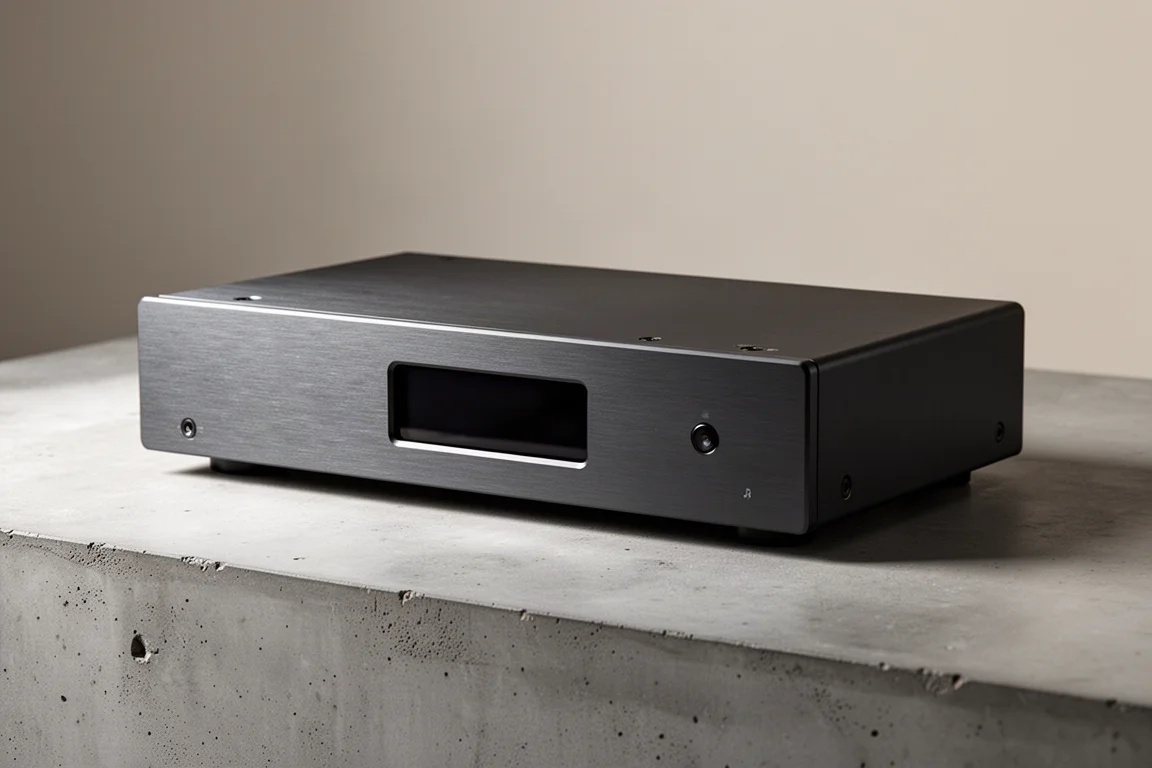
The DacMagic 200M is a desktop digital-to-analog converter with a Class AB headphone amplifier built in. It uses twin ESS Sabre 9028Q2M chips, and the front panel carries a sampling rate indicator so you can see the resolution of whatever signal is arriving. Three selectable roll-off filters let you adjust the output to taste.
Connectivity is generous. The rear panel offers single-ended RCA outputs and a balanced output, two coaxial and two optical digital inputs split across two input groups, a full-size USB input, and a connection for the Bluetooth antenna. There is also a ground lift switch, which is a genuinely thoughtful addition: if you hit grounding issues, you can solve them on the unit instead of shopping for a power conditioner or a specialised power strip.
The headphone amplifier puts out 300 mW into 32 ohms. That is enough for most dynamic headphones, and demanding dynamic models still sound good through it. Power-hungry planar magnetic headphones are another matter, and very low-impedance planars in particular are likely to want more current than this delivers.
The DacMagic 200M also decodes MQA. That was a strong argument when the unit arrived, and it still matters if you listen to MQA content on Tidal, but it carries less weight today than it once did. The converter itself sounds excellent, and the overall package is due for a refresh in a couple of specific areas.
Sound Quality and System Fit
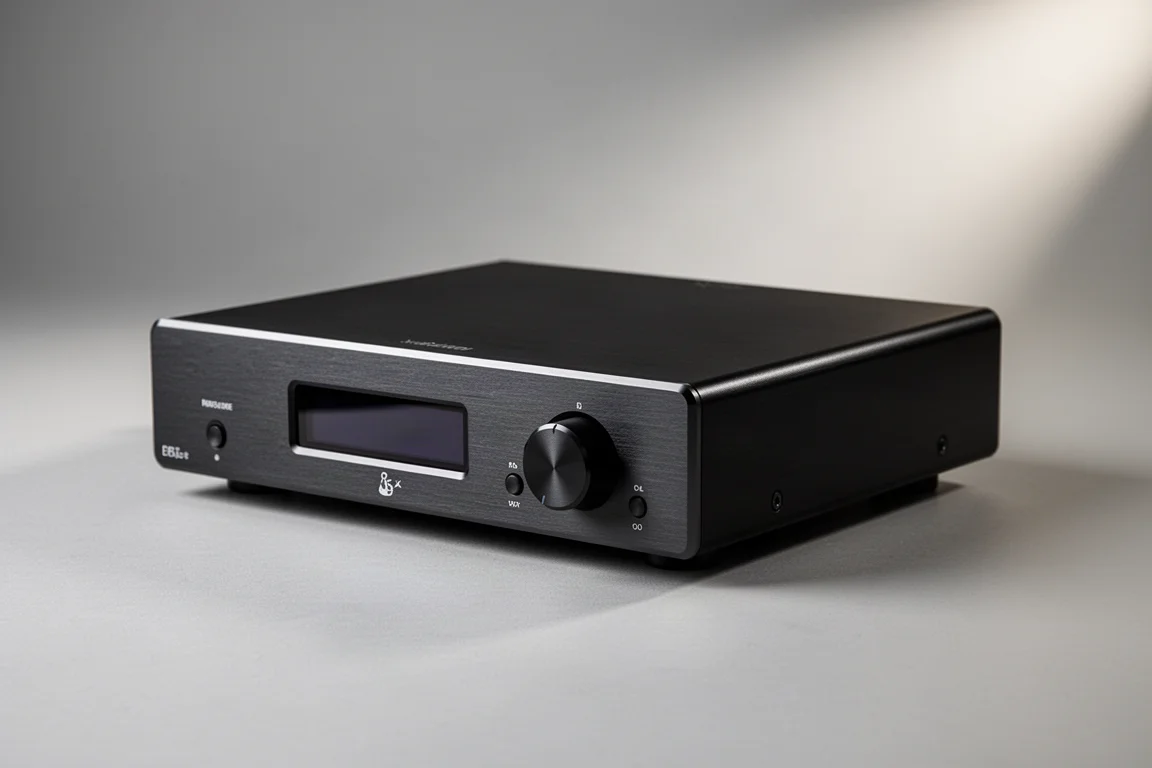
Describing the sound of a streamer is a slippery business, because most of what you hear comes from the DAC rather than the transport. Used with its internal converter, the MXN10 sounds noticeably better than inexpensive streaming boxes. There is more dynamic range on offer, and the soundstage feels a little wider.
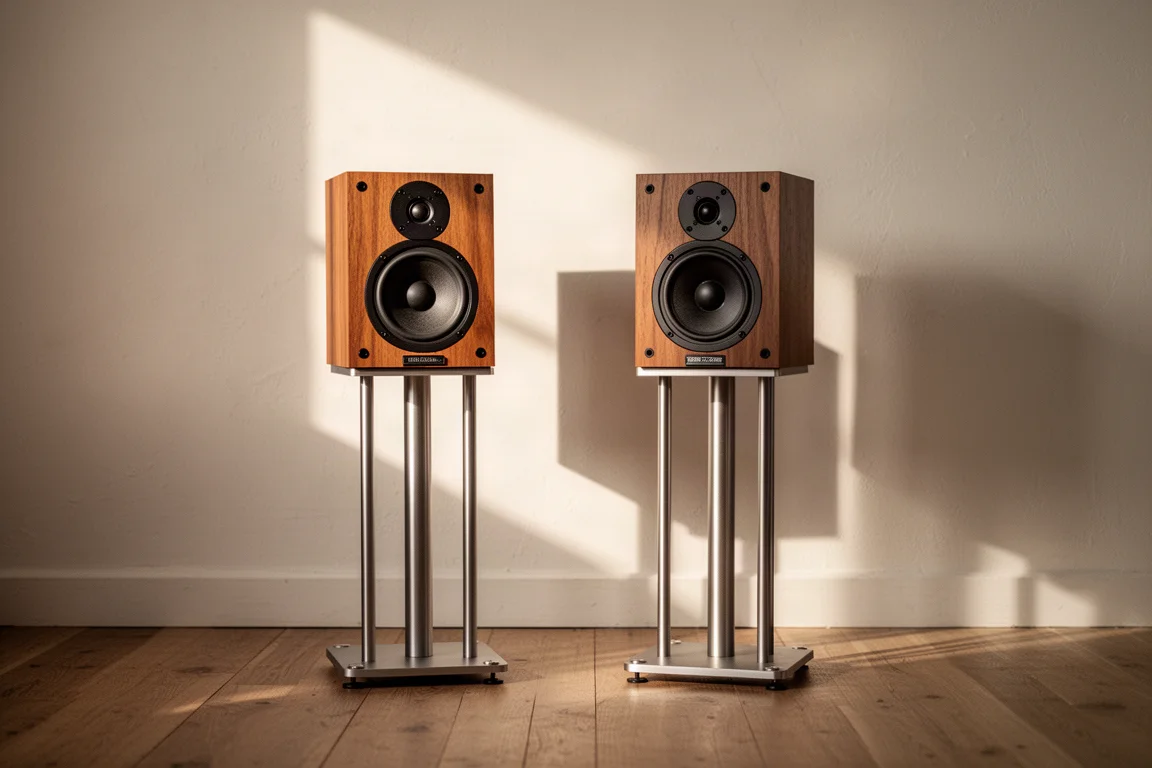
Route the MXN10 through the DacMagic 200M instead and the conversion is arguably a step better again. The difference is not dramatic, which is exactly why the value calculation shifts if you already own an external DAC you are happy with. Once you send a digital signal out of the streamer and let a separate converter do the work, transports start to sound much more alike.
AirPlay 2 adds a different kind of value. Because the MXN10 accepts AirPlay, it is easy to send audio from a Mac to the main system in the evening, whether that is music or the soundtrack of something you are watching.
Software, Streaming Services, and Everyday Usability
The Cambridge Audio app handles setup and browsing, and it will index a library stored on a NAS or a connected drive. Format support is broad: ALAC, WAV, FLAC, AIFF, and DSD are all covered, so most collections will play without any conversion step.
There is one practical detail worth planning for. If you use a mesh network or a Wi-Fi extender, keep the streamer and your NAS on the same band. Devices split between 2.4 GHz and 5 GHz can sit on the same network and still fail to see each other reliably, which is a frustrating problem to diagnose after the fact.
Amazon Music is the notable absence. Tidal, Qobuz, and Roon are all supported, and Tidal Connect means playback can be controlled from the Tidal app rather than from a second interface. For anyone who prefers a single app for everything, that keeps the routine simple.
How the Two Components Work Together
The two products are not rivals so much as two stages of the same signal path. The MXN10 can stream and convert on its own, or it can stream and pass a digital signal to the DacMagic 200M, which then handles conversion and, if you want, headphone amplification.
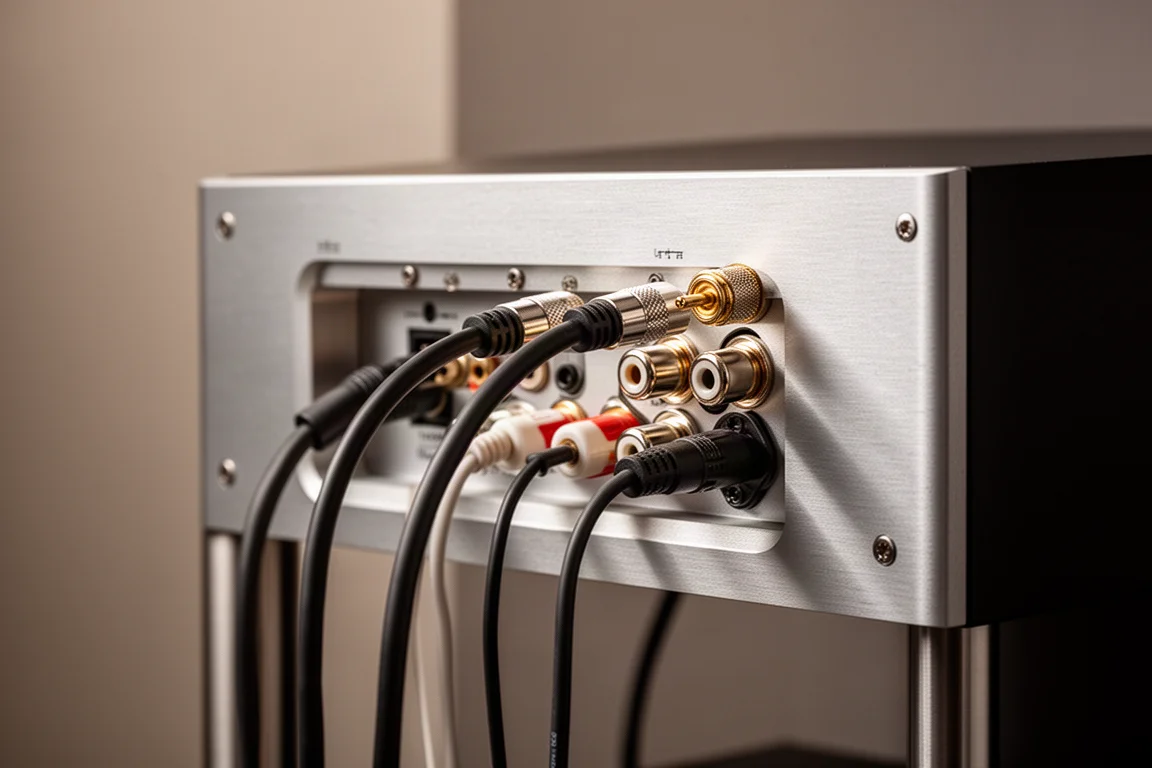
That flexibility is the appeal of buying both. A single streamer with a digital output feeds a converter with balanced and single-ended outputs, and the same stack supports late-night headphone listening without disturbing anyone else. If you already own a DAC and a headphone amplifier you like, the MXN10 alone covers the streaming side and leaves the rest of your chain untouched.
If you are starting from nothing, the decision is simpler than it looks. Buy the MXN10 if you need a streamer and want strong conversion in the same box. Buy the DacMagic 200M if you already have a transport or a streamer and want better conversion, balanced outputs, and a headphone amp.
Buying Advice: Which Cambridge Audio Component Fits Your System?
The MXN10 at $500 is fairly priced for what it includes. Its strongest argument is the internal DAC, which is the main reason it outperforms cheaper streaming boxes when you use its analog outputs. It competes in a crowded part of the market, and there are less expensive streamers that do many of the same things, but they do not match the quality of conversion here. The MXN10 also benefits from Cambridge Audio’s stability as a brand, something newer streaming specialists cannot promise in the same way.
The DacMagic 200M at $550 is a strong converter with a useful feature set, and it has been on the market long enough that its character is well understood. It is also the product in this pair that most clearly shows its age. A future version with the MQA emphasis reduced and a more powerful headphone amplifier would be an easy recommendation. As it stands, the DAC section is excellent and the headphone section is adequate rather than generous.
There are direct-to-consumer DAC and headphone amplifier stacks at similar or lower prices that sound competitive and do just as much. What they do not offer is the same history, the same retail support, and, in all likelihood, the same level of quality control.
What to Keep in Mind Before You Buy
Two questions settle most of this. First, do you need streaming at all? If you already have a source and simply want better conversion and a headphone output, the DacMagic 200M is the more relevant purchase. If you need a network player and want to avoid buying a separate DAC, the MXN10 is the cleaner answer.
Second, which streaming services do you actually use? The MXN10 does not support Amazon Music, so heavy Amazon Music listeners should look elsewhere. Roon, Tidal, and Qobuz users will find the MXN10 well suited, particularly with Tidal Connect and the assignable playlist shortcuts.
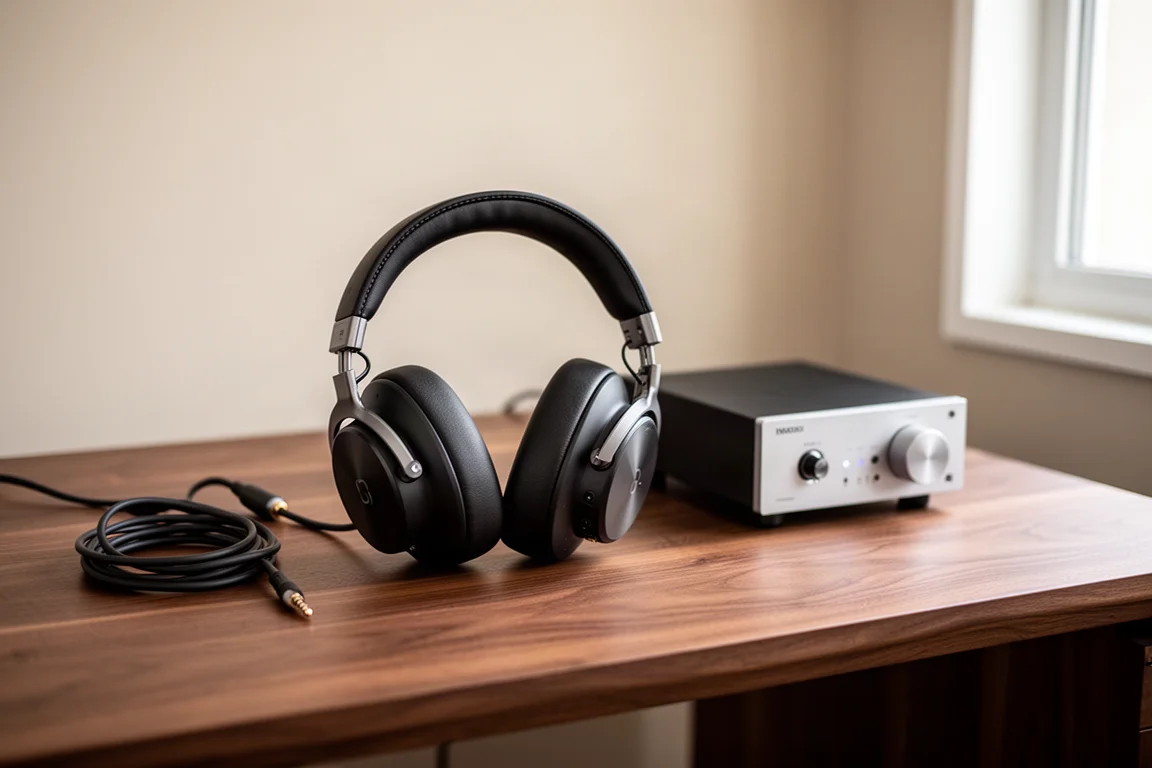
Finally, consider your headphones. The DacMagic 200M drives most dynamic headphones comfortably, but planars that demand a lot of current are better served by a dedicated amplifier with more headroom. If your headphones fall into that category, budget for a separate amp rather than expecting the DacMagic to carry the load.
Conclusion
The MXN10 and the DacMagic 200M are both genuinely good components, and they serve slightly different buyers. The MXN10 is a versatile streamer whose internal DAC justifies much of its price, and it is close to ideal for anyone who wants one box to handle network playback and conversion. The DacMagic 200M remains an excellent converter with balanced outputs, generous inputs, and a useful ground lift switch, even if its headphone amplifier and its MQA focus feel dated.
Choose the MXN10 if streaming is the missing piece in your system. Choose the DacMagic 200M if conversion and headphone listening are what you need. Buy both if you want a flexible two-box front end that covers network streaming, high-quality conversion, and private listening without compromise.
Further reading
Related Reviews
Hi-Fi Audio
Accuphase C-57 vs Allnic H-7000V: Two High-End Phono Stages Compared
A fully balanced solid-state phono stage with a pitch-black noise floor meets a tube design built for well-loved records. Here is how to choose between them.
Hi-Fi Audio
Active vs Passive Hi-Fi: Five Components for a Modern System
Five components that define modern active and passive hi-fi systems, with the strengths, trade-offs and setup details worth weighing before you buy.
Hi-Fi Audio
Advance Paris A10 Apex Review: A Hybrid Integrated Amplifier That Covers a Lot of Ground
A French hybrid integrated amplifier with a class A tube preamp stage, analogue power meters, and an internal DAC and phono stage good enough to make extra boxes unnecessary.