Hi-Fi Amplifiers
Cambridge Audio EXA100 Review: A Full, Rich Integrated Amplifier With Real Trade-Offs
A close look at the Cambridge Audio EXA100 integrated amplifier, covering its 100 watt Class AB power, HDMI eARC input, onboard DAC and the compromises worth weighing before you buy.
Introduction
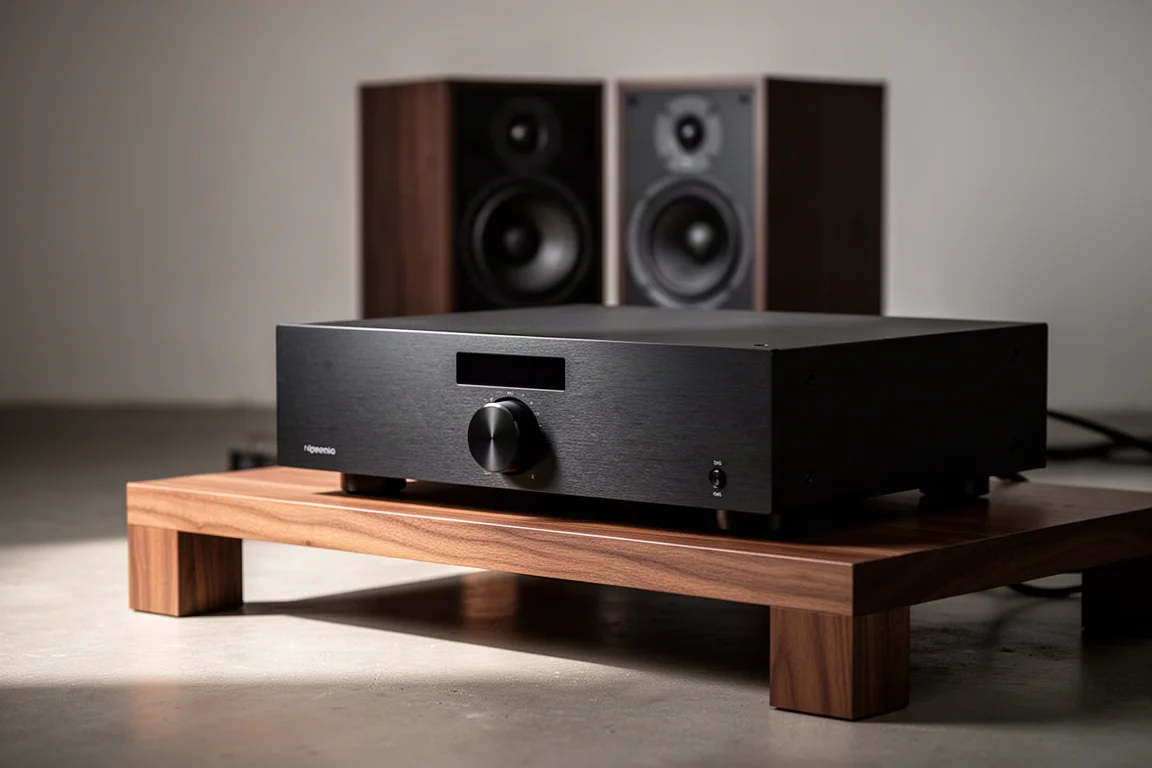
Cambridge Audio’s EX line launched with two components: the EXA100 integrated amplifier and the EXN100 streamer. The EXA100 is the one most listeners will build a system around. It is a Class AB integrated amplifier that Cambridge describes as sharing more in common with its costlier Edge series than with the CXA81, which continues in a separate version 2 edition.
The result is an amplifier with a clear personality: 100 watts per channel into 8 ohms, a full and generous low end, a broad spread of analog and digital inputs, and a handful of omissions that matter depending on how you listen. This guide covers what the EXA100 does well, where it asks for compromise, and how it stacks up against similarly priced competition.
Who the Cambridge Audio EXA100 Is For
The EXA100 is aimed at listeners who want one box to handle everything except streaming. It accepts four analog inputs and a set of digital inputs, including optical, coaxial, USB and HDMI with eARC, and it converts those digital signals through an onboard ESS ES9018K2M DAC. Power is rated at 100 watts per channel into 8 ohms and 155 watts into 4 ohms, which is enough for a wide range of speakers.
It is also a natural fit for anyone upgrading from older CXA gear who does not want to spend Edge series money. Cambridge positions the EXA100 as the integrated amplifier its lineup has been missing, and for a listener who already owns a turntable with a built-in phono stage or a standalone phono preamp, the lack of a phono input is a minor issue rather than a deal breaker.
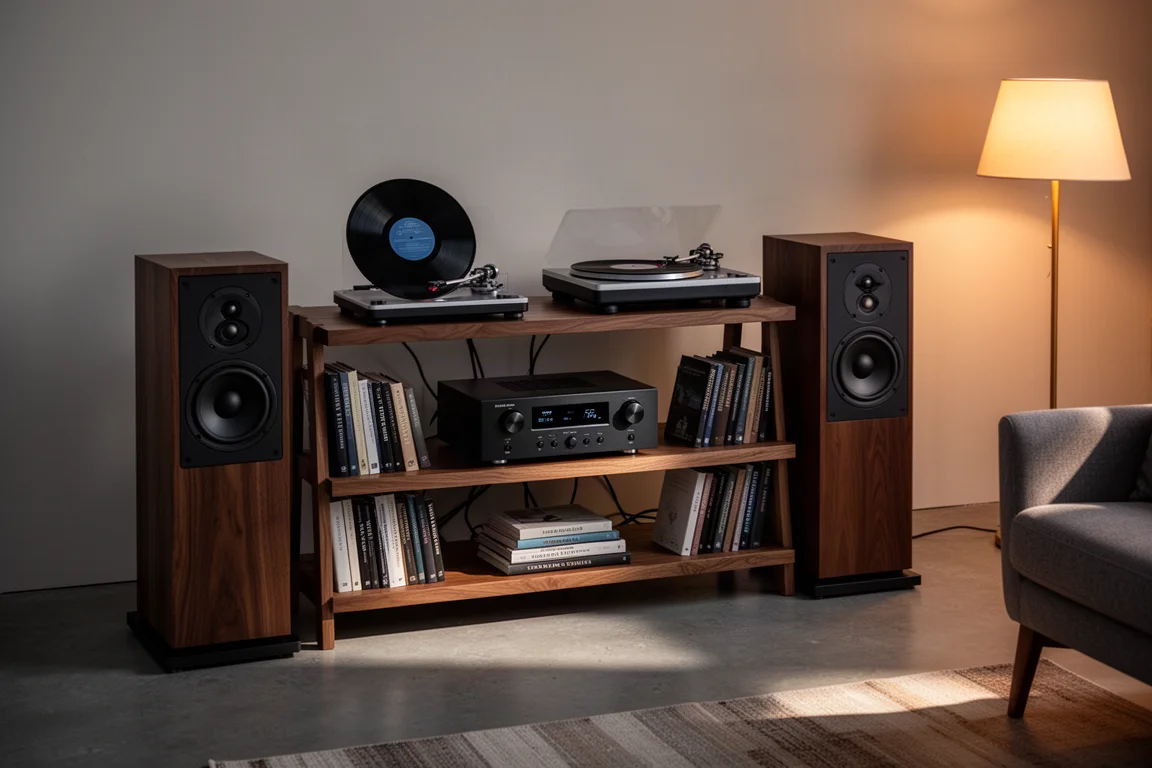
Setup is refreshingly simple. There is no app to configure and no account to create, so once speakers and sources are connected the amplifier is ready. That simplicity is a genuine part of the appeal for listeners who would rather not manage another piece of software.
Connections, Features, and Setup
Four analog inputs sit on the back panel, and one of them can be switched between balanced and unbalanced connections. That flexibility extends to the EXA100’s power amp mode, which turns the amplifier into a dedicated stereo power amplifier for use with a third-party preamp or with the EXN100 streamer running in preamp mode.
Speaker connections are handled by two sets of five-way binding posts, allowing A/B speaker switching or dual zone control. There is also a pair of preamp outputs and a dedicated subwoofer output, though the EXA100 has no internal bass management, so low-frequency blending is left to the subwoofer itself.
On the digital side, the standout is HDMI with eARC. It is the feature that makes the EXA100 easy to drop into a television-based system, and it is absent from the CXA81 version 2. The onboard DAC handles high-resolution music and DSD files, and Bluetooth 5.0 covers casual listening. What you will not find is built-in streaming services or a control app.
Main Strengths: Sound, Power, and Flexibility
The EXA100’s most distinctive quality is its tonal weight. Compared directly with the Marantz Model 60n, it sounds noticeably fuller and richer, with more energy in the bass and lower mid-range. Frequency sweeps showed no significant difference between the two amplifiers in room response, which suggests the difference is one of character rather than measurement.
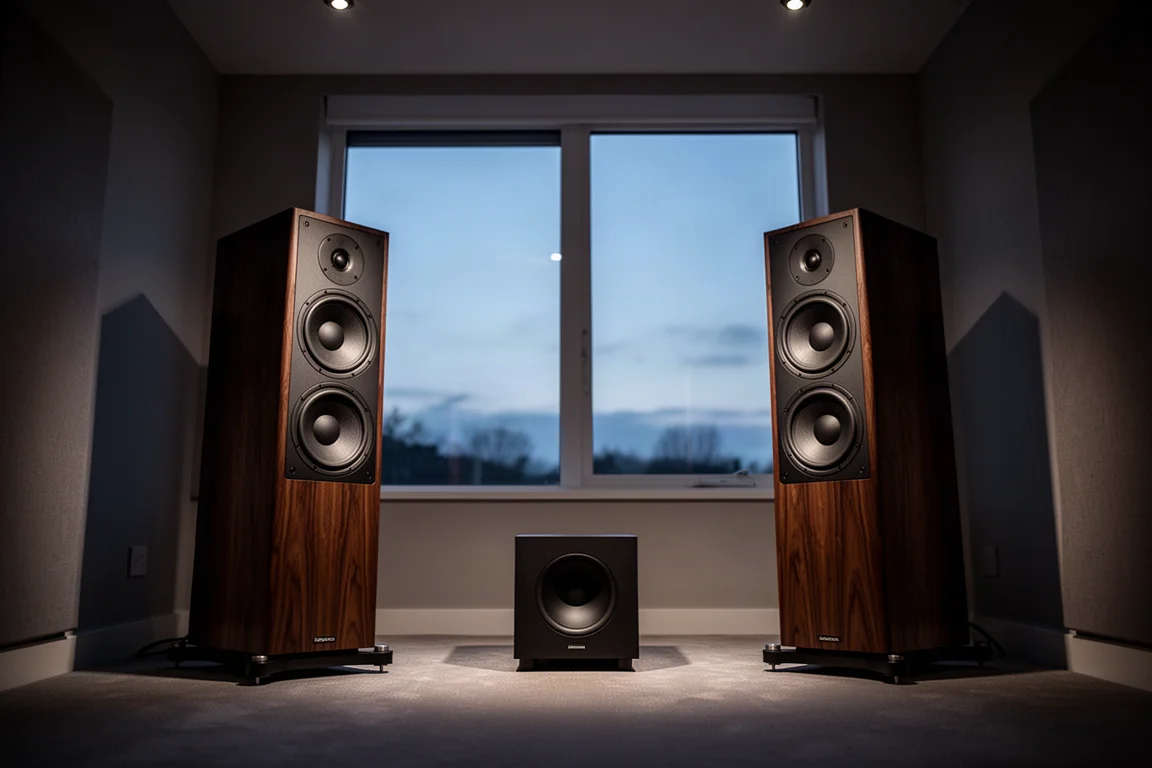
That low end is well controlled rather than loose. Bass and lower mid-range notes arrive with detail and texture, plus a hint of bloom that gives music a satisfying sense of body. The character has drawn comparisons to the house sound of far more expensive McIntosh amplifiers, and in a direct comparison at moderate volumes the gap was smaller than the price difference suggests.
That comparison is worth spelling out. Driving Sonus Faber Lumina II speakers at roughly 75 to 80 dB in room, the EXA100 and a McIntosh MC312 were hard to tell apart, with price the obvious difference. With larger, more demanding tower speakers and peaks closer to 95 to 100 dB, the McIntosh kept its composure while the Cambridge began to sound forward and shouty. Brought back down to 70 to 80 dB, the two were evenly matched again.
The mid-range is easy on the ears and suits long listening sessions across genres. The soundstage extends well beyond the speakers, with a sense of depth and natural separation between instruments and voices. Dynamics carry a solid low-end kick, and adding a subwoofer to the system brings extra spaciousness and snap.
The amplifier drove Monitor Audio Studio 89 bookshelf speakers, Sonus Faber Lumina II speakers and SVS Titan towers without trouble. It also worked well as the control center of a 2.1 setup, with an Apple TV 4K feeding a television and audio passed over HDMI to the Cambridge, while an SVS SB-17 handled subwoofer duties.
Things to Consider Before Buying
The omissions are worth weighing carefully. There is no phono preamp, no tone controls and no internal bass management, and the CXA81 version 2 does include a phono stage. Listeners with a large vinyl collection will need a separate phono preamp or a turntable with one built in.
The extra weight in the lower mid-range has a downside. Voices and instruments in that frequency range can sound slightly fuzzy, and because the EXA100 has no tone controls there is no easy way to trim that character. Treble is a touch rolled off compared with the Marantz Model 60n and lacks the airy quality of the McIntosh at higher volumes, though it stays more composed than the Marantz when the volume climbs.
Definition between the speakers is another area where rivals have an edge. Amplifiers such as the Rotel 1592 Mark I and the Marantz Model M1 offer a more precise, control-room style presentation. The Cambridge counters with a more natural feel, which some listeners will prefer and others will not.
Finally, the DAC inside the EXA100 is the same one used in the EXN100 streamer. Connecting the EXN100 through both analog and digital cables produced only a small gain difference and no significant change in sound quality, which means a more affordable streamer connected digitally can deliver most of the benefit.
How the EXA100 Compares With the Competition
Value depends on whether you buy the EXA100 on its own or as part of a pair. On its own it is competitively positioned. To match the feature set of the Yamaha A-S2000A, however, you need the EXA100 plus a Cambridge streamer, at which point the spend is comparable.
The Yamaha brings built-in streaming, HDMI, a good phono preamp, tone controls, room correction and real meters. It is also more neutral and has no trouble driving demanding speakers at high volumes. The more affordable Yamaha A-S1000A costs less than the EXA100 while offering similar performance and the same feature set as its larger sibling.
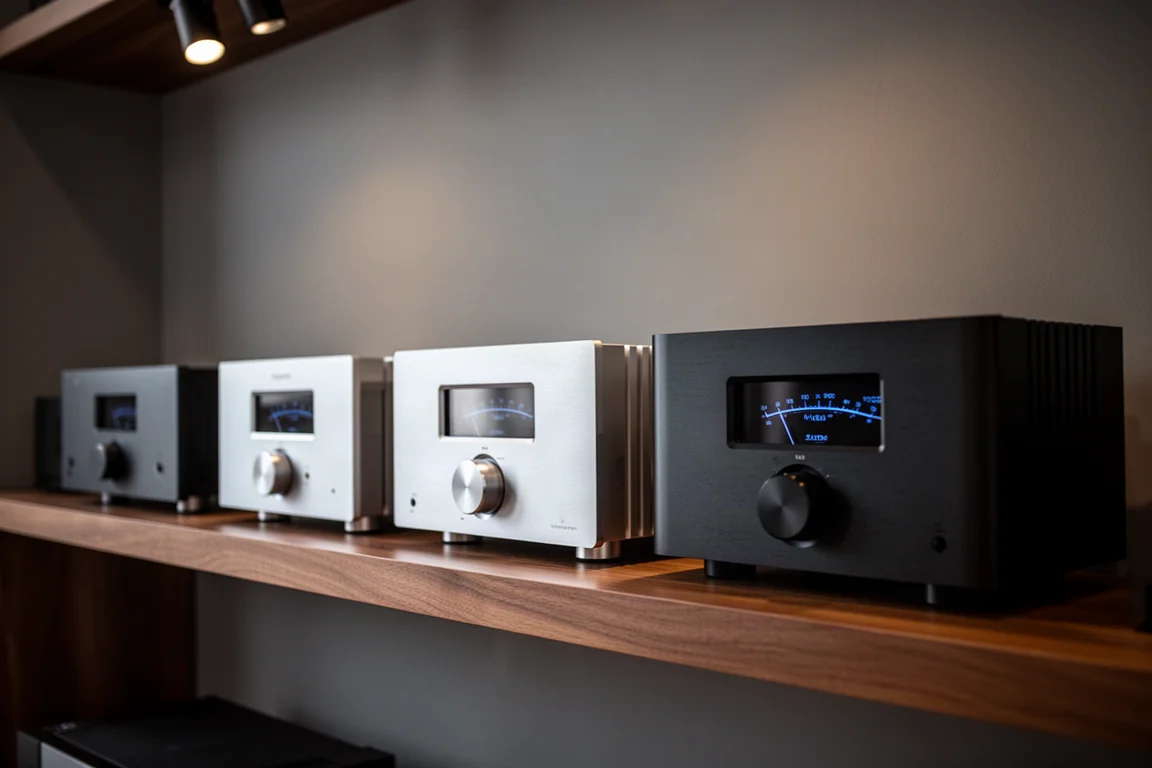
Elsewhere, the Audio Lab 7000A sells for less than $1,500 with a 70 to 100 watt range. It is less powerful than the Cambridge but covers almost everything else, including a very good built-in phono preamp. The Rotel 5000 costs nearly $1,000 less than the Cambridge pair or the Yamaha A-S2000A while matching them on features, and its amplifier section is a standout.
Speaker Matching and System Advice
The EXA100 is comfortable with a broad range of speakers, having driven efficient bookshelf models and larger towers during testing. Where it asks for care is at the extremes: with difficult loads and sustained high volumes its composure is not unlimited, and listeners who routinely listen loud may want more power or a more neutral amplifier.
Source choices shape the value equation. A turntable with a built-in phono stage, or a separate phono preamp, removes the need for a phono input. A budget streamer connected to the EXA100’s digital inputs captures most of what the matching streamer offers, leaving the extra spend for listeners who want the visual pairing or the streamer’s own display.
For 2.1 systems, the dedicated subwoofer output makes connection easy, but bass management must be handled on the subwoofer itself. Plan for that during setup rather than after.
Buying Advice
The EXA100 makes the most sense for a listener who wants a single, well-built amplifier for both analog and digital sources, values a full and generous sound, and does not need a phono stage, tone controls or built-in streaming in the same box. For anyone moving on from older CXA components without stepping up to Edge series pricing, it is a genuine upgrade.

Buyers who need a phono input, room correction or streaming built in should compare carefully, because several rivals bundle those features at similar or lower prices. Buyers who already own a good phono stage and a streamer will find the EXA100’s simplicity and sound quality easier to justify.
Matching speakers to the room and to realistic listening levels matters more than the specification sheet here. The EXA100 rewards moderate to spirited volumes with a warm, detailed presentation; it is less flattering when pushed to its limits with hard-to-drive speakers.
Conclusion
The Cambridge Audio EXA100 is a characterful integrated amplifier with a rich low end, a wide soundstage and a straightforward, app-free setup. Its HDMI eARC input and capable onboard DAC make it easy to live with, and its moderate-volume performance comes surprisingly close to far more expensive hardware. The trade-offs, including no phono stage, no tone controls and a forward edge at very high volumes, are real but predictable. For listeners whose priorities line up with what it does best, it is an easy amplifier to enjoy.
Product link
View more details for Cambridge Audio EXA100
This product is mentioned in the review. Check the specifications, options, and compatibility before buying.
View more details for Cambridge Audio EXA100Further reading
Related Reviews
Hi-Fi Amplifiers
Accuphase E-280 Review: Entry-Level Accuphase With Flagship Attention to Detail
A close look at the Accuphase E-280 integrated amplifier, covering its champagne build, AAVA volume control, sound quality, and the speakers and sources that suit it best.
Hi-Fi Amplifiers
Advance Paris A10 Classic vs Yamaha A-S301: Two Integrated Amplifiers Compared
A practical comparison of a $350 integrated amplifier and a $2,500 reference model, covering the differences that matter and the ones that do not.
Hi-Fi Amplifiers
Affordable Chinese Amplifiers Worth Buying: Five Budget Hi-Fi Amps Compared
A practical look at five affordable amplifiers, what each one does well, and the trade-offs to weigh before you buy.