Integrated Amplifiers
Cambridge Audio EX A100 Review: A Class AB Integrated Amplifier With Real Flexibility
A hands-on look at the Cambridge Audio EX A100, a 100 watt Class AB integrated amplifier with two-pair speaker switching, HDMI ARC, and a neutral to slightly warm character.
Introduction
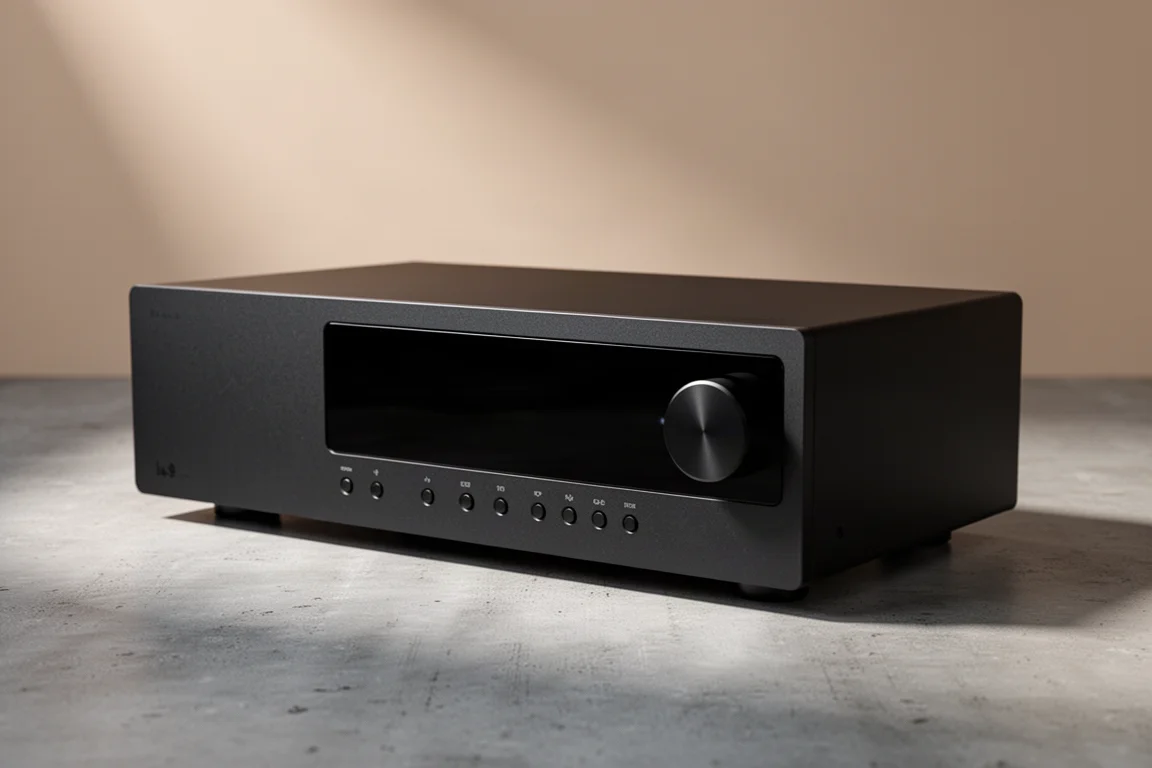
The Cambridge Audio EX A100 is an integrated stereo amplifier built around a Class AB output stage, rated at 100 watts per channel into 8 ohms and 155 watts per channel into 4 ohms. It sells for $2,399 and carries a two-year warranty. The design is deliberately understated: a clean, uncluttered front panel with no display and no decorative lighting. What it lacks in visual drama it makes up for in features, including two-pair speaker switching, balanced and single-ended inputs, a filtered subwoofer output, Bluetooth, HDMI ARC, and a headphone output.
Who This Amplifier Is For
This amplifier suits listeners building a serious two-channel system who want a neutral to slightly warm presentation and the ability to reshape that character later by pairing it with different source or power components. It is comfortable driving both high-sensitivity floorstanders and lower-sensitivity standmount speakers, and it can be used as a pure power amplifier with an external preamp, or as a preamplifier feeding a separate power amplifier.
It is less suited to vinyl-first listeners who expect a built-in phono stage, or to anyone who wants tone controls and EQ available on the front panel.
Main Strengths: Sound, Power, and Flexibility
Class AB amplification is a deliberate choice here, and it brings a substantial toroidal power transformer and large heat sinks. On first listen the sound came across as pale and closed in, with limited energy. After roughly 50 to 70 hours of playback it opened up considerably, settling into a neutral, slightly warm character that stayed engaging across long sessions. That settling-in period is worth knowing about if the first hours of listening feel underwhelming.
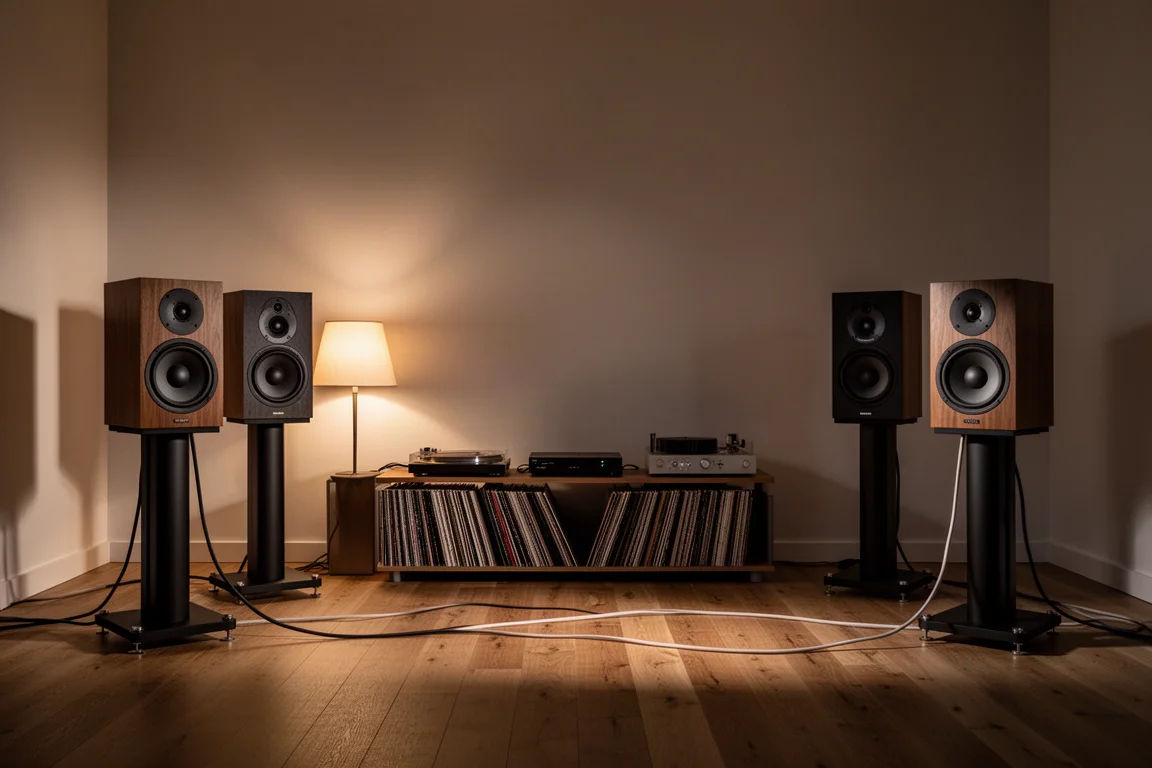
Power delivery held up well. With a high-sensitivity floorstanding pair the amplifier sounded effortless, and with a lower-sensitivity standmount pair the 100 watts into 8 ohms were clearly up to the job. A/B speaker switching, which keeps two pairs of speakers connected at once, is rare on modern integrated amplifiers and genuinely useful.
Connectivity and System Flexibility
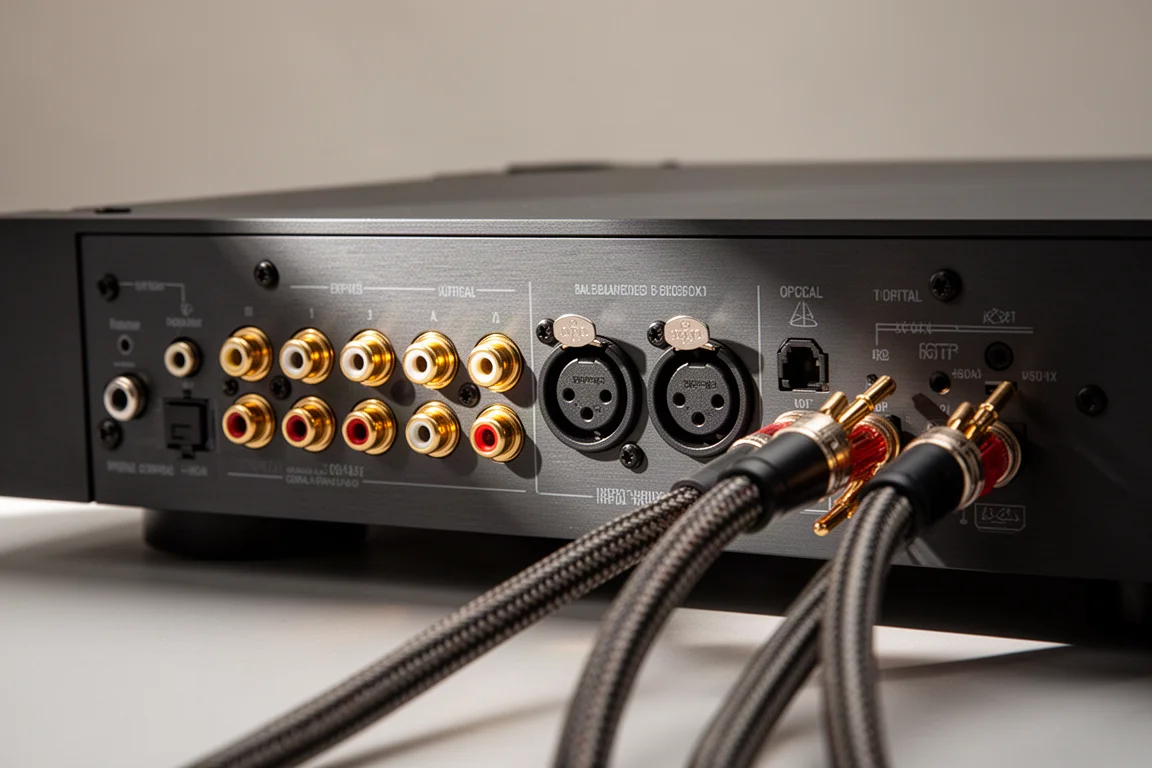
The rear panel covers more ground than this price class usually suggests: three sets of RCA line inputs, one set of XLR balanced inputs, stereo preamplifier outputs, and a single subwoofer output that is low-pass filtered. Digital connections include one coaxial input, two optical inputs, one USB input, Bluetooth, and HDMI ARC, which allows the amplifier to be integrated with a television in a two-channel or 2.1-channel setup.
A power amp mode lets the A100 run strictly as a power amplifier with an external preamplifier. The one notable omission is a phono input, in either moving magnet or moving coil form.
Build Quality, Heat, and Ergonomics
Inside, the toroidal transformer is flanked by generous heat sinks for the output transistors. Even with that headroom the amplifier ran warm to the touch rather than hot, which is normal for Class AB but means it needs ventilation. An enclosed cabinet without airflow is not the right home for it.
The front panel is clean to the point of being spartan. There is no display and no indication of the volume setting, so level changes are made by ear. The volume knob turns with smooth action, but the knob itself is grey plastic and does not feel as substantial as the price suggests. The remote is a slim plastic unit with a large number of buttons dedicated to other components in the same family, while the volume keys sit small in the centre.
Listening Notes: Digital, Analog, and Headphones
Digital listening through the coaxial input was satisfying, and the built-in Saber DAC handled CD playback and streaming without complaint. Compared with an older outboard converter, however, the built-in DAC gave up some ground: the external unit hit harder in the low end, sounded more open, placed instruments more clearly in space, and extended further in the treble. That is a fair trade for a convenience converter rather than a criticism, and an external DAC is easy to add later.

Vinyl played through a separate phono preamp sounded excellent, and the amplifier was transparent enough to reveal the differences between analog and digital sources. Headphone listening with planar magnetic headphones, which are not easy loads, was handled without difficulty.
The amplifier also proved adaptable when used purely as a preamplifier into a tube power amplifier and into a solid-state Class A amplifier. Being able to reshape the sound by swapping one component is the kind of flexibility that keeps a system interesting over years rather than months.
Things to Consider Before Buying
There is no phono input, no bass or treble controls, and no EQ options at all, so tonal adjustment has to come from speakers, placement, or source components. The absence of a front-panel display means there is no numeric volume reference to work from. The volume knob and the remote are plastic, which is noticeable at this price. The built-in DAC is best treated as a convenience rather than the main reason to buy. Finally, the amplifier runs warm and needs breathing room, and the warranty runs for two years.
Buying Advice
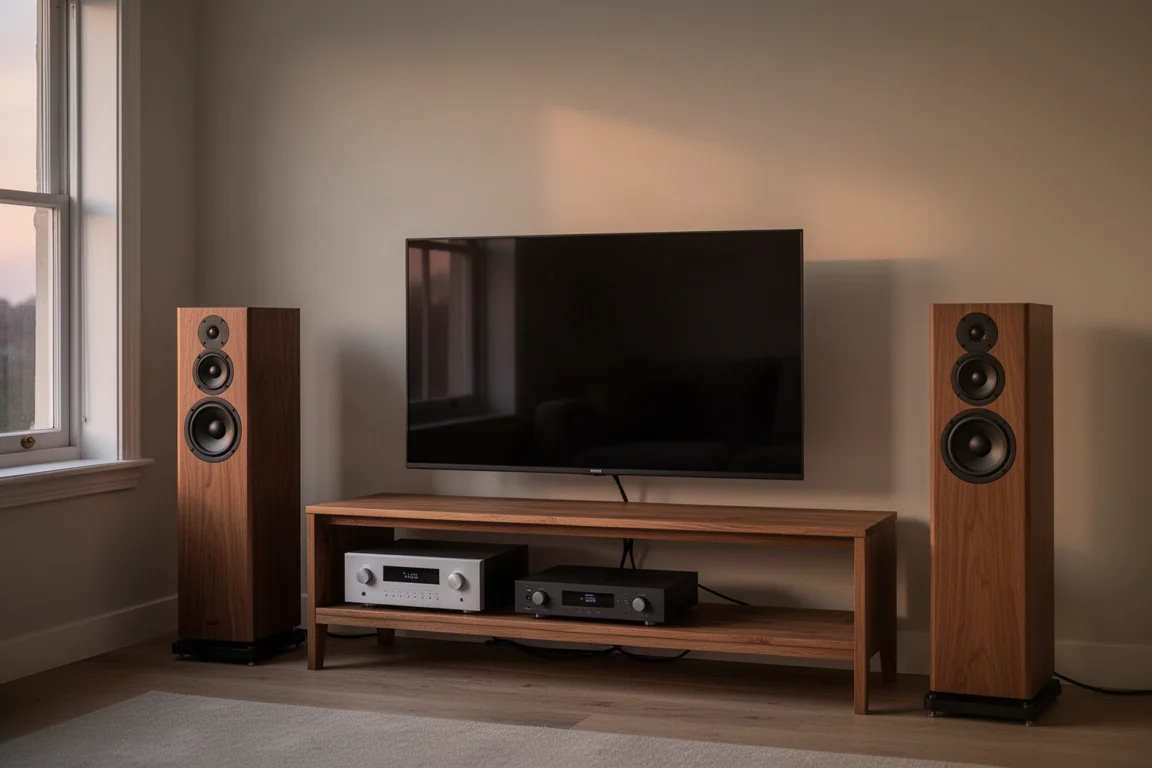
Consider the EX A100 if you want one amplifier that can drive two pairs of speakers, accept a subwoofer, take a television signal over HDMI ARC, and later serve as either a preamplifier or a power amplifier in a larger system. The Class AB output stage and the neutral to slightly warm voicing make it a good match for long listening sessions, and it handled both sensitive and insensitive speakers well.
If your priority is vinyl and you want everything in one box, budget for a separate phono preamp or look at an amplifier that includes one. If you listen mostly to digital sources and want the best possible conversion, plan on adding an external DAC at some point. Neither step is unusual in this price range, but both affect the total cost of the system you end up with.
Conclusion
The Cambridge Audio EX A100 is not the flashiest integrated amplifier at $2,399, and it asks for patience during the first hours of listening. What it offers in return is solid Class AB power, unusually broad connectivity, two-pair speaker switching, and a flexible architecture that lets you change its character with external components. For listeners who value that adaptability over features such as tone controls and a built-in phono stage, it is a compelling long-term foundation.
Product link
View more details for Cambridge Audio EX A100
This product is mentioned in the review. Check the specifications, options, and compatibility before buying.
View more details for Cambridge Audio EX A100Further reading
Related Reviews
Integrated Amplifiers
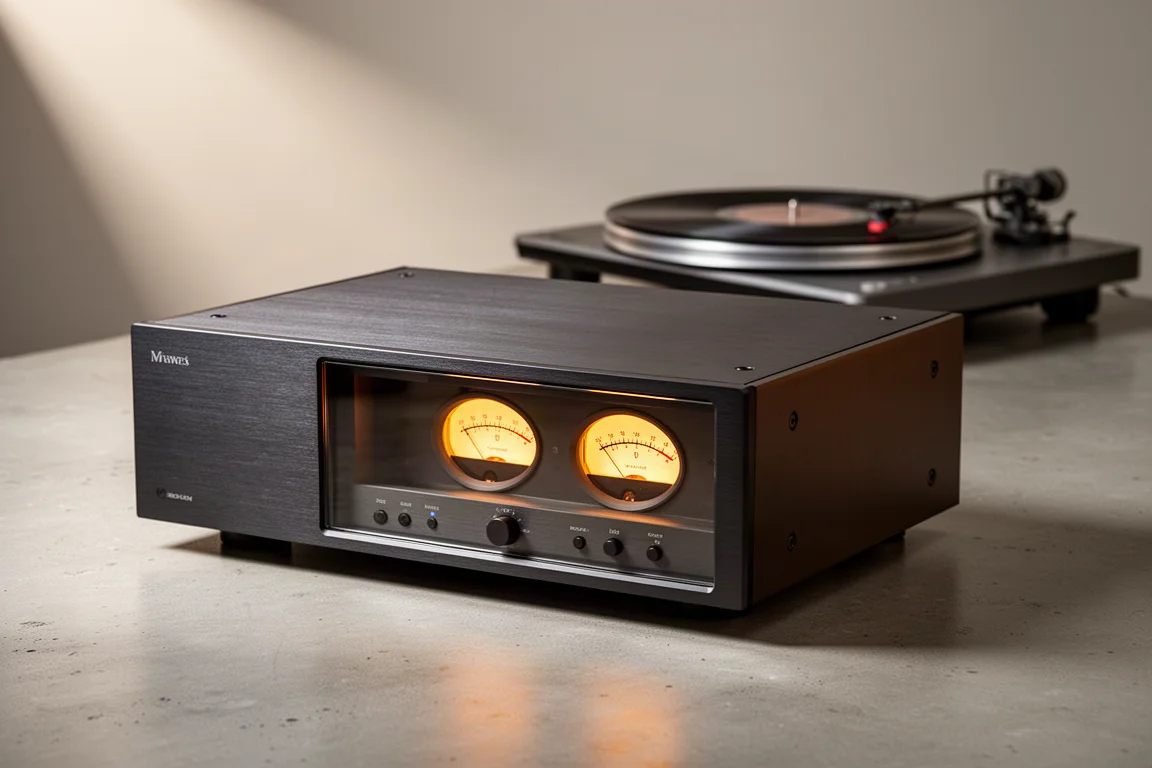
Advance Paris A10 Classic Review: Vintage Looks and a Lively, Punchy Sound
The Advance Paris A10 Classic pairs glowing blue VU meters and a tube stage with one of the widest input sets on any integrated amplifier. Here is what it does well and what to weigh before spending $2,500.
Integrated Amplifiers
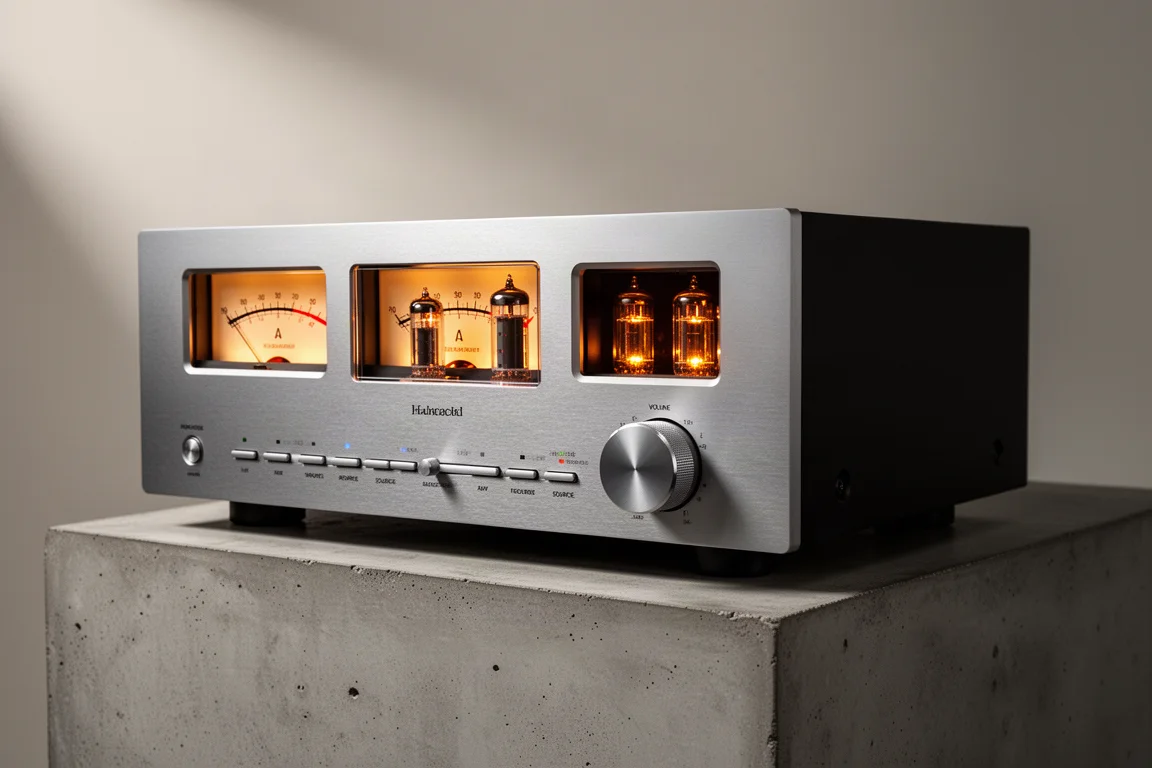
Advance Paris A12 Apex Review: A Modern Integrated Amplifier With Vintage Character
A dual mono integrated amplifier with 180 watts per channel, a tube front end, VU meters, and a connectivity list that covers turntables, televisions, computers, and headphones.
Integrated Amplifiers
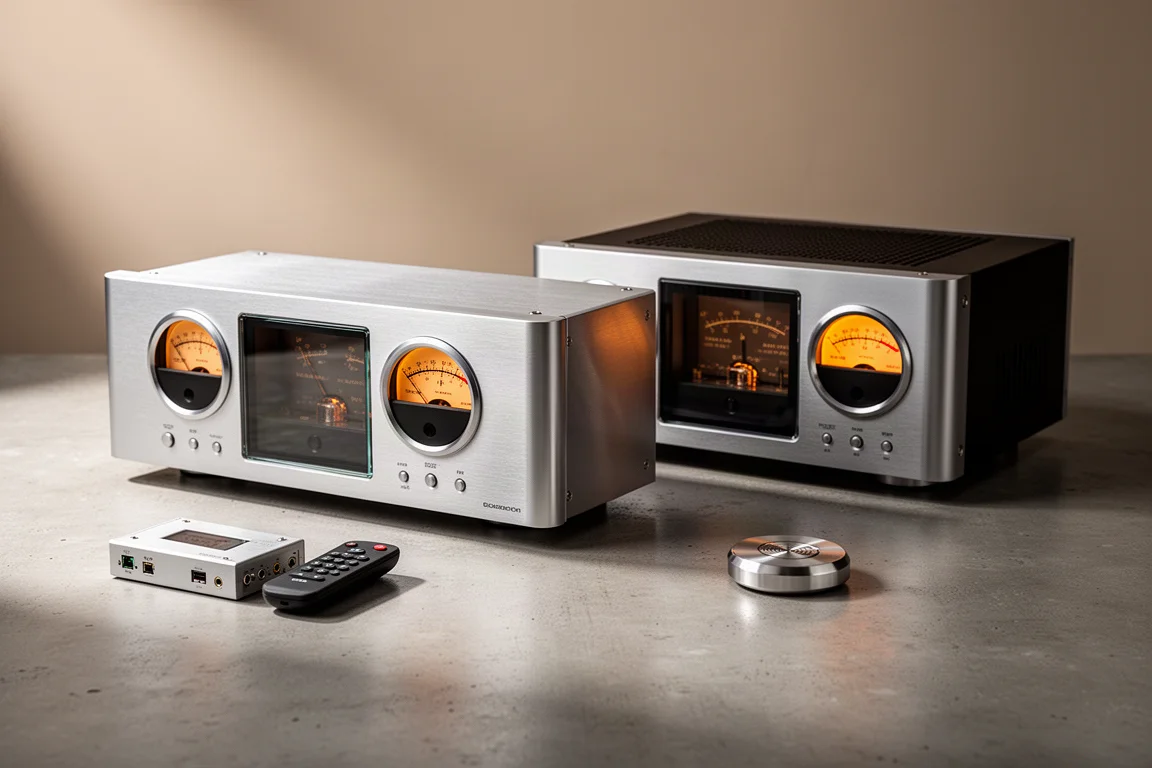
Advance Paris Nova Range Review: AI130, AI190 and Modular Upgrades
A practical look at the Advance Paris Nova range, including the AI130 and AI190 integrated amplifiers and the modular streaming, Bluetooth and remote accessories that expand them.