Hi-Fi Streaming
Cambridge Audio CXN100 Review: A Full-Width Streaming Deck With a Warmer Voice
The Cambridge Audio CXN100 pairs a new ESS DAC stage with Gen 4 StreamMagic in a familiar full-width chassis. Here is where it improves on the CXN V2, and where it does not.
Introduction
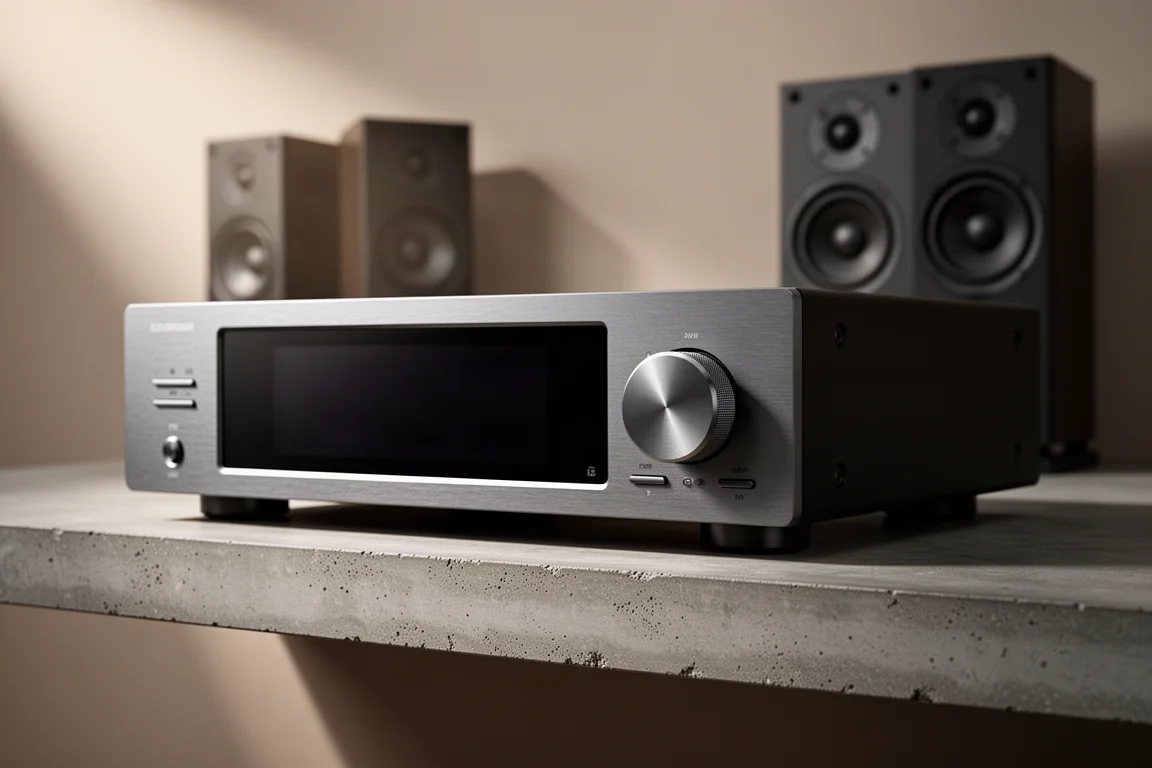
Cambridge Audio’s CXN100 is a full-width network streaming deck that takes over from the long-running CXN V2. It sells for around £100 more than the model it replaces, and in return you get a slightly larger screen, a simplified row of physical controls, a new DAC stage built around an ESS chipset instead of the V2’s Wolfson circuit, and the company’s Gen 4 StreamMagic streaming module, carried over from its Evo range.
The streaming module is the change most owners will notice day to day. Wi-Fi is now handled inside the chassis, so there is no USB dongle to add, and two small aerials sit on the back. The digital volume control has also moved inside the DAC chip, which brings 100 steps of adjustment where the V2 offered 30.
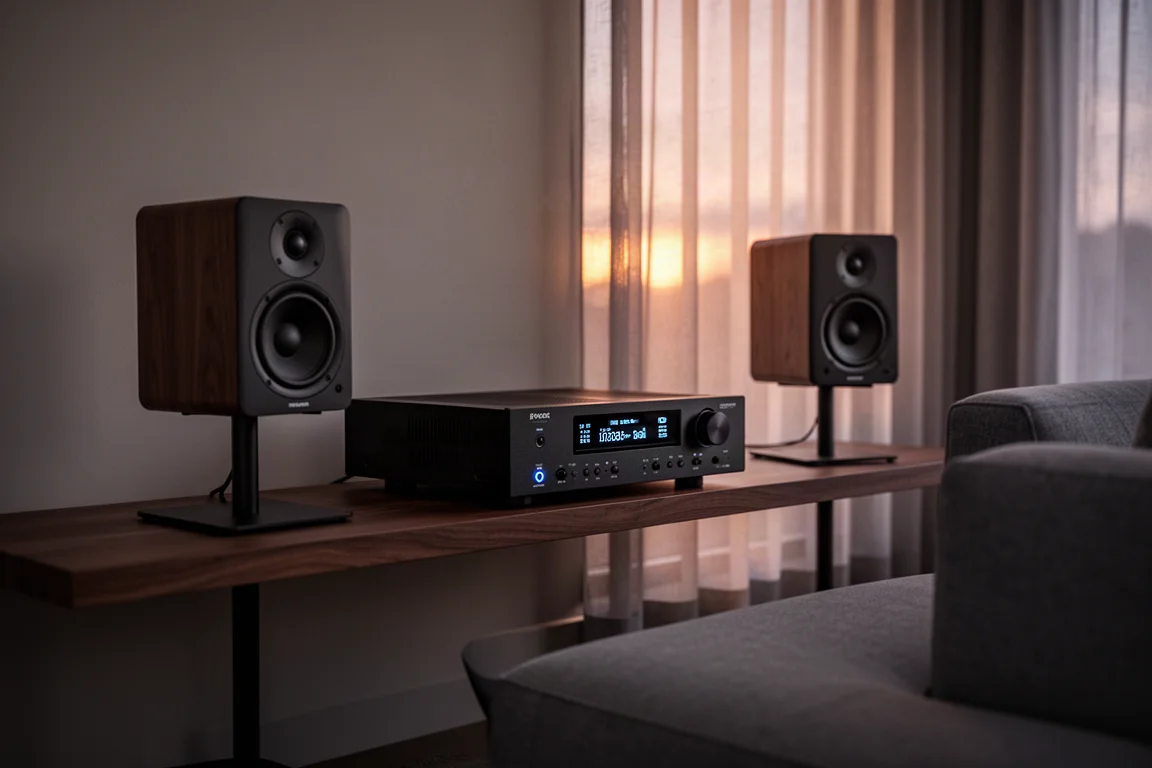
What has not changed is the underlying idea: a component wide enough to sit properly in a hi-fi rack, with a screen that shows what is playing and controls that anyone in the house can work out. This review covers what the CXN100 does well, what it gives up, and who it makes the most sense for.
Who This Product Is For
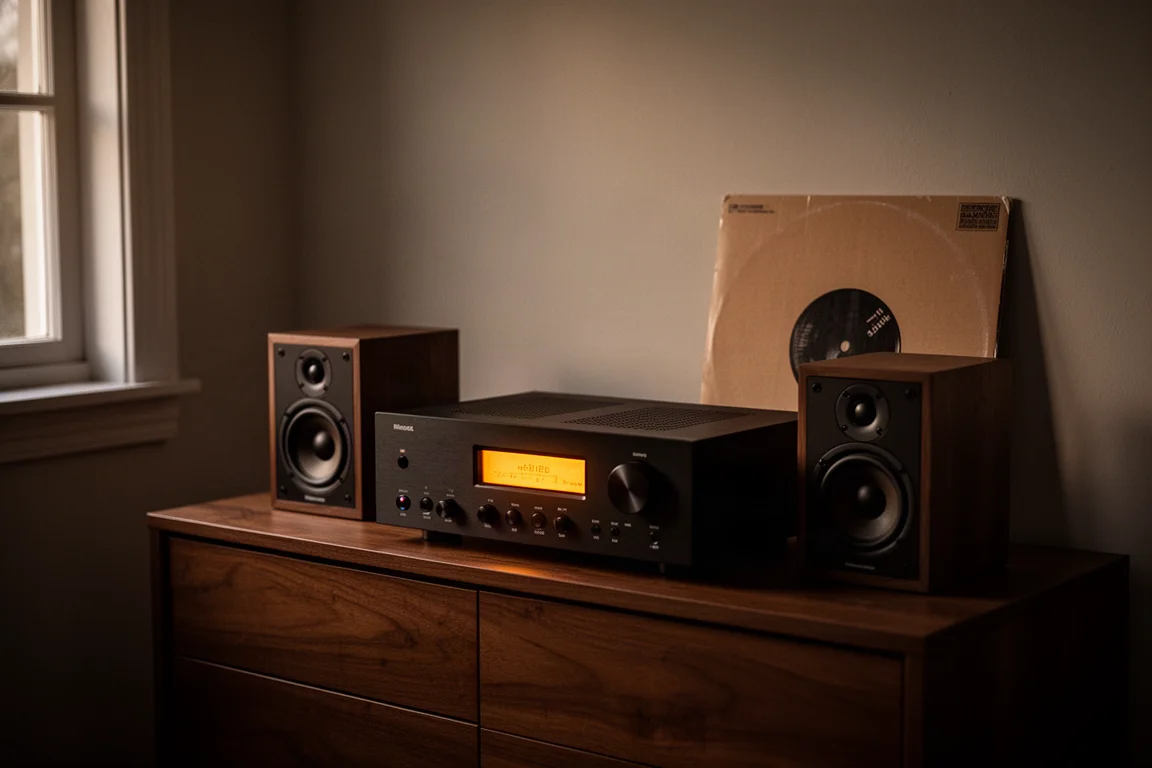
The CXN100 is aimed at listeners who want streaming built into a conventional hi-fi system rather than bolted on through a phone or a small desktop box. It is a full-width unit, so it lines up with an amplifier, a CD transport or a turntable stage on the same shelf, and it can be run as a streaming preamplifier feeding power amplifiers directly.
It is not a product for people who want headphone connectivity or a touchscreen. Neither feature is part of the design, and anyone who needs them will find more suitable options elsewhere. The CXN100 suits listeners who want a broad range of streaming services presented in a straightforward way, with a sound that leans towards body and warmth rather than a bright, sharply etched treble.
Design and Connectivity
Physically, the CXN100 keeps the full-width proportions of its predecessor but tidies up the front panel. The screen is slightly larger than the V2’s and the surrounding buttons have been simplified. Menu navigation is handled by the click buttons either side of the display working together with the volume rotary, and the layout is simple enough to use without reaching for a manual.
The StreamMagic app is the other half of the experience. It is easy to use and it is effectively essential if you want to stream services outside Roon, AirPlay or Chromecast, all three of which are built in. In practice the app is where input and volume changes happen when they cannot be made on the unit itself, for example the optical input handling a television’s audio. The CXN100 is also Roon Ready certified, and Roon’s grouping feature can send the same stream to more than one compatible device at once, which is handy for syncing rooms or comparing hardware.
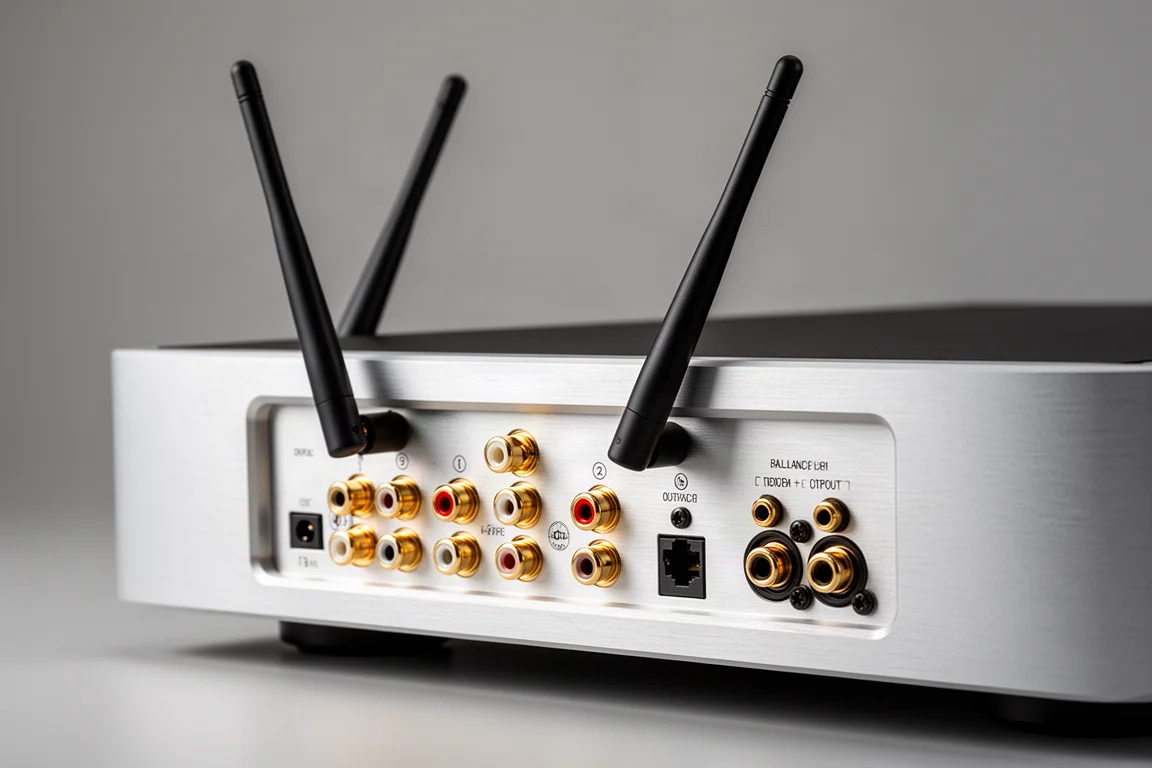
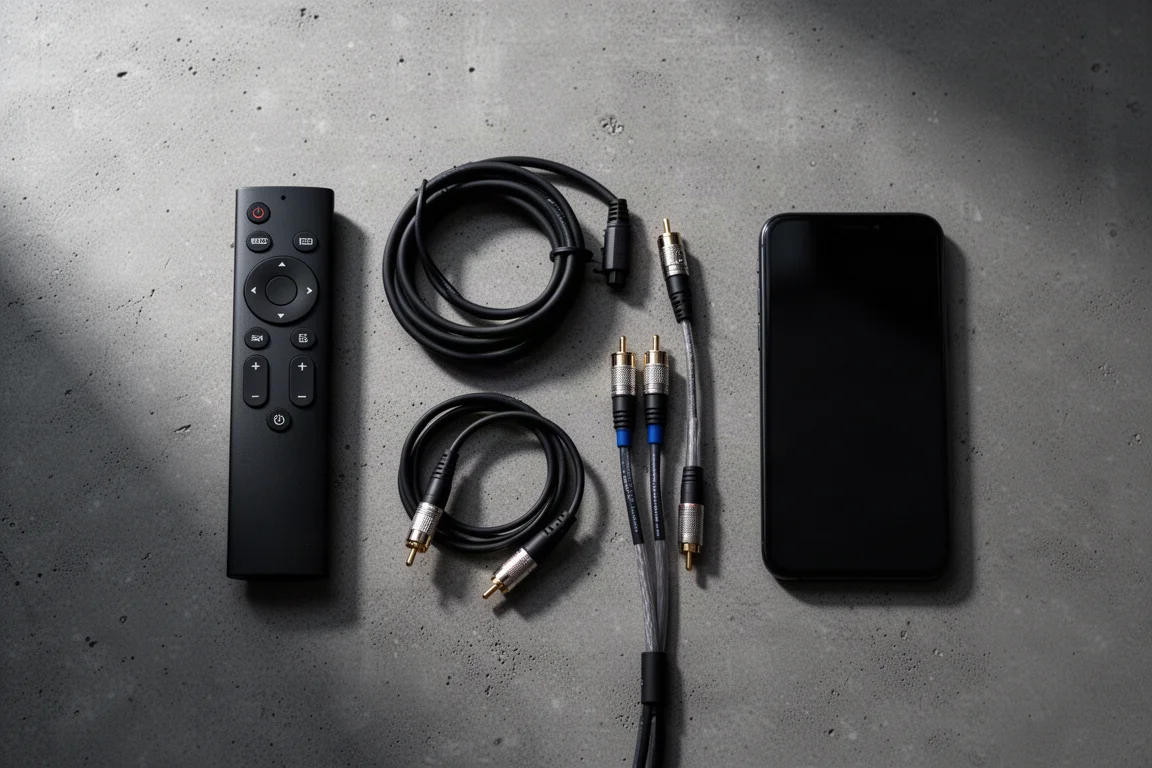
Streaming connectivity is broad, but the physical connections are modest. There is a single optical input and no HDMI ARC, which is a real limitation for anyone hoping to route television audio through the deck without juggling cables. If that one optical input is already taken, the television and the other source have to take turns. The infrared remote control is no longer included and is sold as an optional extra, which is worth factoring in if you would rather use a handset than an app.
Main Strengths
The most useful way to judge the CXN100 is against the CXN V2 it replaces, and the difference is one of character as much as quality. The CXN100 separates fine details a little more cleanly, sounds more precise, and adds a touch of extra pep at the top end. It is not as warm as the V2, and it does not blow the older model out of the water. Some listeners may even prefer the V2’s warmth, particularly on material that benefits from a softer edge.
Against brighter-sounding rivals, the CXN100’s fuller, fleshier tonality is its strongest card. It sounds less nervy and less edgy, which makes dense or rough-edged recordings easier to sit through. Rock with a raw garage-band energy benefits from that warmth, and the deck’s tonal colour holds up over long sessions instead of drawing attention to itself. The screen is also more colour accurate than the outgoing model’s, which matters if cover art is part of how you browse.
Rounding things out, the volume rotary doubles as the main control when the CXN100 is used as a streaming preamplifier, a mode that has to be enabled in the settings menu first. Balanced and single-ended outputs are both available, and in direct comparison the two sounded effectively the same, so there is no need to spend extra on cables for the sake of it.
Things to Consider Before Buying
The clearest omission is HDMI ARC. Competing decks at this price can accept a television’s audio over HDMI and switch inputs automatically, and the CXN100 cannot. With a single optical input on board, a television and any other digital source have to share, which is an annoyance rather than a dealbreaker but worth planning around before you buy.
There is also no headphone output and no touchscreen, so the front panel experience is deliberately traditional: a screen, a dial and physical buttons. The infrared remote is an optional extra rather than part of the box. On sound, the trade-off is warmth. Listeners who loved the CXN V2 for its softer, more golden presentation may find the CXN100 a touch more forward, and the older model is being discontinued, so that comparison is worth making before stock disappears.
Finally, think about the rest of your system. The CXN100’s extra body and relaxed treble flatter brighter or leaner amplifiers and speakers. In a system that already leans warm, the same qualities can tip the balance too far in one direction.
How It Compares With Other Streaming Decks
The streaming deck market has moved a long way since the CXN V2 arrived, and several rivals now undercut or match the CXN100 while offering a different set of features. The Eversolo DMP-A6 costs around €200 less and adds a touchscreen, VU meters, a cast app and native Apple Music playback including high-resolution audio, while the FiiO R7 brings a touchscreen, native Apple Music at high resolution and a more powerful headphone output than most rivals in this group. In a straight comparison the Cambridge sounds fuller, fleshier and less edgy, where the Eversolo is brighter and better at pulling instrumental layers apart. That extra bite can wake up a sleepier or warmer-sounding system, but the CXN100 is the more forgiving of the two. The FiiO’s double-height chassis is also harder to fit into a rack, and judged purely as a streaming deck it is not quite as micro-dynamically alert as the Cambridge, which sounds more lively and more present and offers a little more tonal colour.
The Bluesound Node X sits at similar money and adds a well-regarded headphone output along with HDMI ARC, making it the only deck in this group with that connection. Sonically it splits the difference between the Eversolo and the Cambridge, neither as bright in the treble nor as full-bodied. What it does not offer is the rack-friendly presentation of a full-width component that can show cover art on its front panel. Against its own predecessor, the CXN100 is more precise and more detailed, but the margin is small enough that character, not outright performance, is the real deciding factor.
Buying Advice
The CXN100 makes the most sense if you are building or refreshing a full-width system and want streaming to be one more component on the shelf rather than a separate app-driven box. It rewards listeners who value a forgiving, full-bodied presentation and who stream from a wide spread of services, and it is straightforward enough for anyone in the household to operate.
If HDMI ARC, a headphone socket or a touchscreen is on your must-have list, look elsewhere, because the CXN100 will not provide them and no workaround changes that. If you already own a CXN V2 and enjoy its warmer balance, there is little reason to rush into an upgrade, since the newer model refines rather than transforms the sound. Buyers coming from a phone or a small desktop streamer, however, will notice a substantial step up in usability, connectivity and presentation.
Conclusion
The CXN100 is a careful evolution rather than a reinvention. It keeps the full-width, rack-friendly format that made the CXN V2 so easy to live with, adds a simplified control layout, a more colour-accurate screen and the Gen 4 StreamMagic module, and shifts the sound a little towards precision and away from warmth.
The trade-offs are clear and consistent: no HDMI ARC, a single optical input, no headphone output, no touchscreen and an optional remote. For listeners who want an unfussy, great-sounding streaming deck that sits neatly among their other components and does not punish lesser recordings, those are reasonable compromises to accept.
Product link
View more details for Cambridge Audio CXN100
This product is mentioned in the review. Check the specifications, options, and compatibility before buying.
View more details for Cambridge Audio CXN100Further reading
Related Reviews
Hi-Fi Streaming
iFi Zen Stream vs Innuos Zen Mini Mk III: Which Music Streamer Fits Your System?
A wireless streamer and a Roon core take two very different paths to the same goal. Here is how to decide which one belongs in your system.
Hi-Fi Audio
Accuphase C-57 vs Allnic H-7000V: Two High-End Phono Stages Compared
A fully balanced solid-state phono stage with a pitch-black noise floor meets a tube design built for well-loved records. Here is how to choose between them.
Hi-Fi Amplifiers
Accuphase E-280 Review: Entry-Level Accuphase With Flagship Attention to Detail
A close look at the Accuphase E-280 integrated amplifier, covering its champagne build, AAVA volume control, sound quality, and the speakers and sources that suit it best.