Integrated Amplifiers
Cambridge Audio CXA100 Review: Neutral, Dynamic and Built for Real Systems
A close look at the Cambridge Audio CXA100 integrated amplifier: 100W of Class AB power, a generous input set, and the trade-offs to weigh at $2,200.
Introduction
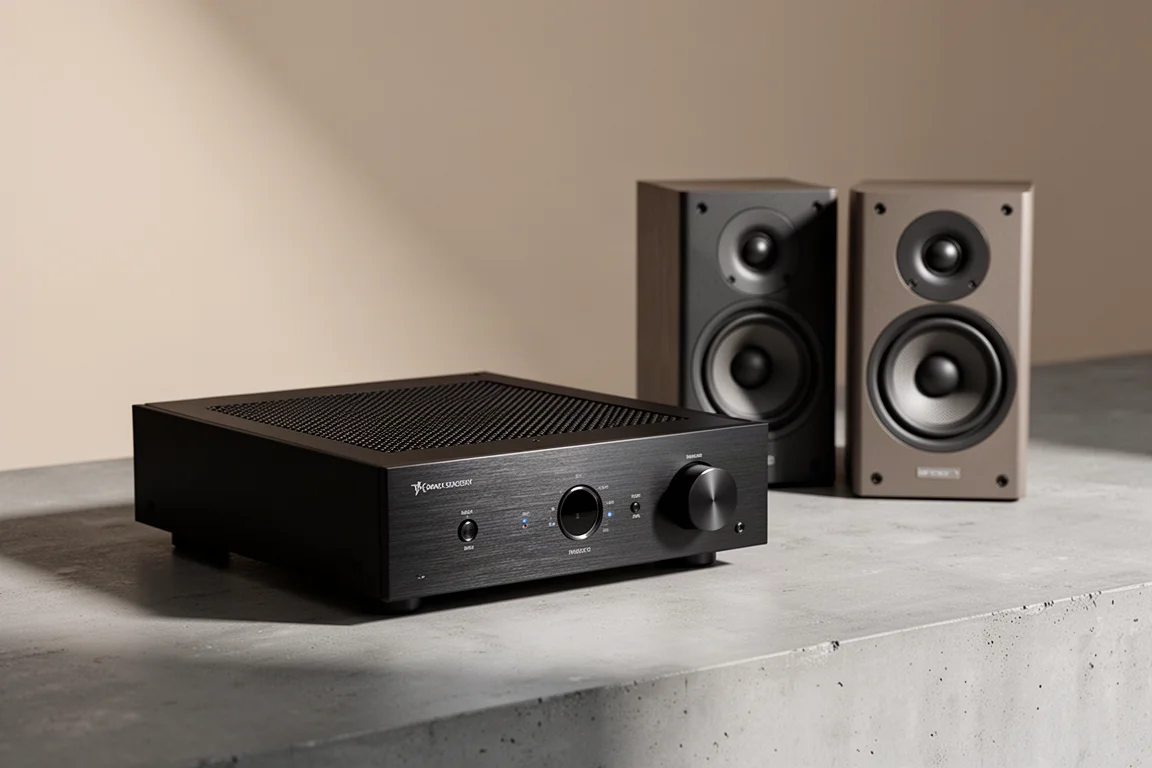
The Cambridge Audio CXA100 is one of the most capable integrated amplifiers in the company’s CX range. At $2,200 it sits above the CXA81 MkII and far above the entry-level AXA35, and it carries the same house sound that runs across the line: clean, detailed and notably neutral.
Inside, the CXA100 is a Class AB design rated at 100 watts per channel into 8 ohms and 155 watts per channel into 4 ohms. Cambridge Audio claims 0.2 percent total harmonic distortion, a signal-to-noise ratio above 91 dB, and a frequency response of 3 Hz to 40,000 Hz.
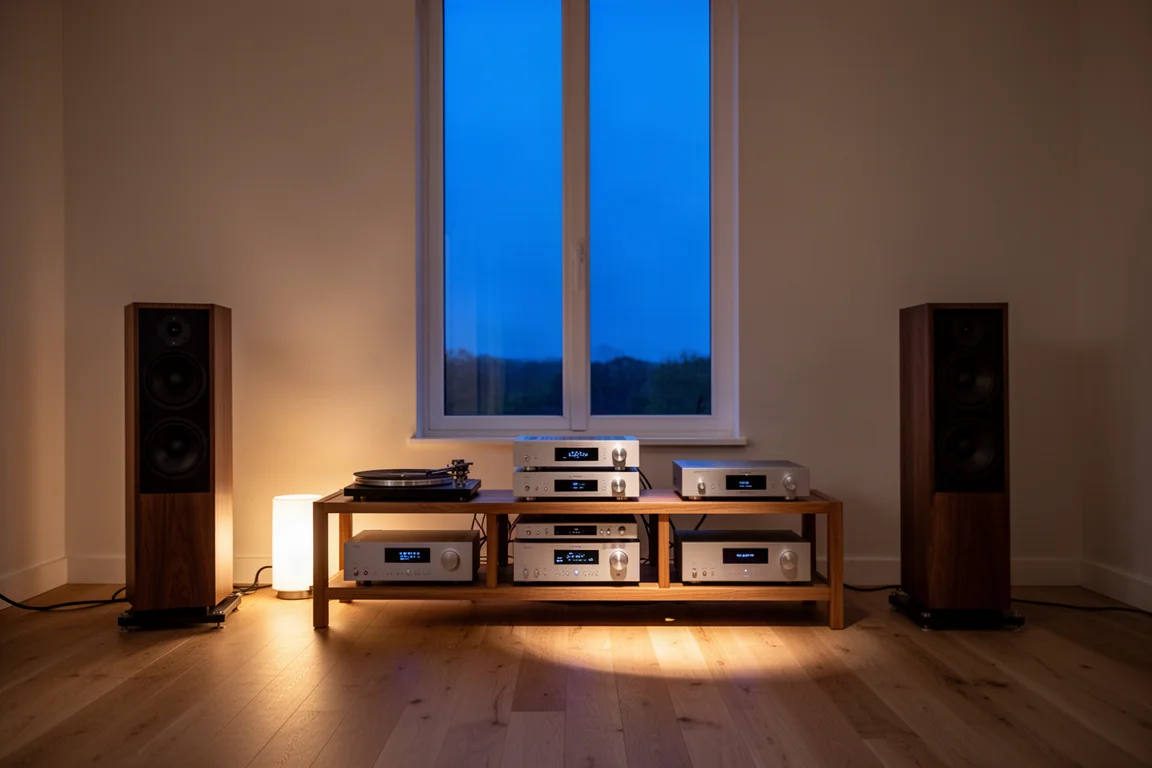
Lift the mesh top panel and the layout is genuinely impressive: a very large toroidal transformer with substantial heat sinks around it, plus separate heat sinks for the left and right channels. That channel separation is not just a design note. It is audible in the way instruments hold their position in the soundstage.
Who this product is for
The CXA100 suits listeners who want a neutral, revealing amplifier with a wide spread of connections and no interest in built-in streaming. It is a natural fit for a two-channel system built around speakers that respond well to better electronics, and for anyone who wants one box to handle both music and television sound through the HDMI ARC input.
It is less of a fit if you play vinyl and do not already own a separate phono stage, or if you like to adjust bass and treble on the amplifier itself. Those are the two things this amplifier simply does not provide.
Main strengths
Power and headroom come first. A claimed 100 watts per channel into 8 ohms and 155 watts into 4 ohms is enough for most rooms and most speakers, and the Class AB output stage gives the sound a fullness that is easy to hear in the low end. Bass arrives with weight and immediacy, and it stays composed when the music gets busy.
The character is neutral rather than warm. The CXA100 does not colour recordings in any obvious way, which makes it a good partner for speakers that already have a strong voice of their own. In practice it drove a wide range of speakers convincingly, from compact stand-mounts to larger floorstanders, and it rewarded speakers capable of scaling with better electronics.
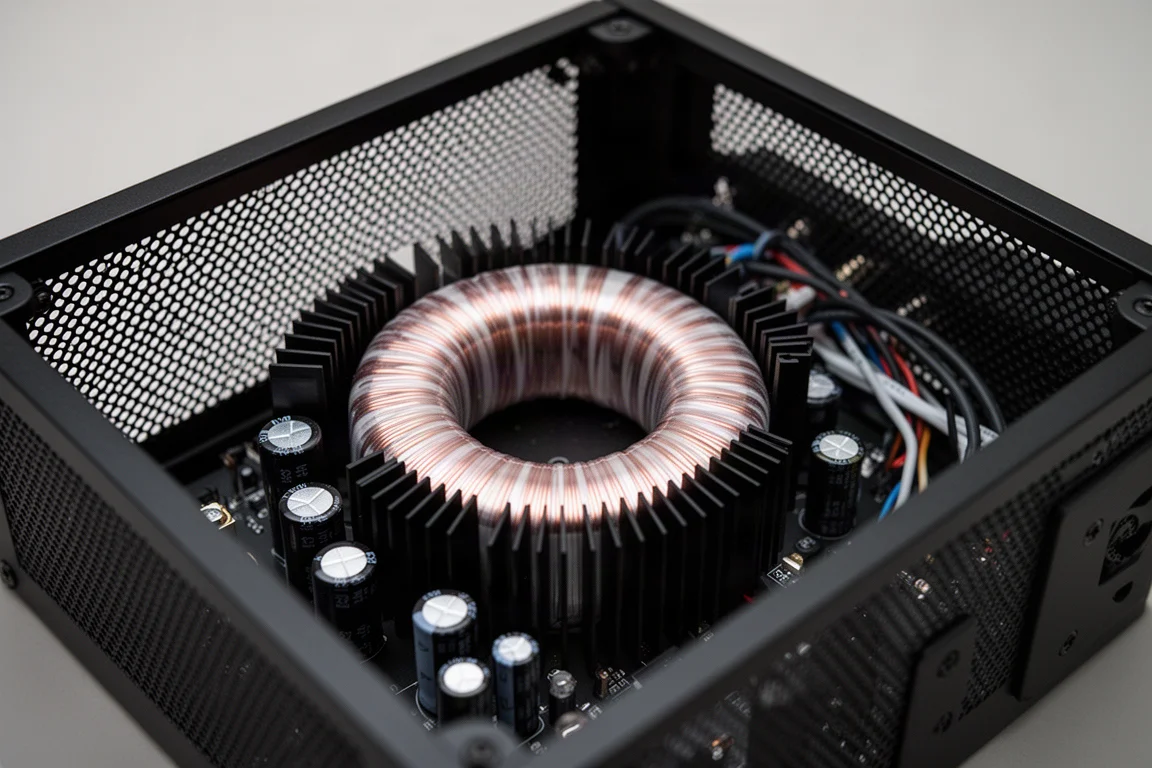
Channel separation is the other headline. With separate heat sinks and a circuit layout built around that goal, the amplifier produces a soundstage with firm placement and believable depth. Performers occupy defined spaces rather than blurring together, and that sense of three-dimensionality is one of the clearest improvements over less expensive designs.
Connectivity and everyday setup
The rear panel is generously equipped. There are two sets of speaker binding posts, a subwoofer output, a preamp output, three analogue inputs, a further single-ended input, balanced inputs, a coaxial input, two optical inputs and a USB input with a ground lift switch. Bluetooth is on board, and the amplifier can work as a Roon player, which requires a Roon subscription.
The HDMI ARC input deserves particular mention because it simply works. Connect a television and a streaming box, power the source on, and the relays click, the amplifier wakes, and audio comes out of the speakers without fiddling. Automatic switching like this is a small thing on paper, but it is often the difference between a system the whole household uses and one that only the person who set it up understands.
Sound quality and system matching
Digital conversion is handled by a Sabre 918K2M chip, the same converter used in the Advance Paris A10 Classic, so the difference between amplifiers at this price comes down to analogue design rather than the chip on the board.
Compared with the Unison Research Unico Primo, which costs around $200 less and has no digital inputs at all, the CXA100 is the more neutral and more detailed of the two. The Unico Primo is the richer sounding amplifier and puts more of its own flavour on the music, while the CXA100 stays out of the way of the recording.
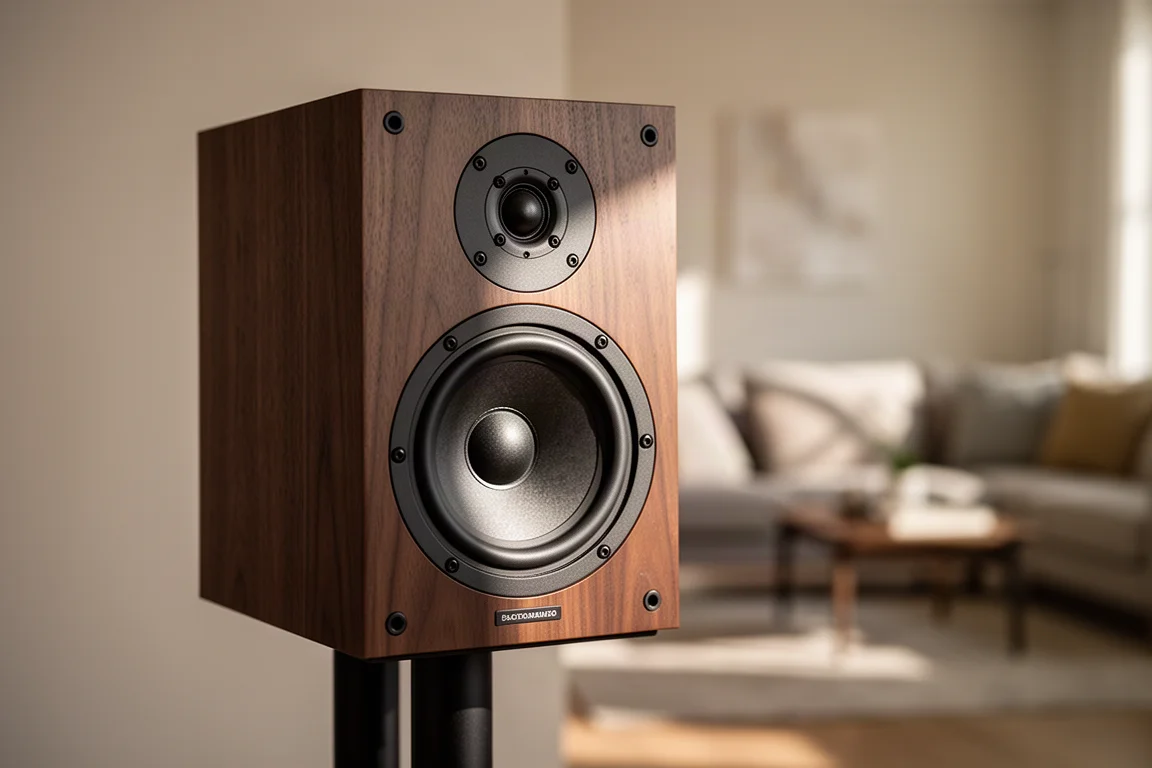
Compared with the Advance Paris A10 Classic, which sits at a similar price and includes a phono stage, the two are close on dynamics. The CXA100 pulls ahead on channel separation, and that is where its more deliberate internal layout shows itself.
Against the Cambridge Audio Evo 150, a Class D design with an integrated streamer, the two amplifiers share a similar ethos and sound closer than their different topologies would suggest. The CXA100 is the more dynamic of the pair, particularly at the bottom end, where it has more fullness and immediacy.
Things to consider before buying
The missing phono stage is the most obvious omission. This amplifier is packed with inputs, and yet there is no turntable input, which stands out given that Cambridge Audio also makes turntables. If you play vinyl, budget for an external phono stage or a turntable with one built in.
There are no tone controls either. Cambridge Audio leaves them off most of its higher-end products, so any bass, treble or EQ adjustment has to come from a digital source or an external processor upstream.
The supplied remote control is solid and pleasant enough to use, and it will survive being dropped, but it does not feel as premium as the remote that accompanies the Evo 150. It is a minor point, though at this price it is a fair one to raise.
Finally, there is no streamer inside. If you want everything in one box, the Evo 150 covers that ground. The CXA100 assumes you will bring your own source, whether that is a streamer, a DAC or a network player.
Buying advice
At $2,200 the CXA100 competes in a crowded part of the market, and the alternatives are strong. A turntable, external DAC and streamer can be assembled for similar money, and both the Advance Paris A10 Classic and the Unison Research Unico Primo make a case at around the same outlay.
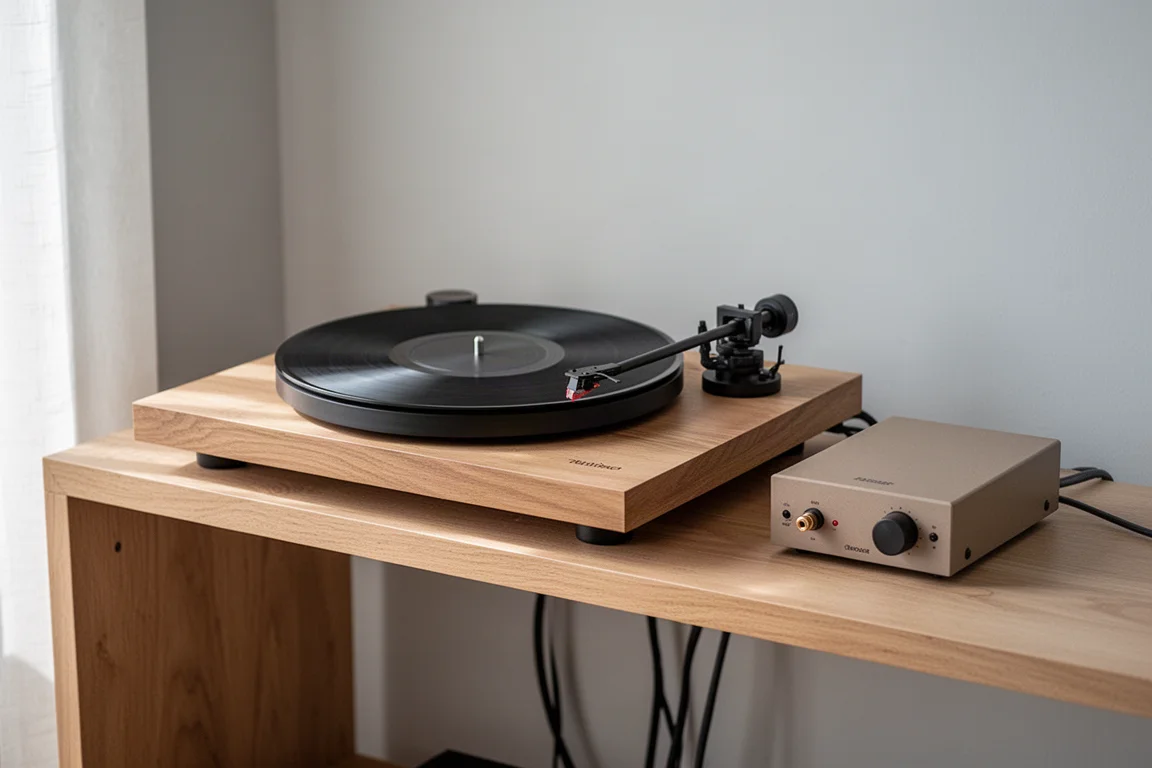
What the CXA100 offers in return is instrument separation, a firmly placed soundstage and a neutral character that still delivers bass punch, a combination that is not always easy to find in one amplifier. Match it with speakers revealing enough to show the difference, and give it a source that suits your listening habits. If vinyl is central to your system, add a phono stage to the budget from the start.
Conclusion
The Cambridge Audio CXA100 is a well-judged integrated amplifier. It is neutral without being thin, dynamic without being forward, and it is equipped for real-world systems with a television, a streamer and several analogue sources sharing the same rack. The lack of a phono stage and tone controls will rule it out for some listeners, and the competition at this price is genuinely tough. For anyone building a revealing two-channel system around speakers that deserve good electronics, it is an easy amplifier to recommend auditioning.
Product link
View more details for Cambridge Audio CXA100
This product is mentioned in the review. Check the specifications, options, and compatibility before buying.
View more details for Cambridge Audio CXA100Further reading
Related Reviews
Integrated Amplifiers
Advance Paris A10 Classic Review: Vintage Looks and a Lively, Punchy Sound
The Advance Paris A10 Classic pairs glowing blue VU meters and a tube stage with one of the widest input sets on any integrated amplifier. Here is what it does well and what to weigh before spending $2,500.
Integrated Amplifiers
Advance Paris A12 Apex Review: A Modern Integrated Amplifier With Vintage Character
A dual mono integrated amplifier with 180 watts per channel, a tube front end, VU meters, and a connectivity list that covers turntables, televisions, computers, and headphones.
Integrated Amplifiers
Advance Paris Nova Range Review: AI130, AI190 and Modular Upgrades
A practical look at the Advance Paris Nova range, including the AI130 and AI190 integrated amplifiers and the modular streaming, Bluetooth and remote accessories that expand them.