Integrated Amplifiers
Cambridge Audio AXA35 Review: A Traditional Analog Integrated Amplifier Worth Knowing
A full-size analog integrated amplifier with a capable phono stage, five inputs, and a warm, full-bodied sound. Here is who it suits and what to check first.
Introduction
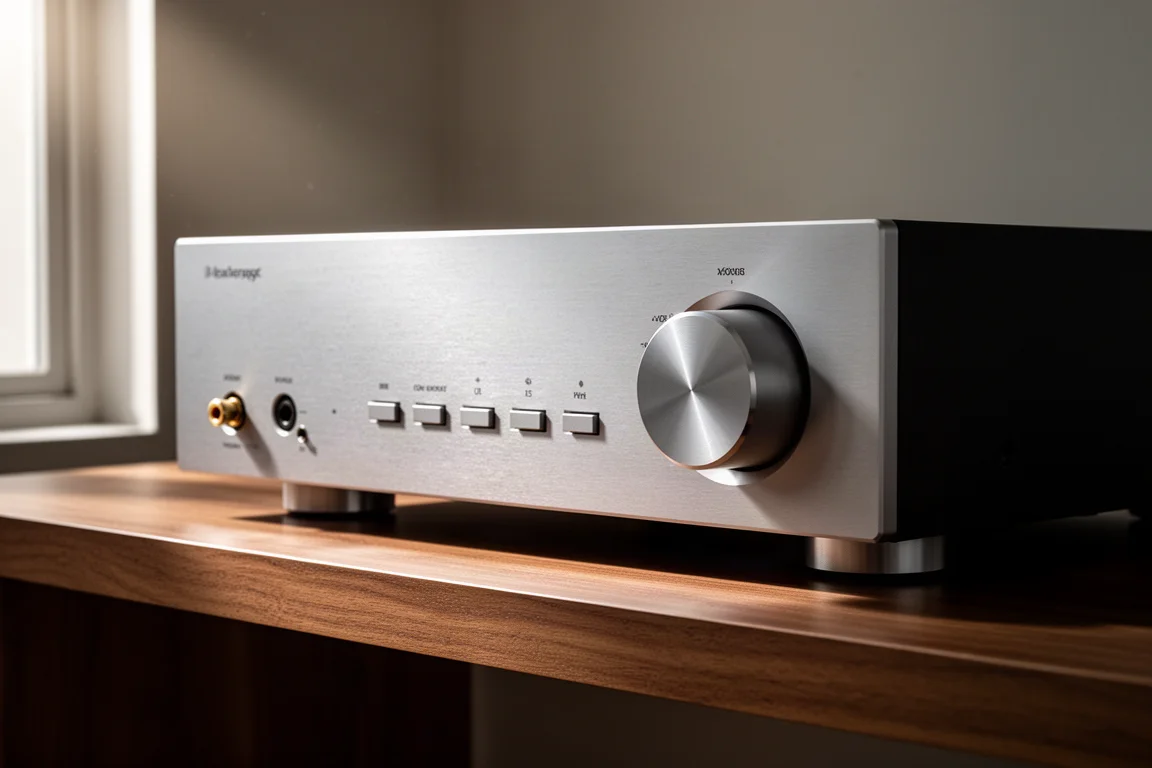
The Cambridge Audio AXA35 is a full-size, analog-only integrated amplifier. There is no built-in DAC, no network module, and no digital input anywhere on the chassis. What it offers instead is a traditional layout: a toroidal transformer, filter capacitors, and a set of parts chosen around long-established hi-fi practice rather than around a specification sheet. At $399, it belongs to a category that is becoming harder to find, an affordable amplifier built for analog sources and nothing else.
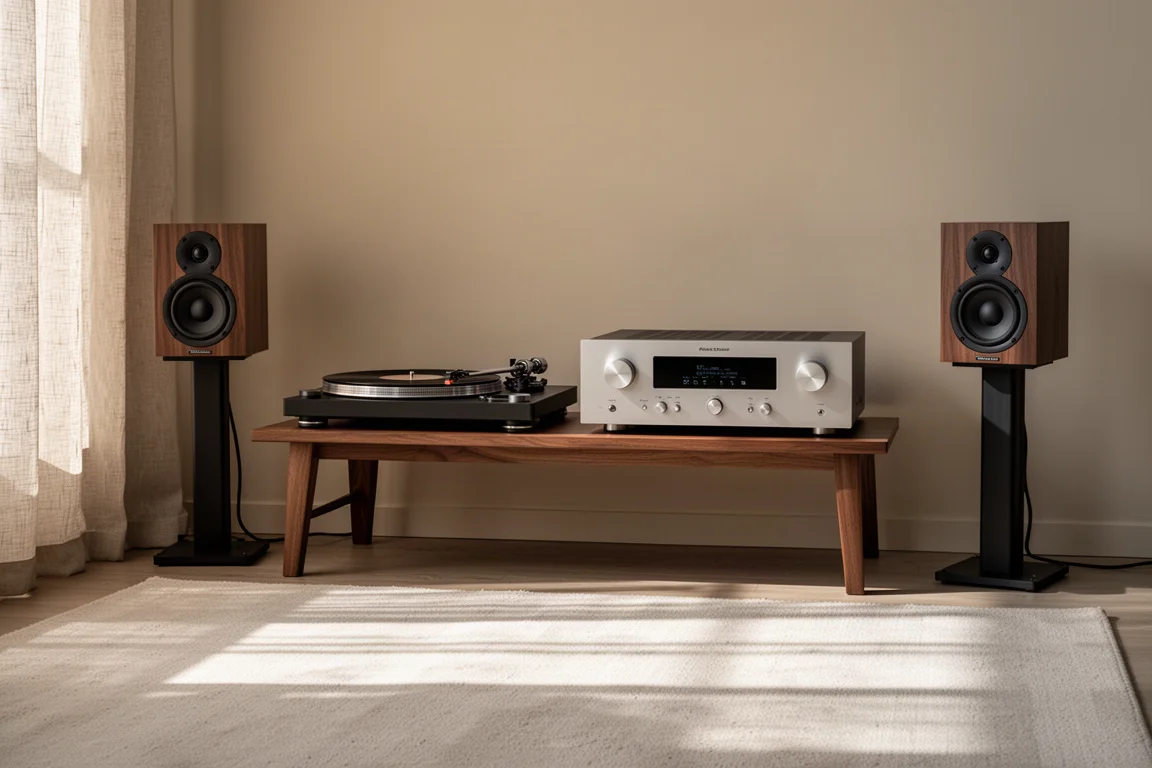
That design choice has a practical upside. Because no converter is included, you are not paying up front for a DAC you may want to replace later. You choose the digital source that fits your system and your budget, and the amplifier stays neutral about the decision.
Who This Amplifier Is For
The AXA35 suits listeners who prefer traditional hi-fi components: full-size chassis, physical input buttons, a substantial remote control, and a signal path that stays analog from the source onward.
It is a natural centrepiece for a vinyl-first system, since the built-in phono stage accepts both moving magnet and moving coil cartridges. It also works well as a nearfield amplifier on a desk or in a small office, where the modest power output is more than enough.
It is less suited to anyone buying on power figures alone, or to listeners who need to fill a large room at high volume. It is also not aimed at people who want one box that handles everything, because a DAC or streamer will have to come from somewhere else.
Main Strengths
The build quality is the first thing that stands out. This is a conventional analog amplifier with a toroidal transformer and proper filter capacitors, and the supporting parts around them are of a standard you rarely see at this price. The output stage uses an integrated chip, but that does not make it a Class D design. The topology remains traditional, and the components inside are genuinely good.
The rated figures are 35 watts into 8 ohms, 0.5 percent total harmonic distortion at 80 percent of rated power, and an 82 dB signal-to-noise ratio. Those numbers are modest, and the listening experience confirms that this amplifier is honest about its limits rather than pretending to be a powerhouse.
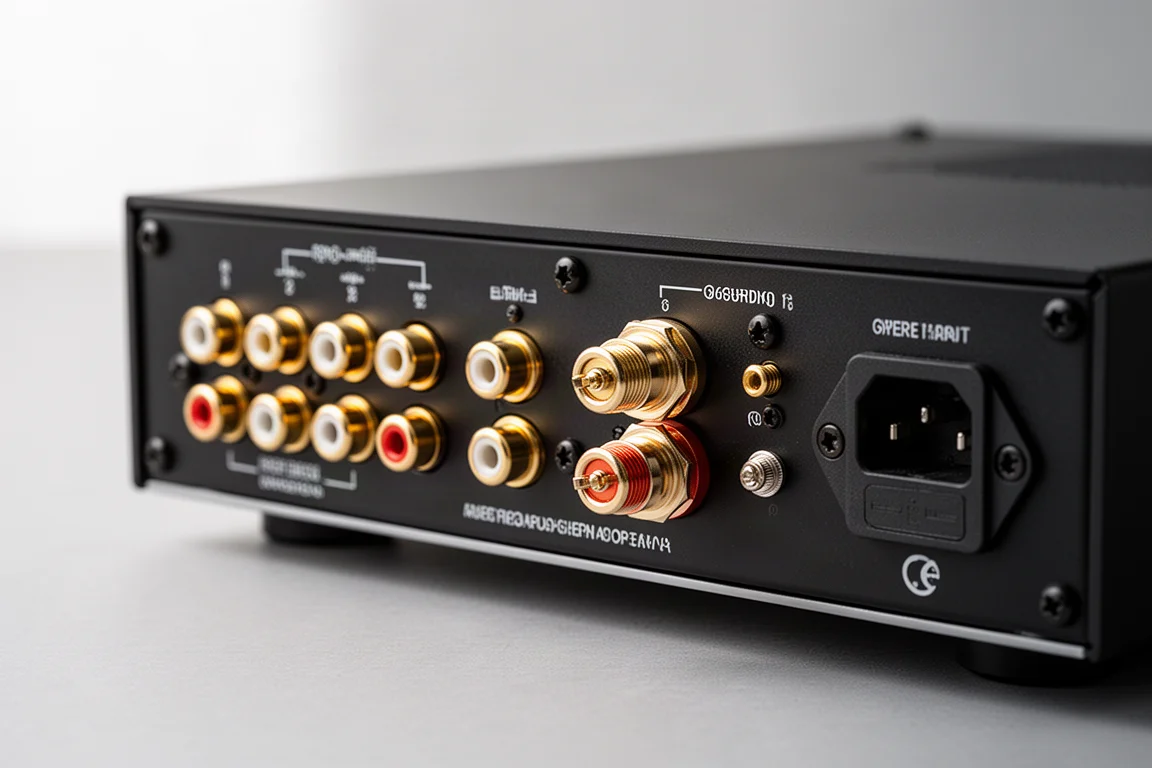
Connectivity is generous for an analog design. There are five stereo inputs: four line-level RCA pairs and one phono input, which supports both moving magnet and moving coil cartridges. A grounding terminal sits alongside the inputs. On the front panel you get a 3.5 mm input and a 6.35 mm headphone output, plus five input buttons, so selecting a source is a single press rather than a scroll through a menu. Tone controls are available through the menu button and are adjusted with the volume knob.
The rear panel deserves a mention of its own. The labelling is printed upside down, which means it reads correctly when you lean over the amplifier to connect cables. Small detail, real benefit. There is also a 5 volt, 500 mA output on the back that can power a compact outboard DAC or a small streamer, which is a neat way to keep a digital source running without another wall adapter. Rounding things out are one pair of speaker binding posts, a 230 volt or 110 volt selector, an IEC power connector, and a remote control that feels substantial for the price.
Headphone Performance
The headphone output is more capable than the price suggests. It drove planar magnetic closed-back headphones and a pair of Meze 109 Pro without strain, and it holds up as a genuine headphone amplifier rather than an afterthought.
Sound Character and Speaker Pairing
Tonally, the AXA35 is warm, rich, and full. The lower mid-range carries a caramel smoothness, there is real punch at the bottom, and the top end is gently rounded. It is not a magnifying glass into the music, and some fine detail will be lost with any source and any speaker. For plenty of listeners that is a feature rather than a flaw, because poorly recorded material and bright budget speakers both become far easier to live with.
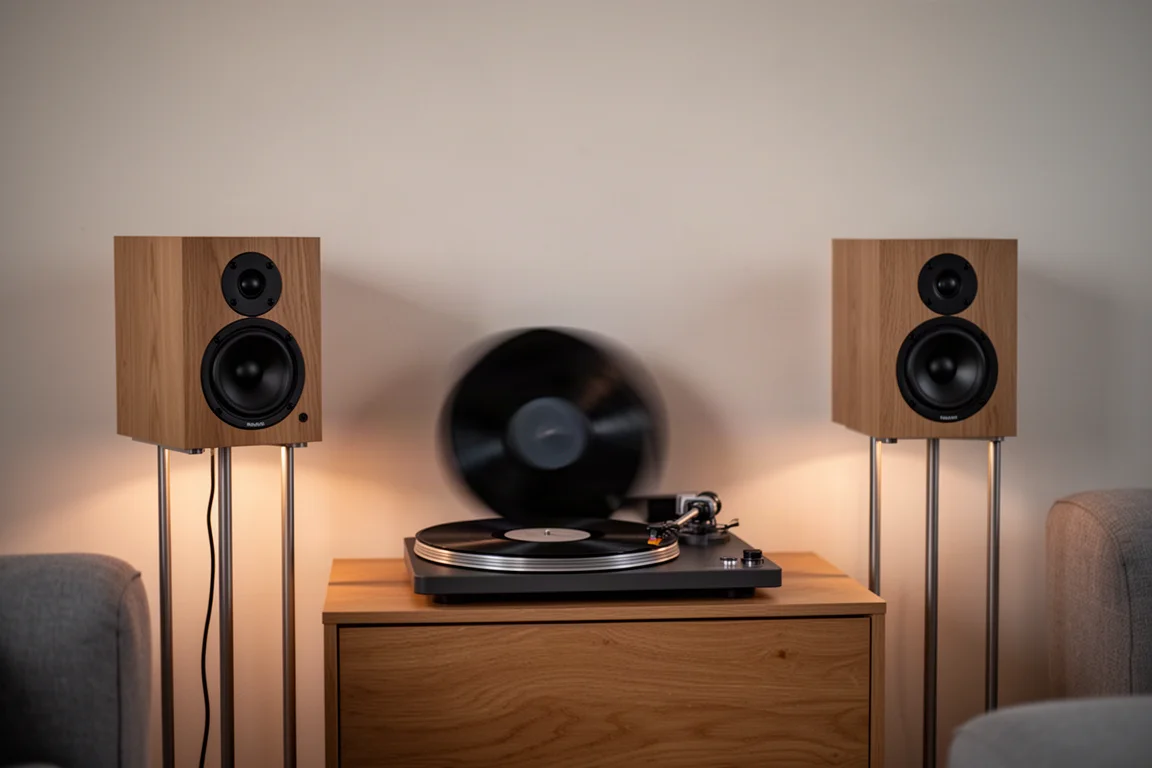
Speaker pairing matters, and the results here are encouraging. With the ELAC UniFi 2.0, a lower-sensitivity speaker at around 85 dB that normally wants more current, the amplifier still produced convincing dynamics at low volumes and smoothed out the upper mid-range and top end. The Sony SSCS5 proved an especially happy match. Harder loads will eventually expose the 35 watt ceiling, but within sensible limits the sound stays composed.
Things to Consider Before Buying
Power is the first consideration. Thirty-five watts into 8 ohms is not a lot, and in a nearfield setup at around three feet the amplifier reached the low 90s in decibels with most speakers tested. At greater listening distances, expectations should be adjusted accordingly. Push it hard with demanding speakers and a little harshness appears as the amplifier runs out of headroom.
There are no preamp outputs, so the AXA35 cannot later serve as a preamplifier feeding an external power amplifier if you want more power down the road. What you buy is what you keep.
There is also no DAC, by design. If your sources are digital, budget for a converter. And because the amplifier is deliberately not transparent to the source, listeners who want maximum detail retrieval should look elsewhere.
Finally, the tone controls live behind the menu button and are navigated with the volume knob, which takes a little getting used to compared with front-panel dials.
Buying Advice
At $399, the AXA35 is priced well for what it delivers. The value case becomes clearer when you build a system around it. Pair it with an affordable speaker such as the Sony SSCS5, which sells for around $123, add a compact outboard DAC at roughly $80, and you have a genuinely capable setup for a modest total. Add a turntable and nothing else, and you have a complete vinyl system with a phono stage that stands up well against budget external phono stages.
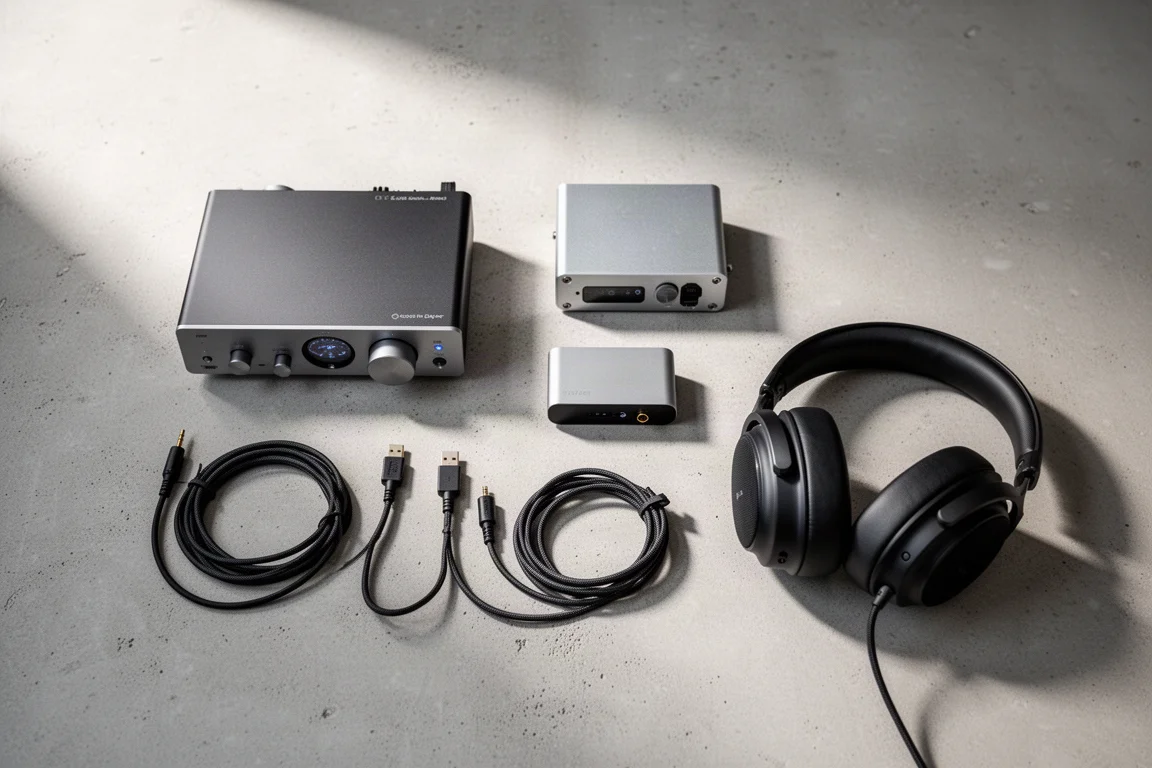
The scaling story is the quiet strength here. The 5 volt output can power a small streamer, so digital music stays within reach without adding clutter, and the analog inputs leave room for a CD player, a tape deck, or a second turntable. If you want a full-size component with a real remote, sensible ergonomics, and a sound that flatters ordinary recordings, this is a straightforward purchase. If you need high power or maximum transparency, spend your money elsewhere.
Conclusion
The Cambridge Audio AXA35 is a rarity: an affordable, analog-only integrated amplifier with excellent bones, a capable phono stage, and a warm, full-bodied character that makes everyday listening enjoyable. Its 35 watts demand sensible speaker matching and reasonable expectations, and the lack of preamp outputs limits future expansion. Within those boundaries, it offers a great deal for $399 and a clear path to a satisfying system.
Product link
View more details for Cambridge Audio AXA35
This product is mentioned in the review. Check the specifications, options, and compatibility before buying.
View more details for Cambridge Audio AXA35Further reading
Related Reviews
Integrated Amplifiers
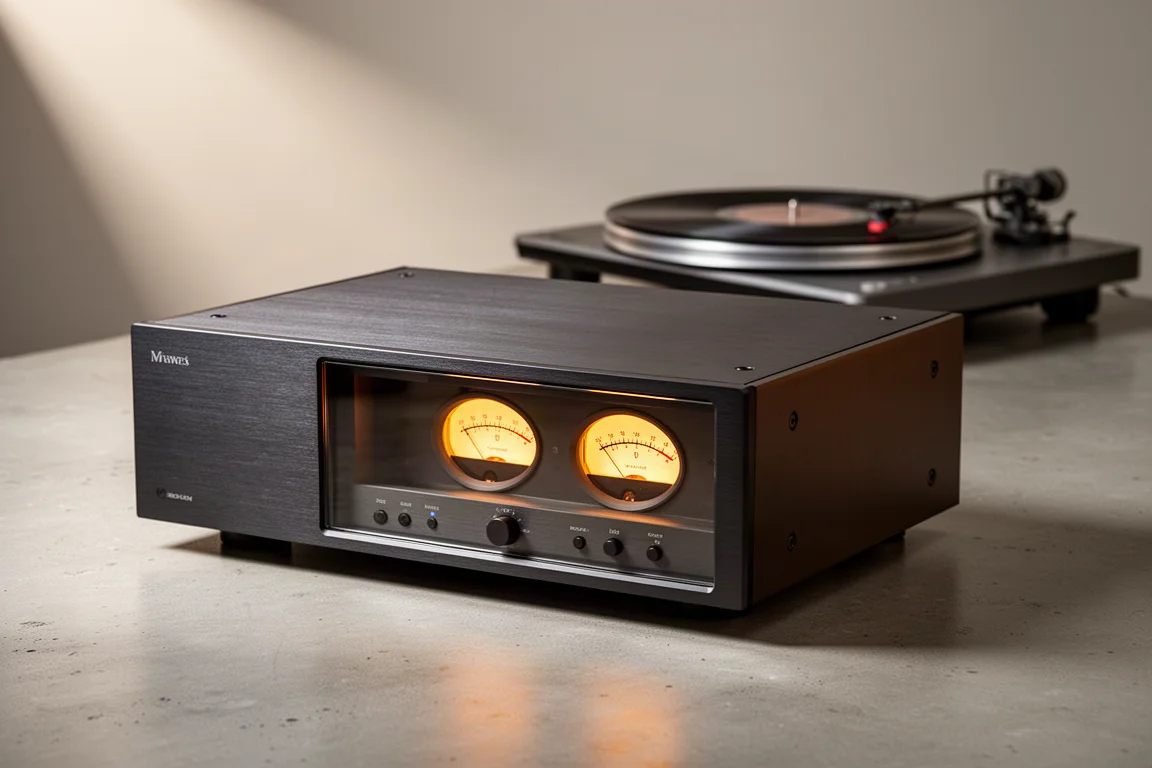
Advance Paris A10 Classic Review: Vintage Looks and a Lively, Punchy Sound
The Advance Paris A10 Classic pairs glowing blue VU meters and a tube stage with one of the widest input sets on any integrated amplifier. Here is what it does well and what to weigh before spending $2,500.
Integrated Amplifiers
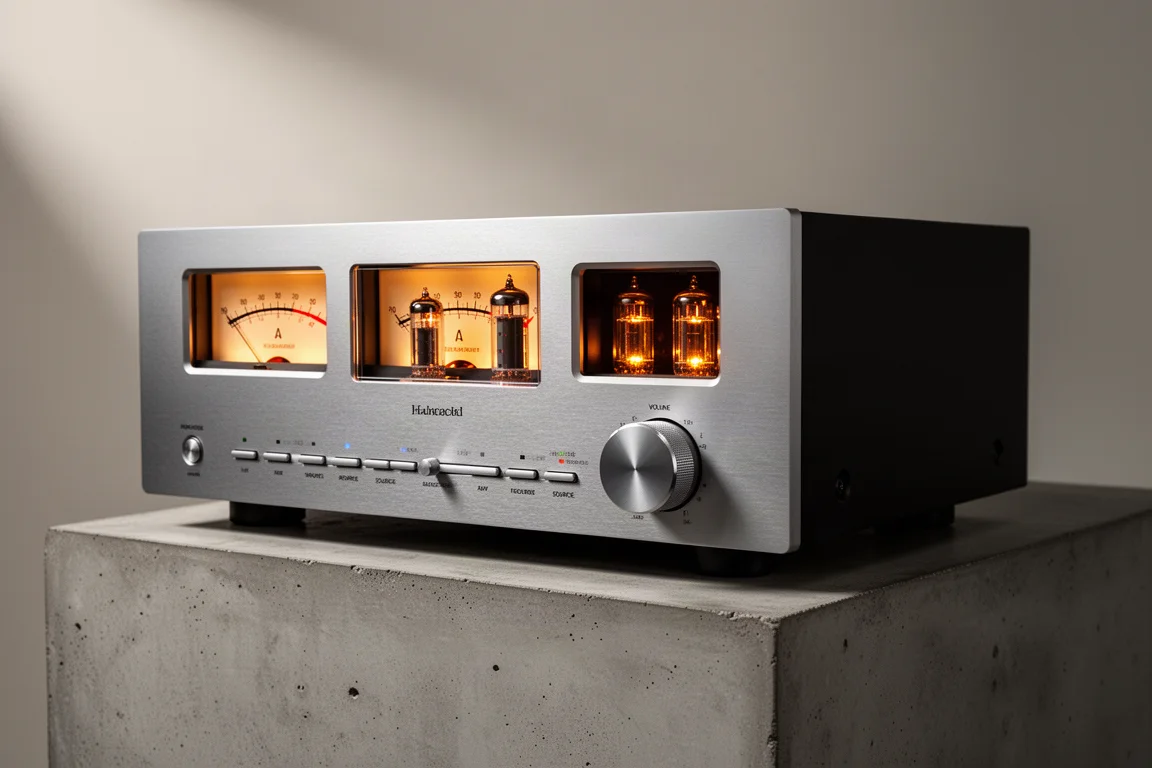
Advance Paris A12 Apex Review: A Modern Integrated Amplifier With Vintage Character
A dual mono integrated amplifier with 180 watts per channel, a tube front end, VU meters, and a connectivity list that covers turntables, televisions, computers, and headphones.
Integrated Amplifiers
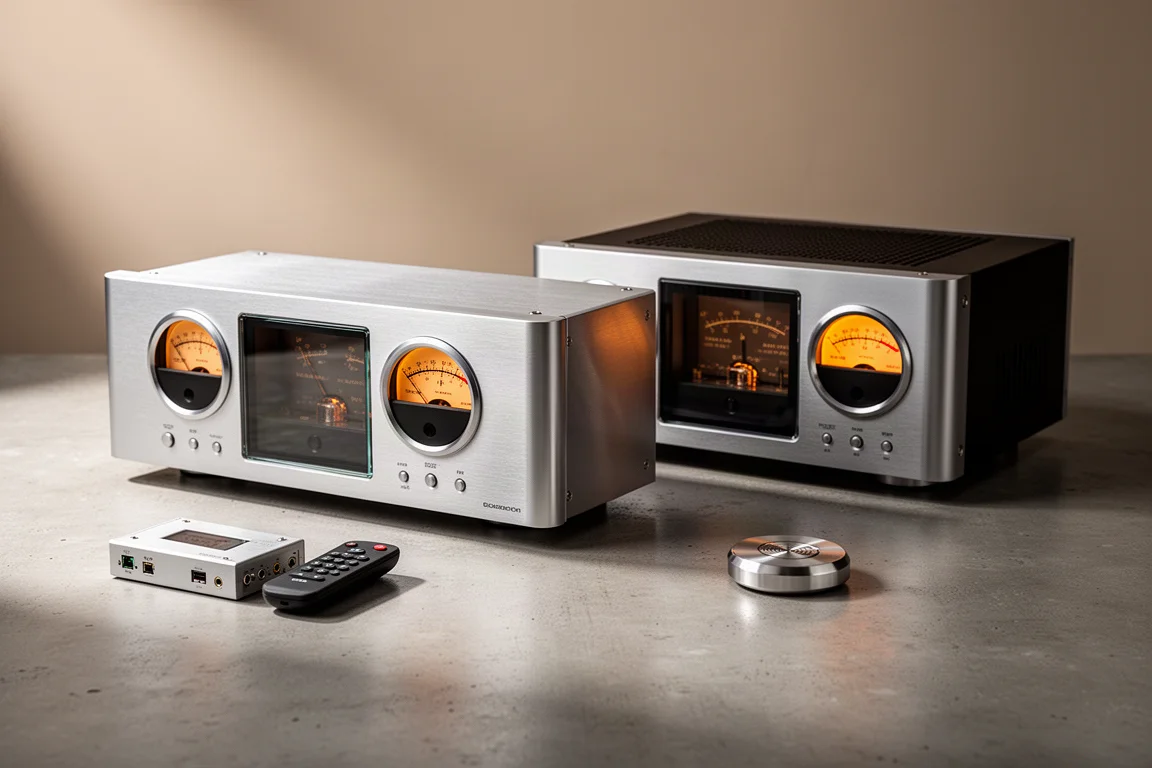
Advance Paris Nova Range Review: AI130, AI190 and Modular Upgrades
A practical look at the Advance Paris Nova range, including the AI130 and AI190 integrated amplifiers and the modular streaming, Bluetooth and remote accessories that expand them.