Integrated Amplifiers
Cambridge Audio AXA35: How It Compares With Three Rival Amplifiers
A close look at the Cambridge Audio AXA35 integrated amplifier and how it stacks up against the Iota VX SA3, Arcam SA10 and Exposure 2510.
Introduction
Entry-level integrated amplifiers usually ask for a compromise. Pick two of clarity, dynamics and tonality, and accept that the third will fall short. The Cambridge Audio AXA35 at £349 in the UK is interesting precisely because it does not follow that script. It is a full-width amplifier with a moving magnet phono stage, four analogue inputs and a sound that holds together well beyond its price bracket.
This guide covers what the AXA35 offers in design, internals and sound, how it behaves with three very different pairs of speakers, and how it compares with the Iota VX SA3, the Arcam SA10 and the Exposure 2510. Each of those amplifiers costs more, and two of them cost a great deal more, so the comparison is as much about value as it is about absolute performance.
What to Listen For at This Price
Three fundamentals separate a good affordable amplifier from a forgettable one: clarity and refinement, scale and dynamics, and natural tonality. Most budget designs drop the ball in at least one of those areas, and the shortfall becomes obvious once you connect more demanding speakers, which place a heavier load on the amplifier.
A distinct tonal colouration is not automatically a fault. Plenty of listeners prefer a warmer balance, and a warm amplifier matched with a warm speaker can be thoroughly enjoyable. What matters is knowing the character of the amplifier before choosing partnering equipment, because that character will shape everything you hear.
Cambridge Audio AXA35: The Value Benchmark
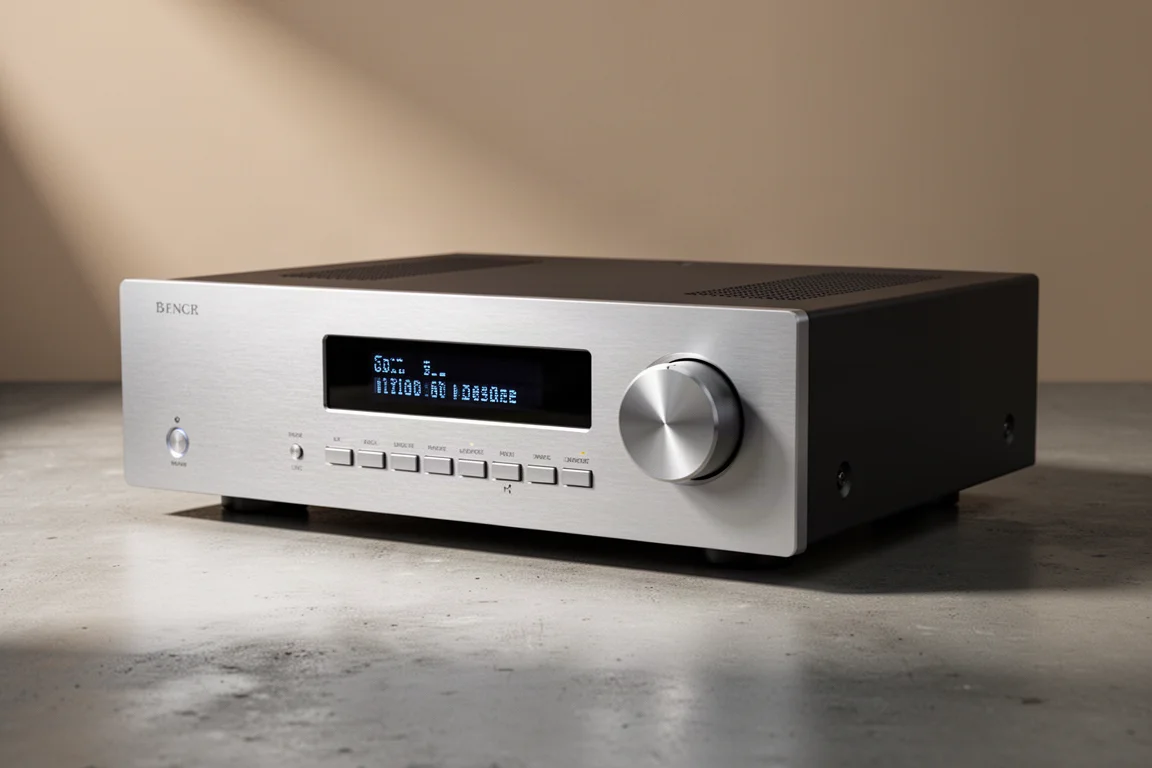
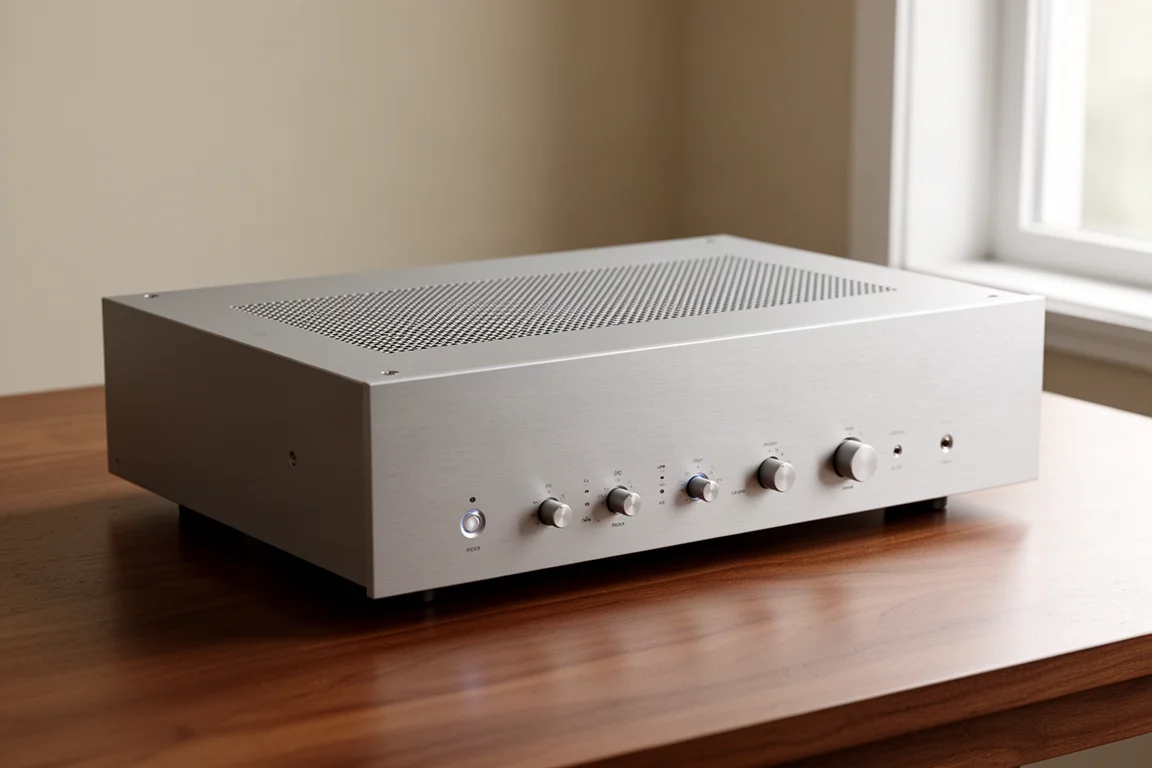
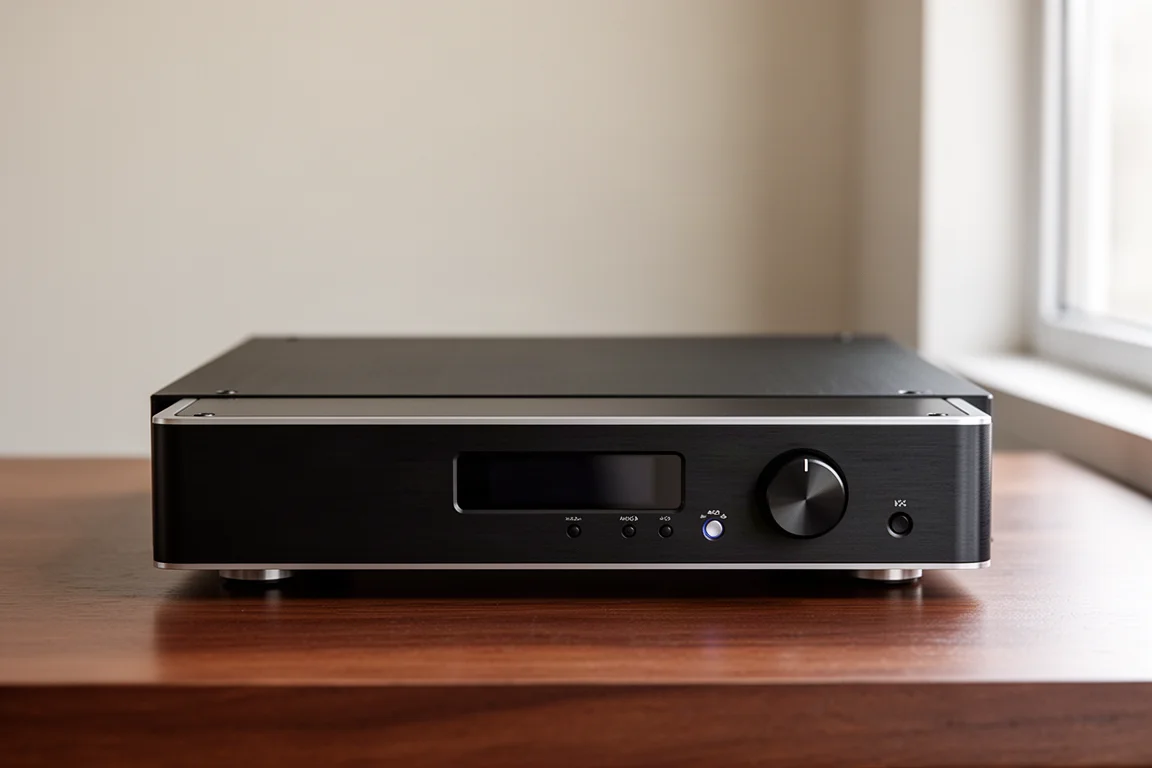
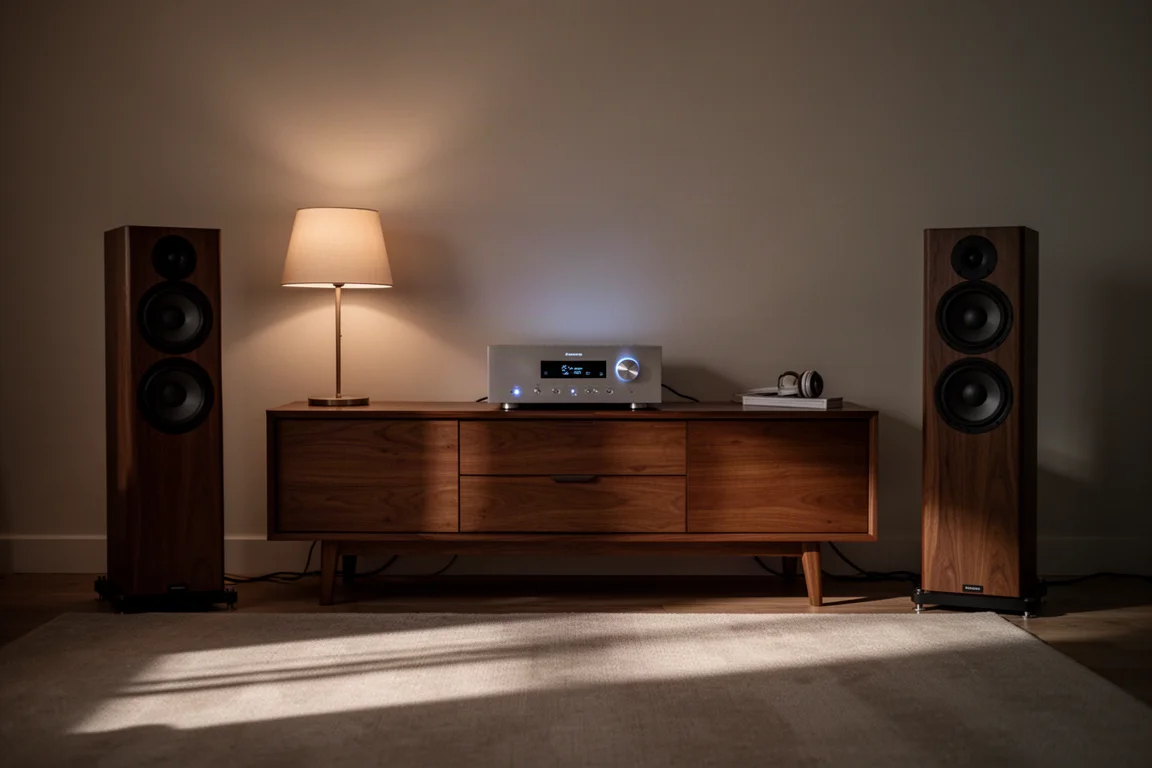
The AXA35 is a full rack-width unit measuring 430 x 335 x 83 mm and weighing 5.6 kg. The silver front fascia is nicely finished and looks more expensive than it is. A standby button sits next to a 6.25 mm headphone jack, an IR sensor and a 3.5 mm auxiliary input. Below the clear OLED display, dedicated buttons give direct access to each input, and a menu button opens bass, treble and left-right balance adjustments. The rotary volume dial has a reassuring click, and the supplied remote feels good in the hand and can also be used with some other Cambridge Audio devices.
Around the back there are RCA connections for four analogue inputs plus a moving magnet phono stage. One detail worth noting is that the record output is fixed level rather than a variable pre-out, which limits how easily the amplifier can feed an external power amplifier or a powered subwoofer. The USB socket is for power only, handy for a low-power 5V DAC. The speaker binding posts are of basic quality.
Inside, the layout is tidy. There is a healthy-sized toroidal transformer, with no VA rating published, and a power amplifier section built from discrete components with a few integrated circuits rather than tiny surface-mount devices. Four Cambridge Audio-branded filter capacitors rated at 2,200 microfarads each give 4,400 microfarads per channel, which is on the low side and limits dynamic headroom a little. Cambridge Audio rates the amplifier at 35 watts into 8 ohms, and the output devices appear to be Texas Instruments LM3886 parts, rated at 38 watts into 8 ohms and 68 watts into 4 ohms. Three voltage regulators sit on the heatsink.
The sound sits firmly on the warm side of the tonal spectrum. Bass is strong, with weight and impact that give the presentation a sense of authority, and definition is good enough to keep percussive rhythms from becoming muddled. The midrange is the standout: it has real body and acoustic mass, with a natural tonality and a touch of romanticism that would not embarrass amplifiers costing several times as much. Leading edges of notes are softened very slightly, just enough for a smooth presentation, and the background is quiet and dark enough for decays to come through when the recording and the speakers allow it. High frequencies are ever so slightly recessed, favouring refinement over showroom sparkle, but the detail is present.
Scale and dynamics are the other surprise. The soundstage is wider than is typical for amplifiers below £1,000, with good depth, and imaging is respectable even if not locked down at every position. The amplifier handles dynamic swings without an audible sense of compression, and instruments stay cleanly separated.
How the AXA35 Partners With Real Speakers
Speaker matching matters, and the AXA35’s warm character shapes the result. With Acoustic Energy A100 Mk2 standmounts, which retailed at £259 in the UK, the combination works exceptionally well: the speakers have an open midrange and solid, well-defined bass, and the amplifier’s slightly recessed treble balances their livelier top end. It is the kind of pairing that is hard to improve on without spending a great deal more.
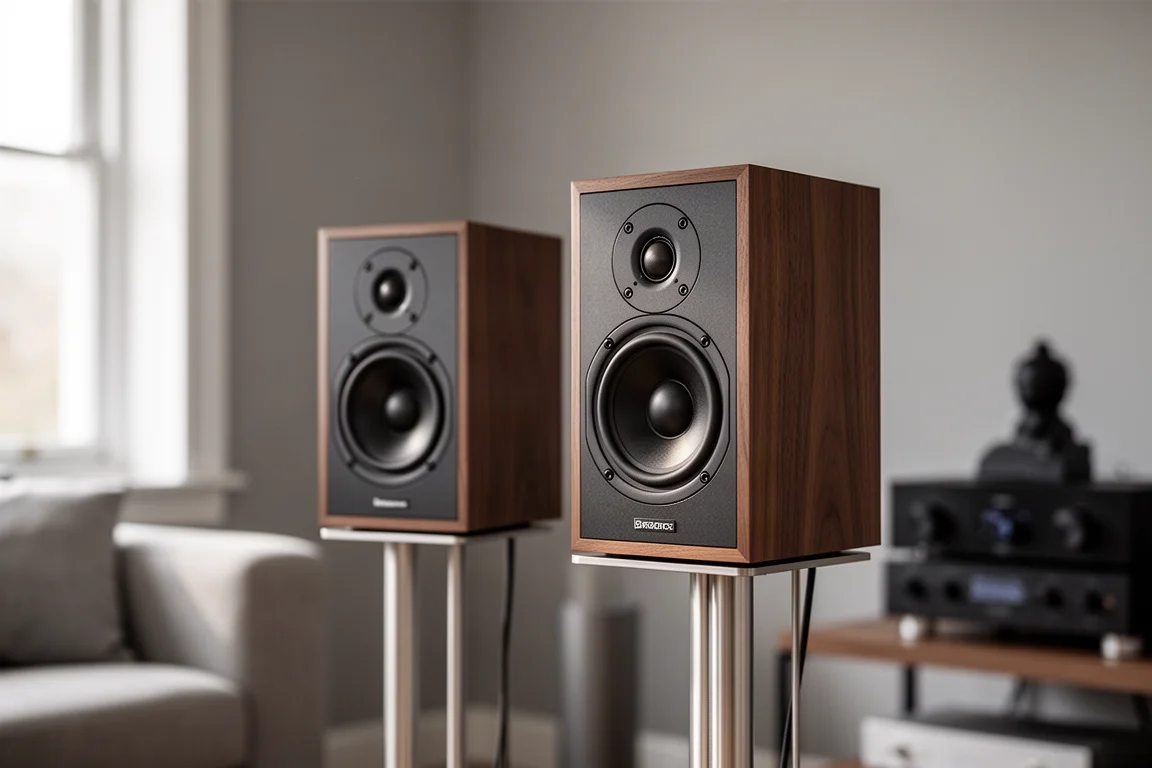
More demanding speakers are a sterner test. The Q Acoustics Concept 30, an £899 design with good clarity, strong dynamics for its size and a warm balance, asks a lot of an amplifier, and the AXA35 drove it without issue. At the other end of the scale, the £1,500 Dali Menuet SE is exceptionally clear and naturally balanced, and reveals shortcomings in partnering electronics, yet the AXA35 fared well with it, even if it does not extract everything those speakers can give. Note that pairing a warm amplifier with warm speakers produces a warm overall sound, which suits some listeners and not others. The built-in phono stage carries its own distinct coloration, worth factoring in when choosing a turntable.
Iota VX SA3: Built-In DAC Convenience
At £399 the Iota VX SA3 costs £50 more than the AXA35 and includes a built-in DAC. That is a genuine convenience, but the internal converter is not of the highest quality, and a better external DAC can be had for modest money. Sonically there is no contest: next to the AXA35 the Iota sounds small and thin, lacking body, refinement and the sense of scale that the Cambridge Audio amplifier brings. Buyers who want a single box with digital inputs may still find it appealing, but it is not the better-sounding amplifier.
Arcam SA10: Warmth and a Quality Internal DAC
The Arcam SA10 costs over double the price of the AXA35 and includes a very good quality internal DAC. To match that converter quality with the Cambridge Audio amplifier, an external DAC costing roughly £200 to £300 would be needed, which narrows the real-world price gap considerably.
Tonally the two amplifiers are closer than their prices suggest. Both sit on the warm side, with the AXA35 a touch warmer and slightly more coloured. They are similarly capable dynamically and in how much information they pull from a recording. The AXA35 edges ahead on instrument separation, handles dynamic swings with a little less compression, and has a darker background, which makes decays slightly more prominent.
If a high-quality DAC inside the amplifier is the priority, the Arcam SA10 is the natural choice. If the priority is the best sound for the least money and a separate DAC is acceptable, the AXA35 makes more sense.
Exposure 2510: The Neutral Reference
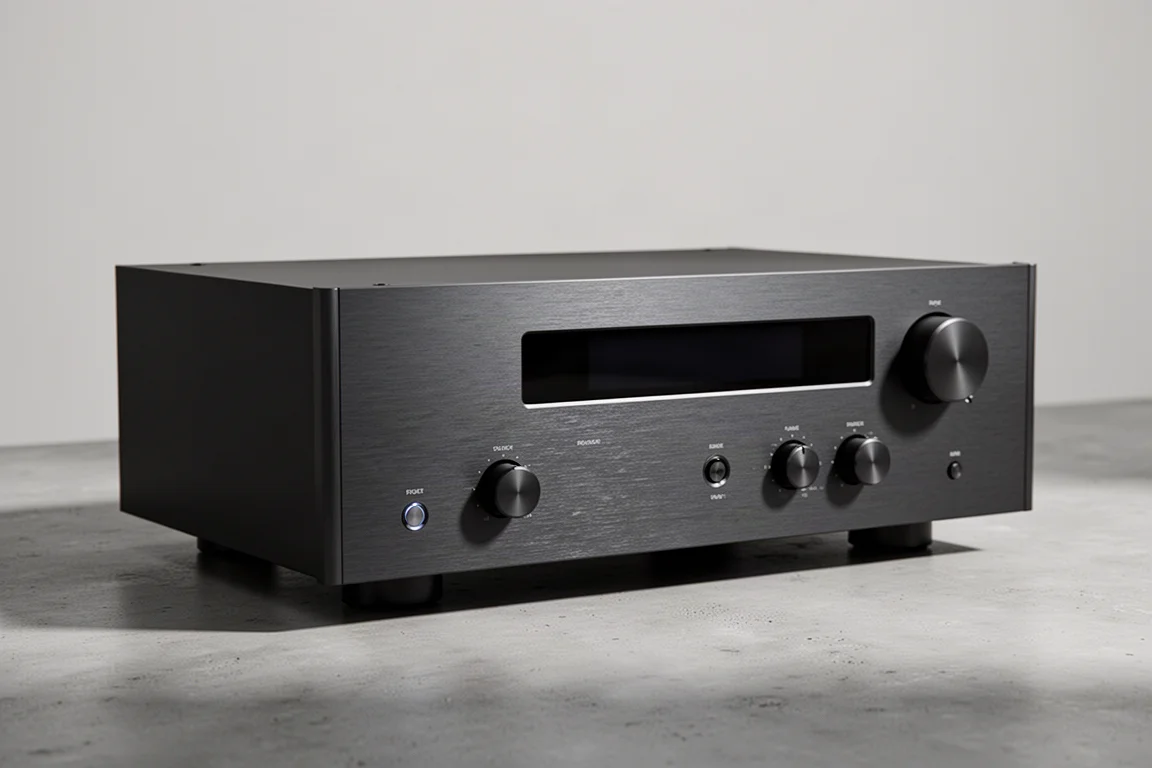
The Exposure 2510 is a favourite solid-state amplifier below £2,000 and retails for more than six times the price of the AXA35. It is better in every respect, which is exactly what the price difference should deliver. It has far less sonic coloration, a more neutral balance with only a trace of romanticism, and it reveals far more nuance, letting the listener delve deeper into a recording.
Against that benchmark the AXA35 does not disgrace itself. It simply operates in a different class, and nobody should expect a £349 amplifier to keep pace with one costing several times as much.
Buying Advice
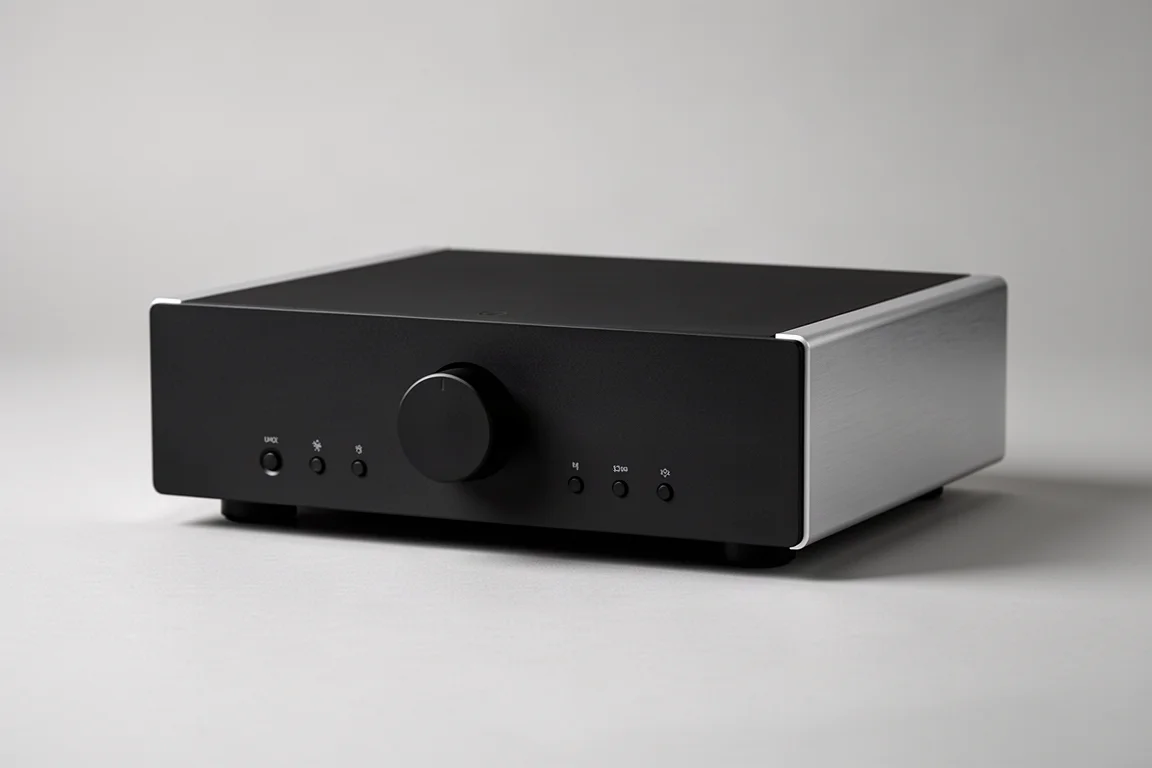
For most listeners shopping around £350, the Cambridge Audio AXA35 is the clear starting point. It offers a warm, full-bodied sound with genuine scale, a moving magnet phono stage and four analogue inputs, and it copes with speakers well beyond its price. Budget for decent speaker cable and, if you need digital inputs, a modest external DAC.
Choose the Iota VX SA3 only if a built-in DAC and a single-box setup matter more than sound quality. Choose the Arcam SA10 if you want a very good internal DAC and a warm presentation, and accept the higher price. Choose the Exposure 2510 if you are building a system around a premium amplifier and want neutrality and resolution above all. In every case, match the amplifier’s character to your speakers: a warm amplifier with a bright, lively speaker is usually a happier pairing than a warm amplifier with a warm speaker, unless warmth is exactly what you want.
Conclusion
The Cambridge Audio AXA35 resets expectations for what an amplifier at this price can do. Its bass has weight and definition, its midrange has body and natural tonality, and its soundstage and dynamics stand comparison with amplifiers costing considerably more. The compromises are real but minor: a fixed-level record output, modest filter capacitance, basic binding posts and a slightly recessed treble.
Compared with the Iota VX SA3, the Arcam SA10 and the Exposure 2510, the AXA35 gives away little where it counts and a great deal less than its price suggests. For anyone assembling an affordable system around a pair of standmount speakers, it is an easy recommendation.
Further reading
Related Reviews
Integrated Amplifiers
Advance Paris A10 Classic Review: Vintage Looks and a Lively, Punchy Sound
The Advance Paris A10 Classic pairs glowing blue VU meters and a tube stage with one of the widest input sets on any integrated amplifier. Here is what it does well and what to weigh before spending $2,500.
Integrated Amplifiers
Advance Paris A12 Apex Review: A Modern Integrated Amplifier With Vintage Character
A dual mono integrated amplifier with 180 watts per channel, a tube front end, VU meters, and a connectivity list that covers turntables, televisions, computers, and headphones.
Integrated Amplifiers
Advance Paris Nova Range Review: AI130, AI190 and Modular Upgrades
A practical look at the Advance Paris Nova range, including the AI130 and AI190 integrated amplifiers and the modular streaming, Bluetooth and remote accessories that expand them.