Reef Aquarium Filtration
Calcium Reactor Media and Phosphate: Four Popular Options Compared
A straight look at four widely used calcium reactor media, what each is made of, and how much phosphate each one added to the effluent in direct testing.
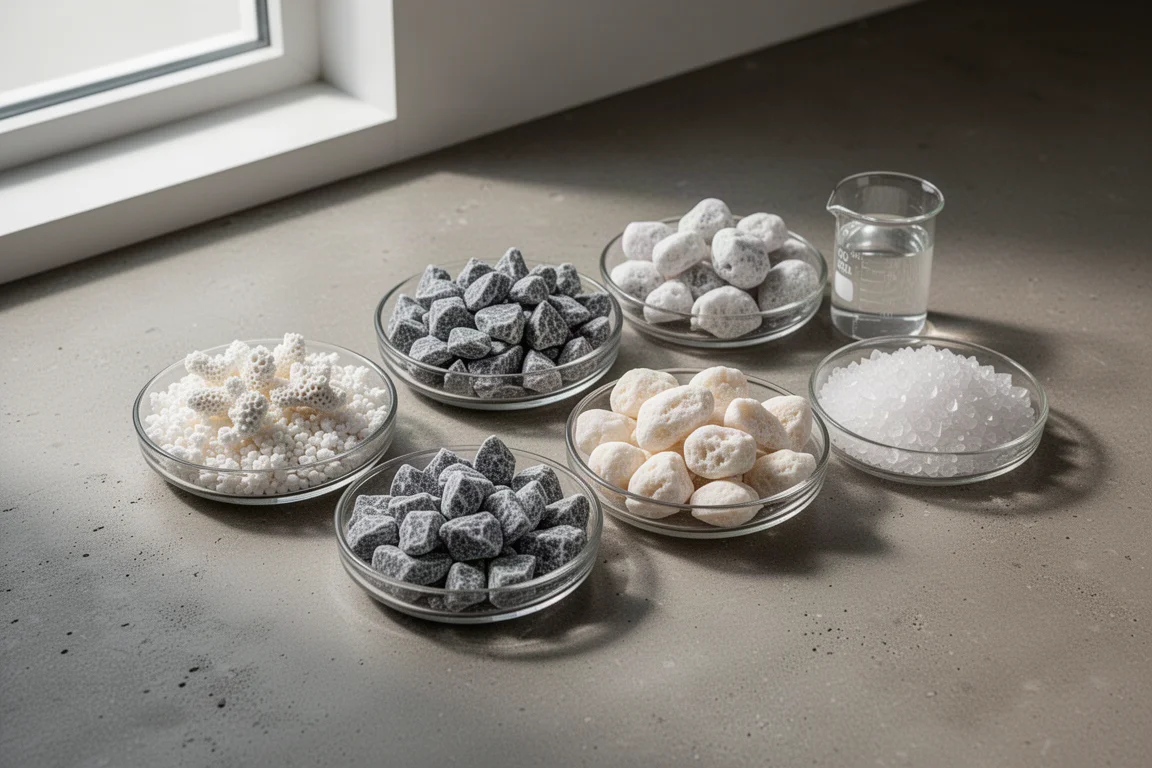
Introduction
A calcium reactor is a proven way to hold calcium and alkalinity steady in a reef tank, but it comes with a question that rarely gets a straight answer: how much phosphate does the media inside it add to the water?
To find out, four of the most widely used media were run through a reactor for 24 hours, fed with freshly mixed salt water. The source water measured a baseline phosphate of 0.04 ppm, and each media was first tuned to produce an effluent close to 30 dKH before the effluent was tested. The results ranged from effectively no added phosphate to more than twenty times the source reading.
This guide breaks down what each media actually is, how each one performed, and which tank situations each one suits.
What Calcium Reactor Media Actually Is
Every media in this group is a form of calcium carbonate, or CaCO3, which dissolves in the low-pH environment inside a reactor. Calcium carbonate exists in three polymorphic forms: aragonite, calcite, and vaterite. Two of them, aragonite and calcite, are common in the reef hobby in sand, rock, and reactor media.
Aragonite and calcite share the same chemical formula, but their atoms are arranged differently, which gives each a distinct crystalline structure. Aragonite generally forms through biological and physical processes, such as corals building skeleton or invertebrates building protective shells, and can be as recent as the last decade or as old as millions of years. Calcite is often the primary form of calcium carbonate in limestone formations, and can also appear in marble or dolomite with a much denser structure.
That difference matters here. It is the most plausible explanation for why the four media behaved so differently while dissolving in the same reactor.
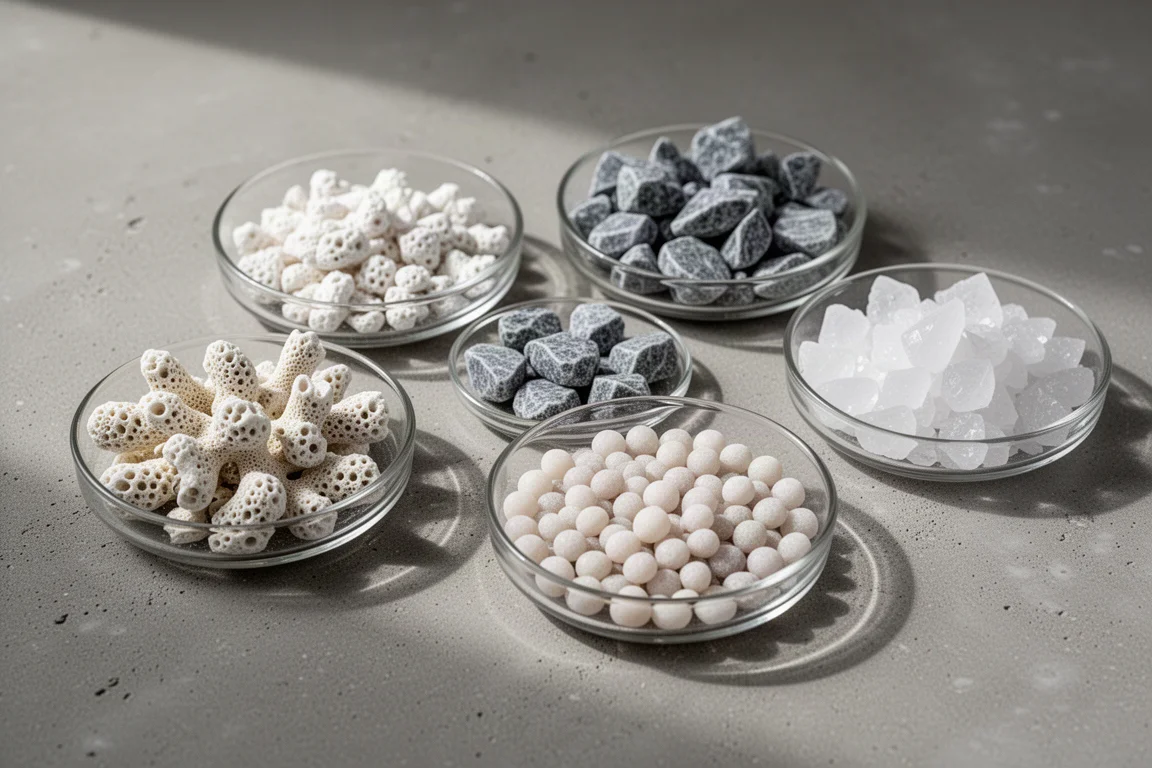
Each media was tuned to a pH setpoint that produced roughly 30 dKH of effluent, then allowed to run for a full 24 hours before the effluent was tested for phosphate.
CaribSea ARM Aragonite Media
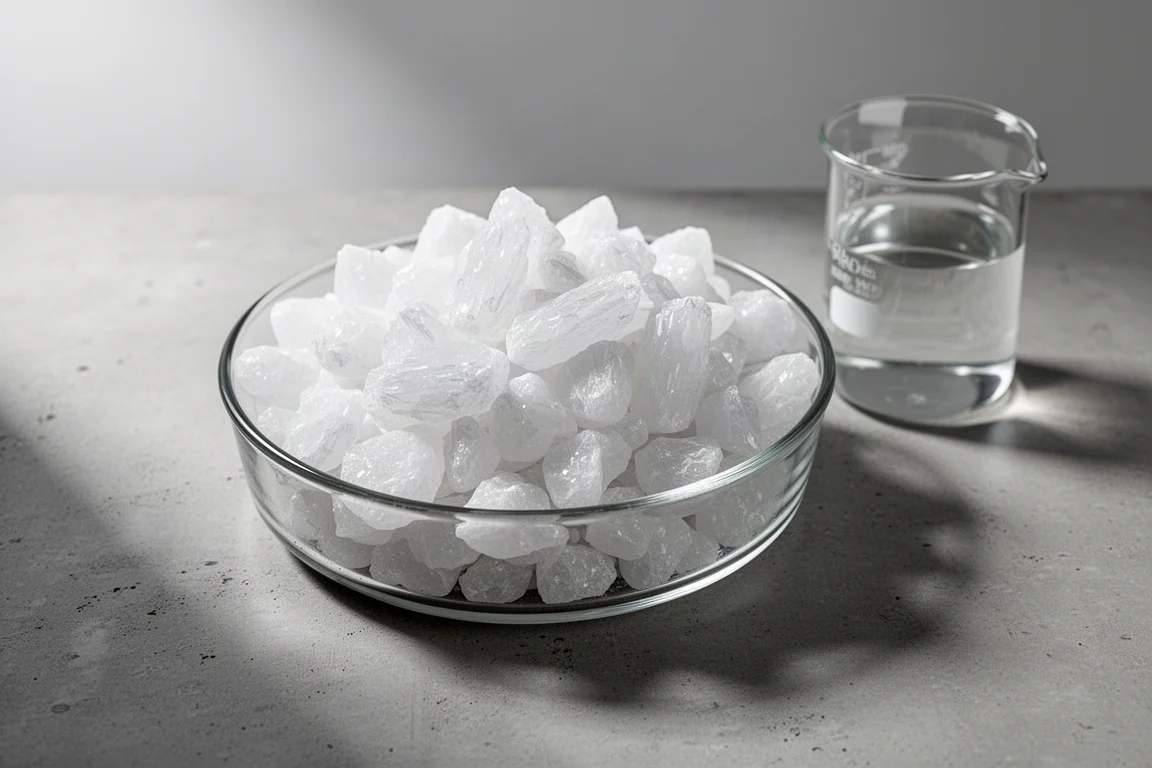
CaribSea ARM was tuned to a reactor pH of 6.1, producing an average effluent concentration of 29.77 dKH. The phosphate reading averaged 0.12 ppm, which is 0.08 ppm above the 0.04 ppm source water.
Applied to a standard reef tank running the reactor at a common 30 millilitres per minute, that works out to 43.2 litres, or roughly 11.5 gallons, of tank water turned over each day at three times the normal phosphate level. Combined with a daily feeding schedule, that extra load can make phosphate management noticeably harder.
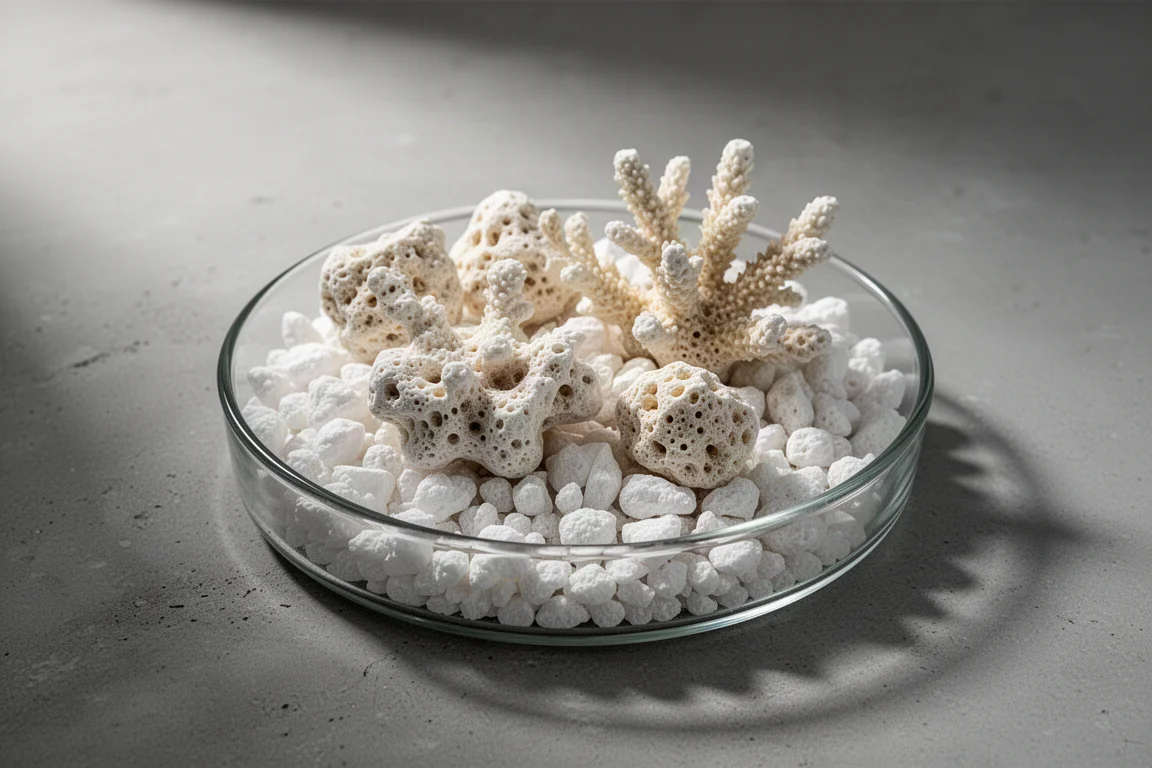
Structurally, ARM is denser than raw coral skeleton pieces, though some granules still resemble aged coral.
Triton Calcium Reactor Media
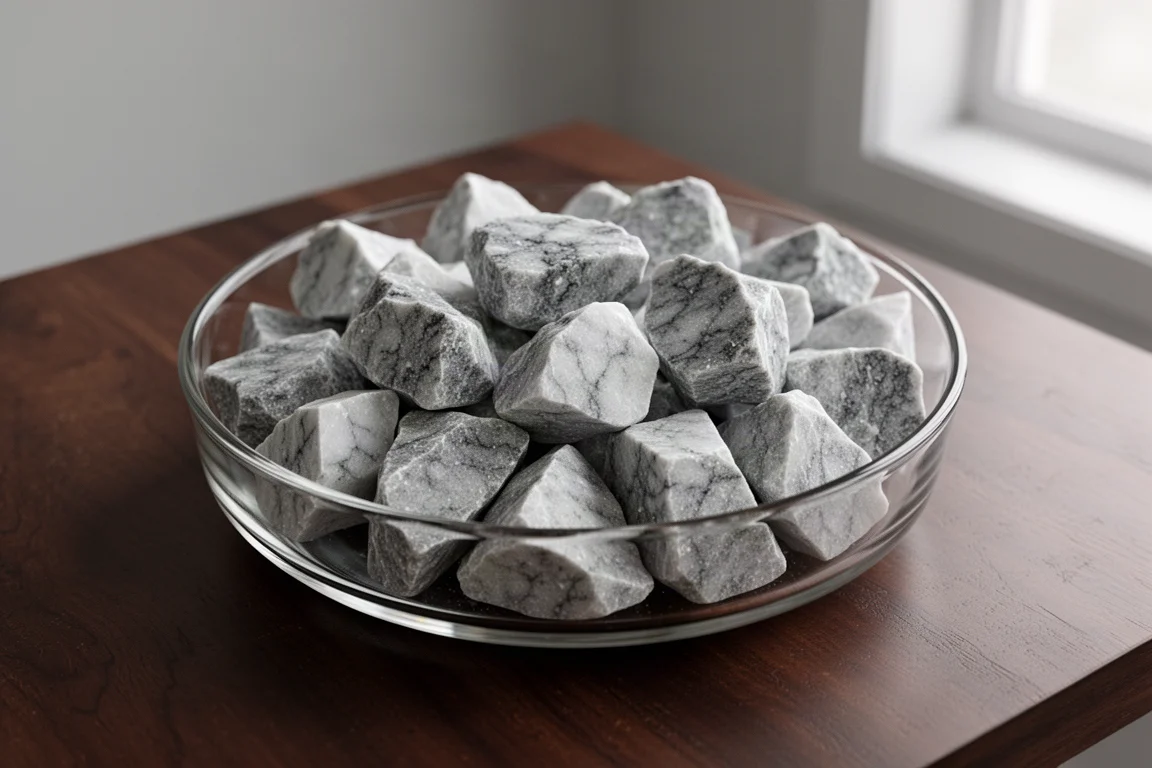
Triton was the densest material in the group and the only calcite marble based media tested. It reached an average of 30.07 dKH with the reactor set to pH 5.9, the lowest setpoint of the four. Phosphate in the effluent averaged 0.03 ppm, which is effectively no added phosphate once the accuracy range of an ultra low range checker is taken into account.
For reef keepers whose main concern is not adding phosphate beyond what arrives with food, that is the most straightforward result of the group.
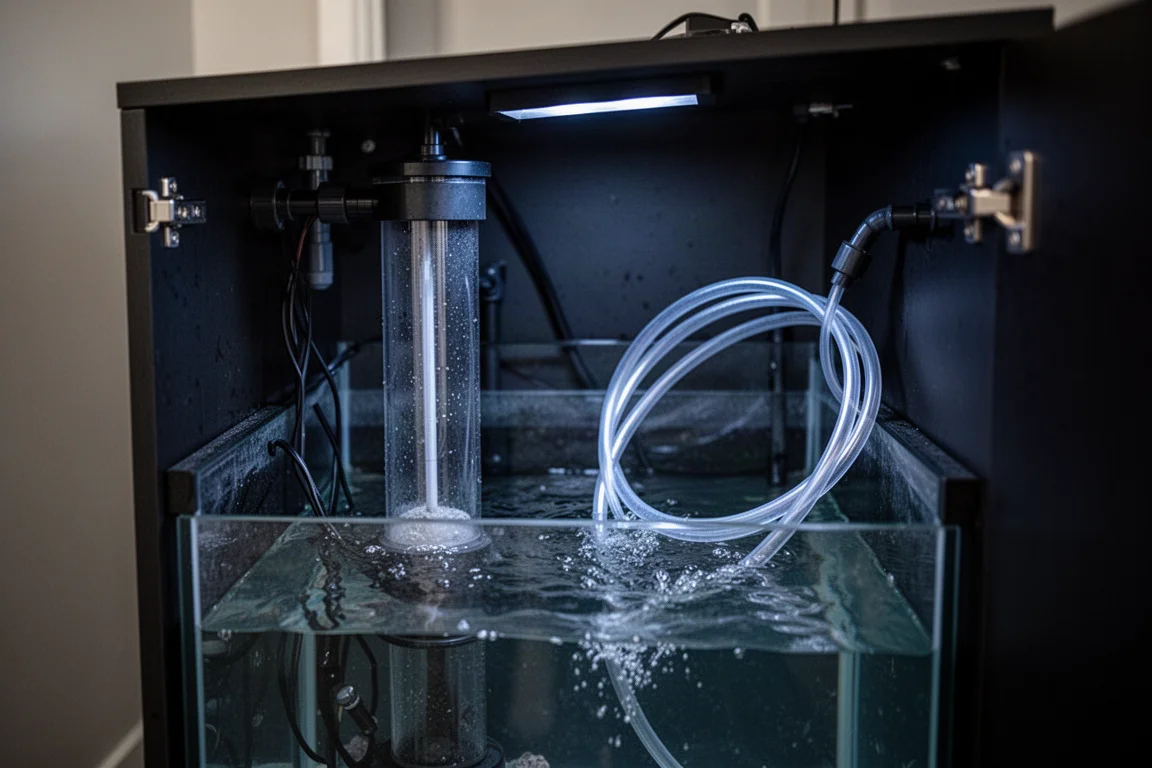
The trade-off is that reaching the target effluent concentration required a lower reactor pH than the other media, which is worth planning for if a dosing setup or controller is already tuned around a specific setpoint.
Two Little Fishies ReBorn Media
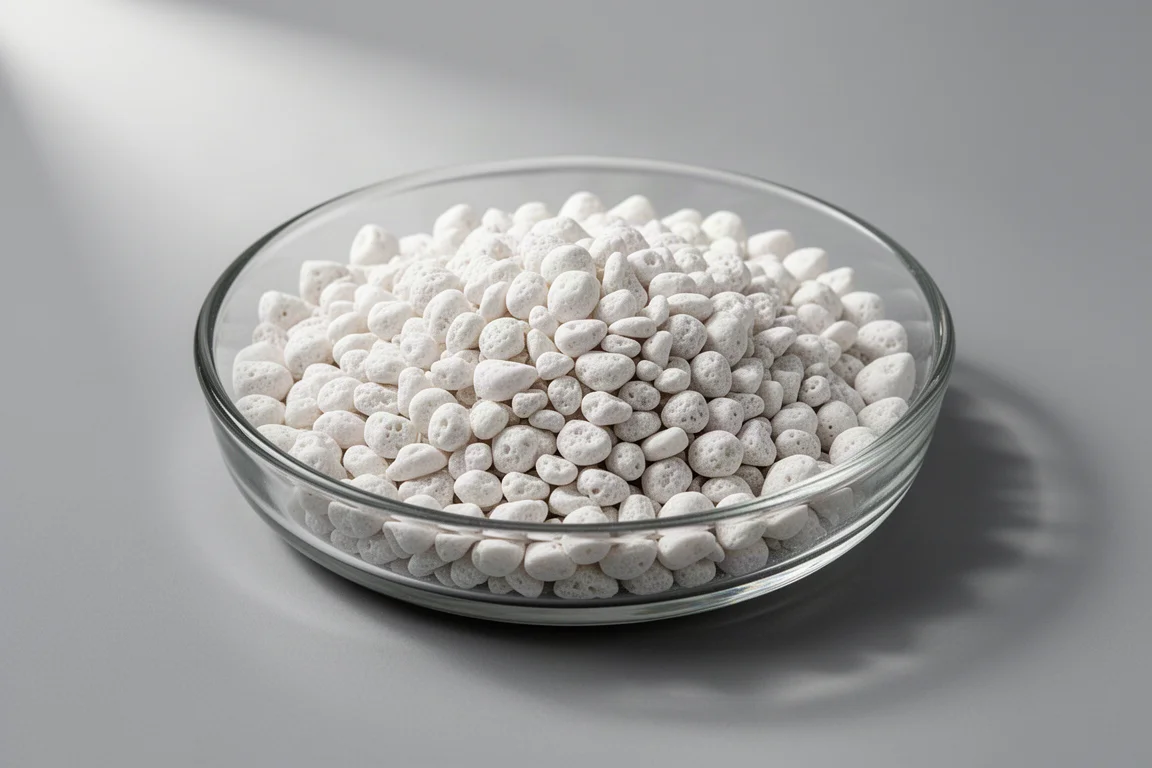
Two Little Fishies ReBorn is a long-standing and widely used choice among reef keepers. It delivered an average of 27.47 dKH at a reactor pH of 6.5, the highest pH melting point of the four, which makes it the easiest of the group to dissolve.
The phosphate result went the other way. Effluent averaged 0.83 ppm, just under 21 times the phosphate measured in the source water.
For a tank that struggles with low pH, that higher melting point is a genuine advantage, but it comes with a phosphate contribution that has to be planned for rather than absorbed.
Korallen-Zucht KZ Aragonite Reactor Media
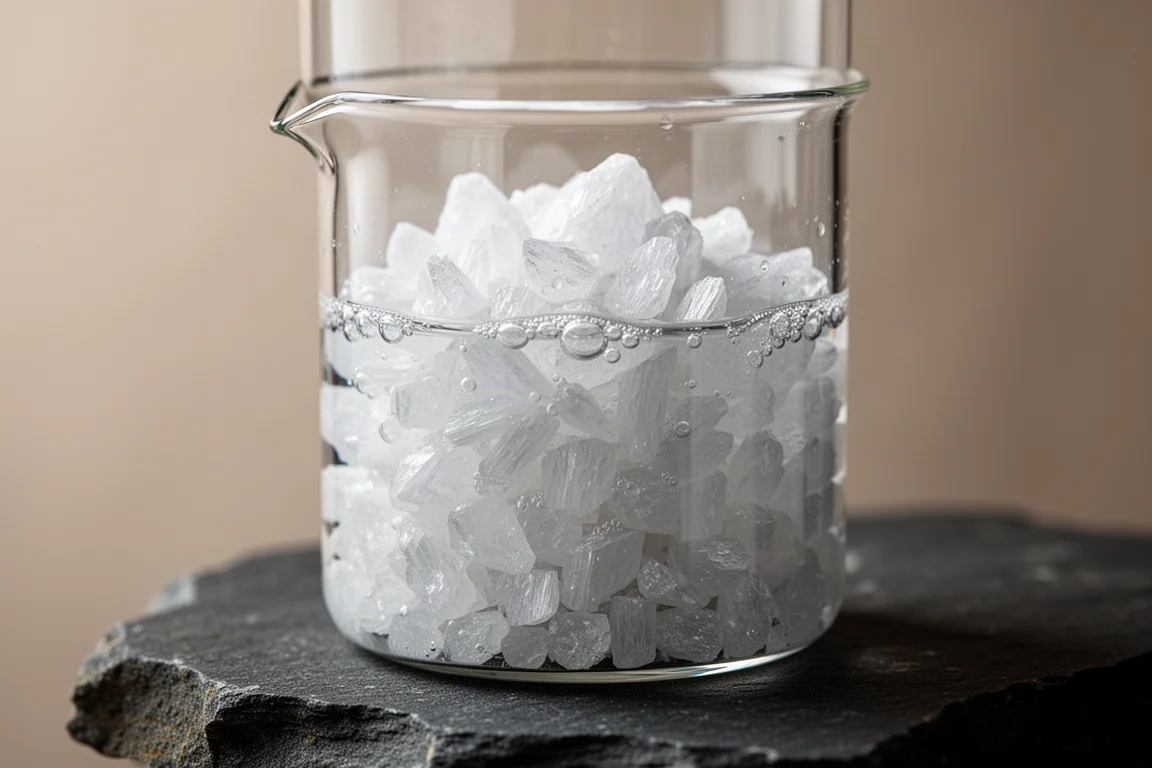
KZ Aragonite reached 30.9 dKH at a reactor pH of 6.1. Phosphate in the effluent measured 0.07 ppm, only 0.03 ppm above the source water.
What sets it apart from the other aragonite media is its crystalline structure, which is noticeably denser than the CaribSea ARM and the raw coral skeleton material. In testing it registered about 40 percent less phosphate than ARM, which suggests it may be mined from ancient coral beds or may belong to a different geological form of aragonite altogether.
That combination of a moderate pH setpoint and a low phosphate contribution makes it the middle-ground option for reef keepers who want an aragonite media without accepting a large phosphate load.
Why the Structure Matters More Than the Label
The pattern in these results lines up with how each material was most likely formed. Coral skeleton pieces, which carried the highest phosphate load, are porous and structurally close to the living animal that built them, and living things use phosphorus and nitrogen. It is reasonable that some phosphate remains bound inside that material.
The CaribSea ARM granules sit somewhere in between: denser than coral skeleton, with some pieces still resembling old coral, and likely an older calcium carbonate exposed over time to higher pressures or different temperatures that degraded some of the bound phosphate.
KZ Aragonite is denser again, and the Triton calcite marble media, formed under higher pressure and temperature, measured no added phosphate at all.
None of this proves that every aragonite media will add phosphate, or that every calcite media will not. More testing would be needed before that claim could be made. What the data does do is make one decision easier: which media to reach for depending on which problem a tank already has.
Buying Advice: Matching Media to Your Tank
If low tank pH is already the challenge, but nutrient control is dialled in and the levers to pull when phosphate and nitrate move are well understood, Two Little Fishies ReBorn is a strong fit. The high pH melting point makes it easier to dissolve, and the phosphate side is already being managed.
If pH is less of a concern and additional phosphate beyond what food contributes is unwelcome, KZ Aragonite is the more sensible choice, with the Triton calcite media as the option that measured effectively zero added phosphate.
For anyone caught between those two problems, wanting the lower phosphate of the KZ media and the higher melting point of ReBorn, the natural next question is whether excess CO2 can be gassed off from the effluent to raise its pH before it returns to the tank. That is a separate question that would need its own round of testing to answer properly.
Conclusion
Calcium reactor media is not a neutral input. In testing, the four most widely used media ranged from no measurable added phosphate to roughly 21 times the source water reading, all while producing a comparable effluent concentration. The deciding factor appears to be crystalline structure and how each material formed, with the denser calcite and denser aragonite options coming out ahead. Match the media to the problem a tank already has, and a calcium reactor stays a practical, manageable way to keep calcium and alkalinity stable.
Further reading
Related Reviews
Reef Aquarium Filtration
Reef Tank Filtration Gear: Inside a Thriving SPS System
A practical walkthrough of the filtration equipment behind a large SPS reef, from a huge fleece roller sump to automated testing and dosing.

Backpacking Gear
Building a 10 lb Base Weight: An Ultralight Backpacking Gear List
A practical walkthrough of the ultralight pieces behind a 10 lb base weight, from a 765 g pack and a roomy one-person tent to a full camp chair and a dependable water filter.

Road Bikes
10 New Road Bikes Worth Watching: Aero, Titanium, Steel and Endurance Standouts
A practical roundup of 10 new road bikes, from aero flagships chasing single-watt gains to titanium, steel and endurance platforms built for real roads.