Cycling Components
Cadex Max 40 and Berk Lupina Short 132: Two Lightweight Upgrades for an Older Road Bike
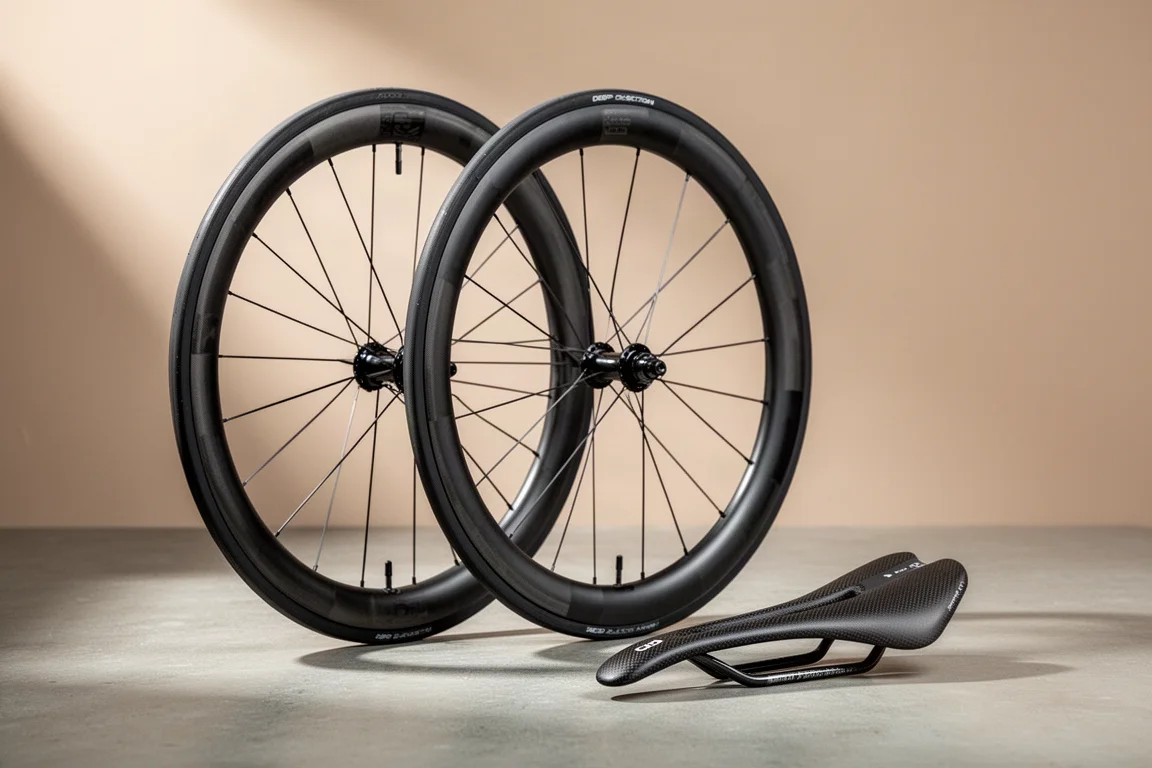
A full carbon wheelset and a 91 g carbon saddle, fitted to a two-year-old road bike that dropped from 7.94 kg to 6.85 kg.
Introduction
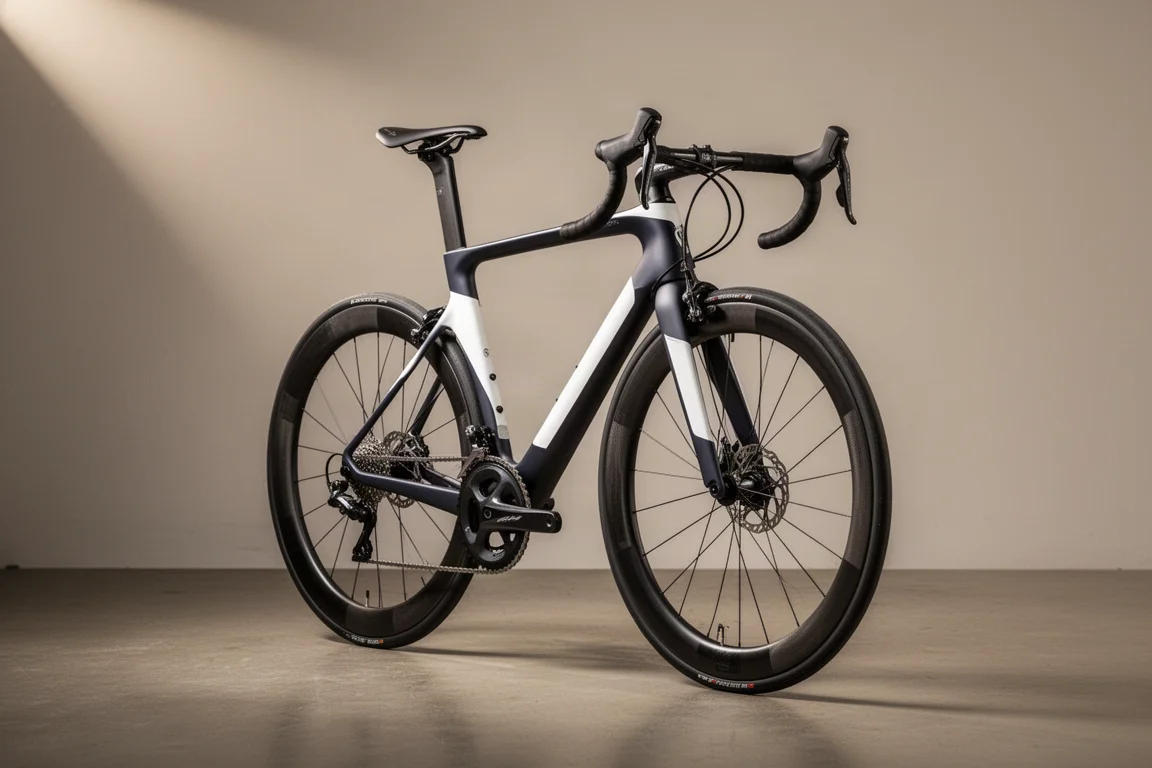
Weight is one of the few things an older road bike can still be improved on without replacing the frame. A two-year-old Giant TCR Advanced Pro that started at just under 8 kg, 7.94 kg to be precise, now sits at 6.85 kg after a focused round of component changes.
The headline parts are a full carbon wheelset and a 91 g carbon saddle, with a move to a single chainring drivetrain completing the picture. That is a full kilogram removed from a bike that was never heavy to begin with, and it places an older frameset alongside current top-tier race bikes in weight terms.
Why These Upgrades Make Sense
A kilogram of savings rarely comes from one component. It comes from a wheelset that removes a large chunk of rotating mass, a saddle that removes a few hundred grams, and smaller decisions such as dropping the front derailleur and running a single chainring.
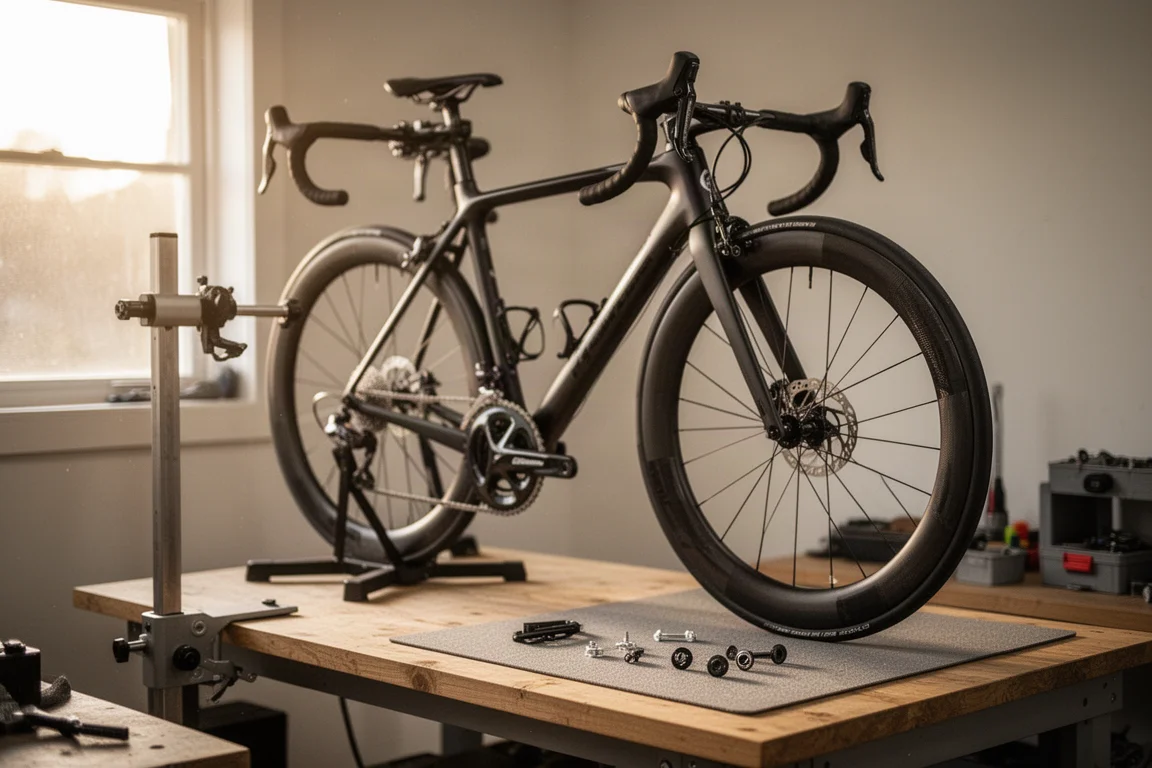
The logic behind this kind of build is straightforward. Rather than spending on a new frame, an existing bike that already fits well and rides well can be brought closer to current race-bike weight with carefully chosen parts. The trade-offs are cost and, on some surfaces, comfort, and both show up clearly in the two components below.
Cadex Max 40: Full Carbon Wheelset
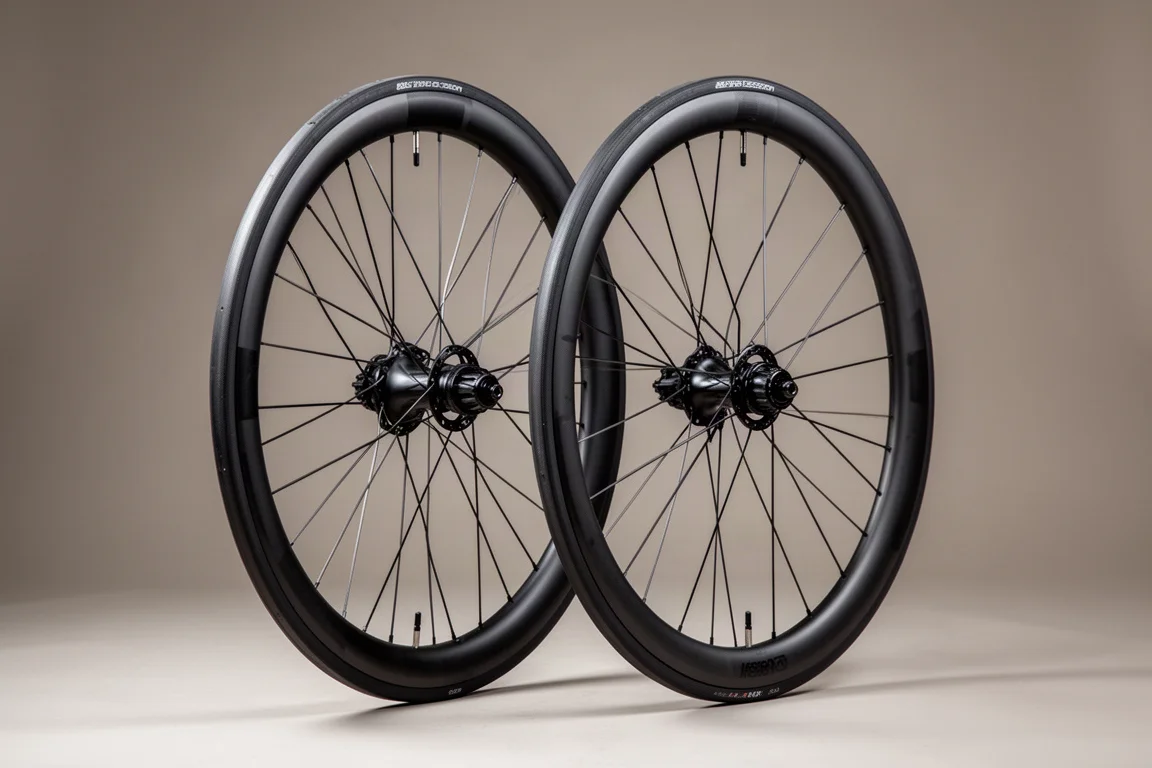
Cadex quotes 1,249 g for the Max 40 wheelset. With rim tape and valves fitted, the set measures 1,320 g, which is light for a 40 mm deep wheelset.
The construction is unusual. The rim, the bladed spokes and the hubs and flanges are all carbon fibre, an approach that echoes the lightweight wheels of the 1990s. The rim is hookless, with an internal width of 22.4 mm, optimised for 28 mm tyres. Rim trends have moved wider in recent years, so riders who want to run 30 mm or 32 mm tyres may find these narrower than they would like.
On the road, stiffness is the defining characteristic. Cornering hard, sprinting out of the saddle and powering up steep climbs all feel sharper and more precise than most carbon wheelsets, and the difference is obvious enough that swapping back to a conventionally laced set makes a bike feel flat by comparison. Testing on a flat road at 32 km/h (20 mph) required around 190 W on average, comparable to conventionally laced wheelsets such as a Zipp 303 S or 454 NSW, so the extra stiffness does not appear to cost extra effort at that speed.
Living With the Cadex Max 40
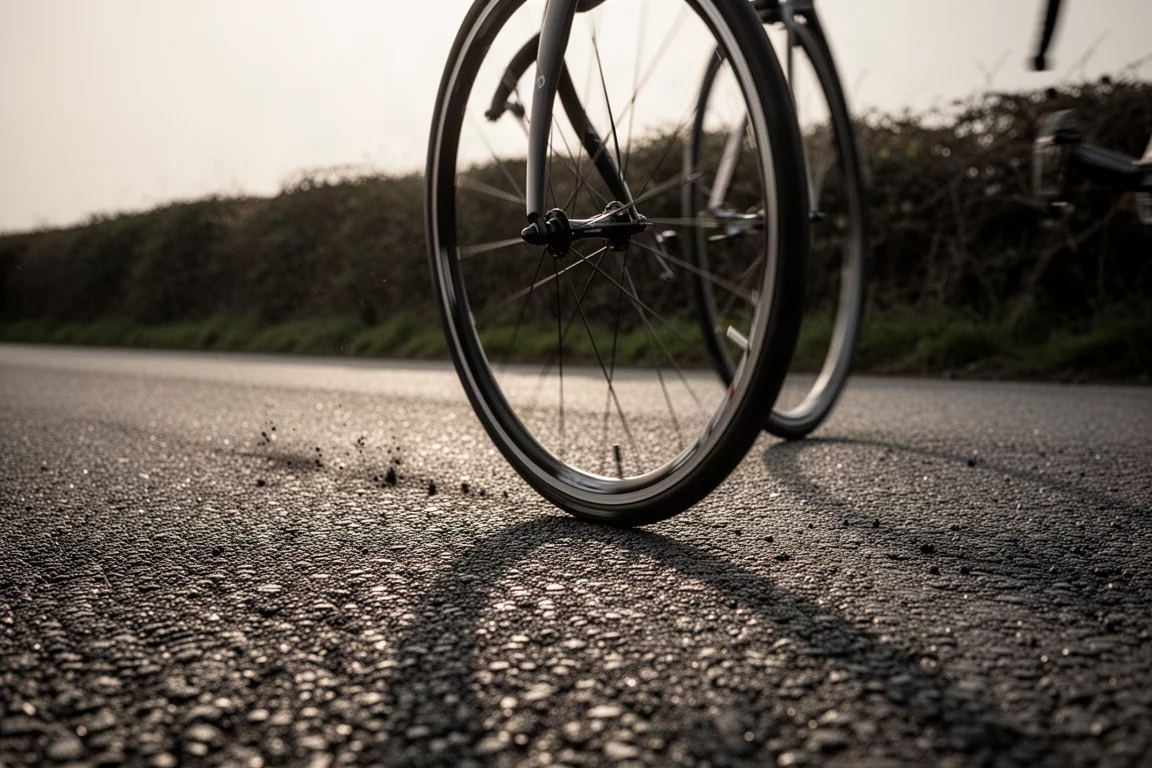
Stiffness of this order comes with a clear trade-off. On coarse, rough tarmac there is noticeable micro-vibration through the handlebars, and a bump under the front wheel sends a small jolt through the hands. On smoother tarmac the ride settles immediately, and that contrast is the clearest demonstration of just how stiff the wheels are.
Two further points are worth knowing before buying. The freehub is extremely loud, and the spokes are bonded into the hub flange, so a broken spoke cannot be replaced in the usual way. Cadex covers the wheels with a lifetime warranty against manufacturing defects and a five-year incident replacement scheme. A broken spoke in the first year is met with a replacement wheelset, and in years two to five a wheel is repaired or rebuilt at a 50 percent discount. Beyond five years, replacement is at the owner’s cost.
Berk Lupina Short 132: A 91 g Carbon Saddle
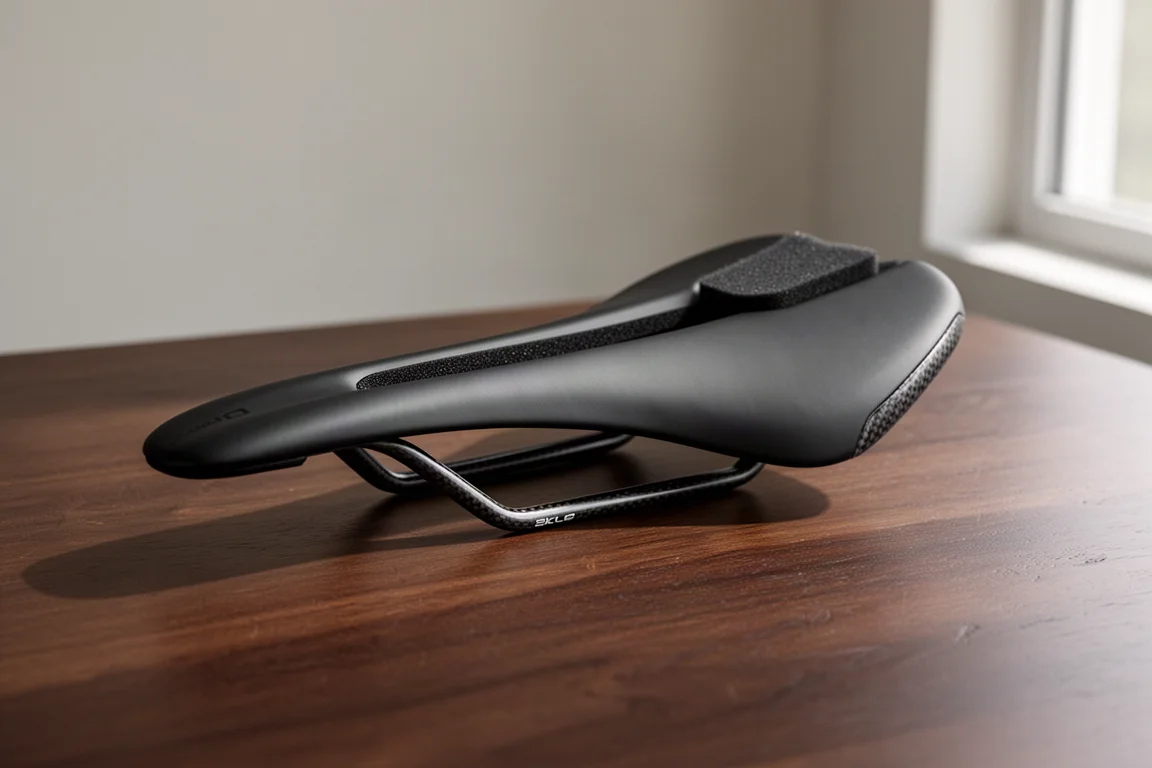
Berk has been building carbon saddles for around ten years, and the Lupina Short 132 is the narrow version of a shape that is also offered in 143 mm. The 132 in the name refers to the width.
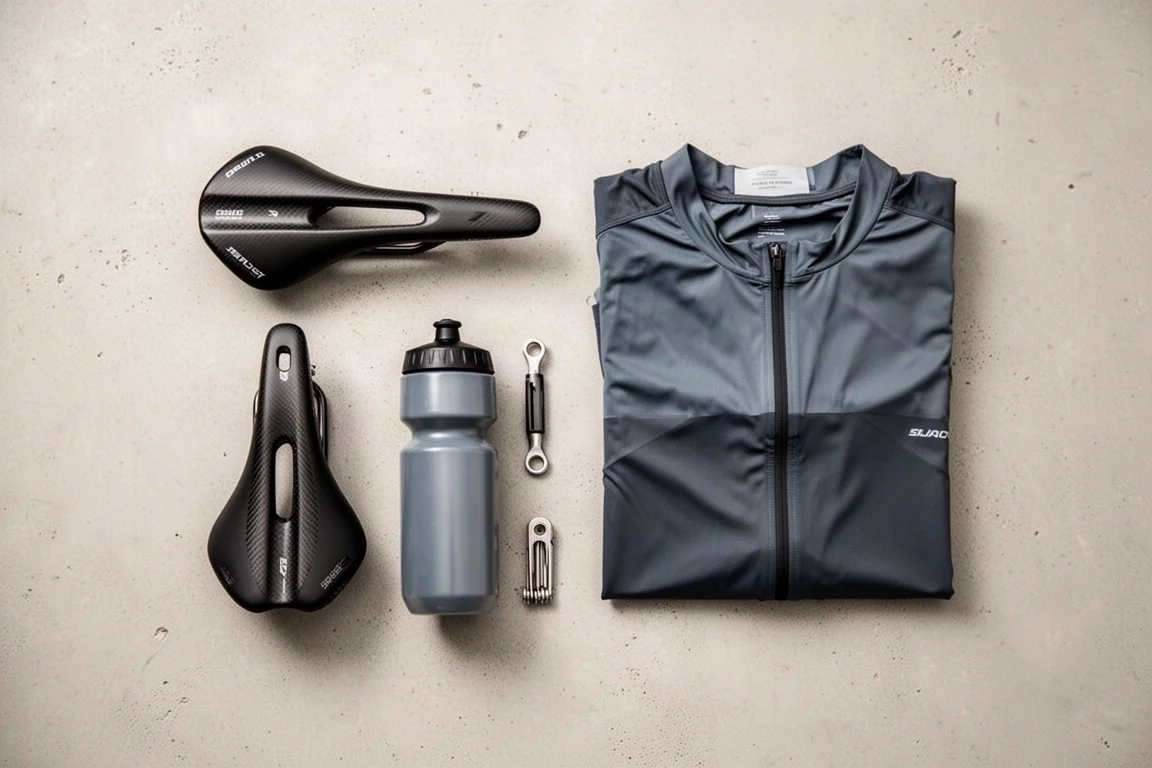
The construction is carbon throughout: a carbon shell, carbon rails and a carbon bridge, topped with a wafer-thin layer of padding that comes in a wide range of colours, plus an unpadded version for riders who want to save a few more grams. Measured weight is 91 g.
The shape follows a familiar template, close to a Selle Italia SLR, with a scooped, hammock-like rear section and a channel down the middle. There is some flex in the base and a small amount of foam, though the padding is genuinely minimal.
How the Lupina Short 132 Handles Longer Rides
Comfort is better than the appearance suggests. The first ride produced some light tingling after around 50 minutes, which faded after about ten minutes, and the remaining two hours were comfortable. A series of shorter lunchtime and evening rides since then have been fine, and roughly 500 miles of use has produced no reliability or durability concerns.
The catch is that the saddle never fully disappears from your awareness the way a well-shaped 3D printed saddle does. The firm, thinly padded surface is always noticeable, which makes it a reasonable choice for shorter rides but not the first pick for six-hour days or long sportives. The warranty runs for two years.
Total Weight Savings
The complete build moved from 7.94 kg to 6.85 kg. The wheels account for the largest single share, with the saddle and the move to a single chainring drivetrain contributing the rest. The result puts a two-year-old frameset in the same weight bracket as current flagship race bikes.
That outcome is the strongest argument for upgrading rather than replacing. A well-fitting bike can be brought close to modern race-bike weight for the cost of components, provided the parts chosen suit the riding you actually do.
Buying Advice
The Cadex Max 40 is a niche wheelset. It suits riders who prioritise stiffness, directness and low weight, and who spend their time climbing and riding in the mountains. It is expensive, and the bonded spoke construction means long-term peace of mind is limited to the warranty period. Riders who value a smooth ride on rough roads, or who want to run tyres wider than 28 mm, should look elsewhere.
The Berk Lupina Short 132 suits weight-focused builds and shorter rides. It is remarkably light and more comfortable than its shape implies, but the firm padding and the two-year warranty are real considerations for riders who spend long days in the saddle. Together, the two components make the most sense on an older bike that already fits well and is being refreshed rather than replaced.
Conclusion
A kilogram of weight savings is achievable on an older road bike with the right combination of parts. The Max 40 delivers the sharpest change in character, while the Lupina Short 132 delivers the biggest weight reduction for the least material. Both are specialist choices with clear trade-offs, and both make most sense for riders who know exactly what they want from their bike.
Further reading
Related Reviews
Cycling Components
A 20,000-Mile Budget Race Bike Build: Five Parts Worth Knowing
A rim brake race bike assembled from low-cost components and ridden for 20,000 miles. Here is what delivered real speed, what caused problems, and what to weigh before copying the formula.
Cycling Components
7 Bike Fit Products Fitters Avoid: What to Check Before You Buy
Seven bike components that regularly cause knee, foot and saddle problems, with the specific concerns behind each one and what to look for instead.
Cycling Components
Four Affordable Bike Upgrades That Improve Ride Feel
Four low-cost cycling products that make a real difference to ride feel, plus the free setup changes worth trying first.