Camping Tents
Caddis Rapid 6-Person Tent Review: A Tall, Fast-Pitching Instant Cabin Tent
A six-person instant cabin tent with a 77-inch peak height, four large windows, and strong rain protection on three sides, plus a snaggy door and a short front rainfly worth knowing about.
Introduction
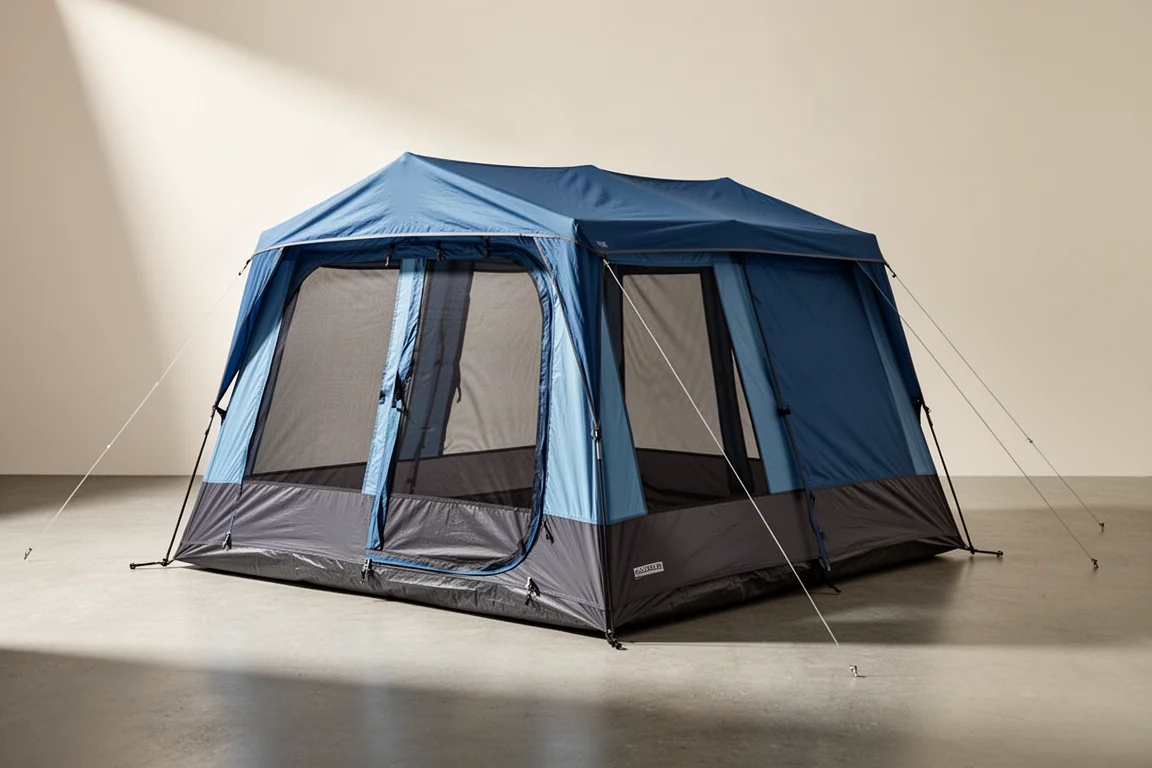
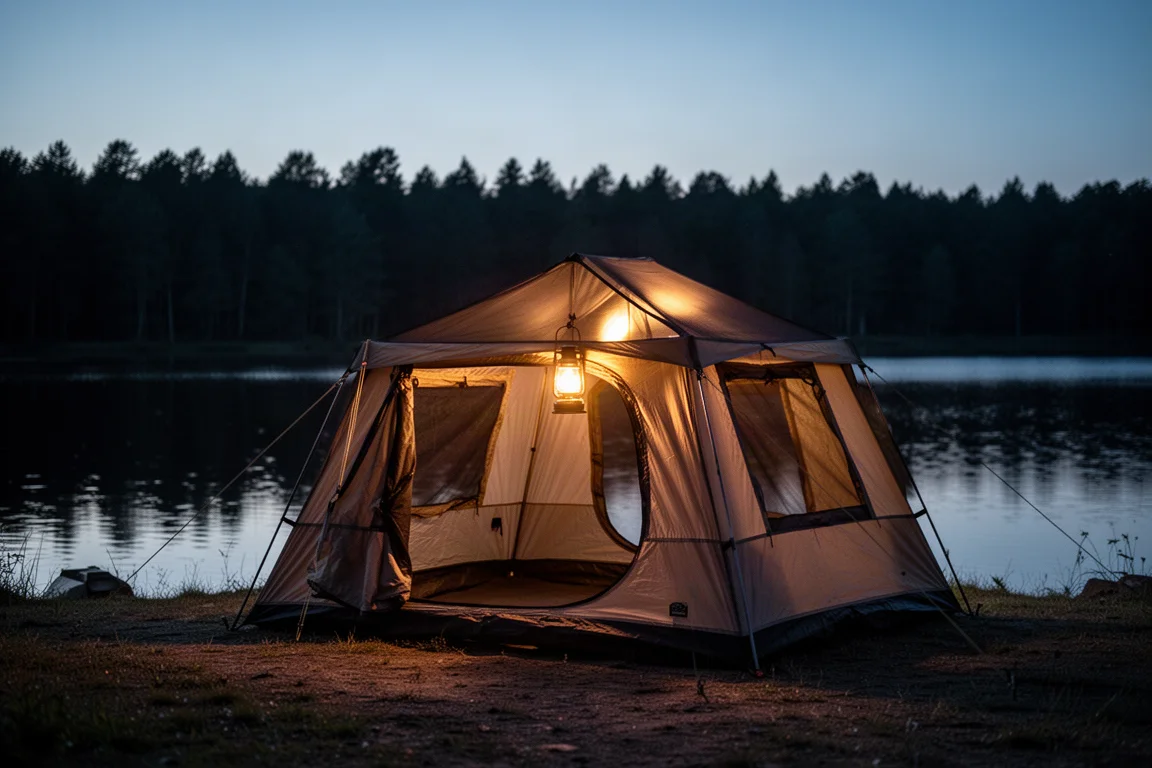
The Caddis Rapid 6-Person Tent is a cabin-style instant tent built around four pre-attached poles rather than a separate pole set, so most of the pitching work happens as the frame unfolds. The package includes the tent body with its poles, a blue rainfly, a rainfly pole in its own case, 15 stakes in a separate case, a gear loft, two compression straps, a black carry bag, and printed instructions.
Setting the whole thing up, including staking and guying out, took about nine and a half minutes in testing. Breaking it down and packing it back into the carry bag took about seven and a half minutes. That combination of speed and a genuinely tall interior is the core of what this tent offers.
Setup, Takedown, and Packed Size
Setup starts by unfolding the tent flat on the ground and unfolding the four wall poles that run around the body. Each elbow joint pulls outward and each pole extends upward, then pulls apart until a silver button clicks into place. The rainfly goes on next: its shortest section sits at the front over the door, while the other three sides hang noticeably longer. Four corner buckles connect the rainfly to the tent, and a strap at the front tightens the cover down.
The rainfly pole is a separate piece that holds the cover away from the tent body above the door. It threads through a short sleeve at the tip of the rainfly and seats into two rings on two pole clips. From there, eight stakes pin down the tent body and seven pre-attached guylines tension the rainfly.
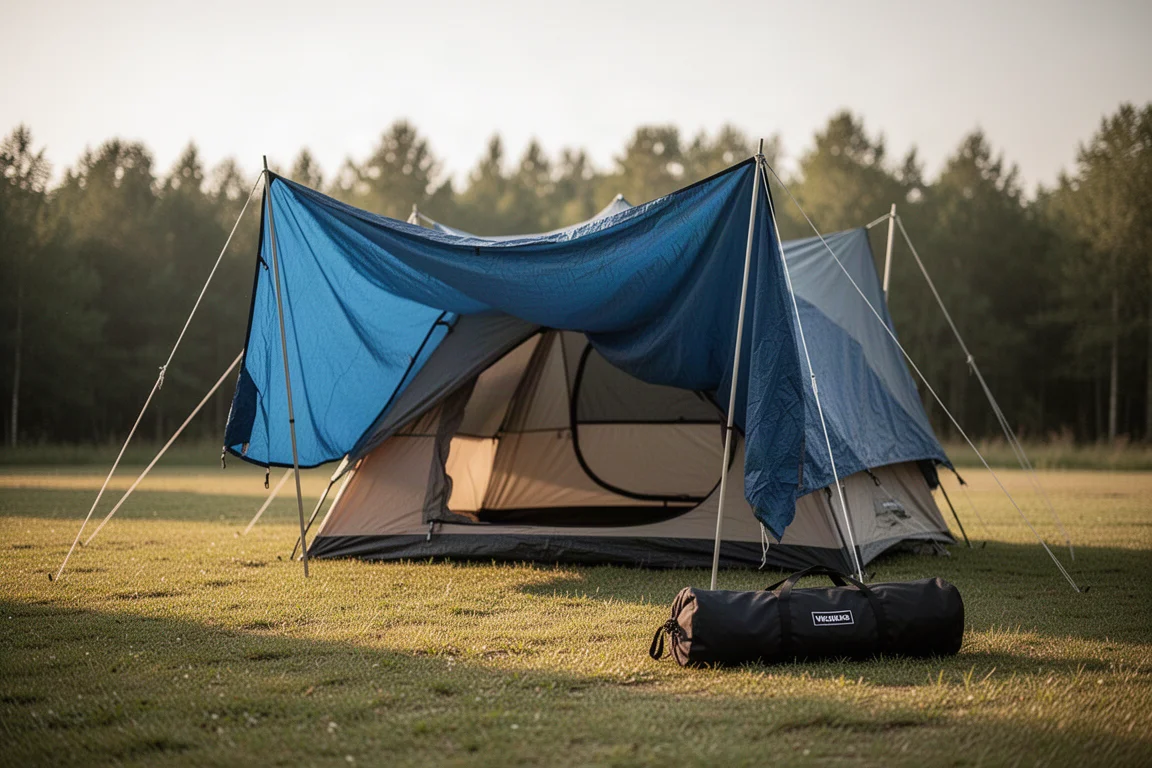
Takedown reverses the process. After removing the rainfly pole, the stakes, and the guylines, pressing the silver button on each of the four poles retracts them, and folding the corner poles inward brings the tent back to a flat square. The poles fold together, the remaining fabric rolls up, and everything, including the rainfly, stakes, rainfly pole, and gear loft, goes back into the carry bag.
One practical detail stands out: the tent body can be laid flat on the ground, which makes cleaning the floor far easier than it is with most instant tents. Packed, the tent measures about 50 by 15 by 9.5 inches and weighs roughly 25 pounds as a complete kit. A Velcro handle on the bag makes it possible to sling the whole package over one shoulder.
Who This Tent Is For
This tent makes the most sense for campers who care about standing height and pitching speed more than ultralight packing. The peak height is about 77 inches, and even the lowest points at the four corners measure about 68 inches, so most adults can stand upright throughout the interior rather than only at the center.
It is also a good match for groups of about four. Two queen-size camping mattresses fit with room left over for gear, and the somewhat vertical side walls give the interior a cabin shape with usable space right up to the edges. Campers who want to sleep six will fit, but the arrangement is tight, as covered below.
Interior Space and Comfort
The floor measures about 9 feet 9 inches by 9 feet 9 inches, a few inches under the marketed 10 by 10 feet. Six regular sleeping pads do fit inside, though occupants sleep shoulder to shoulder and only a small strip of floor remains for gear. At the outer edges the fit is tighter still: sitting up on a pad at the side of the tent, both head and raised arm meet the wall.
Four people on two queen mattresses is a much more comfortable setup, with a decent amount of leftover floor space for storage. One caveat is length, since the tent is a few inches short of accommodating two true queen-size mattresses. In testing, the pair only worked because one mattress was about four inches narrower than a standard queen, leaving roughly two inches of clearance between the two beds when pushed to the side.
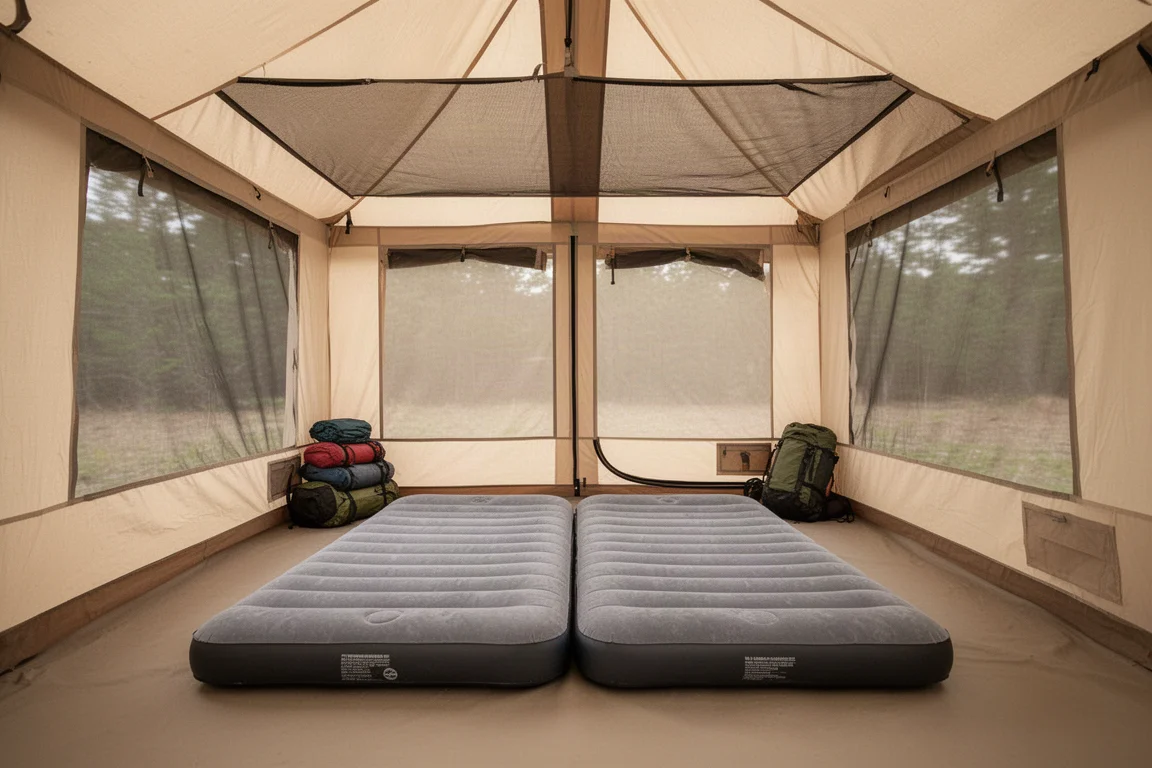
Storage is generous for the class. Pockets near the door measure about 18 by 8 inches each, and a pair of smaller pockets measures about 17 by 6.5 inches combined. A loop at the center of the ceiling holds a lantern, and four additional loops around it accept the included gear loft, which measures about 23 by 25 inches and hangs from S-hooks. A Velcro-closed power port sits at the bottom of the tent for running a cable inside.
The single door is enormous at about 58 inches wide, 55.5 inches long, and 58 inches from the ground to the top. It still sits slightly below average adult height, so most people will duck on the way in. Two zippers let the door open almost completely, leaving only a small strip of fabric attached, and there is no latch to tie the door back, though a pocket near the entrance can hold the fabric if the door is left open.
Ventilation and Window Configuration
The tent has four large windows when the mesh panel of the door is counted. With the rainfly installed, only two of them can be opened fully. The front window measures about 52 inches long by 33.5 inches wide, while the other three measure about 63 inches long by 22.5 inches wide.
Opening the larger windows is an outside job. The process involves removing a guyline, unzipping the rainfly, and clipping the two sides of the cover apart, or simply clipping up one side. The back of the tent has a zip running down the center of the rainfly, while the two remaining sides do not have the same zip, so those become vents rather than open windows. Viewed from outside, those vents measure about 19 inches wide.
Each window uses two black metal zippers, and once unzipped, the fabric tucks away and a latch keeps it from unravelling. A no-see-um bug net sits behind every window opening.
In hot weather, removing the rainfly entirely opens up ventilation considerably, since the cover no longer blocks any of the four windows. The windows can also be zipped shut for privacy. Without the rainfly, a large mesh area covers the roof, which helps with airflow and makes the tent a good spot for stargazing on clear nights.
Rain Protection and Build Quality
Rain performance is split between the three long sides and the front. In light rain lasting five to six hours, no water reached the interior. Under a sustained heavy spray for an hour, the three sides with the long rainfly stayed completely dry with zero leaks, since the cover reaches over roughly three-quarters of the tent body and performs especially well when guyed out. The front is the weak point: some water worked through the two corners there, where the rainfly is too short to shield the area properly despite taped seams.
The bathtub floor stands 7 inches high and offers solid protection against light flooding. The floor is made from 210D polyester taffeta, while the rest of the tent uses 190D polyester taffeta. Seams that the rainfly does not cover, including the seam between the tent body and the bathtub floor and the door seam, are taped, while window seams under the rainfly are not. Stitching is double-stitched and consistent, with only a couple of loose threads noted.
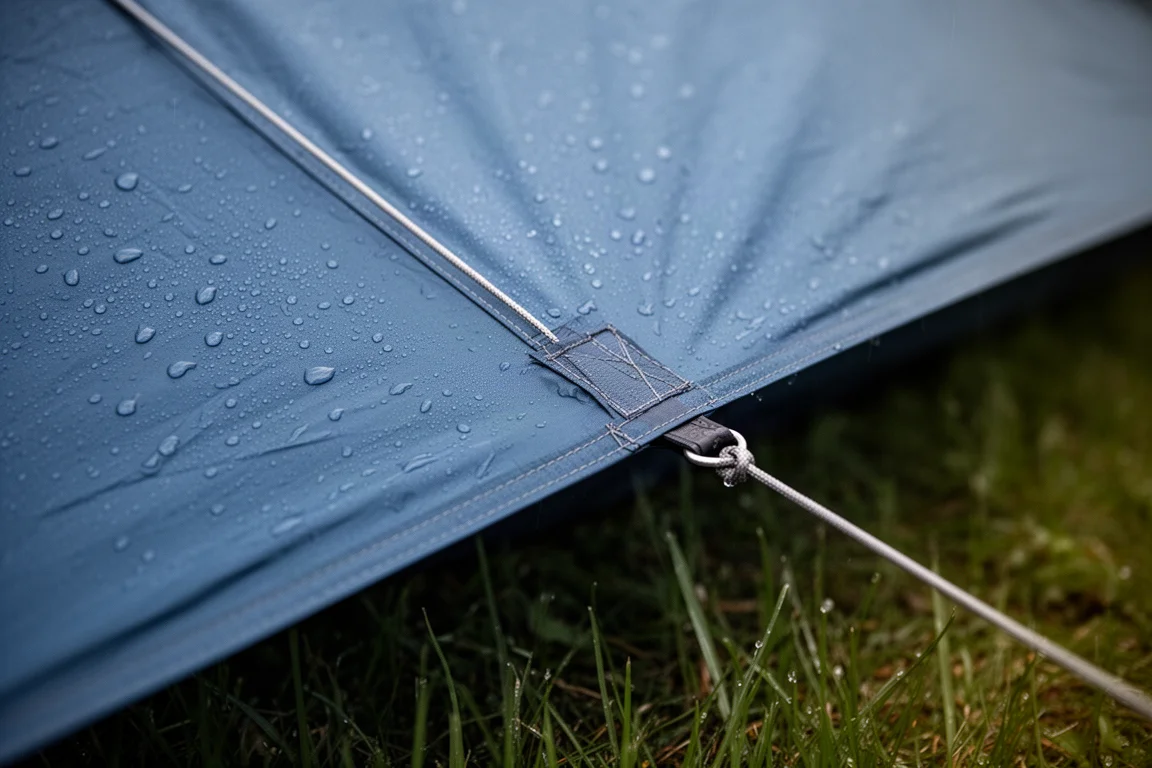
Reinforcement is one of the more thoughtful details. Extra fabric backs the area under the center hub and under each of the four elbow joints, which are exactly the spots that take stress every time the tent goes up or comes down.
Window zippers run catch-free. The door is a different story: unzipping is fine, but zipping it closed snags noticeably and generally requires two hands. Part of the cause is seam tape that juts into the zipper path, along with a rain cover that gets in the way. From inside the tent, the door has to be pushed outward while zipping, and from outside, the rain cover has to be lifted clear.
Main Strengths
The instant frame is the headline. Setup is quick, and the hub is designed so that takedown is simply a matter of bringing all four poles together. Being able to lay the tent flat on the ground for cleaning is a genuine convenience that most instant tents do not offer.
Interior height is well above average for the category. Standing, walking around, and even jumping inside are all possible, and the same is true on top of a thick air mattress. Rain protection on the three long sides is better than most instant tents manage, helped by thorough seam sealing and a longer rainfly. Ventilation is strong as well, with ceiling mesh and four large windows, most of which can stay open during heavy rain.
Storage rounds things out, with a supplied gear loft and a door large enough to move gear in and out comfortably.
Things to Consider Before Buying
The door is the main frustration. It snags when closing, needs two hands, and droops inward, which is a problem in wet weather because water rolls off the door fabric and into the tent. The front rainfly is also short enough that it provides little shading over the doorway, and with the door open, water sitting on the roof drips straight inside.
Packing is the other trade-off. The tent is bulky, at almost twice the length of a standard six-person dome tent that skips the instant frame, and the full kit weighs about 25 pounds. That is manageable for car camping and a poor fit for anyone carrying gear any distance.
Capacity deserves an honest read as well. Six sleeping pads fit, but shoulder to shoulder with little room for anything else, and the outer edges are cramped. Four people on two queen mattresses is the configuration where this tent feels genuinely comfortable.
Buying Advice
The Caddis Rapid 6-Person Tent earns its place for campers who want a tall, fast-pitching shelter with strong ventilation and reliable rain protection across most of the body. The standing height is a real comfort advantage on longer trips, and the instant frame makes both setup and takedown simple enough to handle alone.
Buy it with the front end in mind. If your trips involve driving rain, or you plan to leave the door open in wet conditions, the short front rainfly and the dripping roof above the entrance are worth weighing carefully. Pitching with the door facing away from the weather helps, and the rainfly pole does divert a good share of rainfall away from the front window mesh, which lets you crack that window open a little.
For four campers on two mattresses, or for anyone who values being able to stand up and change clothes inside, the strengths here clearly outweigh the drawbacks. If compact packing or a long walk to the site matters more than interior height, a standard dome tent will serve you better.
Conclusion
This is a well-executed instant cabin tent with a few clear compromises. The frame, the height, the reinforcement details, and the rain protection on three sides all stand out, while the door zipper, the short front rainfly, and the bulky packed size are the parts to accept going in. Match it to car camping trips and groups of about four, and it delivers on the promise of fast, comfortable shelter.
Product link
View more details for Caddis Rapid 6-Person Tent
This product is mentioned in the review. Check the specifications, options, and compatibility before buying.
View more details for Caddis Rapid 6-Person TentFurther reading
Related Reviews
Camping Tents
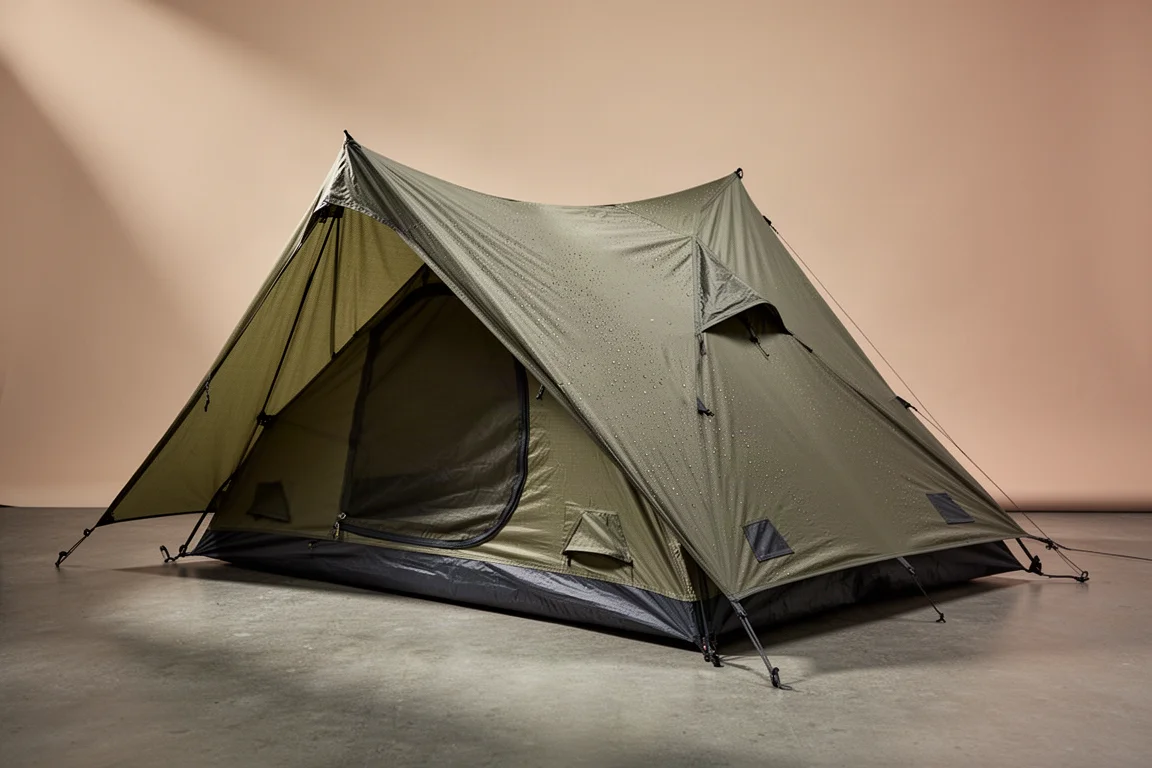
3F UL Gear Taiji Two-Person Tent Review: Field Waterproofing Results and Buying Advice
The Taiji pairs an attached fly with a removable inner, but sustained rain exposed untaped vent seams that need sealing before this shelter can be trusted.
Camping Tents
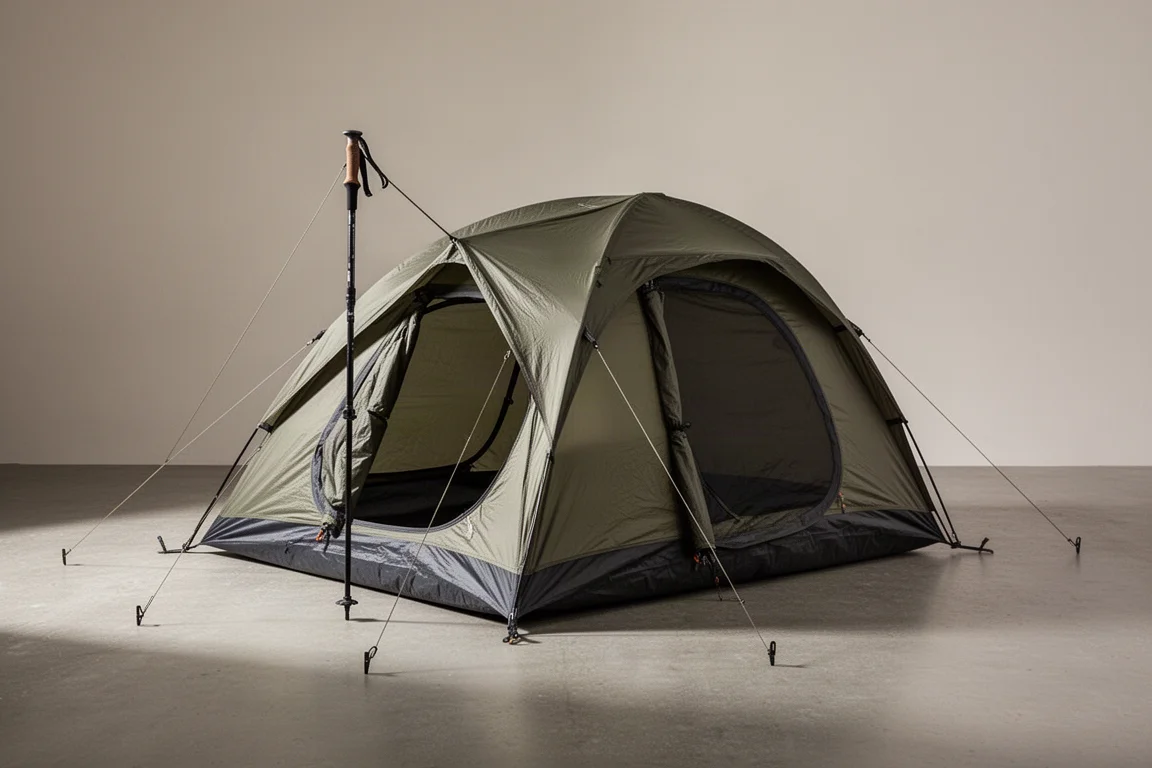
3FUL Gear Lanshan 2 Pro 4-Season Review: A Sub-$200 Single-Wall Trekking Pole Tent
An early look at the 3FUL Gear Lanshan 2 Pro 4-Season, covering its straightforward pitch, generous interior space, and the condensation and seam-sealing questions that come with any single-wall shelter.
Camping Tents
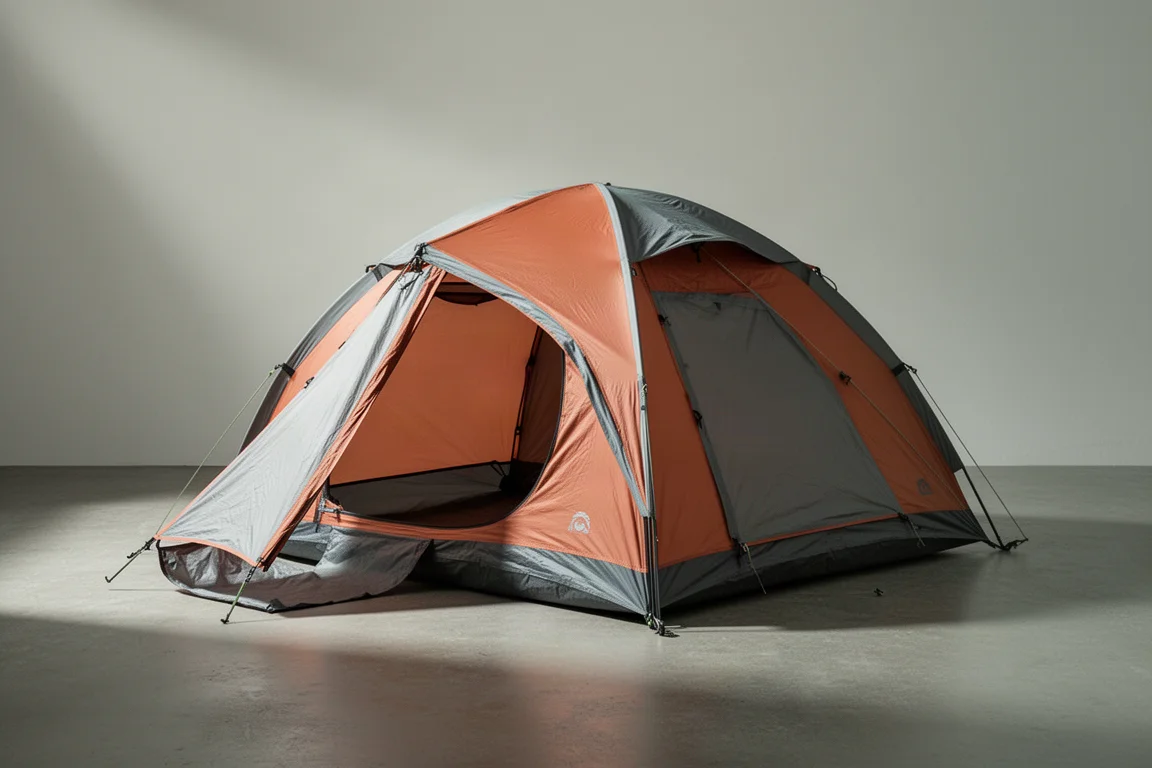
Alps Mountaineering Lynx 1-Person Tent Review: Big Value in a Small Budget Tent
A close look at the Alps Mountaineering Lynx 1-Person Tent, covering real interior dimensions, materials, setup time, ventilation limits, and who should buy it.