Camping Tents
Caddis Rapid 6-Person Tent Review: Instant Setup Meets Real Rain Protection
A six-person instant cabin tent with factory-taped seams and a longer-than-usual rainfly on three sides, plus one front-cover weakness worth knowing before you buy.
Introduction
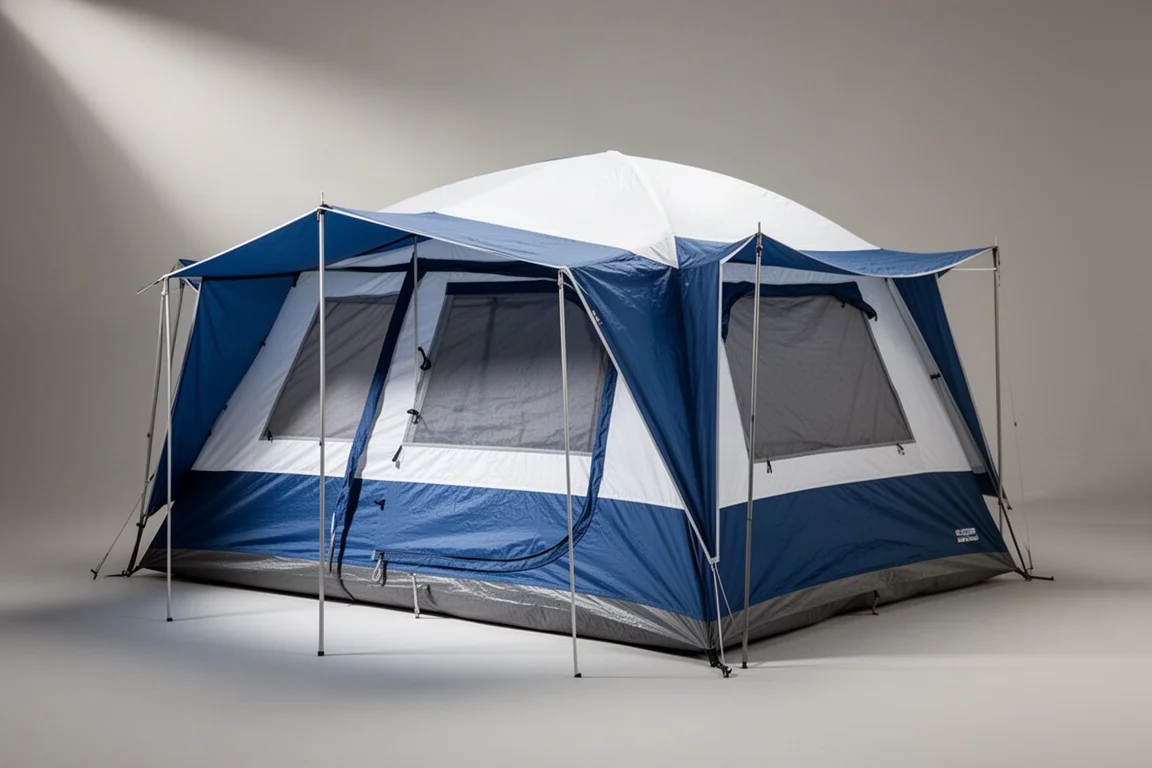
A six-person instant cabin tent has to do two jobs at once: go up quickly and keep the weather out. The Caddis Rapid 6-Person Tent takes a clear position on both. Its seam work and its rainfly coverage are more thorough than what most instant tents bring to the campsite, and those two details are worth understanding before you decide.
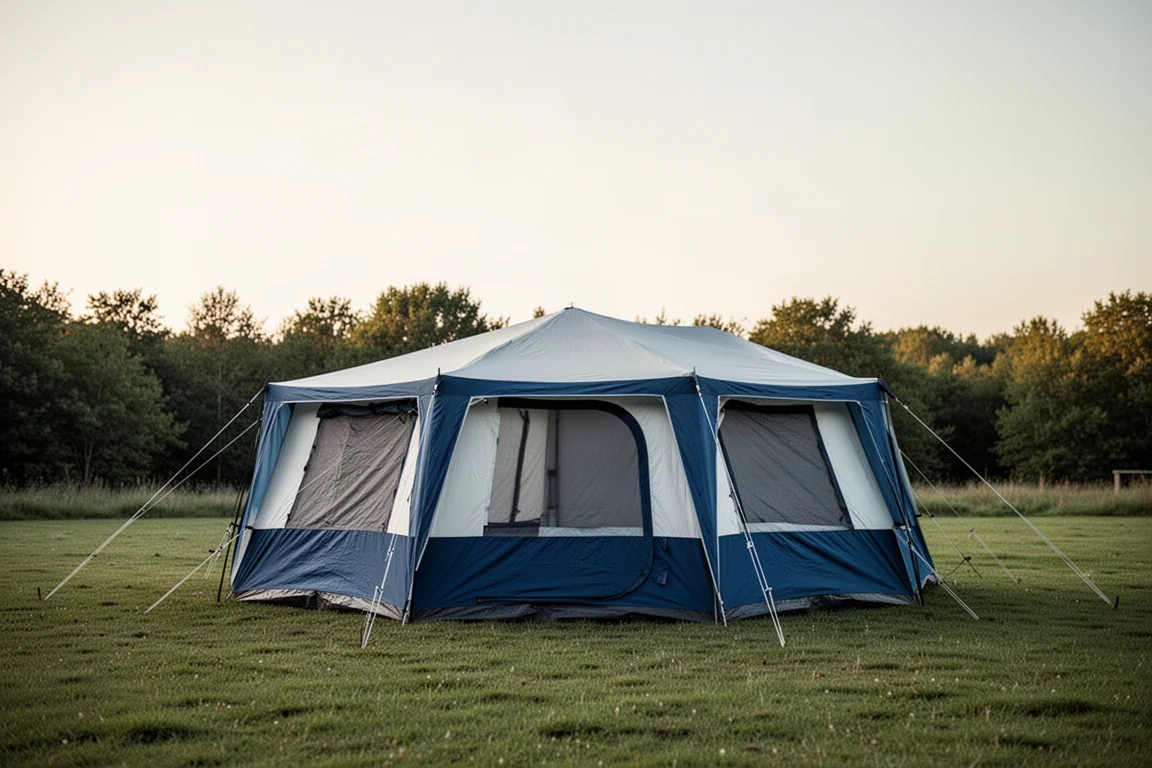
The tent pairs a rainfly with a supporting pole at the front with a coverage pattern that differs by side. The front fly is short, while the fly on the remaining three sides runs much longer. That difference turns out to matter a great deal once rain is involved.
Who This Tent Is For
This tent suits campers who want a large, quick-pitching shelter and who care about staying dry through sustained rain. The six-person capacity points to family trips, car camping, and basecamp setups where interior space and simple setup matter more than packed weight.
It also fits anyone who would rather not spend an afternoon sealing seams by hand. That work has already been done here, which is a genuine convenience for a tent in this class.
Main Strengths: Seam Taping and Rainfly Length
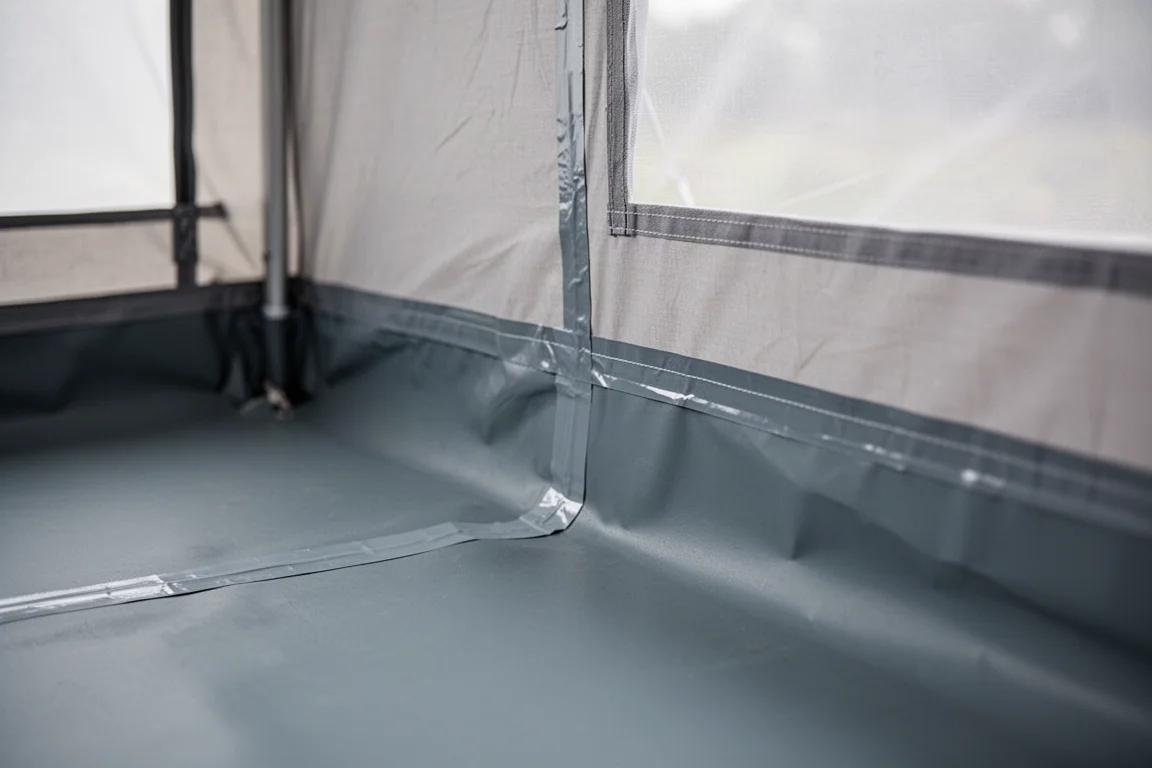
Seam taping is where this tent separates itself from much of the instant tent field. At the back, the seams sitting under less rainfly protection are taped, including the tent body to bathtub flooring seam and the middle seam between the blue and white fabric panels. The window seams and the ceiling mesh seams, which sit fully beneath the rainfly, are left untaped because the fly shields them.
At the front, the door seam is taped completely around the door, and every flooring seam is taped as well. The bathtub flooring rises roughly seven inches up the walls. On the outside, all rainfly seams are taped.
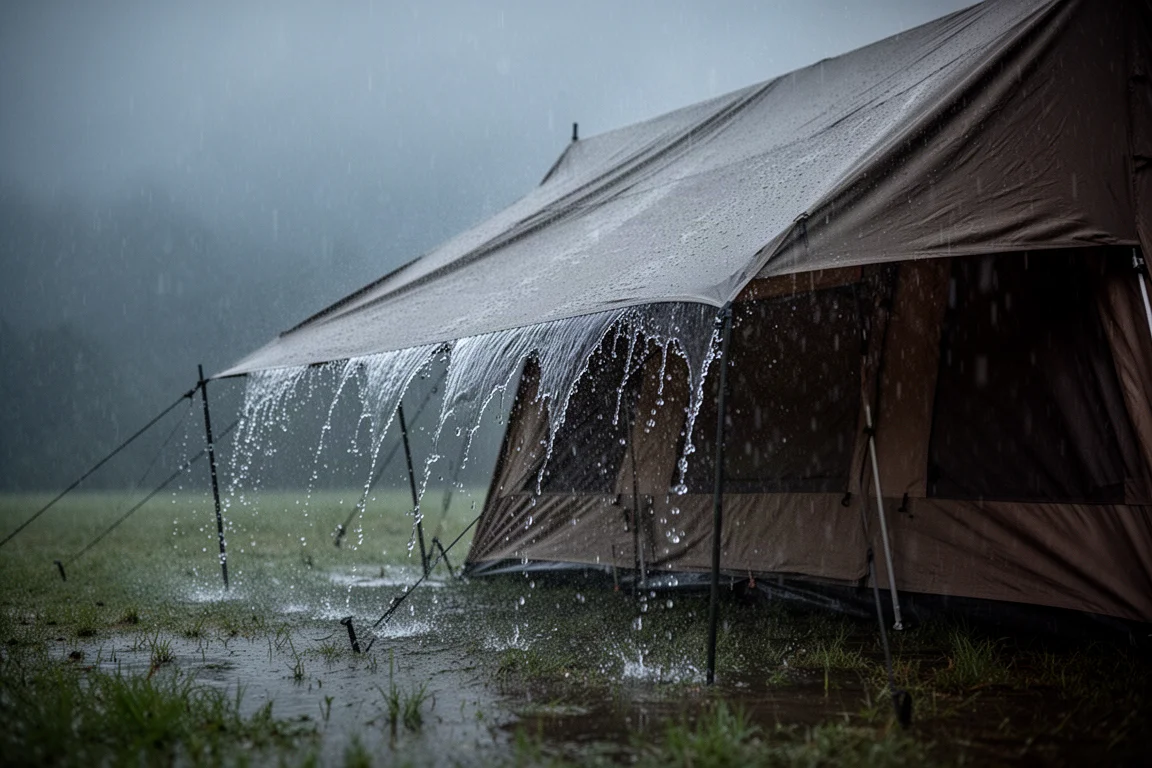
Rainfly length is the second strength. On three sides the rainfly extends far enough to cover at least three-quarters of the tent body. Once each side is guyed out, rainfall barely touches the tent body at all and drips straight to the ground instead. The front rainfly is noticeably shorter, and a dedicated pole there works to divert water away from the front window mesh.
Light Rain Results
Five to six hours of steady light rain left the interior completely dry, with no leaks anywhere. The thorough taping around the flooring and the corners is the reason it held up. For a tent in this category, that is a reassuring outcome, and it suggests the taping was done with real care rather than as a formality.
Heavy Rain Results
A one-hour simulated downpour spread evenly across the tent produced a split result. On the three long-rainfly sides there were zero leaks. The tent body fabric stayed dry, the rainfly stayed dry, and the window mesh stayed dry even with the windows left open, because the rain never reached them. At the front, only the very bottom of the window mesh took on water where drips ran down, and everything above that point stayed dry.
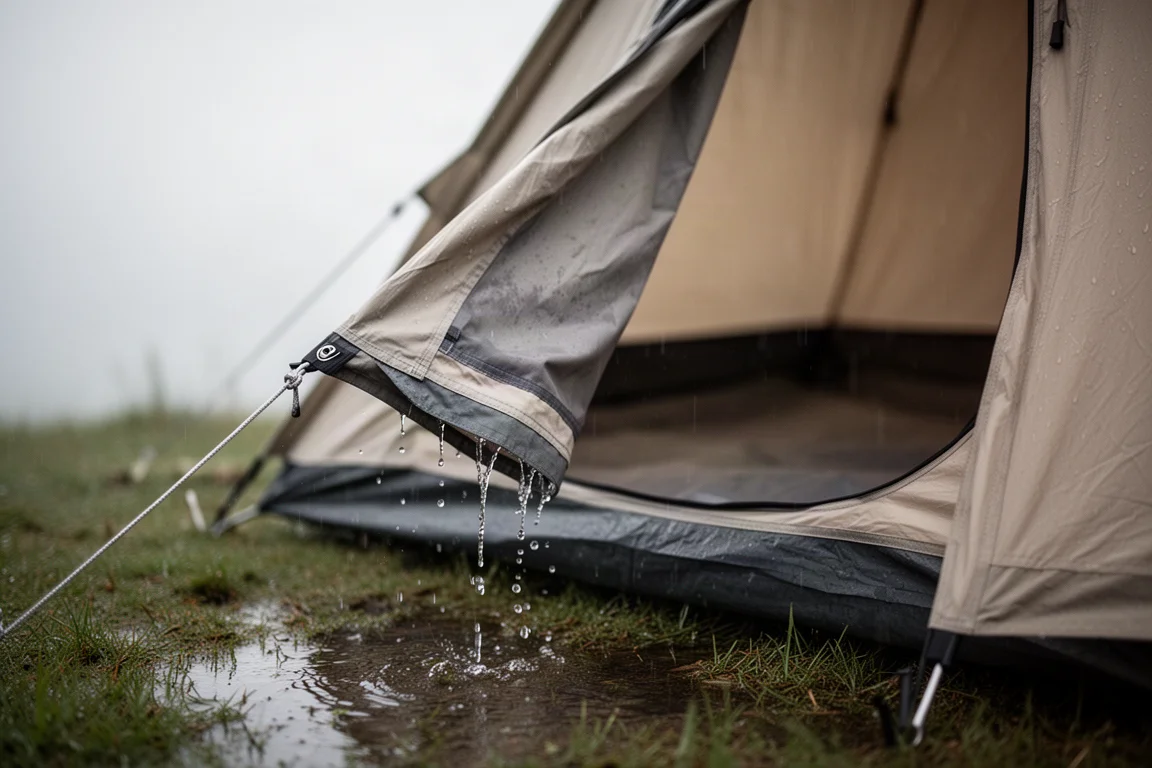
The front corners did let a small amount of water through despite the taping, because the front rainfly is too short to provide enough protection there. It is short enough that it does not even shade the door properly. With the door open, water resting on the roof drips straight inside. The door zippers also ended up soaked, and placing them higher on the tent would improve their protection.
Two practical habits help. Leave the door propped outside the tent rather than letting it sag inward, since a sagging door drips onto the floor. And keep in mind that these results come from a sheltered yard with little wind, so an exposed, windy site will put more stress on that front coverage.
Things to Consider Before Buying
The front rainfly is the main limitation. A longer front fly would push the rain protection close to exceptional for an instant cabin tent, which is uncommon in this category. As it stands, the front is the area to watch in blowing or heavy rain.
Door handling deserves attention too. The door needs to be managed carefully when it is open in wet conditions, and the zipper placement sits low enough to collect water.
Buying Advice
Choose this tent if your priorities are fast setup, a genuinely dry interior in ordinary rain, and factory-taped seams you do not have to seal yourself. The three-sided rainfly coverage and the taping are better than what most instant tents offer, and the dry interior after a long light-rain stretch is the clearest sign that the construction is sound.
If you expect to camp in exposed, windy, or prolonged heavy rain, plan around the front. Where the site allows, pitch with the short rainfly side away from the prevailing wind, guy out all sides to maximize fly standoff, and keep the door propped outside the tent. Those steps lean on the tent’s strengths and reduce its one weak point.
Conclusion
The Caddis Rapid 6-Person Tent handles rain better than most instant tents, thanks to thorough seam taping and a rainfly that covers at least three-quarters of the body on three sides. The short front rainfly remains the compromise to accept. Campers who want a large, quick-pitch shelter with dependable everyday rain protection will find it a sensible choice.
Product link
View more details for Caddis Rapid 6-Person Tent
This product is mentioned in the review. Check the specifications, options, and compatibility before buying.
View more details for Caddis Rapid 6-Person TentFurther reading
Related Reviews
Camping Tents
3F UL Gear Taiji Two-Person Tent Review: Field Waterproofing Results and Buying Advice
The Taiji pairs an attached fly with a removable inner, but sustained rain exposed untaped vent seams that need sealing before this shelter can be trusted.
Camping Tents
3FUL Gear Lanshan 2 Pro 4-Season Review: A Sub-$200 Single-Wall Trekking Pole Tent
An early look at the 3FUL Gear Lanshan 2 Pro 4-Season, covering its straightforward pitch, generous interior space, and the condensation and seam-sealing questions that come with any single-wall shelter.
Camping Tents
Alps Mountaineering Lynx 1-Person Tent Review: Big Value in a Small Budget Tent
A close look at the Alps Mountaineering Lynx 1-Person Tent, covering real interior dimensions, materials, setup time, ventilation limits, and who should buy it.