Home and Lifestyle
Buy Right, Buy Once: Six Purchases Worth Keeping
Six deliberately chosen purchases, from a $12 bag of Palo Santo to a pair of high-end loudspeakers, and the reasoning that makes each one worth keeping.
Introduction
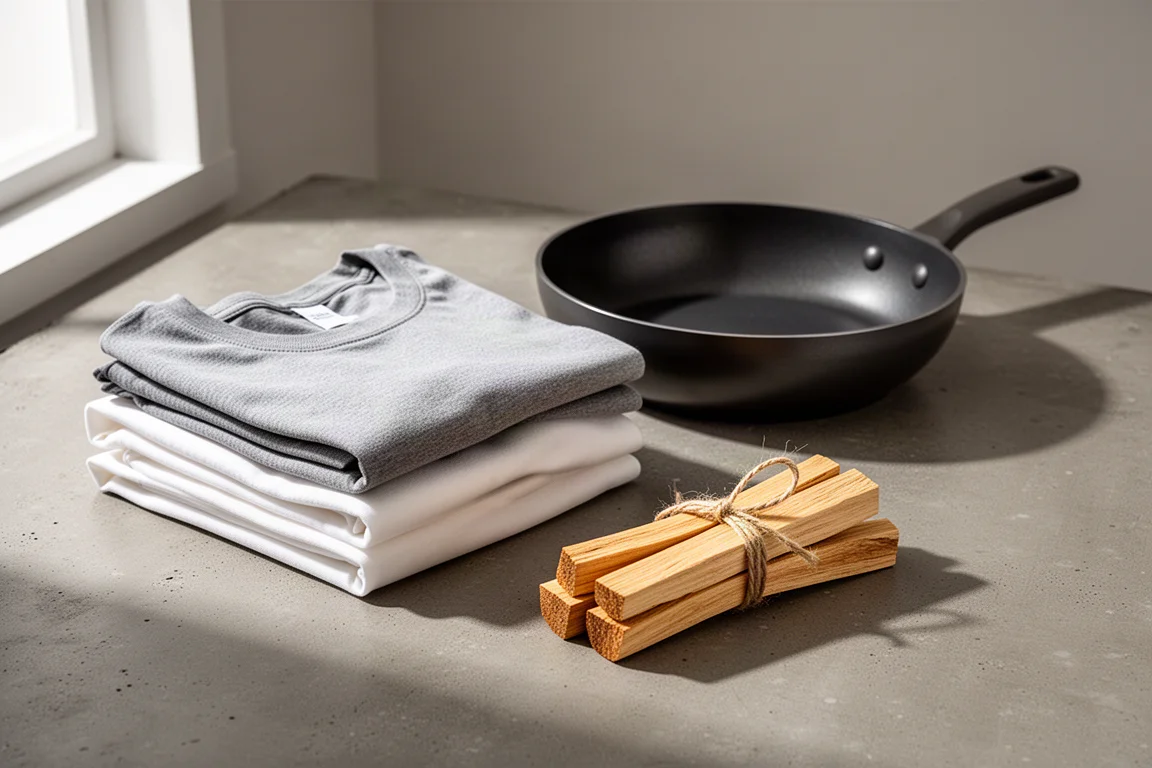
Looking back on a full year of purchases, the pattern that stands out is not how much was spent but how carefully each decision was made. Fewer things came into the house, and the ones that did were chosen for how they would hold up over years rather than weeks. Some of these picks are exactly what you would expect from a household that cares about gear. Others have nothing to do with technology at all.
Six purchases earned their place: a simple bag of Palo Santo, a treadmill that turned into a daily habit, a nonstick pan that changed how the kitchen is stocked, a pair of high-end loudspeakers, an L-shaped sectional, and a stack of everyday t-shirts. They live in different rooms and serve different purposes, but they follow the same logic. Each one replaced something that was making daily life harder, and each one is still in use.
What Ties These Picks Together
The filter applied to every purchase this year was simple: does this add value over the long haul? That question pushed decisions away from quick gratification and toward foundations, the things used every single day. A scent, seating, cookware, audio, fitness equipment, and clothing all qualify.
Three criteria kept coming up. First, daily contact, meaning the item had to be something touched, worn, heard, or used regularly. Second, durability, because coatings that fail, cushions that compress, and shirts that wear out all cost more over time than a single well-made purchase. Third, fit with the household, whether that means a fragrance that does not trigger sensitivities, a treadmill deck sized for a taller frame, or a sofa large enough for company.
There is a practical side to this approach as well. Buying once means fewer replacements, less repeated research, and less clutter. It does not require spending the most. The least expensive pick on this list costs about the same as a takeout lunch, and it has lasted a full year.
Luna Sundara Palo Santo: An Inexpensive Way to Change a Room
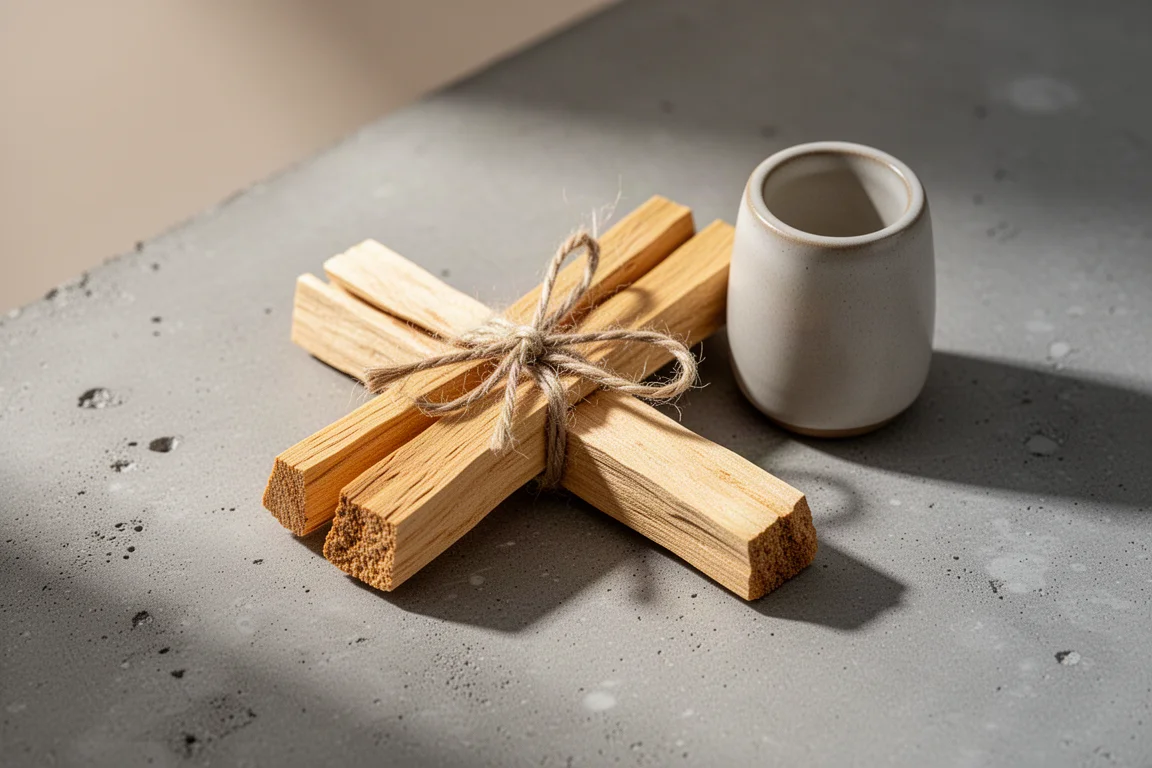
Some of the most effective home upgrades cost almost nothing, and a simple bag of Palo Santo sticks falls into that category. The scent was first noticed in a clothing store, where it was assumed to come from an expensive candle, and it turned out to be plain Palo Santo sticks from Luna Sundara.
What makes these sticks stand out is how earthy the smoke is compared with a room spray or a candle. The fragrance reads as a natural part of a house rather than a layer of chemicals on top of it. That matters in a home with fragrance sensitivities, because this does not trigger allergies or headaches the way many scented products do.
The trade-off is staying power. A plug-in will scent a room longer, but the Palo Santo scent is far more authentic. One stick is enough for a reset, and it works particularly well for freshening up a home gym. A $12 bag has lasted an entire year, and bags have been shipped to friends around the country as gifts with consistently good feedback.
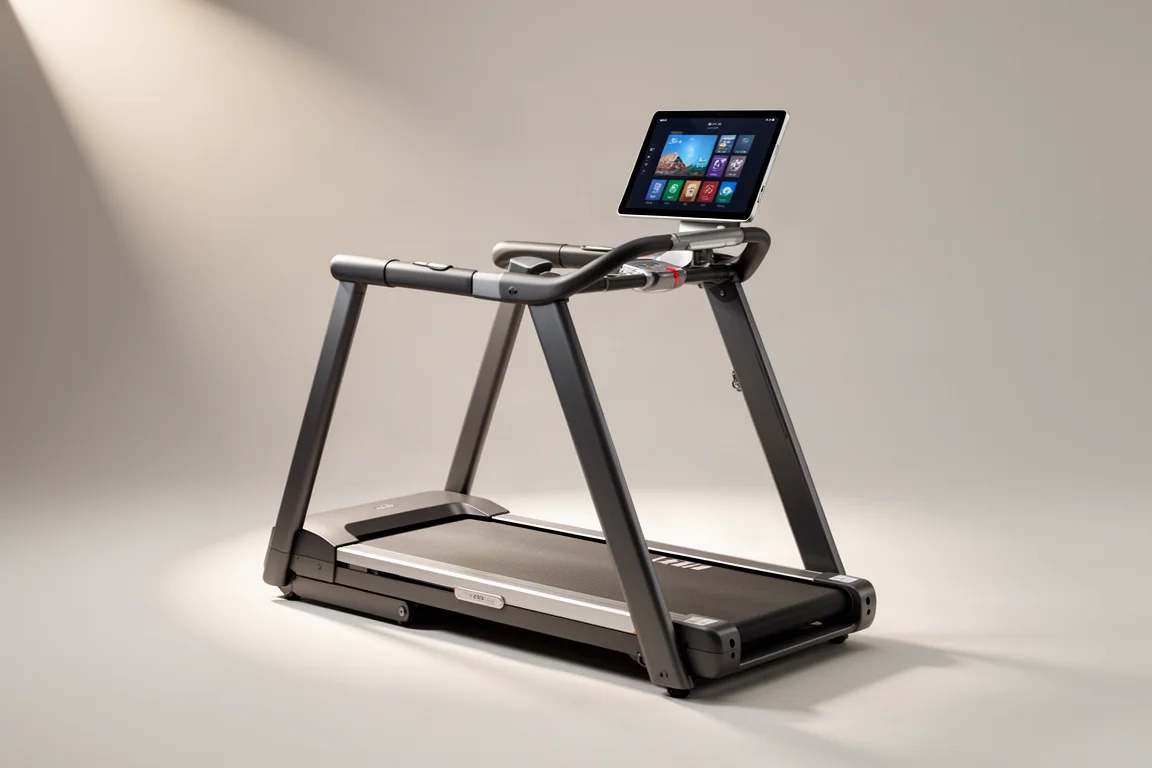
NordicTrack 1750 Treadmill: Cardio That Became a Daily Habit
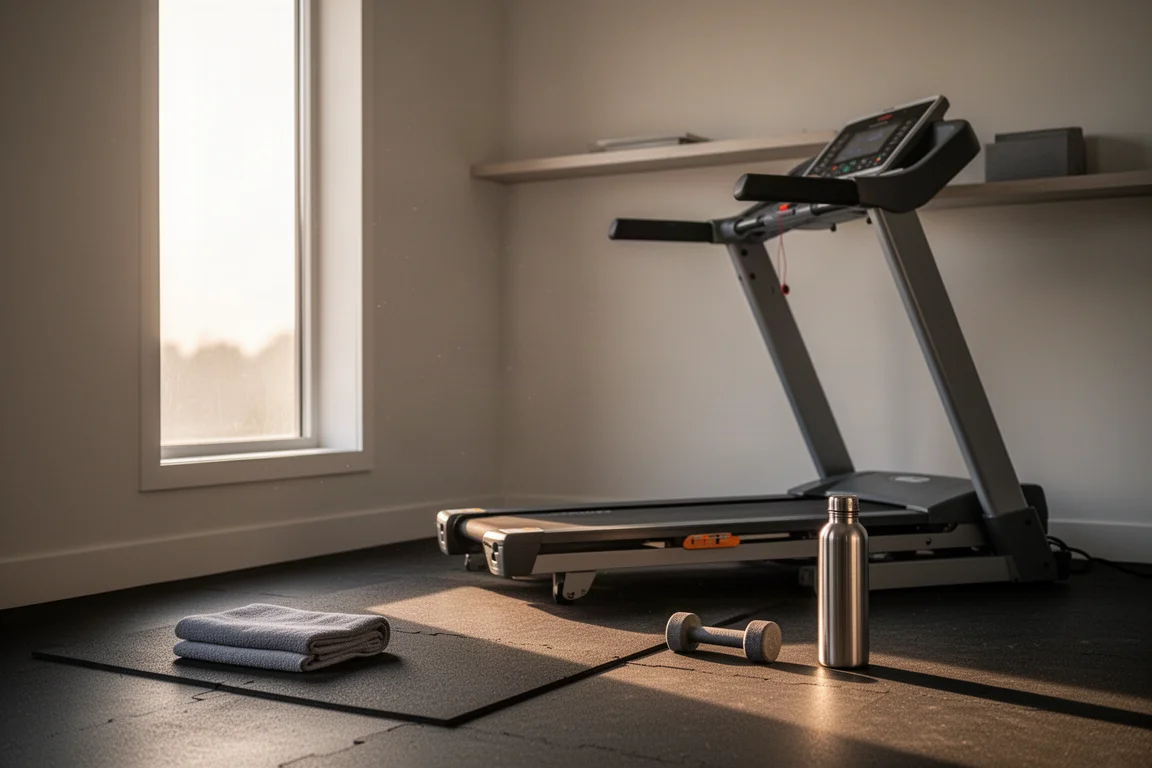
Free weights get harder on the joints with every passing year, and after about five years with a home gym setup, mixing in walking and jogging became a way to stay active without the extra wear and tear. What started as variety turned into a streak: not a single missed day of walking or jogging since the treadmill arrived. Thirty to sixty minutes a day clears the head, and the mental benefit has been the real reason the habit stuck.
The hardware holds up well. Incline and decline both work as intended, and the deck is generously sized, which matters for taller users and was the main reason this model was chosen over alternatives. The tech side is more mixed. The screen is laggy, the speakers are underwhelming, and the iFit subscription service can be slow and prone to crashing. Guided routines are genuinely good, but third-party app support is limited.
Two practical notes for anyone considering a machine like this. First, the quirks have not been enough to justify replacing it, because the outcome, being more active and healthier, is the only metric that really counts. Second, pay for the upgraded delivery. These machines are extremely heavy and awkward to move, and assembling one alone is a job worth avoiding. White glove service is money well spent.
All-Clad 12-Inch Nonstick Pan: A Kitchen Upgrade That Pays Off
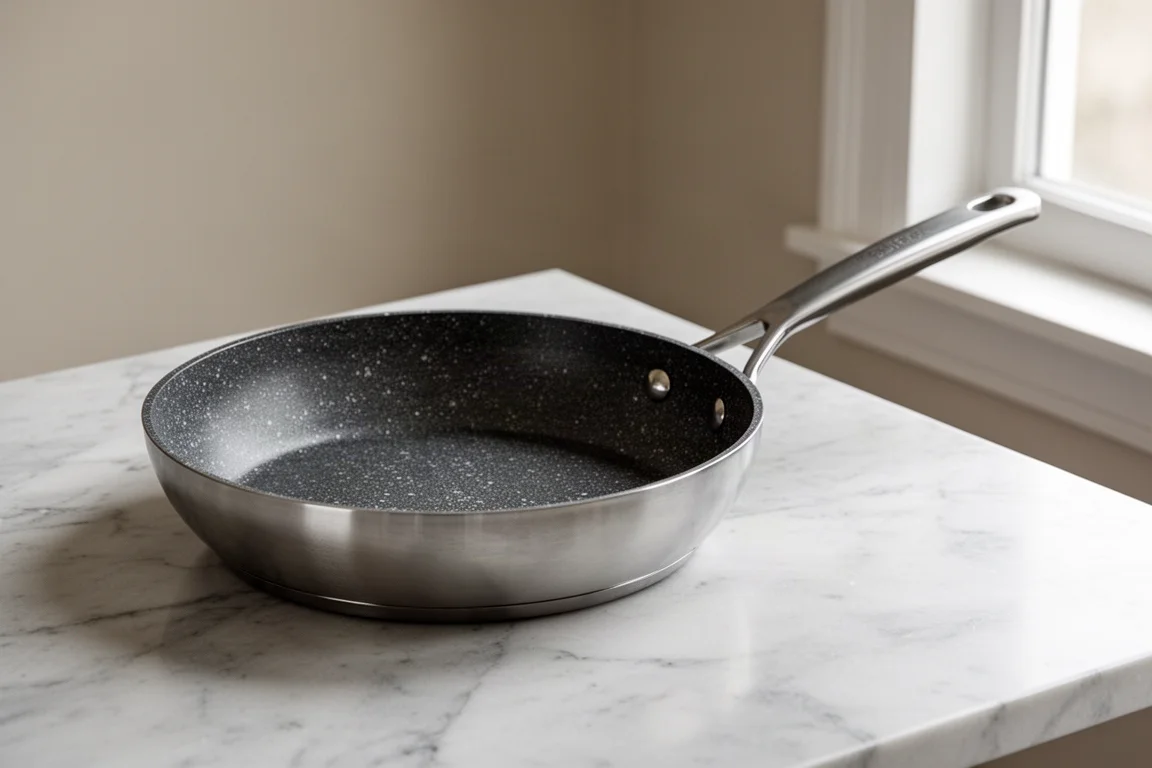
Cookware is easy to neglect, and years of college-era pans can quietly make cooking harder than it needs to be. The 12-inch All-Clad nonstick pan was the year’s favorite kitchen find, and it changed the approach to the entire kitchen. It is built like a tank, and food genuinely tastes better coming out of it.
At around $100, the price looks high on the surface. The math changes once the pile of bargain pans that were thrown away is counted, all of them discarded because the coating failed or food started sticking. In the long run, cheap pans cost more. This pan became the catalyst for a buy right, buy once mindset in the kitchen, and it is the piece that made that shift stick.
Beolab 50: The Year’s Biggest Commitment
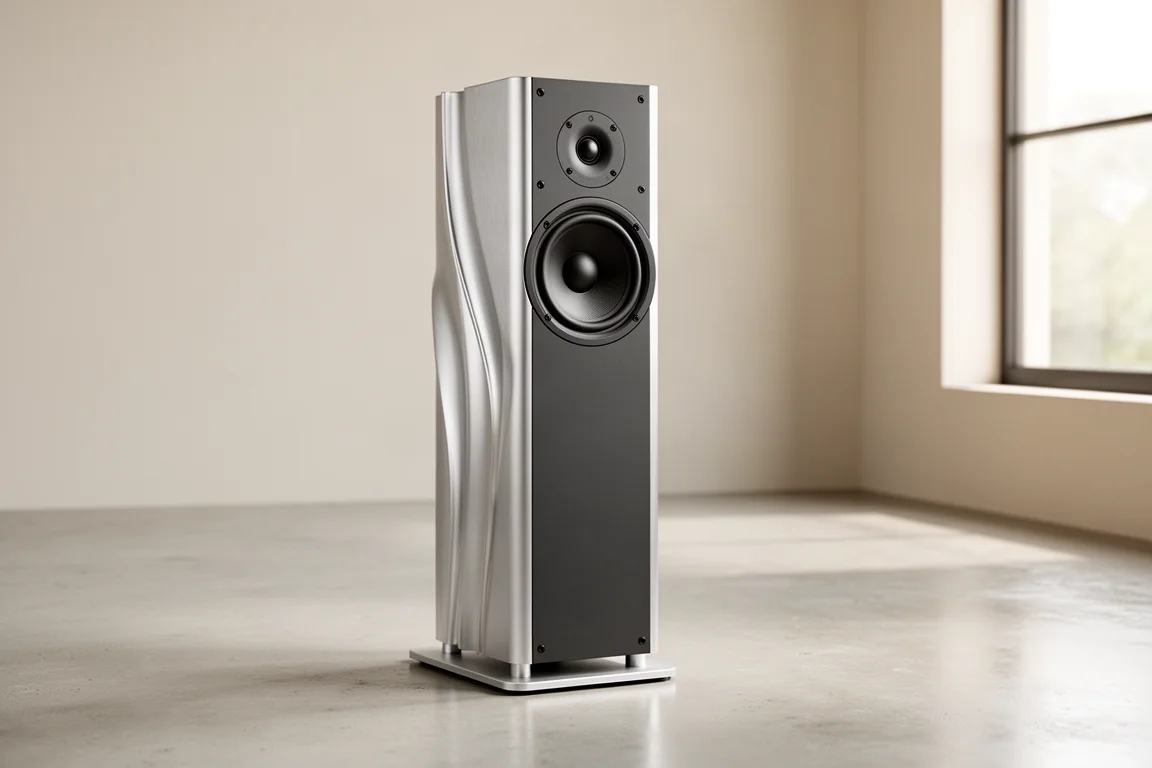
The largest acquisition of the year was a pair of Beolab 50 loudspeakers, and it was not a spontaneous decision. The speakers had been on the radar for some time, with a plan in place for how to bring them into the home. Timing and a bit of luck made it happen, and it was funded deliberately rather than through credit.
The effect has been significant. A serious audio investment changes how a room feels and how time is spent in it. Bringing the speakers in also forced a closer look at the home’s technical foundation. The house is over fifty years old and had effectively been a tech desert behind the walls, so the walls were opened up and the whole place was wired for high-speed fiber, distributed audio, and full automation.
Not all of that has been realized yet, but the return so far has been remarkable. Large uploads used to take hours of hoping the connection would hold. Now they take minutes. Days of time have effectively been bought back, and that reclaimed time is the part that makes the investment feel worthwhile.
Natuzzi Italia Kendo Sofa: Comfort Built for the Long Haul
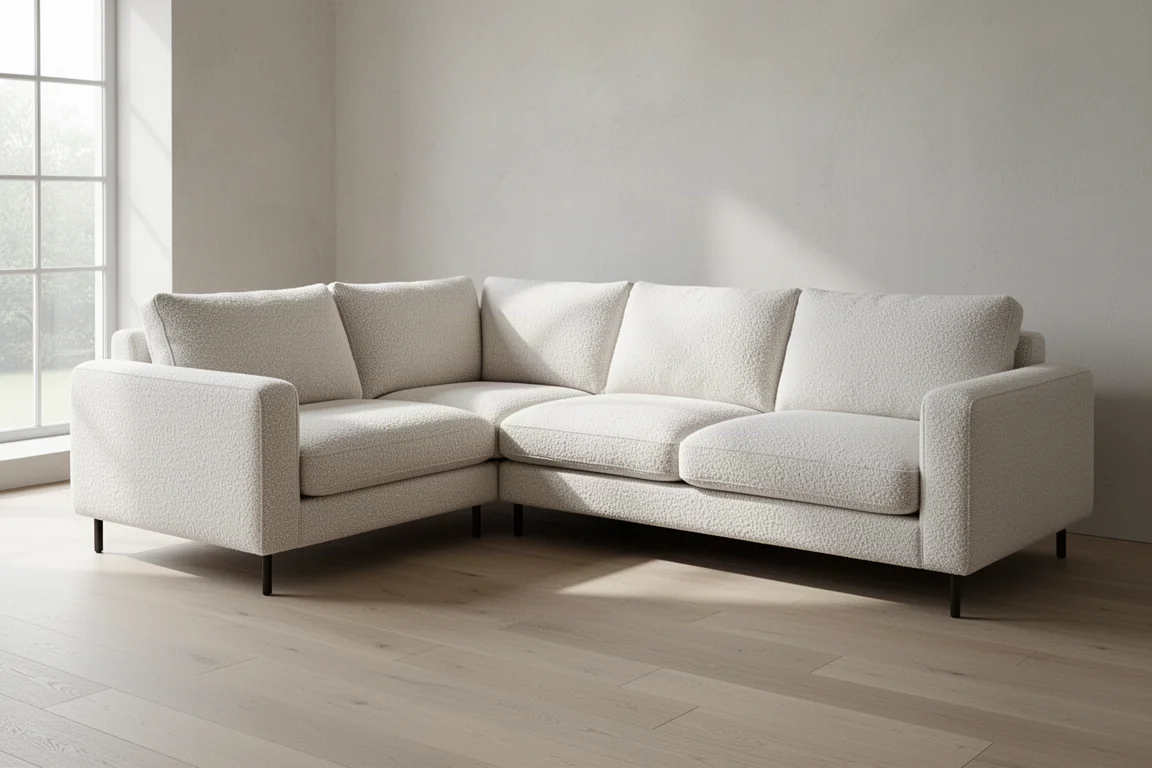
A sofa sounds like an odd entry in a wellness-focused year, but seating shapes how a household rests. Natuzzi was an unfamiliar brand until a showroom visit in Dallas. Natuzzi Italia sits alongside ultra high-end names such as Minotti and Cassina in aesthetic terms, but at a more attainable price point, close to what Restoration Hardware charges. Ergonomics and posture care are a major part of the brand’s design DNA.
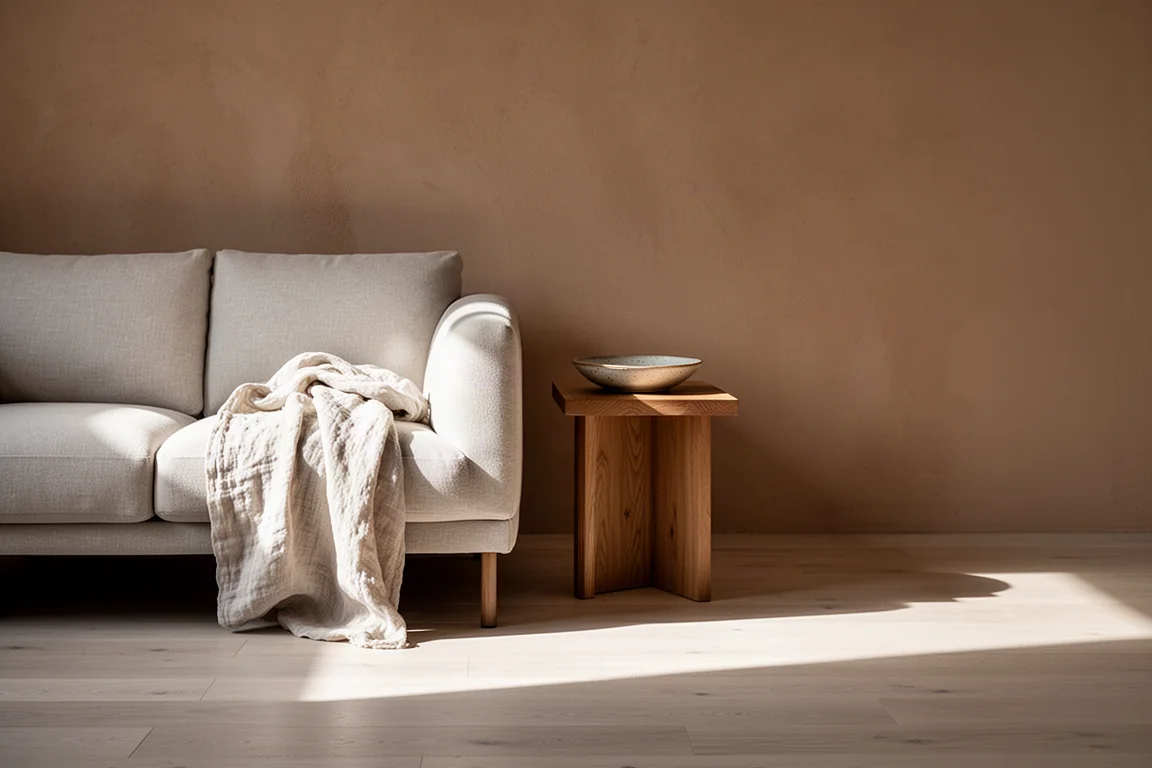
The Kendo configuration chosen was a large two-piece L-shaped sectional in wool boucle, and it is the most comfortable sofa owned to date. The backrest height and cushion depth fit a taller frame precisely. The armrests are padded enough to lean on without a pillow, and the lines stay clean and timeless.
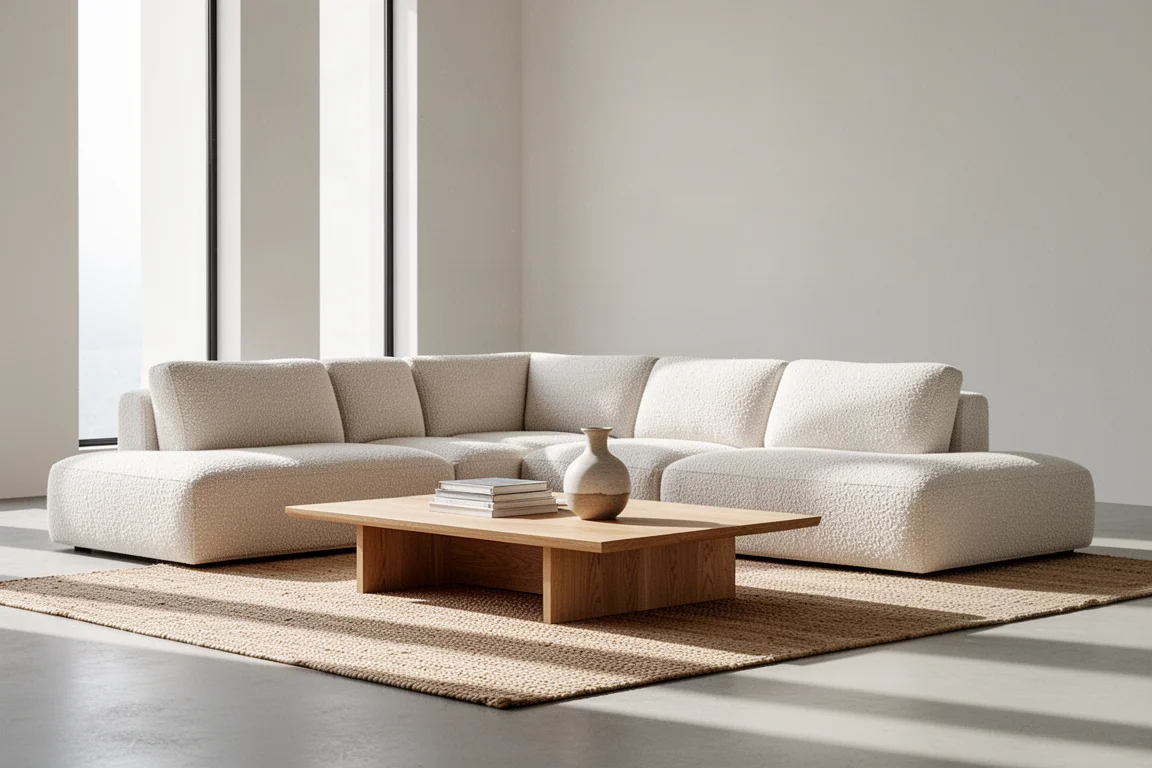
An earlier sofa purchase taught two expensive lessons: it was not large enough when company came, and the down-filled cushions compressed noticeably over two years. The Kendo was specified to avoid both problems. It is an investment comparable in price to Restoration Hardware, and lead times are measured in months rather than days, so patience is part of the process. Like a good mattress, a sofa is an investment in daily comfort, and this one has been worth every penny.
Uniqlo AIRism: Quiet Consistency for a Smaller Wardrobe
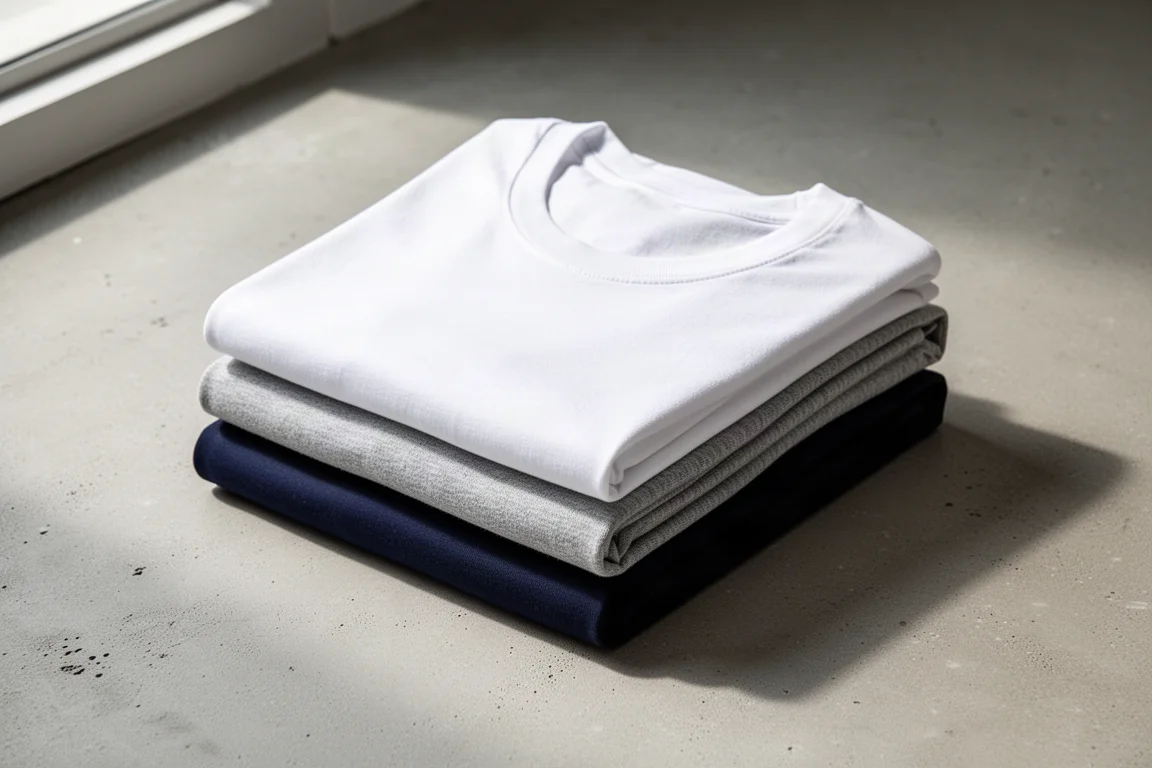
The same philosophy applied to clothing. The wardrobe was pared down to a uniform of quality pieces, and the standout has been Uniqlo’s AIRism line. The t-shirts do not carry a luxury price point, yet the fit and consistency are better than shirts costing three times as much.
Care matters as much as the purchase itself. Slowing down to learn proper laundry habits, keeping shirts out of the dryer, choosing the right cycle, and using the right soaps, has kept AIRism tees and overshirts looking brand new. Buying better and maintaining what is already owned meant not a single item was replaced because of wear and tear. That changes the relationship with a wardrobe entirely.
How to Apply the Buy Right, Buy Once Mindset
Start with contact frequency. If an item will be used daily, it deserves more scrutiny than something used twice a year. A pan, a sofa, a treadmill, and a t-shirt all get more hours of use than most gadgets, which is exactly why they are worth getting right.
Then look at the failure mode. Coatings flake, cushions compress, cheap fabrics pill, and subscription-heavy machines can frustrate. Knowing how a product is likely to fail makes it easier to judge whether the savings are real. Finally, budget for the unglamorous parts: delivery, assembly, and ongoing care. Upgraded delivery on a heavy machine, or a few extra minutes sorting laundry properly, protects the investment and extends its useful life.
Conclusion
None of these six purchases were about spending less for its own sake. They were about spending deliberately on things that hold up and add value over the long haul, from a $12 bag of Palo Santo to a pair of high-end loudspeakers. The common thread is intention: fewer items, better chosen, and maintained well enough to last.
Further reading
Related Reviews

Backpacking Gear
Building a 10 lb Base Weight: An Ultralight Backpacking Gear List
A practical walkthrough of the ultralight pieces behind a 10 lb base weight, from a 765 g pack and a roomy one-person tent to a full camp chair and a dependable water filter.

Road Bikes
10 New Road Bikes Worth Watching: Aero, Titanium, Steel and Endurance Standouts
A practical roundup of 10 new road bikes, from aero flagships chasing single-watt gains to titanium, steel and endurance platforms built for real roads.
Bikepacking Gear
11 Bikepacking Essentials for Long-Distance Cycling
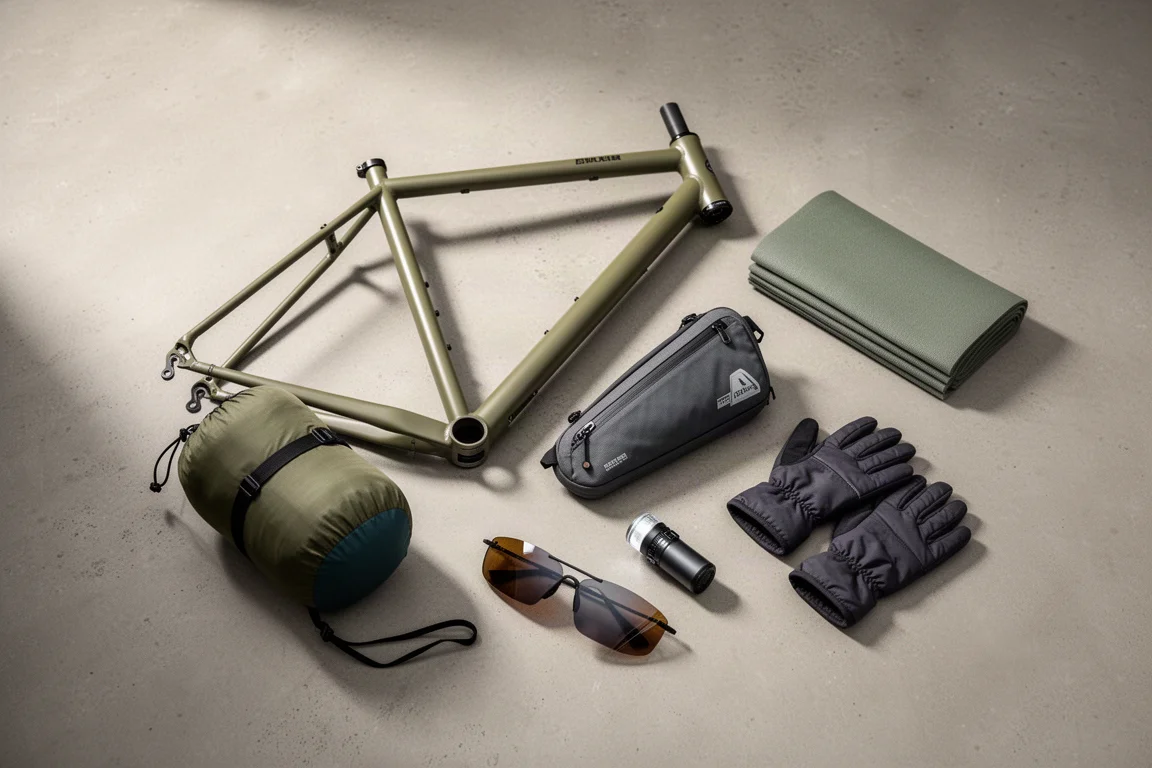
Eleven bikepacking essentials for long-distance cycling, from a steel gravel frame and a two-person tent to helmet lights, packable gloves, and a frame bag that puts weight in the right place.