Camping Tents
Bushnell One-Person Bivvie Tent Review: Specs, Build Notes, and Fair-Weather Limits
A licensed single-person tent with a compact pack size, easy setup, and a 600 mm fly rating that rules out three-season use. Here is what to check before buying.
Introduction
Bushnell is an optics company, best known for riflescopes and binoculars, so a Bushnell-branded tent is an unusual thing to find. The reason is straightforward. The packaging and paperwork that arrived with this shelter identify it as a licensed product handled by I2D Licensed Products, also known as Insight to Design, a company that builds licensing agreements with established brands and applies those names to its own designs. Bushnell did not develop this tent and does not manufacture it. The name is on the product, and the tent itself comes from somewhere else.
That context matters, because it changes what you should expect from the specification sheet, from after-sales support, and from the price you are paying for what is inside the bag.
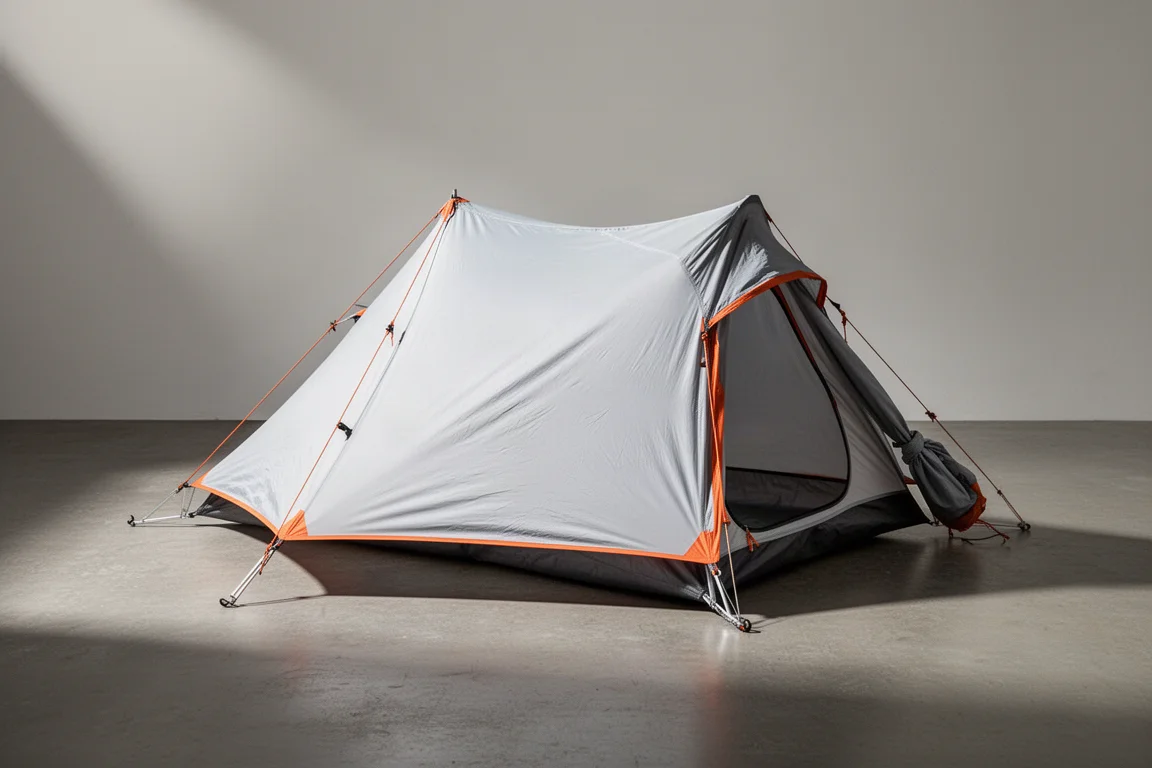
The tent is a compact, single-person, non-freestanding shelter, which means it has to be staked out to stand. It packs down to 15 x 5 inches and weighs 3.5 lb.
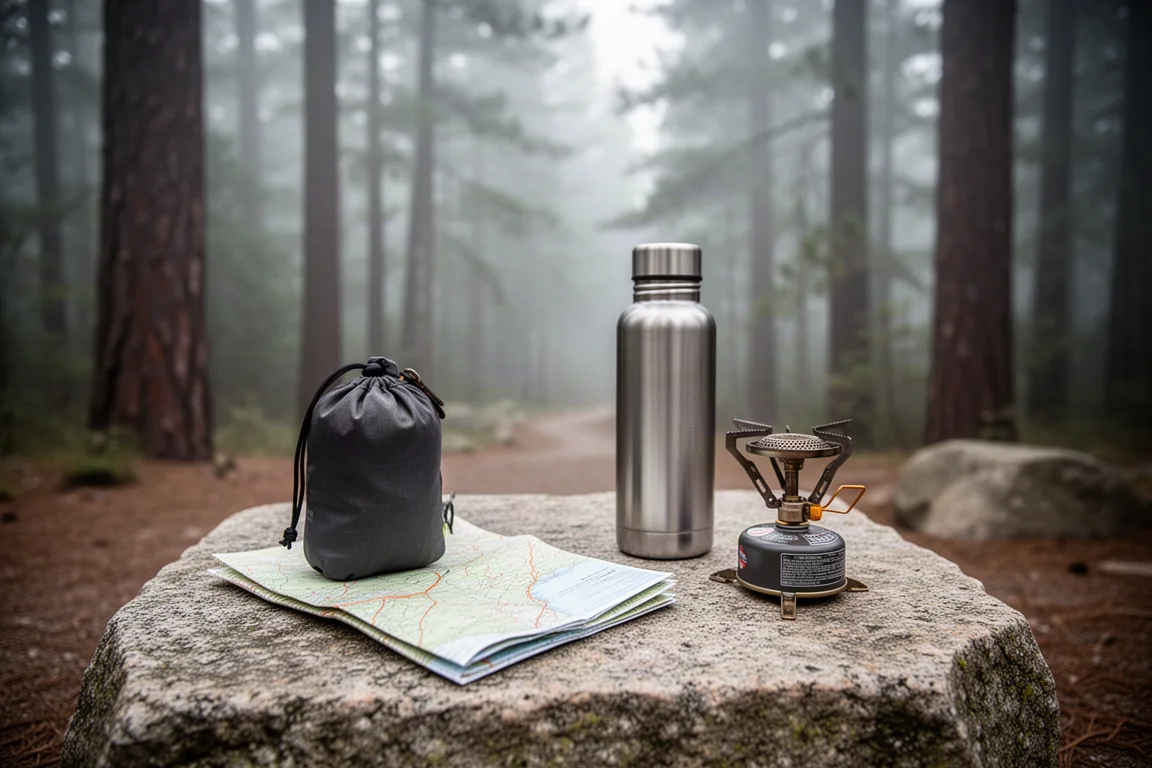
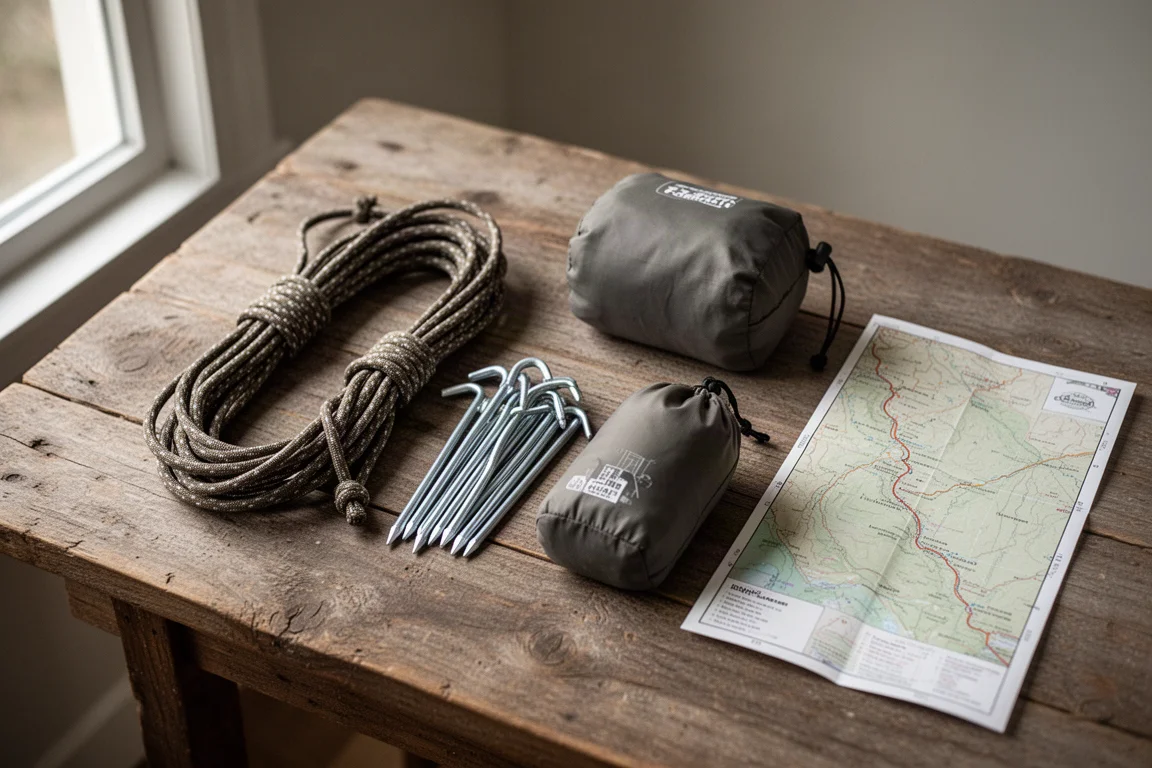
Included in the box are a storage bag with a drawstring and grab handle, two compression straps, an instruction sheet, the tent body, the fly, aluminium poles, and 10 tent stakes. The product listing states that 14 stakes are included. The instruction sheet arrived crumpled, describes the model as part of a Rome series, lists a 12 month limited warranty, and notes that the product should not be returned to the retail store.
Who This Tent Is For
The honest answer is fair weather only, and that comes down to a specification rather than an opinion. The fly carries a hydrostatic head rating of 600 mm. A common minimum for a three-season shelter is around 1,200 mm, and 600 mm sits below what most people would reasonably call water resistant. In practice that makes this a two-season shelter at best, and for anything involving sustained rain, a sun tent.
That does not make it worthless, it makes it narrow. It suits short overnight trips in settled, dry, warm conditions, shade at a festival or a day camp, or a lightweight shelter for a younger camper in a garden. Anyone who needs dependable protection from rain should look elsewhere.
Height matters as well. Comfort inside depends on the shape of the front of the tent, which is cut at a sharp angle rather than being centred. Around 72 inches, or 6 ft, is the practical ceiling for comfortable use. Taller campers end up pushed toward one wall rather than lying where they would naturally settle.
Main Strengths
Setup is genuinely easy. The pole structure uses clips at the base and sleeves at the top, and the tent goes up without fuss. There is one large door with two-way zippers, and it rolls back and ties out of the way, which makes getting in and out straightforward. Inside, there is enough room to sit up and change clothes, and the interior is generous with mesh: mesh walls, mesh at the foot box, and partial mesh at the top.
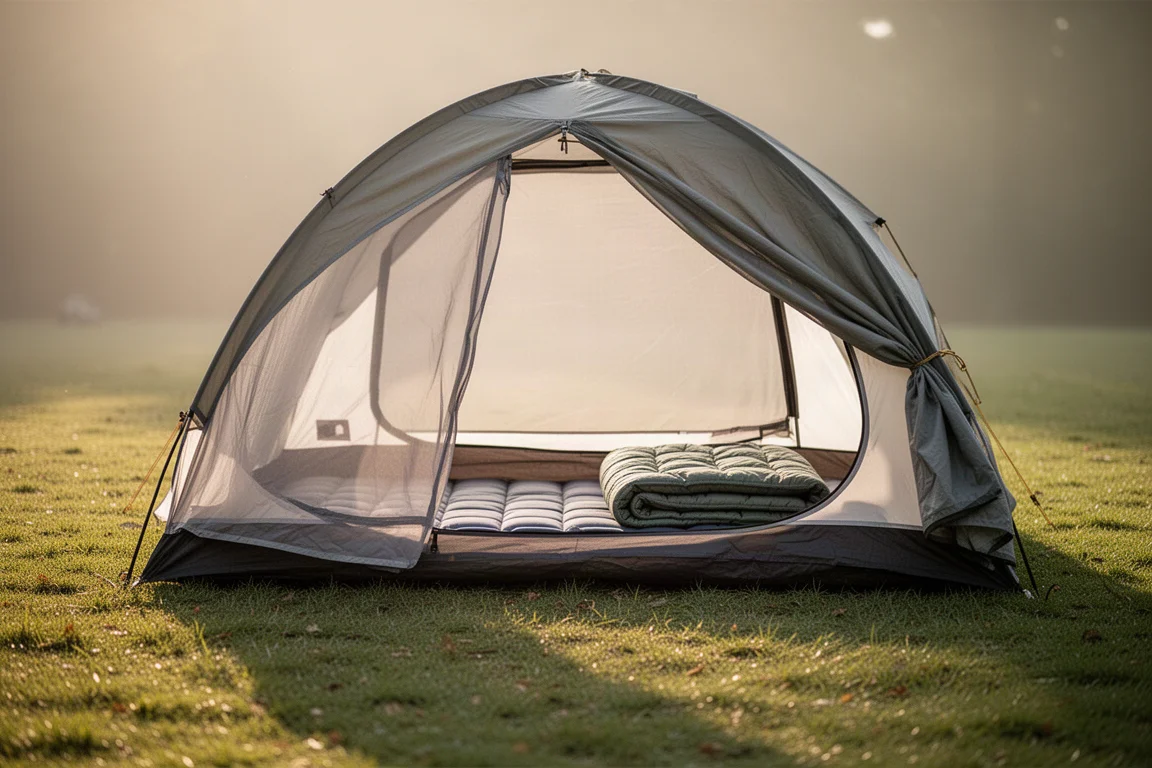
The bathtub floor is seam taped, which is the right approach for ground moisture, and the fly reaches all the way to the ground when it is buckled and staked to the body. There is an O-ring above head height for hanging a light or a small item, plus one mesh pocket on the side wall. The aluminium poles are thin but they do the job, and the packed size is small enough to disappear into a pack.
Design and Setup Observations
Several details are hard to justify. The front of the tent is cut at a sharp angle and is not centred, which creates an odd interior shape and eats into usable space. The top of that front section does not sit flat against the ground either. It lifts away, leaving a raised gap.
The stakeout points look reinforced, but the loops are mismatched in length, so the material never pulls tight and instead gathers into a bundle of straps.
There is a flashlight pocket on the outside of the tent, which is an unusual place to store a light you may want to reach from inside.
Guy line provision is thin. There is a single guy line point at the front of the tent and none at the back, and the two guy lines supplied are elastic shock cord, which stretches under load instead of holding firm. The fly door uses a centre zip with a storm flap, and there is no seam tape behind that zipper, so water that gets past the flap has a path inward. There is also separation between the body and the fly, so ventilation is workable at best and condensation is likely to remain an issue. With no vestibule, gear storage is limited to the space at the head end for campers around 6 ft or under. Taller campers will need to keep gear outside and find a way to protect it.
Printing on the storage bag is poor, with some lettering missing, and the compression straps feel flimsy from the first use.
What the Specifications Really Mean
The retail listing states a 68 denier ripstop 190T fly, a 150 denier polyester floor, a 600 mm hydrostatic head rating on the fly, and 1,500 mm on the floor. The brand’s own product page lists no weight, no materials, and no waterproof rating at all, and it refers to a “weather shield technology” without explaining what that technology is. The same page displays customer praise with no identifiable reviews attached to it. The brand describes the tent as three-season, which a 600 mm fly rating does not support.
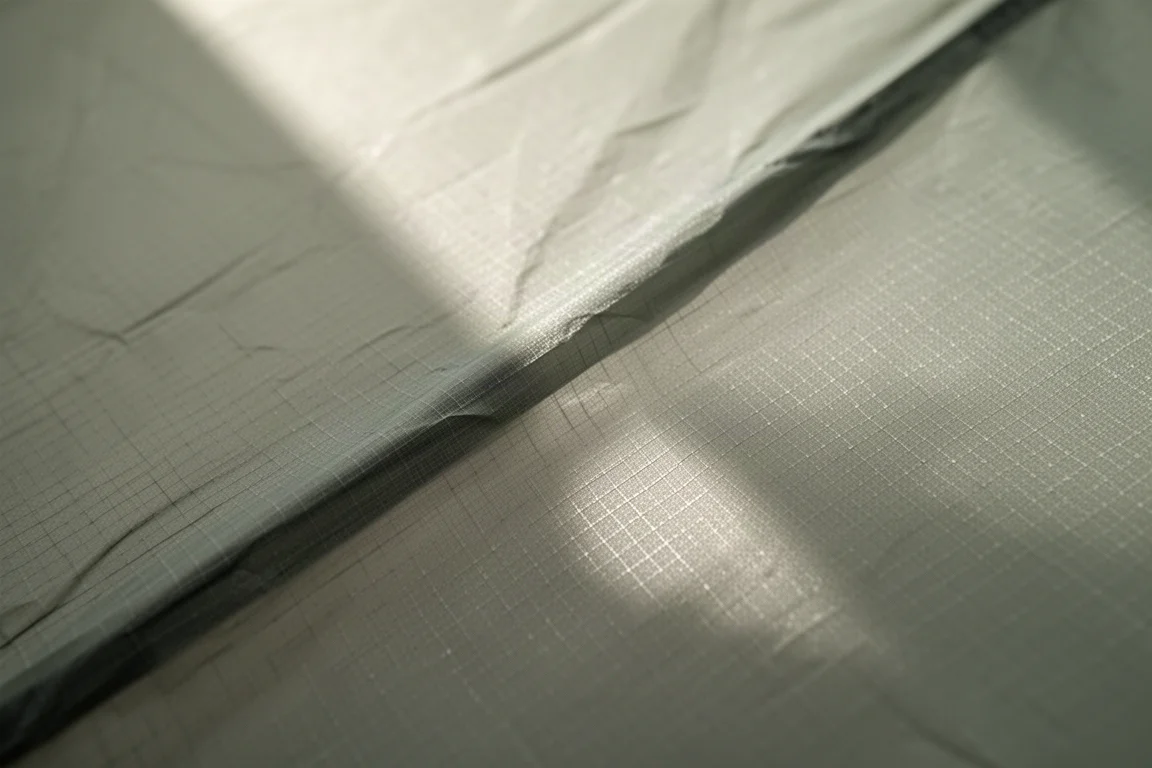
The claimed 8.5 ft length refers to the length of the material, not to livable interior space. Measured usable dimensions are 36 inches wide and 34 inches at the tallest point, with a foot box 28 inches wide and 20.5 inches high. The fabric itself feels closer to paper than to the coated materials used on better shelters, on both the floor and the fly. Nothing about the material suggests it was built for sustained weather.
Things to Consider Before Buying
Listings for this tent have shown roughly 50 reviews with an average near four stars. Third-party review analysis services that screen for deception flag the listing with a D rating and identify more than 54% of the reviews as fake. Strip those out and the adjusted average falls to around two stars, which lines up far better with how the tent feels in hand.
Support is different from a normal brand purchase as well. The warranty is a 12 month limited warranty handled online, and the product should not be returned to a retail store. Because the tent is licensed rather than manufactured by Bushnell, the brand’s own service network is not the route for a return.
The licensing arrangement is worth understanding too. I2D Licensed Products states partnerships with several large outdoor and apparel brands, applying those names to tents, backpacks, and flashlights that it develops. That means a familiar brand name on an outdoor product is not always proof of who designed or built it. Check the seller details, the shipping paperwork, and the specification table before assuming.
Buying Advice
Retail price is $120, and the tent has been observed on sale around $90. The materials are inexpensive throughout, with thin polyester on both the floor and the fly, and a build that feels far lighter than either price suggests. At either price, the 600 mm fly rating is the deciding factor.
If your trips are dry and short, and you want the smallest possible pack, this tent can serve a purpose. If you expect rain, look for a shelter with a fly rating of at least 1,200 mm and a floor rating well above the 1,500 mm listed here.
For most campers, the money is better spent on a shelter from a brand that publishes its weight, its materials, and its waterproof ratings, and that stands behind the product through normal retail channels. A tent that hides those numbers from its own product page is not a tent to buy on faith.
Conclusion
The Bushnell One-Person Bivvie Tent is a licensed product carrying an optics brand’s name, and the details show it. Setup is easy, the pack size is genuinely small, and the door is large and practical. Against that, the 600 mm fly rating, the odd front geometry, the missing guy line at the rear, the elastic shock cord, the limited gear storage, the paper-thin fabric, and the flagged reviews all point in the same direction. For dry, warm, short trips it can work as a simple sun shelter. For three-season camping, or for anything involving rain, it is not the right choice.
Product link
View more details for Bushnell One-Person Bivvie Tent
This product is mentioned in the review. Check the specifications, options, and compatibility before buying.
View more details for Bushnell One-Person Bivvie TentFurther reading
Related Reviews
Camping Tents
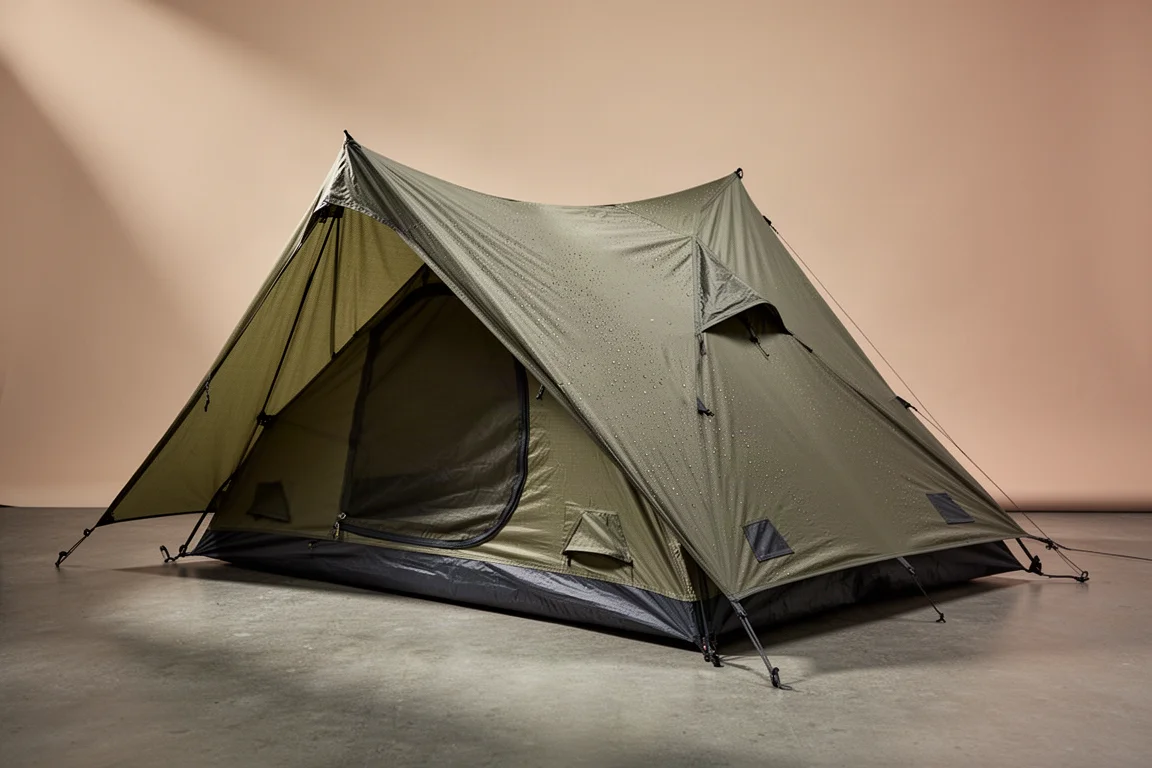
3F UL Gear Taiji Two-Person Tent Review: Field Waterproofing Results and Buying Advice
The Taiji pairs an attached fly with a removable inner, but sustained rain exposed untaped vent seams that need sealing before this shelter can be trusted.
Camping Tents
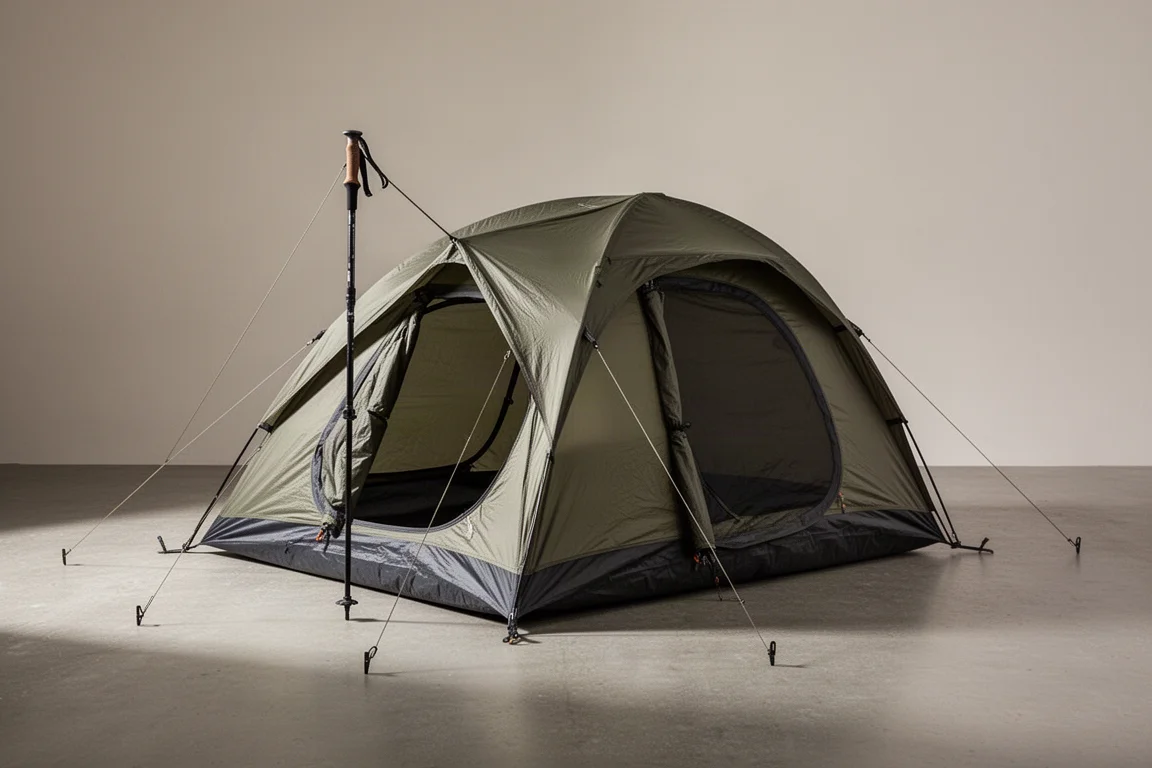
3FUL Gear Lanshan 2 Pro 4-Season Review: A Sub-$200 Single-Wall Trekking Pole Tent
An early look at the 3FUL Gear Lanshan 2 Pro 4-Season, covering its straightforward pitch, generous interior space, and the condensation and seam-sealing questions that come with any single-wall shelter.
Camping Tents
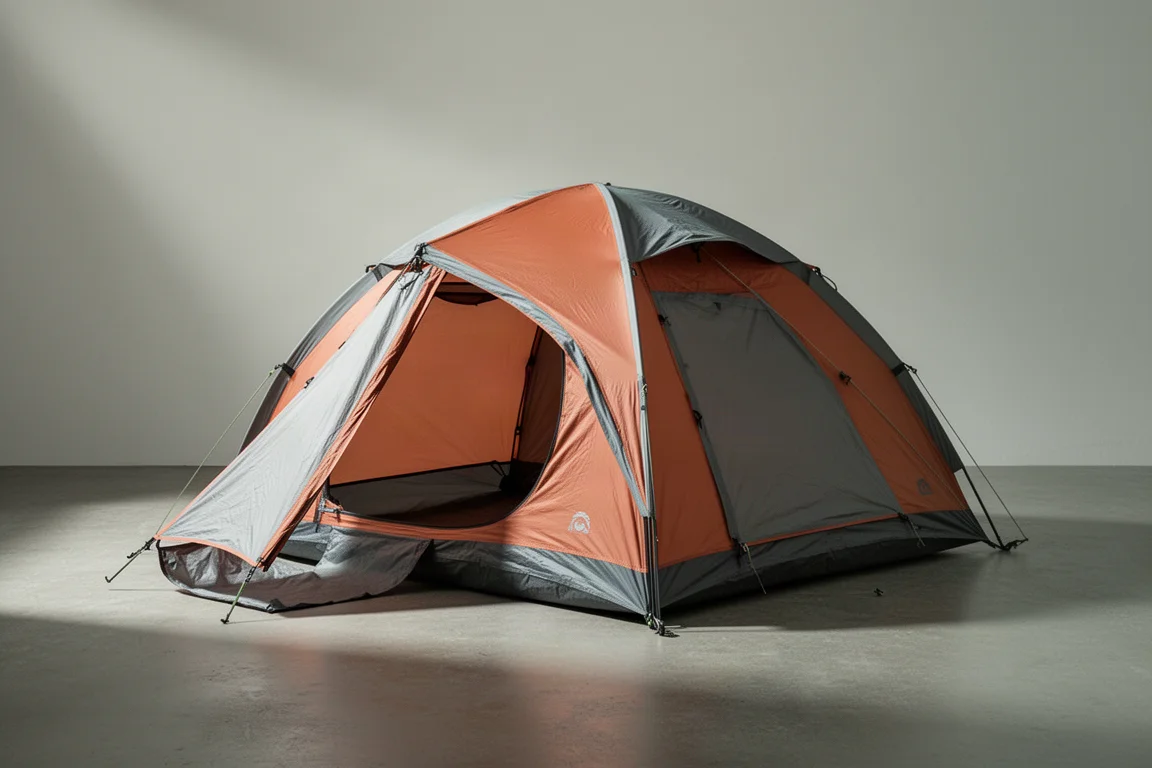
Alps Mountaineering Lynx 1-Person Tent Review: Big Value in a Small Budget Tent
A close look at the Alps Mountaineering Lynx 1-Person Tent, covering real interior dimensions, materials, setup time, ventilation limits, and who should buy it.