FPV Drones
Building a High-Quality FPV Drone Backup: Component Selection and Assembly Guide
A complete walkthrough of selecting premium FPV drone components and assembling a reliable backup quad with the IT'S FPV ERA frame, KISS FC Ultra, and professional-grade electronics.
Introduction
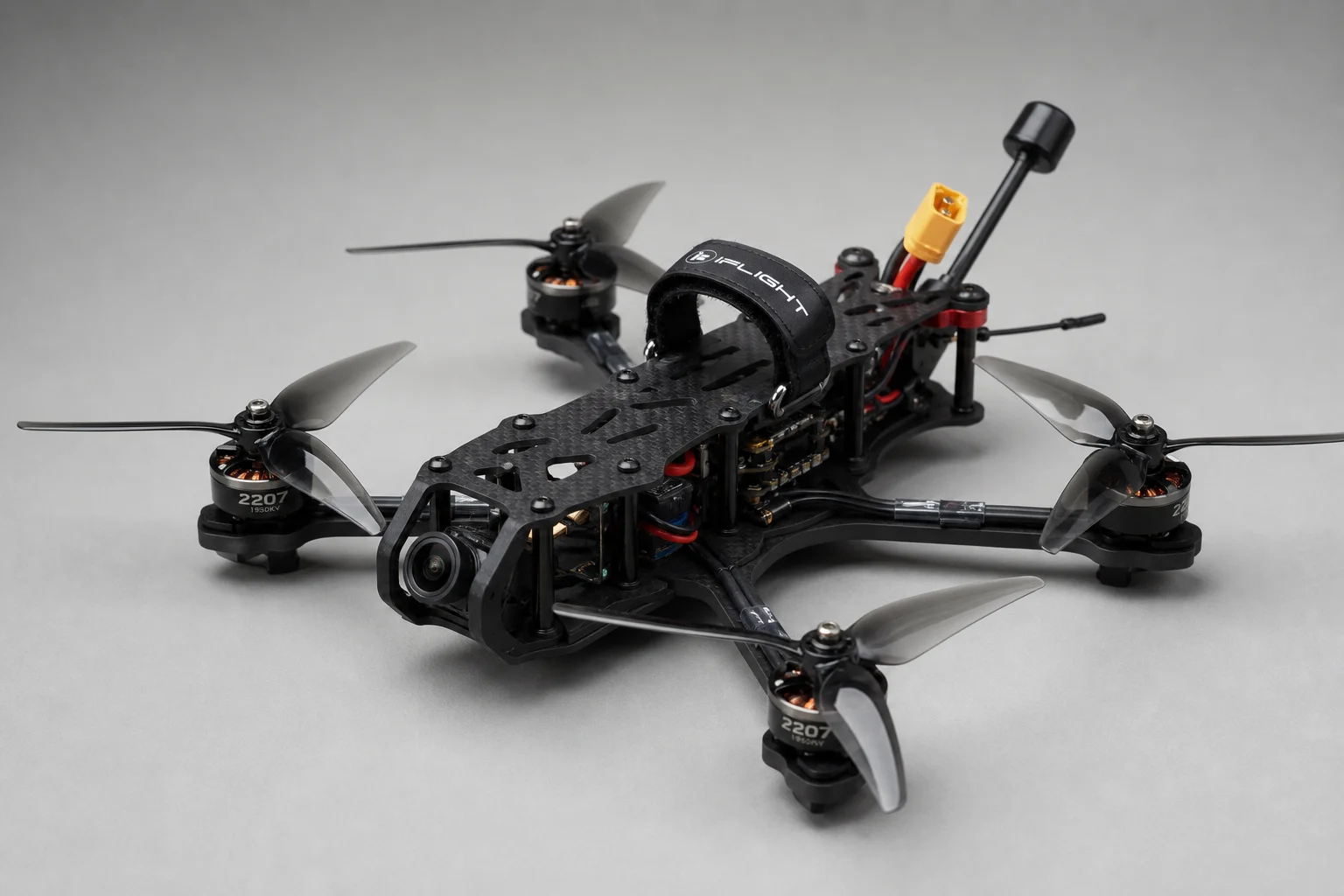
Building a backup FPV drone means choosing components that work together reliably. This guide walks through selecting premium parts and assembling a quad designed to handle demanding flight conditions and frequent crashes.
Selecting the Frame: IT’S FPV ERA
The frame is the foundation of any FPV build. Frame stiffness directly affects tuning, flight feel, and durability. For a backup quad that needs to survive hard landings and bando flying, frame strength is non-negotiable.
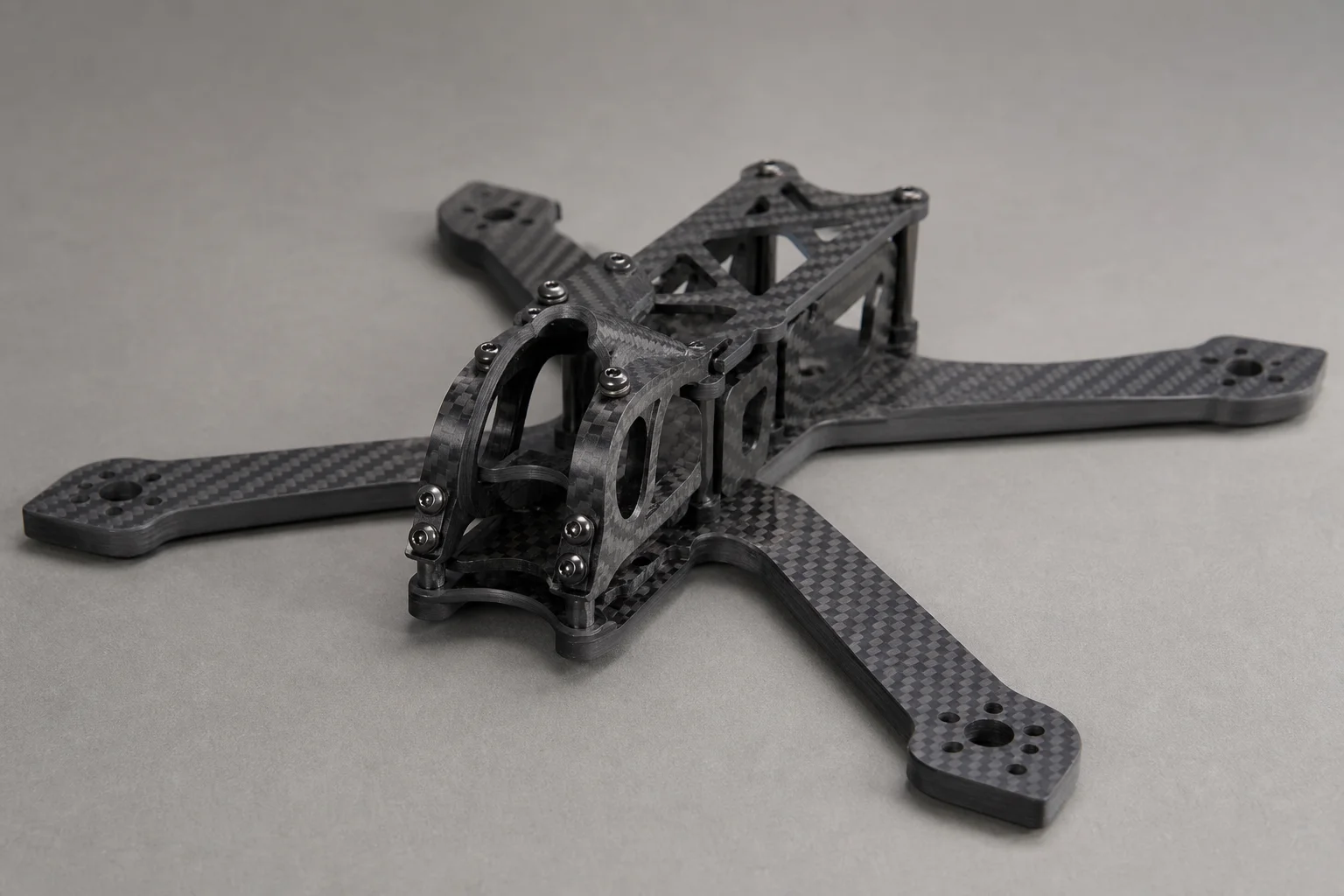
The IT’S FPV ERA frame delivers solid construction and reliable performance. It features integrated standoff design, a clever canopy that doubles as a camera mount and bumper, and a center locking arm element that adds structural integrity. The design is clean and purposeful, with plenty of internal space for component routing.
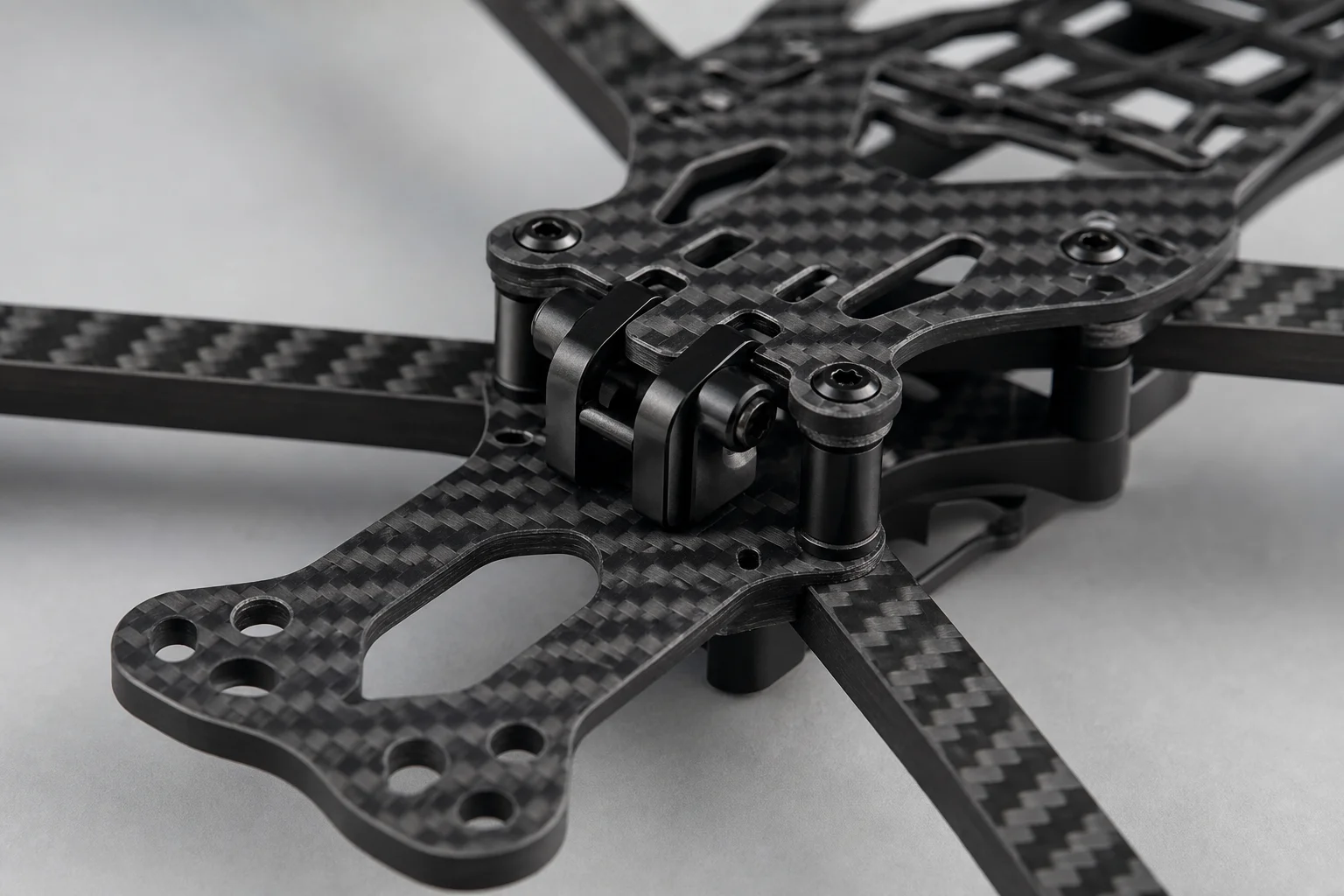
Assembly is straightforward with a full build guide available from the manufacturer. The frame layout makes it easier to route wires before stacking the electronics, and the integrated design means fewer loose parts to manage during construction.
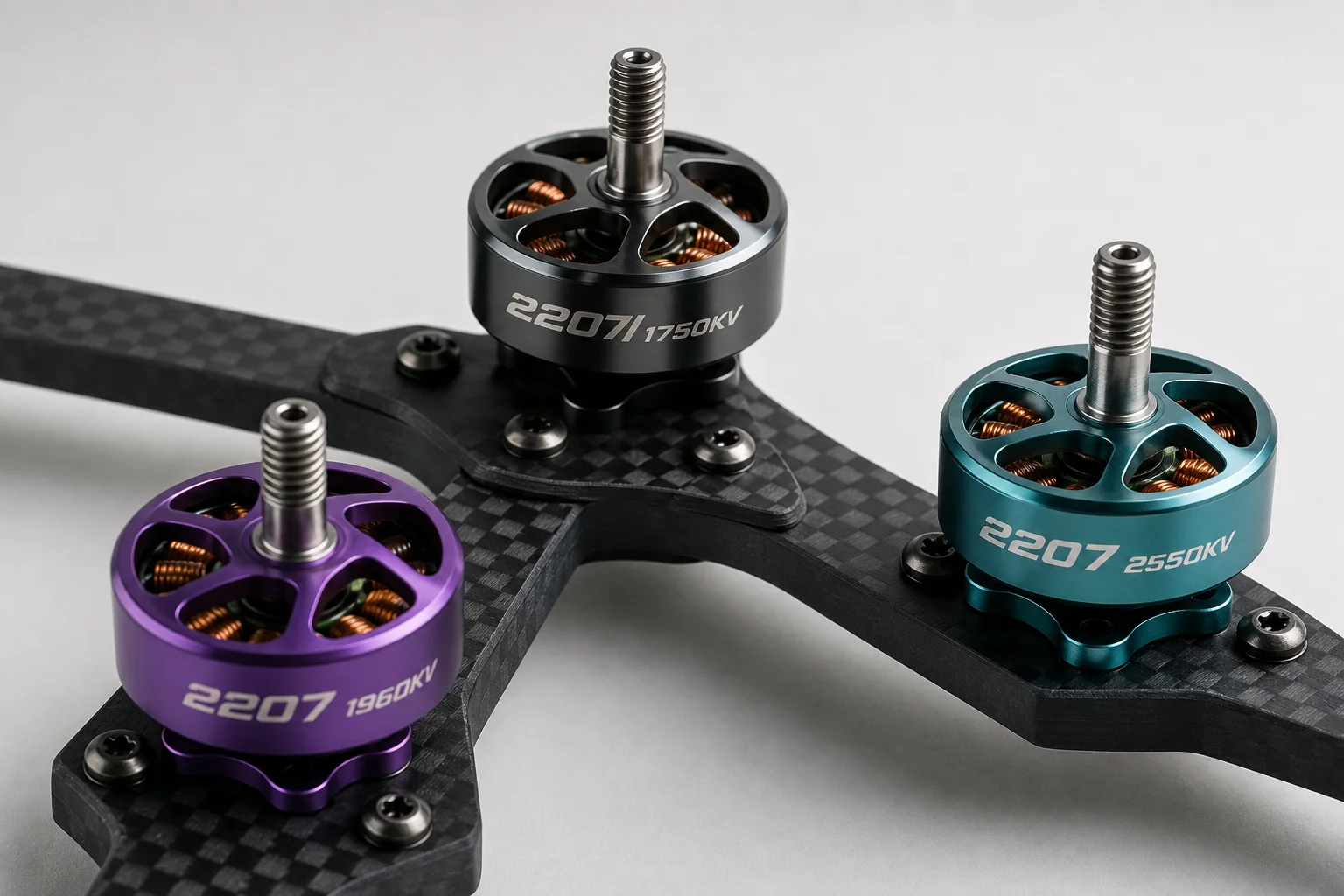
Choosing Motors: T-HOBBY 2306.5 1750KV
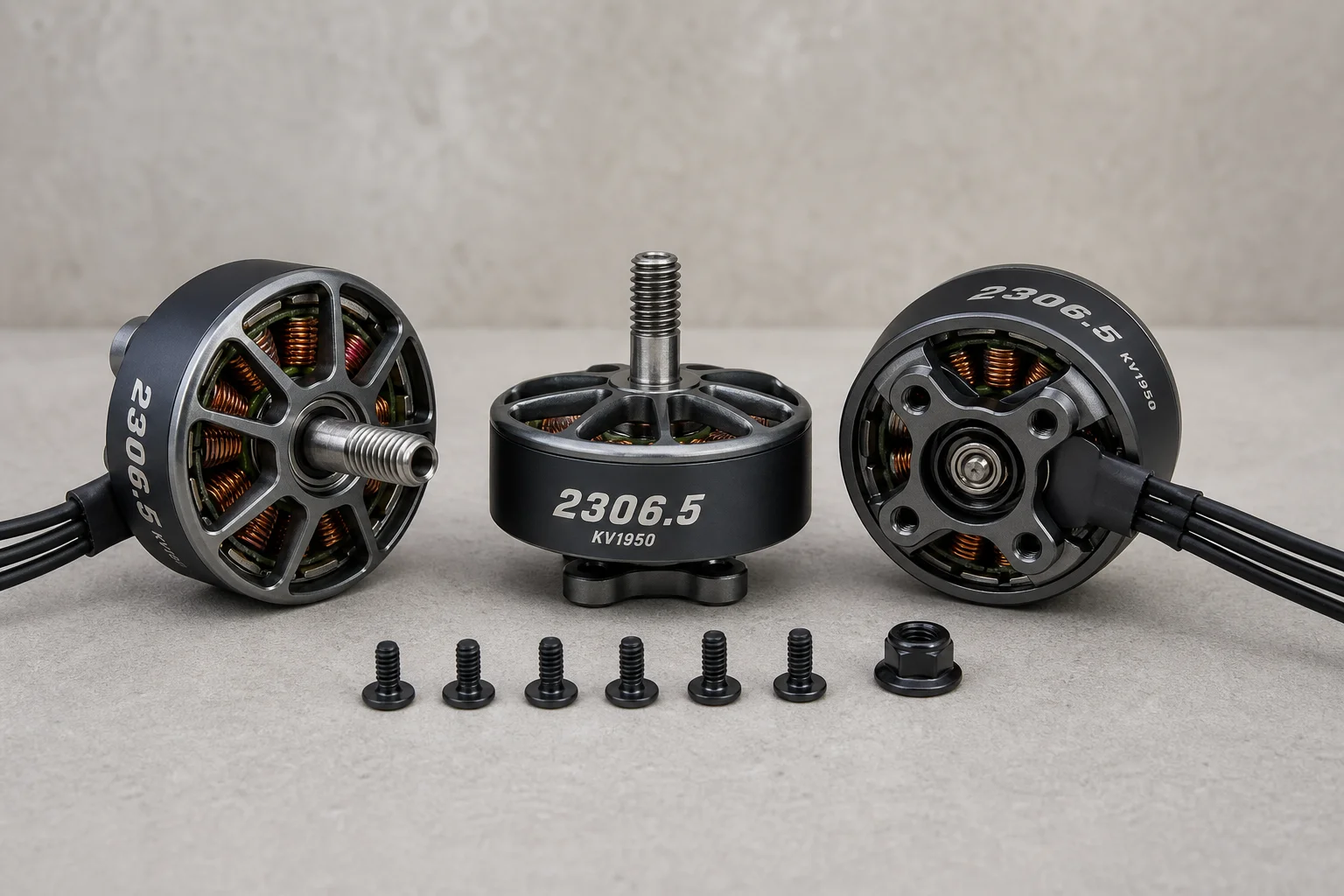
Motors are critical to flight performance and responsiveness. The T-HOBBY 2306.5 1750KV motors were developed in collaboration with IT’S FPV and offer a balance of power and efficiency for this frame size.
The 2306.5 size and 1750KV rating suit 6S battery configurations and provide good climbing response without sacrificing stability. These motors are built for durability and consistent performance across multiple packs.
Electronics: Flight Controller and ESC
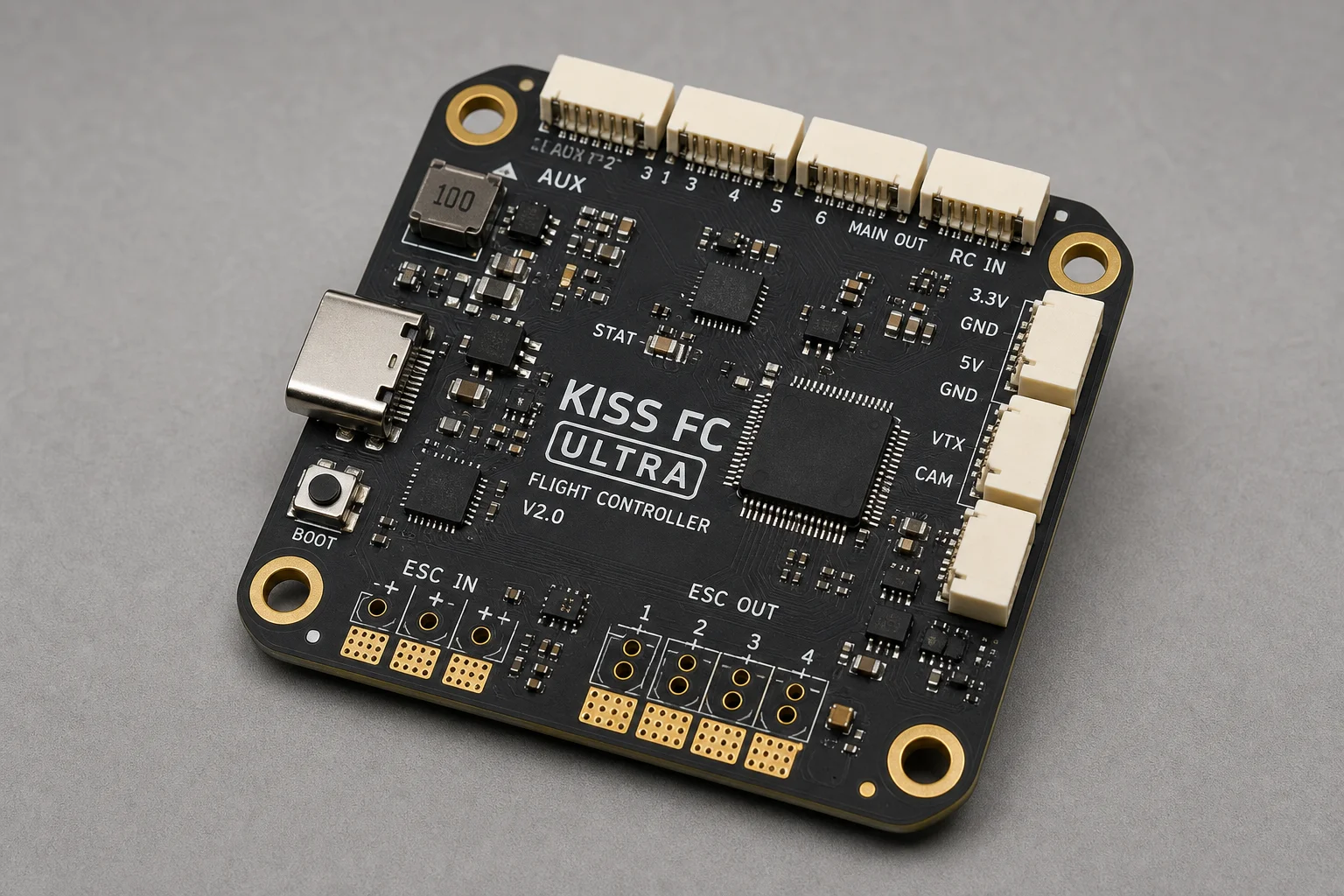
The KISS FC Ultra flight controller brings proven stability and tuning flexibility. KISS has a long history in FPV racing, and the Ultra variant offers modern features while maintaining the straightforward tuning philosophy the platform is known for.
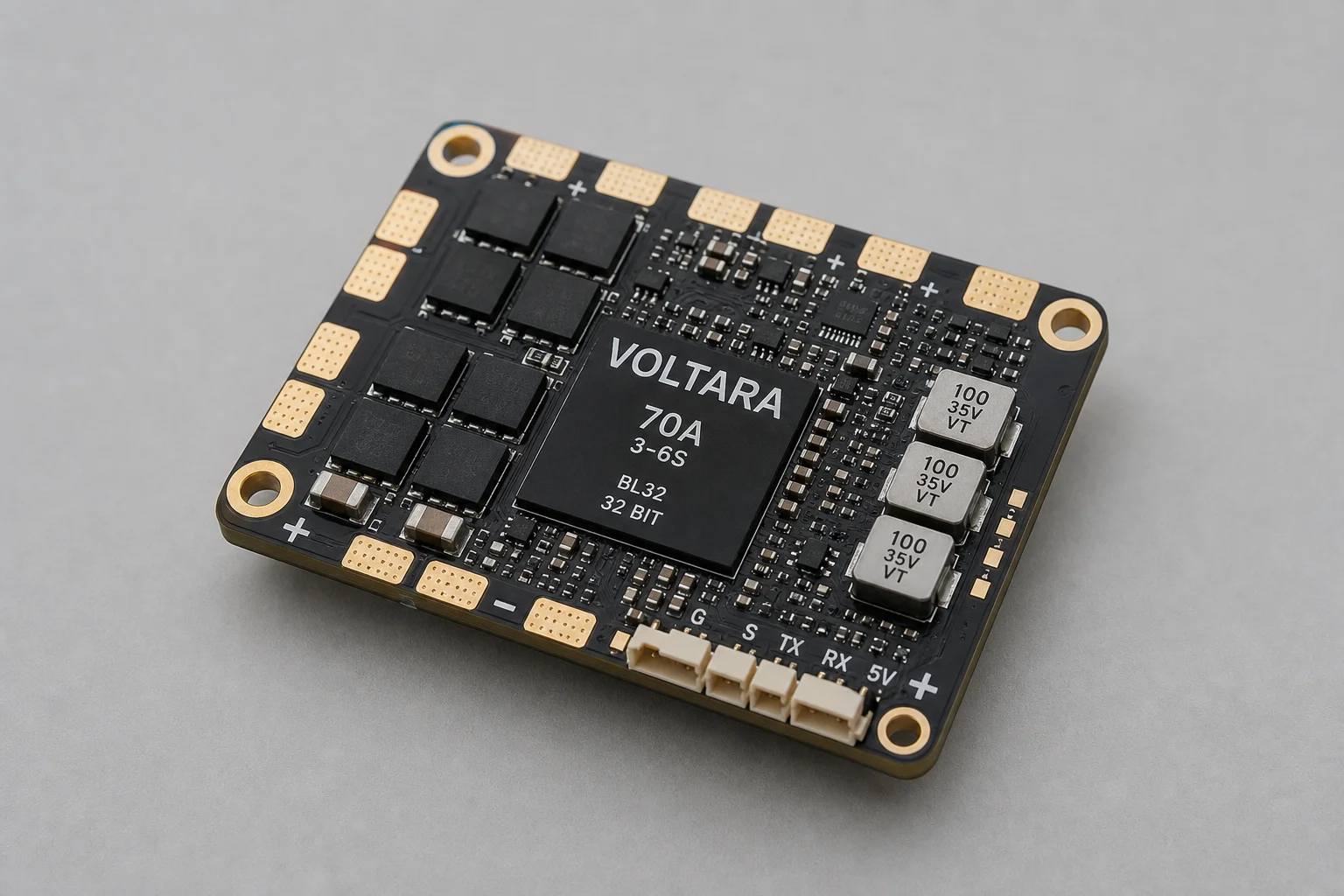
The Voltara ESC pairs seamlessly with the KISS FC Ultra and offers plug-and-play compatibility. This combination simplifies the build process and reduces troubleshooting during setup.
Video and Control Systems
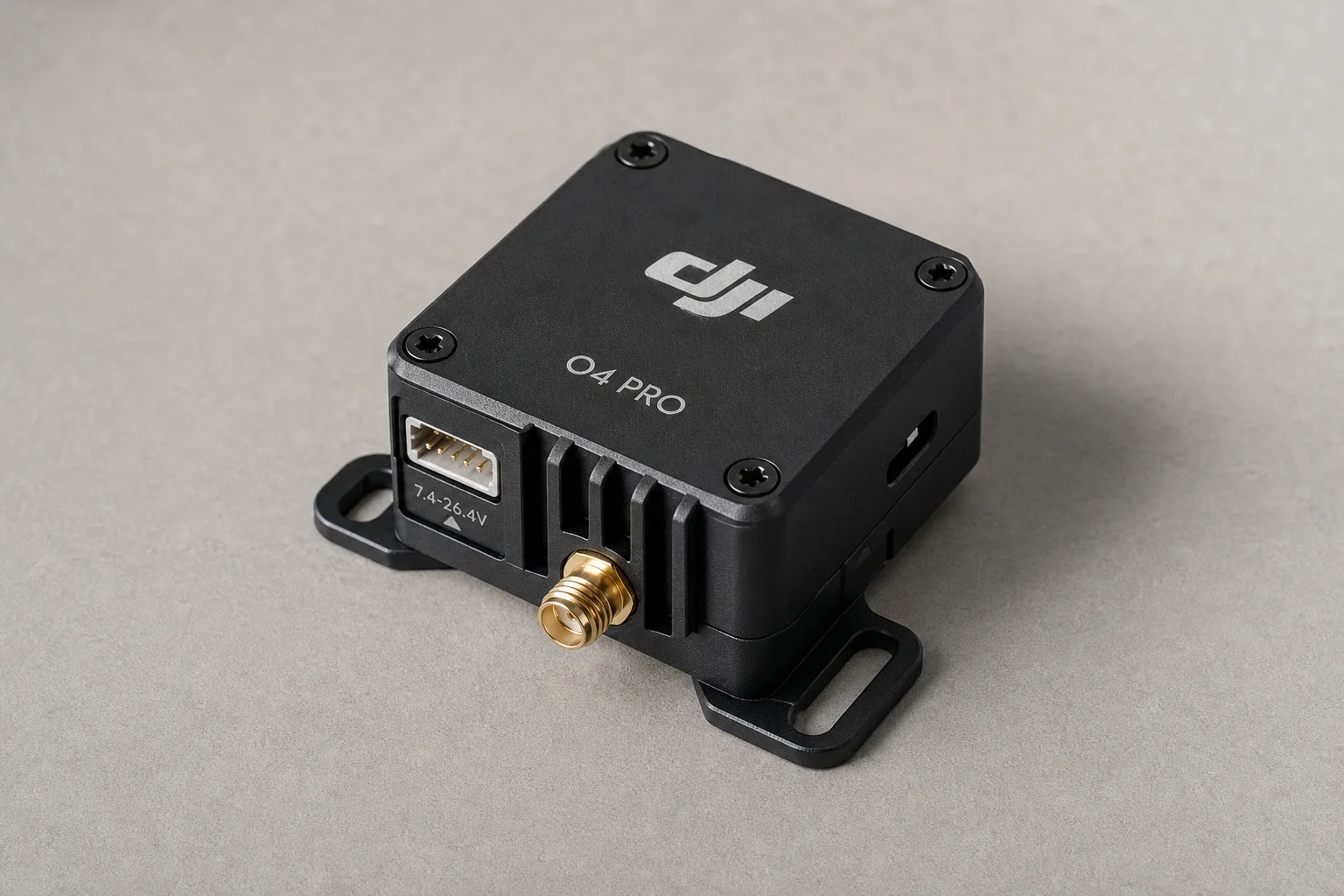
For FPV video, the DJI O4 Pro delivers reliable transmission and clear goggles integration. It is a proven choice for racing and freestyle flying.
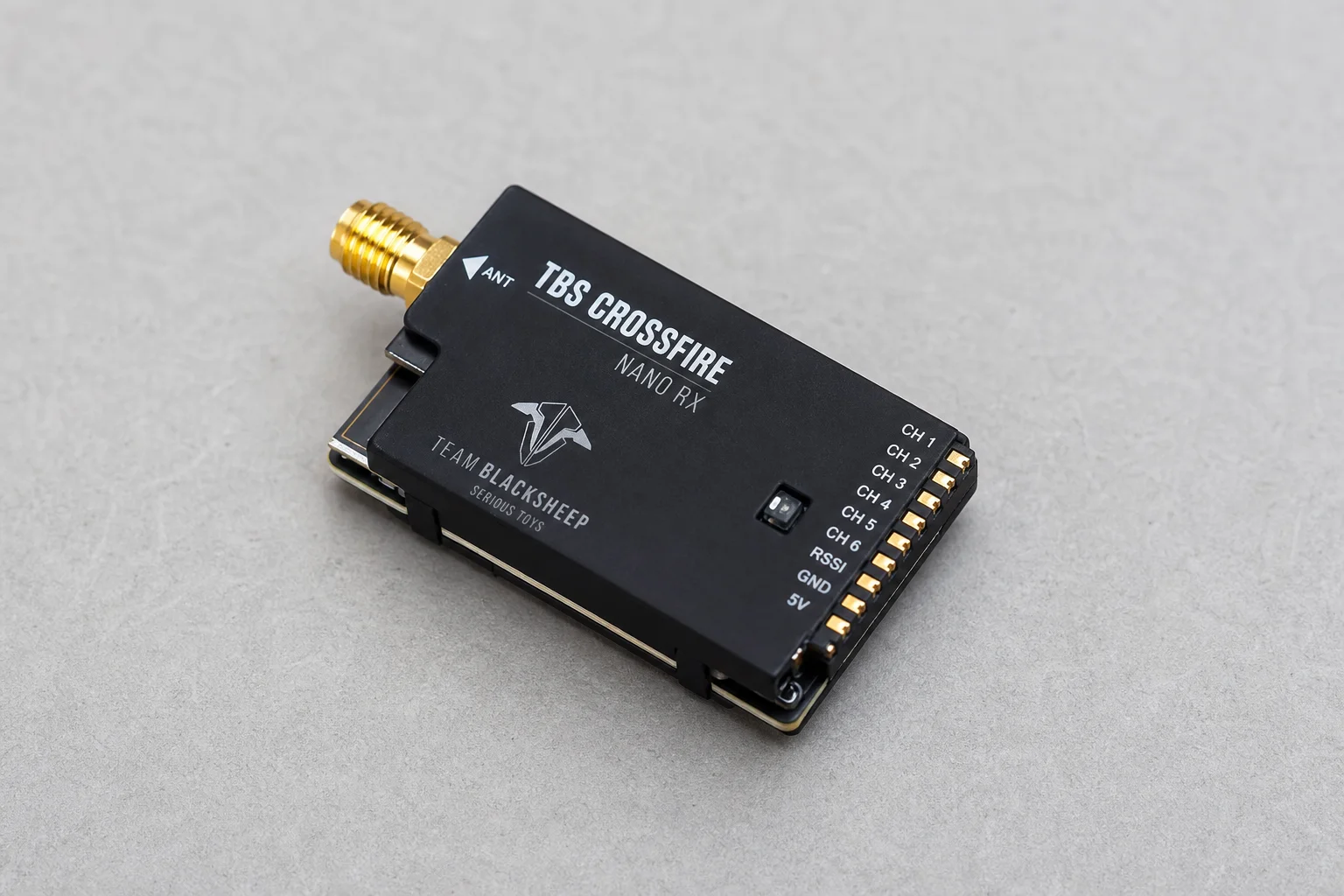
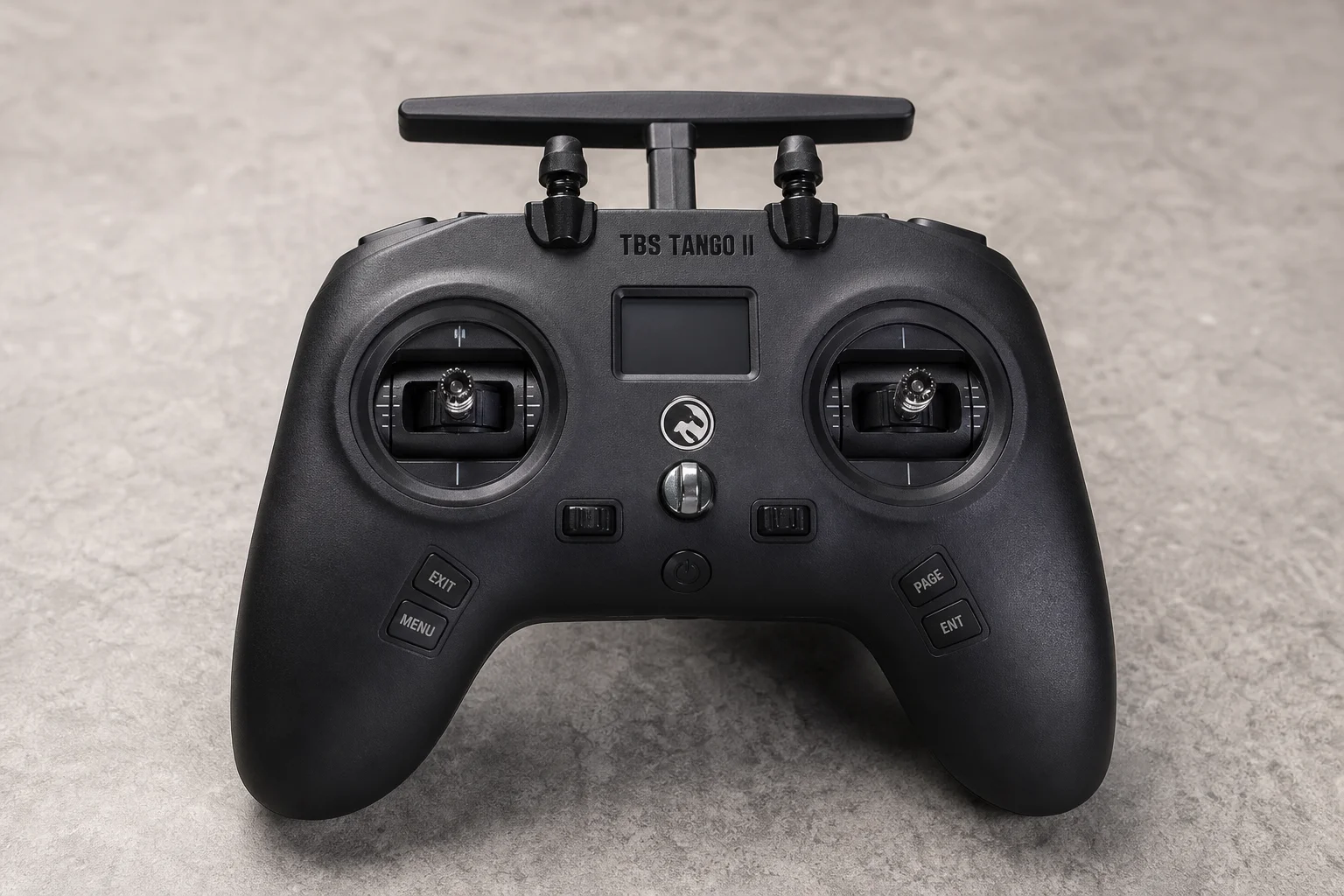
The TBS Crossfire receiver provides long-range control link stability. Paired with the TBS Tango 2 transmitter, this setup offers compact form factor and low-resistance gimbals that suit precision flying.
Building the Electronics Stack
Assembly begins with the frame and motors, then moves to the electronics stack. Use Loctite on motor screws to prevent vibration-induced loosening.
Install the video transmitter early, routing the camera-to-VTX cable before the main stack goes in. This keeps the layout clean and makes future adjustments easier.
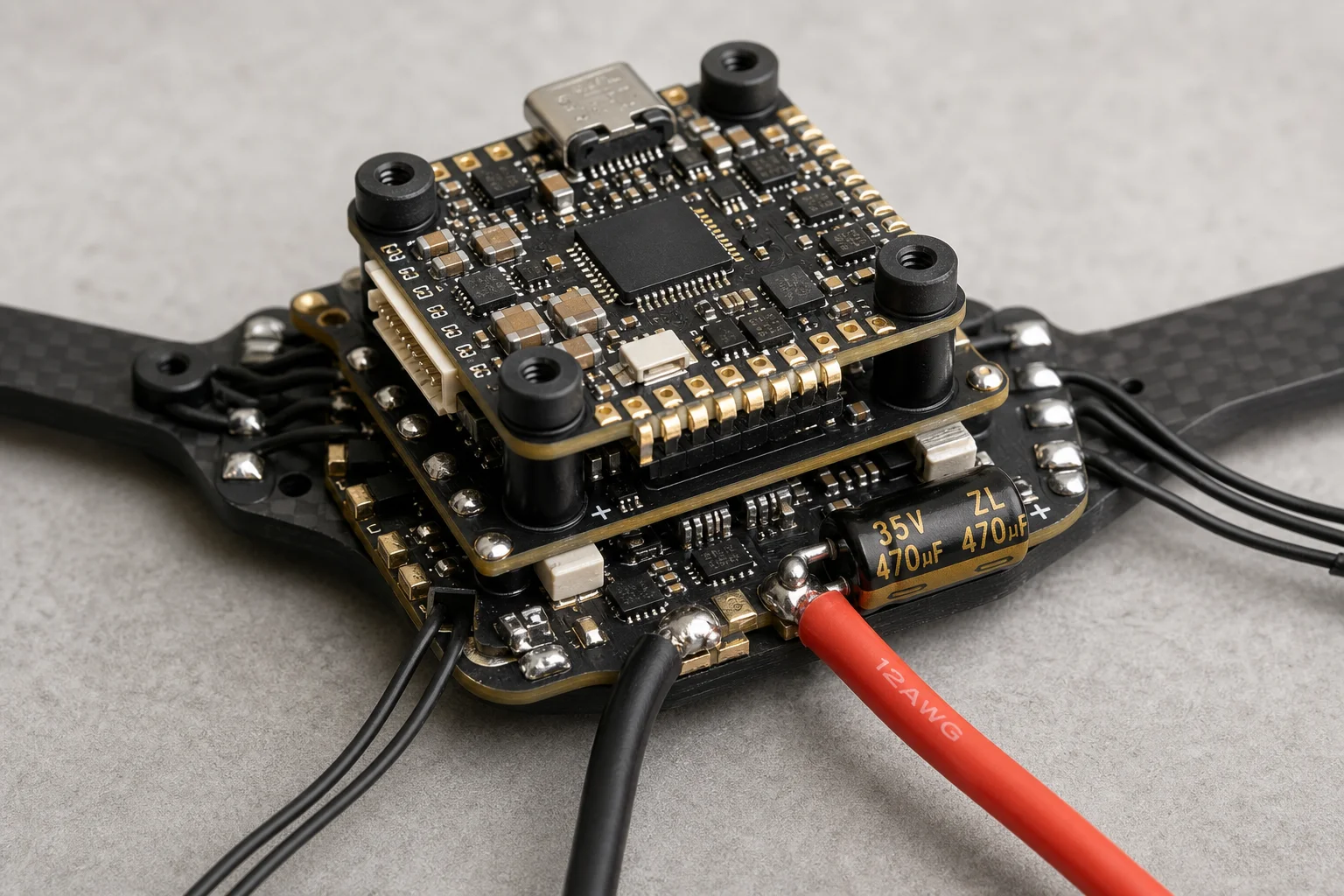
For the stack itself, follow the manufacturer’s recommended screw lengths and damping setup. In this build, the ESC goes first, followed by soft dampers, then the flight controller on top. This isolation reduces vibration noise in the gyro signal.
Solder power wires using 14 AWG wire, which is adequate for 6S builds. Tin all pads before soldering to ensure good connections. Preheat pads if solder is reluctant to stick. Route wires carefully and cut excess length to keep the build clean.
Connect the ESC to the flight controller using the recommended cable, then solder the video signal lines (TX6, RX6) separately. Install the receiver and self-powered buzzer, which is essential for locating a lost drone.
First Flight and Performance
Once the build is complete, connect to the flight controller via KISS GUI in a web browser. Update the firmware to the latest version, then activate the flight controller.
The KISS GUI offers recommended settings for the specific hardware configuration. These presets provide a good starting point, though custom rates and switch mapping should be adjusted to personal preference. Enable Launch Mode and Turtle Mode for added safety and recovery options.
Test motor spin direction in the Data Output tab before the first flight. If any motor spins backward, use the ESC Flasher to reverse its direction.
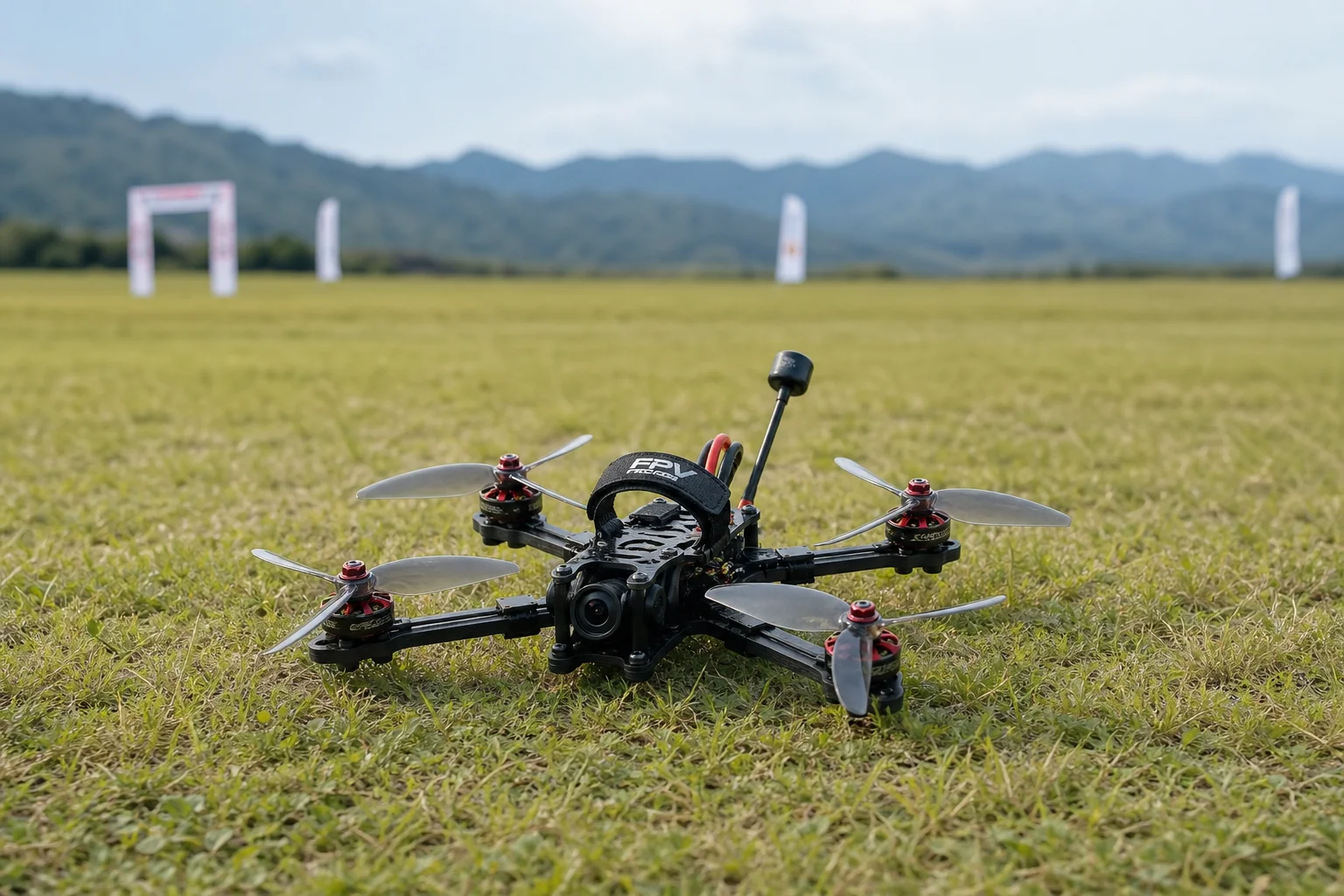
On the first flight pack, the quad flies smoothly and responds predictably. The combination of frame stiffness, motor responsiveness, and flight controller tuning creates a platform that is easy to fly and easy to tune. This is a build that rewards careful component selection and assembly attention.
Conclusion
Building a high-quality backup quad requires choosing components that work together reliably and assembling them with care. The IT’S FPV ERA frame, T-HOBBY motors, KISS FC Ultra, and supporting electronics create a platform that is straightforward to build, simple to tune, and rewarding to fly.
Further reading
Related Reviews
FPV Drones
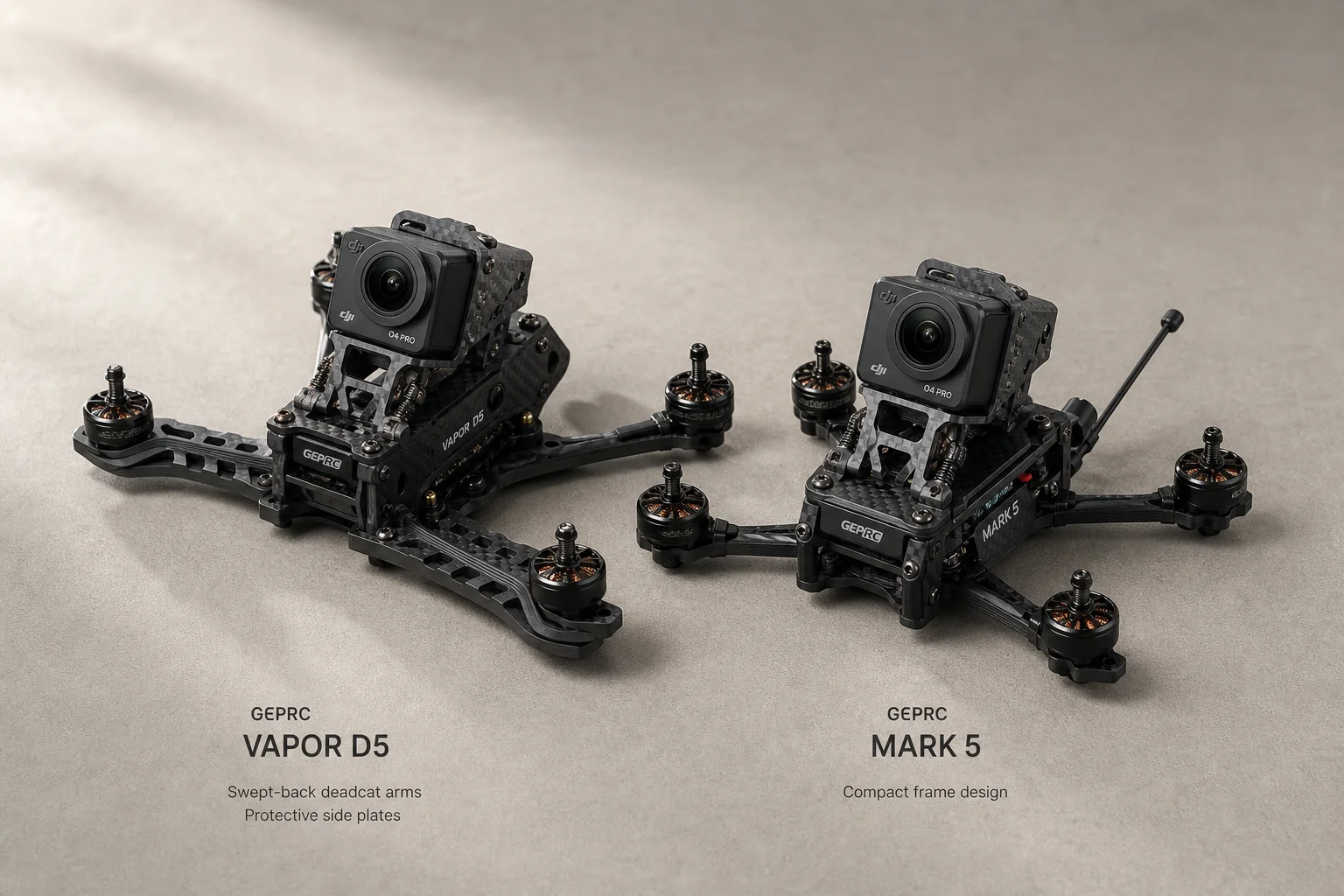
Best 5-Inch FPV Drones 2026: Vapor D5 vs Mark 5 Comparison and Review
A detailed comparison of the GEPRC Vapor D5 and Mark 5 5-inch FPV drones, covering performance, durability, price, and which suits different flying styles.
FPV Drones
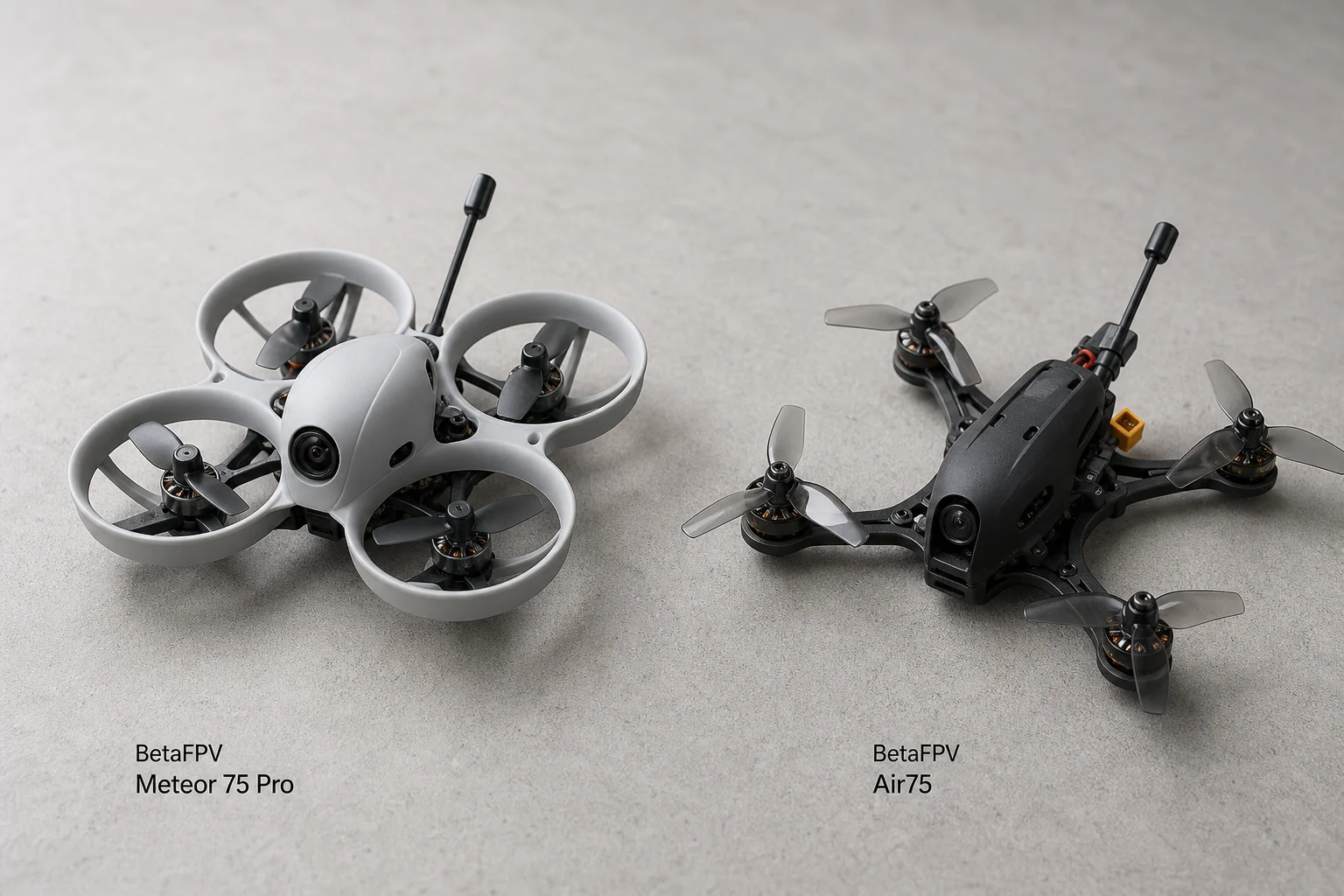
BetaFPV Meteor 75 Pro vs Air75: Which Tiny Whoop Suits Beginners Better
A practical comparison of two popular 75mm FPV drones, tested by a beginner pilot to help you choose between durability and handling.
FPV Drones
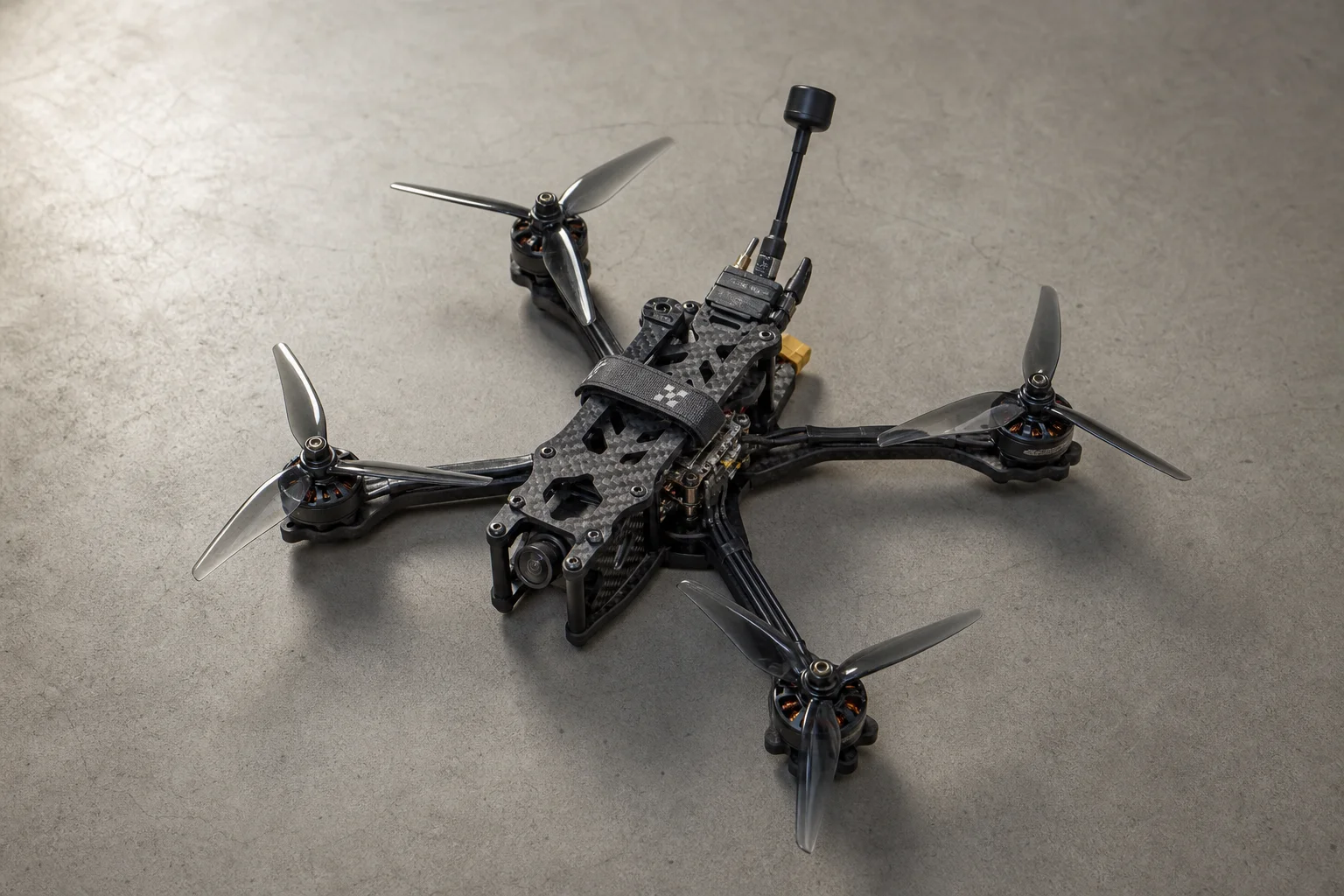
How to Build a 7-Inch FPV Drone: Complete Assembly Guide
A practical walkthrough for assembling an affordable 7-inch long-range FPV quad, from frame to flight controller, with all components and soldering techniques explained.