High-End Audio
Building a Reference Audio System: Seven Components Worth Knowing
A component-by-component look at the streamer, DAC, tube stage, preamplifier, monoblocks, and loudspeakers that anchor a modern high-end reference system, including the strengths and trade-offs of each.
Introduction
A reference system is not a collection of impressive boxes. It is a chain, and every link has a job: deliver the file, convert it cleanly, control the volume, add gain, and move air in the room. When one link is weak, the whole chain announces it.
The system examined here is built around that idea. It leans on a pure streamer, a compact converter, an optional tube stage, a valve preamplifier, a pair of GaN FET monoblocks, and two pairs of loudspeakers that are currently being compared against one another. Some of these pieces have been in place for years. Others are recent arrivals still earning their position.
What follows is a component-by-component look at what each piece does, where it stands out, and what is worth weighing before spending money.
What a Reference System Needs to Do
A reference system has a different brief from a system assembled purely for pleasure. It has to be stable. It has to stay in the same configuration long enough for real differences between components to reveal themselves, and it has to be transparent enough that those differences are audible at all.
That puts a premium on a few practical things.
First, build quality. Equipment that runs for long sessions, gets moved occasionally, and stays powered for years needs to survive it. Chassis rigidity, power supply design, and internal parts quality matter more here than in a system used a few hours a week.
Second, noise floor. The quieter the chain, the more of the recording you hear. This is where separate power supplies, isolated circuit boards, and careful grounding stop being marketing language and start being audible.
Third, connectivity. Balanced XLR connections and I2S inputs make it possible to swap components in and out without rebuilding the whole system. Flexibility at the digital and analogue interfaces is what keeps a reference chain usable over time.
Finally, character. A reference system should not be sterile. It should have a consistent point of view, so a new arrival can be judged against something known.
Those four criteria explain most of the choices in this system, including the ones that look excessive on paper. A separate tube stage, for example, is not there to add warmth for its own sake. It is there because it changes the impedance and the character of the signal in a way that can be compared directly and, if needed, bypassed entirely.
Aurender N20: A Pure Streamer Done Properly
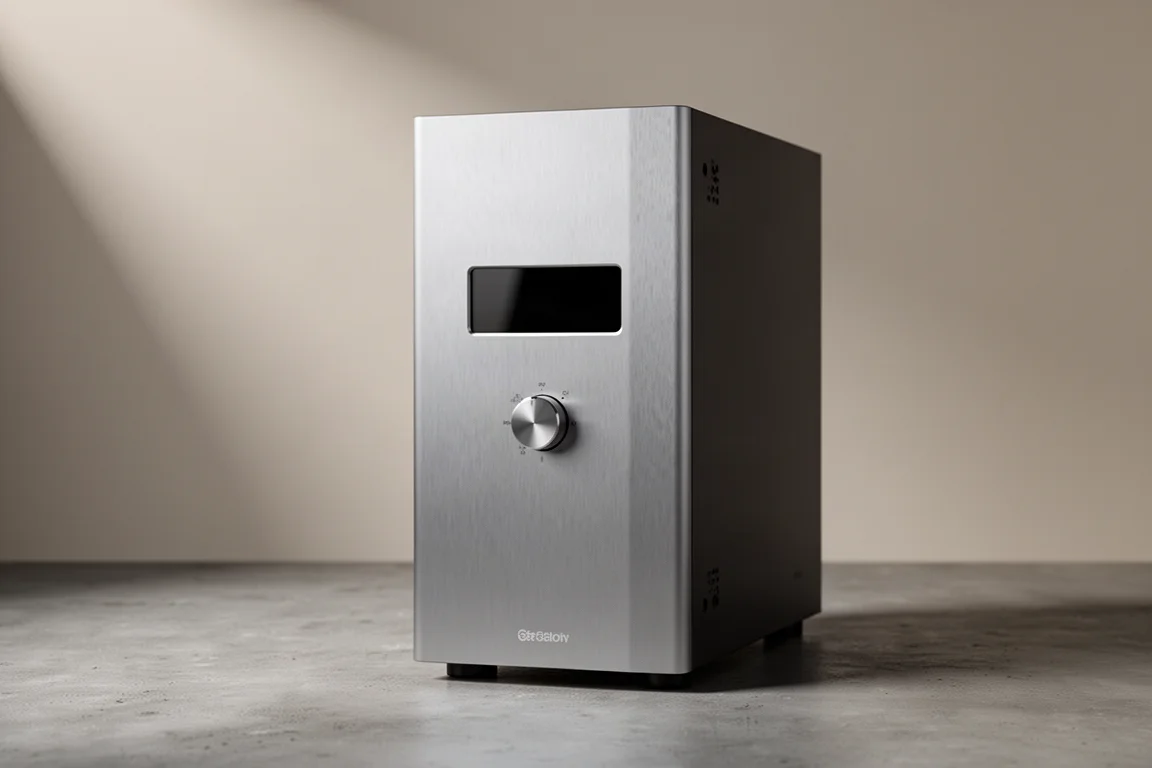
The Aurender N20 is a pure streamer. There is no DAC and no preamplifier inside the case, which means it does one job and hands the signal on.
That focus pays off. Compared with the Eversolo DMP-A6 and DMP-A8, which bundle streaming, conversion, and volume control into very capable packages, the N20 brings more dynamic bass, crisper detail, and a noticeably wider and deeper soundstage. For listeners who have always found a good CD player more convincing than streaming, this is one of the closer approaches to that character while keeping a full library available on demand.
The feature set is deliberately narrow. There is no EQ, and connectivity is less flexible than the all-in-one alternatives. It also lacks an I2S output, which limits pairing options with converters that prefer that interface.
Inside, the build is serious: multiple power supplies feed individual circuit boards to keep the noise floor low, and the chassis feels like it will outlast everything around it. The price is high and this model sits near the top of the range, so it is worth checking the brand’s lower-tier streamers before committing.
Laiv Harmony DAC: Compact Digital Conversion
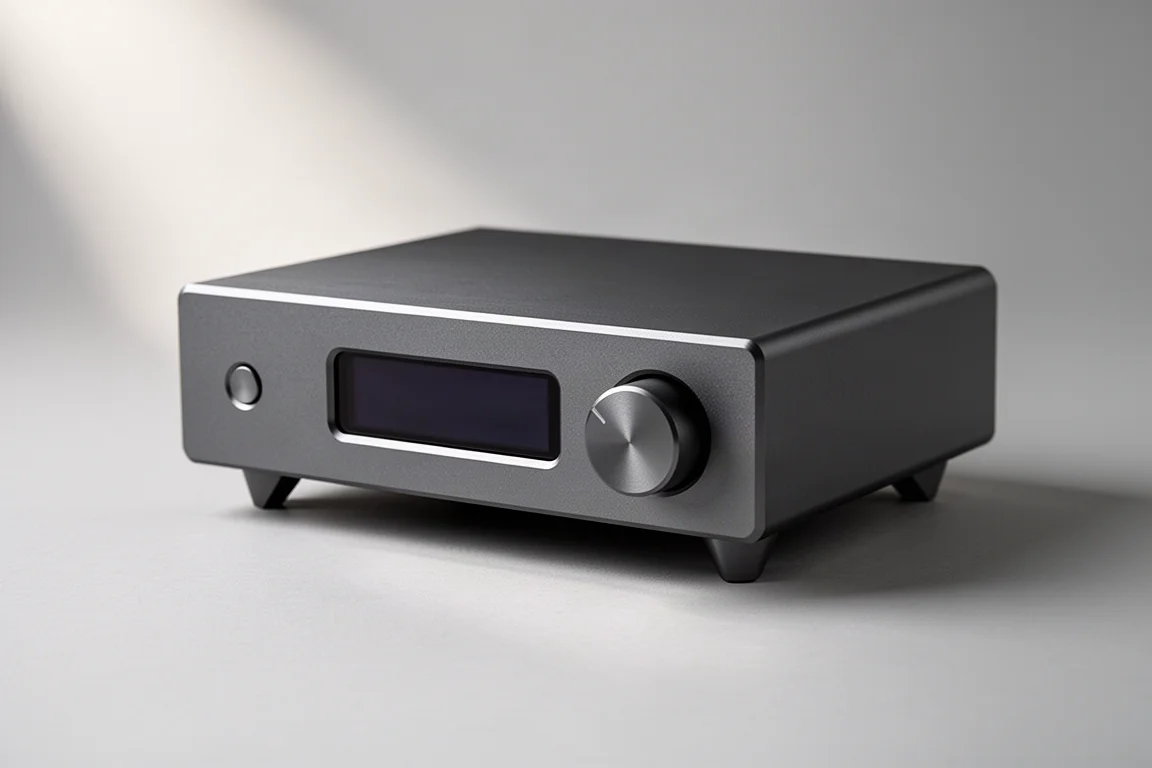
The Laiv Harmony DAC has become the daily converter in this system, and it earns that place by doing something unusual: it is compact without sounding small.
Where full-size converters rely on large power supplies and extensive circuitry, this one keeps the footprint modest and still delivers a presentation close to that of a full-size unit. The tonal character sits between a Holo Audio DAC and a Denafrips stack. That means warm and rich without tipping into softness, while keeping the detail and nuance that make those references so convincing.
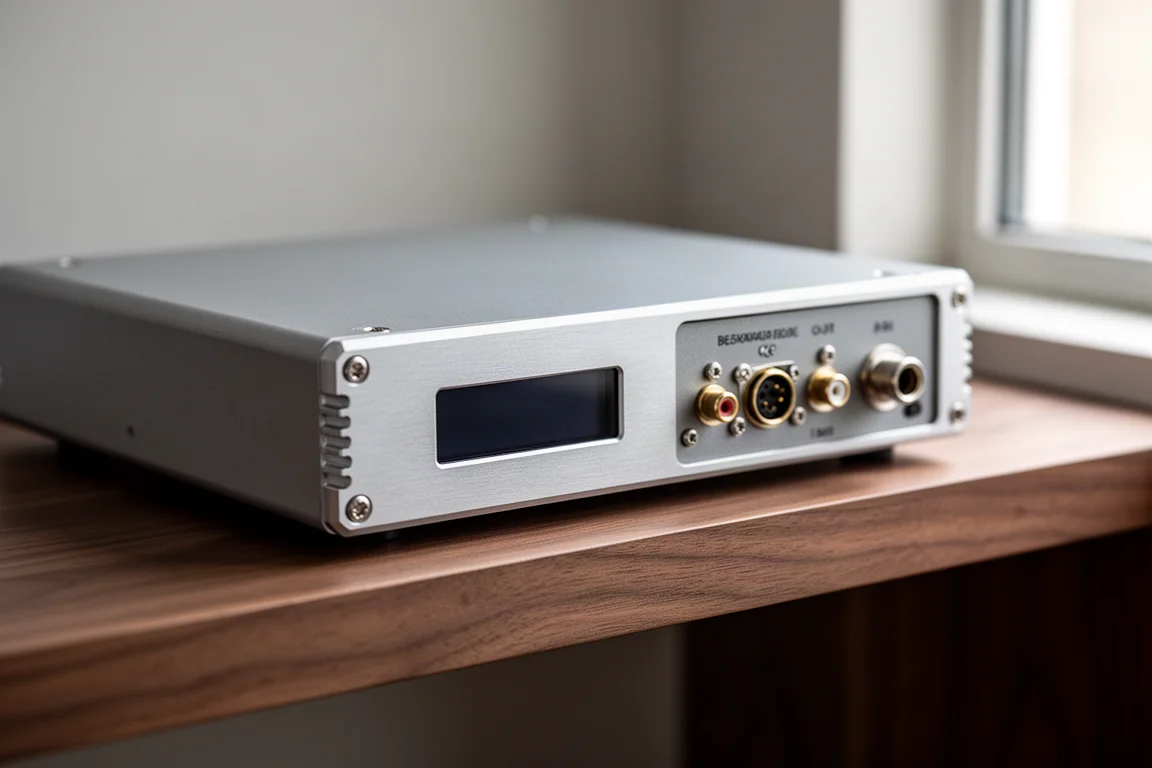
The I2S input is the practical highlight. Pin configurations are not standardised between manufacturers, and this DAC lets you select the arrangement, so it can be matched to streamers from different brands instead of locking the system into one ecosystem. Inside, parts quality is high, including Audio Note components and a substantial transformer.
If the goal is a compact converter that keeps a reference system flexible across brands, this is one worth investigating closely.
ModWright Analog Bridge: Tube Character on Demand
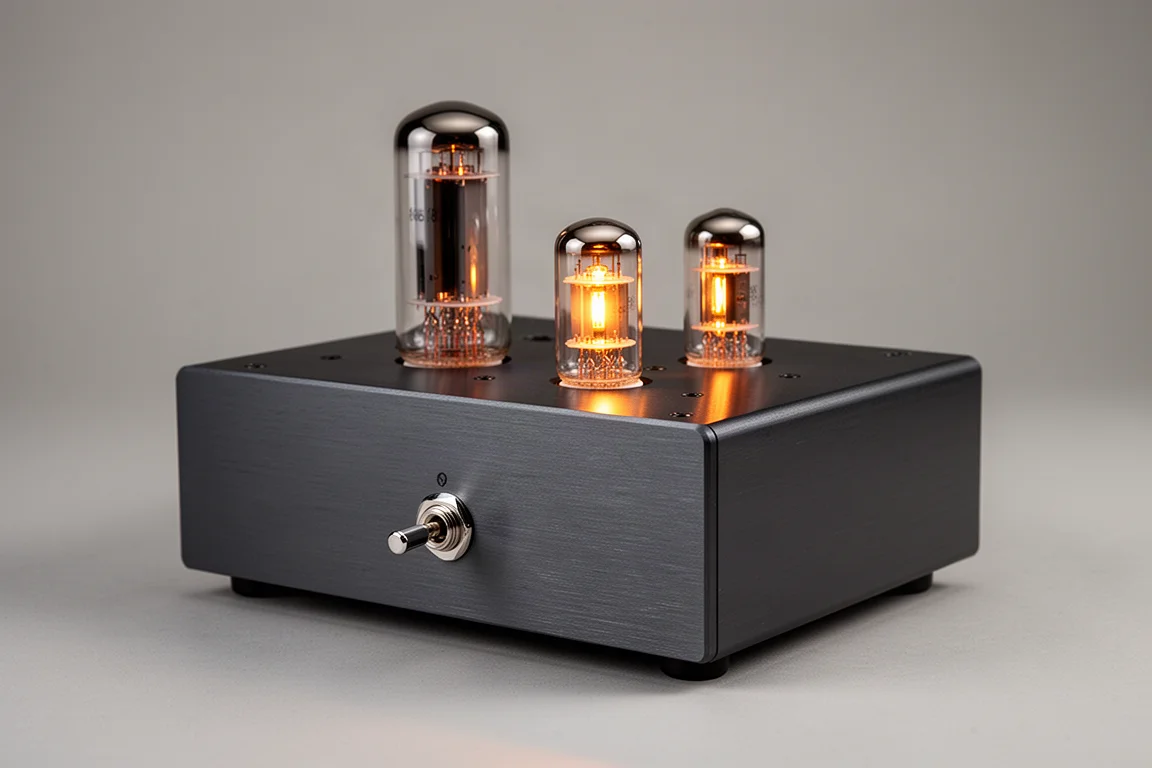
The ModWright Analog Bridge is the most debatable piece in the chain, and also one of the most interesting.
It exists for listeners who already own a solid-state preamplifier and want a measure of tube character without replacing the preamplifier itself. Think of it as a tube buffer taken much further: it also acts as an impedance matcher, presenting a low output impedance of around 20 ohms to the next stage. That is a useful figure when a source component’s own output impedance is higher, as it is on many converters.
Two tube families can be used, the 6922 and the 6SN7, and they behave differently. The 6922 leans brighter, more neutral, and more detailed. The 6SN7 is the one for bass, adding depth and texture the system had not produced before.
Two caveats are worth knowing. The bypass switch sits on the rear panel, which is awkward if you compare bypassed and engaged often, and adding a component means adding cables. The RCA version is priced at $2,900 and the XLR version at $3,900, which is real money for a stage you can switch out of the signal path.
Aric Audio L’Excellence: The Tube Preamplifier
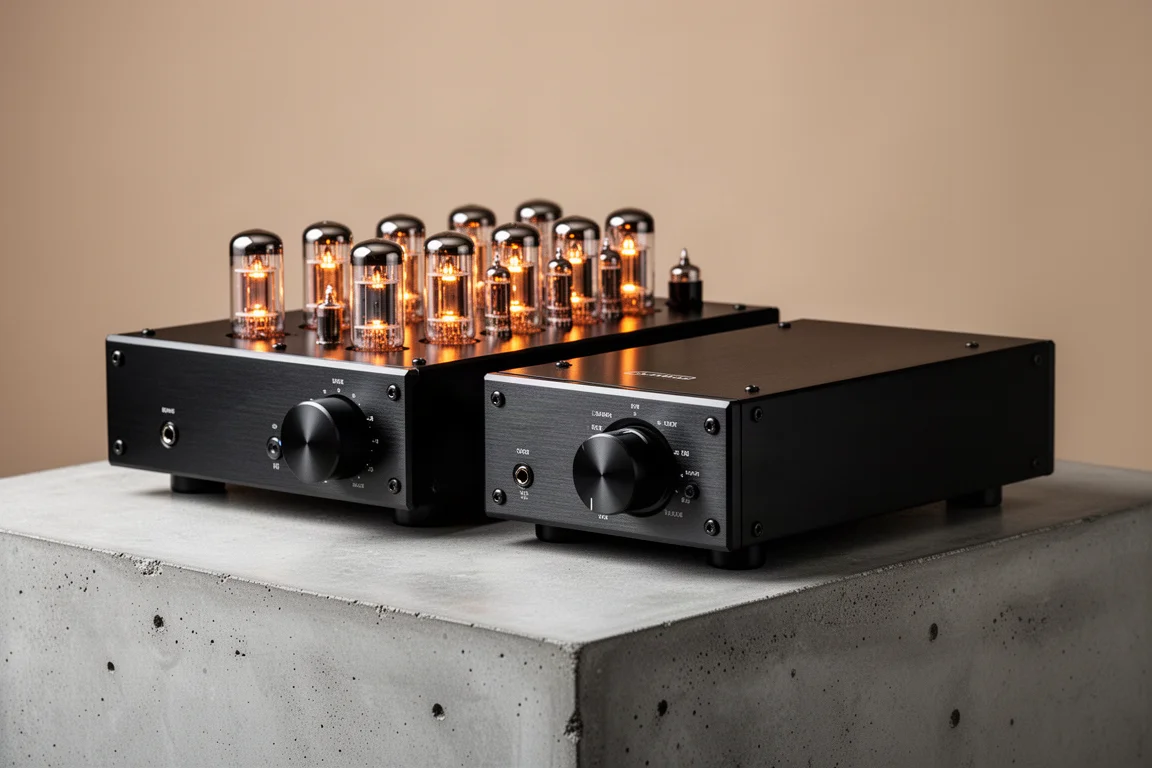
The Aric Audio L’Excellence arrives as two chassis: a separate power supply and the preamplifier itself. That separation is a design statement, and the parts inside back it up, including Jupiter capacitors and careful attention to layout and detail.
The sound is the reason it stays. This is a tube preamplifier that does not sound excessively tubey. It does not roll off the top end or smear detail. Instead it stays balanced and neutral, with tube character concentrated in the midrange, and it produces a deep, three-dimensional soundstage that is hard to give up once heard. Switching to a solid-state preamplifier in the same system costs that sense of scale.
XLR inputs and outputs are the practical advantage. Balanced connections make it easier to run longer cable lengths between the converter, the tube stage, and the preamplifier.
Price is the main obstacle, though the brand offers less expensive preamplifiers, and models with RCA-only connections are worth considering if long cable runs are not part of your setup. Set against another highly regarded tube preamplifier, this one was preferred for its more balanced character and fuller bass, where the alternative leaned more toward the midrange.
AGD Audion Monoblocks: GaN FET Power
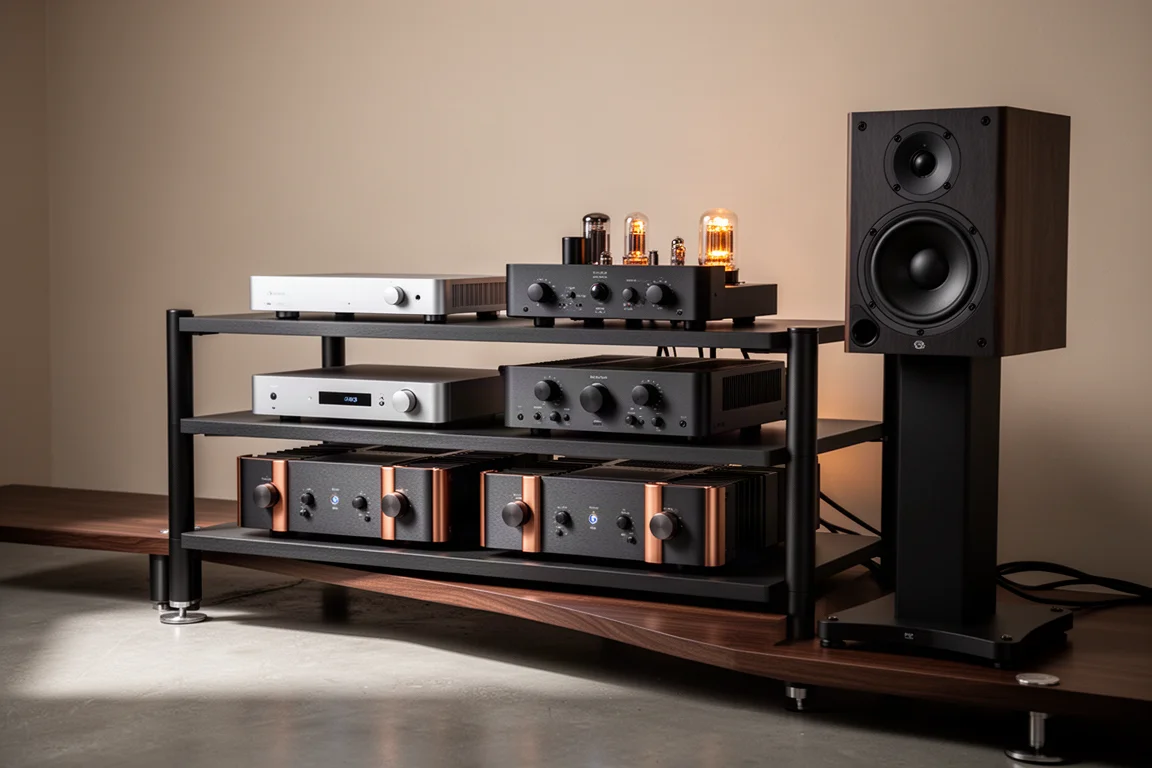
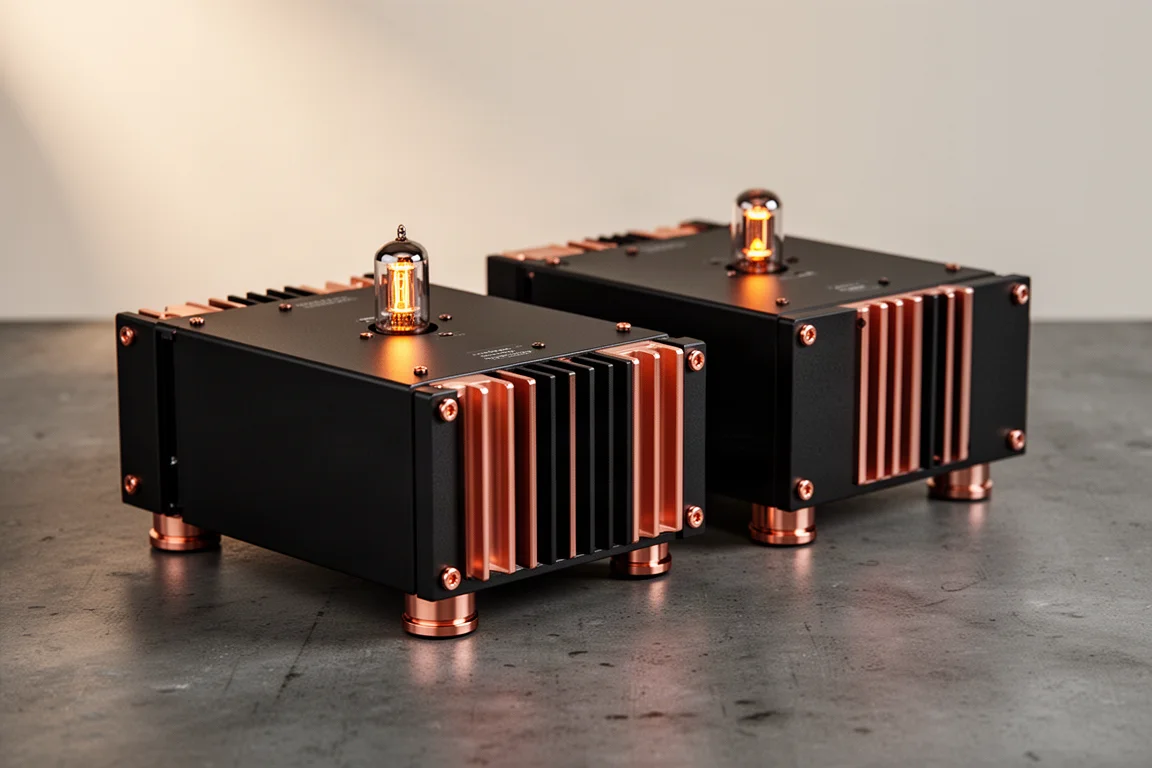
The AGD Audion monoblocks have been the amplifier reference in this system for two years, and the technology behind them is GaN FET rather than tubes.
The tube on top is easy to misread. It is not there to make the amplifier sound like a tube design. It is a modular element: changing the tube changes the module, and the manufacturer has already introduced Mark II tubes that bring more power output and improved circuitry. That gives the amplifier a genuine upgrade path rather than a fixed design.
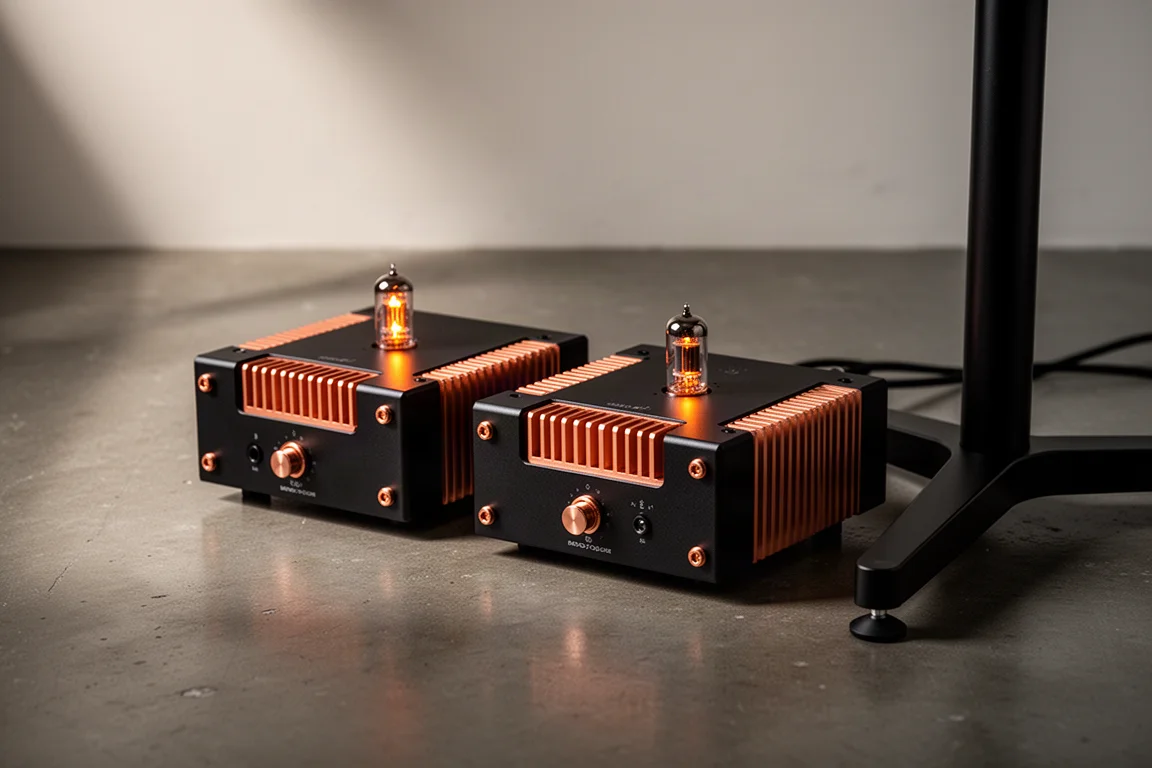
Sonically, the Audions are neutral, with a refined top end and a dynamic, room-filling presentation that belies their size. The copper-accented finish on these particular units was a special request, and copper is difficult to finish because it tarnishes, so the plating and the coated hardware are part of what makes them unusual.
A more affordable GaN-based design performs impressively for the money but does not sound the same, and it did not displace these. For anyone weighing a first serious amplifier purchase, that comparison is worth making.
Rendo 1528 Bookshelf Loudspeakers
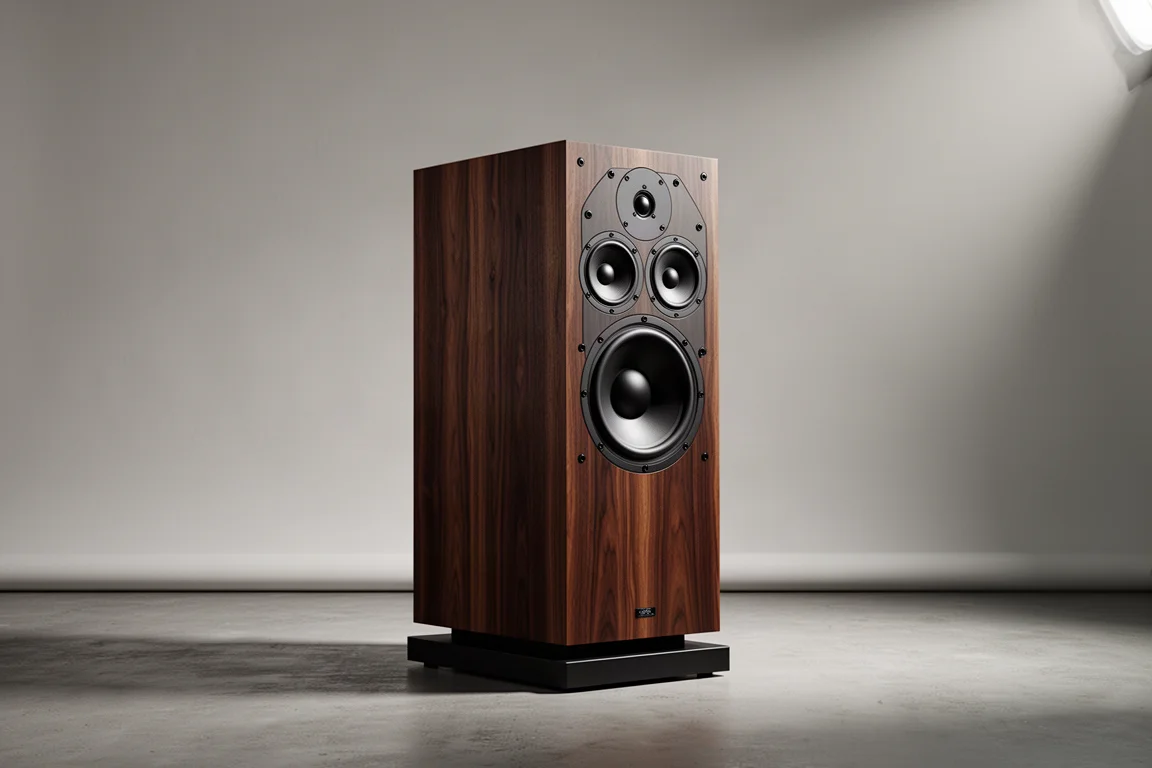
The Rendo 1528 bookshelf loudspeakers are the newest serious contender in the room, and they have been in use for several months.
The tower version of this speaker was simply too large for the space. The bookshelf version fits, and it gives up far less than the size difference suggests. Bass extension, soundstage depth, detail, nuance, and balance are all present in a way that is difficult to reconcile with the cabinet dimensions.
The most interesting quality is restraint. These speakers are detailed without being bright. The top end is silky, and arguably more so than the tower version managed. That combination, detail without fatigue, is what makes long listening sessions possible.
They are being compared directly against the long-standing reference loudspeakers in this system, which is the fairest test any new arrival can face. So far, they are holding their own.
On Acoustics Platon Loudspeakers
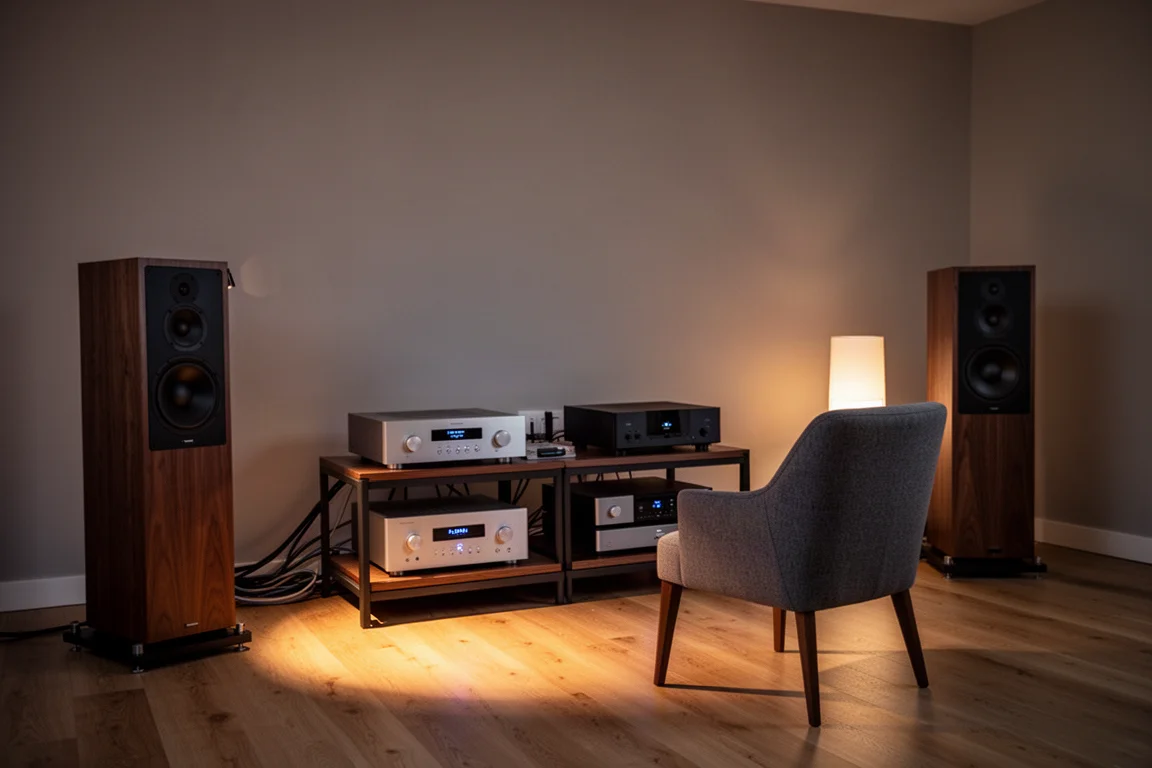
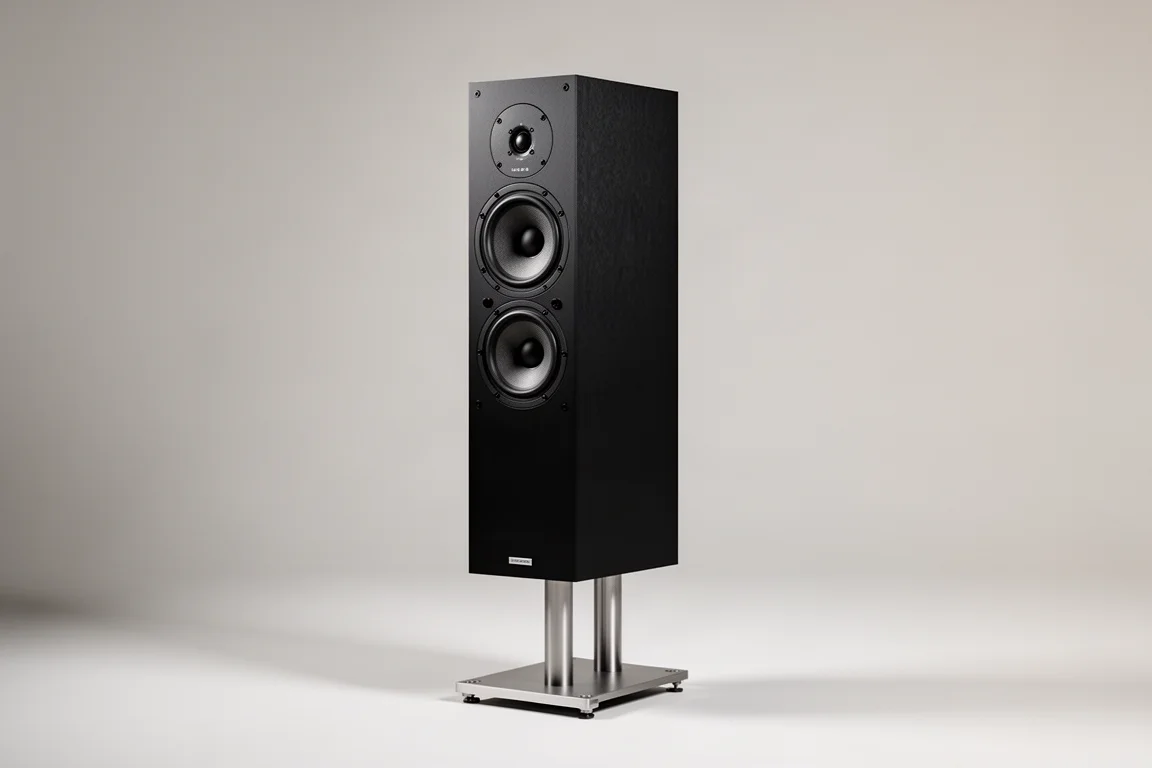
The On Acoustics Platon loudspeakers are the incumbent reference. They have been the fixed point in this system, the pair against which every new loudspeaker is judged.
That role is less glamorous than it sounds. A reference loudspeaker has to be neutral enough to expose differences in upstream components, consistent enough to trust over months, and musical enough that listening stays enjoyable once the comparison is over. The Platon has filled that role long enough to become the baseline.
New arrivals are measured against it, including the Rendo 1528 bookshelf pair currently in the room. Until a loudspeaker can beat the incumbent on its own terms, the incumbent stays.
Overall Buying Advice
Working through a system like this makes the trade-offs clearer, and most of them come down to what a component is actually for.
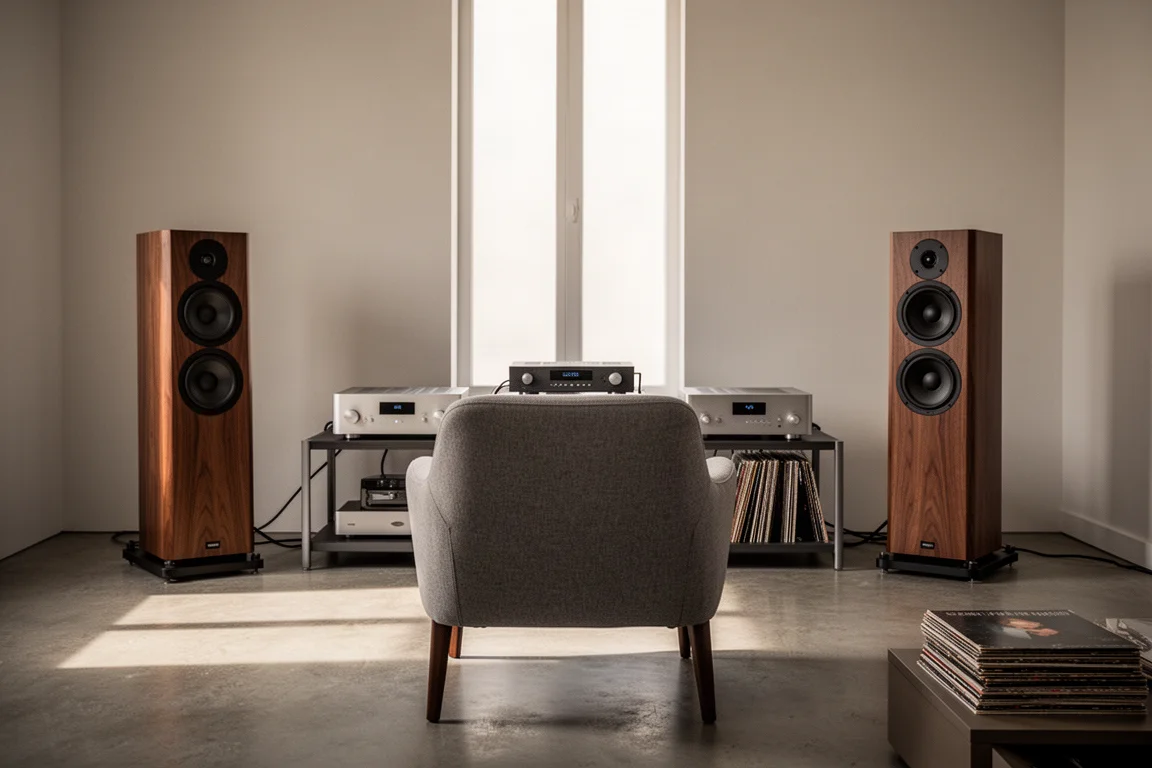
Start with the source. A pure streamer such as the Aurender N20 buys focus and build quality, and gives up features and flexibility in return. If EQ, DSP, and a single-box solution matter more than the last degree of sound quality, an all-in-one streamer will serve you better for less money.
Then decide how much conversion and character you want in the chain. A compact converter with configurable I2S keeps the system adaptable across brands. A tube stage such as the ModWright Analog Bridge adds a variable you can switch out, which is genuinely useful if you are still learning what you prefer.
On amplification and loudspeakers, match the room before matching the specification. The Rendo 1528 bookshelf exists in this system because the tower version did not fit the space. That is a more common reason to choose a component than most buying guides admit, and it is usually the right one.
Finally, be honest about how much you need. The most expensive link is rarely the one that limits the system.
Conclusion
Every component here earned its place by doing one job well and staying reliable while everything around it changed. The streamer delivers files with a low noise floor. The converter keeps the digital side flexible across brands. The tube stage and the preamplifier shape the character of the sound and can be compared directly. The monoblocks supply clean, neutral power with an upgrade path. The loudspeakers do the hardest work of all.
None of it is strictly necessary. All of it is deliberate.
Further reading
Related Reviews
High-End Audio
Accuphase E-3000 Review: A Class AB Integrated Amplifier Built to Last
The Accuphase E-3000 is the entry point into a legendary Japanese high-end line. Here is how it sounds, how it is built, and who should consider it.
High-End Audio
Arreté Floorstanding Speakers and Benchmark HPA2: A Premium Pairing Worth Hearing
A close look at how Arreté floorstanding speakers and Benchmark HPA2 power amplifiers pair up, what each component contributes, and what to weigh before buying.
High-End Audio
Aurelia Acoustics MRB1 Review: Marble Cabinets and a Big, Lively Sound
The Aurelia Acoustics MRB1 pairs a marble cabinet with Accuton ceramic drivers and a lively, spacious sound that stays easy to listen to. Here is what to know before buying.