Vinyl
Building a Quality Vinyl Record Collection: Sleeves, Pressings, and Labels Worth Knowing
A practical guide to the sleeves, pre-owned grades, and audiophile pressing lines that make a vinyl collection worth keeping, plus the trade-offs to check first.
Introduction
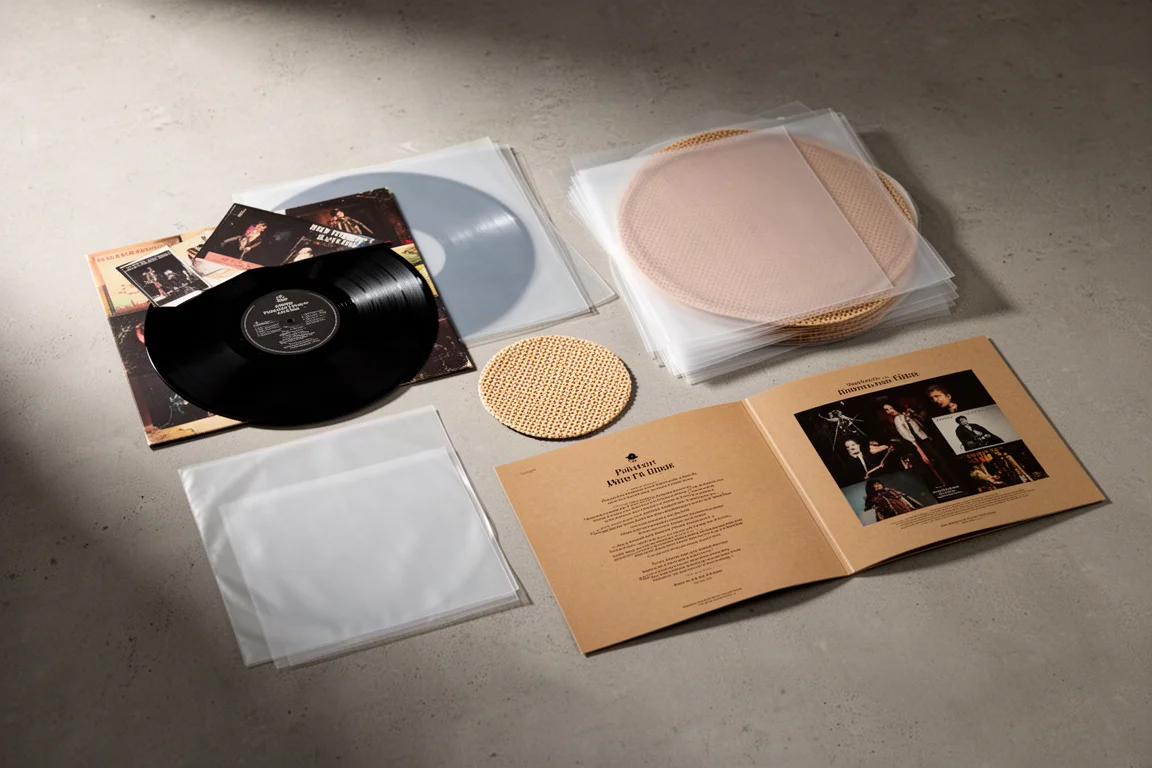
A vinyl collection is shaped less by how many records sit on the shelf than by how each one is stored, how it was graded, and who pressed it. A collection assembled over roughly six months, built around a modest but carefully chosen set of titles, tends to reveal the same lessons again and again: protective sleeves matter more than most newcomers expect, pre-owned grading language is looser than it sounds, and even premium audiophile pressings occasionally arrive with defects.
This guide covers the storage products and pressings that earned a place in that collection, along with the trade-offs worth understanding before spending money.
How to Choose Vinyl Storage and Pressings
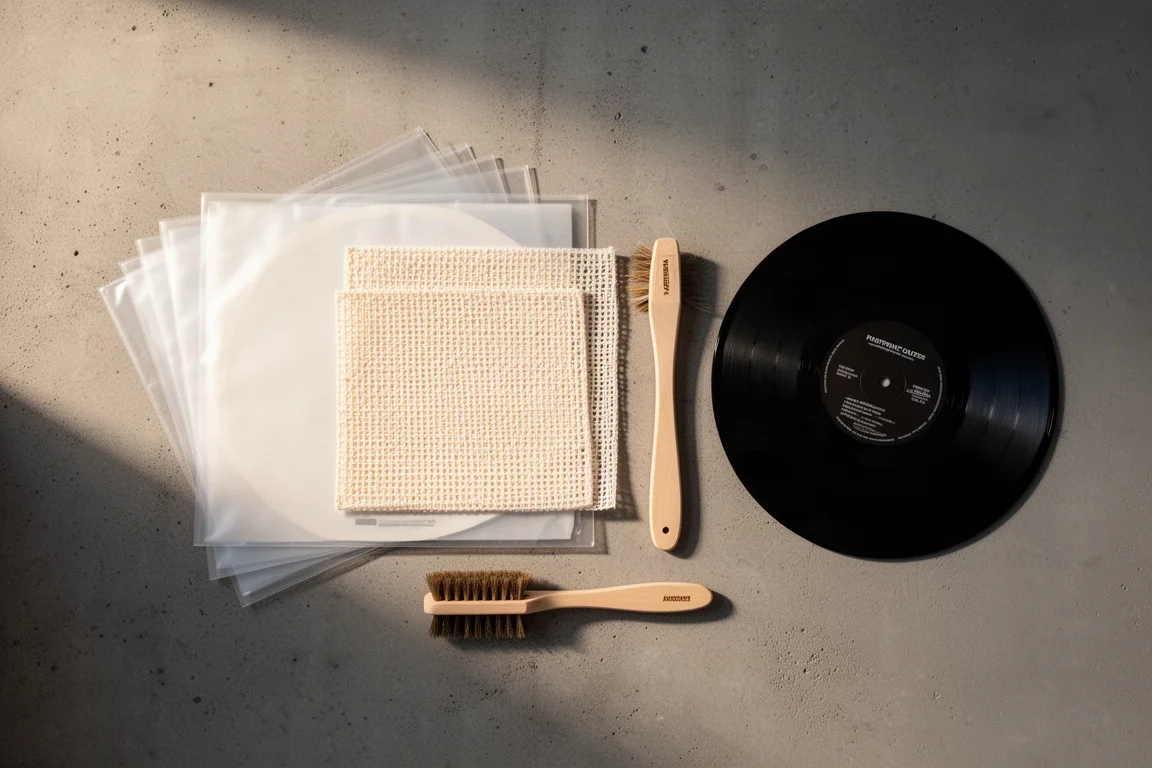
Three factors drive long-term satisfaction with a record collection. The first is protection. Outer sleeves keep jackets free of shelf wear, and inner sleeves determine how much static and surface noise a record picks up every time it is handled.
The second is condition. The Goldmine standard is the industry reference for grading. Mint means a record has never been opened. Near mint means it has been opened but shows no signs of playback. Very good plus and below means there are signs of playback, and the range inside that grade is wide.
The third is provenance. The pressing plant, the mastering engineer, and the label series all influence how a record sounds, and those details are usually visible on the jacket or in the listing.
Collectors who understand those three factors tend to spend less on mistakes and more on records they keep for decades.
Best Outer Sleeves: Spin Clean Standard Outer Sleeves
Low-density polyethylene outer sleeves are the industry standard for a reason. The Spin Clean version is unusually thick at 100 microns, or 4 mil, which makes it durable enough to protect a jacket through years of handling. Two further properties matter. The sleeves are UV protected, so artwork does not fade, and they are acid free, so the sleeve material does not deteriorate against the record jacket.
A pack of 50 costs around £25, and the sleeves are easy to find, including on Amazon.
Best for Gatefold Jackets: Spin Clean Gatefold Outer Sleeves
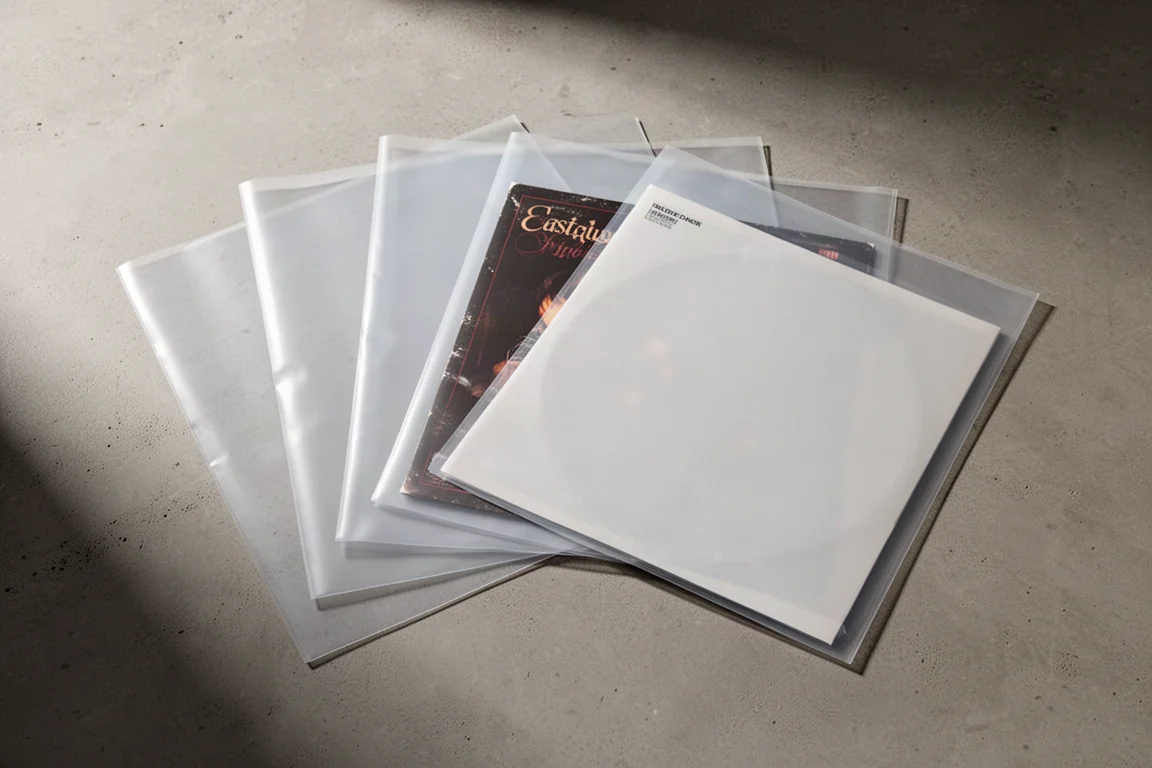
Gatefold jackets need a wider sleeve, and Spin Clean offers a dedicated version for them. The gatefold option costs a little more, with 25 sleeves priced around £28, but it keeps an entire spread protected rather than forcing a gatefold jacket into a standard-size sleeve.
Best Inner Sleeves: MA Recordings Woven Polyethylene Inner Sleeves
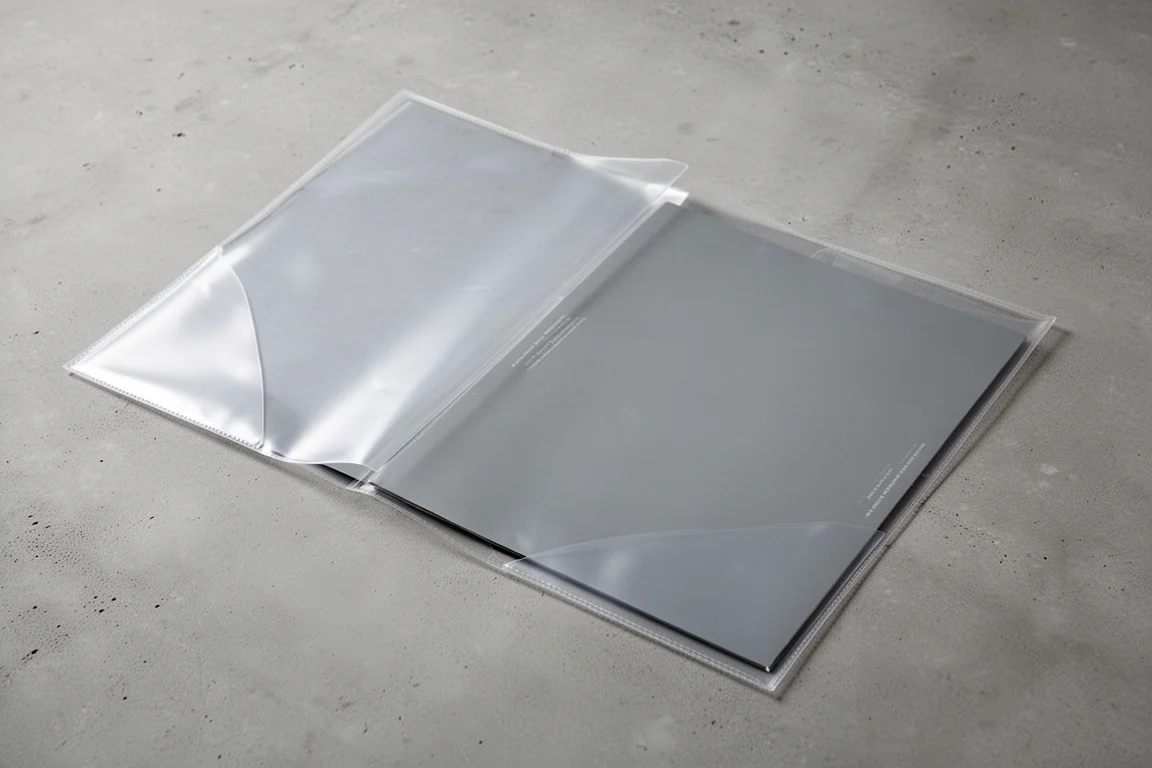
Inner sleeves are where a collection either protects its records or slowly damages them. Plain paper sleeves are abrasive and deteriorate over time, so they should be replaced before a decent record goes anywhere near them. Many audiophile pressings already ship with a polyethylene inner sleeve backed by paper for rigidity, and those are generally worth keeping exactly as they are.
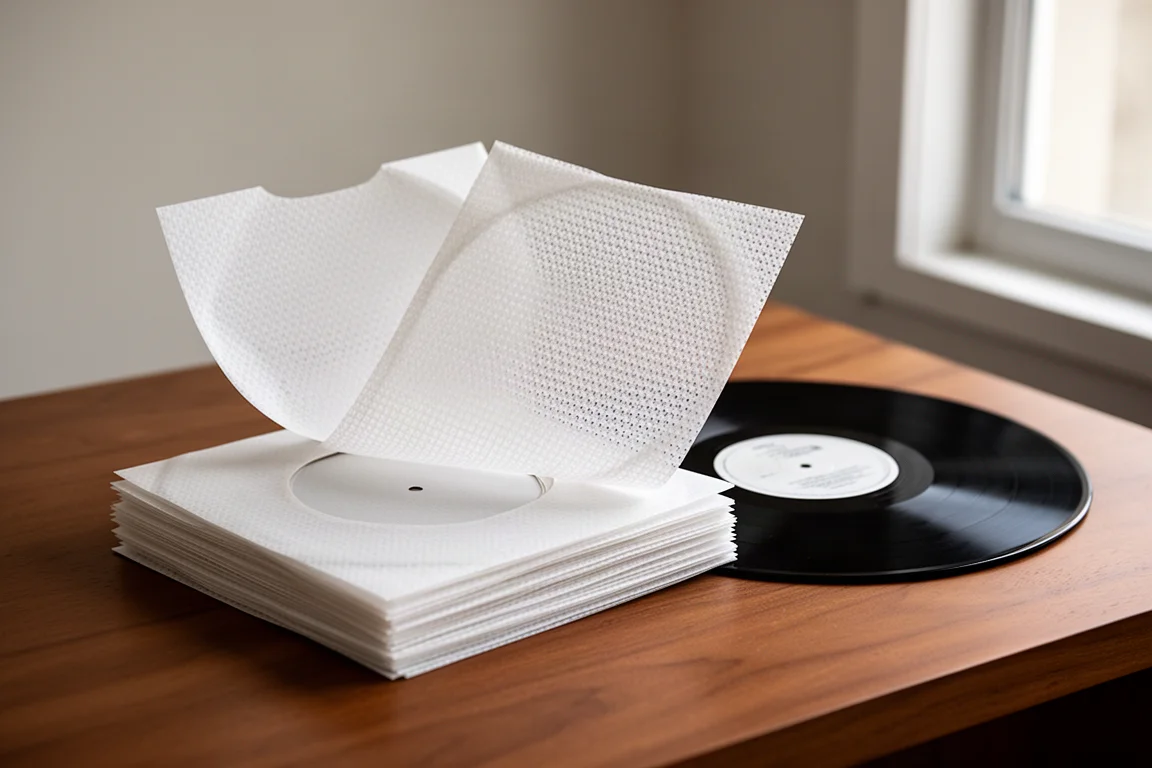
For replacements, aftermarket polyethylene sleeves from MoFi, Hudson, and Spin Clean are inexpensive options. The best encountered are the woven polyethylene sleeves from MA Recordings, which cost around £40 for a pack of 50. Woven polyethylene allows the record to breathe, so any moisture does not turn into damp spots or mildew, and the anti-static performance is excellent: the record slides out effortlessly.
A practical approach is to slip the woven sleeve inside a paper sleeve for added rigidity, then store the record behind the jacket rather than inside it. That keeps the jacket itself free of damage while the paper adds a layer of protection.
Best Pre-Owned Value: Dire Straits Communiqué First Pressing
Local record stores remain the best starting point for a new collection, and there are genuine bargains to be found. A first pressing of Dire Straits Communiqué picked up from a local retailer for £12 sits at the very top of the very good plus grade: a shiny record with no obvious scratches that plays very quietly. That is what a well-graded VG+ copy should feel like.
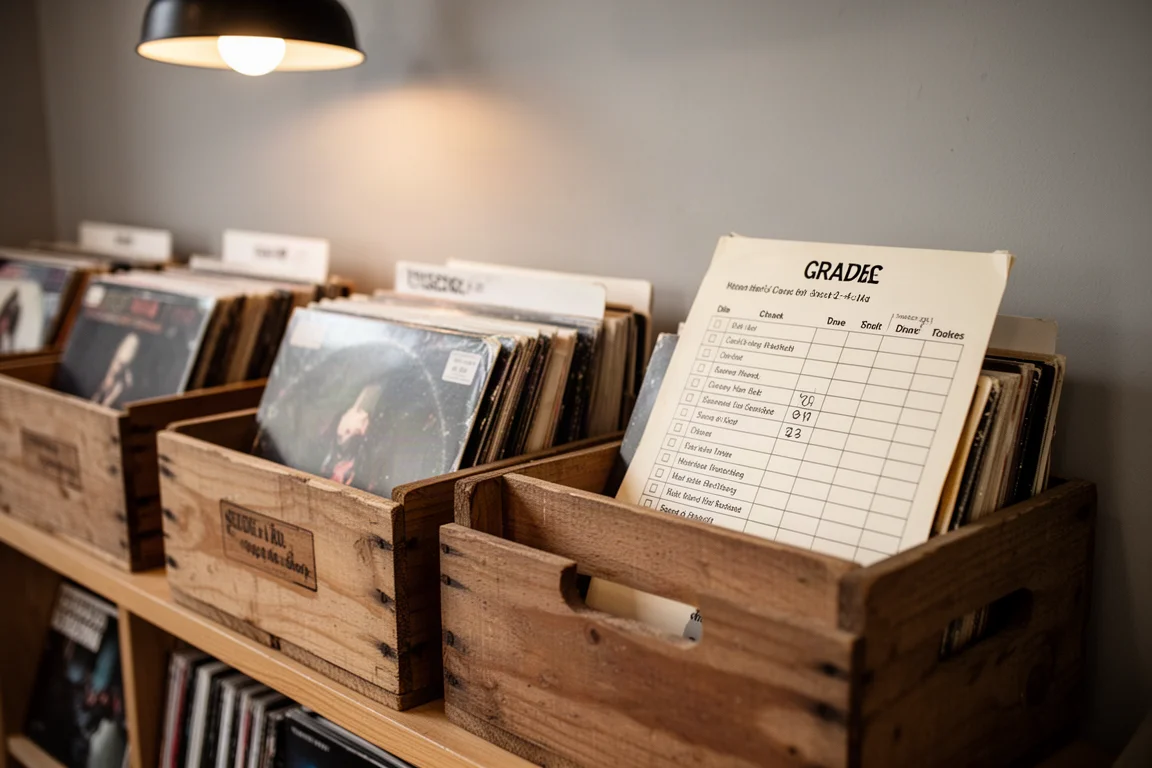
Condition descriptions deserve close attention. Very good plus covers a broad range of wear, and the finer wording of a listing is often more informative than the headline grade.
Best Online Pre-Owned Example: Chris Rea Road to Hell First Pressing
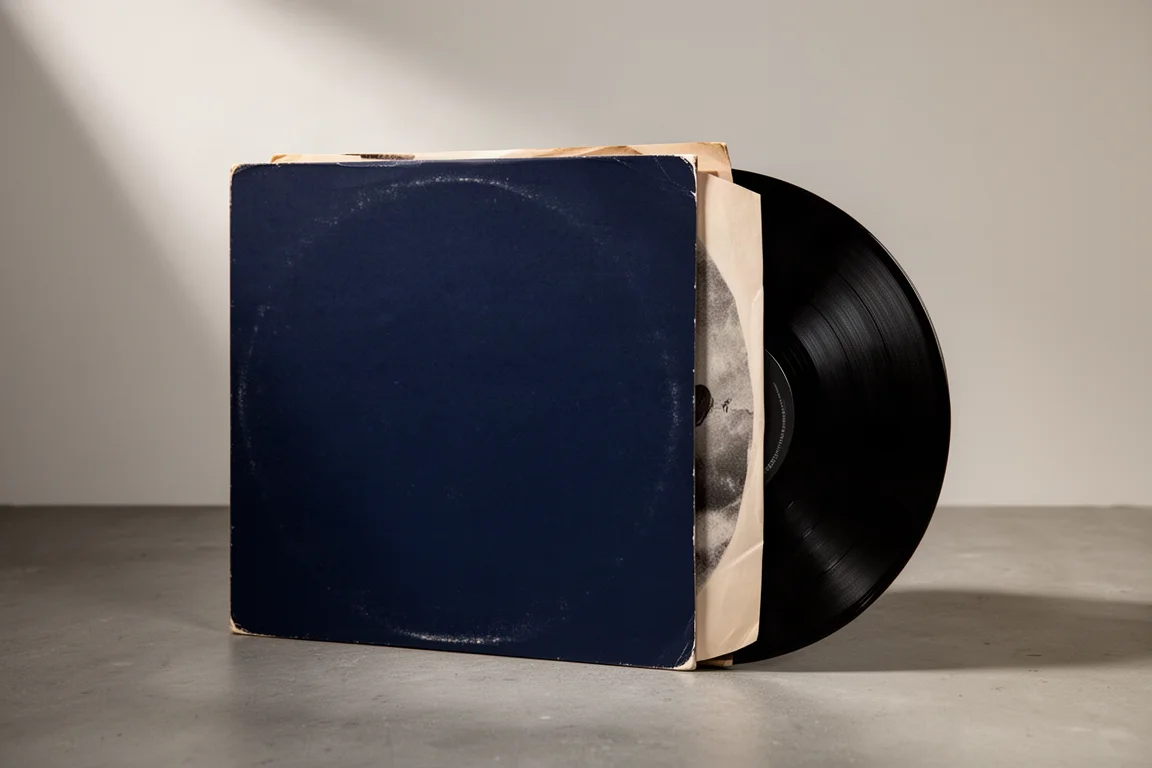
Online listings are a different game. Under the Goldmine standard, sellers are reluctant to describe a record as very good plus, so many listings advertised as near mint or mint by otherwise reputable retailers are closer to VG+ in practice. The finer description is where the real information lives.
A first pressing of Chris Rea’s Road to Hell bought through an online marketplace and described as excellent turned out to be closer to near mint. There is not a mark on the outer sleeve, the record had been kept in an archival quality jacket, and the disc sits at the top end of very good plus with very little damage and quiet playback. At around £25, that is strong value.
Best All-Analog Reissue: Fleetwood Mac Rhino High-Fidelity
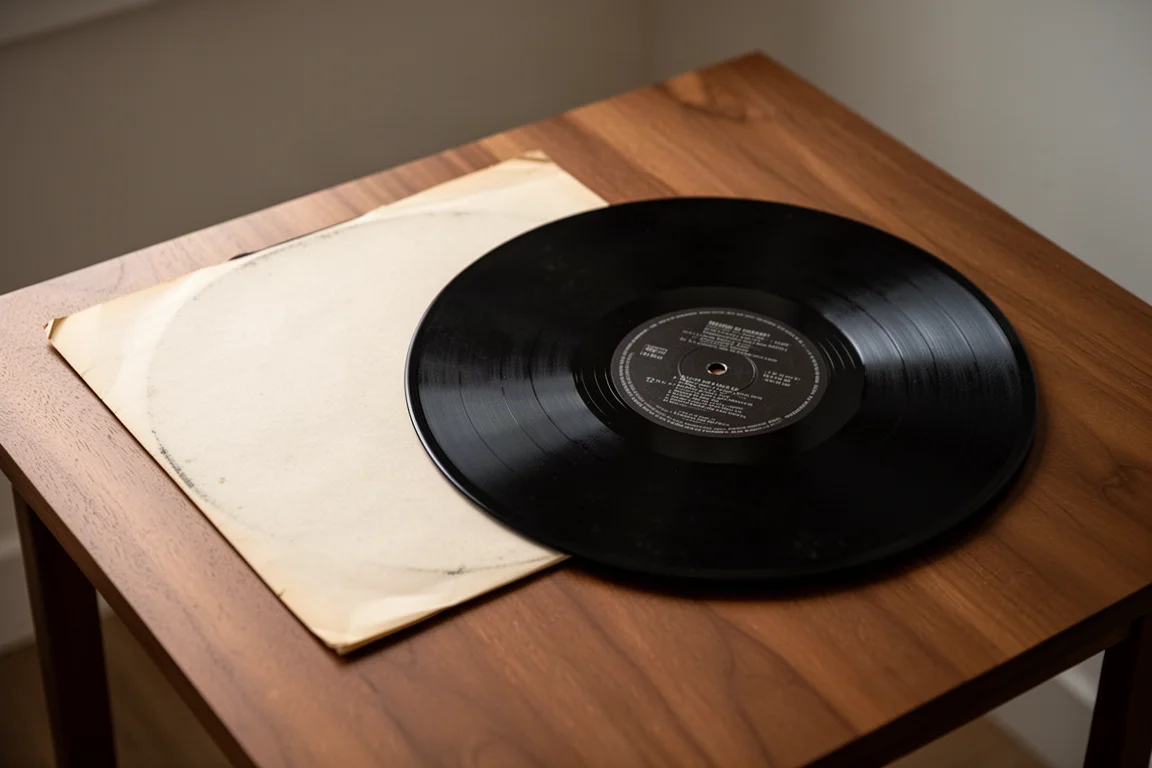
New records are not automatically safe, and audiophile pressings are no guarantee either. The Rhino High-Fidelity release of Fleetwood Mac’s self-titled album sounds excellent and is fully analog AAA, and it is not cheap at around £45. The copy that arrived had a scratch and an inner sleeve that had been affected during manufacture, so the inner sleeve was replaced.
Buying direct from the label store made the difference. A photograph was enough, and Rhino replaced the record without any quibbles.
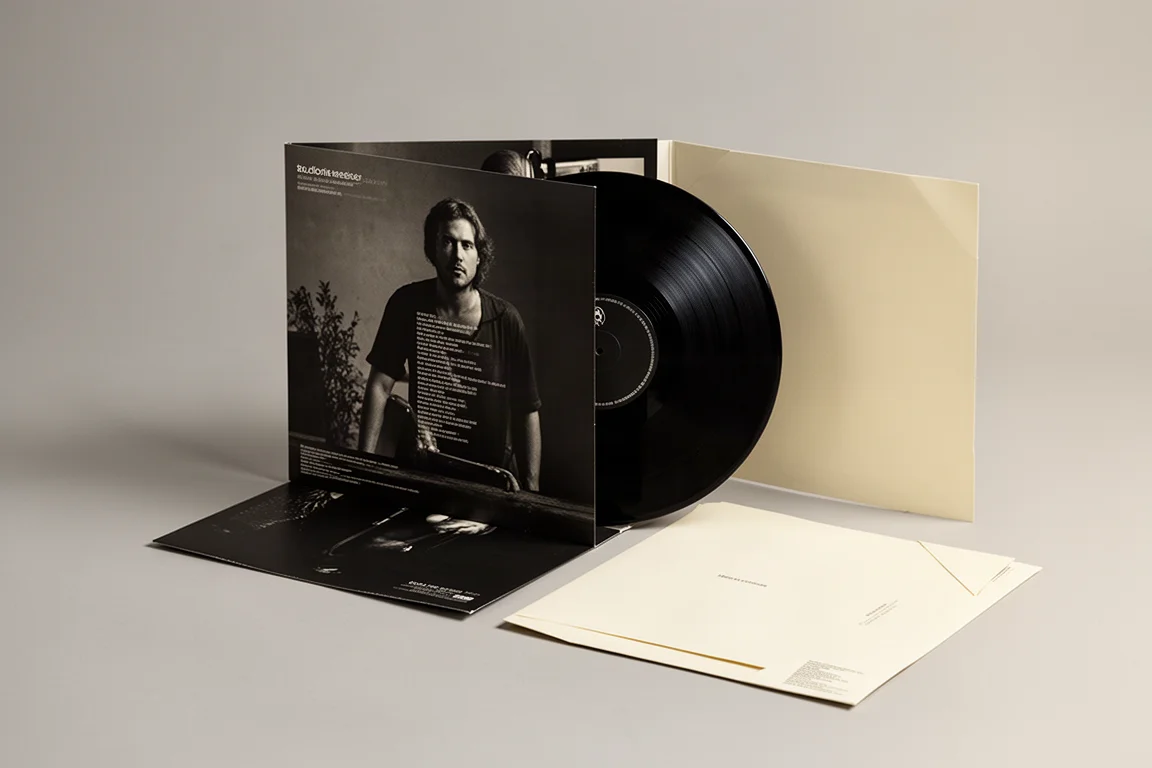
Best Remastered Reissue: Dire Straits Communiqué Rhino Remaster
Rhino also remastered the first Dire Straits albums, with Bernie Grundman and Chris Bellman taking turns across the first four studio albums. For the final two studio albums, which were originally recorded digitally, the label brought in the original recording engineer, Bob Ludwig, to contribute. All six titles are worth having, though one copy of Communiqué arrived with a scratch on the last track and required some back and forth with the retailer before a replacement was sent.
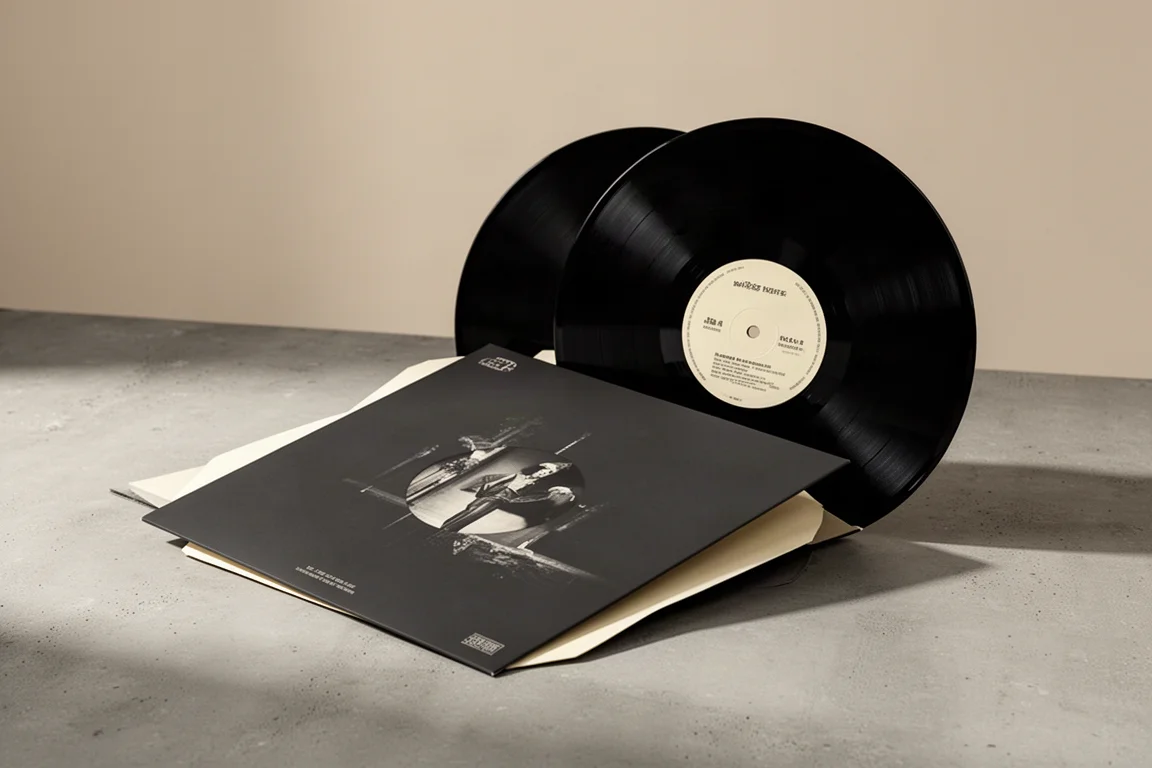
Best Premium Jazz Reissues: Blue Note Tone Poet Series
For great-sounding records without spending a fortune, the Blue Note catalogue is the strongest place to start. Blue Note runs two lines. The Tone Poet series tends to arrive in gatefold jackets with lovely artwork, and the records are pressed at RTI in California, a premium plant. Prices run around £35 to £40.
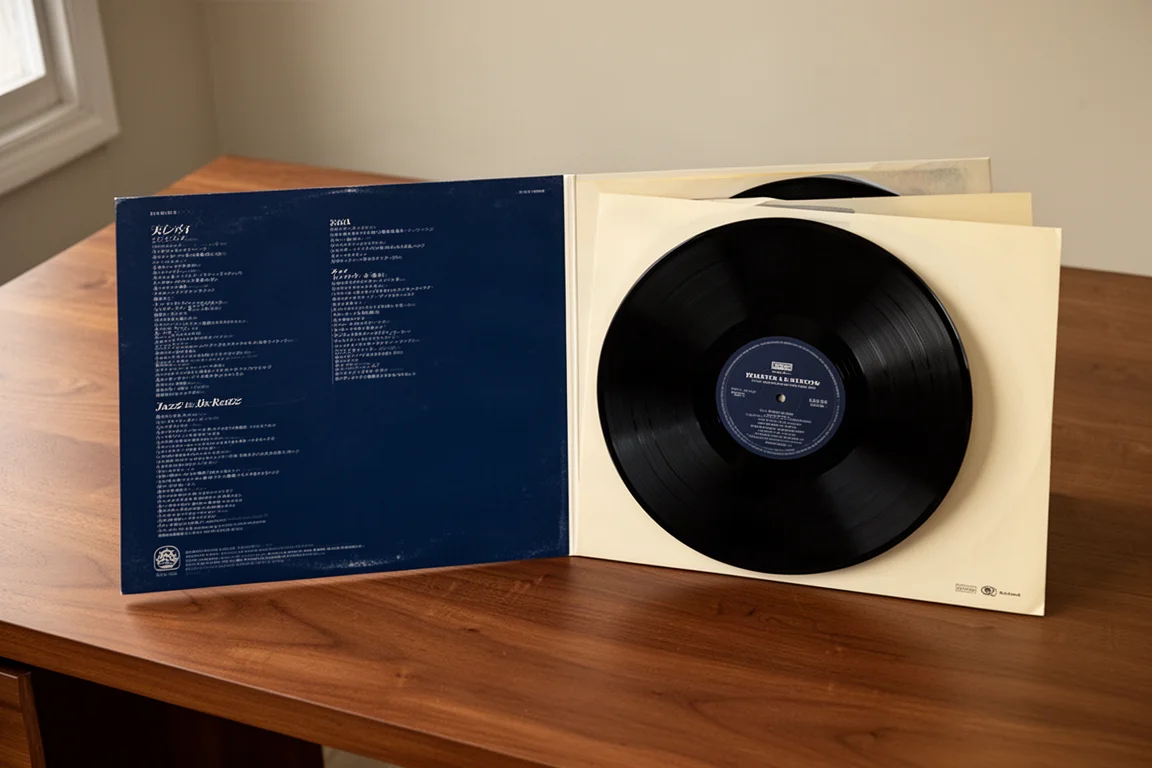
Best Value Jazz Reissues: Blue Note Classics
The Classics line is pressed at Optimal in Germany, a large pressing plant, and typically is not a gatefold. Most copies sound fantastic and play very quietly. Prices run around £20 to £25, and many of the most renowned Blue Note albums appear on this line, which means the value is concentrated in well-known titles rather than obscure ones.
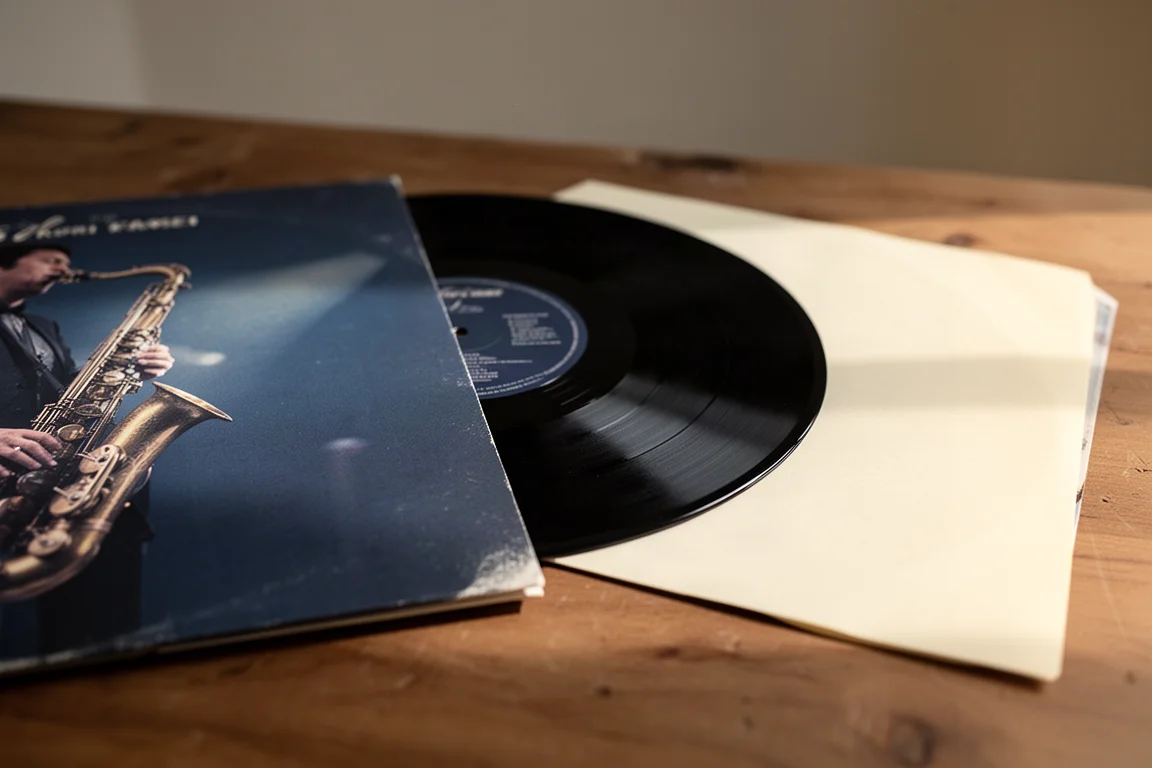
Not every copy is perfect. One Grant Green title in the collection arrived with non-fill, where the record has not pressed properly and produces audible distortion. Across roughly a dozen Blue Note records, that was the only problem, which is a reasonable strike rate.
Best for Rock Classics: MoFi Thriller
MoFi pressings have been consistently excellent, but buyers should understand the digital step. The vast majority of MoFi releases use a digital stage in production, and that was the source of the well-publicised controversy around the Thriller release. In practice, these records sound excellent, with a digital clarity and crispness, though they do not quite have the analog warmth of pressings such as the Blue Note titles.
Being selective pays off here. Thriller, Bill Withers’ Greatest Hits, and Santana’s Abraxas have all been strong additions, and the records are produced at MoFi’s internal pressing facility.
Best Reference Vocals: Chesky Records The World’s Greatest Audiophile Vocal Recordings
Chesky Records is one of the labels run alongside Reference Recordings, which handles a great deal of classical material pressed at RTI and carries an excellent reputation. The Chesky volumes were produced at Optimal as one-step pressings. A one-step removes the mother and father stages so the record goes directly from lacquer to stamper, which should improve sound quality at the cost of a much lower production run.
All four volumes of The World’s Greatest Audiophile Vocal Recordings arrived with release agents, the greasy residue left behind when a record is stamped. The recordings themselves are clearly high quality, but the release agents raise the noise floor, adding noticeable surface hiss and crackle. Cleaning reduced the problem to some extent, though a more aggressive approach may still be needed. At around £35 per volume, that noise floor is a genuine disappointment for releases positioned as audiophile records.
Best 33 RPM Jazz Pressing: Miles Davis Kind of Blue Analogue Productions 33 RPM
Shipping audiophile records from the United States to the UK costs a little more, but the quality is usually worth it. Most orders come from Acoustic Sounds, the retail arm of Analogue Productions, which shares ownership with the Quality pressing plant. Keeping each order below $180 avoids import duties and taxes.
The Analogue Productions 33 RPM pressing of Kind of Blue sits just below the UHQR edition in quality. Around 10,000 black copies were produced, alongside a limited blue edition of 1,500. One copy in the collection was very noisy on side A, and a rigorous cleaning programme using professional-grade surface agents made no difference at all. Acoustic Sounds responded by sending replacement discs with the next order, which resolved the issue completely.
Best Definitive Pressing: Miles Davis Kind of Blue UHQR 45 RPM
The UHQR edition of Kind of Blue on 45 RPM was the definitive copy to own for the most famous jazz album ever produced, and a 33 RPM copy was added alongside it to cover everyday listening.
Most orders arrived without any issue at all. One later order, a collaboration between Acoustic Sounds and Verve, arrived with a defect on side A, track five. The label confirmed it was likely foreign material embedded during the pressing process rather than a scratch, and replacement discs were not stocked for that particular series. The options were a partial refund while keeping the disc or a full refund on return, and returning a single disc to the United States made little economic sense.
Buying Advice
Start with storage, because it protects everything bought afterwards. Outer sleeves for every jacket, replacement inner sleeves for anything that arrived in plain paper, and a decision to keep factory polyethylene inner sleeves on audiophile pressings rather than swapping them out.
For pre-owned records, local stores offer the best combination of price and inspection. Online, read the finer description rather than the headline grade, and treat near mint and mint listings from otherwise reputable retailers with healthy scepticism.
For new records, buy from retailers and labels that replace faulty pressings without argument, and photograph any defect as soon as it is found. Blue Note is the value play, Tone Poet is the premium step up, and MoFi delivers clarity, provided the digital step is acceptable.
For imports from the United States, keeping each order below $180 avoids import duties and taxes.
Taken as a whole, the experience of building a collection at this level has been overwhelmingly positive: great-sounding vinyl, very few problems, and a lot of enjoyment in playing it.
Conclusion
A quality vinyl collection comes down to three habits. Protect what is already owned with good sleeves, read grading language carefully before buying pre-owned, and choose pressing lines with a clear understanding of what each one offers. Buyers who do all three end up with records that sound the way they should and hold their condition for years.
Further reading
Related Reviews

Backpacking Gear
Building a 10 lb Base Weight: An Ultralight Backpacking Gear List
A practical walkthrough of the ultralight pieces behind a 10 lb base weight, from a 765 g pack and a roomy one-person tent to a full camp chair and a dependable water filter.

Road Bikes
10 New Road Bikes Worth Watching: Aero, Titanium, Steel and Endurance Standouts
A practical roundup of 10 new road bikes, from aero flagships chasing single-watt gains to titanium, steel and endurance platforms built for real roads.
Bikepacking Gear
11 Bikepacking Essentials for Long-Distance Cycling
Eleven bikepacking essentials for long-distance cycling, from a steel gravel frame and a two-person tent to helmet lights, packable gloves, and a frame bag that puts weight in the right place.