Hi-Fi Audio
Building a No-Compromise Hi-Fi System: Six Components Worth Considering
Six components for a no-compromise two-channel system, with prices, the job each one does, and where the budget is best spent.
Introduction
Most systems start with a budget and work backwards. This one starts with the signal path and works forwards. Each component here earns its place on capability rather than on price, which is why the final figure climbs well past what most people would spend on a two-channel setup.
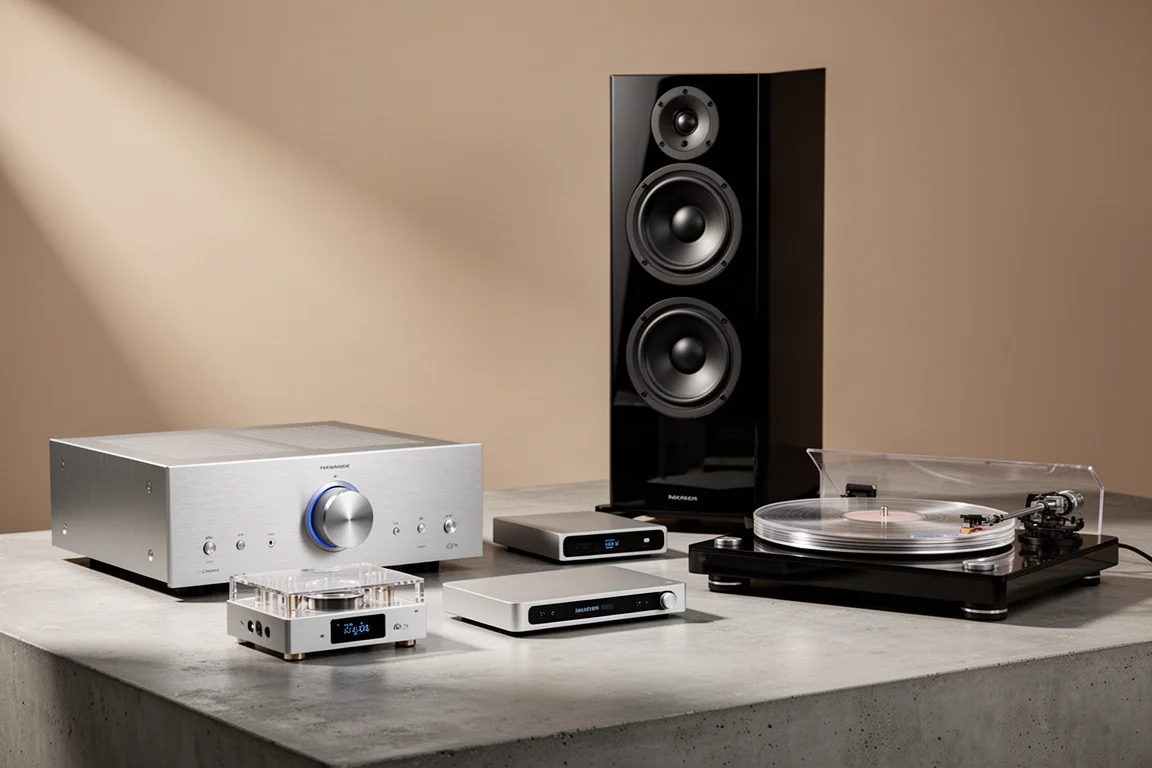
The chain is conventional in structure and uncompromising in execution: an integrated amplifier at the centre, a dedicated DAC to handle digital conversion, a network streamer as the streaming source, a pair of full-size floorstanding speakers, and a turntable for vinyl. What follows is how each piece fits, what it costs, and where the money is best spent if you are building something similar.
How This System Comes Together
The logic is straightforward. The amplifier supplies power and switching, and here it also handles preamp duties. A dedicated DAC takes over digital conversion from the amplifier’s internal stage. A streamer feeds that DAC and adds network playback. The speakers turn everything upstream into sound, which is why they take the largest share of the budget. The turntable adds a second, analogue source.
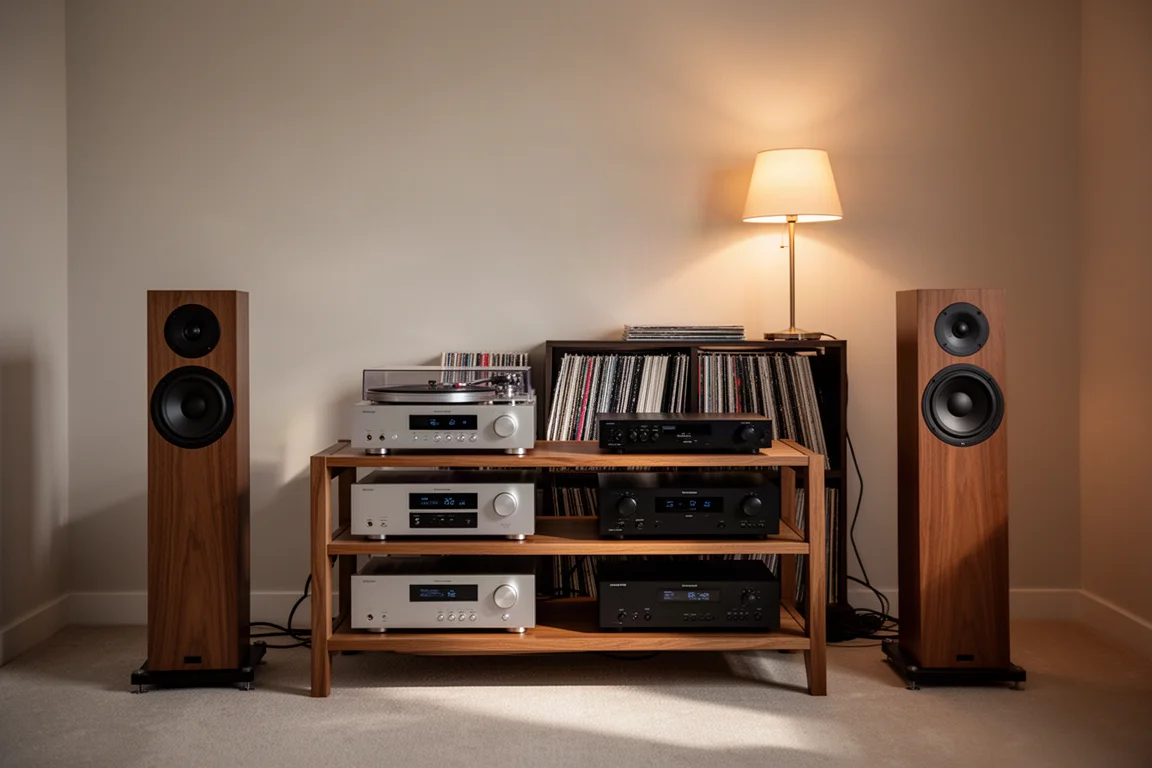
Because each element has one clear job, the system is easy to reason about. You can swap the DAC or the streamer without touching the amplification, and the amplifier itself can stay in the rack for years even if the sources around it change.
The Amplifier: Advance Paris A12 Classic
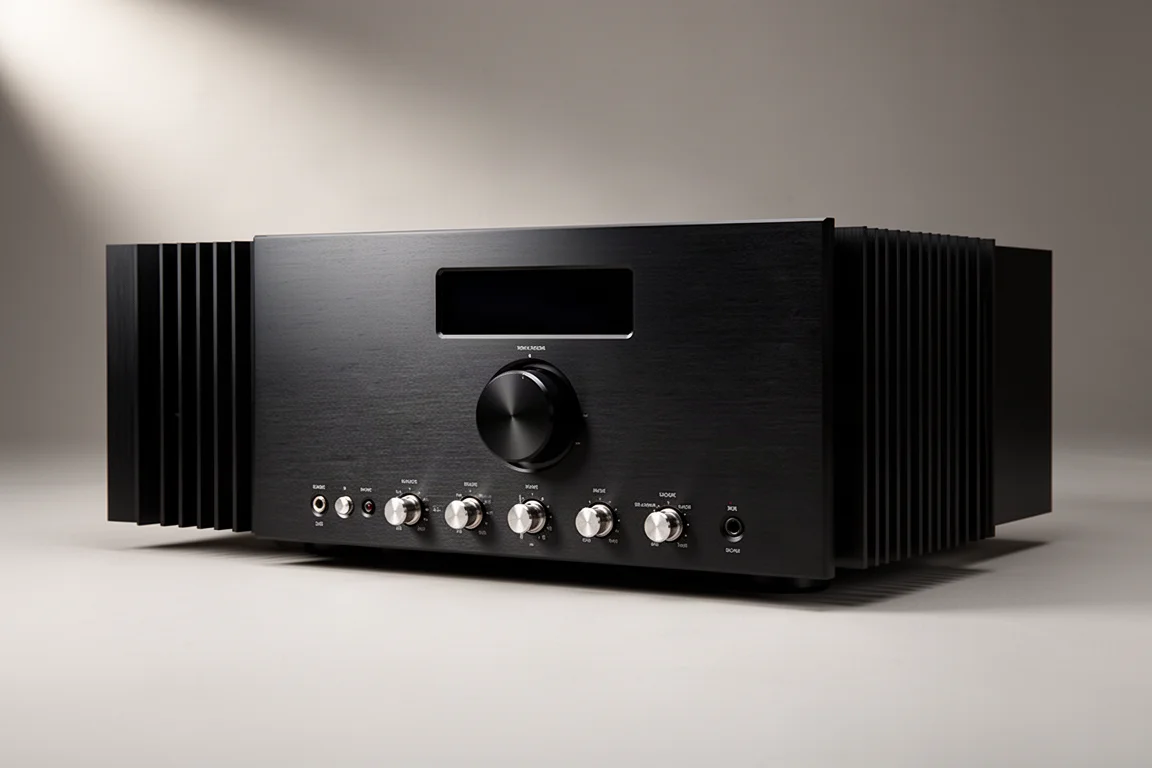
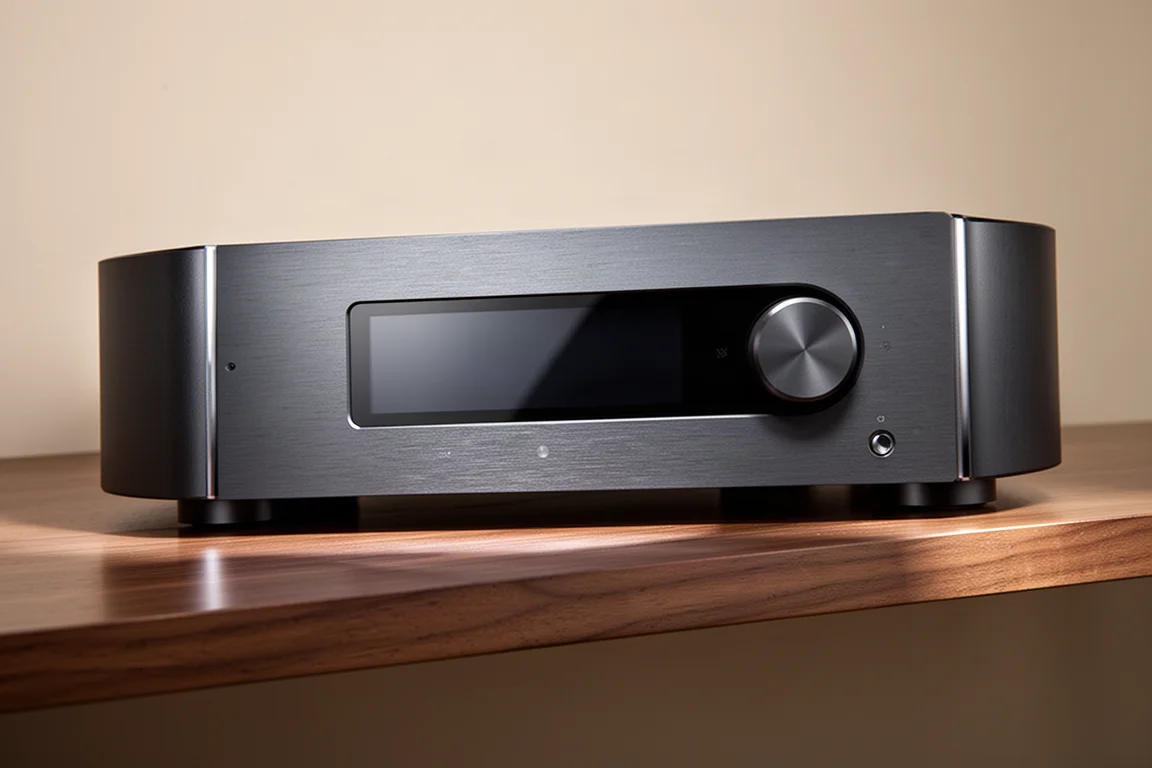
The A12 Classic is a dual mono integrated amplifier, which means the left and right channels each have their own power supply rather than sharing one. That separation sits at the core of the design and is the main reason it can anchor a system like this. It is also unusually well equipped for an integrated amplifier: there is a DAC built in, an HDMI input, a subwoofer output and a preamp output.
The preamp output matters for long-term ownership. If you later move to separate power amplifiers, the A12 Classic can stay in the rack as a preamp rather than being sold on. The onboard DAC is genuinely good, but it is the one part of the amplifier that a dedicated external converter can clearly improve on, which is exactly what the next component does.
At $3,799 it is not cheap, but it is a single box covering amplification, preamp duties and digital inputs.
The DAC: Geshelli Labs JNOG
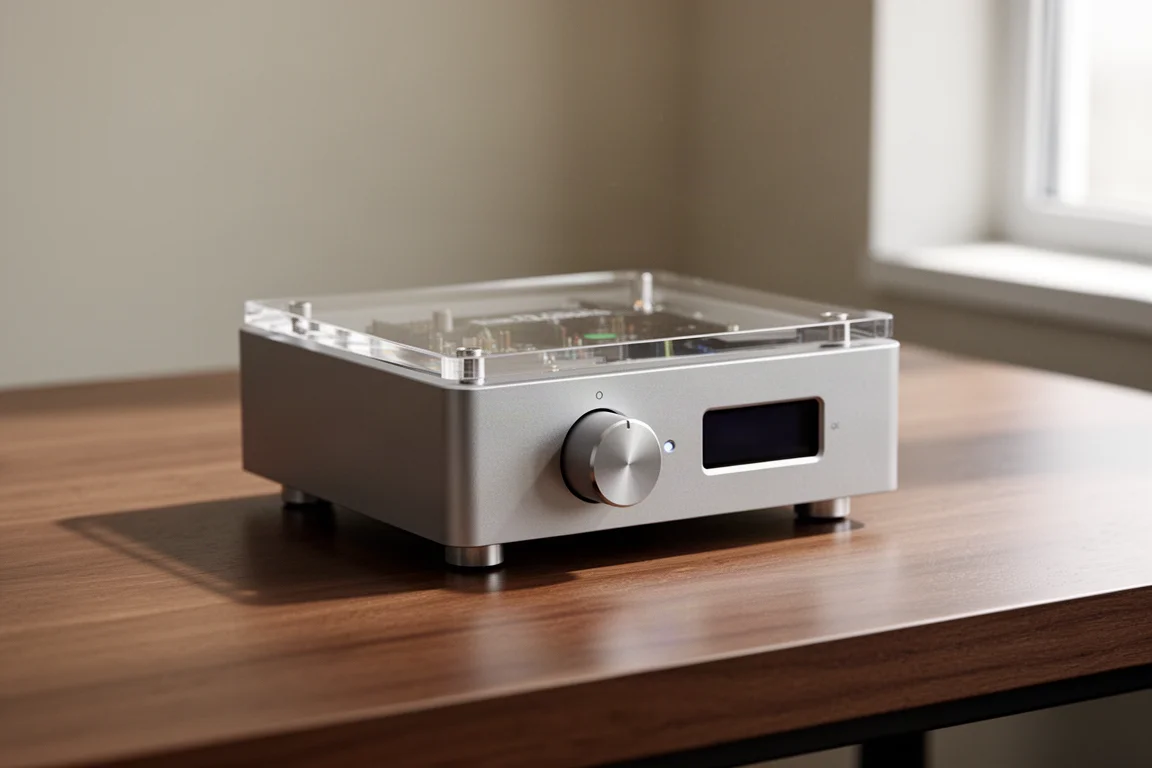
A dedicated DAC is the least glamorous upgrade in a system and often the most audible. The JNOG is available with a Plexi chassis from $1,200, and the configuration used in this build adds eight mono Sparkos op-amps for a further $479.99, bringing the total to roughly $1,679.
One practical detail is worth knowing before you order. The op-amps can be bought directly from Sparkos, which regularly runs a promotional coupon, so that upgrade path does not have to go through the DAC maker. At under $1,700 all in, this is a modest addition next to a $3,799 amplifier and $5,000 speakers, and it addresses the weakest link in the chain.
The Streamer: Cambridge Audio EXN100
The EXN100 handles network streaming at $1,800. It uses the ES9038 Q2M DAC chip and offers balanced outputs alongside an optical output, so it can feed a system either in the analogue domain or digitally. Streaming is handled through Cambridge Audio’s StreamMagic platform.
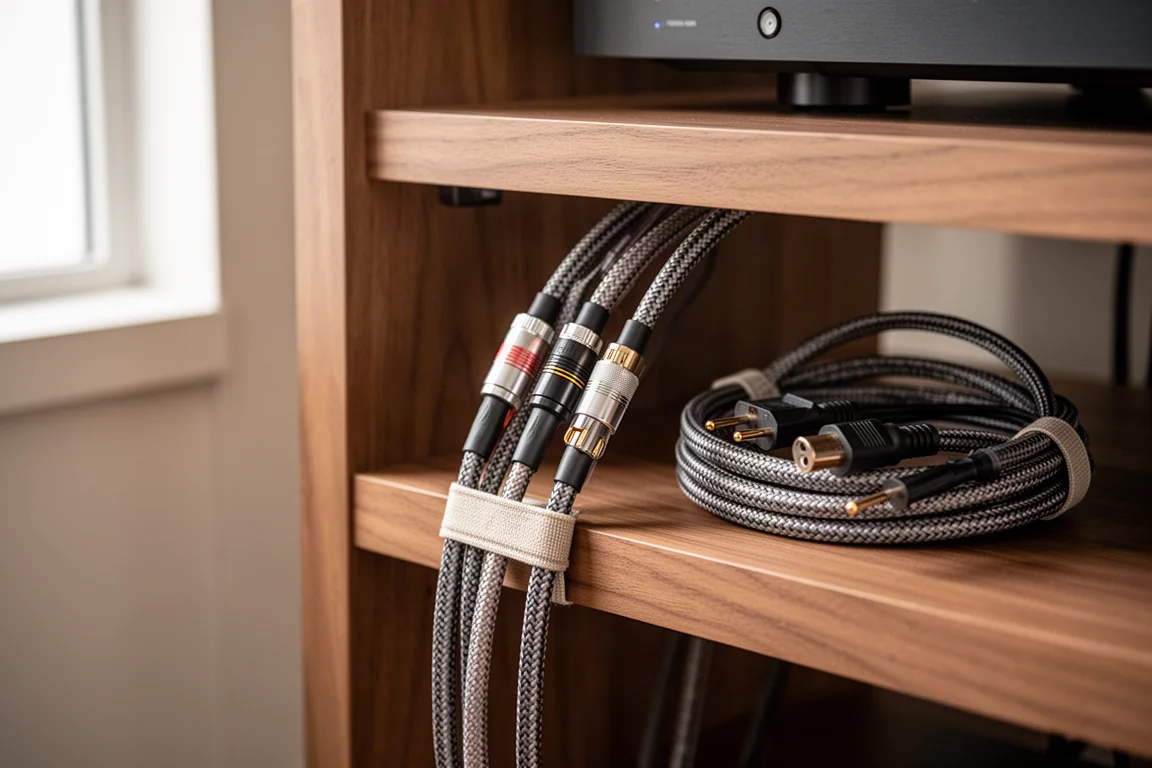
Balanced outputs are the more useful option in a system at this level, since they let the streamer feed the amplifier cleanly over longer cable runs. The optical output, meanwhile, means the EXN100 can also act as a transport feeding the JNOG or another external converter, which is a flexible way to get two roles out of one box.
At $1,800 it is the second most expensive digital component here, and it is the point at which the build stops being a modest upgrade and starts being a serious system.
The Speakers: SVS Ultra Evolution
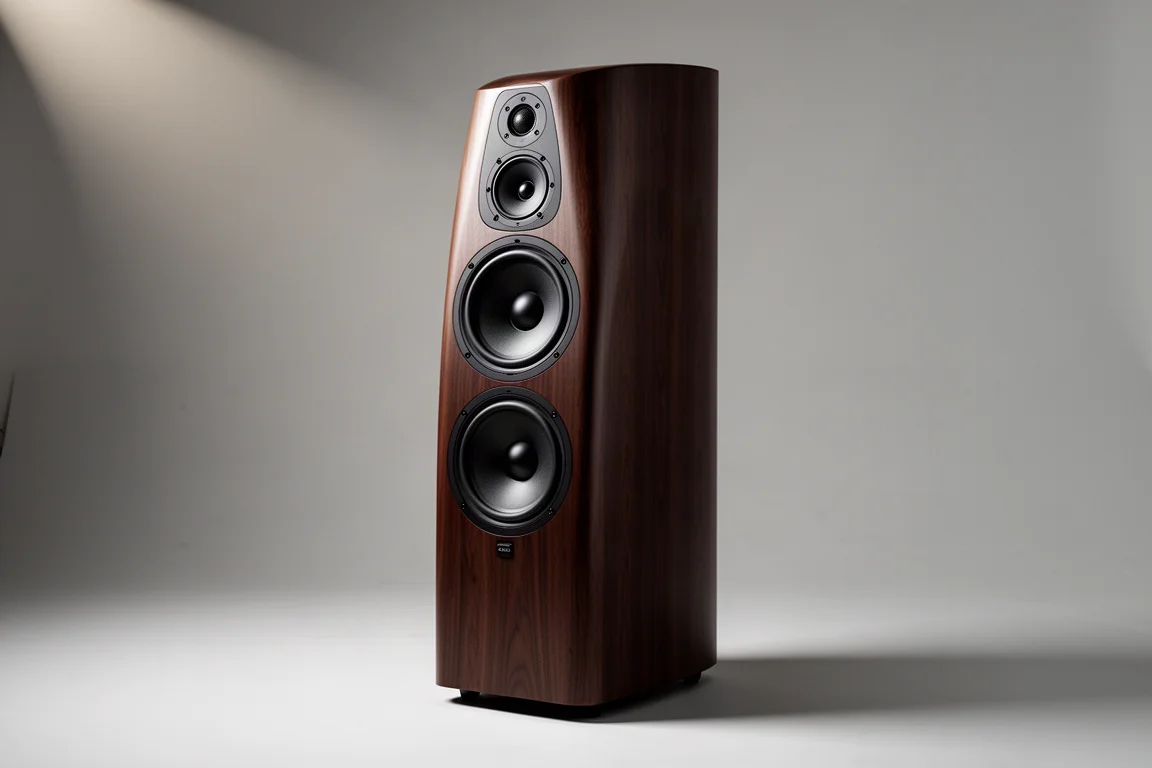
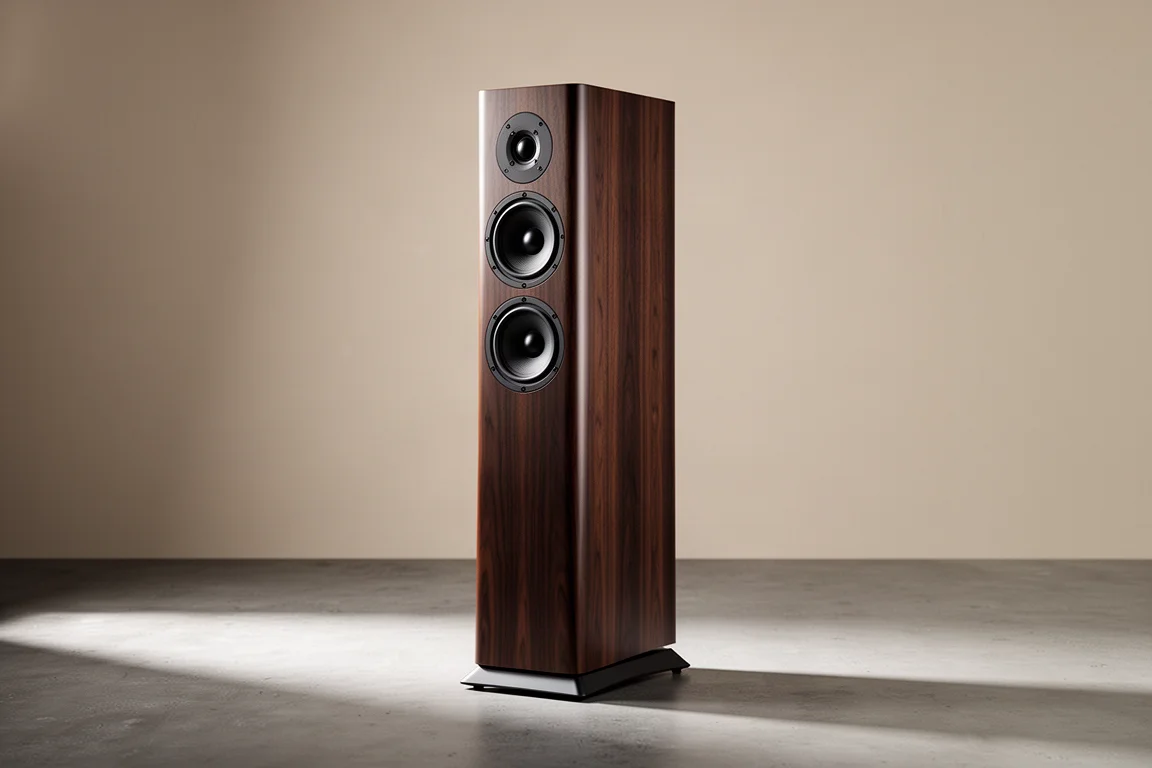
The Ultra Evolution tower is the largest single line item at $5,000, and it is built around four 8-inch woofers: two on the front baffle and two on the back. The front baffle is curved for time alignment, the kind of detail that separates a serious tower from a large box with drivers bolted into it.
If $5,000 is more than you want to commit, the same series scales down. There is a 6.5-inch version with four woofers at $4,000, and a smaller 5.25-inch model further down the line, so the family offers more than one entry point rather than forcing a single price.
The Alternative: Acoustic Energy AE250
The AE250 is the other floorstanding option in the same price region, at around $5,000. It is not a budget substitute for the SVS towers; it is a genuine parallel choice, which is why the two belong side by side in a build like this.
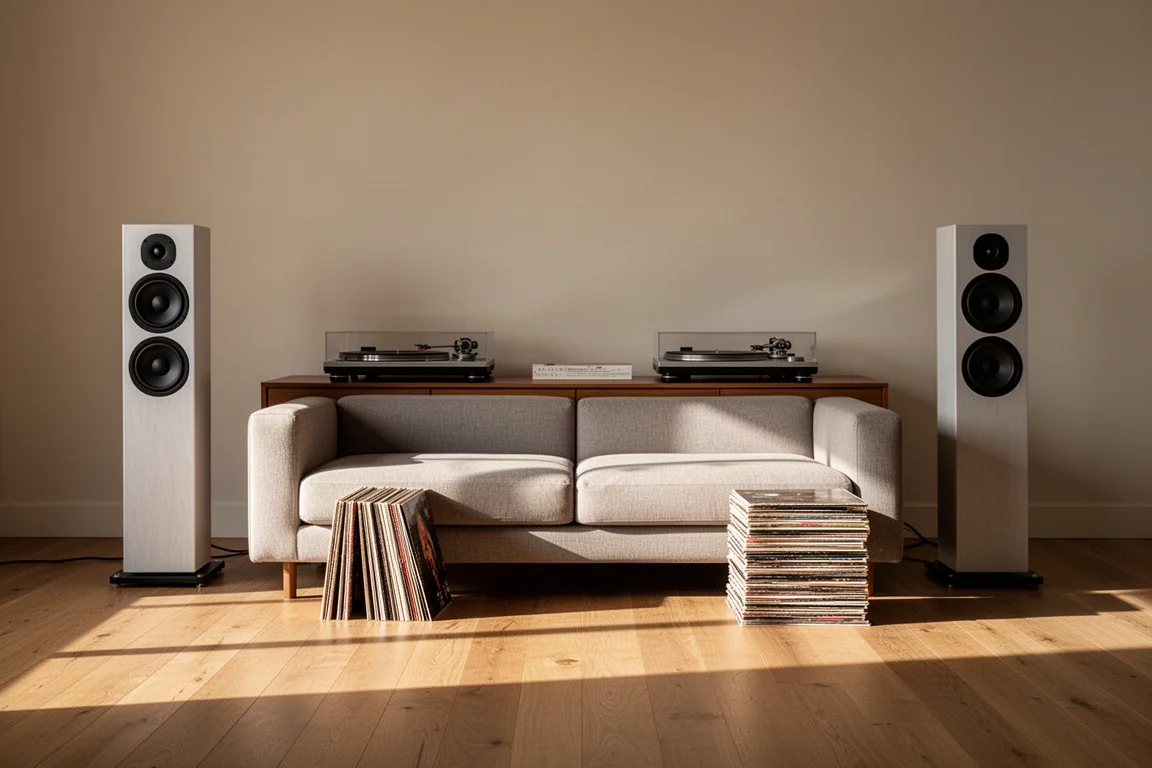
Choosing between two speakers at the same price comes down to the room and the listening you actually do, not the specification sheet. Both are full-size floorstanders intended to be driven by a capable amplifier, and the A12 Classic has more than enough control on tap to work with either.
The Turntable: Michell Gyro SE
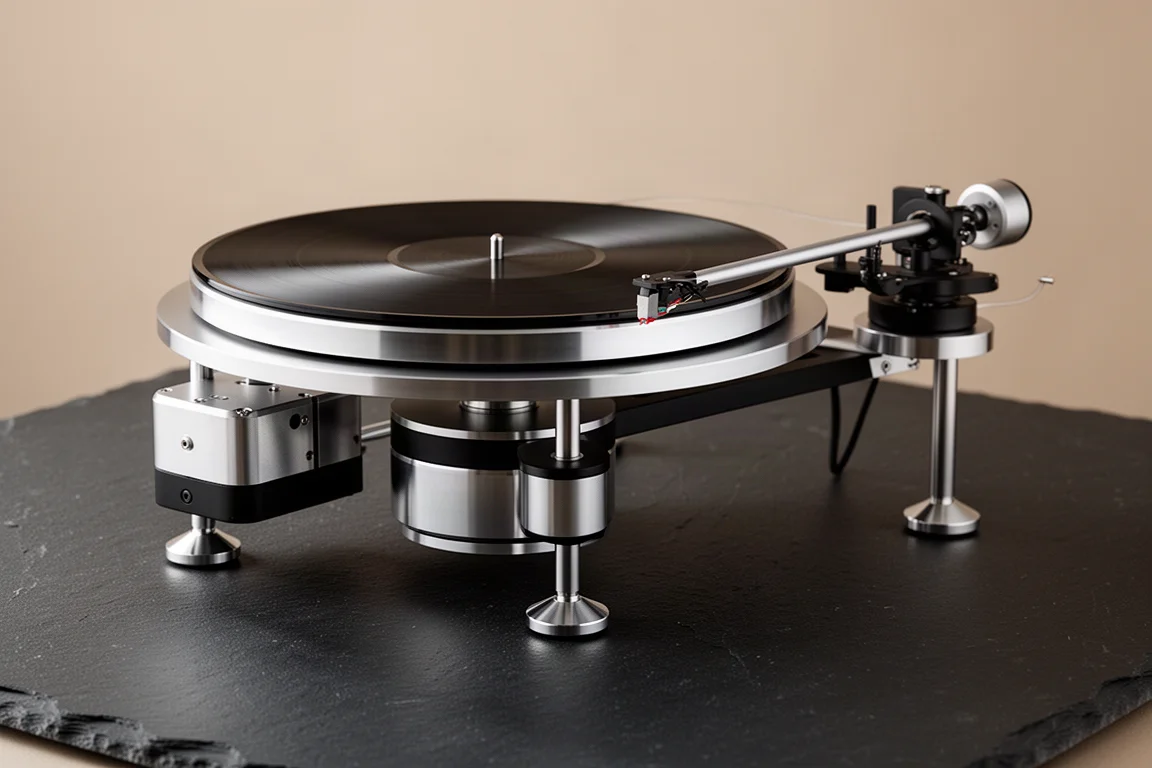
The last piece is the turntable, and it is where the build stops pretending to be sensible. The Gyro SE is a premium deck chosen without a price ceiling, which is why it is the component most likely to push a system well beyond the figures above.
Adding it to the amplifier, DAC, streamer and speakers is what takes this build from a well-chosen digital system into a genuine two-source setup, with vinyl and streaming sharing the same amplification and the same pair of speakers.
Buying Advice: What This System Actually Costs
Add the numbers up and the shape of the system becomes clear. The amplifier is $3,799, the DAC around $1,679, the streamer $1,800 and the speakers $5,000, which puts the core system at roughly $12,300 before a turntable is added. With a premium deck included, the build climbs toward $20,000.
If you are building something similar on a smaller budget, the order of priority is fairly obvious. The amplifier and the speakers define the system and are worth spending on first. The DAC is the cheapest meaningful improvement and the one that fixes a known weak point. The streamer can wait, and a turntable should only enter the plan once the rest of the chain is settled, because it is the piece most likely to consume whatever budget remains.
It is also worth remembering that the A12 Classic can serve as a preamp and includes a subwoofer output, so the amplification does not need to be replaced as the system grows around it.
Conclusion
A no-compromise system is not one where every component is the most expensive option available. It is one where each part does its job properly and nothing in the chain holds the rest back. Here that means a dual mono amplifier with room to grow, an affordable DAC that fixes the weakest link, a flexible streamer with both analogue and digital outputs, a pair of towers that take the largest share of the budget, and a turntable chosen on merit rather than price. The total is high, but every part of it has a specific job.
Further reading
Related Reviews
Hi-Fi Audio
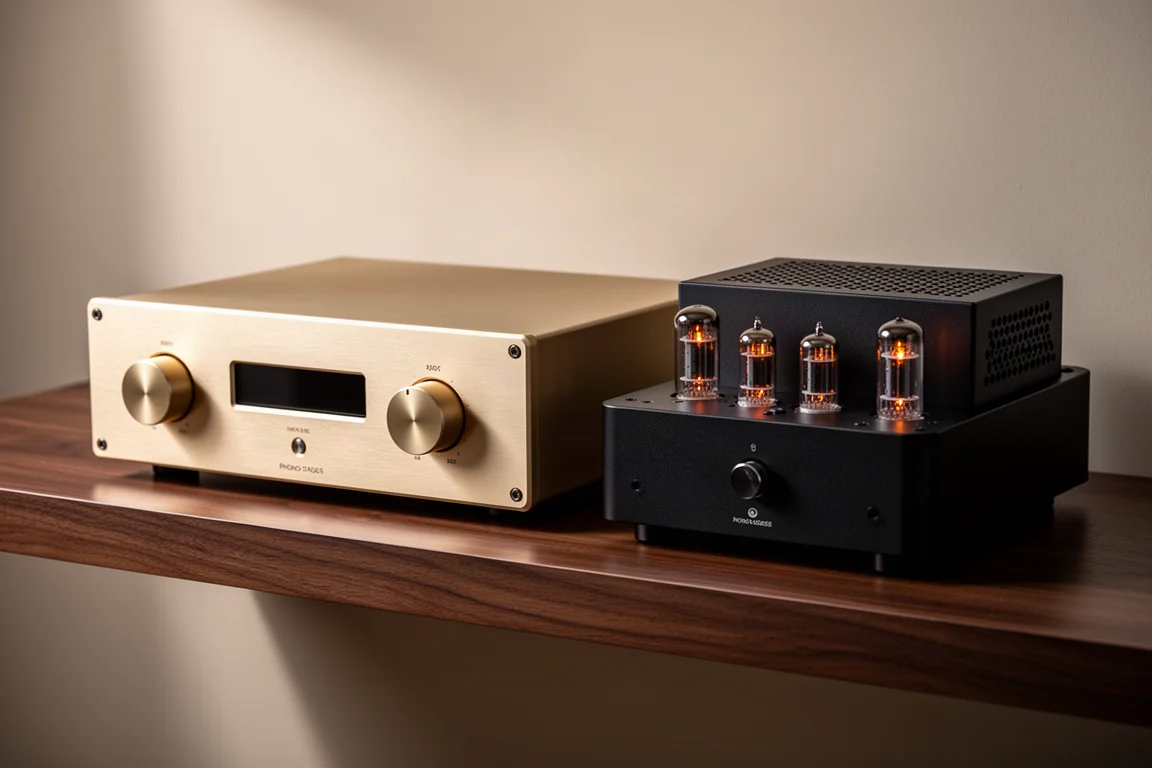
Accuphase C-57 vs Allnic H-7000V: Two High-End Phono Stages Compared
A fully balanced solid-state phono stage with a pitch-black noise floor meets a tube design built for well-loved records. Here is how to choose between them.
Hi-Fi Audio
Active vs Passive Hi-Fi: Five Components for a Modern System
Five components that define modern active and passive hi-fi systems, with the strengths, trade-offs and setup details worth weighing before you buy.
Hi-Fi Audio
Advance Paris A10 Apex Review: A Hybrid Integrated Amplifier That Covers a Lot of Ground
A French hybrid integrated amplifier with a class A tube preamp stage, analogue power meters, and an internal DAC and phono stage good enough to make extra boxes unnecessary.