Hi-Fi Audio
Building a Hi-Fi System $100 at a Time: 15 Components Worth Saving For
A practical plan for assembling a long-term two-channel system $100 at a time, with amplifier, streamer, DAC, and speaker options around the $1,200 mark.
Introduction
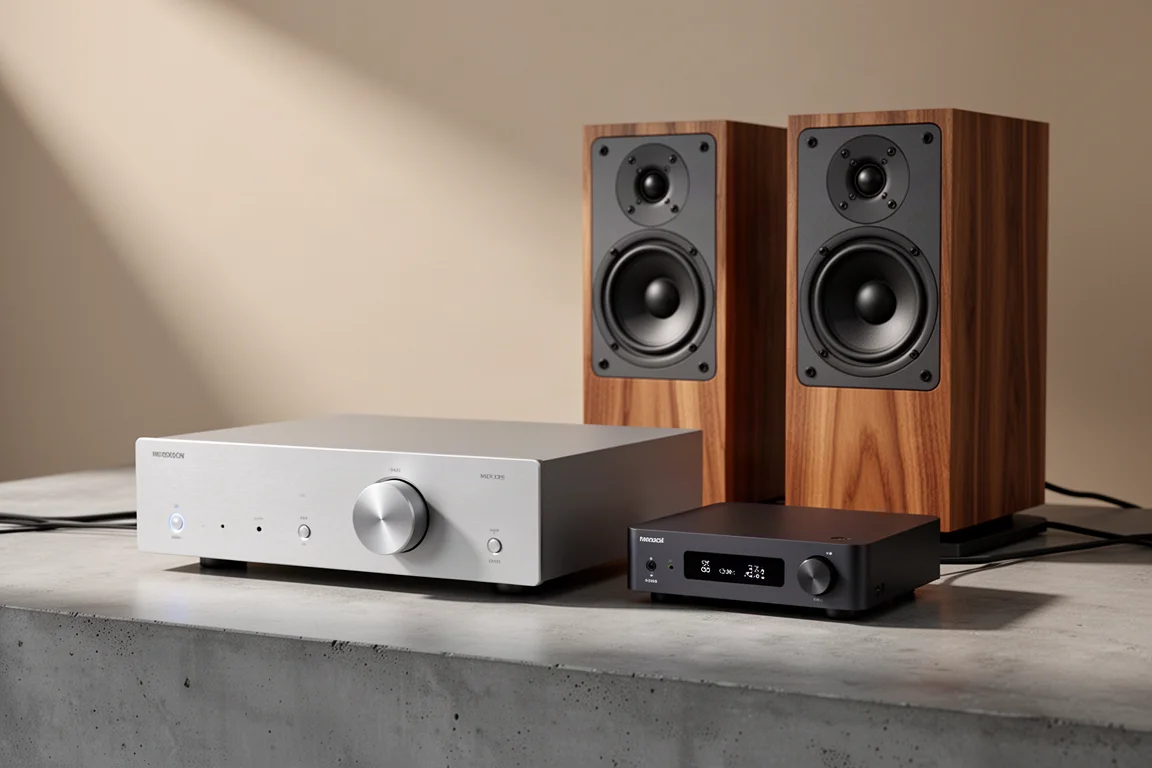
Building a genuinely good two-channel system does not have to happen in one purchase. It can be assembled one component at a time, at roughly $100 a month. Over a year that comes to about $1,200, and $1,200 is a practical target: it is the level where serious equipment starts to become available, and roughly where diminishing returns begin to set in somewhere between $1,000 and $2,000. Not every product at that price is automatically a good choice, so research still matters, but four well-chosen components at this level can form a system that stays satisfying for years.
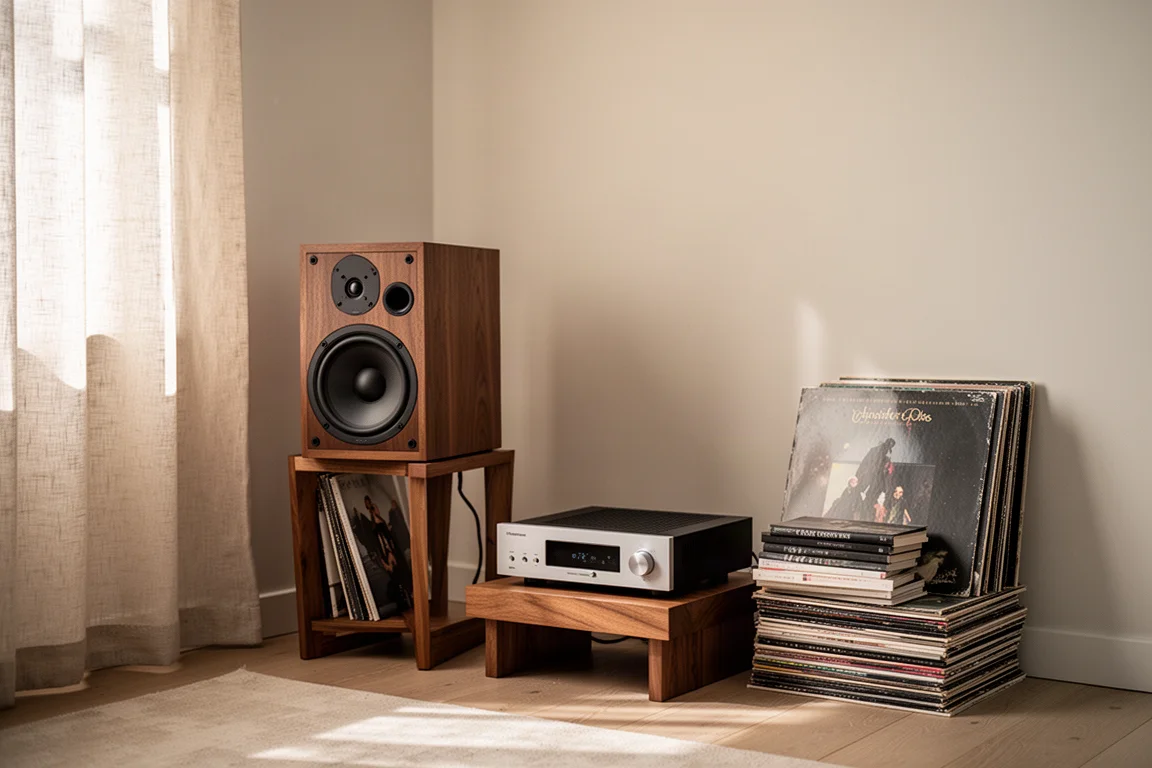
The trade-off is time. This approach depends on delayed gratification, a written plan, and a willingness to ignore the constant pull of the next new thing. It also depends on being honest about what you already own and what you actually need.
The payoff is a system built deliberately, with each purchase earning its place, rather than a collection of impulse buys that never quite gels.
How the $100-a-Month Plan Actually Works
There are two levers: bringing money in and stopping money from leaking out. The first is easier than most people expect. Look around the house for things that are no longer used. Many households are sitting on a few hundred dollars, sometimes considerably more, in forgotten gear, tools, and collectibles. Selling those items individually rather than as a single lot is usually worth the extra effort. A box of old toys and collectibles, sold one piece at a time with their original accessories, can fund a first component outright.
The second lever is spending. Review a bank statement and look at the small, repeated purchases. Redirecting a few dollars a day toward the system is a tangible decision, and every one of those decisions is a vote for the system rather than for short-term gratification.
Buying smart matters just as much. Products with decent resale value protect the money you put in, and buying used after the initial depreciation has passed, while the model is still current, stretches the budget further. Trade-in outlets are another route: they are more likely to accept gear from higher-tier brands than entry-level components, which means a well-chosen used purchase can later be traded toward something better.
None of this means budget gear is off the table. For listeners who cannot set aside $100 a month, or who are starting from nothing, there are excellent starter systems at far lower totals. This plan is simply for those who want to push further and are willing to wait.
Integrated Amplifiers Around the $1,200 Mark
An integrated amplifier is the simplest way to start. One box handles source switching, volume, and power, which keeps the system small and the cabling manageable.
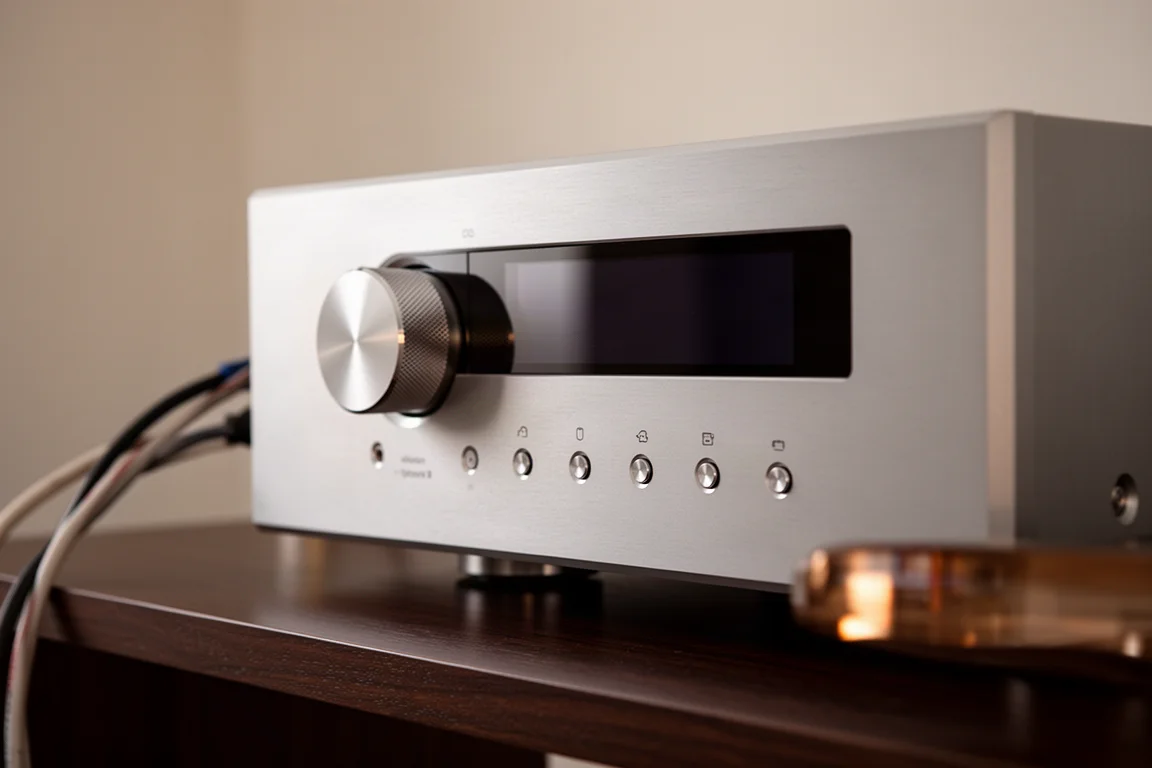
If you would rather split those jobs, a power amplifier plus a separate volume control is the alternative, and it is covered further down. For most first systems, though, an integrated amplifier is the more sensible purchase.
Cambridge Audio CXA81 Mk I
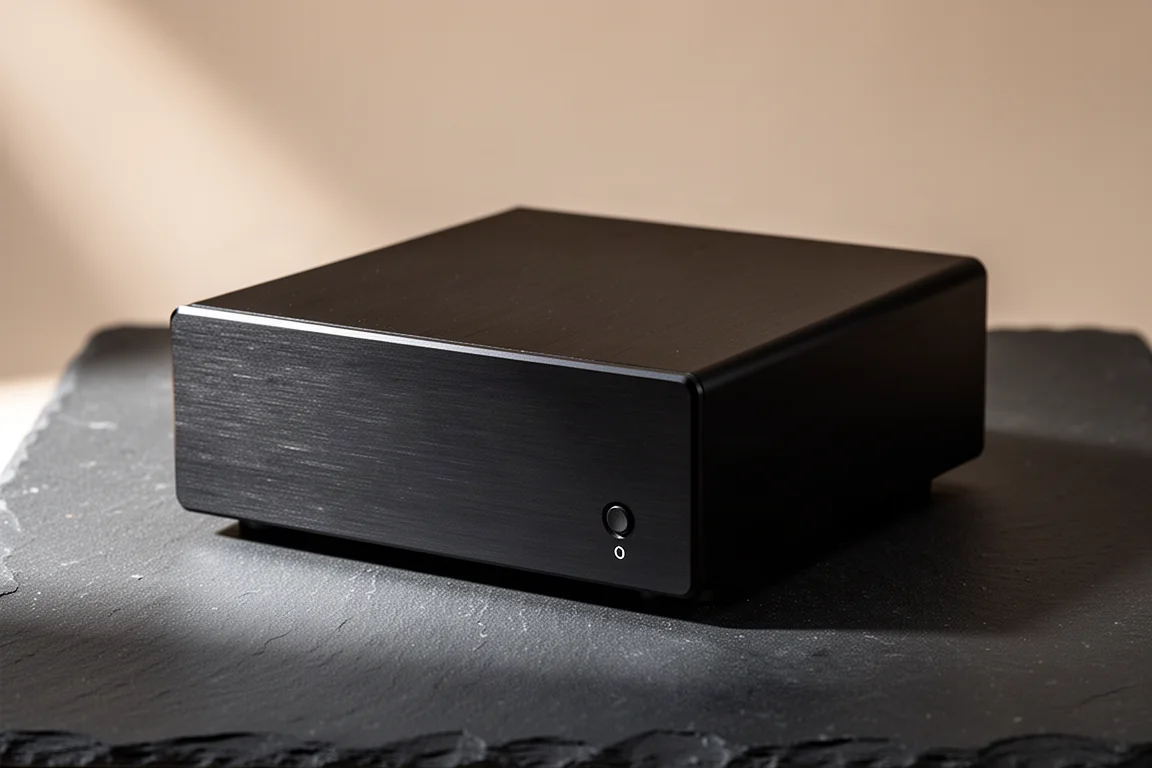
The CXA81 Mk I is a straightforward recommendation at this price point. It sits around the $1,200 target, which makes it a natural anchor for a system built on this plan, and it keeps the signal path inside a single chassis.
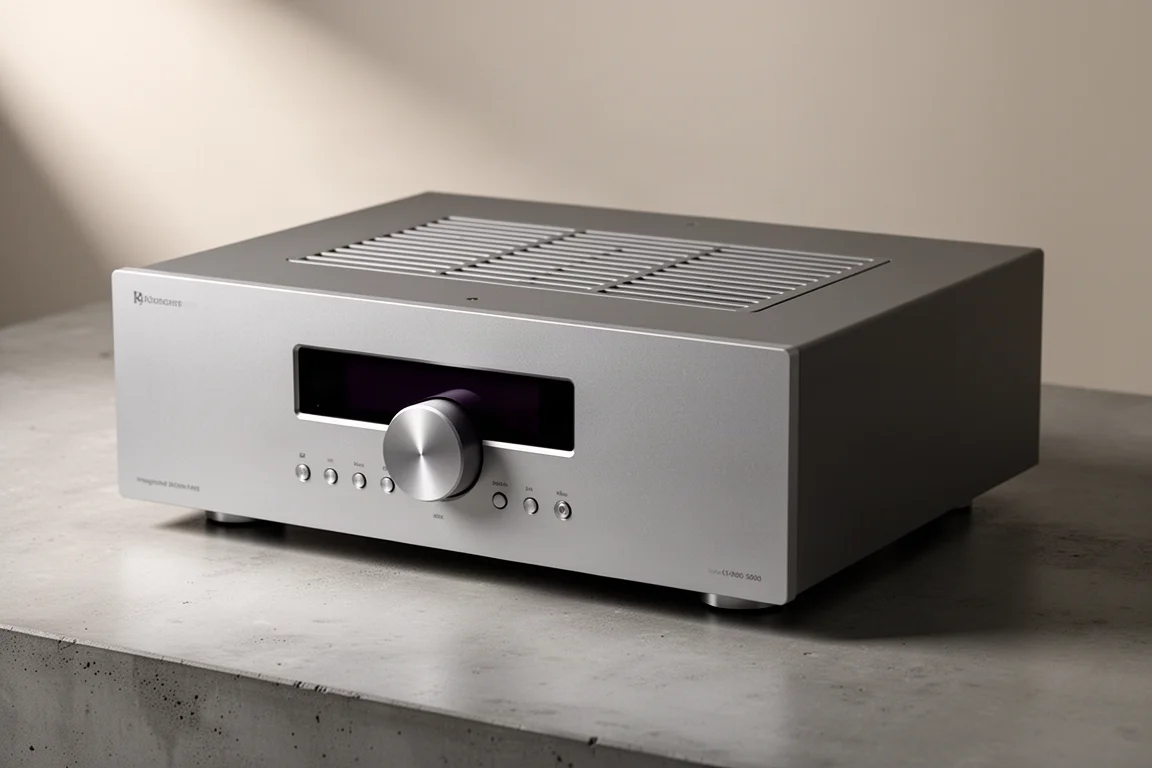
Advance Paris A10 Classic
The A10 Classic sits above the $1,200 target, landing closer to $2,000 to $2,500. It is worth knowing about because it is one of the integrated amplifiers that stands out enough to justify saving longer. The brand also offers a power amplifier with VU meters positioned in the same higher bracket.
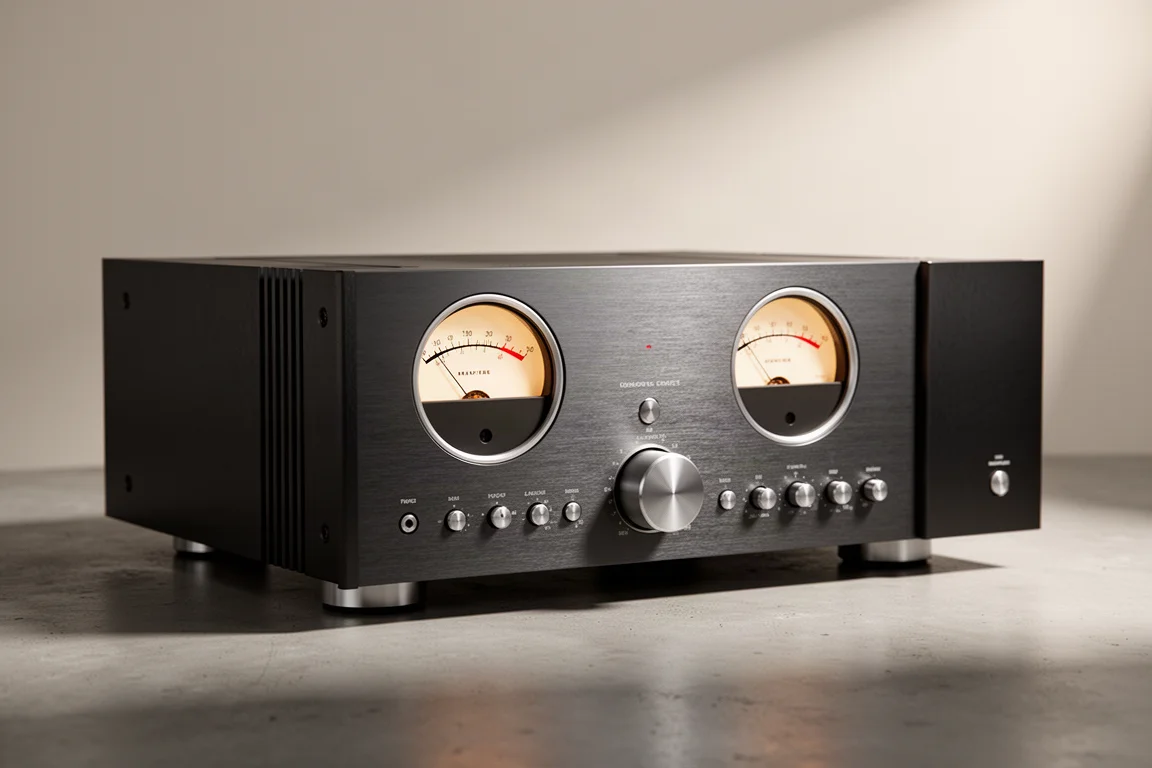
Unison Research Unico Primo
The Unico Primo occupies the same higher bracket, roughly $2,000 to $2,500, and is the other integrated amplifier that consistently rises above the rest. For a system built one $100 month at a time, it represents the kind of destination component that makes the waiting worthwhile.
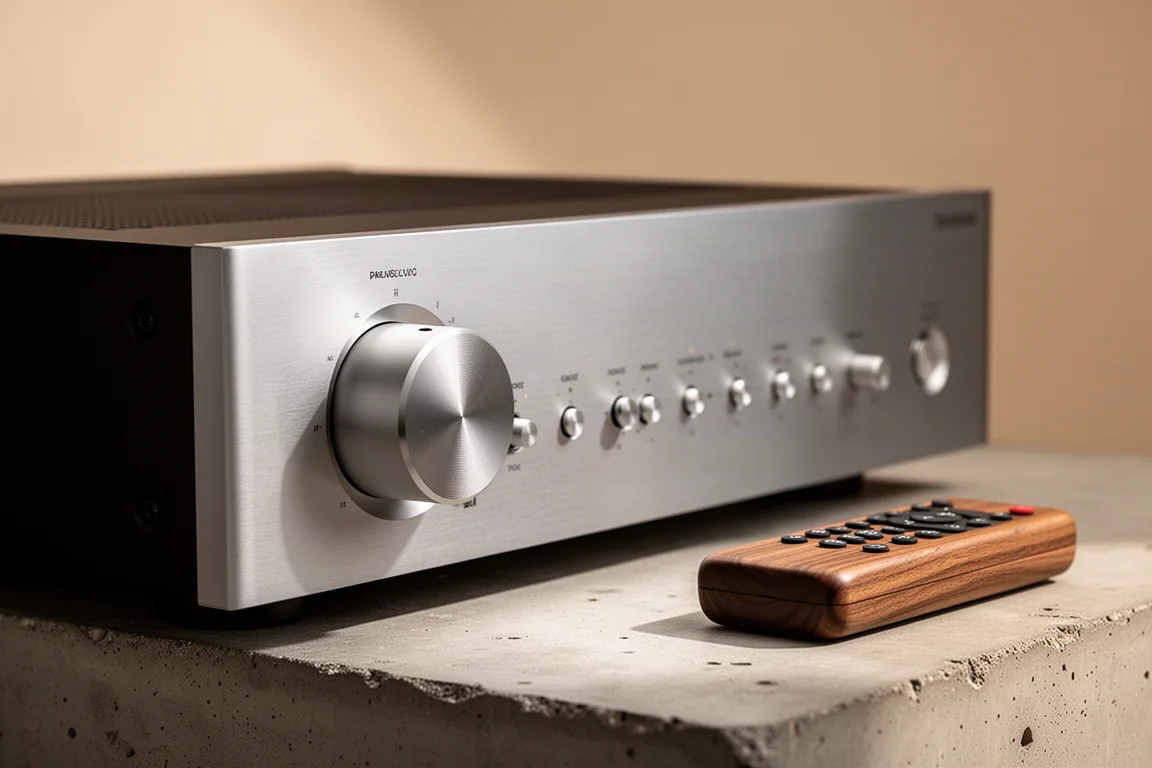
Power Amplifiers and Preamp Control
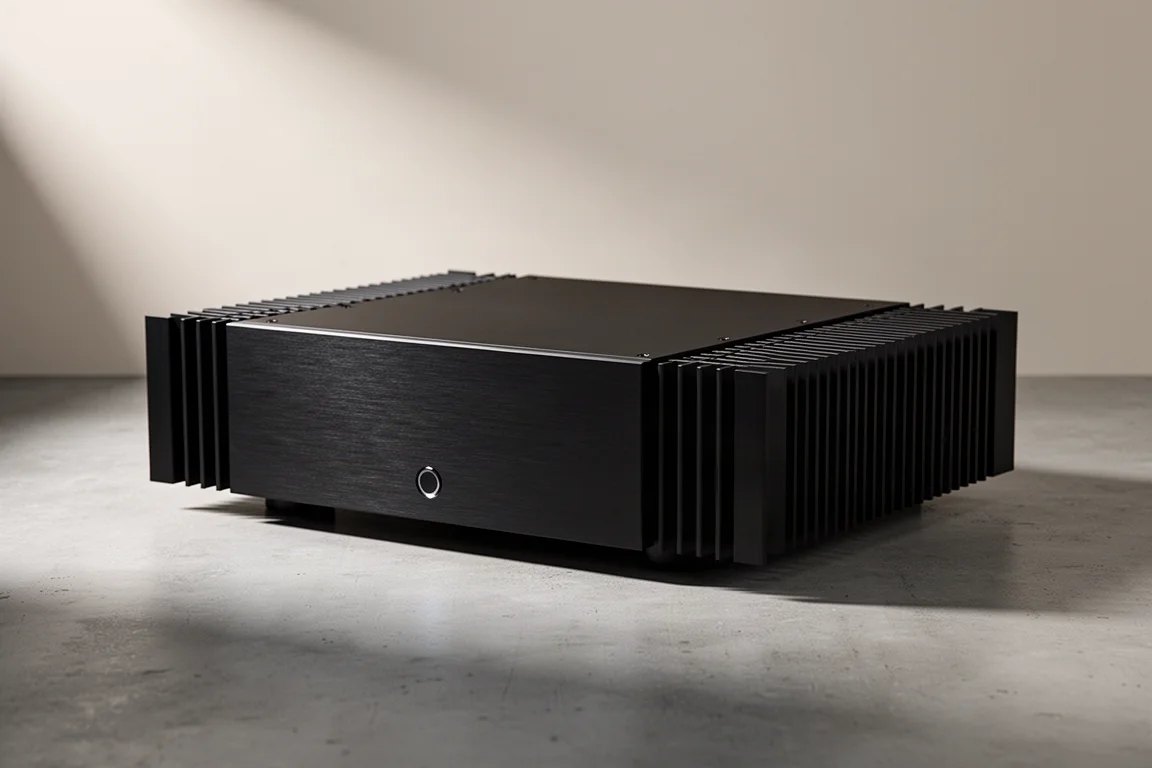
Choosing a power amplifier instead of an integrated model means you will need something to control volume. A streamer such as the WiiM Ultra can do it, and some DACs include volume control as well. That extra step is the main practical difference between the two routes.
Emotiva XPA Gen3
The XPA Gen3 is a two-channel power amplifier that comes in around $1,200. It pairs with a volume-capable source rather than handling volume itself, so it suits listeners who already plan to run a streamer or a DAC with variable output.
Streamers and Digital Sources
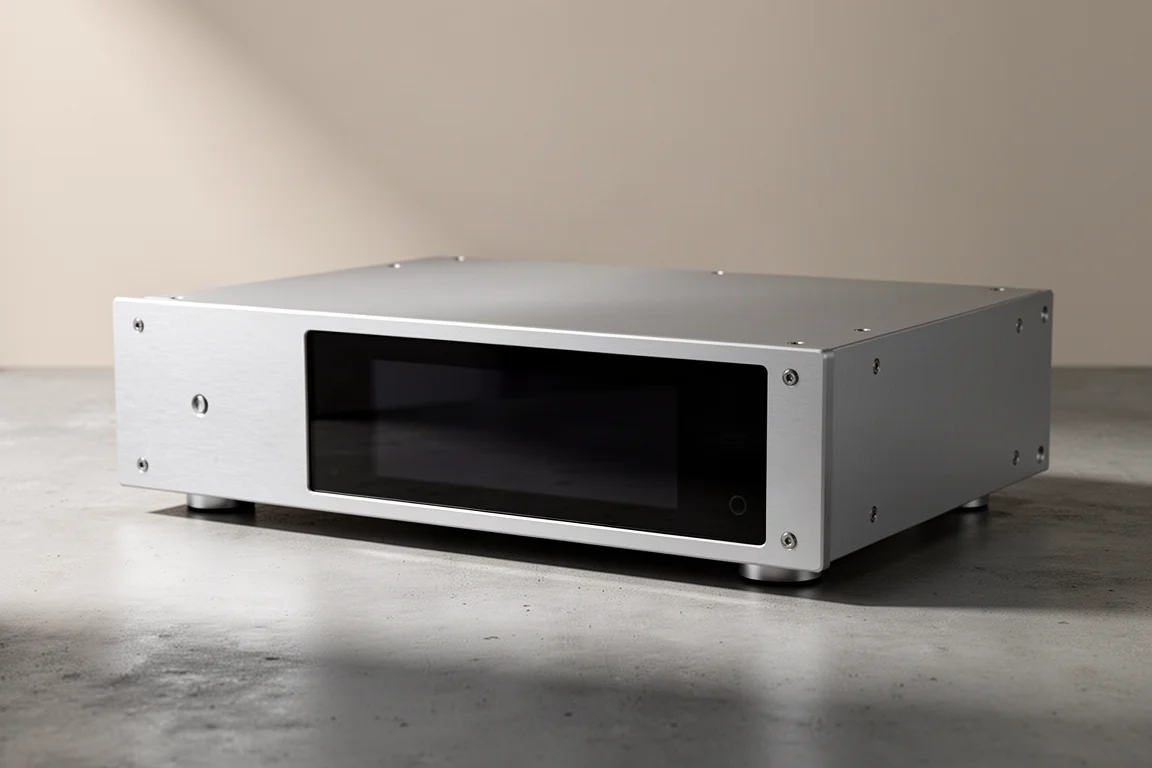
The streamer is where a lot of systems are won or lost. The most useful rule here is to put more money into the DAC than into the streamer. A capable streamer with strong clocking can then act as a transport for a better converter, and there is a low-cost workaround for streamers whose timing is not as strong.
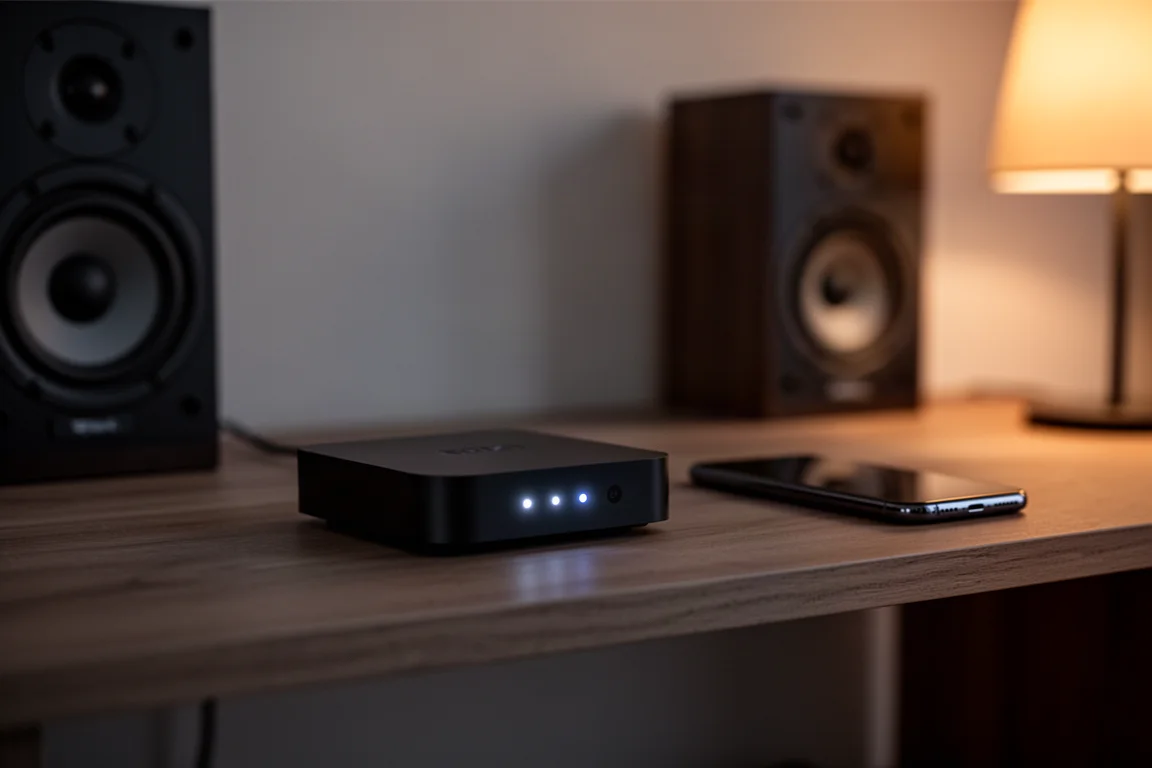
That workaround is a small USB device placed between the streamer and the DAC, covered in the next section. It is a practical way to improve a modest streamer without replacing it.
Cambridge Audio CXN100
The CXN100 is the streamer to look at first. Its internal clocking is strong, which means it works well as a transport feeding an external DAC. If you plan to spend around $1,000 on a converter, pairing it with the CXN100 is a sensible split of the budget.
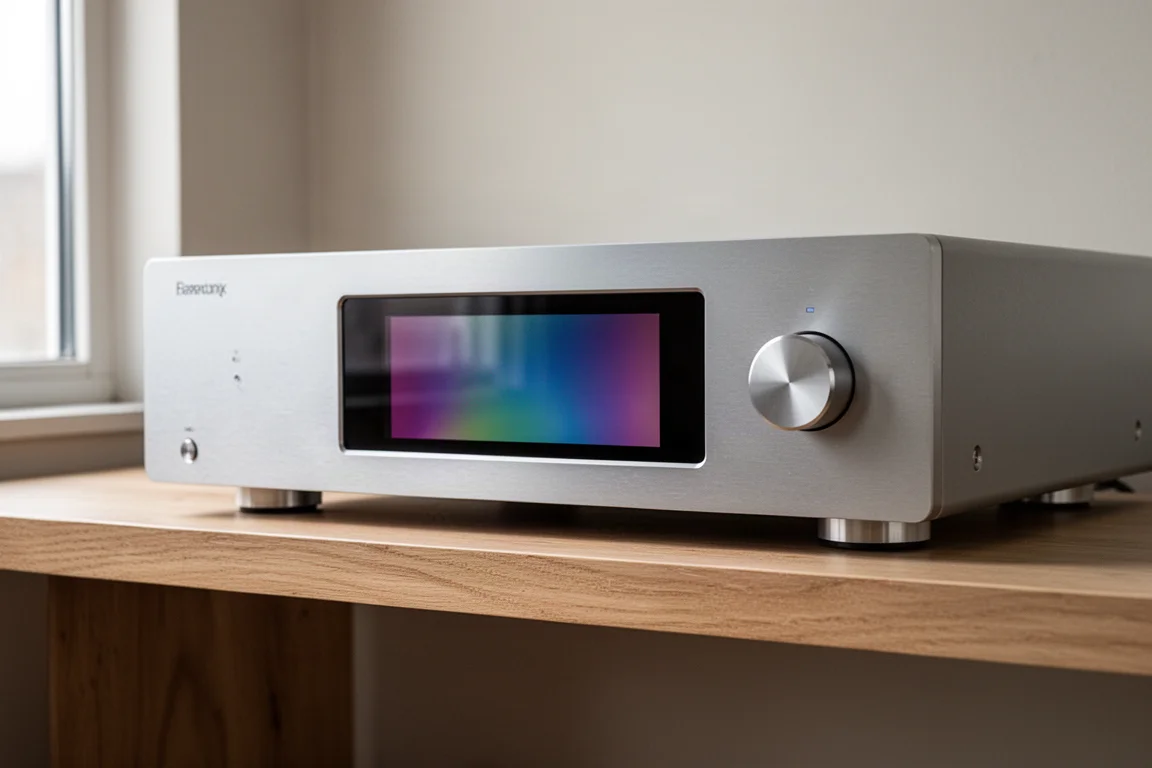
Cambridge Audio EXN
The EXN is the step-up option from the same brand and is considered the better of the two. It makes most sense if the streamer itself is going to carry more of the system, rather than serving purely as a transport.
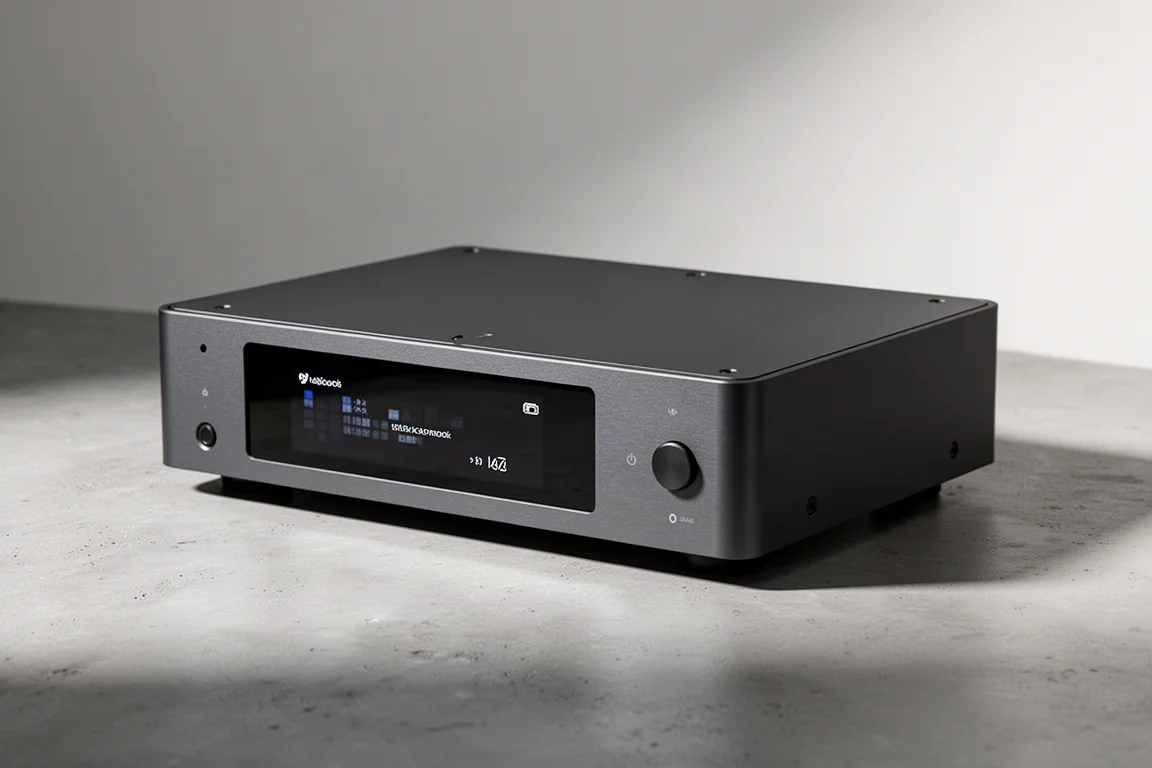
WiiM Ultra
The WiiM Ultra is the value pick. It can handle volume control, which makes it a good partner for a power amplifier, and its USB output can be paired with a small reclocker to address timing concerns. That combination gives a lot of flexibility for the money.
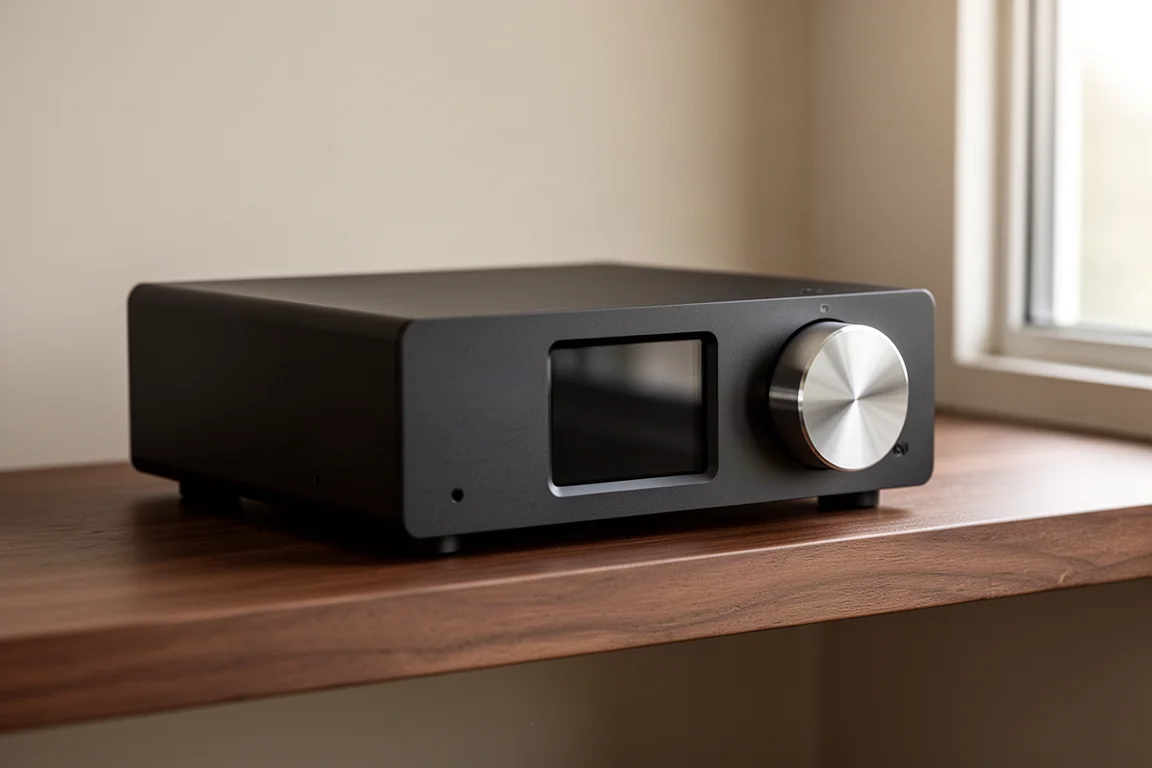
EverSolo DMP-A6
The DMP-A6 is a sonically strong option whose main drawback is its Android-based interface. If you are comfortable with that interface, it is a genuinely good choice.
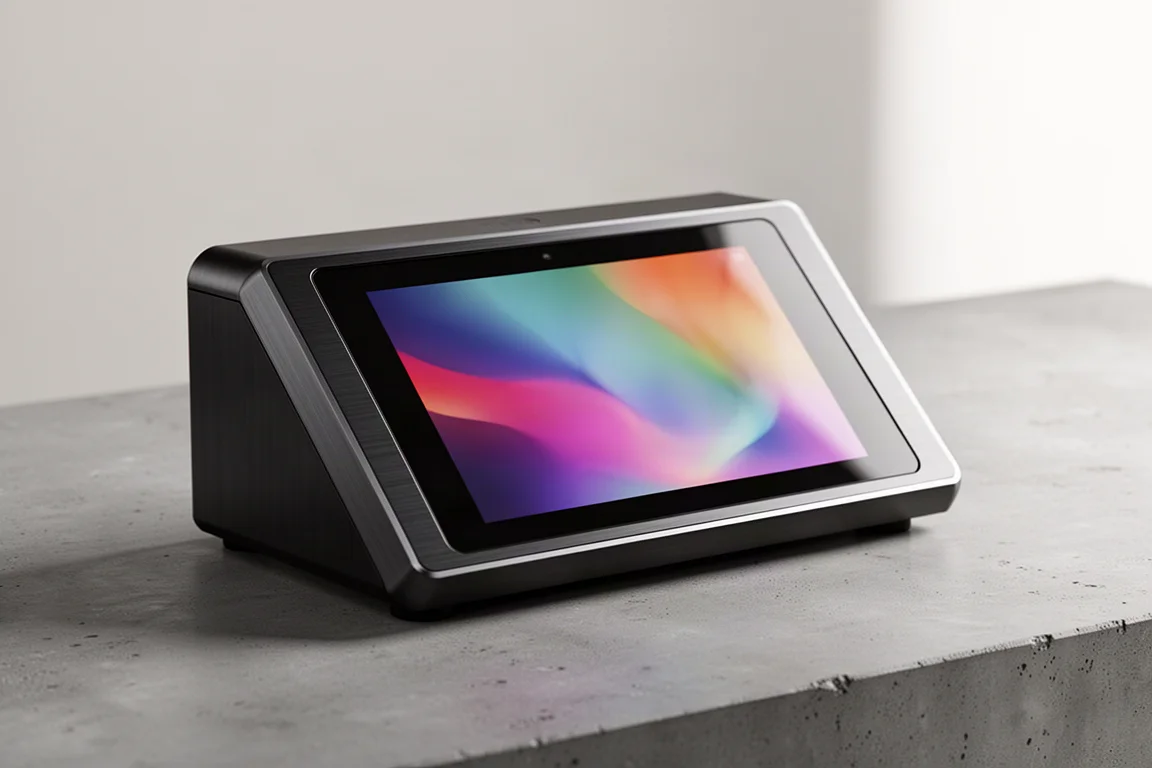
EverSolo DMP-A8
The DMP-A8 is the higher model in the same family, with the same interface trade-off. It suits listeners who want to step up within the EverSolo range.
DACs and Digital Cleanup
If the streamer is the transport, the DAC is where the conversion happens, and this is the place to spend more if you can. A well-chosen converter at around $1,000 pairs naturally with a streamer such as the CXN100.
Denafrips Ares
The Ares is the roughly $1,000 converter that fits this approach. Combined with a streamer used as a transport, it lets the budget go where it has the most effect.
SMSL PO100
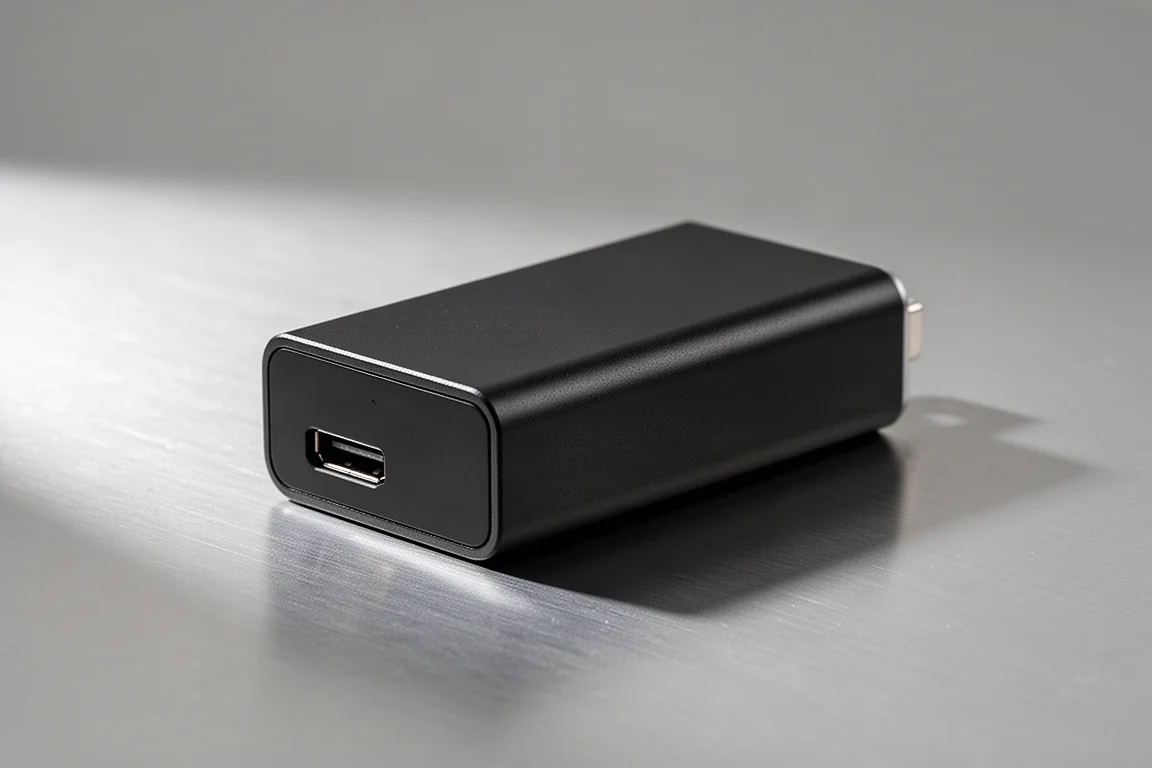
The PO100 is the small USB device mentioned earlier. Run USB out of the WiiM Ultra into the PO100, then into the USB input of a DAC, and many of the timing issues associated with the streamer are addressed. It is a modest addition with a clear purpose.
Speakers: Bookshelf and Floorstanding Options
Speakers are the hardest part of the plan, because the differences between models matter more than the differences between most electronics. A really good speaker can be found for $1,200 to $1,500, while $2,000 is often treated as the level where a speaker becomes genuinely special.
Sonus Faber Lumina II Amator
The Lumina II Amator is a bookshelf speaker at around $1,500. It suits rooms where a floorstanding cabinet would be too much, while still sitting in the price bracket where speakers start to get interesting.
Q Acoustics 5040
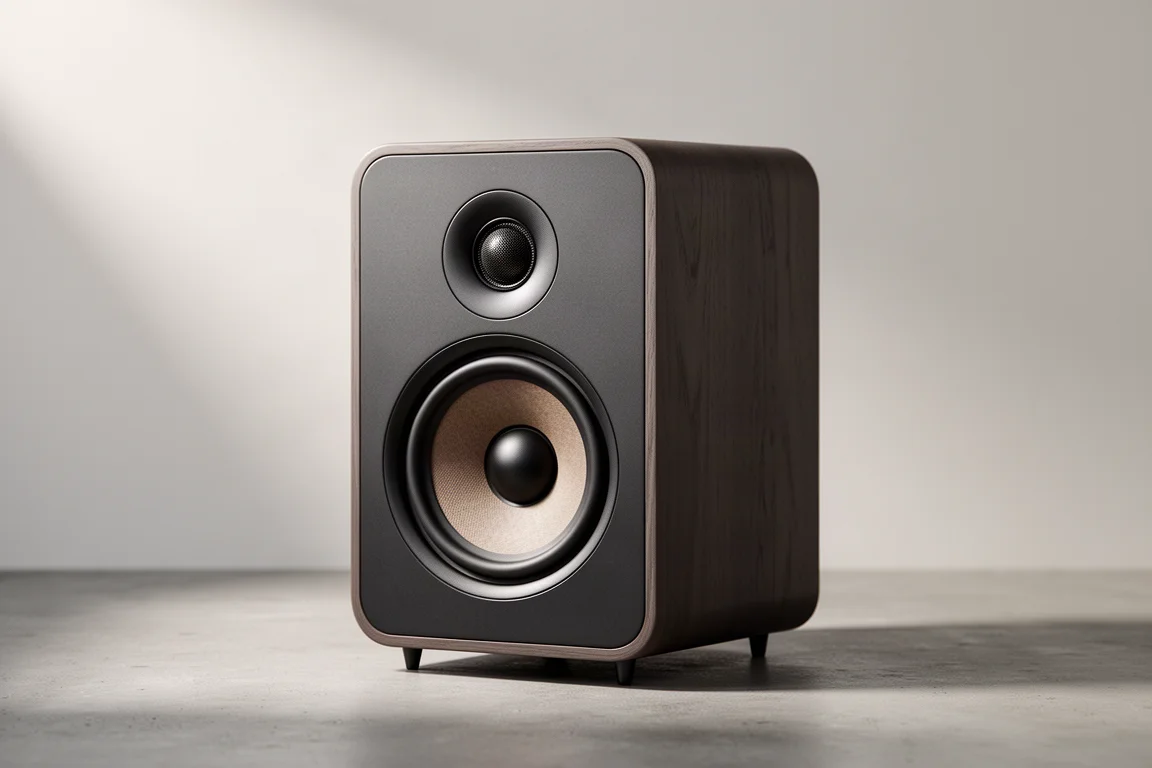
The 5040 is the floorstanding option to consider first. It is a very natural sounding speaker, with an excellent midrange and a good top end, which makes it easy to live with across a wide range of music.
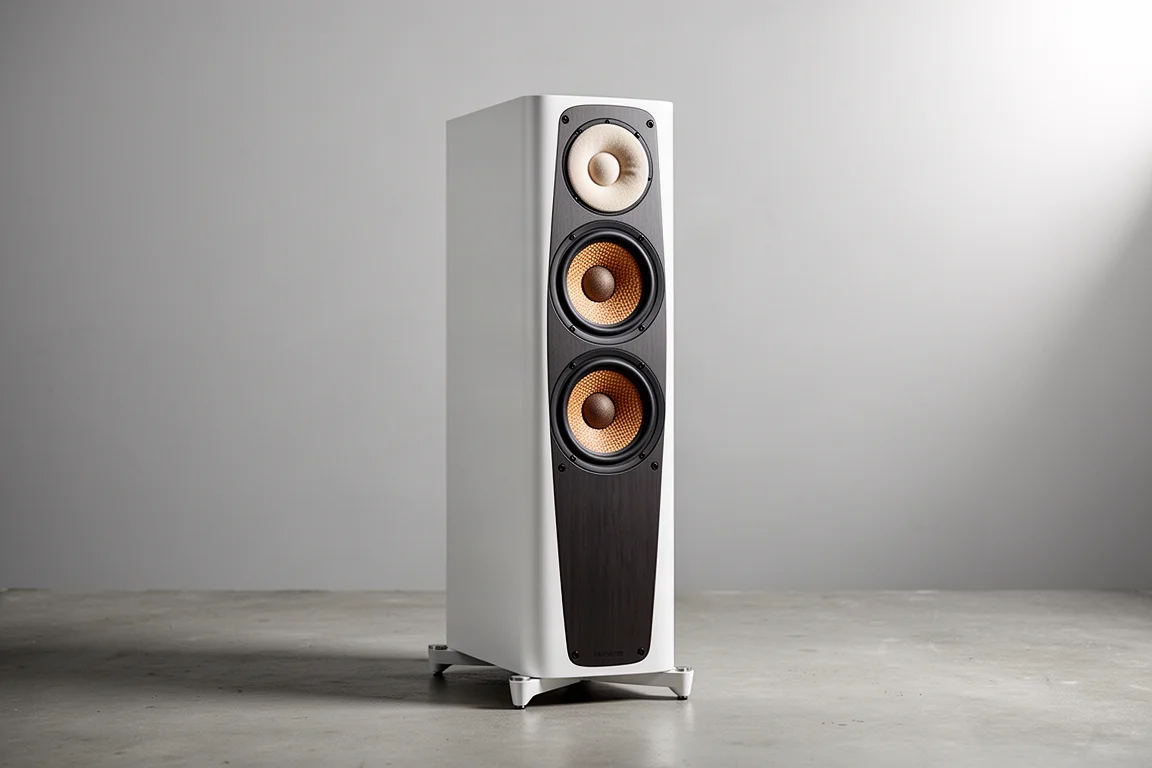
Emotiva XT1
The XT1 uses smaller woofers than the larger Emotiva floorstander, but it still works extremely well, even in a genuinely big room. That makes it an unusually flexible choice for listeners whose space is larger than average.
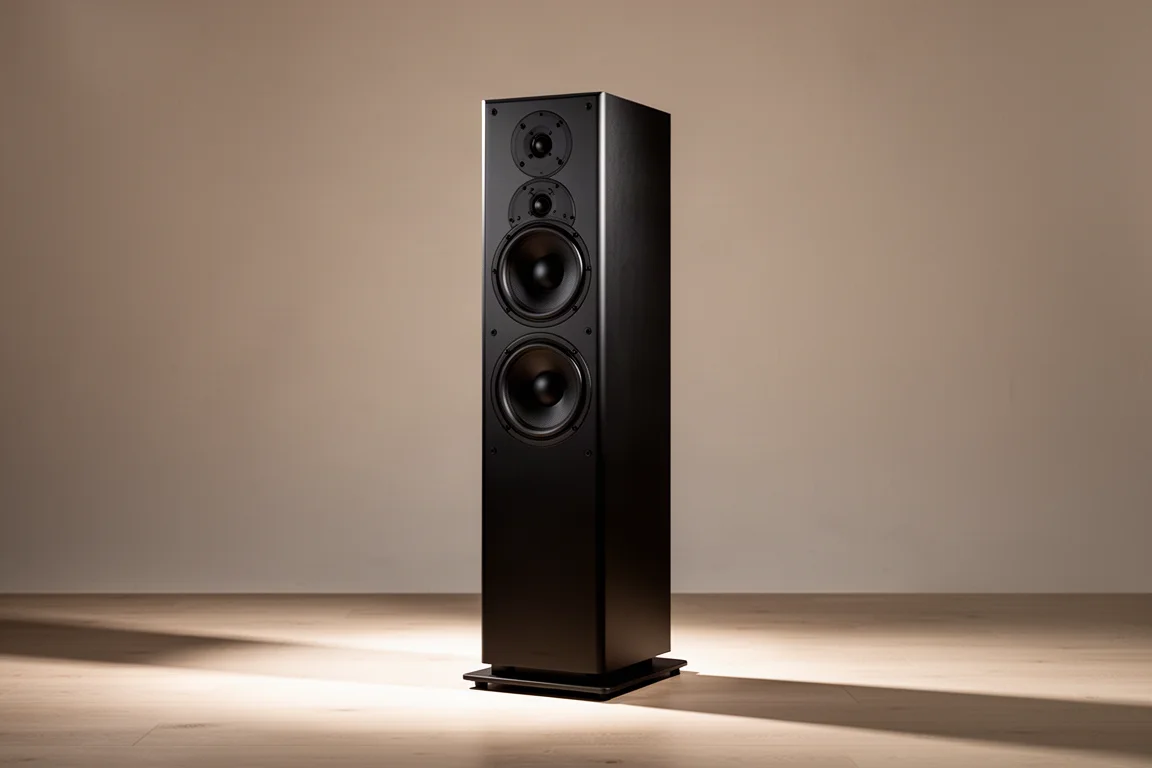
Emotiva XT2
The XT2 is the larger of the two, and Emotiva frequently runs promotions, so it often lands near the $1,200 mark. When the sale price is available, it represents strong value at this level.
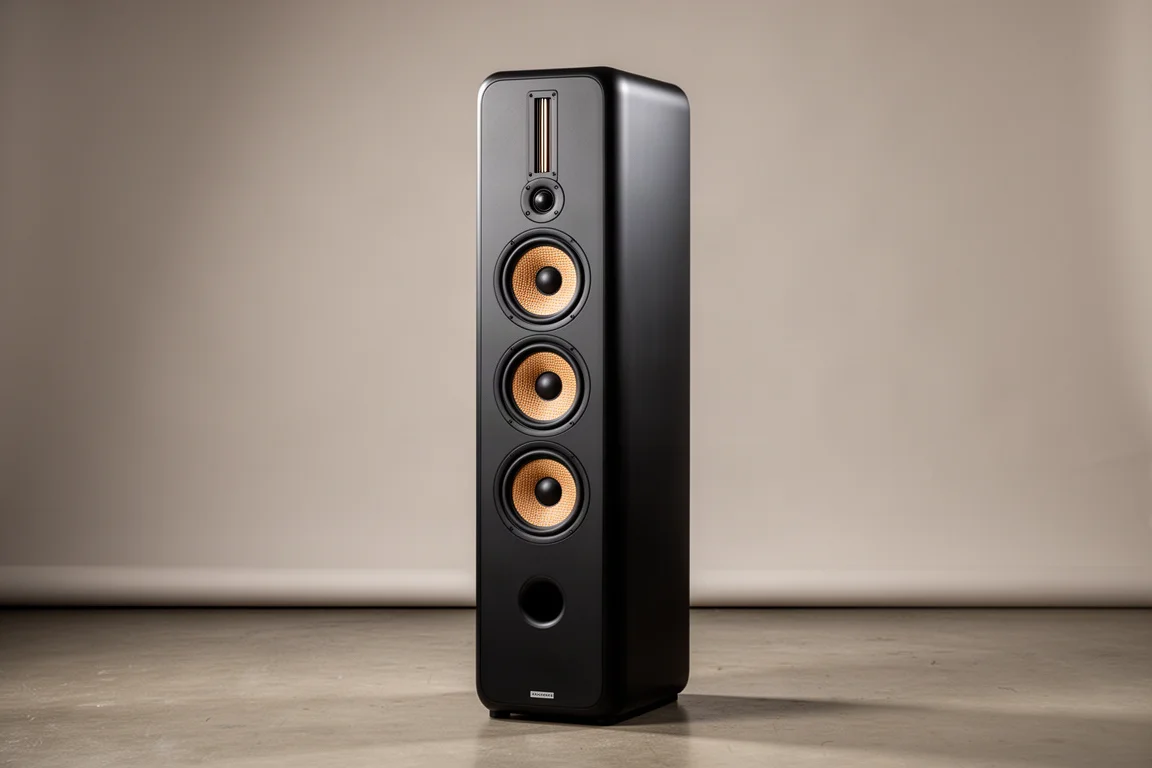
Overall Buying Advice
Start with whichever component you will notice most, and let the rest follow over time. For most listeners that is the speakers, then the amplifier, then the digital source. Buying one good piece a year, rather than several compromised pieces at once, is what makes this plan work.
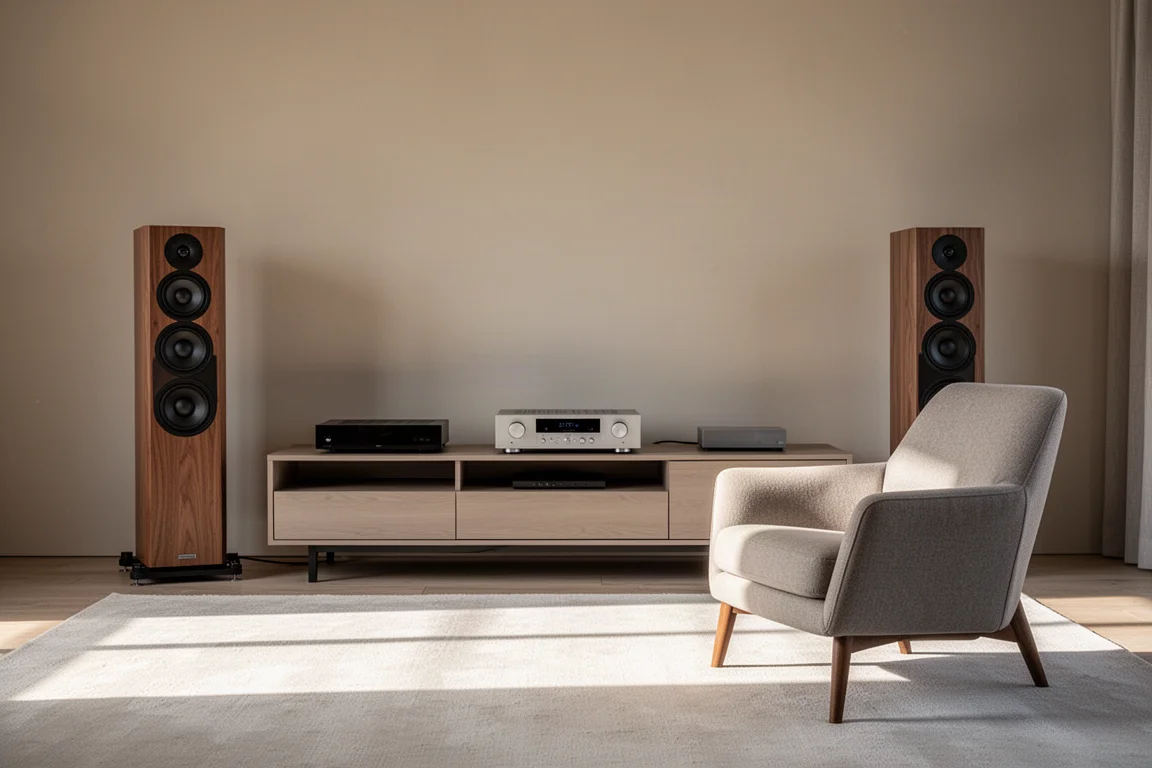
Where possible, buy used after depreciation has passed and choose models that hold value, so a future upgrade is partly funded by what you already own. Selling unused items before you start is the fastest way to bring the first purchase forward.
Finally, be realistic about the total. Four components at roughly $1,200 each is a four-year project at $100 a month. That timeline is the point: it forces choices you will still be happy with later.
Conclusion
A long-term system can be built $100 at a time, and $1,200 per component is a sensible target to aim for. The plan relies on three habits: saving consistently, selling what you no longer use, and buying carefully with resale value in mind. Around that budget, the CXA81 Mk I and the Emotiva XPA Gen3 cover amplification, the CXN100 and the WiiM Ultra cover streaming, the Denafrips Ares and the SMSL PO100 handle conversion and cleanup, and speakers such as the Q Acoustics 5040 or the Emotiva XT1 finish the job. If you can stretch further, the Advance Paris A10 Classic and the Unison Research Unico Primo show where the next step leads.
Further reading
Related Reviews
Hi-Fi Audio
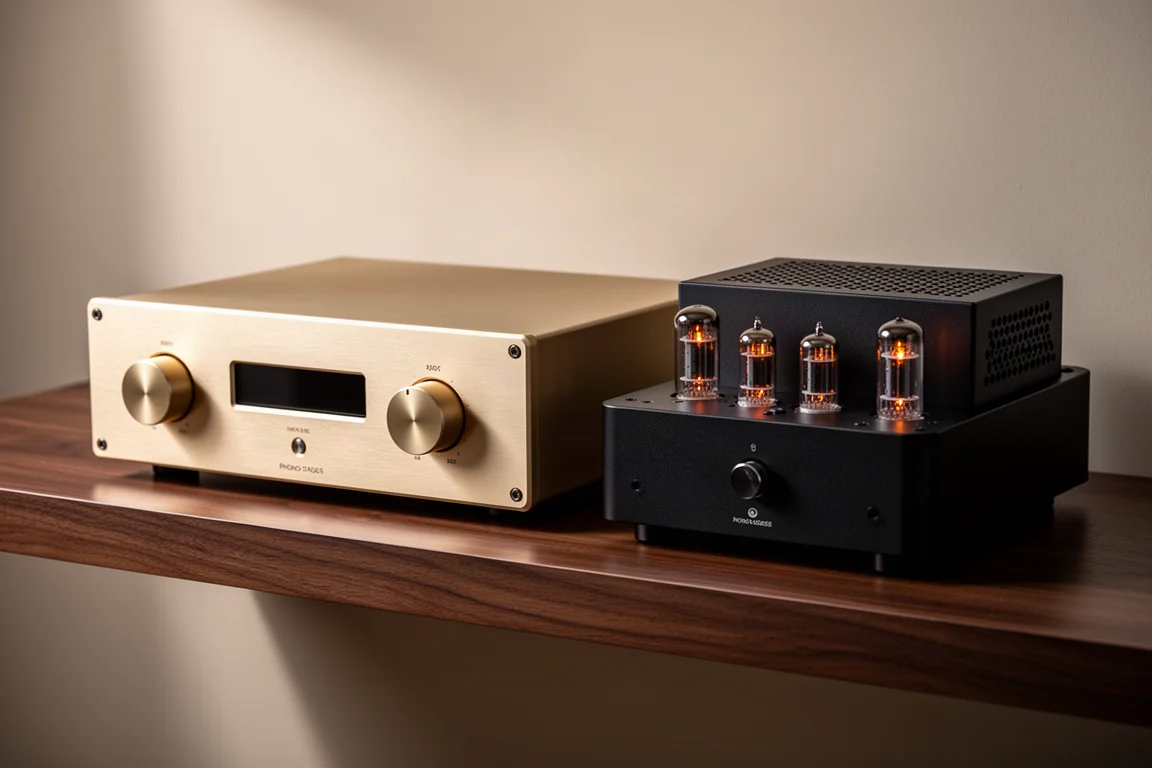
Accuphase C-57 vs Allnic H-7000V: Two High-End Phono Stages Compared
A fully balanced solid-state phono stage with a pitch-black noise floor meets a tube design built for well-loved records. Here is how to choose between them.
Hi-Fi Audio
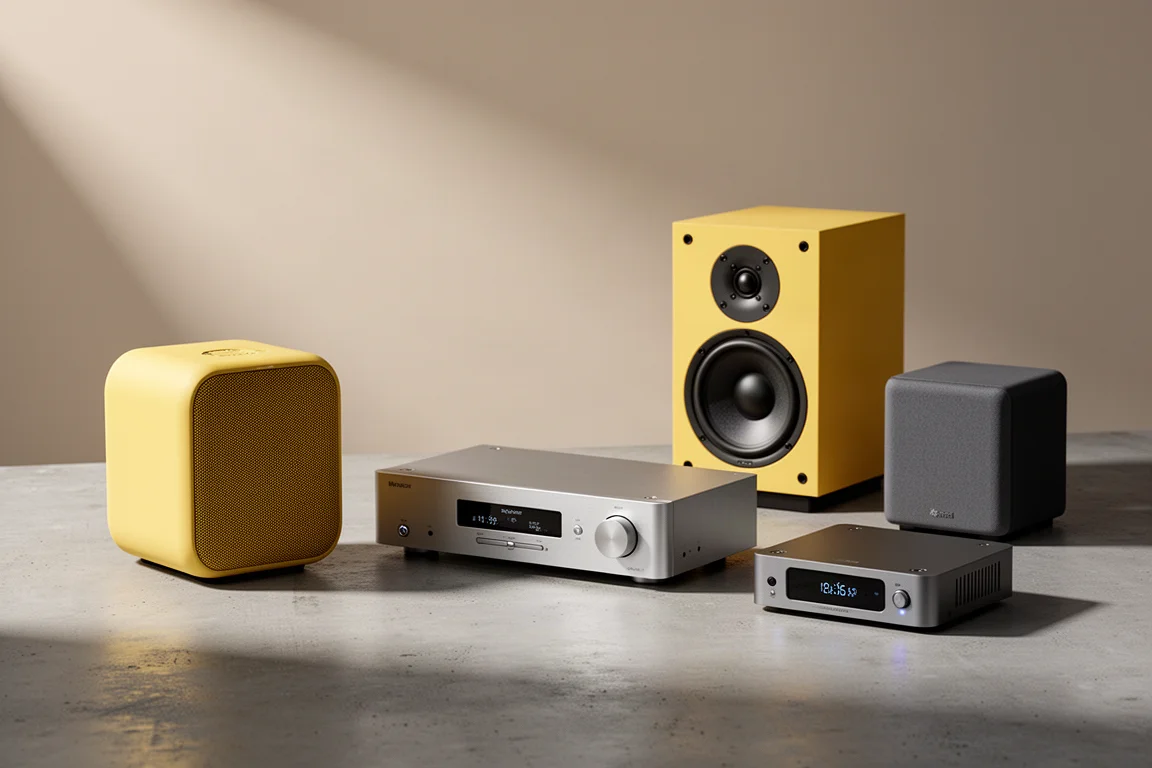
Active vs Passive Hi-Fi: Five Components for a Modern System
Five components that define modern active and passive hi-fi systems, with the strengths, trade-offs and setup details worth weighing before you buy.
Hi-Fi Audio
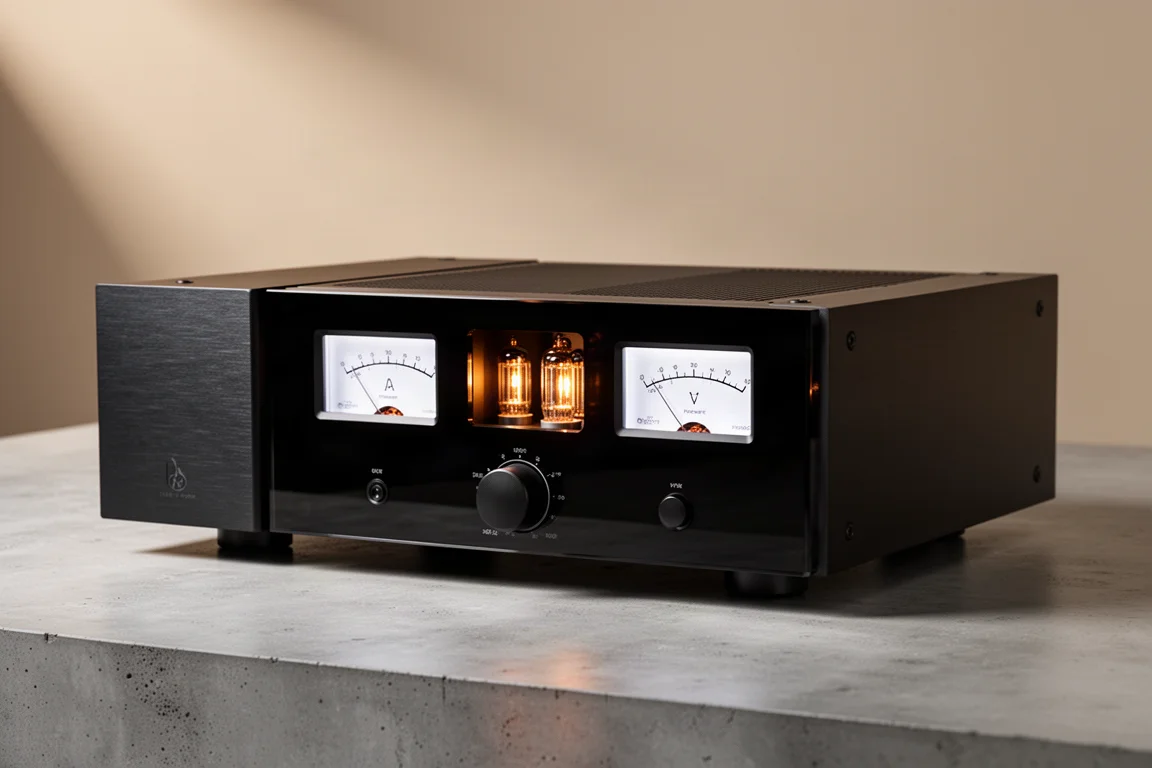
Advance Paris A10 Apex Review: A Hybrid Integrated Amplifier That Covers a Lot of Ground
A French hybrid integrated amplifier with a class A tube preamp stage, analogue power meters, and an internal DAC and phono stage good enough to make extra boxes unnecessary.