Sleeping Pads
Budget vs Premium Sleeping Pads: What You Actually Get for the Money
A practical breakdown of how sleeping pad construction shapes warmth, comfort, weight, and price, plus seven pads worth considering at each budget level.
Introduction
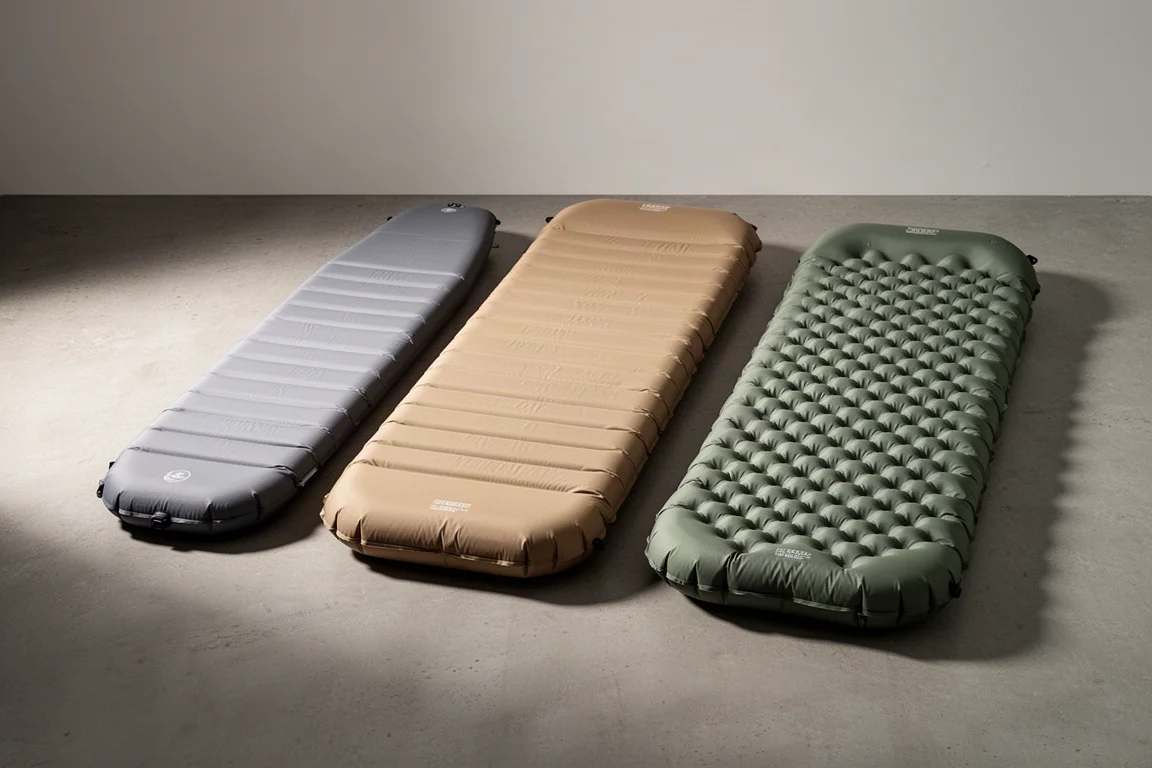
Sleeping pads are one of the clearest examples of a price gap in outdoor gear. A basic inflatable pad can sell for around $10, while a high-end backpacking pad can reach roughly $250. That difference invites an obvious question: are expensive pads genuinely better, or are buyers simply paying for a brand name?
The money does go somewhere specific. It goes into how the pad is welded, what insulation can be placed inside it, and how much research and patent work stands behind the design. Understanding those differences makes it far easier to judge whether a budget pad, a mid-range pad, or a premium pad suits the trips you actually take.
What Drives the Price Gap Between Sleeping Pads
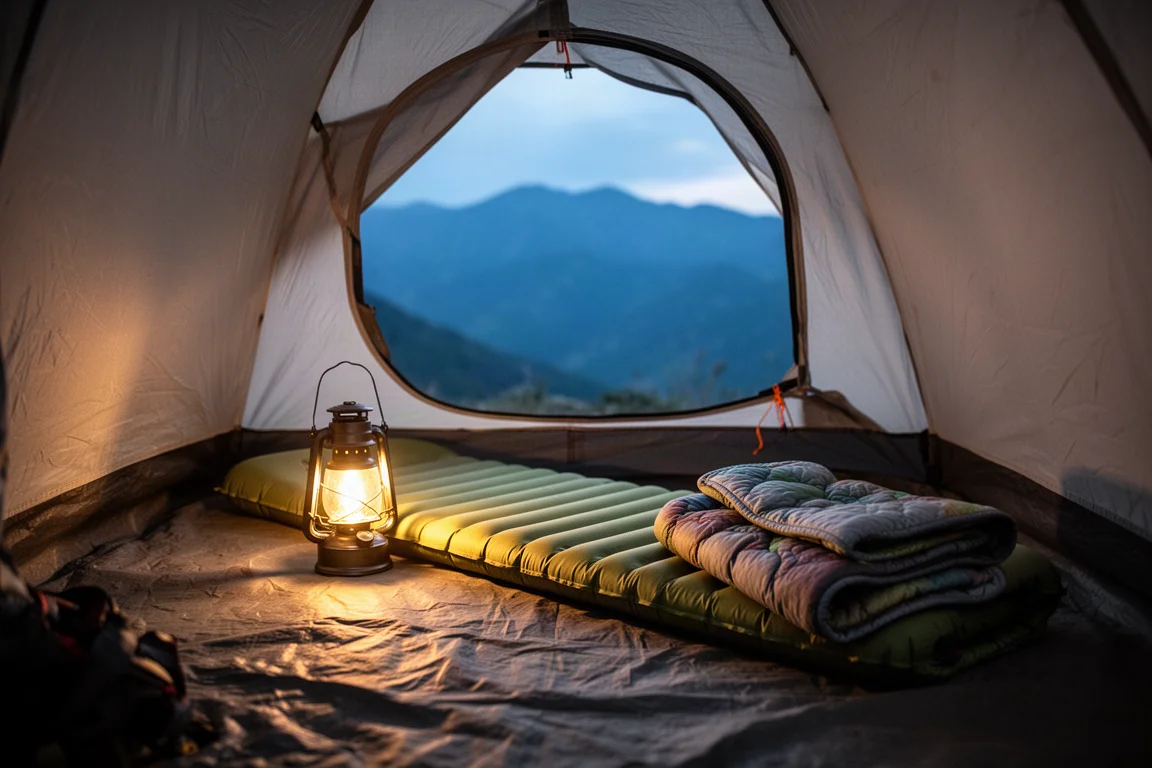
Nearly everything about a sleeping pad, including comfort, warmth, and long-term reliability, traces back to how it is built. There are two main construction methods.
The first is heat pressing. The material that becomes the pad is placed between two heated plates patterned with the finished shape. The plates press together, and wherever they touch they form an airtight welded seam. The contact points across the middle of the pad create the baffling system. Without baffling, a pad would be one long balloon with no structure to sleep on.
The second is RF welding, short for radio frequency welding. Rather than introducing energy as heat, radio frequency waves deliver energy directly at the weld point and melt the materials together. This lets manufacturers build pads that are essentially three dimensional, with no points where the top surface connects to the bottom. That internal space is what makes insulation possible, whether it is a Triangular Core Matrix, suspended synthetic insulation, or a Mylar film.
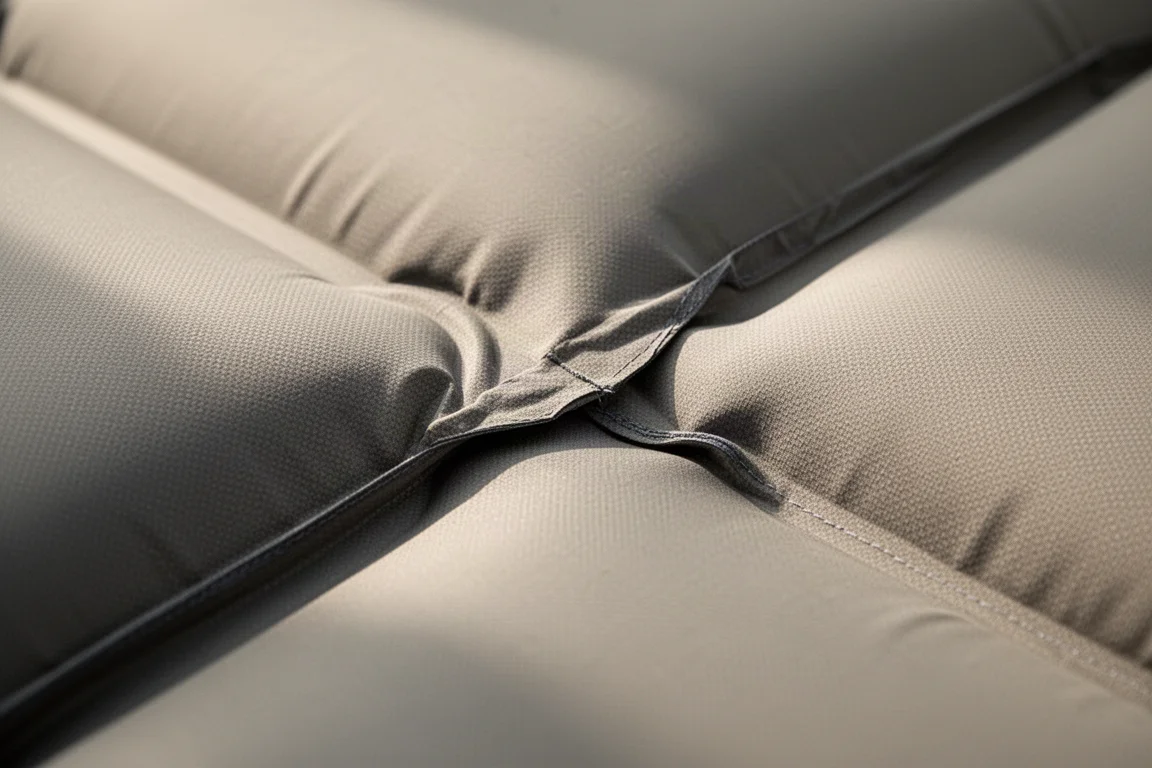
Heat pressing is faster and much less expensive, but it does not unlock those benefits. It also limits how thick a pad can be, because excessive thickness puts the weld points under strain and shortens the pad’s life. RF welding takes more time and costs more, and much of the warmth technology built on top of it is protected by patents. That is why the most effective insulation systems rarely appear in inexpensive pads.
Warmth is measured by R-value, and testing standards matter here. Pads tested to the ASTM standard give a reasonable picture of how warm they will feel in use. Pads that skip that testing sometimes carry numbers that do not hold up. A $10 inflatable sits at the extreme end of the market and offers roughly an R-value of one or less, which means almost no protection from cold ground. Even some well-known budget models that advertise R-values of 4.4 or higher land closer to 1 or 1.3 when measured to the ASTM standard.
Best Overall Warmth and Lightness: Therm-a-Rest XLite
The Therm-a-Rest XLite is the clearest illustration of what RF welding and sustained insulation research can produce. It pairs a Triangular Core Matrix with a Mylar film, which is how it stays warm while remaining one of the lightest pads in this group. It also has useful thickness, and the inflation level can be adjusted to fine-tune firmness.
Comfort is the trade-off. The horizontal baffles that create room for the insulation are not especially forgiving, and this is one of the least comfortable pads to sleep on, particularly for side sleepers. Pressure tends to build up on an arm over the course of a night.
If warmth and packed weight sit at the top of your list and you can accept a firmer sleep surface, this pad delivers on exactly those priorities.
Best for Comfort and Warmth: Exped Ultra
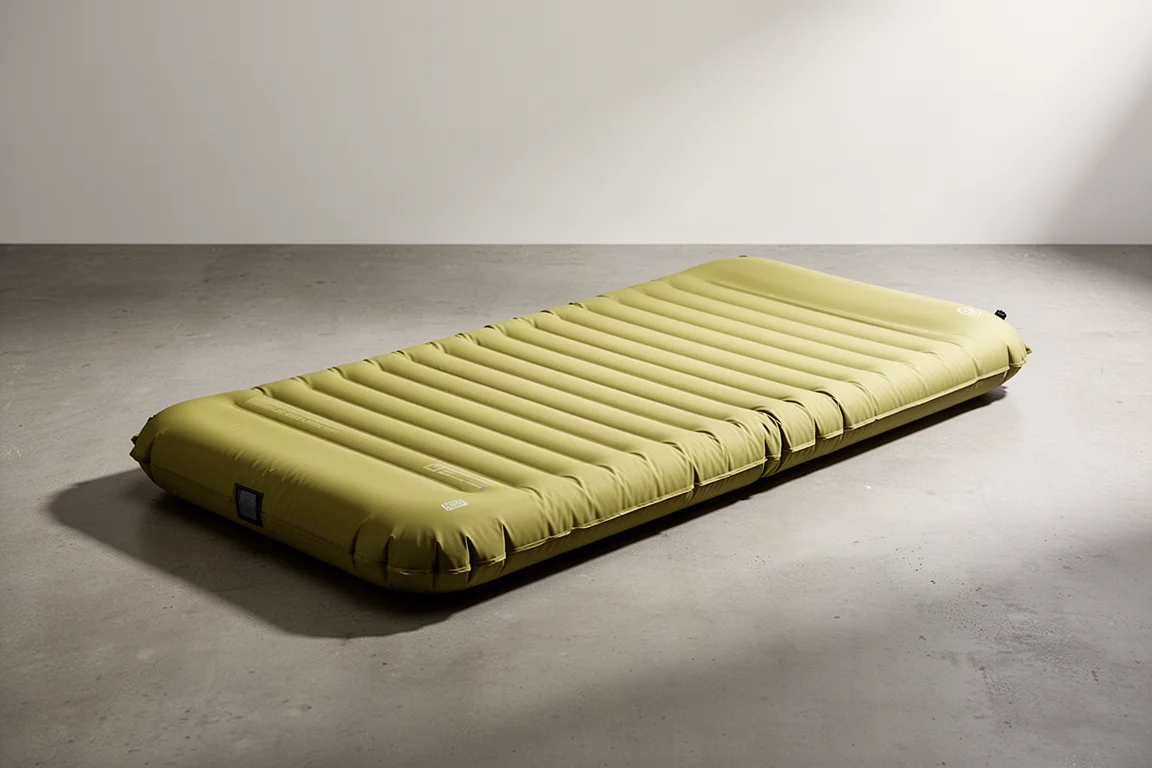
Exped Ultra pads are among the most comfortable available and they run warm as well, a combination that is genuinely difficult to find. The construction relies on RF welding, and the range includes suspended synthetic insulation, so warmth does not come with a lumpy or uneven sleeping surface.
Cost is the catch. Comfort plus warmth is the most expensive combination in sleeping pads, and the Ultra line sits squarely in that territory. For backpackers who sleep cold, or who have never found a thinner pad comfortable, the extra spend is often the difference between a mediocre night and a good one.
Best Quilted Comfort: Sea to Summit Ether Light XT
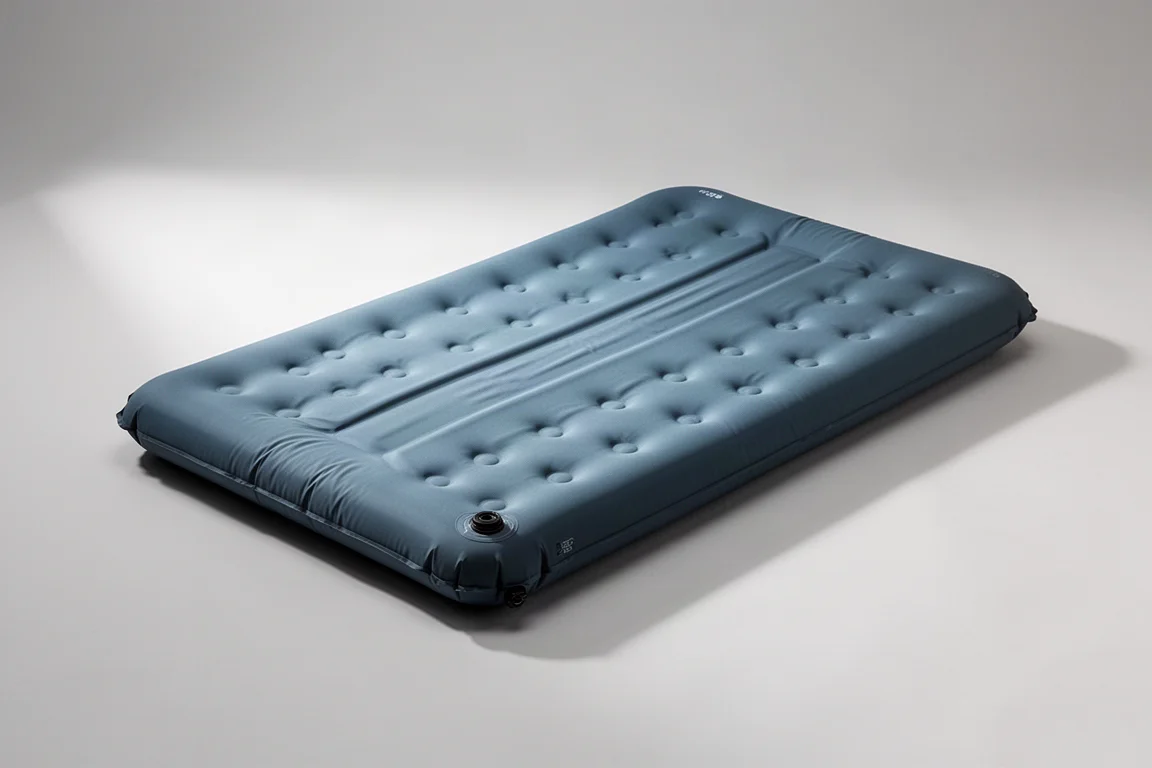
The Sea to Summit Ether Light XT takes a different route to comfort. Its dimpled, quilted baffling system is one of the most comfortable surface patterns you can sleep on, and it does a good job of relieving pressure across the hips and shoulders.
The trade-off is a reliability question that centres on those same dimples. The weld points that create the quilted surface can become a failure point over time. Sea to Summit covers the pad with a lifetime warranty, so a failure means a replacement rather than a loss.
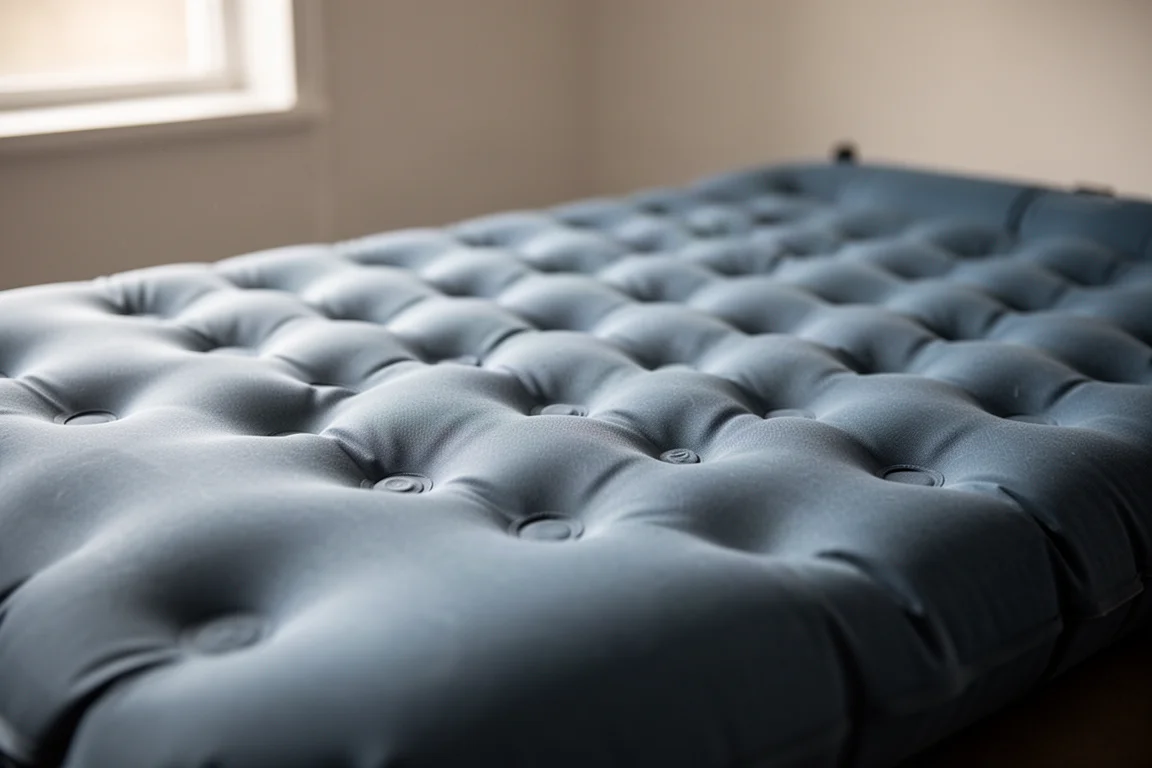
If a plush, quilted surface is what helps you sleep, this pad deserves a close look, provided you are comfortable with the possibility of a warranty claim somewhere down the line.
Best Dimpled Baffling Alternative: Nemo Tensor
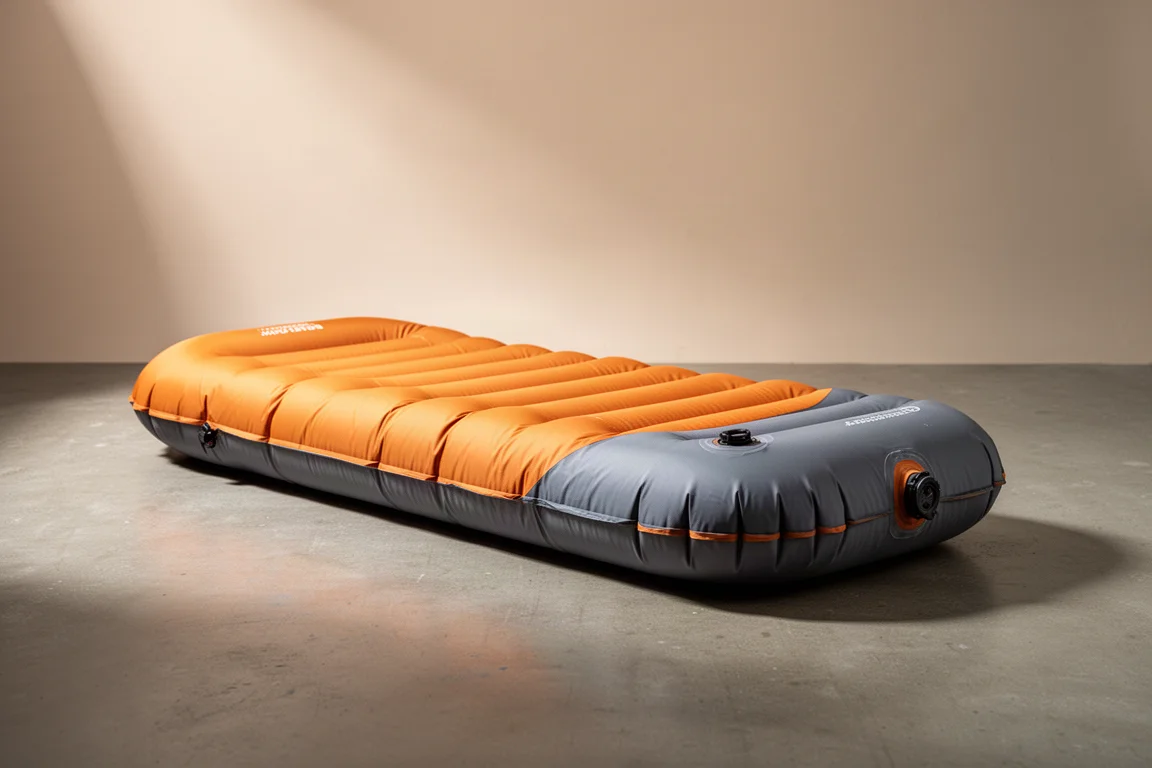
The Nemo Tensor applies the brand’s own version of dimpled baffling, producing a soft and supportive surface with good pressure distribution. Like the other premium pads here, it is RF welded, which is what allows the internal structure to exist at all.
The same dimples that improve comfort have also proven to be a failure point, with leaks appearing around the weld points. Nemo includes a lifetime warranty, which softens that risk considerably.
Best Value Premium Pad: REI Helix
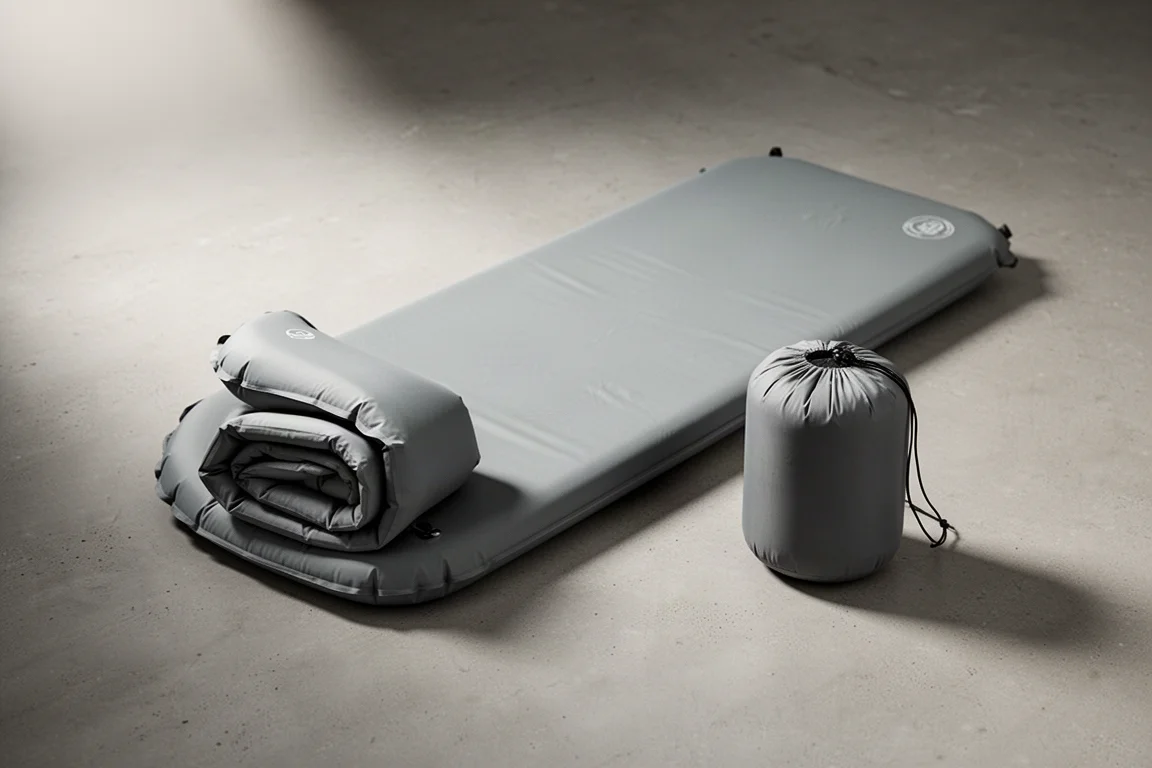
The REI Helix is the most accessible route to a pad that is both comfortable and warm. It uses a Mylar film for insulation, sits around $100, and manages to combine comfort with genuine warmth at a more moderate price.
The compromise is weight. The Helix is on the heavier side, which matters if you count grams on long hikes but matters far less on shorter trips, car camping weekends, or any trip where a good night’s sleep outranks a minimal pack.
Best Budget Option: Klymit Static V
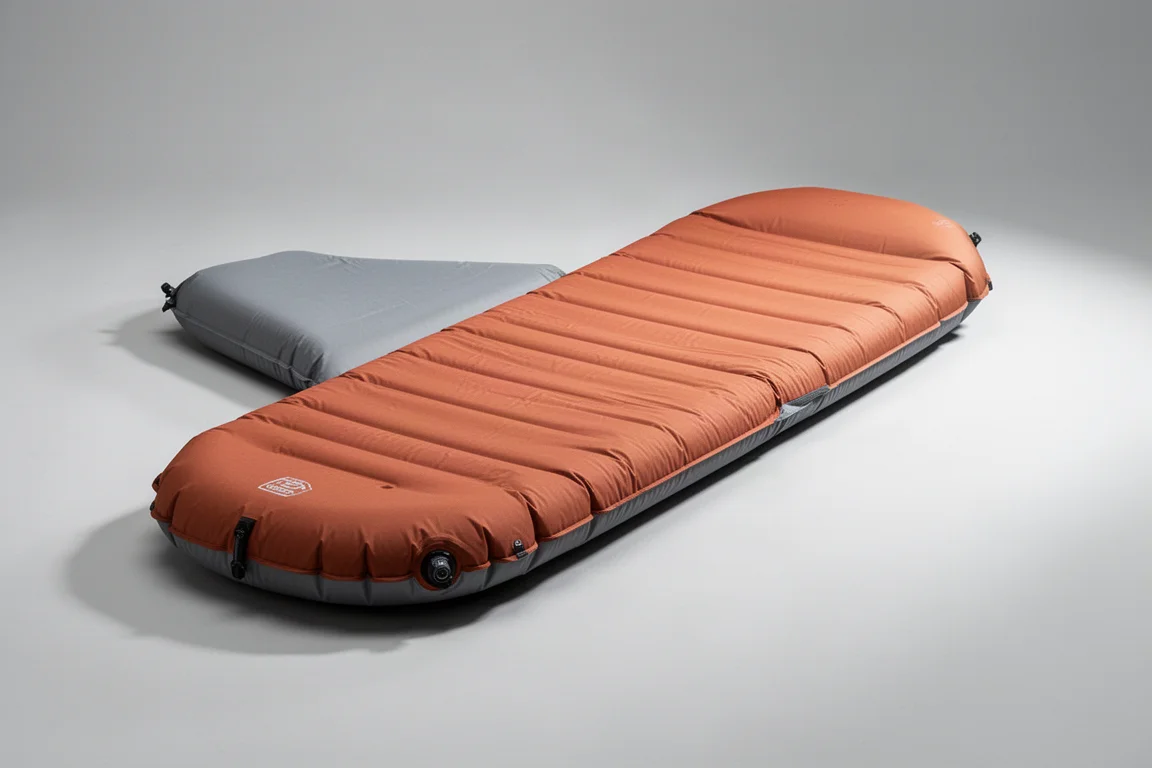
The Klymit Static V shows what the budget end of the market can achieve when a known brand stands behind the product. It uses heat pressed construction, which keeps the price in the roughly $50 to $100 range, and it carries a lifetime warranty, which is unusual at this level.
Warmth is where expectations need managing. The advertised R-value is 4.4 or higher, but pads built this way measure closer to 1 to 1.3 when tested to the ASTM standard. Treat it as a mild-weather pad rather than a cold-weather solution.
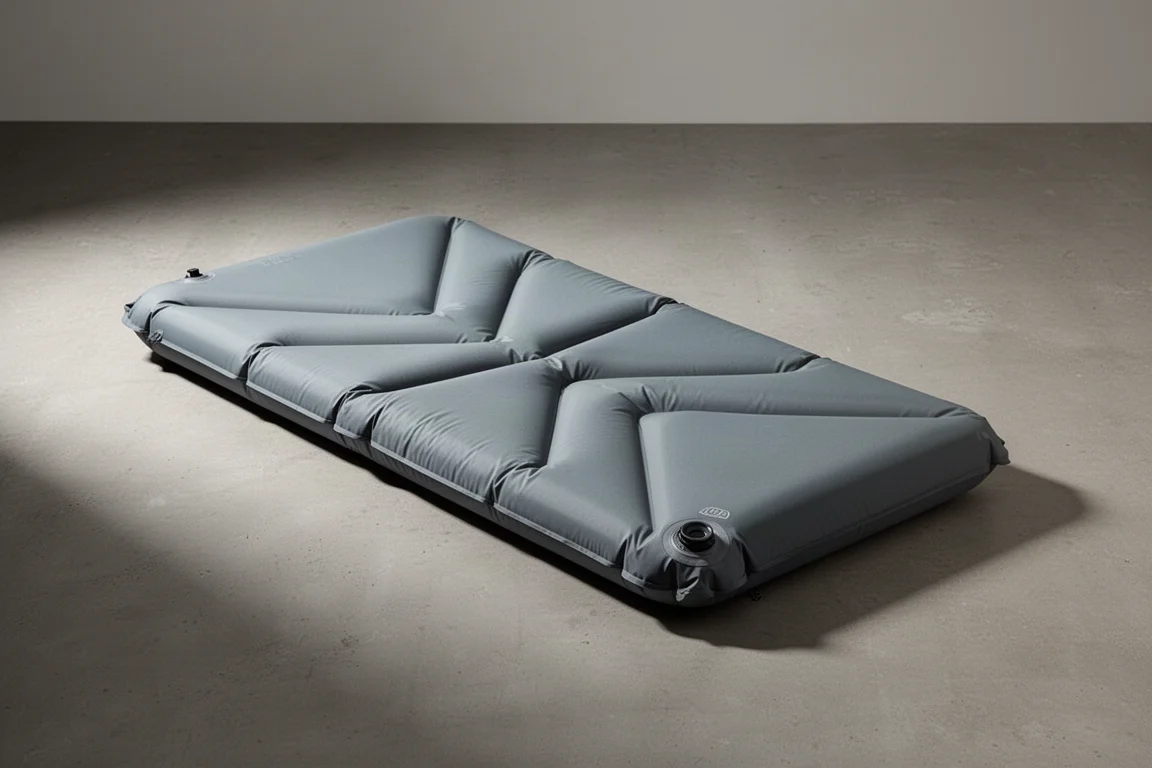
Budget Alternative: Klymit Static V2
The Static V2 comes from the same family and shares the heat pressed construction, the same price territory, and the same warranty coverage. It is a sensible choice for warm-weather backpacking, for a first pad, or as a spare kept in the car.
The same caution about warmth applies. Advertised R-values in this tier tend to be optimistic, so plan around mild overnight temperatures rather than frost.
How to Choose Between a Budget and a Premium Sleeping Pad
Comfort is subjective, and price is not a perfect predictor of it. Uncomfortable expensive pads exist, and so do comfortable budget pads, so it helps to know which factors actually move the needle.
Thickness is the first thing to check on a budget pad. A cheap inflatable might be advertised as three inches thick but measure closer to one to one and a half inches in practice, because heat pressed construction cannot safely go much thicker. Thinner pads transfer more pressure to hips and shoulders, which is where most comfort complaints begin.
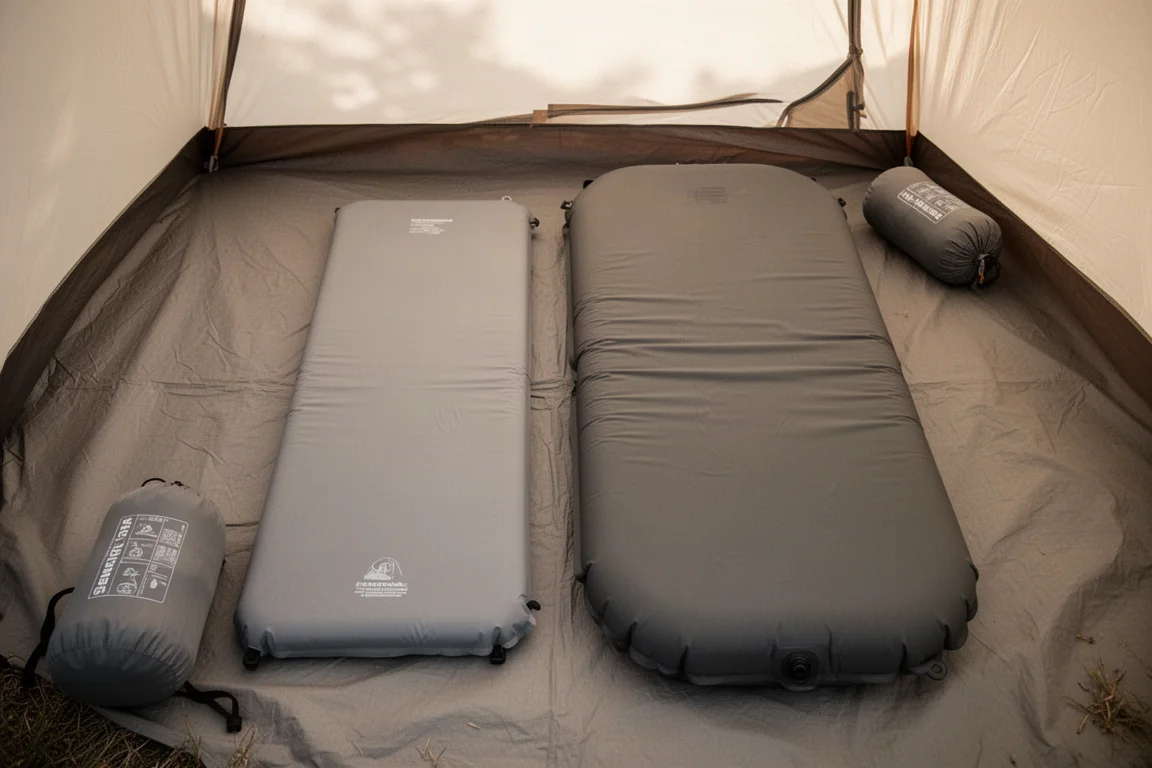
Warmth is the second factor, and it is where the price gap shows most clearly. Insulation requires internal space that only RF welding can create, so budget pads rarely deliver real cold-weather performance regardless of what the label claims. If you camp in shoulder seasons or on cold ground, an ASTM-tested pad from a premium brand is the safer choice.
Weight is the third. Expensive pads use lighter materials, so you generally get more performance for every gram carried. Budget pads are heavier, and that is the price of cheaper materials.
Durability runs in the opposite direction to what many buyers expect. Heat pressed construction is remarkably reliable, and budget pads rarely fail at the seams. Premium pads are more complex, with more internal structures and more weld points, and leaks tend to appear around the dimples that provide their comfort. Lifetime warranties from brands such as Therm-a-Rest, Sea to Summit, and Nemo cover those failures. Budget pads usually carry no warranty at all, with Klymit being the notable exception.
Conclusion
The gap between a $10 pad and a $250 pad is real, and it maps onto real differences in construction, insulation, and weight. Budget pads win on price and on simplicity, and they are perfectly usable in mild conditions. Premium pads win on warmth and comfort, and they back that up with warranties.
The practical approach is to match the pad to the conditions you actually camp in. Warm-weather trips and occasional use are well served by a heat pressed pad, as long as you keep R-value expectations realistic. Cold ground, shoulder-season trips, and a genuine need for comfort point toward RF welded pads with proper insulation, and the REI Helix sits in the middle as a comfortable, warm option at a more moderate price.
Further reading
Related Reviews
Sleeping Pads
Best Backpacking Sleeping Pads 2026: Nine Pads Rated on Price, Comfort, Warmth, and Weight
Nine backpacking sleeping pads compared on price, comfort, warmth, and weight, from a $65 summer pad to a year-round option rated at R-7.3.
Sleeping Pads
Best Backpacking Sleeping Pads: Comfort, Warmth, and Weight Compared
A practical comparison of the Nemo Quasar 3D, Therm-a-Rest NeoAir XTherm Max, and Big Agnes Rapide SL for backpackers choosing between comfort, warmth, and packed weight.
Sleeping Pads
Best Backpacking Sleeping Pads: Ultralight, Winter, Comfort and Budget Picks
A practical roundup of the sleeping pads that stand out for ultralight weight, winter warmth, pressure relief and value, plus three popular pads that fell short.