Food & Ingredients
Budget vs Premium Pantry Ingredients: 6 Products We Compared to Find Where the Money Goes
Six everyday ingredients, from gnocchi and spinach to tuna and red wine vinegar, tested to see whether the premium version is actually worth paying for.
Introduction
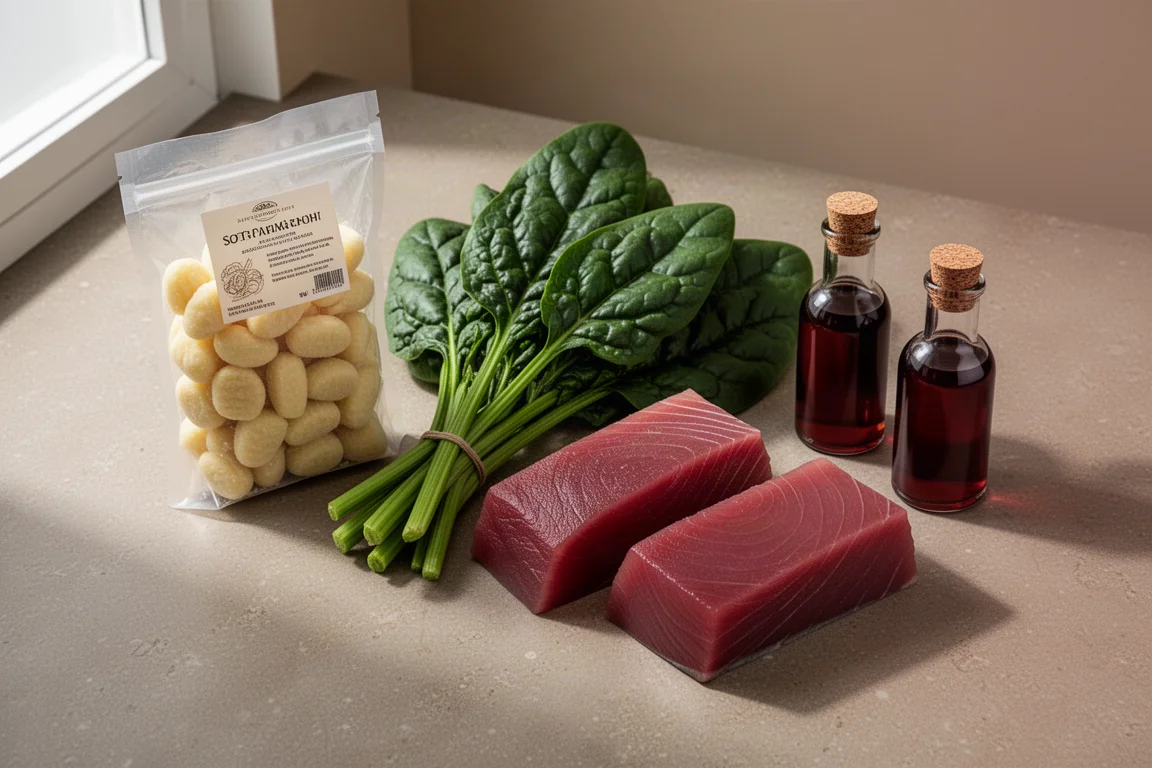
Premium versions of everyday pantry ingredients are everywhere, but the price gaps are often surprising and the real-world differences are rarely obvious. To find out where the extra money actually pays off, six ingredients were put to the test in identical dishes: potato gnocchi, spinach, yellowfin tuna steak and red wine vinegar, each in a budget supermarket version and a premium specialist version, cooked exactly the same way and judged blind.
The results were mixed in the best possible way. Some premium picks earned their price with a clear texture or flavour advantage. Others tasted nearly identical once they were folded into a proper dish, which is exactly how most of us actually use them. Here is how each one stacked up, and who should genuinely consider upgrading.
Gnocchi: La Tua Pasta vs the Supermarket Packet
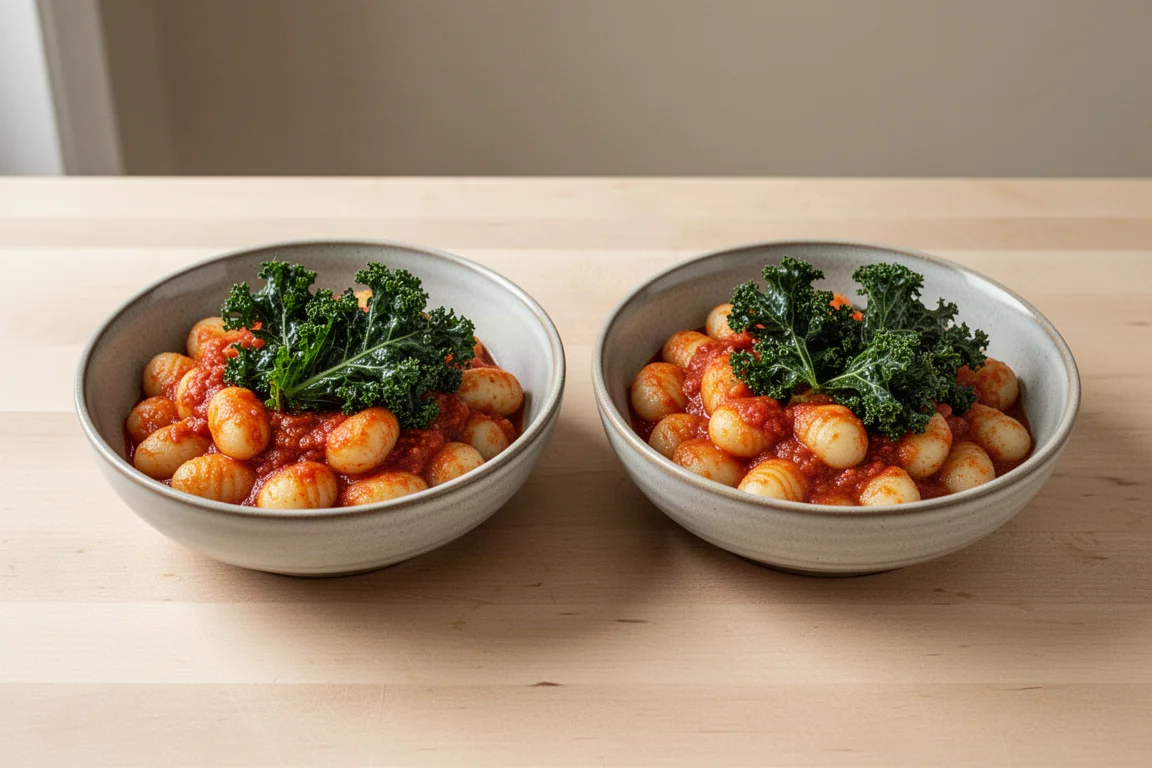
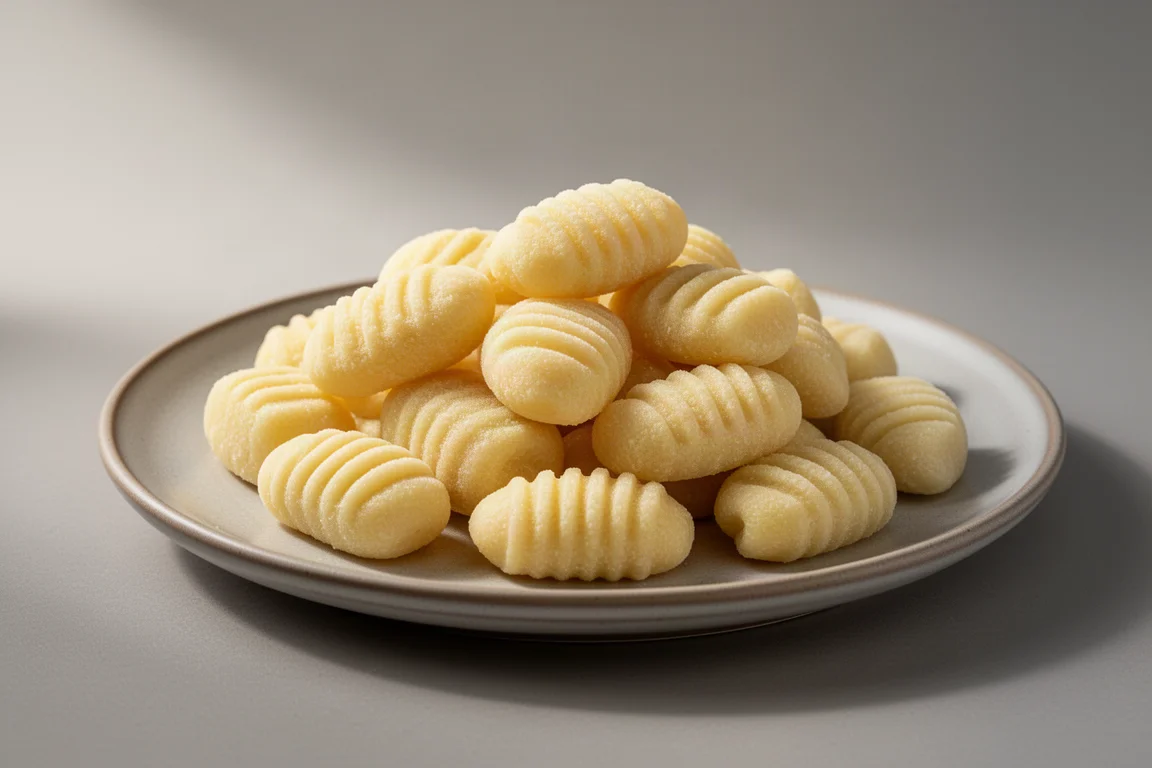
The two gnocchi versions went into a creamy gochujang bacon gnocchi dish with sesame roast kale, and the tasters picked up on texture long before flavour. One batch had a cleaner bite through, while the other felt stickier and clammier to eat, with a slight bounce that suggested more potato and less flour. In flavour alone, the two were nearly indistinguishable, which is a common theme with simple potato-and-flour products.
The interesting part came with frying. The premium gnocchi is noticeably drier, meaning less moisture in the packet and far less sticking in the pan, which translates directly into a better crisp when pan-fried. If you boil your gnocchi, the difference is small. If you like to crisp yours up in a hot pan, the drier premium version has a real practical advantage, though at around two and a half times the price per packet you are paying specifically for that texture rather than for taste.
Spinach: Natoora Large Leaf vs the Supermarket Bag
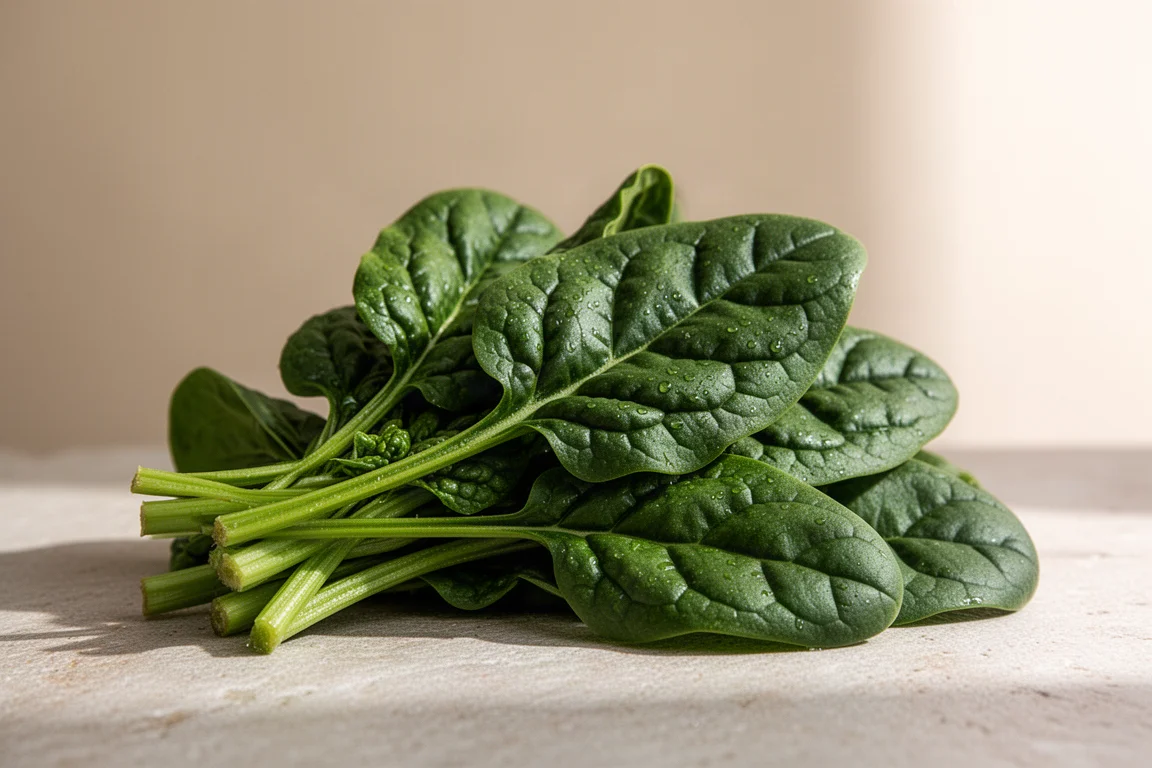
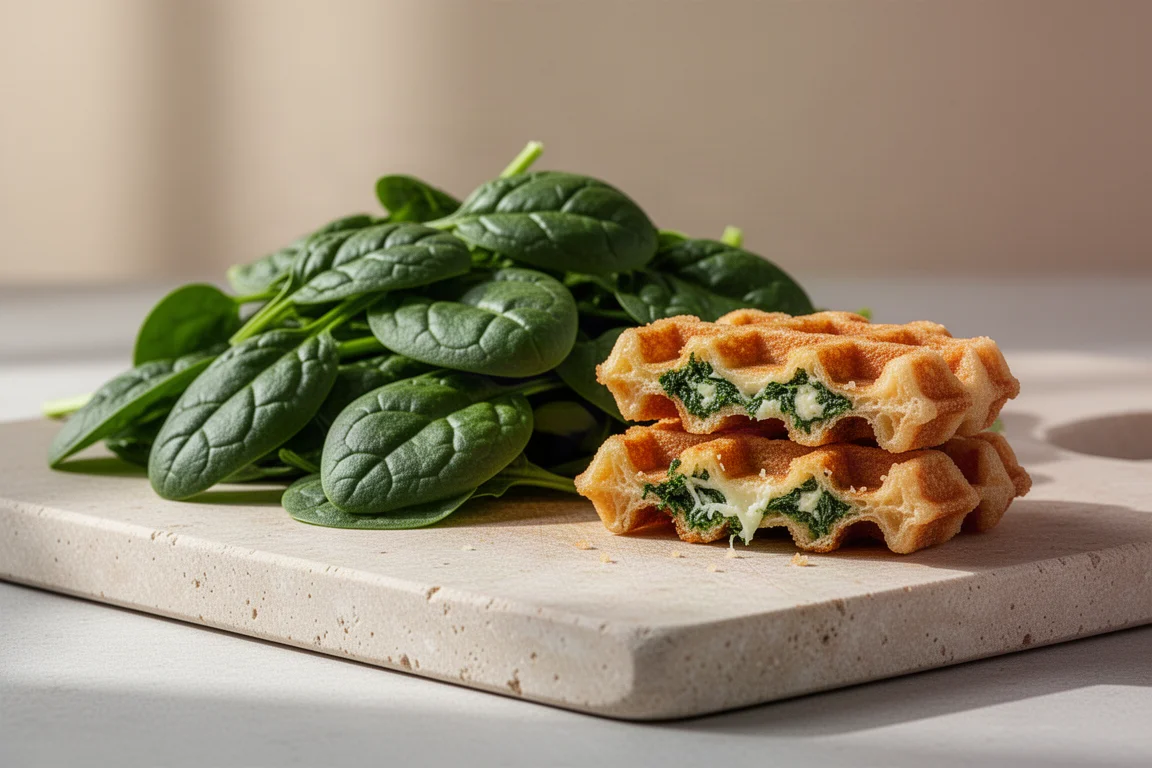
Spinach was tested in a spinach and parmesan crispy waffle, and the leaf size was the giveaway. The premium leaves were visibly much larger, and larger leaves turned out to be the point rather than a quirk. Spinach allowed to grow to a larger leaf before picking can be cooked longer, adds more vibrancy and green colour, and carries a deeper, slightly iron-rich flavour. Raw side by side, the premium leaves also tasted sweeter and more herby, while the budget bag leaned more mineral and watery.
At roughly 60p per 100g versus £1.10 per 100g, the premium is nearly double the price, and the honest verdict was that most home cooks would not notice the difference in an everyday meal. The consensus was more nuanced than that, though: this is the kind of ingredient you buy when you are deliberately making a proper Italian-style dish and want the best version of it. The end result may not be dramatically different, but if the ritual matters to you, this is where the upgrade fits.
Tuna: Sashimi Grade vs Supermarket Line Caught
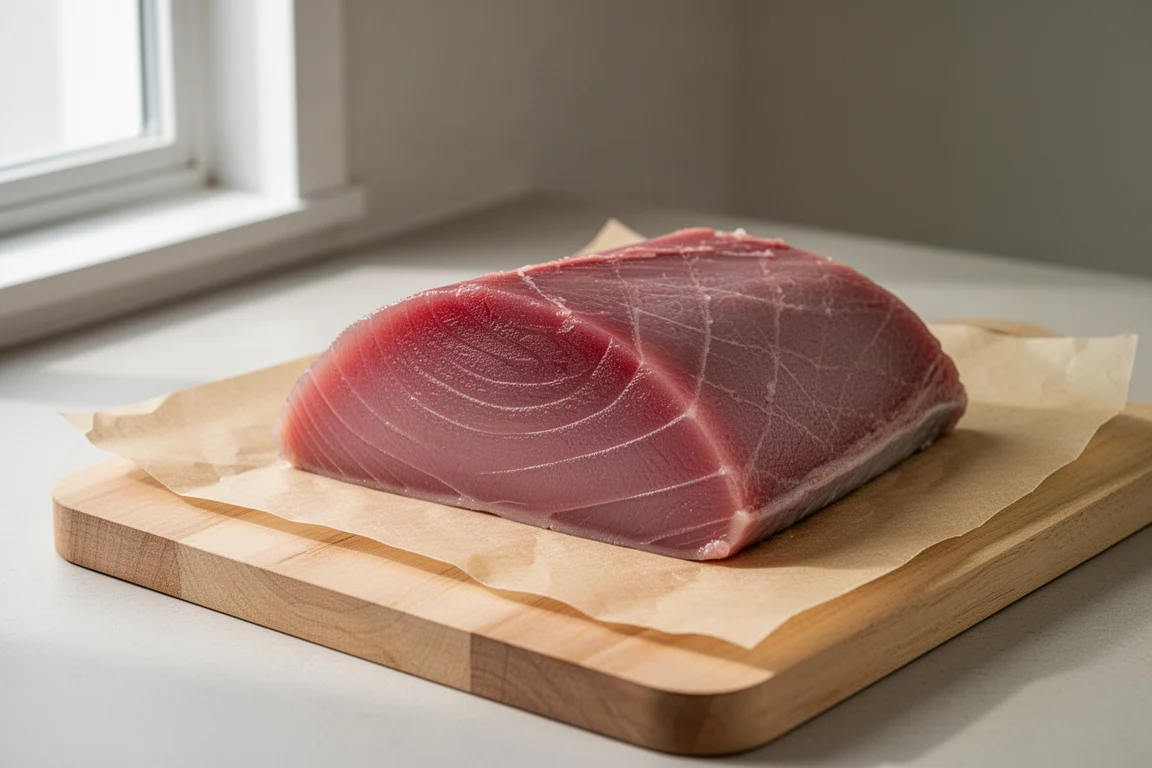
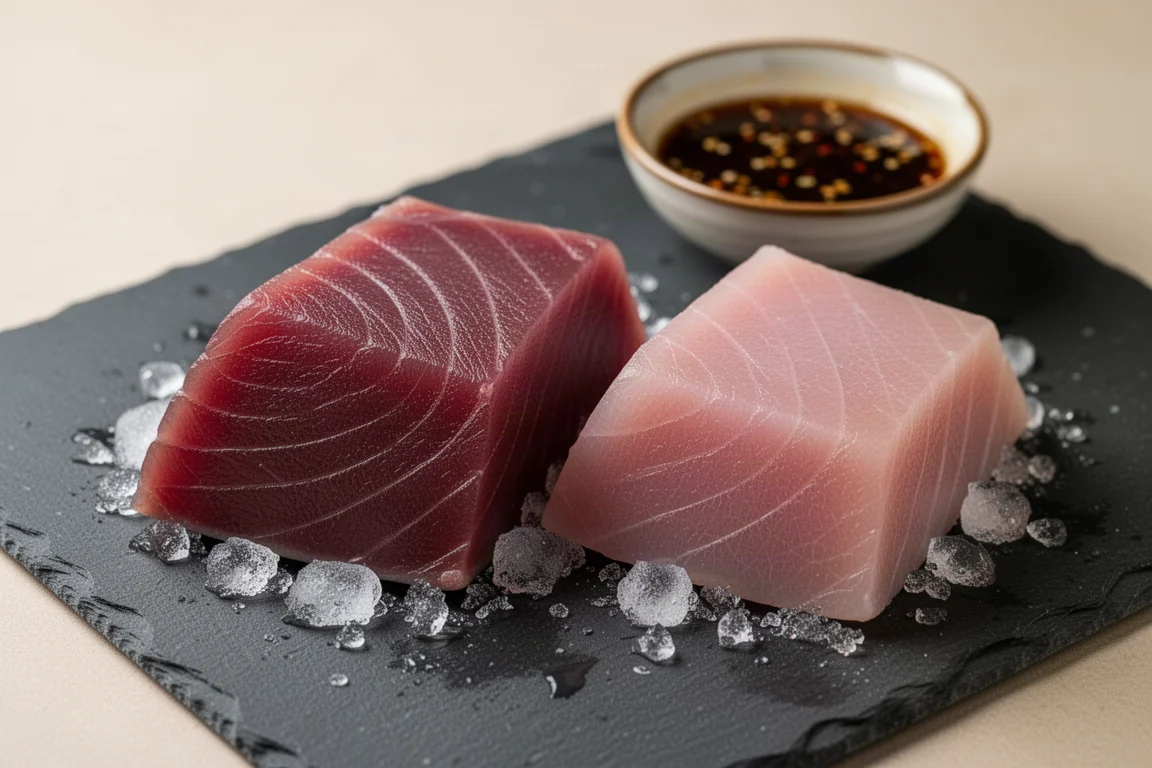
The tuna test was the most contested of the lot. Both steaks were seared and served identically with ponzu, pickled radish and wasabi, and the tasters split their votes. One steak was fattier and more vibrant in colour, closer to what you would associate with sashimi, while the other had a cleaner, fresher tuna flavour with a cleaner bite and less bitterness. Texture separated them the most: one dried out more, and the other stayed supple and silky.
Worth knowing on the sourcing side: both are line caught from the ocean rather than farmed. The premium wild yellowfin tuna supreme sashimi grade comes from a very specific region of the Indian and Pacific Ocean, while the supermarket version is caught across a far broader area of the Indian Ocean and the Central Pacific. One caution about labels: sashimi grade is not a regulated term, so anyone can use it. Freshness, sustainability and reputable sourcing matter far more than the label itself. In the dish, the two were close enough that the considerably cheaper supermarket steak left no one unhappy.
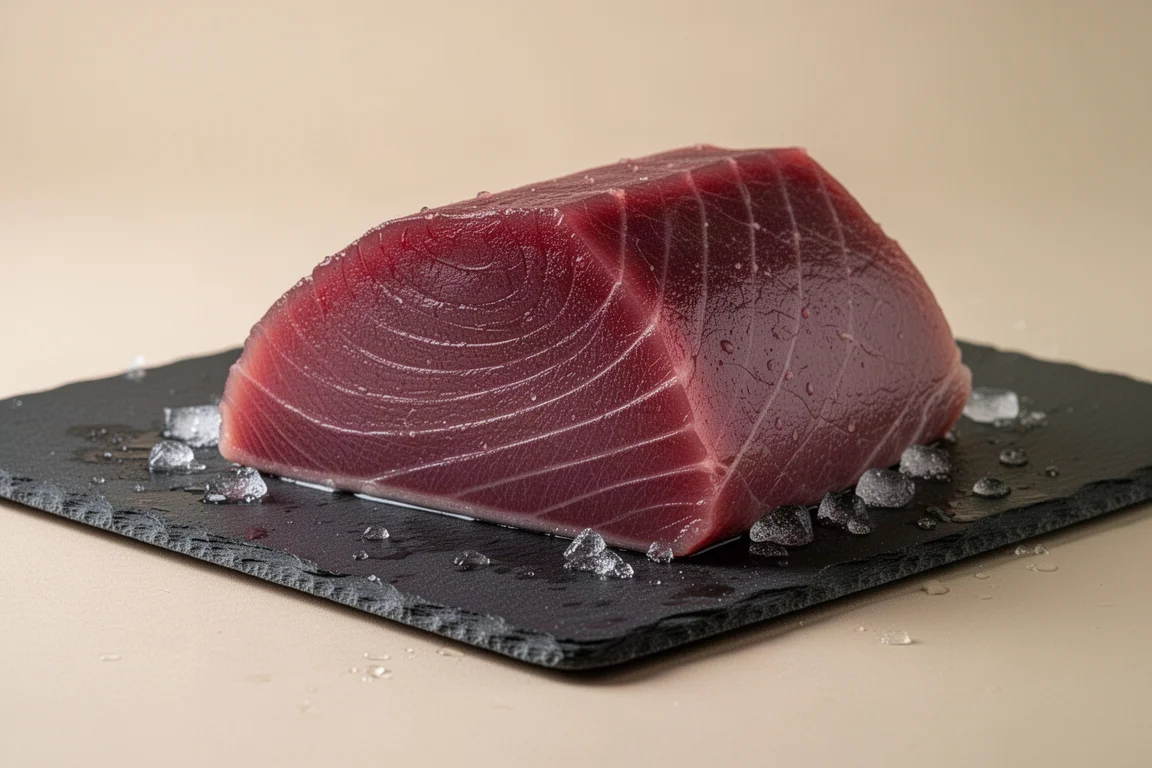
The supermarket line caught yellowfin tuna is the pragmatic pick here. It is still a responsibly and sustainably sourced premium supermarket product, it seared well, and the flavour gap to the specialist version was described as fairly close rather than a different league. Tuna steak is already a premium ingredient, so the advice that applies to meat and fish in general holds: buy the best you can afford, but there is no shame in stopping at a good supermarket steak.
Red Wine Vinegar: Filippo Berio vs Forum Cabernet Sauvignon
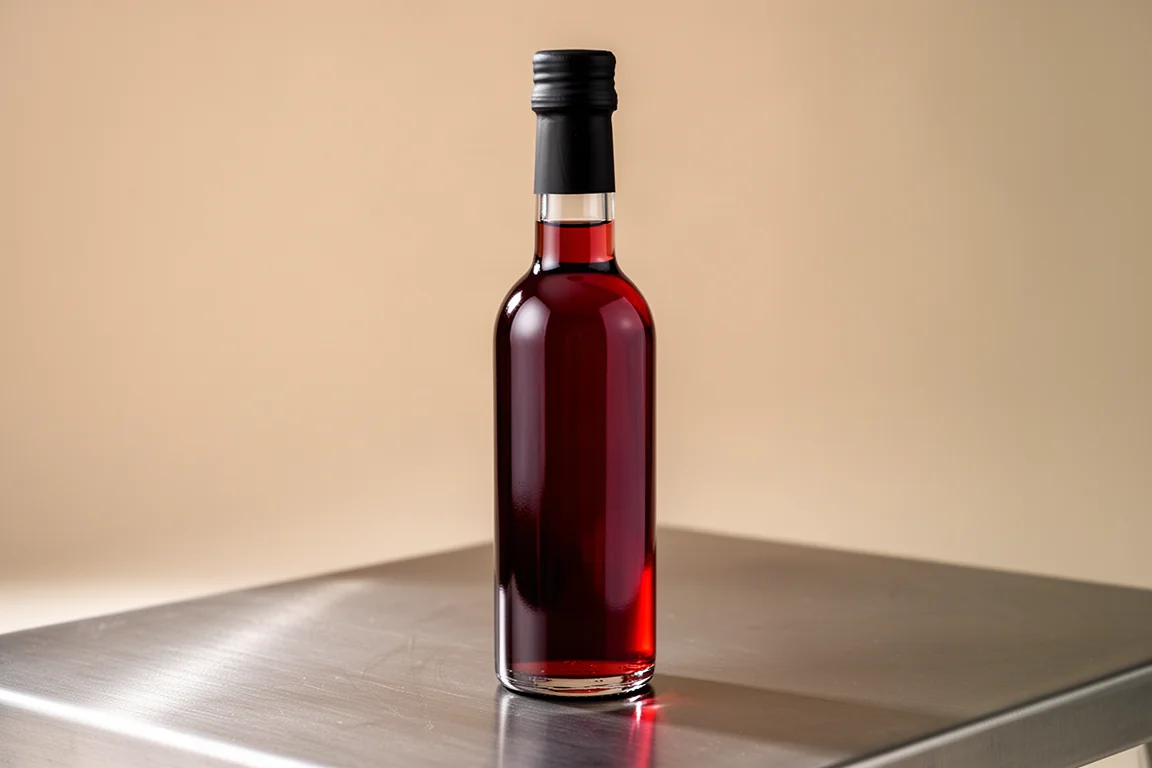
Vinegar was the surprise of the test, going into a dish of grass fed beef carpaccio with smoked caviar and creme fraiche. A good red wine vinegar should be delicate rather than overpowering, adding fruity acidity that enriches and lifts a dish. In the blind tasting, one version read as harsher and more one-dimensional, overpowering the plate, while the other was sweeter on its own, tasted clearly of red wine without the harsh vinegar bite, and brought more nuance to the finished dish.
The premium Forum cabernet sauvignon vinegar is the exact bottle used at the two Michelin star Le Manoir restaurant, and side by side the difference was called big, with the premium being deeper and more balsamic in character. It is also dramatically more expensive: around 20 pounds for a 500ml bottle versus about 2 pounds 35 for the Filippo Berio equivalent.

The practical advice here was refreshingly clear. For everyday cooking where vinegar disappears into sauces, deglazing pans and adding acidity, the cheaper Filippo Berio red wine vinegar does the job perfectly well and its flavour profile works exactly as intended. The Forum bottle is for finishing, for moments when the vinegar is a featured flavour rather than a background note, and for cooks who genuinely want a dedicated premium vinegar for that purpose.
Overall Buying Advice
Looking across all six, a pattern emerges. Premium ingredients tend to win on texture, moisture content and depth rather than on headline flavour, and those advantages matter most when the ingredient is handled simply or featured prominently. Gnocchi is worth upgrading if you pan fry it. Spinach is worth upgrading for a deliberate Italian-style cooking occasion. Vinegar is worth upgrading only if you finish dishes with it. Tuna is the closest call of all, because both options were excellent and the price gap was the largest in the whole test.
The most useful takeaway is to match the upgrade to the technique, not to the shopping list. If the ingredient gets cooked hard, diluted into a sauce or buried among strong flavours, the budget version will almost certainly serve you well. If it is the star of a simple dish, the premium version has room to show what the extra money buys.
Conclusion
Six comparisons later, the scoreboard was close and the lessons were practical. Premium pantry products are not a scam, but neither are they automatic wins. La Tua Pasta gnocchi earns its keep through a drier, crisper-frying texture, Natoora’s large leaf spinach rewards slow cooking with deeper flavour, and Forum’s cabernet sauvignon vinegar is a genuine finishing ingredient with restaurant pedigree. Meanwhile the supermarket versions of spinach, tuna and everyday vinegar held their own remarkably well in real dishes. Spend where the technique gives the premium version something to do, and save everywhere else.
Further reading
Related Reviews
Backpacking Gear
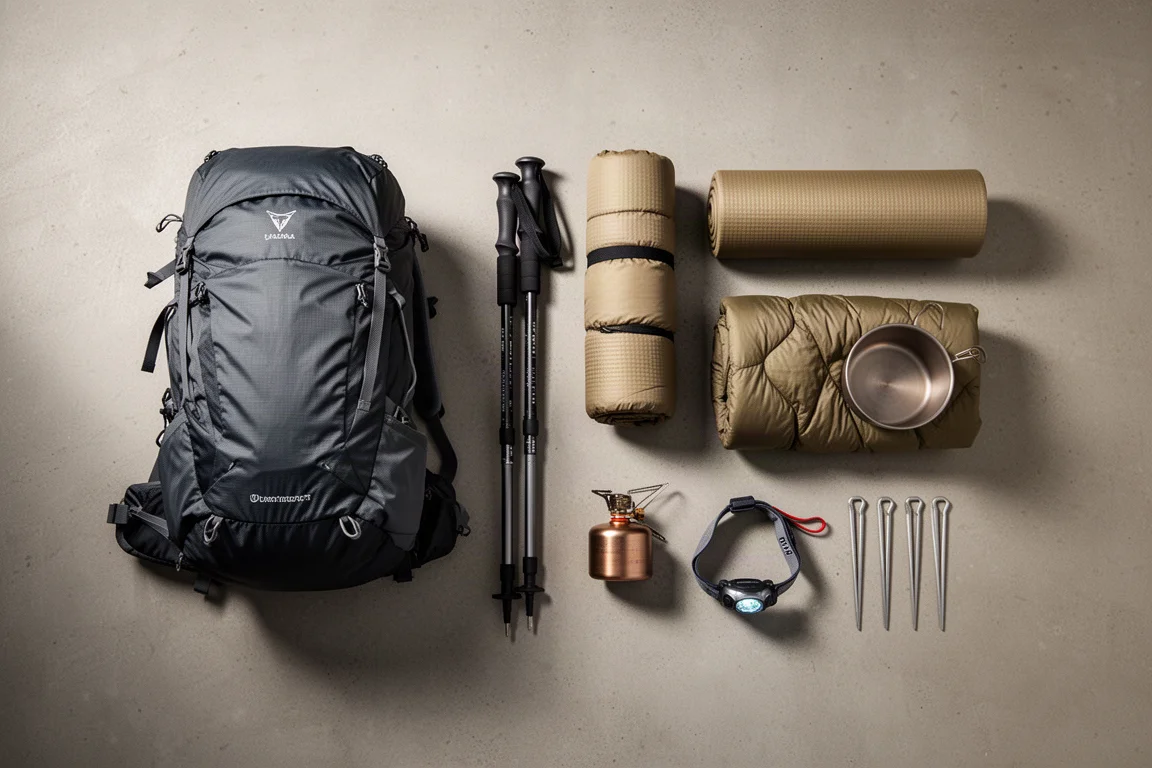
Building a 10 lb Base Weight: An Ultralight Backpacking Gear List
A practical walkthrough of the ultralight pieces behind a 10 lb base weight, from a 765 g pack and a roomy one-person tent to a full camp chair and a dependable water filter.

Road Bikes
10 New Road Bikes Worth Watching: Aero, Titanium, Steel and Endurance Standouts
A practical roundup of 10 new road bikes, from aero flagships chasing single-watt gains to titanium, steel and endurance platforms built for real roads.

Bikepacking Gear
11 Bikepacking Essentials for Long-Distance Cycling
Eleven bikepacking essentials for long-distance cycling, from a steel gravel frame and a two-person tent to helmet lights, packable gloves, and a frame bag that puts weight in the right place.