Hi-Fi Amplifiers
Budget vs Premium Amplifier Showdown: Fosi Audio ZA3, Ayon Audio E2, and Monoprice Monolith 2100X Compared
Three stereo amplifiers at three very different price points go head to head, with notes on tone, drive, and which one makes sense for your speakers.
Introduction
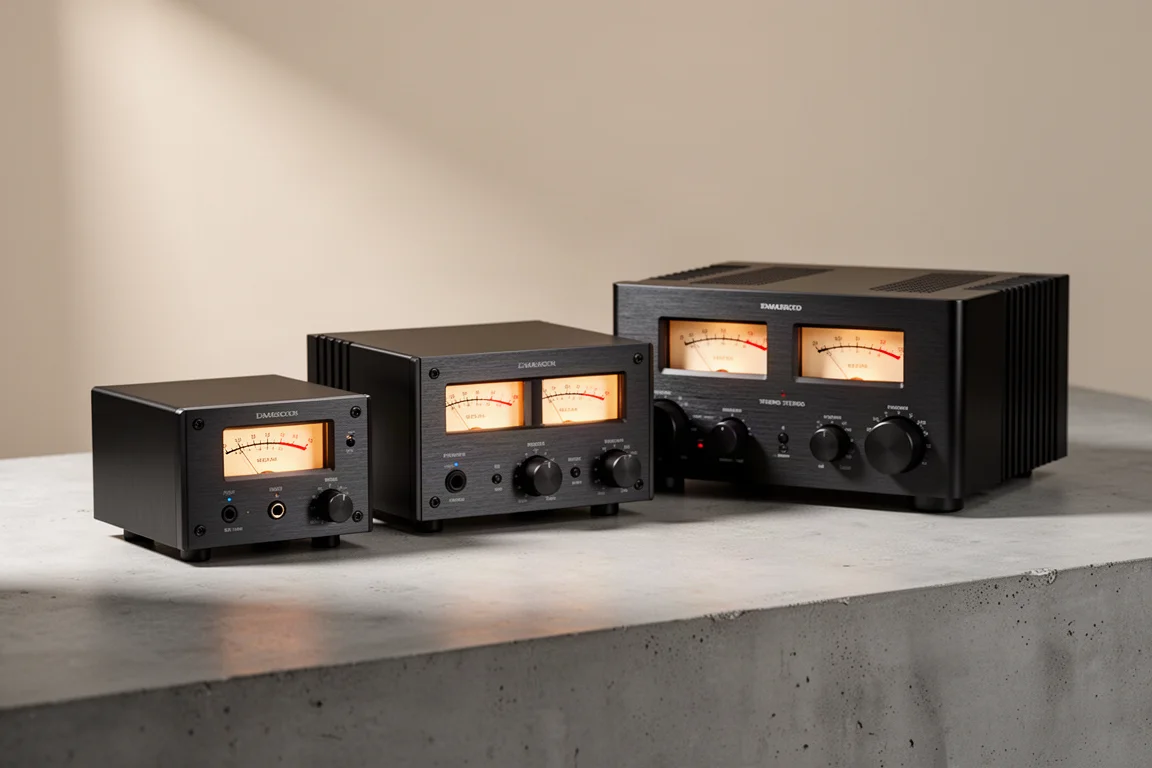
Three amplifiers, three price tiers, one listening room. On one side there is a compact class D design that sells for around $150 and can often be found for roughly $125 on sale. On the other sits a class A amplifier priced around $1,200. In between is a class AB power amplifier that has been seen for roughly $300 on sale, against a retail figure closer to $450.
Comparing them is not strictly fair, since they do not compete for the same buyer or the same budget. That is also exactly what makes it interesting. All three have enough power on paper to drive just about any speaker you connect, and all three offer XLR balanced inputs alongside single-ended connections, with one important caveat worth knowing before you buy.
How These Three Amplifiers Compare
The three units differ in more than price. They use different amplification classes, they weigh very differently, and their input implementations are not equivalent.
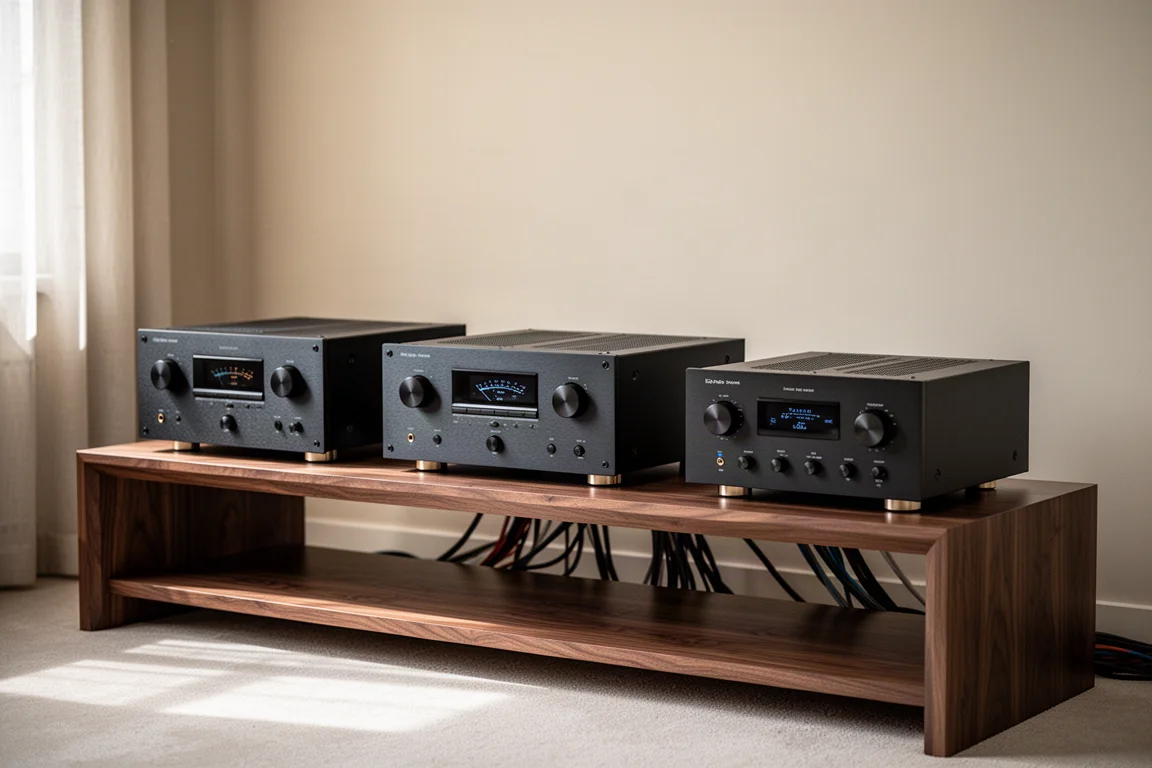
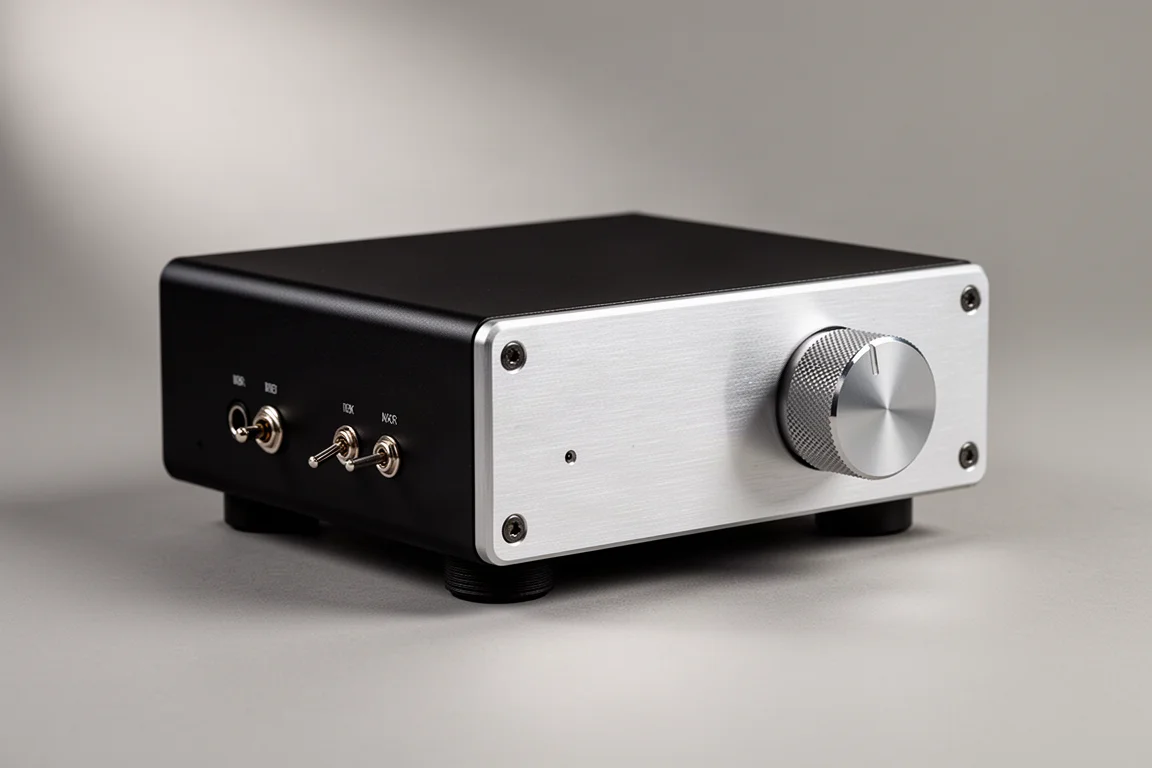
The Fosi Audio ZA3 is the lightest and most affordable of the group, a compact class D amplifier with a small footprint. The Ayon Audio E2 is substantially heavier and built around class A operation. The Monoprice Monolith 2100X is a two-channel class AB power amplifier positioned in the middle of the price range.
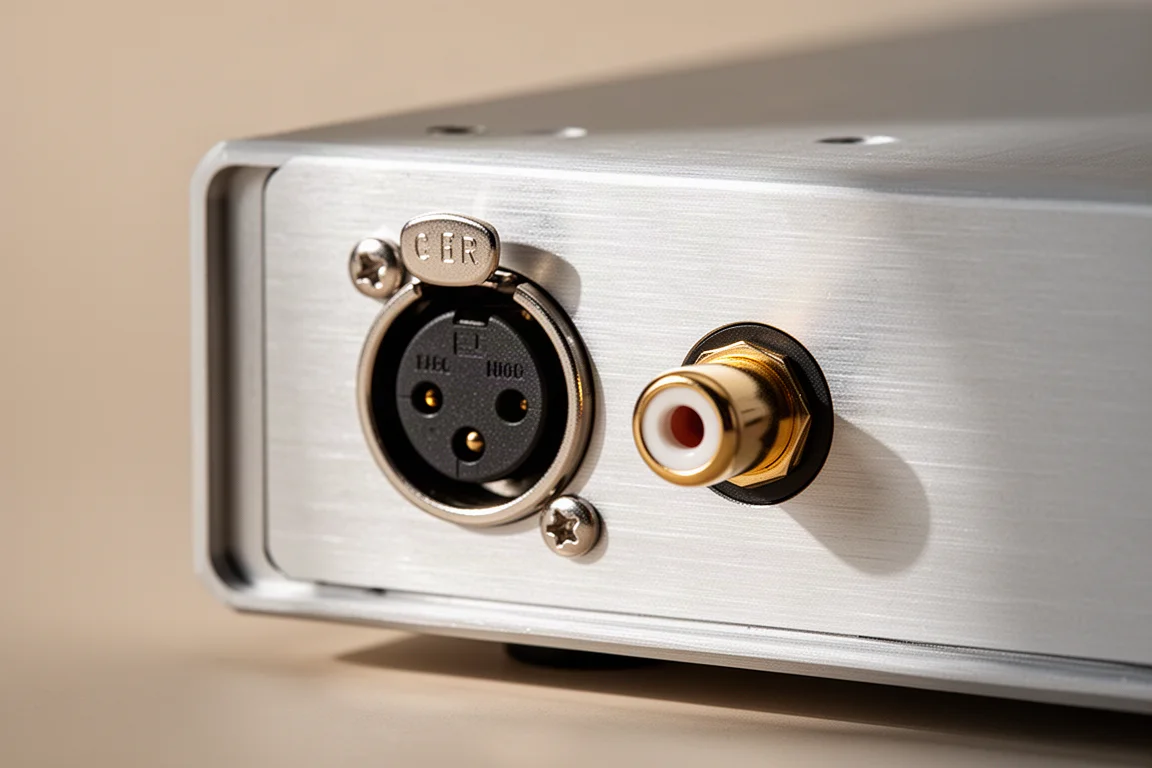
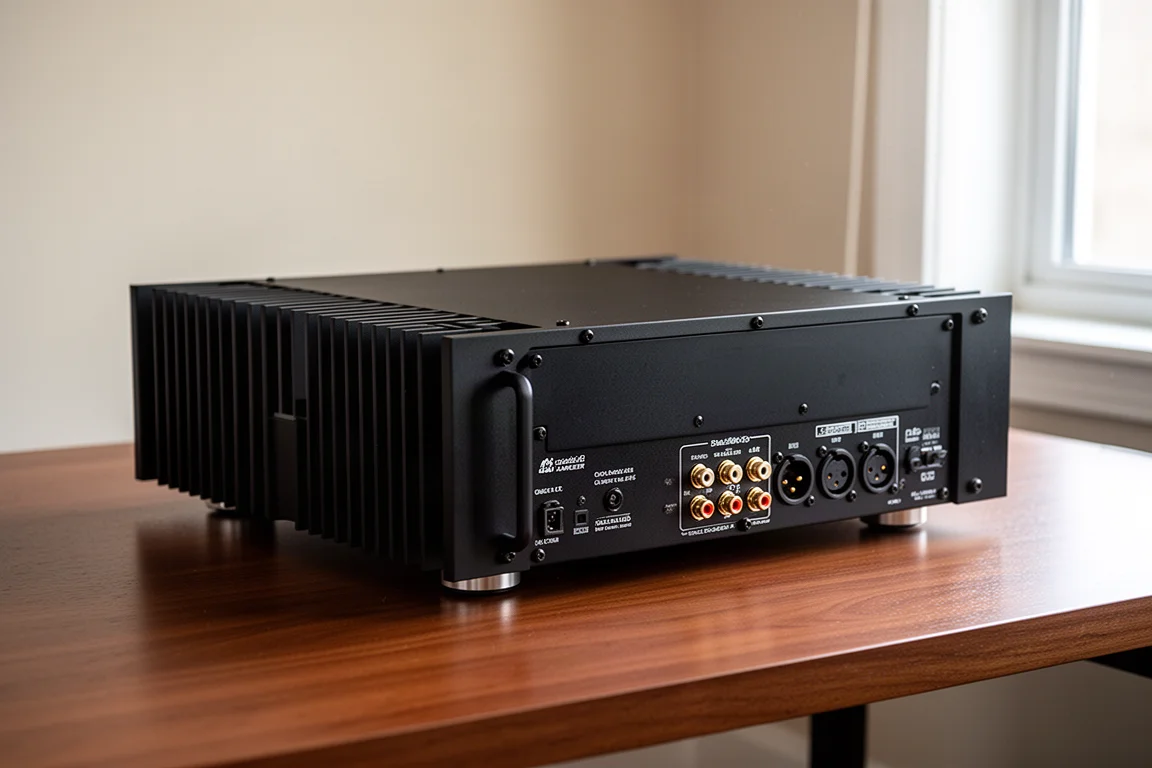
On connectivity, all three accept XLR and single-ended inputs. The Monoprice implementation is worth flagging: its XLR input is not a true balanced circuit and is effectively there for convenience rather than for the electrical benefits balanced connections normally bring. The Ayon is a genuinely balanced amplifier.
What We Listened For
The comparison was run in a large living room at levels that were genuinely loud, with peaks measuring north of 80 dB and frequently pushing past 85 dB. A preamplifier handled source switching, and an amplifier switcher allowed instant A/B changes from the listening seat using a remote, so no level matching was required between units. That immediacy matters: differences that seem obvious after a slow cable swap often shrink when you can flip between amplifiers in real time.
The Fosi Audio ZA3 was run with its volume maxed out, and levels landed almost perfectly in line with the other amplifiers without any adjustment. Tracks were chosen for vocal presence, bass weight, and top-end detail.
Fosi Audio ZA3: The Budget Standout
The ZA3 was the surprise of the session. With peaks in the low 80s dB, it held together without audible distortion and produced more bass than its size and price suggest. Vocals came across as slightly more forward than on the Ayon, and there was a touch of sibilance compared with the more expensive amplifier, but the difference was subtle enough that blind identification would have been difficult.
Notably, this was the stock unit with its factory op-amps, not a version upgraded with alternative op-amps. On one demanding track the ZA3 tipped slightly toward being forward, where the Ayon was the more comfortable listen, but on another the ZA3 showed more air and top-end openness. Its treble extension and clarity were the strongest of the three.
Ayon Audio E2: Refined Class A Character
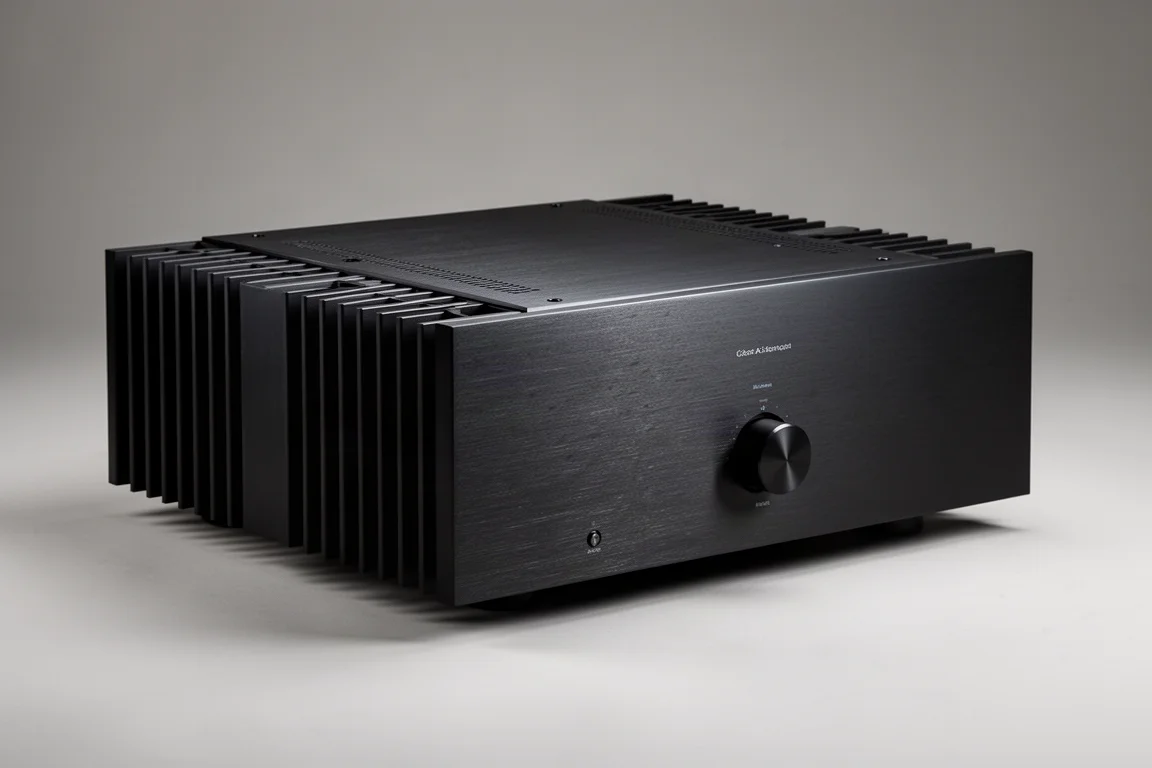
The Ayon Audio E2 is the heavy, genuinely balanced option, and it sounded it. Bass was slightly fuller and rounder than the ZA3, with a marginally richer low end that suited material where warmth matters. The trade-off is that it gave up some top-end clarity to the cheaper amplifier.
Where the ZA3 could feel a little forward on a bright track, the E2 stayed composed and was the preferred listen. Against the Monoprice it was noticeably quicker and more articulate, though the Monoprice countered with greater low-frequency authority. This is the amplifier for listeners who already own revealing speakers and want a smoother, more substantial presentation rather than the last word in treble bite.
Monoprice Monolith 2100X: Bottom-End Muscle
The Monoprice Monolith 2100X sounded like the darkest of the three. It does not match the ZA3 for top-end extension or clarity, and it does not have the Ayon’s agility. What it does have is weight. On bass-heavy material it brought noticeably more low-end beef and felt more composed in the high 80s dB range than the Ayon did.
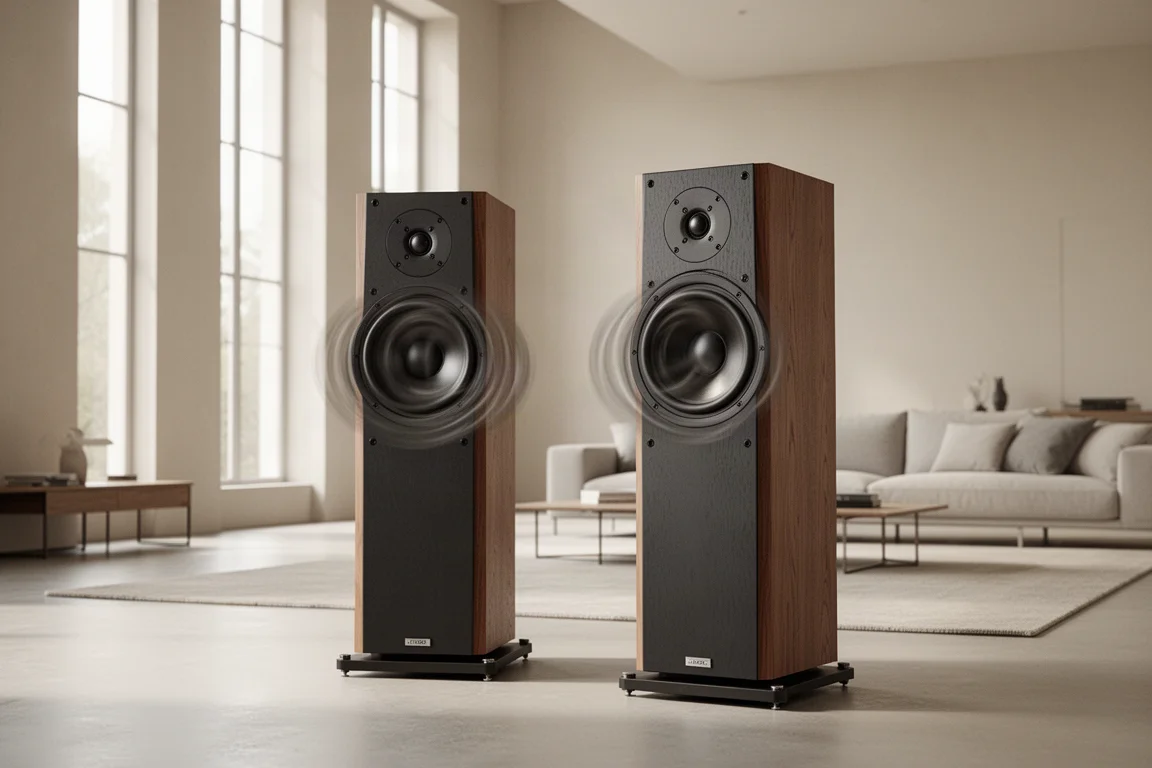
That makes it the pick when the goal is to get a pair of speakers moving with real low-frequency drive. If your priority is a big, punchy bottom end at a mid-range price rather than treble sparkle, this is the one that delivers it.
Longevity and Build Considerations
Build and service life are part of the value equation at these prices. The expectation here is that the Monoprice and the Ayon are the type of amplifiers that can plausibly run for 20 to 30 years. The Fosi Audio ZA3 is a different proposition. It is not guaranteed to fall short of that lifespan, but it is the least likely of the three to reach it, with a realistic expectation closer to a few years of service. Buyers who treat an amplifier as a long-term investment should weigh that against the very low entry price.
Overall Buying Advice
The decision comes down to budget and speakers rather than an absolute ranking, because all three amplifiers performed well.
On a tight budget, the Fosi Audio ZA3 is the clear choice. It is genuinely impressive for its price, drives speakers to loud levels without strain, and offers the best top-end clarity of the group. It is also the least likely to still be running in 20 years.
If low-frequency drive is the priority, the Monoprice Monolith 2100X is the one to pick. It is darker and less extended up top, but it packs real punch and feels solid under load. Be aware that its XLR input is a convenience feature rather than a true balanced connection.
If budget allows and your speakers are revealing enough to show it, such as brighter or more premium floorstanders, the Ayon Audio E2 is probably the better match. It is the genuinely balanced design, the most refined of the three, and the one that stays comfortable when a track gets aggressive.
Conclusion
The most striking takeaway is how small the gaps were. At 80 to 85 dB in a real room, the $150 class D amplifier was not embarrassed by the $1,200 class A amplifier, and the differences that did appear were tonal rather than a matter of one being obviously superior. Buy for your speakers, your budget, and how long you expect to keep the amplifier, and any of these three can be a satisfying choice.
Further reading
Related Reviews
Hi-Fi Amplifiers
Accuphase E-280 Review: Entry-Level Accuphase With Flagship Attention to Detail
A close look at the Accuphase E-280 integrated amplifier, covering its champagne build, AAVA volume control, sound quality, and the speakers and sources that suit it best.
Hi-Fi Amplifiers
Advance Paris A10 Classic vs Yamaha A-S301: Two Integrated Amplifiers Compared
A practical comparison of a $350 integrated amplifier and a $2,500 reference model, covering the differences that matter and the ones that do not.
Hi-Fi Amplifiers
Affordable Chinese Amplifiers Worth Buying: Five Budget Hi-Fi Amps Compared
A practical look at five affordable amplifiers, what each one does well, and the trade-offs to weigh before you buy.