Sleeping Bags
Budget vs Premium 0°F Winter Sleeping Bags: Nemo Sonic and Teton Sports Altos Compared
Two 0°F winter sleeping bags, one around $600 and one around $120, compared on insulation, ratings, hood design, and real cold-night performance.
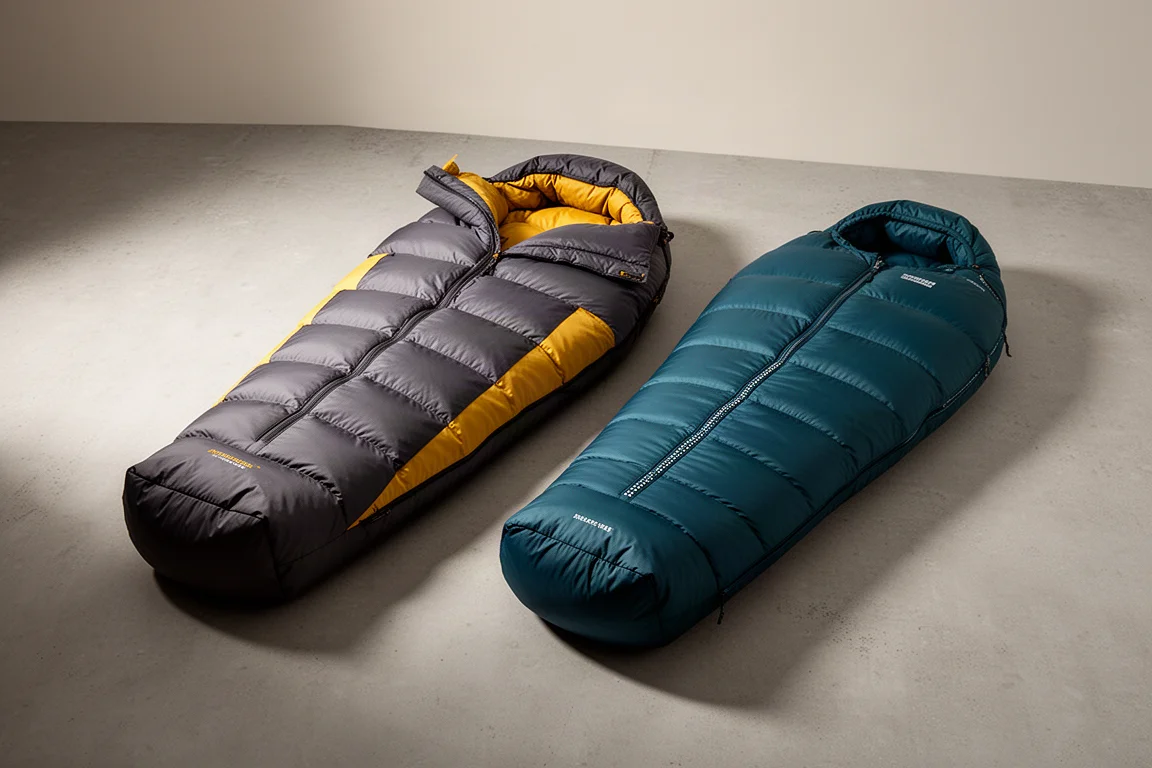
Introduction
A winter sleeping bag is one of the few pieces of gear where the price gap between options is genuinely enormous. Two bags here carry the same 0°F headline rating, yet one costs around $600 and the other around $120. That raises a fair question: what exactly does the extra money buy, and can a budget bag keep a camper warm enough on a cold night?
This comparison looks at the Nemo Sonic 0°F and the Teton Sports Altos 0°F side by side, covering their insulation, their temperature ratings, and how each one performed on a night outside in the snow at roughly 30 to 35°F.
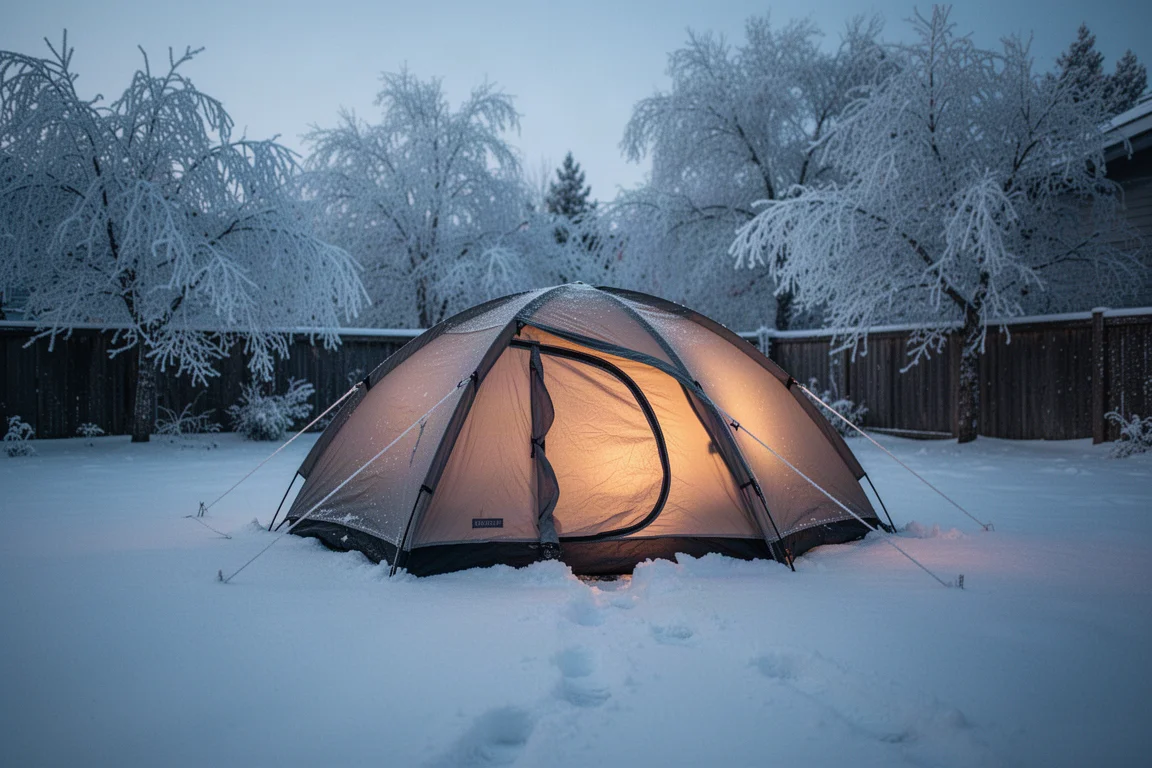
Both bags are aimed at the same job, cold-weather camping, but they approach it from opposite ends of the market. Understanding the differences in insulation, rating standards, and hood design makes the choice much clearer.
What a 0°F Rating Actually Tells You
Temperature ratings are not all measured the same way. The Nemo Sonic carries a lower limit rating of 0°F and a comfort rating of 14°F. The lower limit describes the temperature at which a warm sleeper should stay comfortable, while the comfort rating is generally treated as the temperature at which a cold sleeper remains comfortable. Nemo’s figures come from ISO testing, a standardized process carried out by an external organization, which means the numbers can be compared against other ISO-rated bags.
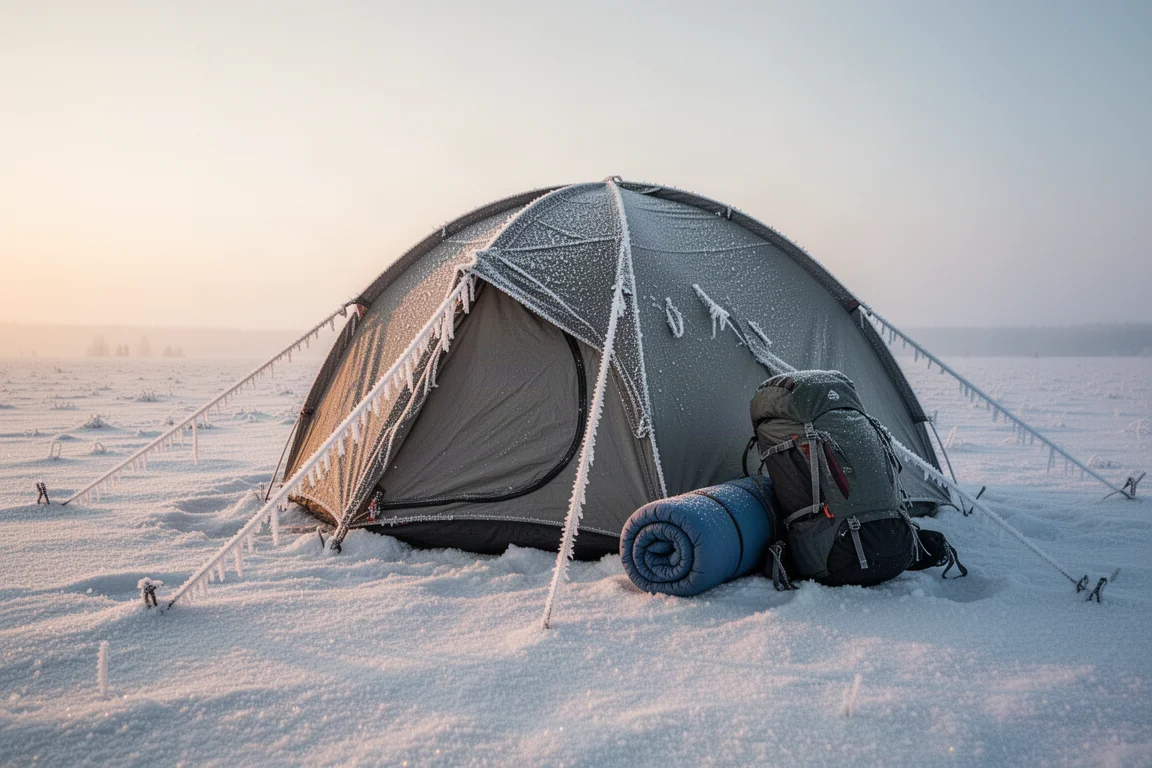
The Teton Sports Altos is also labelled 0°F, but that figure comes from the brand rather than an ISO test. ISO testing is expensive and not every brand uses it, which does not automatically make a bag untrustworthy, but it does mean the number is not directly comparable. Teton Sports itself recommends choosing a bag rated 20 to 30°F below the lowest temperature you expect to camp in, so a 0°F bag is positioned for nights around 30°F or slightly below.
Nemo Sonic 0°F Sleeping Bag: A Premium Down Bag for Cold Nights
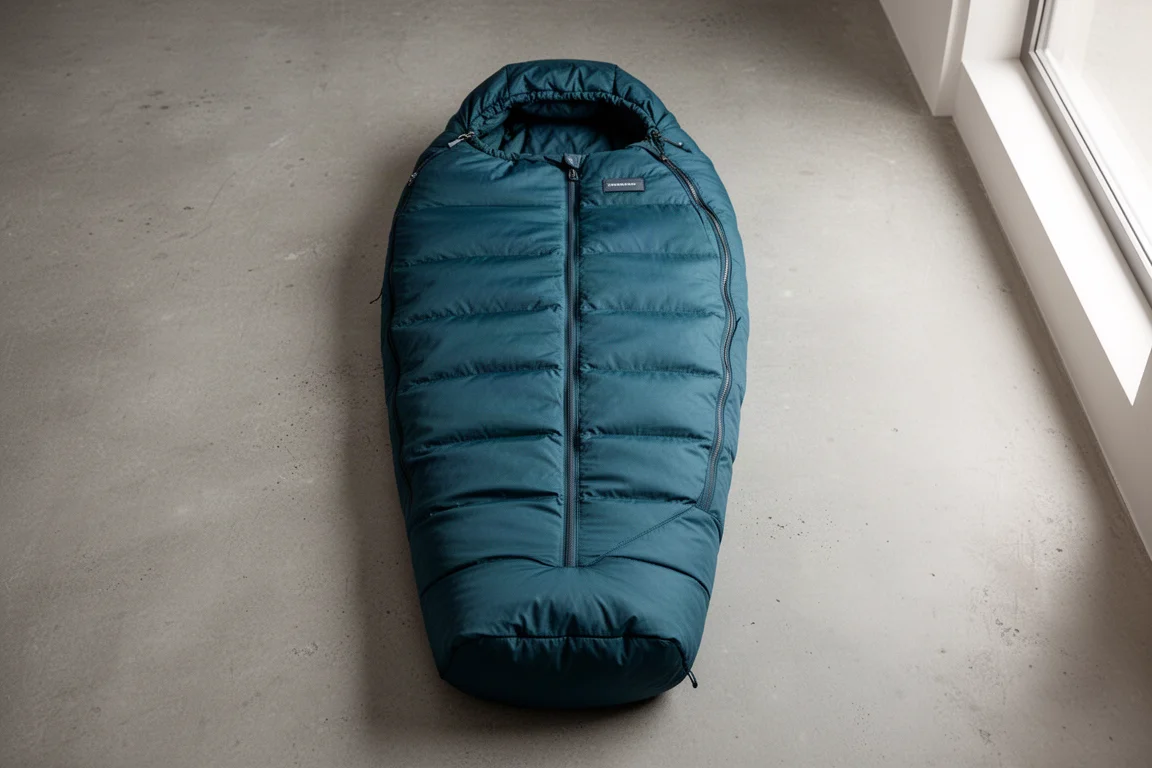
The Sonic uses 800 fill power down insulation, which gives it a noticeably lofty, puffy profile. It weighs 3 lb 9 oz on its own and 3 lb 12 oz when packed in its included compression sack, and it comes in three lengths: a short version suited to sleepers up to about 5 ft 6 in, a regular version up to 6 ft, and a long version up to 6 ft 6 in.
Weather protection is a clear focus. The shell is highly water resistant and the foot box is fully waterproof, which matters because feet often press against tent walls where condensation forms. A large puffy collar surrounds the face opening, and a draft collar wraps the neck to stop air from seeping in. Chevron-patterned baffles are designed to hold the down in place and improve heat retention, and additional baffles run along both sides of the zipper.
Two Thermo Gills act as small vents, letting a little heat escape when the bag feels too warm without opening the entire zipper. A small pocket near the collar is handy for a headlamp or phone, and it also works well for a water filter, which can be damaged if it freezes overnight.
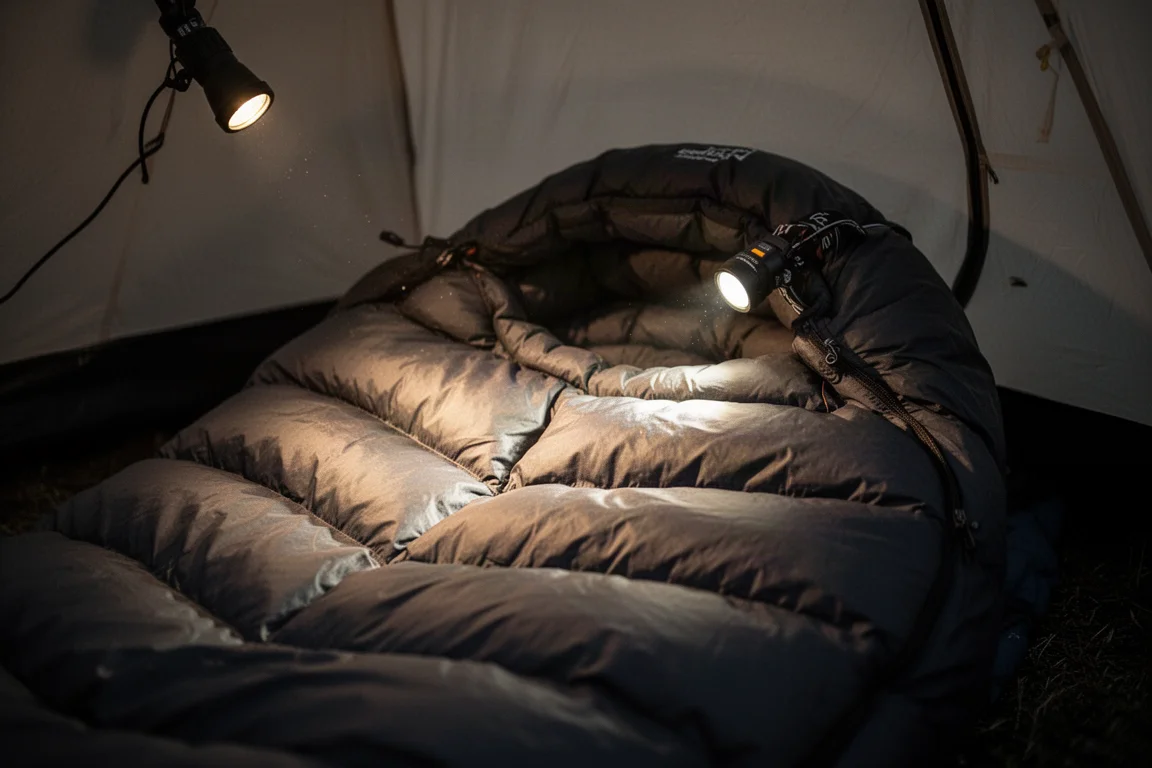
On a night out at around 30 to 35°F, the Sonic was extremely comfortable, and there was little doubt it could handle considerably colder conditions. Its price tag reflects that level of design and finish.
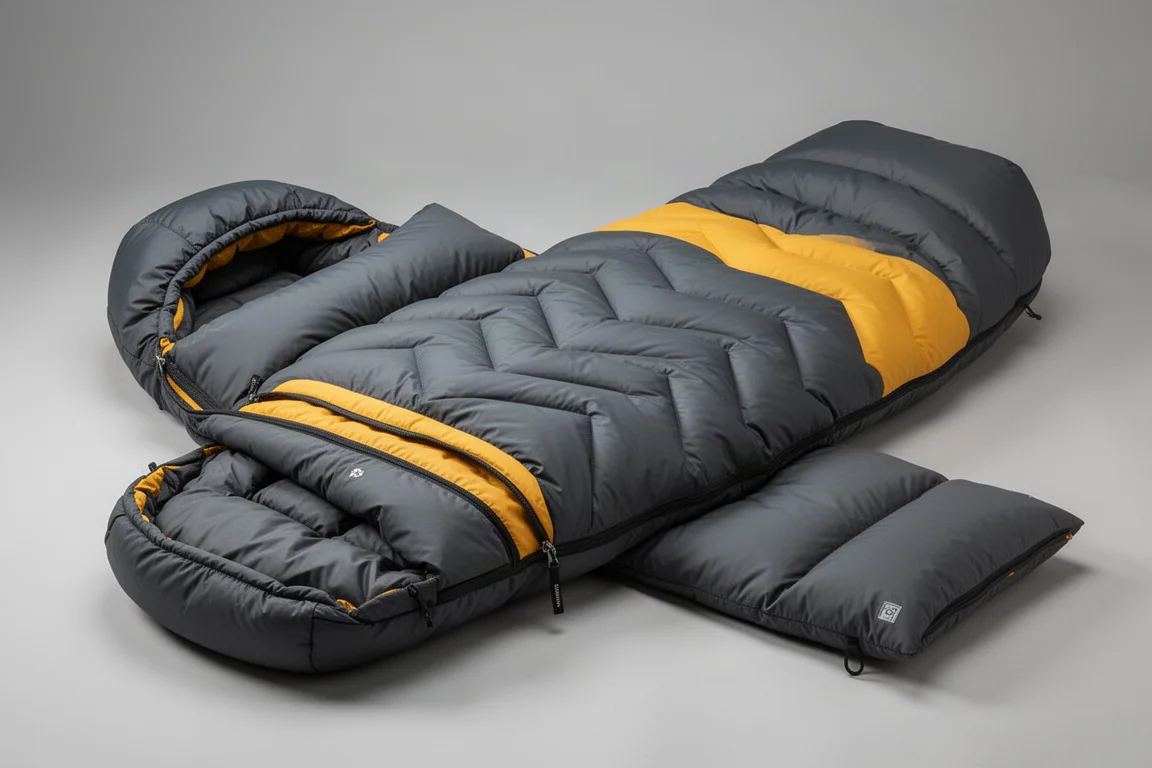
Teton Sports Altos 0°F Sleeping Bag: A Budget Synthetic Option
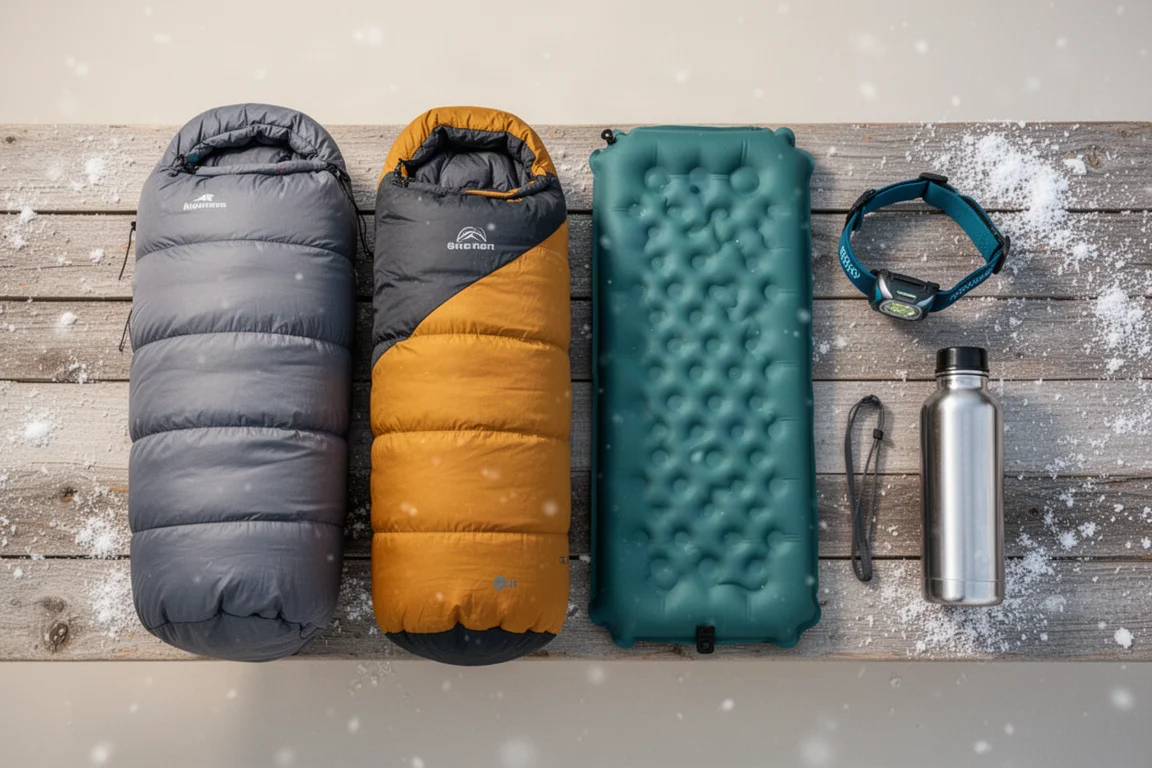
The Altos takes a different route. It uses synthetic insulation rather than down, a choice that keeps the price at roughly $120 while still claiming the same 0°F rating and a similar weight to the down version of the same bag. Synthetic fill also keeps insulating when it gets damp, so the lack of a waterproof foot box and hood is less of a concern than it would be on a down bag.
Packed in its stuff sack the bag weighs 3 lb 2 oz, and without the compression sack it comes in under 3 lb, which makes it lighter than the Sonic. It has a velcro tab at the top, a draft tube along the zipper on the upper side, a draft collar that cinches, an adjustable hood, and an interior pocket. Baffles are present, though they matter less with synthetic insulation, which behaves more like a single sheet of material. The bag is also noticeably less lofty than the Sonic, the first hint that it will not match the down bag for warmth.
Where the Money Goes: Design and Construction Trade-offs
Spending a night in the Altos makes the gap between the two bags concrete. The Altos keeps a sleeper from getting cold, but it never feels genuinely warm, and around 30 to 35°F it appears to be working at the very top of its range. The Sonic, used in near-identical conditions with the same base layers and the same sleeping pad, felt cozy and well regulated.
Most of the difference sits in the details. The Altos hood is very large, and its draft collar is difficult to position around the neck; cinching it tightly enough to seal out cold air puts pressure in awkward places, and the velcro tab keeps coming unstuck and catching the face. The Sonic’s hood and oversized draft collar sit comfortably around the neck, and its wide zipper baffles eliminate drafts along the zipper.
The Thermo Gills are another practical advantage on warmer nights, and the waterproof foot box adds a margin of safety in condensation-prone tents. Nemo clearly invests in refining features, and the Sonic shows it. The Altos, by contrast, feels like a bag built to hit a price, and it does so without failing at its core job.
None of that makes the Altos a bad purchase. It performs noticeably better than its price suggests, and the fact that it weighs less than the Sonic is a real point in its favour for anyone counting grams.
Who Each Bag Suits Best
If the main obstacle to winter camping is being cold or uncomfortable at night, the Nemo Sonic is the more convincing answer. Its rating is independently standardized, its insulation and hood are built for genuinely low temperatures, and the comfort features make long nights easier.
If the main obstacle is cost, the Teton Sports Altos is a strong option. It is a genuine budget bag rather than a premium one in disguise, but it keeps a sleeper from getting cold in freezing conditions and is far easier to justify for occasional trips.
It is also worth remembering that these are not the only two bags available. Many bags, including the Sonic, use a third-party rating system, while others rely on the brand’s own figures. Reading what each company recommends for its own bags is the most reliable way to match a rating to your plans.
Buying Advice: Matching a Winter Bag to Your Trip
Start with the temperatures you actually expect. A bag rated 0°F is not intended to be comfortable at 0°F for every sleeper; a 0°F lower limit with a 14°F comfort rating, as on the Sonic, tells you more about real-world warmth than the headline number alone. If a brand publishes its own guidance, such as Teton Sports recommending a rating 20 to 30°F below your expected low, use that as your baseline.
Then weigh the practical trade-offs. Down insulation offers more loft for its weight and, in the Sonic’s case, comes with a water-resistant shell and a waterproof foot box. Synthetic insulation is less expensive and keeps working when damp, which suits wetter conditions and tighter budgets.
Fit matters as much as insulation. The Sonic is available in three lengths, so taller sleepers can choose a bag that reaches properly, while the Altos relies on its adjustable hood to seal in warmth. Details such as zipper baffles, draft collars, and ventilation gills have an outsized effect on how a night actually feels, and they are usually where cheaper bags show their compromises.
Finally, consider how often you will use the bag. A premium bag earns its price over many cold nights, while a budget bag that performs above expectations makes more sense for a handful of trips each winter.
Conclusion
Both bags are rated to 0°F, and both can work. The Nemo Sonic justifies its roughly $600 price with standardized ratings, high-loft down, a water-resistant shell, a waterproof foot box, thoughtful ventilation, and a hood that seals comfortably. The Teton Sports Altos, at about $120, is a genuinely capable budget bag that keeps a sleeper from getting cold in freezing conditions, even though it never feels truly warm and its hood design is the clearest sign of cost cutting.
Choose the Sonic if warmth and comfort are the priority. Choose the Altos if price is the deciding factor and you accept a simpler design. Either way, matching the bag’s rating to the conditions you actually camp in matters more than the label on the stuff sack.
Further reading
Related Reviews
Sleeping Bags
Best Down Sleeping Bags Under $300: Four Backpacking Options Worth a Look
Four down sleeping bags that stay under $300, compared on fill power, baffle design, hood comfort, and packed size.
Sleeping Bags
Best Sleeping Bags and Sleep Systems: Five Premium Down Picks Compared
Five premium down sleeping bags and sleep systems compared on warmth, weight, construction, and value.
Sleeping Bags
Big Agnes Lost Ranger UL 3-in-1 Sleeping Bag System Review: One Bag, Three Setups
A practical look at the Big Agnes Lost Ranger UL 3-in-1 Sleeping Bag System, covering how the three configurations work, where it shines, and the details worth weighing before buying.