Turntables
Budget vs Luxury Vinyl: A Practical Comparison of Turntables, Tonearms, Cartridges and Phono Preamps
How a few hundred dollars of direct-drive turntable compares with an entry-level luxury deck, and which smaller upgrades close the gap most.
Introduction
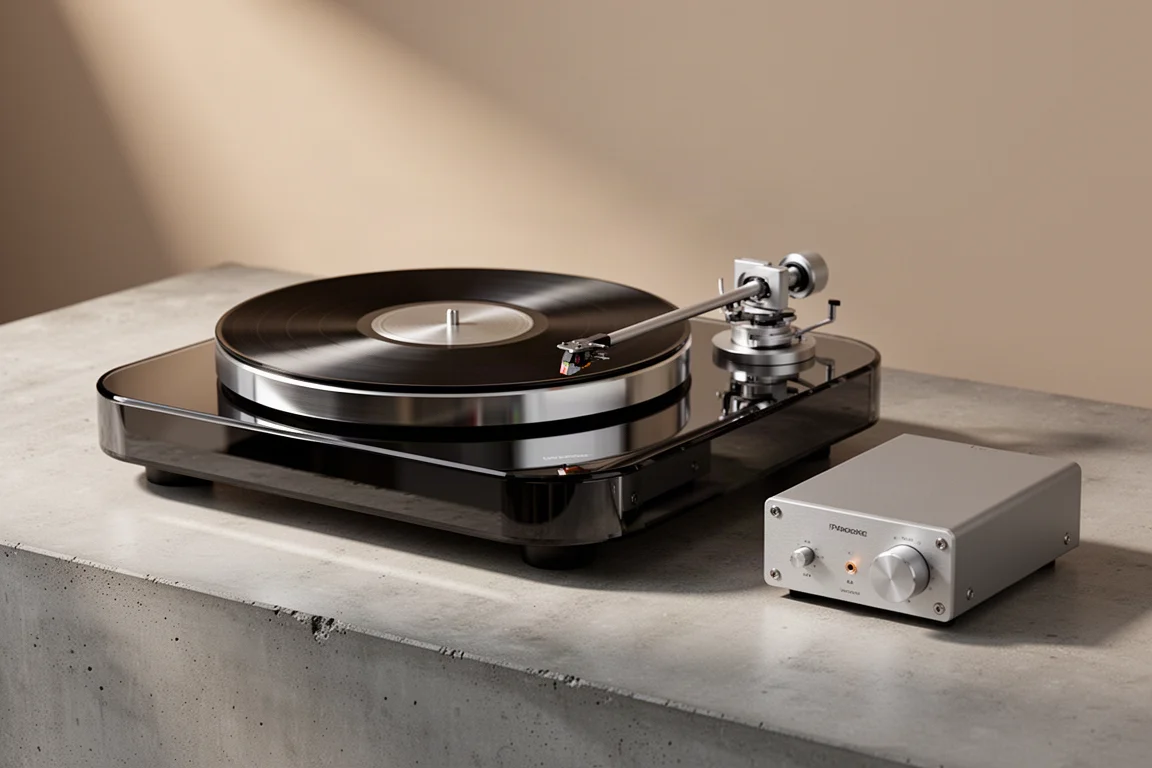
Two vinyl front ends sit at opposite ends of the market here. One is a direct-drive turntable that arrives complete with a cartridge and a built-in phono stage. The other is a belt-driven deck from a small UK manufacturer that ships without a tonearm or a cartridge at all. Put them next to each other and the obvious question is not simply which one wins, but where the money actually goes.
The answer turned out to be more interesting than expected. The deck itself mattered, but two much smaller pieces, a cartridge and a standalone phono preamp, did more to change what came out of the speakers than the turntable underneath them. This guide walks through each component, what it costs, and what it contributes.
What Was Compared and How
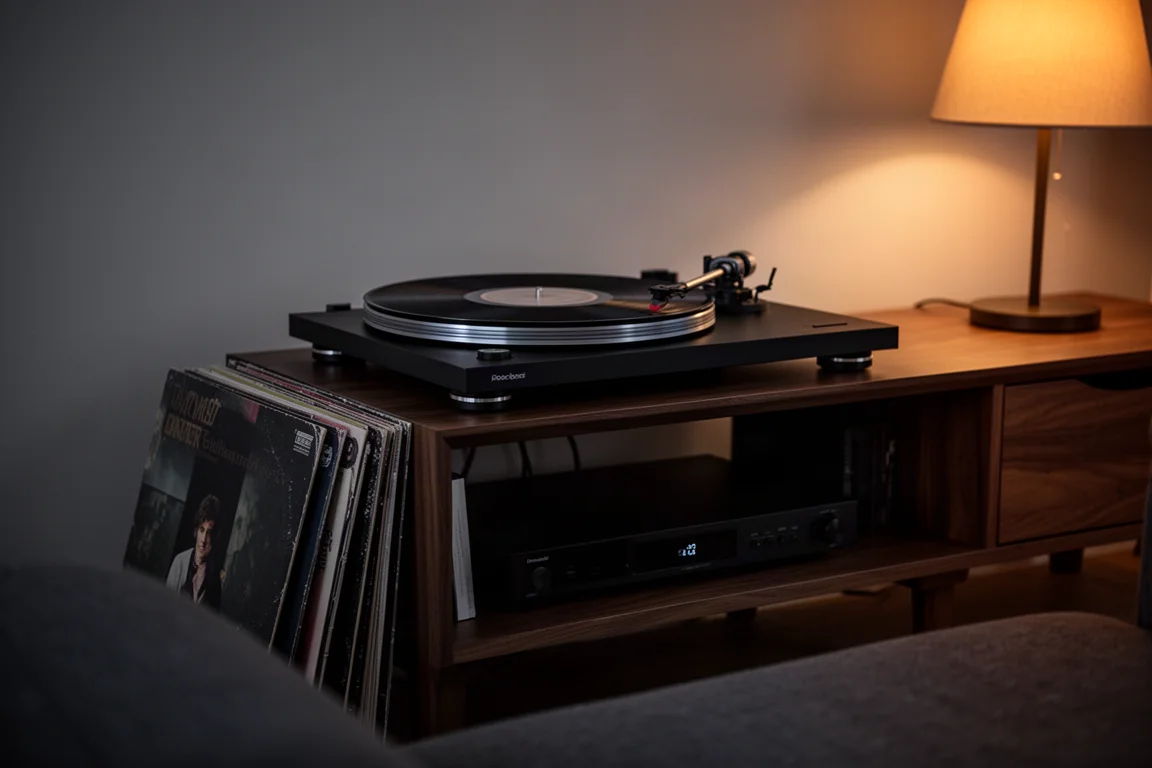
The budget side of the comparison was a direct-drive turntable with its factory cartridge and its own internal phono stage. It was also played through the phono stage of an integrated amplifier and then through a dedicated outboard phono preamp, which made it possible to hear how much of the sound came from the deck and how much from the electronics around it.
The premium side was an entry-level luxury turntable fitted with a separate tonearm and a moving magnet cartridge, feeding a standalone phono preamp that supports both moving magnet and moving coil designs. Later in the process, a moving coil cartridge replaced the moving magnet one for a direct comparison between the two.
It is worth saying plainly that this is not a perfectly level playing field. The cartridge alone on the premium system costs more than the entire budget turntable. That is exactly why the exercise is useful: it shows which parts of a vinyl chain are worth paying for first.
Audio-Technica AT-LP120XUSB-BK: Direct Drive With Everything Included
This turntable is the definition of a complete starting point. It is a direct-drive design, so there is no belt to route or replace, and it offers three speeds (33, 45 and 78 rpm), a start/stop button, a variable speed control and a strobe for checking that the platter is running at the right rate. The included cartridge is a moving magnet model that sells separately for around $70.
Build quality is where the price shows. The plinth and chassis are plastic, though sturdier than a lot of budget decks, and it feels like what it is: a few hundred dollars of turntable. The bigger compromise is the built-in phono stage. On its own it sounds mid-focused, with the low end pushed up, the top end rolled off and a touch of hiss in what remains. Running the same deck into a separate phono preamp cleaned up the bass and midrange and brought believable high frequencies back.
Listed around $350, it has been discounted to roughly $250 during major sale events.
Michell Engineering TecnoDec: Entry-Level Luxury, Belt Driven
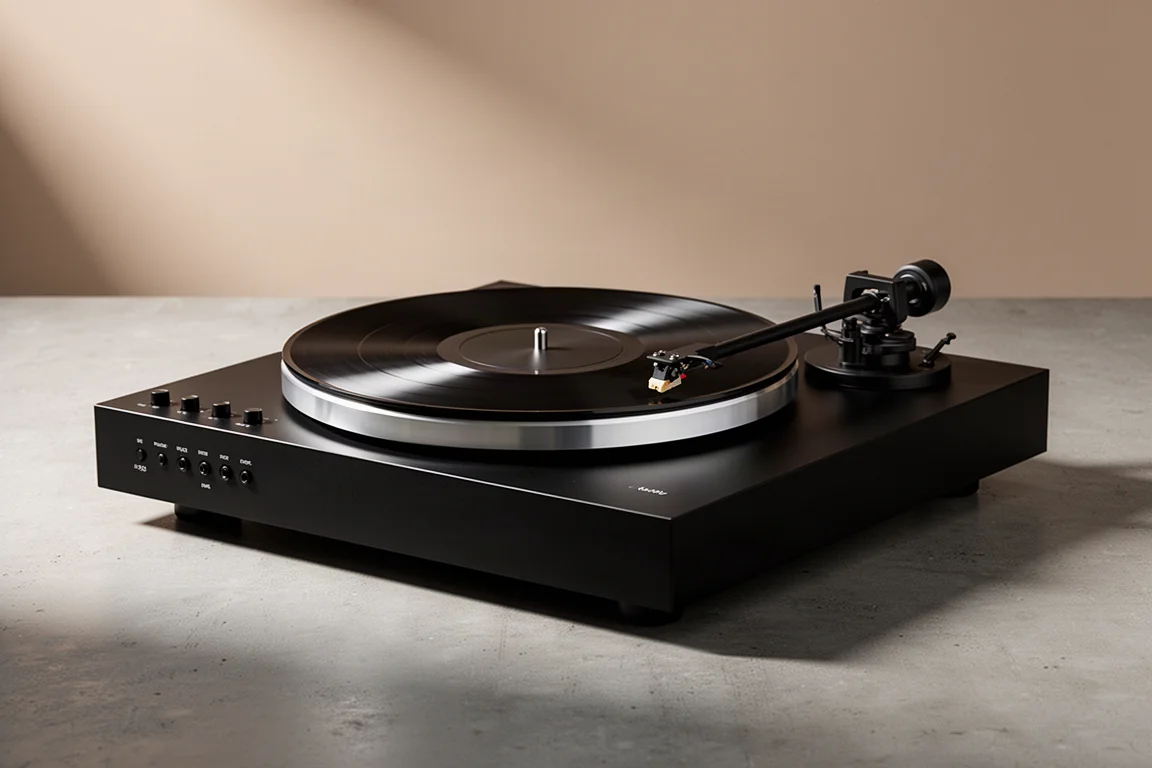
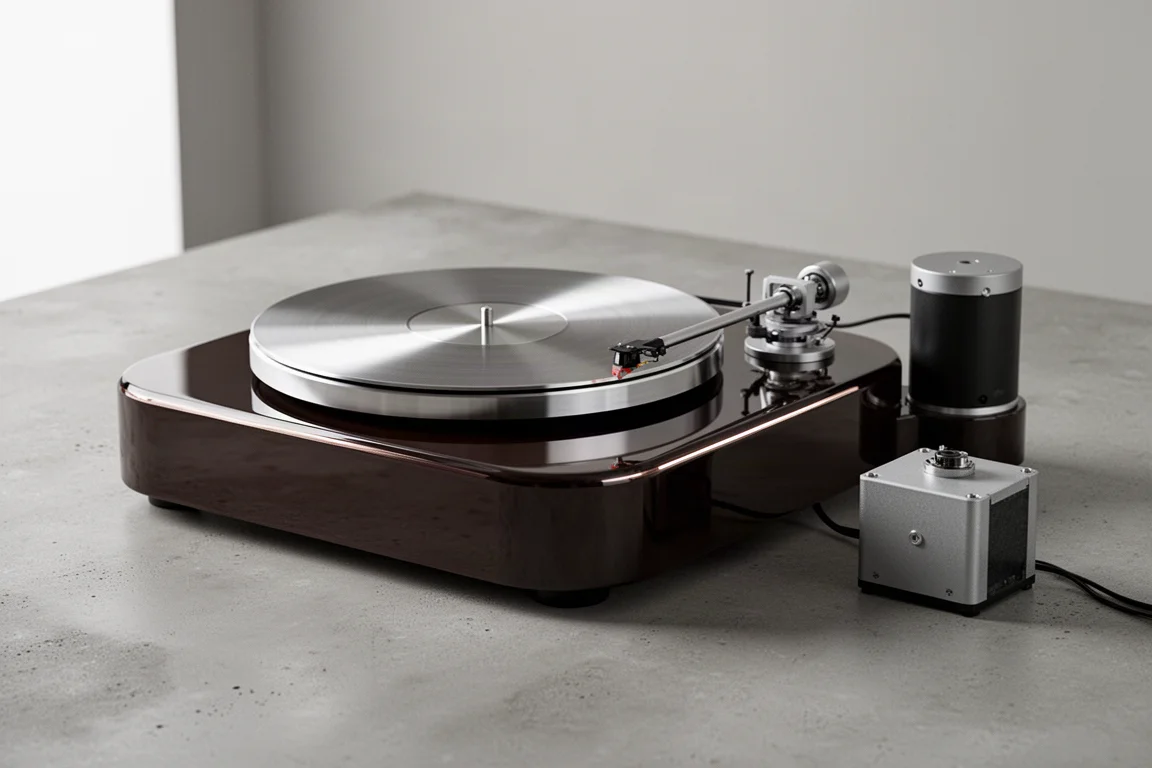
The TecnoDec is the entry point into a UK maker’s range, and it arrives as a turntable only. No tonearm, no cartridge. It is belt driven, with a motor deliberately decoupled from the plinth by about a millimetre so that vibration has less of a path into the record. The plinth carries a high-gloss finish, and the maker does not spell out exactly what it is made from, which is a reminder that materials lists matter less than the result.
The bearing is a genuinely lovely piece of engineering. Oil is poured into a well, and a sleeve with a ball inside sits over it and draws the oil up. Spun by hand during setup, the platter simply kept going. Sorbothane feet let the whole deck be levelled precisely.
As configured here, with the T3 tonearm, a Goldring E4 cartridge and the Pro-Ject Phono Box S2, the system comes to roughly $4,000. The turntable alone is about $2,000.
What that money buys is not a list of features but a lack of interference. Records played on this deck were dynamic, clean, three-dimensional and airy, and the listening sessions ran far longer than planned, which is the most honest compliment a piece of hi-fi can receive.
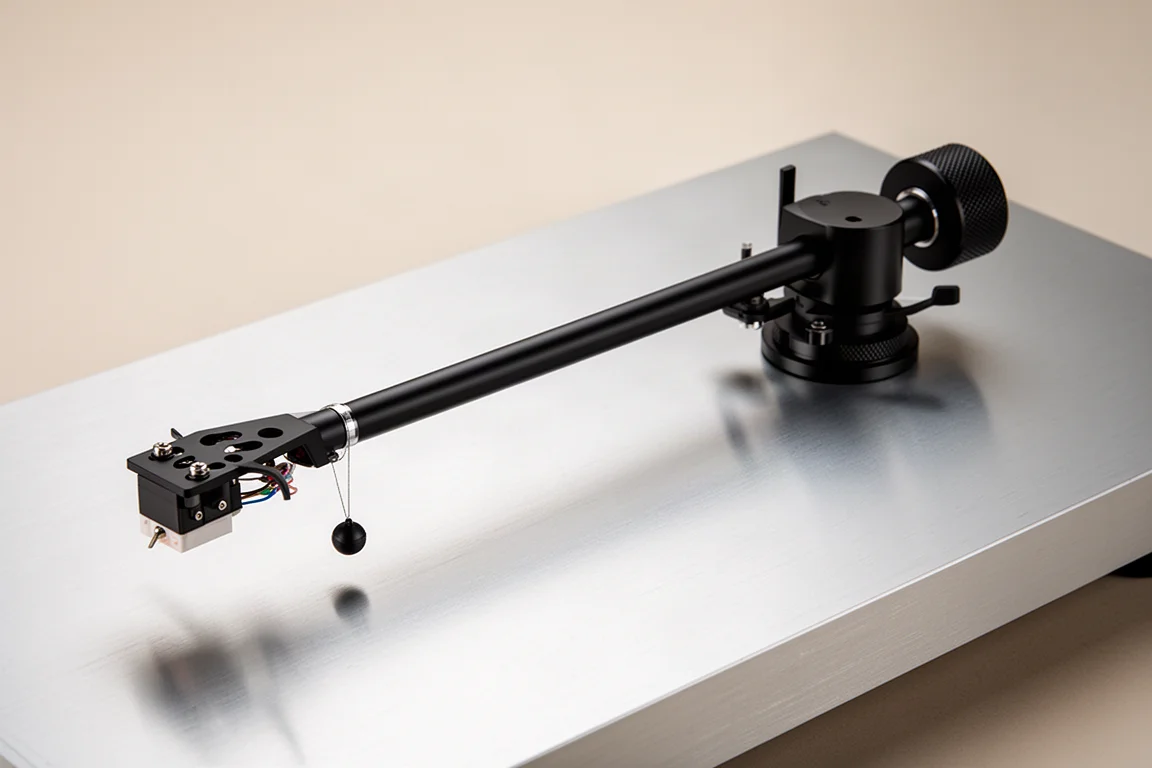
Michell Engineering T3 Tonearm: Premium Feel, Adjustable Tracking
Tonearms are usually the least glamorous part of a vinyl setup, but the T3 is a reminder that they are a mechanical instrument in their own right. Tracking force adjustment is precise, and the whole assembly feels like a premium component rather than a cost-engineered one. At around $700 it is priced well above the turntable it was fitted to in the budget system, and it feels like it.
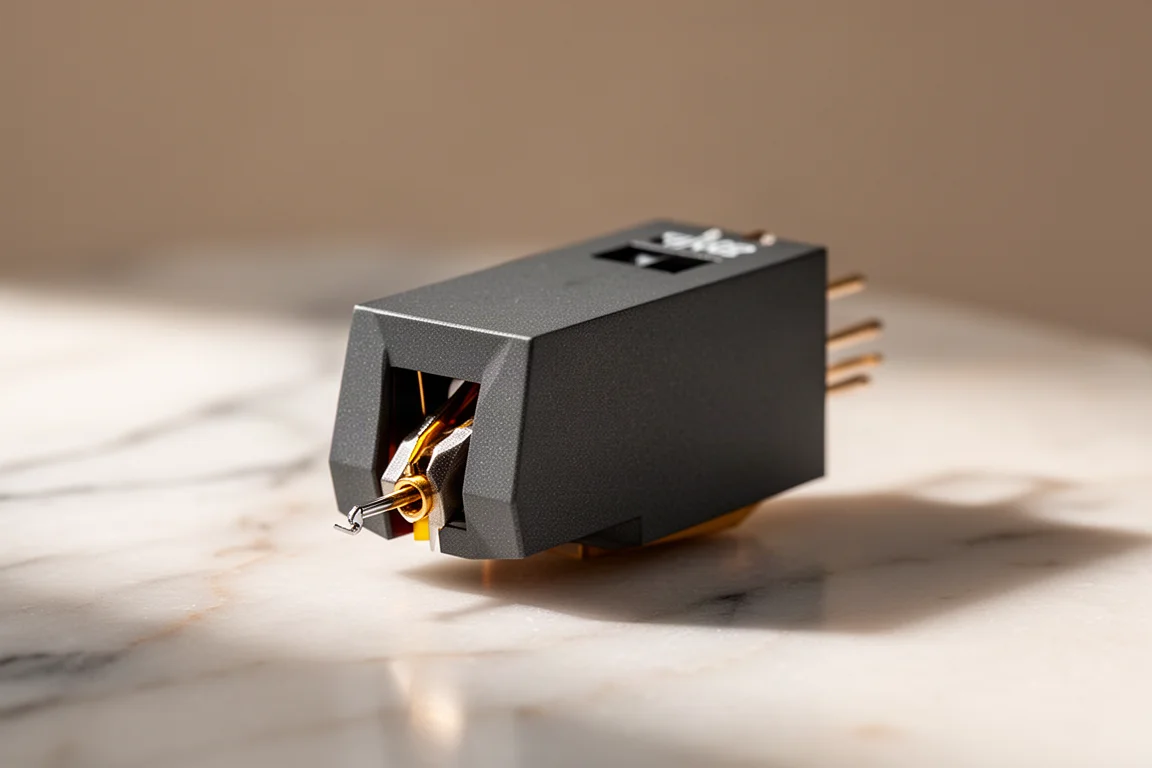
Goldring E4: The Cartridge That Won This Comparison
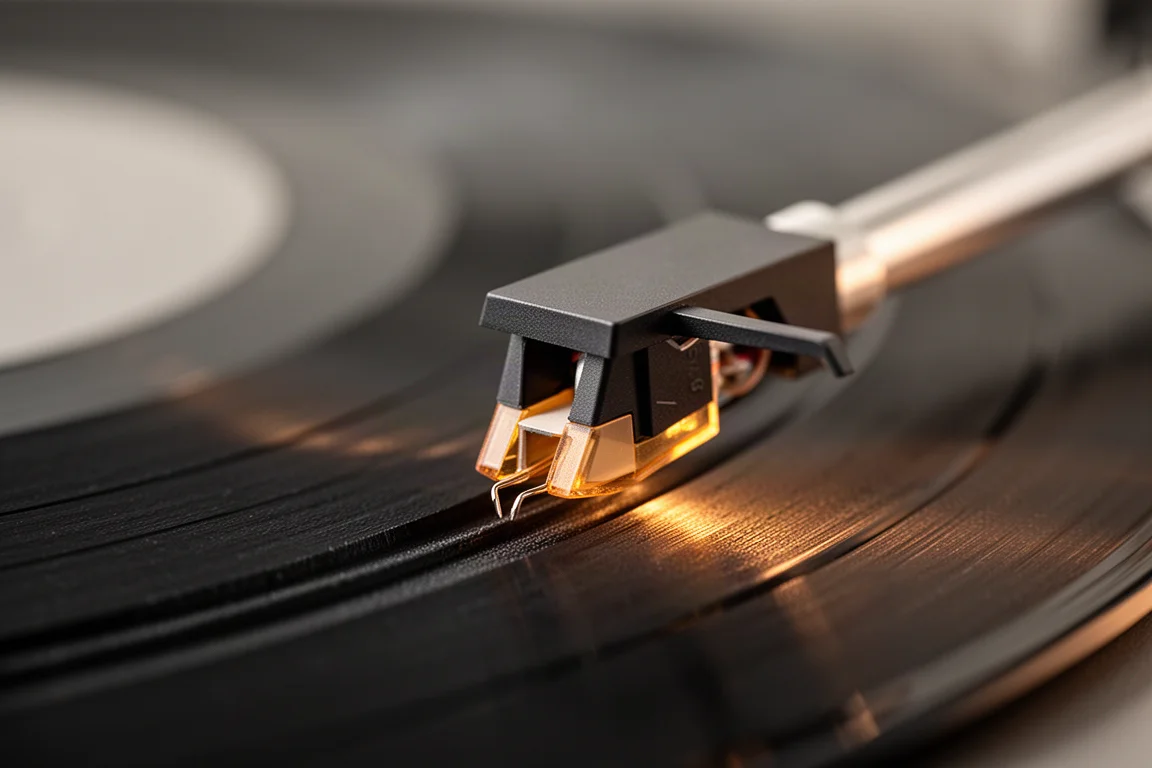
The E4 is a moving magnet cartridge at around $400, and it turned out to be the standout of the whole exercise. Its character is lively: more bass than expected without smothering the midrange, and more high frequency energy without turning sibilant or artificial. Listeners who like a clean, dynamic cartridge in the vein of the Ortofon 2M Blue will recognise the family resemblance, and the E4 comes across as the more energetic of the two.
Placed on the premium deck, it was preferred over a moving coil cartridge costing more than twice as much. That is not a verdict on the more expensive cartridge so much as a matter of taste. Detail, clarity and punch were the priorities in this setup, and the E4 delivered all three.

Because so much of a turntable’s sound comes from the cartridge and the phono stage rather than the deck itself, the E4 is also the most transferable upgrade in this group. It will change the sound of almost any reasonable turntable it is fitted to.
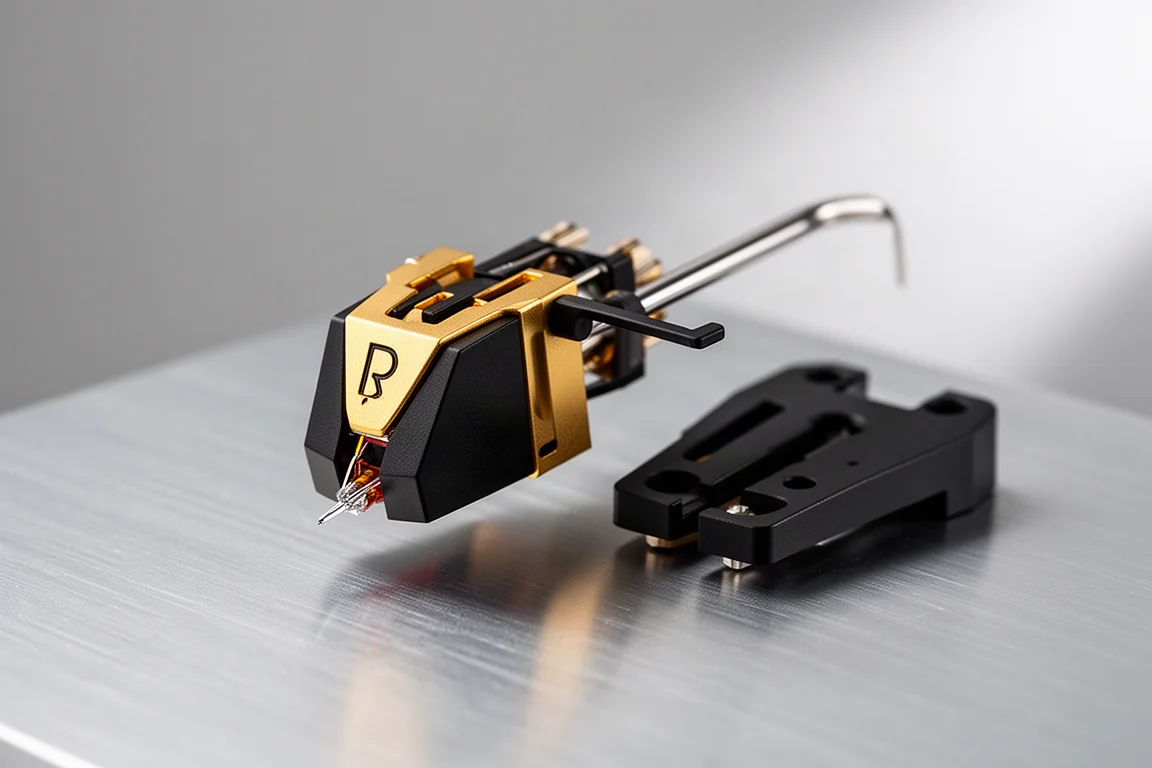
Goldring Eroica HX: A Moving Coil With Different Priorities
The Eroica HX is a moving coil cartridge in the $800 to $900 range, and it was the first of its type in this setup. Its presentation is noticeably more laid back and richer than the E4, with plenty of punch but less outright detail and a less revealing character overall. That is a preference rather than a fault. Anyone who enjoys a warm, forgiving sound, and who likes cartridges such as the Nagaoka MP-110, will likely find a lot to enjoy here.
It was swapped out in favour of the E4 for most of the listening, but it is worth knowing that the two cartridges are aimed at different listeners rather than at different budgets.
Pro-Ject Phono Box S2: The Quietly Important Upgrade
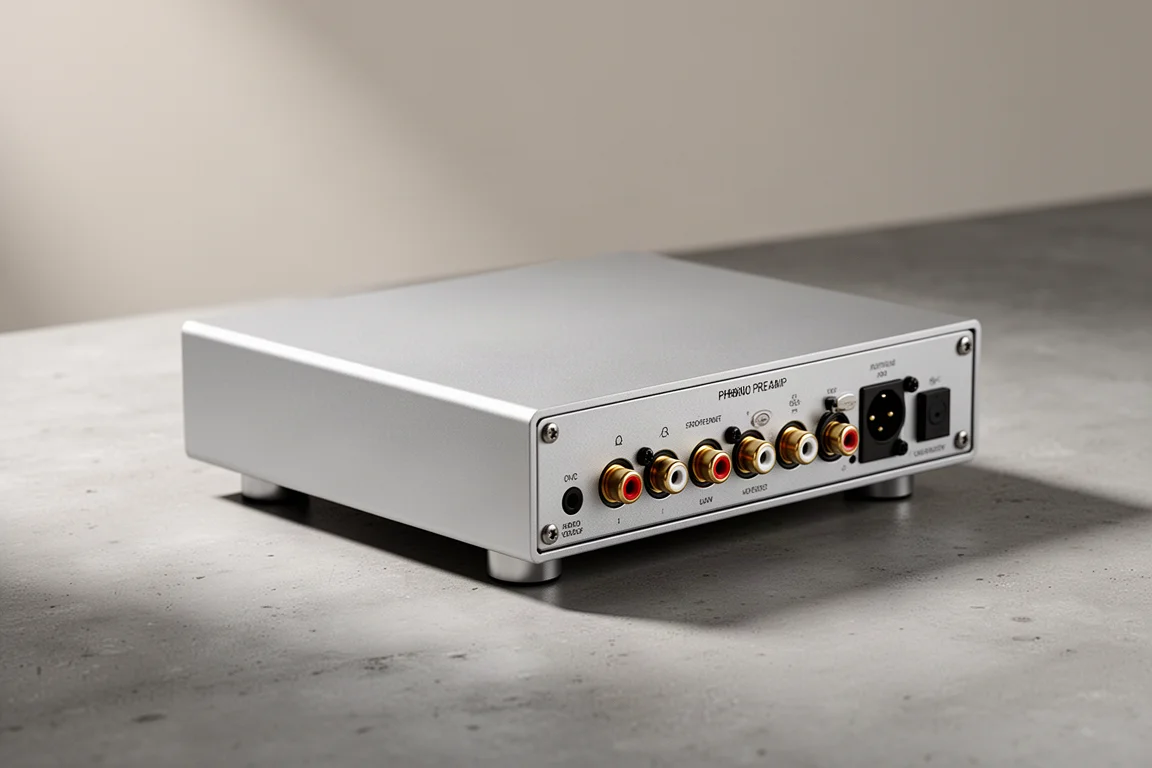
The Phono Box S2 is a standalone phono preamp at around $500, and it handles both moving magnet and moving coil cartridges, which makes it a sensible long-term partner for anyone who might change cartridges later. Its contribution was easy to hear. Against the built-in phono stage of the budget turntable, it cleaned up the bass, tidied the midrange and restored high frequencies that had been missing entirely.
The effect was large enough that a $500 phono preamp did more for the sound of a few-hundred-dollar turntable than any change to the deck itself. Together, the E4 and the Phono Box S2 come to around $900, which is a significant sum, but it is also the pair of upgrades that carried the most audible weight in this comparison.
Overall Buying Advice
The clearest lesson from this comparison is about the order of spending. A cartridge and a phono preamp changed the sound more than the turntable did, and both are transferable to whatever deck comes next. If a vinyl system is being built from nothing, a solid budget turntable with a good cartridge and a separate phono preamp is a more rewarding place to start than a single expensive component.
The turntable still matters, particularly its isolation and bearing design, and the TecnoDec demonstrates that convincingly. But at roughly $2,000 for the deck alone, and about $4,000 as configured, it is a considered purchase for someone who already knows they want a long-term vinyl setup. The deck is also sold without a tonearm or cartridge, so the total cost has to be planned from the start.
Conclusion
A direct-drive turntable with a built-in phono stage and an entry-level luxury deck built from separate components occupy very different worlds, and the gap between them is real. Records played on the premium system produced the most enjoyable vinyl listening in this comparison, and the isolation work in the TecnoDec is clearly doing something meaningful.
But the money spent on the cartridge and the phono preamp produced the biggest single improvement for the least money. That is good news for anyone building a vinyl setup gradually: the components that travel with you are the ones worth buying well first.
Further reading
Related Reviews
Turntables
Best Turntables 2026: Seven Standout Picks From Entry Level to Premium
A practical roundup of seven turntables worth considering, from a US-made budget deck to small-batch premium models with a clear upgrade path.
Turntables
Best Turntables Under $1,000: Five Fully Manual Picks Worth Considering
Five fully manual turntables under $1,000, compared on build quality, cartridges, upgrade potential, and the character of sound each one brings to a system.
Turntables
Best Turntables Under $2,000: Six Vinyl Decks Worth Building a System Around
Six turntables under $2,000, from a value-focused belt-drive deck to a fully balanced design, with the strengths and trade-offs that matter before you buy.