Backpacking Gear
Budget Ultralight Backpacking Gear List: Six Affordable Picks That Keep Weight Down
A roughly 7.6 lb backpacking loadout built around a frameless pack, a layered sleep system, a fly-first solo tent, a one-ounce stove, and a low-cost aluminum pot.
Introduction
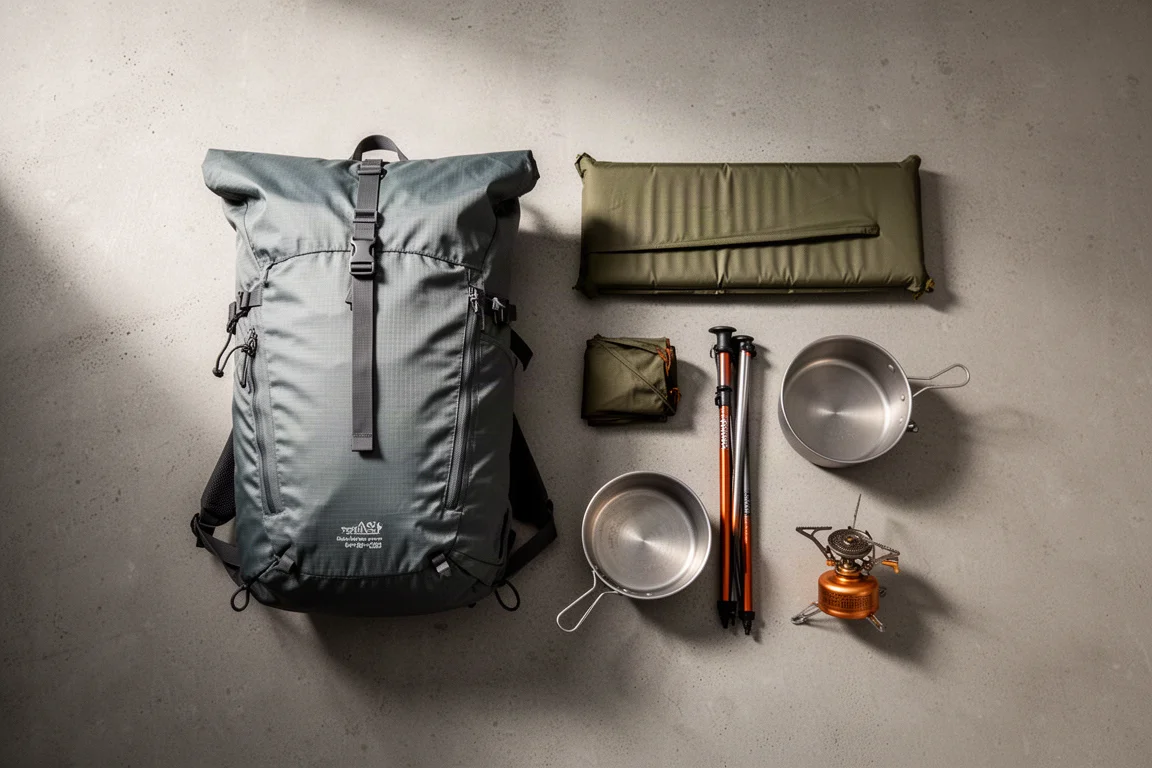
Ultralight backpacking does not have to mean premium pricing. The six items below make up a complete three-season loadout that comes in at roughly 7.6 lbs, and most of them sit well below what comparable gear usually costs. A frameless pack, a two-part sleep system, a lightweight solo shelter, a one-ounce stove, and a small aluminum pot do nearly all of the work.
This is a list for hikers who are willing to trade a few built-in comfort features for weight and cost. There is no rigid frame here, no canister stove, and no titanium cookware. What replaces those things is technique: packing discipline, a layered sleep setup, and a fuel choice that is easy to resupply almost anywhere. With food and water for a three-day trip, the packed weight came in around 20 lbs.
It suits backpackers who have a trip or two behind them and want to move faster without rebuilding an entire kit around expensive components. Beginners can still use it, but the list rewards a little practice.
Granite Gear Virga 2: A Frameless Pack That Rewards Careful Packing
The Granite Gear Virga 2 is a 55-liter roll-top pack that weighs 19 oz and lists at $149, which makes it one of the most affordable options in its capacity class. It is also frameless, meaning there is no rigid internal frame or stays. Everything the pack does for your back comes from how you load it.
That is the central trade-off of this list. Removing the frame cuts weight and cost, but it also puts the burden on packing technique. A pack like this can feel sloppy if the load shifts, and surprisingly stable when the contents are arranged with intent. The roll-top closure helps, since it lets you compress the pack down when you are carrying less.
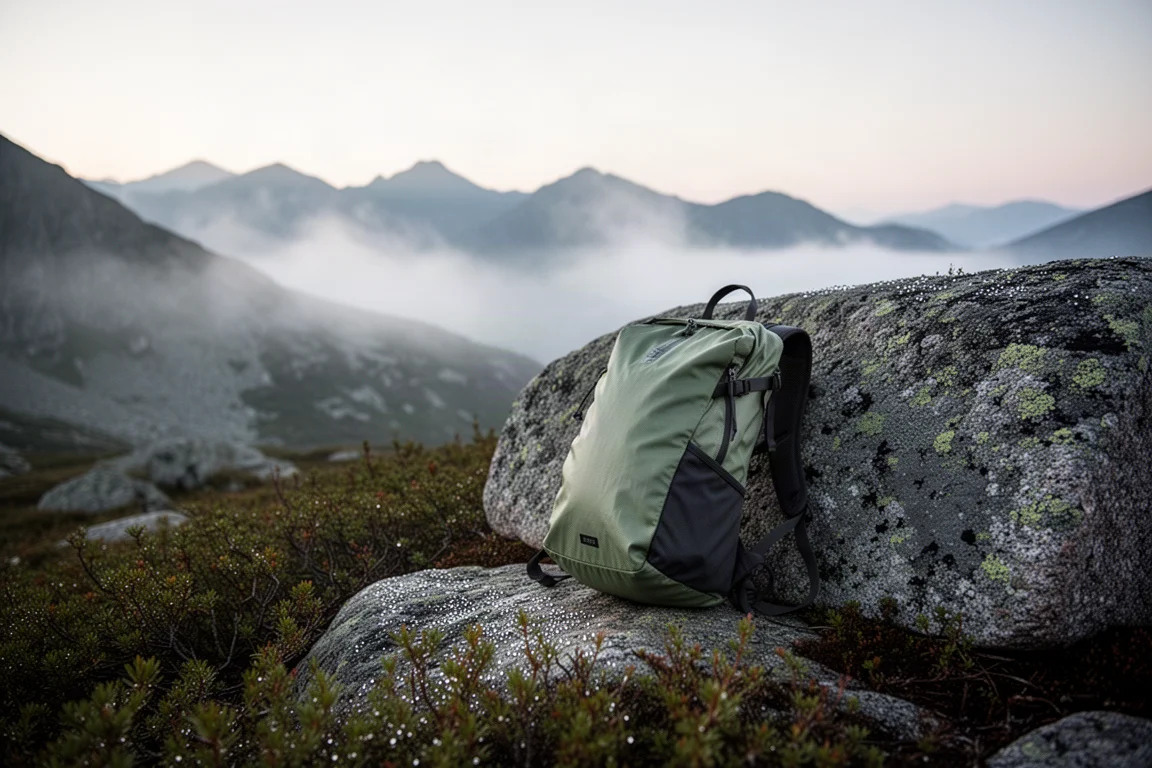
For hikers who want one pack that covers a wide range of trips, the 55-liter volume and roll-top design offer plenty of flexibility. It is also an inexpensive way to try frameless packing for the first time, and used examples have sold for well under the list price.
XPed 3R Sleeping Pad: The Inflatable Core
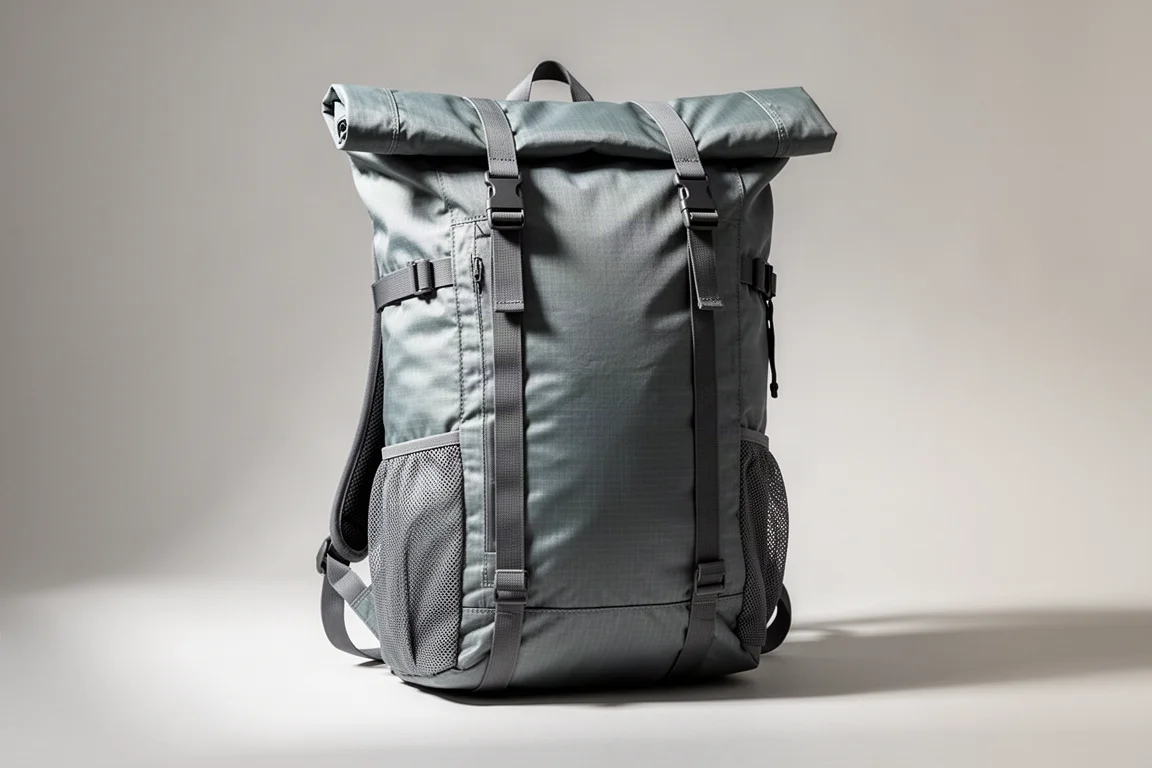
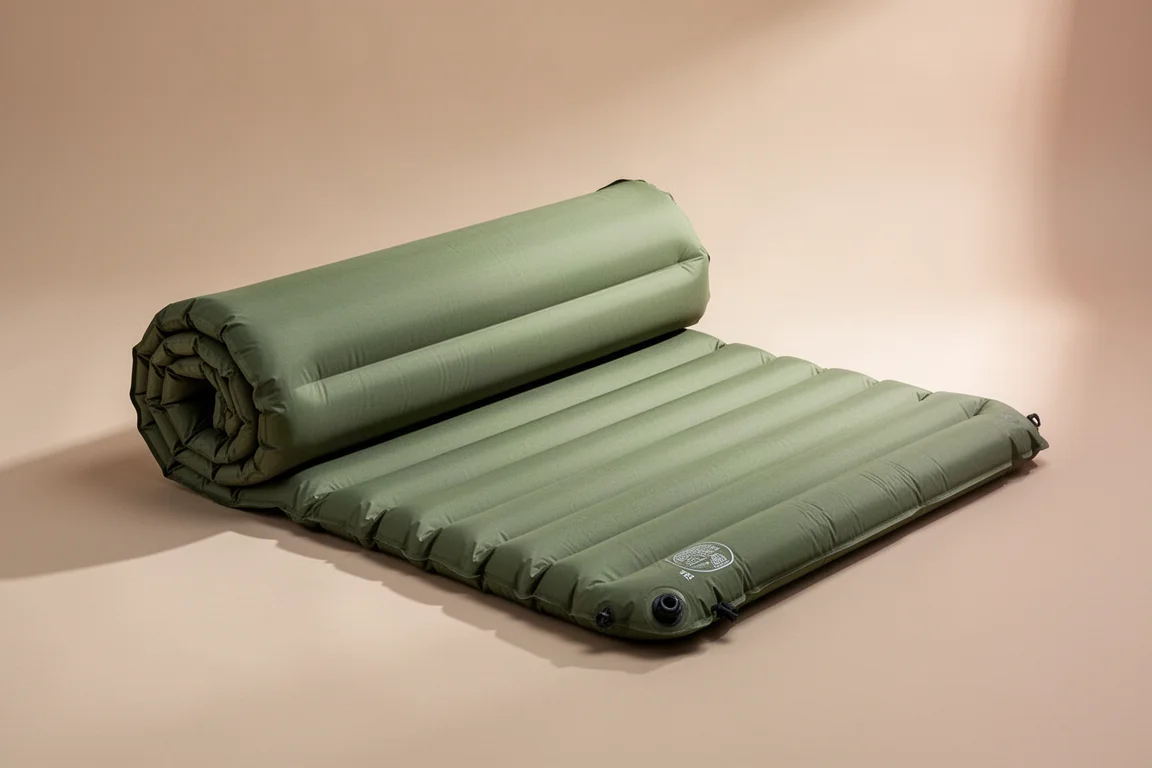
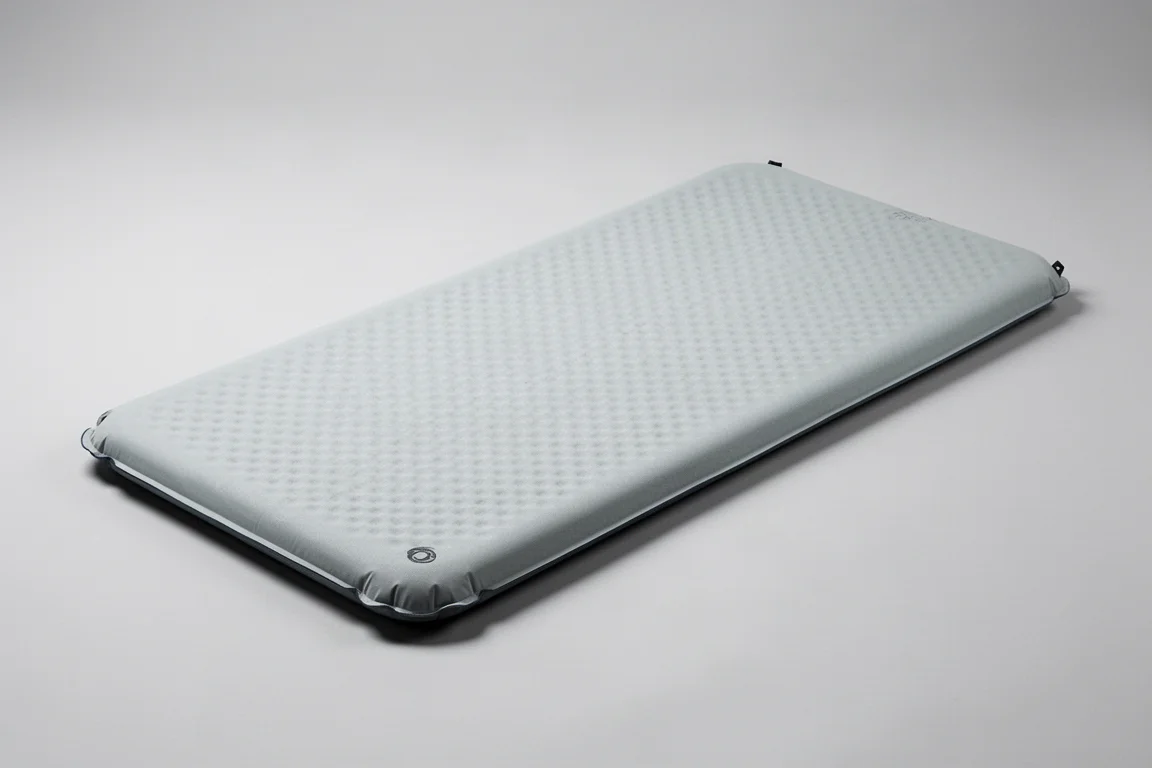
The XPed 3R is the inflatable half of this sleep system. It provides the cushioning under a quilt or sleeping bag, and it is the piece most people will notice first on a cold night.
On its own, an inflatable pad has one weakness in a frameless setup. Nothing stops it from shifting under you, and nothing gives the pack any structure. That is exactly where the second pad comes in, and why the two are treated as a single system rather than two separate purchases.
Gossamer Gear Thinlight Foam Pad: The Frame You Build Yourself
The Gossamer Gear Thinlight is a 1/8-inch closed-cell foam pad. Folded into a rectangle alongside the inflatable pad and slid against the back panel inside the pack, it becomes a makeshift frame. The foam adds a little structure to the pack and gives the load something to press against.
This layered arrangement is the trick that makes a frameless design work. Instead of paying for a frame, you build one out of gear you were already carrying. The setup also means the two pads stay together as one unit, so there is nothing extra to keep track of at camp.
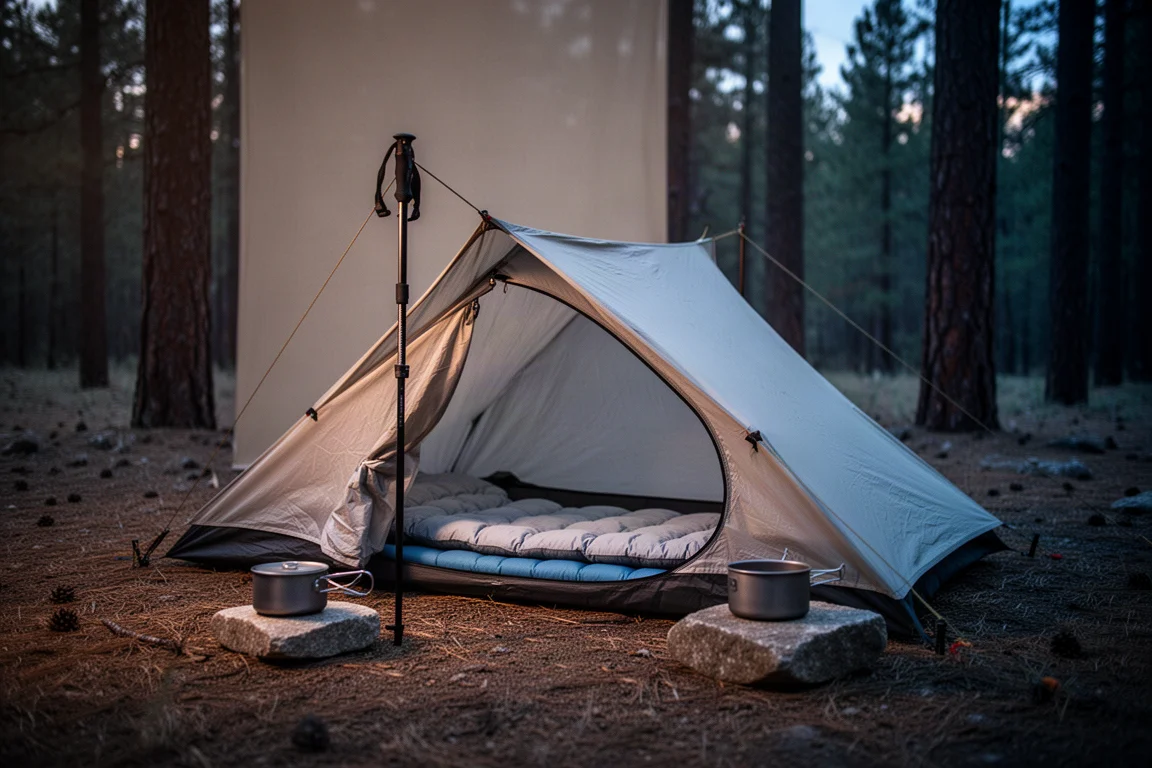
Packed this way, the load carries noticeably better than a bare frameless pack. The cost is time: every morning you rebuild the frame before loading the rest of your gear, and every evening you unpack it again. For hikers who do not mind that routine, the weight and money saved are real.
X-Mid 1 Tent: Fly-First Pitch and Real Weather Protection
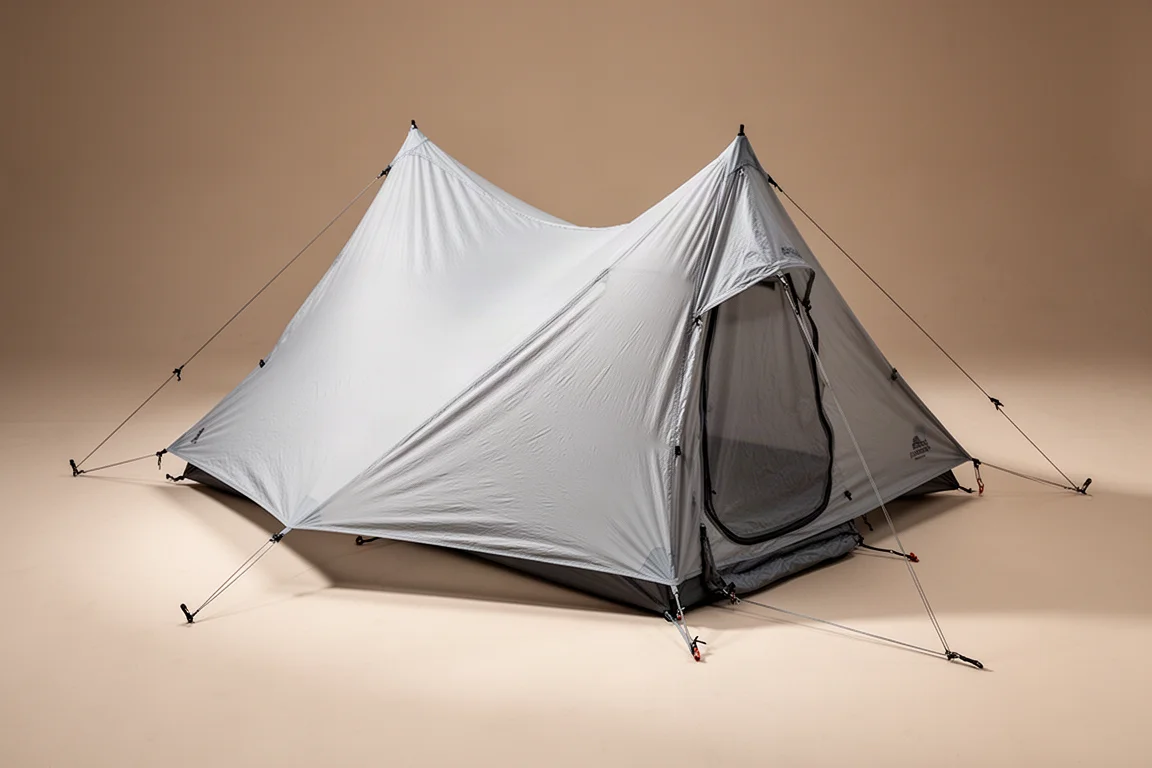
The X-Mid 1 is a lightweight one-person shelter that pitches fly first, which keeps the inner dry while you set it up in the rain. It is bug-proof and wind-proof, and it holds up across a range of conditions rather than only in fair weather.
Earlier versions of this tent did not include magnetic door toggles, and the version described here is one of those earlier builds. Later revisions added them, so it is worth checking which version is on offer if that detail matters to you.
For the price, the X-Mid 1 delivers a strong combination of low weight and genuine protection from the weather. It is also a meaningful step up from a low-cost starter tent, and a shelter that many hikers keep for years.
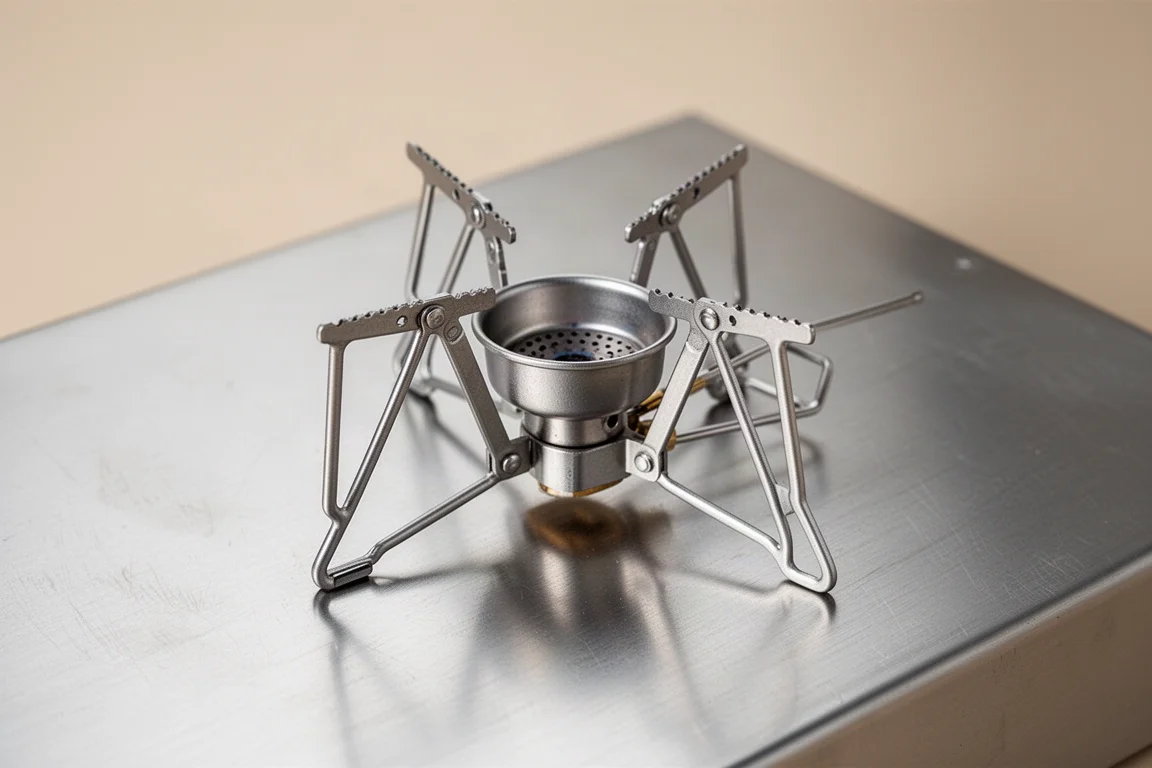
Vargo Triad Stove: Multi-Fuel Flexibility at One Ounce
The Vargo Triad weighs about 1 oz and burns both liquid and solid fuel. It is an alcohol-friendly design, which matters for anyone who has struggled to find canister fuel in a useful size.
Canister stoves are faster and simpler to use, but small canisters are not always on the shelf, and the large ones are impractical for a two or three day trip. Alcohol is easy to find almost anywhere, so an alcohol stove works as both a primary cooker and a dependable backup.
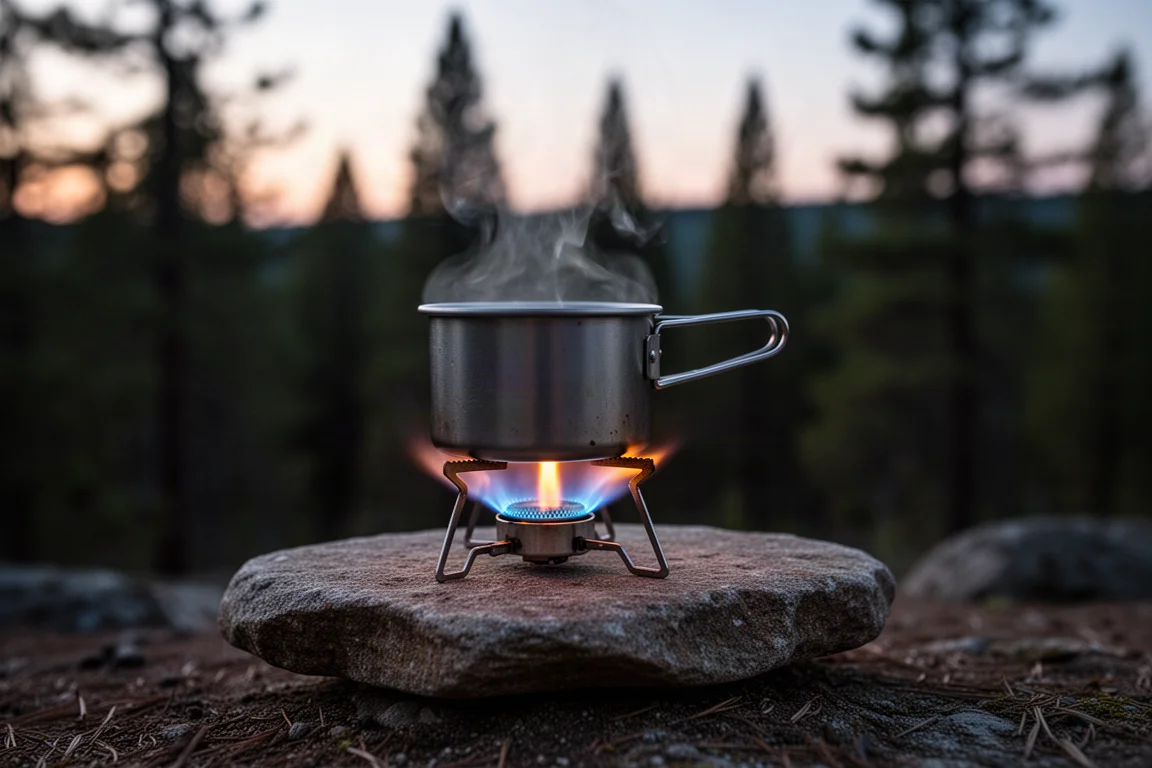
At $35 the Triad costs more than the cheapest alcohol stoves out there, but the weight penalty is essentially nothing and the fuel flexibility is genuine. On a list built around low cost and low weight, that is a reasonable place to spend a little extra.
IMUSA 0.7L Aluminum Pot: The Case Against Titanium
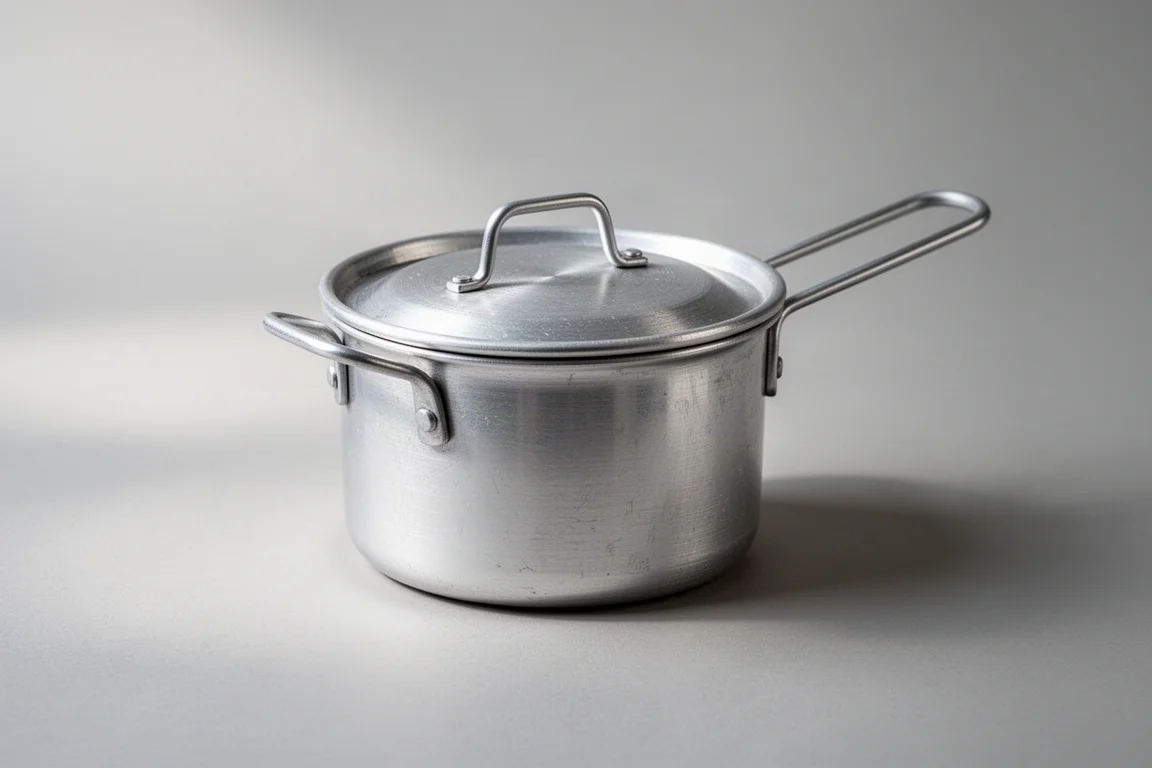
A 0.7-liter aluminum pot does nearly everything a titanium pot does for a fraction of the price. At this size, titanium saves very little weight, and aluminum conducts heat better, so food cooks more evenly and water boils without scorching in the middle.
This particular pot has been in steady use for five or six years. It typically sells for around $7 and has been found for under $2. The one catch is the handle, which gets hot enough to burn fingers. Lift it with a cloth or a small towel rather than bare hands and it is a non-issue.
Overall Buying Advice
Taken together, this list suits hikers who value weight and cost over convenience. The frameless pack, the two-pad sleep system, and the alcohol stove all ask for more attention at camp than their framed and canister-fed equivalents. If that trade sounds reasonable, the numbers are easy to work with: the pack lists at $149, the stove at $35, and the pot at around $7.
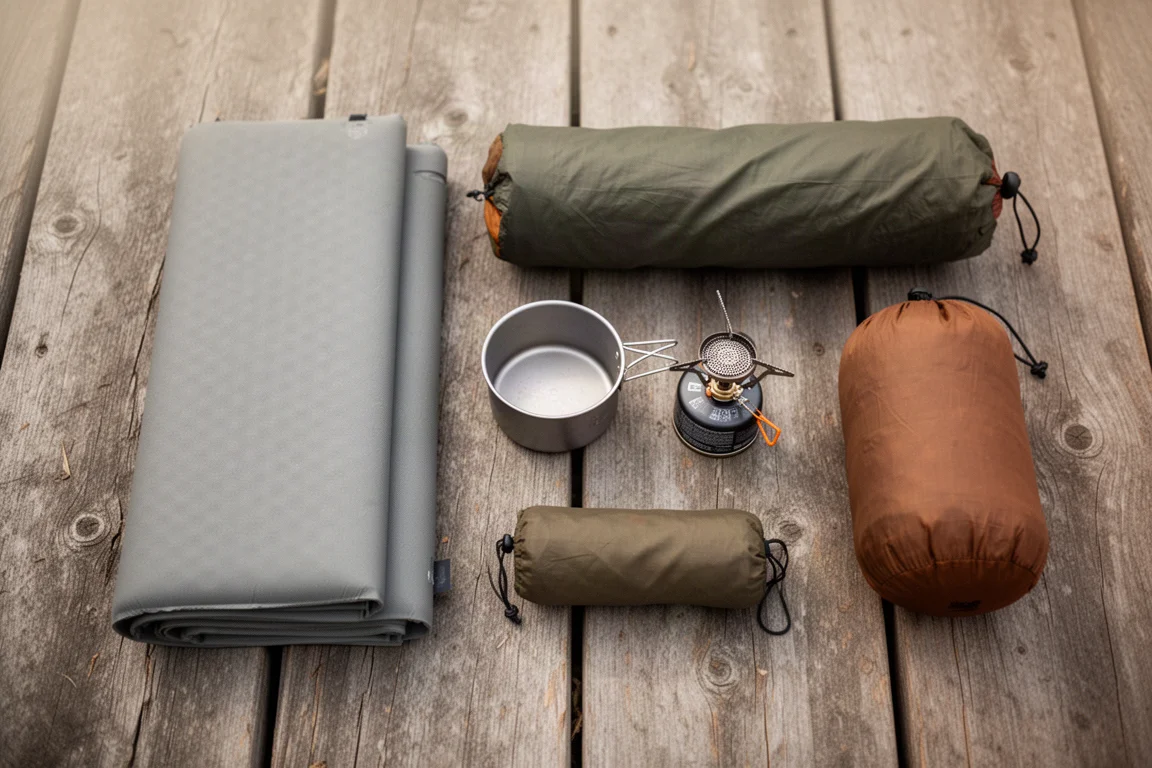
A few other items rounded out the list. A Cumulus quilt, a compact clip-on flashlight that mounts to the brim of a cap, an inexpensive rain poncho with limited ventilation, and a small dropper bottle of bleach for water treatment. Bleach is a proven method for treating water in the backcountry, though it is worth understanding the correct dosage before you rely on it.
If you are upgrading piece by piece, start with the sleep system and the cook pot, since both are inexpensive and immediately useful. If you are rebuilding from scratch, the pack and the shelter are the two pieces that define the rest of the list, because both set the weight and volume you have to work with.
One last check before buying: make sure the total load you plan to carry suits a frameless design. A pack like the Virga 2 works best when the weight stays modest and every item has a place, and that is true of the whole list.
Conclusion
This loadout shows how far a careful, low-cost setup can go. A 55-liter frameless pack, a two-pad sleep system, a fly-first solo tent, a one-ounce multi-fuel stove, and a seven-dollar aluminum pot add up to roughly 7.6 lbs of gear, and none of it depends on premium pricing. It is a list for hikers who are happy to spend a few extra minutes packing and a little less money getting outside.
Further reading
Related Reviews

Backpacking Gear
Building a 10 lb Base Weight: An Ultralight Backpacking Gear List
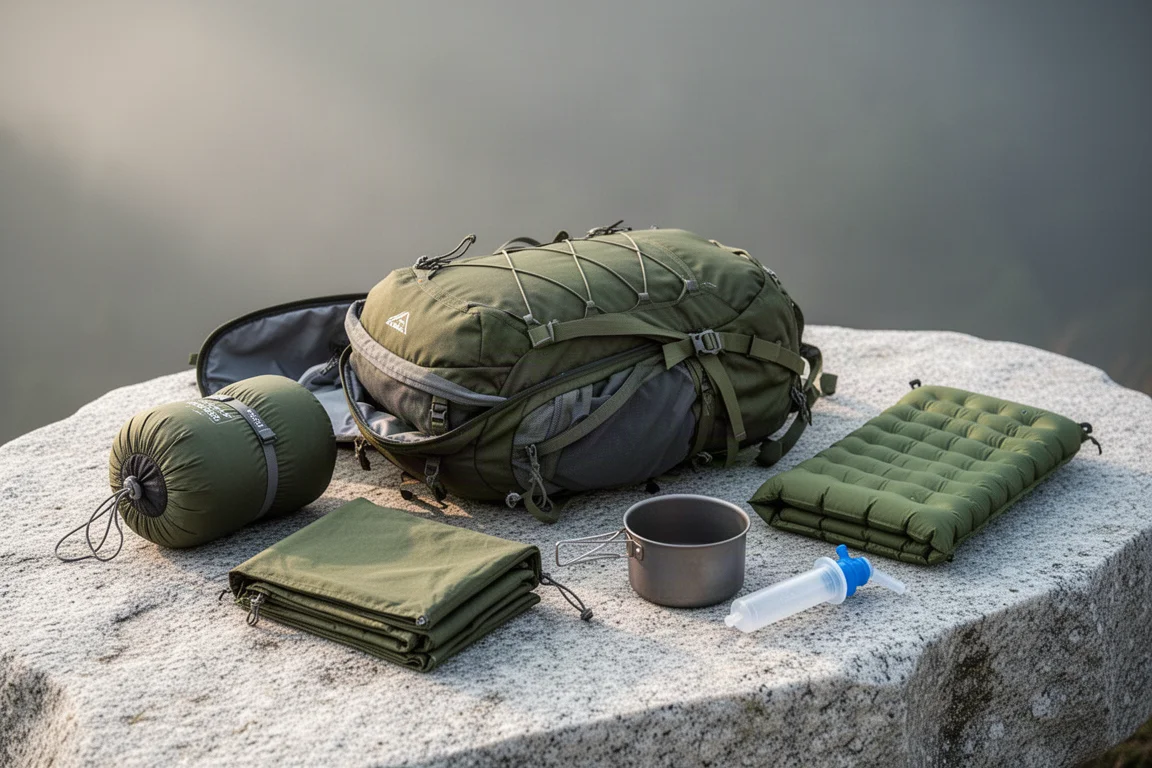
A practical walkthrough of the ultralight pieces behind a 10 lb base weight, from a 765 g pack and a roomy one-person tent to a full camp chair and a dependable water filter.
Backpacking Gear
A 15-Pound Lightweight Backpacking Gear List for Solo Trips
A beginner-friendly 15-pound backpacking setup built from easy-to-find gear, with notes on what each piece does, how it packs, and where to spend your attention.
Backpacking Gear
8 Ultralight Backpacking Gear Upgrades Worth Carrying
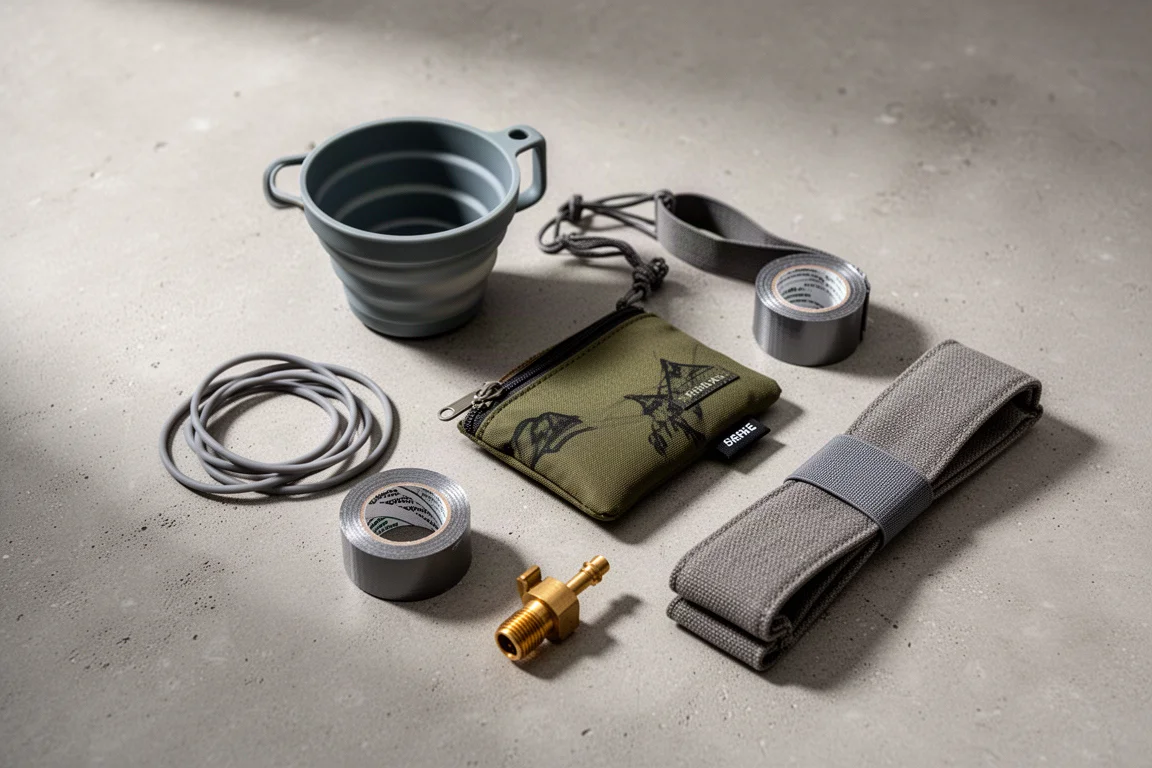
Eight small, affordable backpacking upgrades that solve real trail annoyances, from a pillow that stays put to a fuel valve that rescues leftover canister gas.