Welding
Budget Stick Welder vs Flux Core: What Beginners Should Know
A practical look at a sub-$60 drill-style stick welder and why a flux core machine may be the better starting point for home repairs.
Introduction
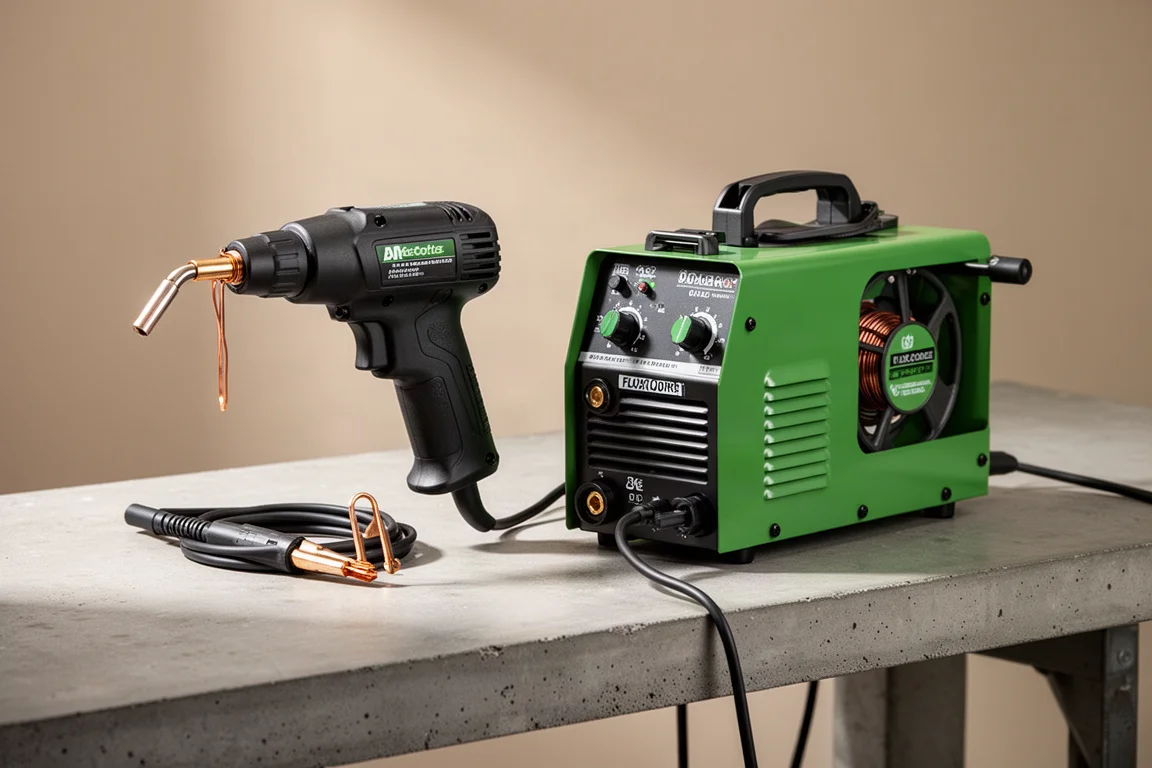
Amazon is full of compact stick welders that look more like power tools than welding machines. These drill-style all-in-one welders are often marketed as an easy entry point for beginners, but do they actually deliver? This article takes a close look at one of these budget machines, the Falcons portable welding machine, and compares it with a more practical alternative for home repairs.
The Falcons Portable Welding Machine: What You Get
The Falcons portable welding machine costs less than $60 with same-day delivery. It arrives with an electrode holder, a set of J422 welding rods, and a power cord that is roughly the same length as the machine itself. The unit is not drill-sized; it is closer to the size of a full impact wrench, which makes it bulkier than the marketing suggests.
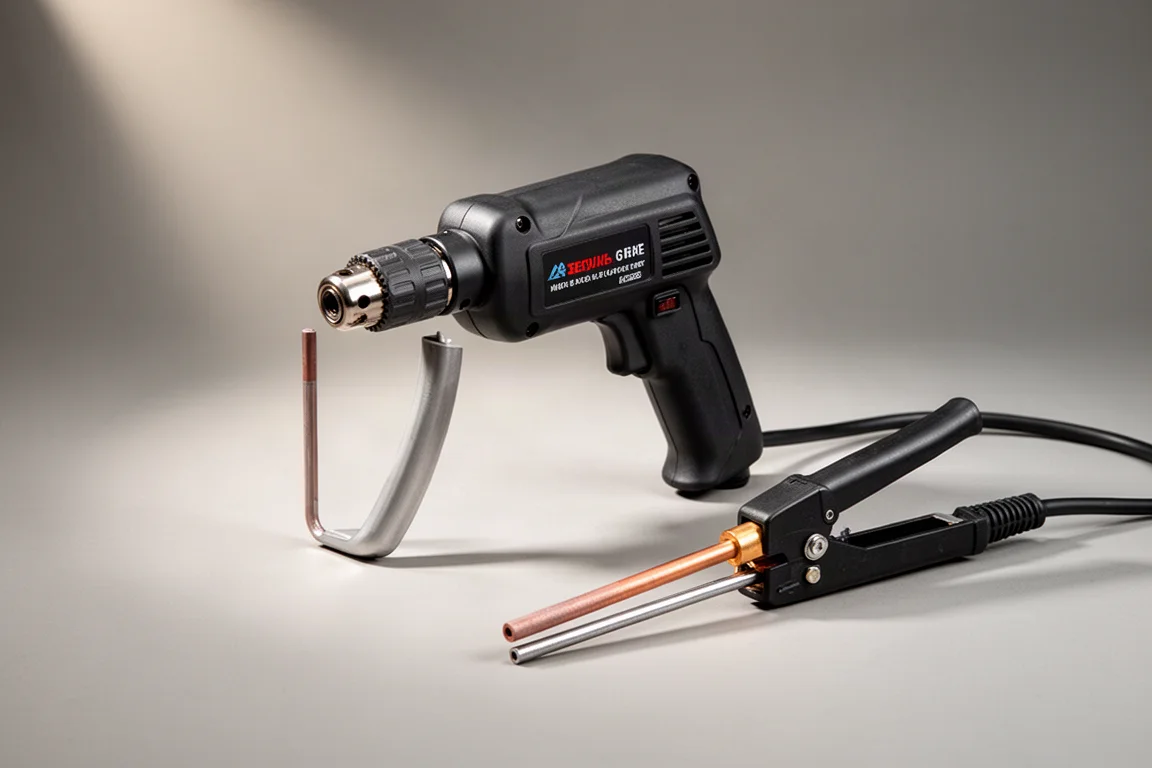
The machine has a trigger like a drill, which you pull to start welding. It offers settings from one to five, and the included welding rods have an unusual smell, described as similar to fried fish. The electrode holder clamps directly onto the rod, and the whole setup requires you to hold the bulky machine in one hand while trying to control the electrode with the other.
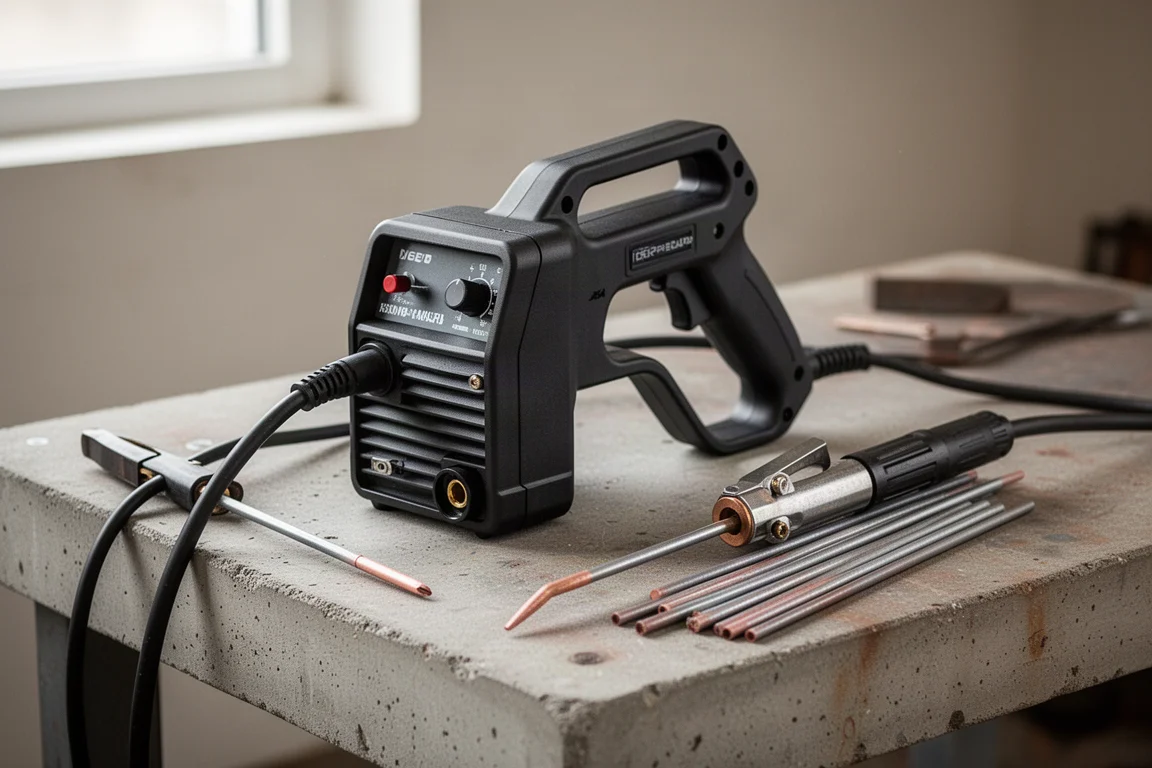
For anyone hoping to do precise work, this form factor creates an immediate challenge. You are already trying to control the end of a long electrode and feed it in as it burns off, and doing that while supporting a heavy machine adds significant difficulty.
Performance Test: Arc Quality and Real Amperage
Testing the Falcons machine on setting four with a 3/32 inch or 2.4 mm 7014 rod reveals a few things. The arc is not very smooth and is highly sensitive to arc length. If the electrode is held a little too long or a little too short, the arc goes out. The amperage feels about right, though slightly cold, which suggests the machine is not actually delivering the claimed 120 amps.
A clamp meter reading with the machine maxed out shows the actual output bouncing around, with the best reading at approximately 80 amps. That is considerably less than the 120 amps claimed, but it is more realistic for a welder running on 120 volts without a high-end power source.

Despite these limitations, the machine does make a weld. Spatter scrapes off easily, and the slag leaves a decent result. For less than $60 delivered, the fact that it works at all is impressive. However, the arc quality and amperage shortfall mean it is not a tool most people would want to rely on for regular work.
A Better Alternative: The Titanium Flux 125
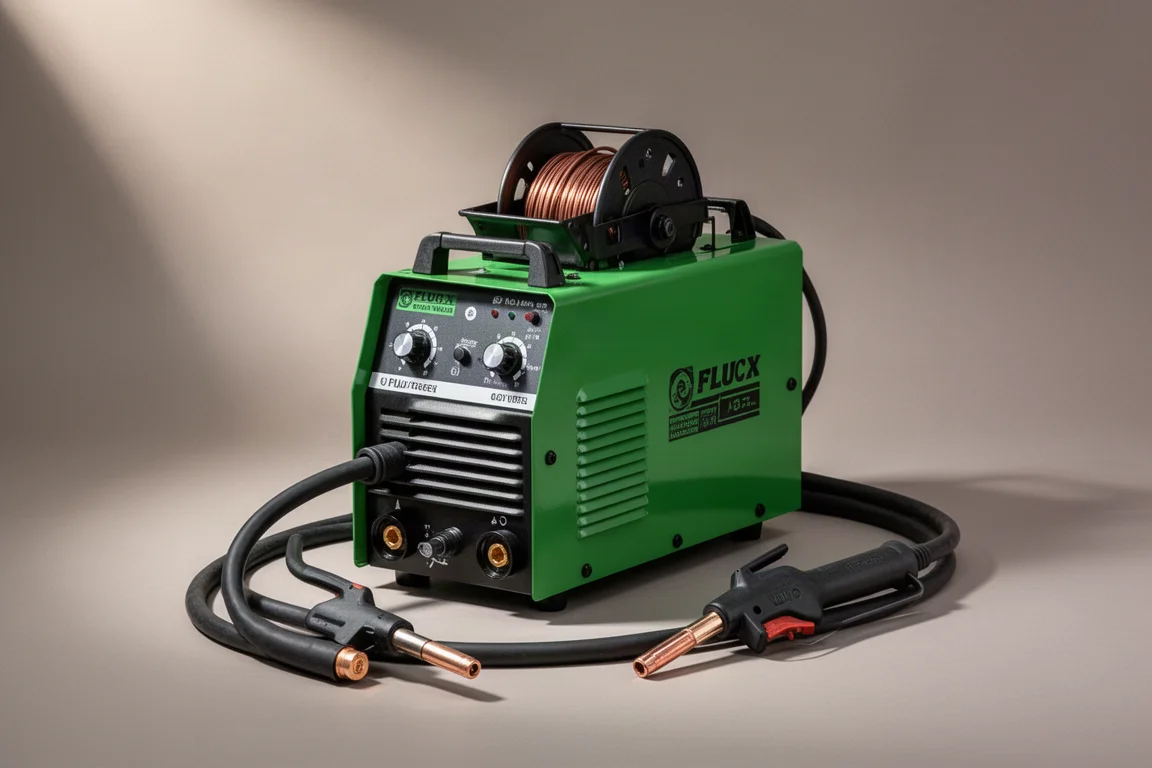
For beginners looking for a low-cost welder that plugs into a standard 120 volt outlet, a small flux core machine is a better option. The Titanium Flux 125 from Harbor Freight is one example that works well for the money. It is a green inverter machine with DC output, and it handles home repairs with far less fuss than the drill-style stick welder.
The key advantage of a flux core machine is the separate lead to the electrode holder. You do not have to hold all the bulky hardware while welding, which makes the process much more manageable. The machine is easier to control, and the learning curve is gentler for someone new to welding.
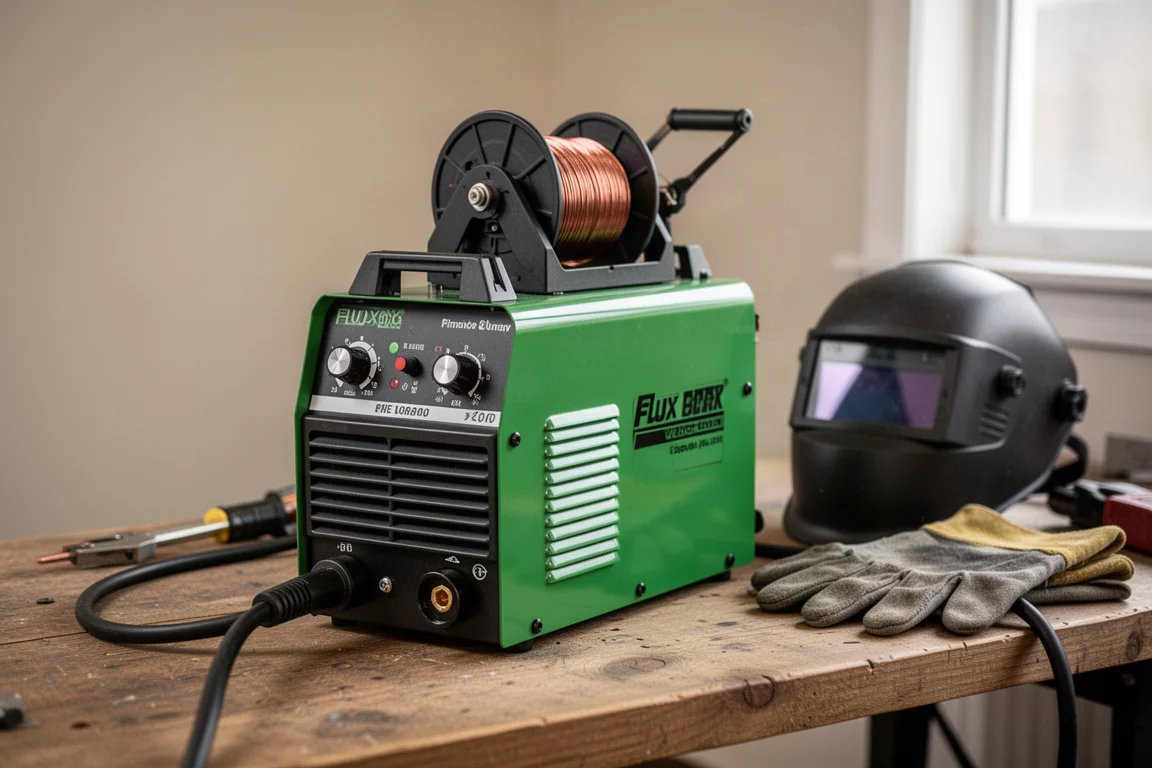
The Titanium Flux 125 is not necessarily better than other flux core options on Amazon or elsewhere, but it represents the right category of tool for this use case. Look for an inverter with DC output when comparing similar machines.
What to Look for Instead
If you really want to stick weld, a regular inverter stick welder is a more sensible choice. These machines have a lead to the electrode holder, so you are not holding the entire unit while you work. Some options are available for around $100 or even less, and several of them perform reasonably well.
The nice thing about a dedicated stick welder is the separation between the power source and the electrode. This makes the welding position more natural and gives you better control over the arc. It simply makes more sense than trying to weld with a machine that doubles as the handle.
For budget-friendly options, it is worth spending a little more if you can. The extra cost usually translates into better arc stability, more reliable amperage, and a machine that will last longer. If you are on a tight budget, look for reviews of cheap welding machines from sources that test them thoroughly before you commit.
Buying Advice
The Falcons portable welding machine is a fascinating product because it works at all for under $60. It can produce a weld, and the spatter and slag cleanup are manageable. However, the arc is not smooth, the amperage falls well short of the claim, and the form factor makes welding unnecessarily difficult.
For most beginners, a flux core machine like the Titanium Flux 125 is the better investment. It plugs into 120 volts, is easy to use for repairs around the house, and does not require you to hold the entire machine while welding. If stick welding is your goal, a regular inverter stick welder with a separate electrode lead is the more practical route.
Conclusion
The drill-style stick welder is an interesting novelty, but it is hard to recommend for any real welding work. The flux core approach offers a better balance of cost, ease of use, and results for home users. Whether you choose a flux core machine or a dedicated stick welder, the key is to pick a tool that lets you focus on the weld rather than on managing the machine itself.
Further reading
Related Reviews
Pickleball Paddles
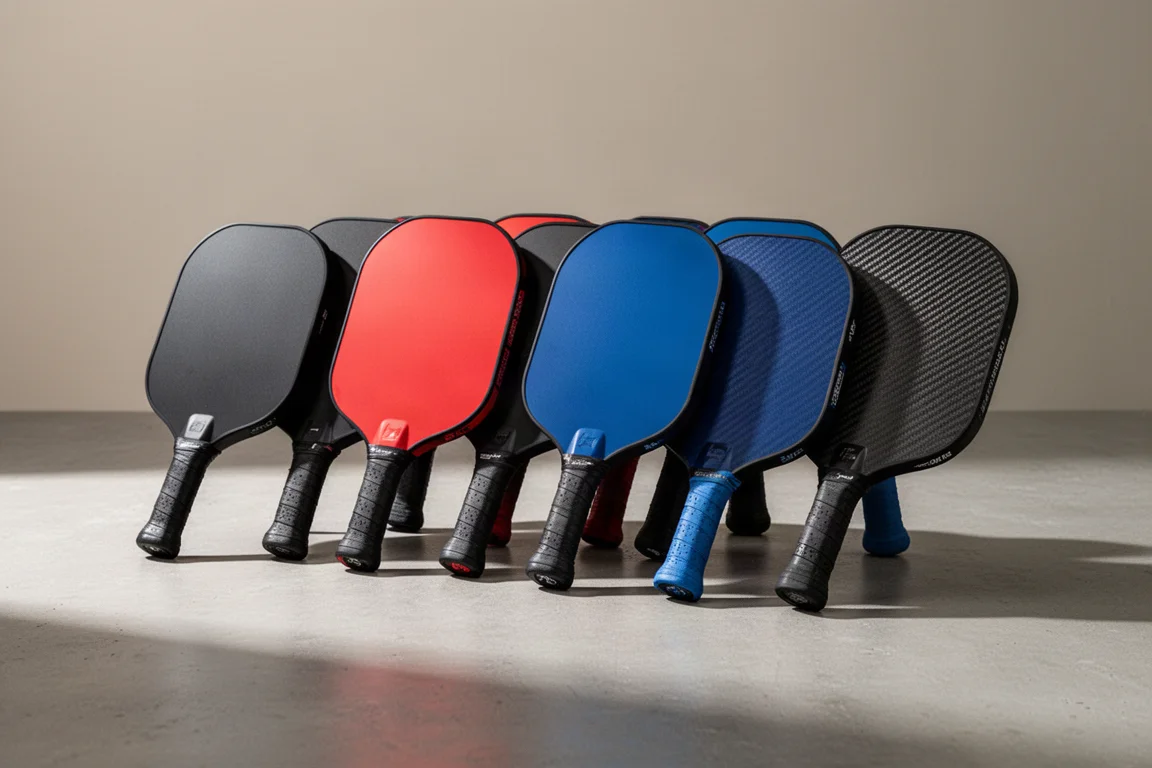
2025 Paddle Awards: The Best Pickleball Paddles of the Year
A category-by-category breakdown of the best pickleball paddles of 2025, covering value, control, all-court, power, and paddle of the year.
Automotive Accessories
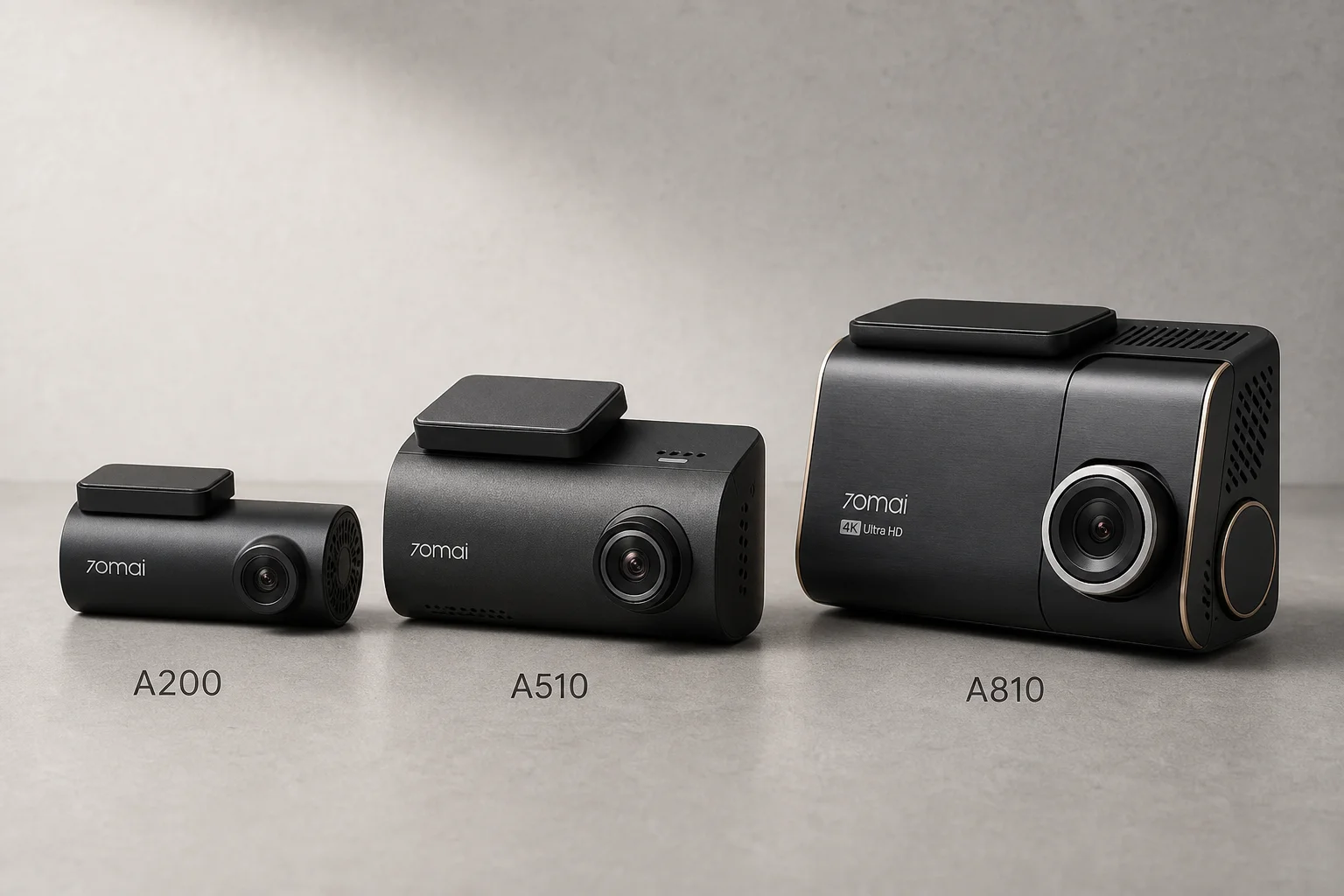
70mai Dash Cam Comparison: A200 vs A510 vs A810
Three dash cameras from 70mai across different price points reveal how resolution and sensor quality impact real-world footage clarity, especially for number plate visibility and low-light performance.
Mobile Gaming Accessories
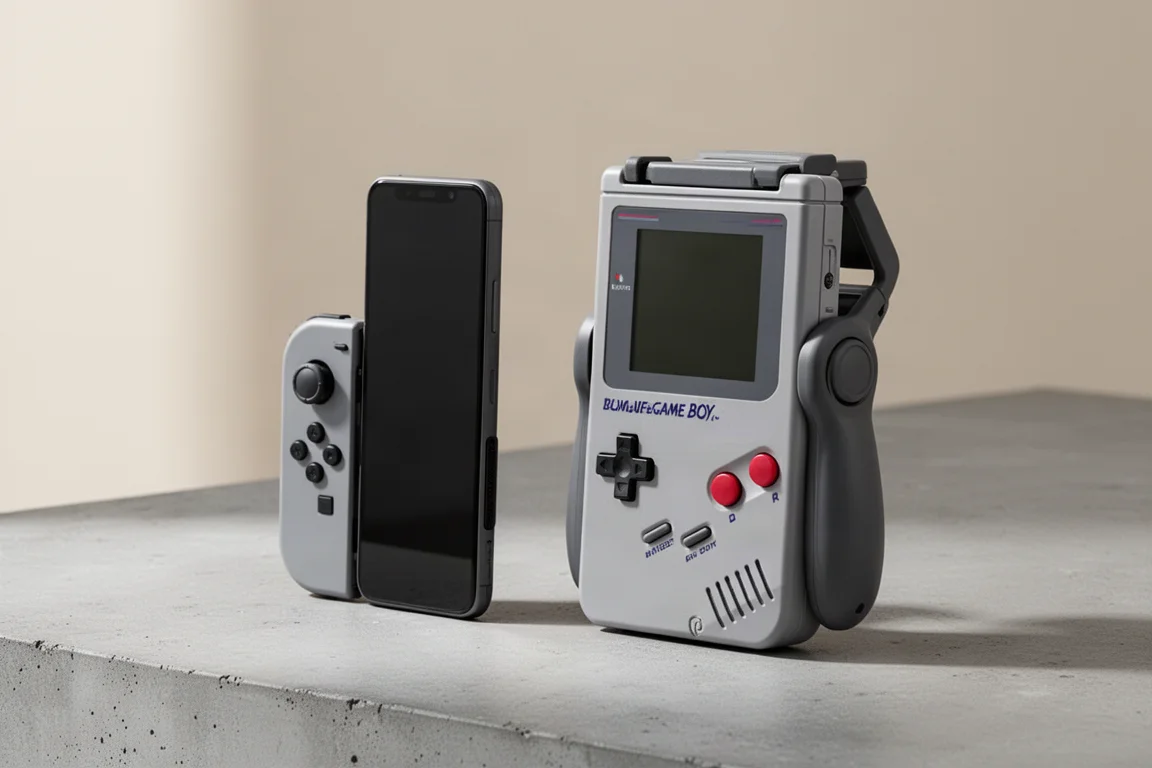
8BitDo FlipPad vs GameSir Pocket Taco: Which Vertical Phone Controller Fits You Best?
Two compact vertical phone controllers with very different approaches to connectivity, controls, and everyday use. Here is how they compare across seven practical categories.