Welding
Best Stick Welders Compared: 7 Budget and Pro Machines Put to the Test
Seven stick welders, from a $70 entry-level unit to a $2,300 multi-process machine, tested for current accuracy, penetration, weld strength, and reliability.
Introduction
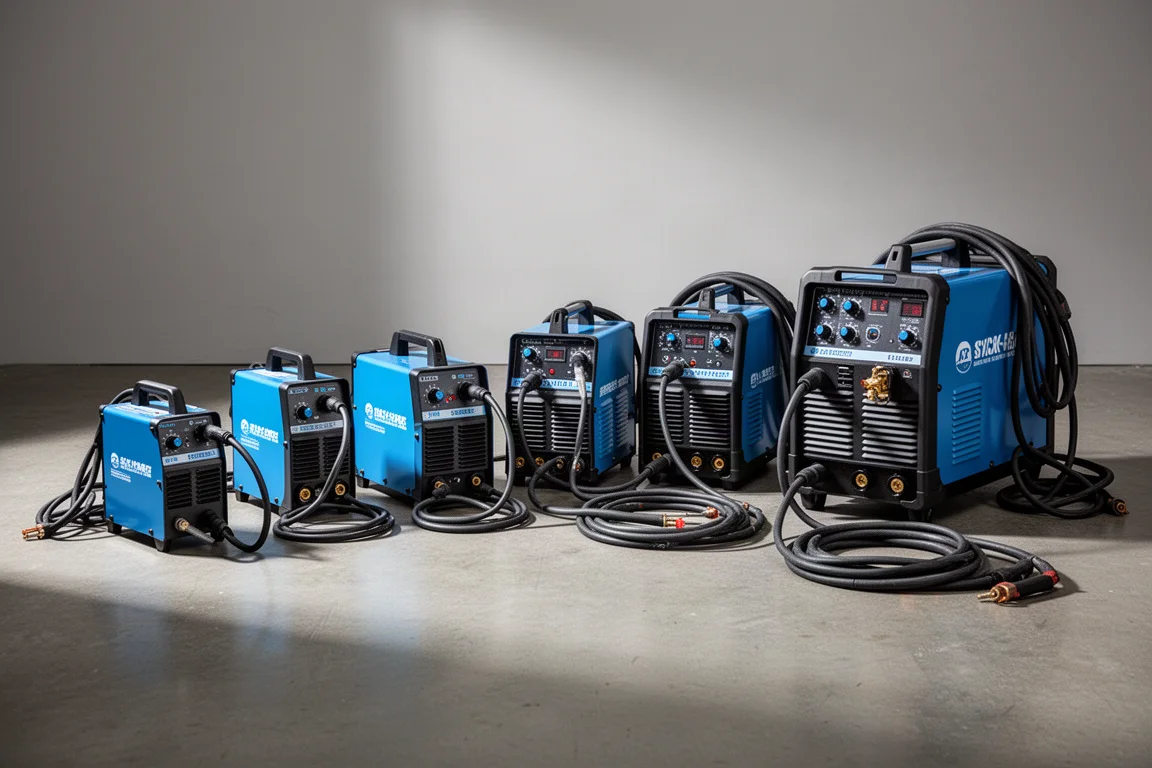
Cheap stick welders promise a lot on the box: 200 amps, hot start, dual voltage, intelligent control. But does a $70 welder actually weld like a $2,000 machine? We compared seven welders, from entry-level imports up to the Lincoln 210, across current accuracy, penetration, weld strength, arc stability, and reliability. The results show a clear gap between the cheapest units and the rest, and a surprisingly strong middle tier.
How They Were Tested
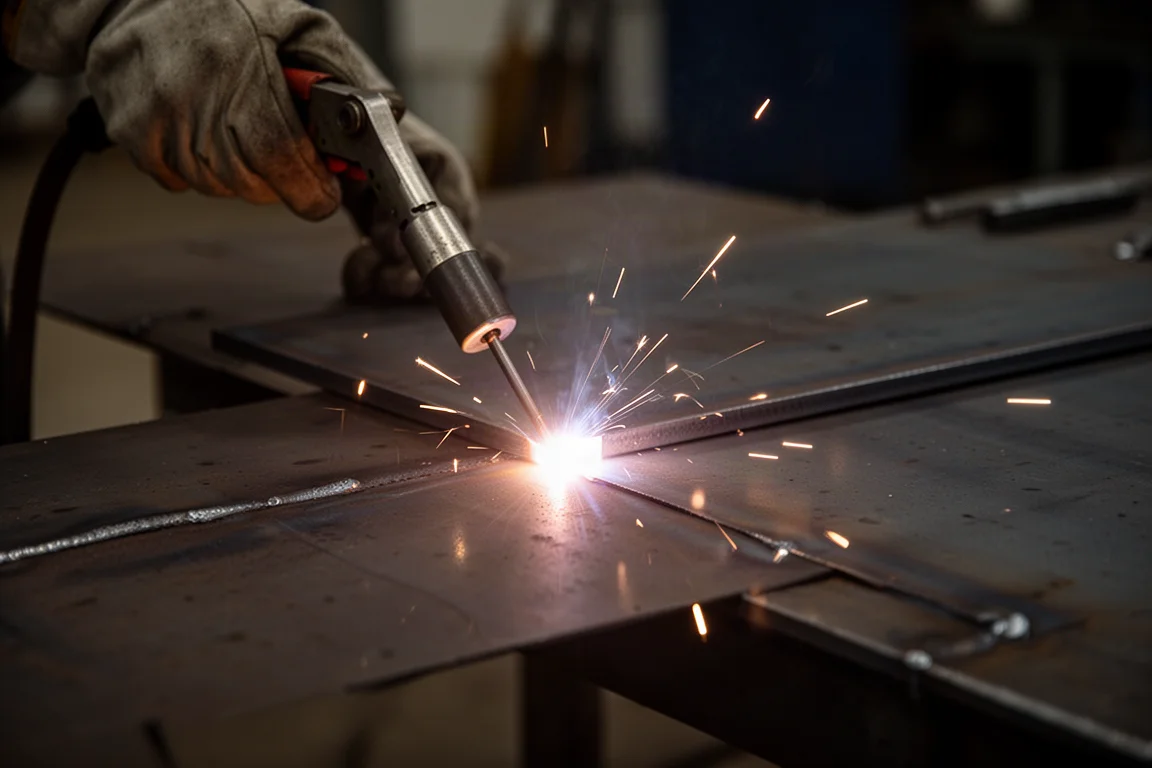
Each welder was measured with a clamp meter on both 120 V and 240 V, first at a 100 amp setting and then at maximum output, using a 20 ft 12-gauge extension cord to minimize voltage drop. Real delivered current rarely matched the dial on the budget machines. Penetration was tested on 1/4-in mild steel with 1/8-in 7018 rods, weld strength was measured on a break-test rig, and every welder faced rusty metal, a 130-amp multi-pass bevel test, and a five-minute continuous duty run.
S7 Welder
The S7 claims to be an intelligent AC/DC welding machine delivering up to 200 amps, with internal overheating protection, all at a $70 price and just 5.1 lb. On the meter, it peaked at 73.1 amps on the 100 amp setting and 113.7 amps at max, well short of the dial. Penetration on the test coupon measured only about half a millimeter, the coupon broke at 287 lb, and the S7 could not sustain the 130 amp bevel test. It also tripped a 20 amp breaker in under a minute of continuous welding.
Simgal DC Inverter Arc Welder
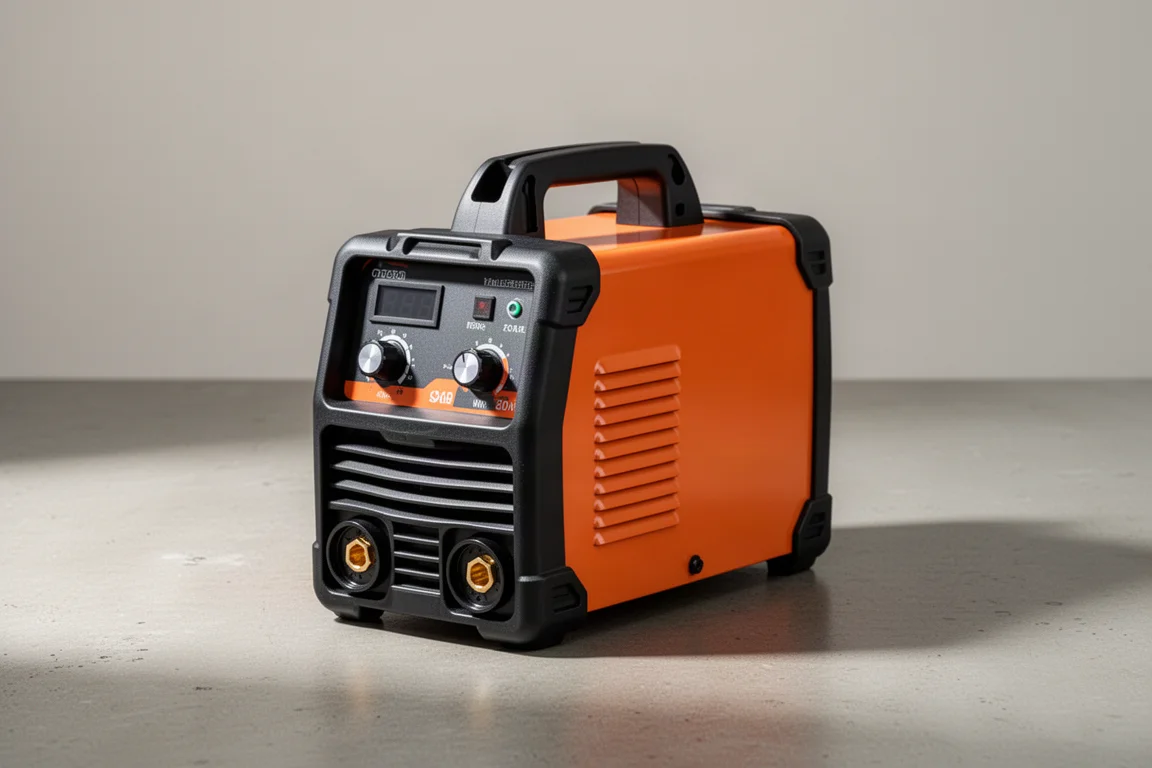
The Simgal is a $90 DC inverter arc welder claiming up to 200 amps with an adjustable hot start that improves arc striking and reduces spatter. It weighed in at 5.2 lb. It reached 68.2 amps at the 100 amp setting and 123.3 amps at max, slightly better than the S7. In the bevel test it started cold and struggled with penetration. More importantly, it has no overload protection and suffered a catastrophic failure at 1 minute 43 seconds into the five-minute duty test.
Hone Stick Welder
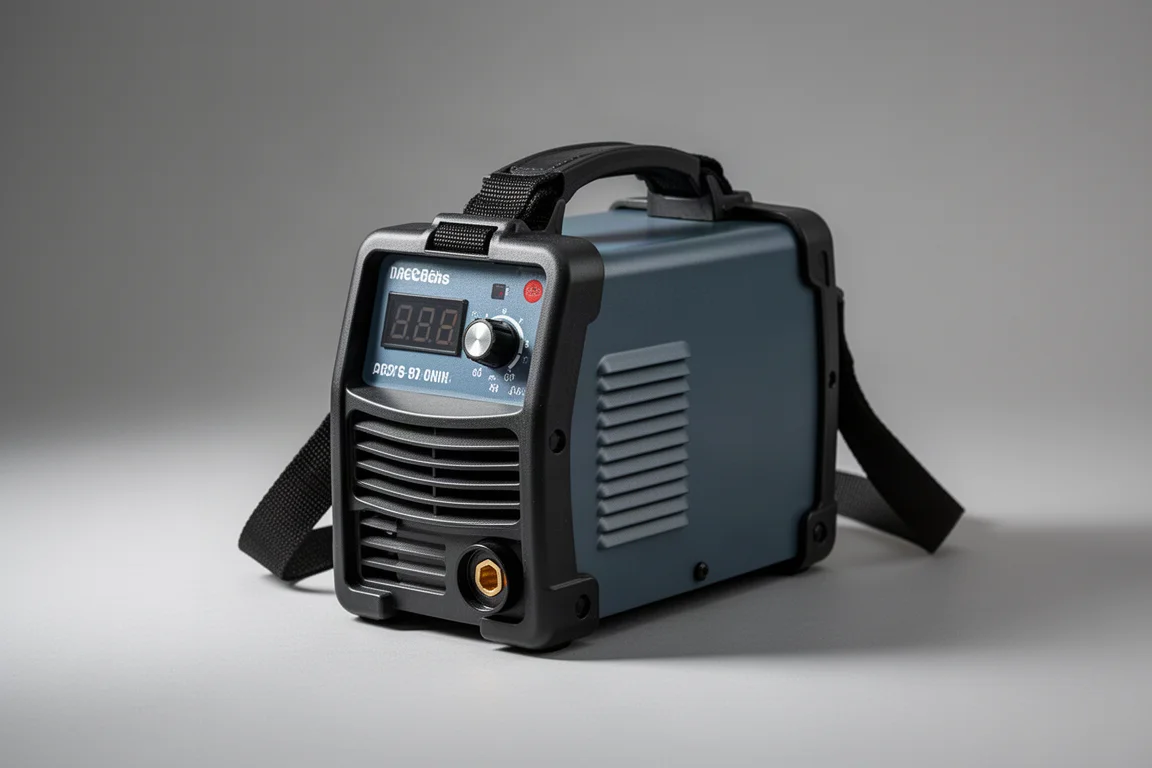
Also $90, the Hone is a DC inverter welder rated to 140 amps, runs on 110 or 220 V, and claims powerful arc force for smoother welding and deeper penetration, with a hot start suited to 6013, 7018, and 7014 rods. A couple of tools were even included. At 5.56 lb, it delivered a genuinely hot start at 143 amps and then held between 93 and 105 amps, the best low-setting behavior of the budget group. Penetration reached about 1.7 mm, the coupon broke at just over 400 lb, and it started well on rusty metal. It shut down at 3 minutes 49 seconds in the duty test, but its overload protection worked and it survived.
Deeco Welder
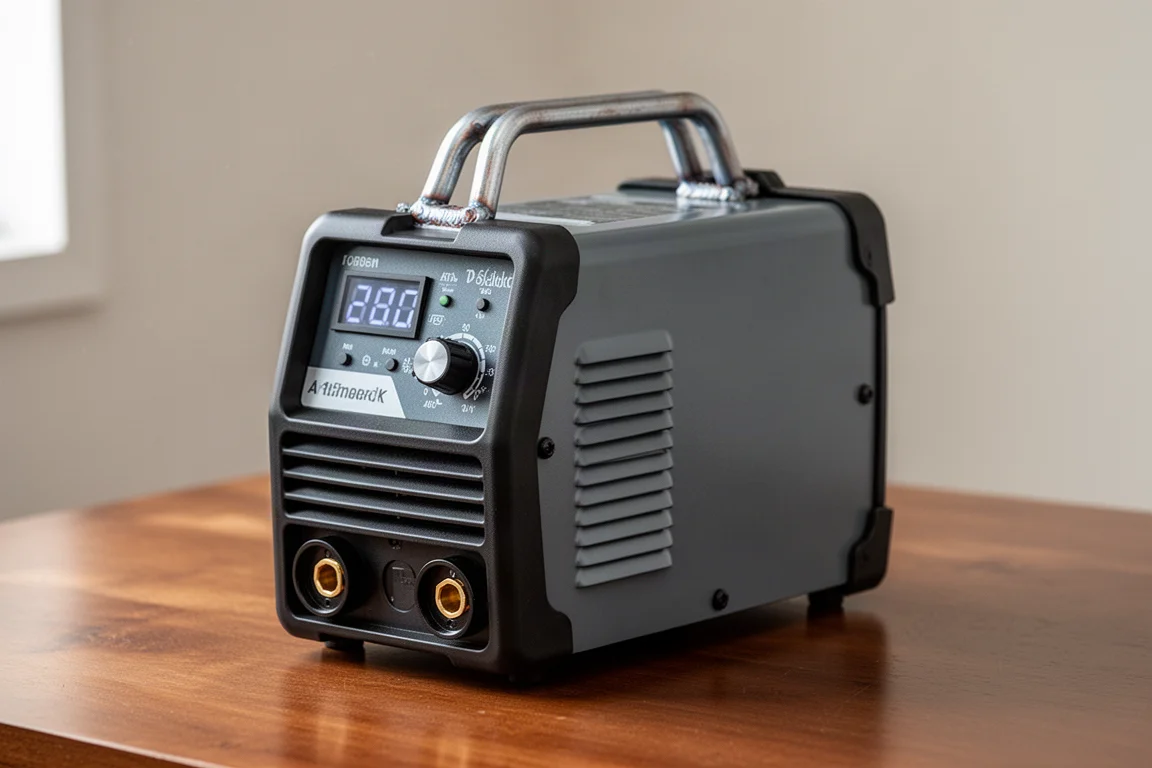
For $110, Deeco claims super power and up to 160 amps, suitable for mild steel, stainless, and cast iron. It is the heaviest of the small units at 7.2 lb but still very portable. On 120 V it peaked at 132 amps on the 159 amp setting, dropping to around 105 amps, the lowest sustained output in that test. On 240 V, though, it performed much better, with a hot start around 170 amps and steady output in the lower 140s. It delivered a stable arc on rusty metal, the best root pass of the budget brands in the bevel test, 2.15 mm of penetration, and 689 lb on the break tester. Current accuracy finished second overall at 97%.
YesWelder Portable Welding Machine
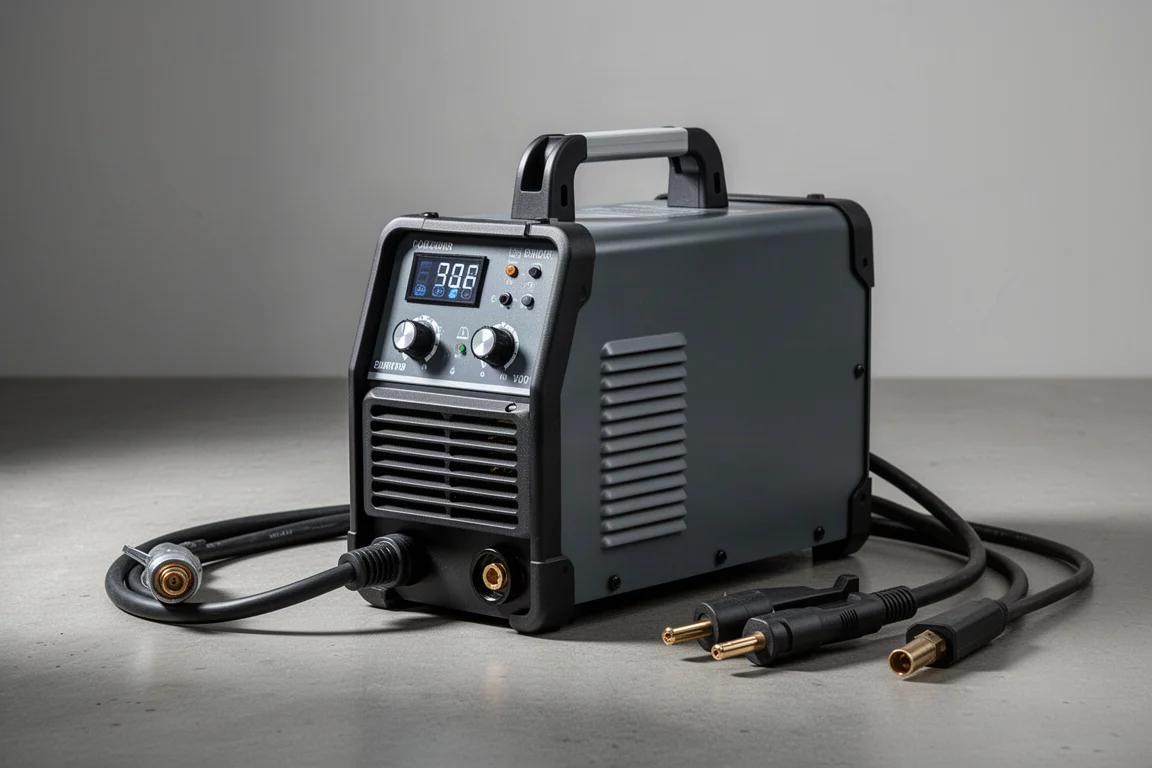
The $129 YesWelder is a dual-voltage 110/220 machine claiming up to 205 amps, hot start, and overcurrent and overload protection, with claimed ideal performance for 6010, 6011, 6013, and 7018 rods. It is 8.35 lb. On 240 V at max it produced 159.6 amps, the most current of any budget unit. It ran a smooth, stable arc, held around 160 amps through the penetration test, achieved 2.49 mm of penetration, and won the break test among the affordable welders at 830 lb. It needed a couple of extra taps to strike on rusty metal, and current accuracy trailed the Hone and Deeco across the range.
Titanium Stick Welder
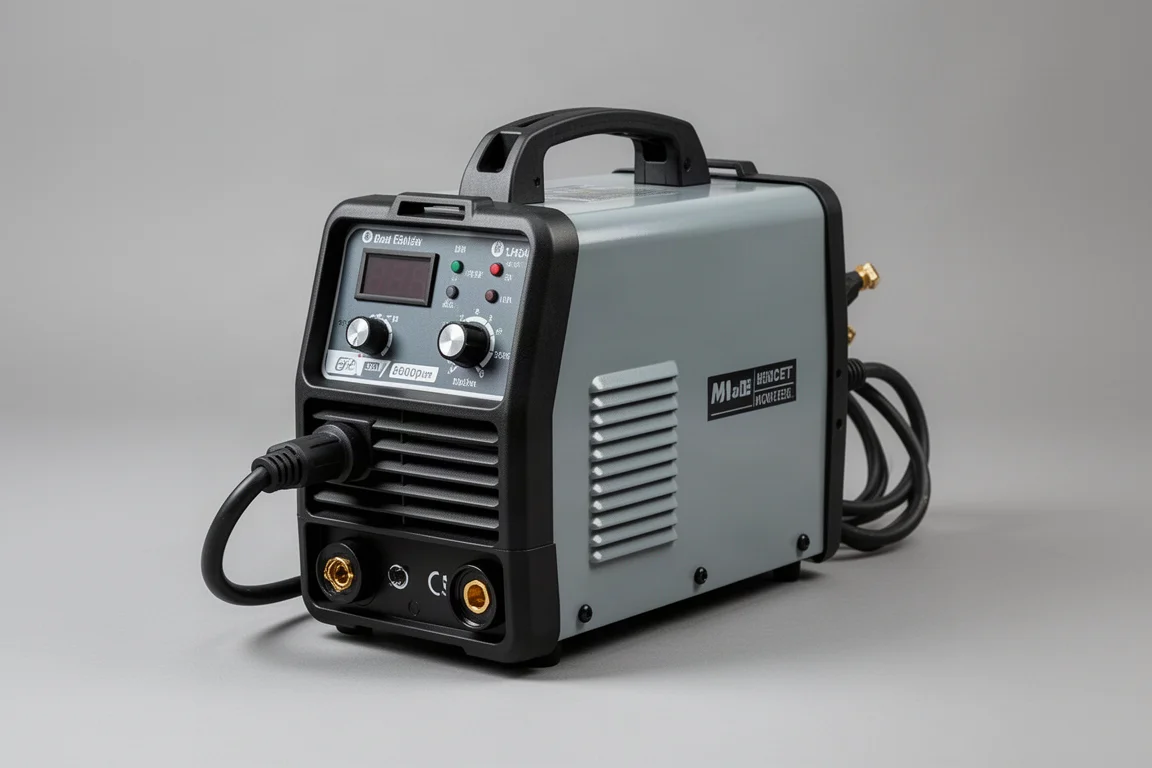
Sold at Harbor Freight for $320, the Titanium uses inverter technology for better arc starts, weighs 16.5 lb, and runs dual voltage: up to 70 amps on 120 V and up to 225 amps on 240 V. The 8 ft power cord and 10 ft ground and electrode cables install quickly. On 240 V it peaked near 245 amps before settling around 233, a little hotter than advertised, and it produced the highest current of any welder tested. It also delivered the deepest penetration at 4.25 mm and by far the strongest weld at 2,436 lb on the break tester. The analog dial makes precise settings difficult, and it runs hot for thin rods, but if raw amperage is the priority, this is the standout.
Lincoln 210
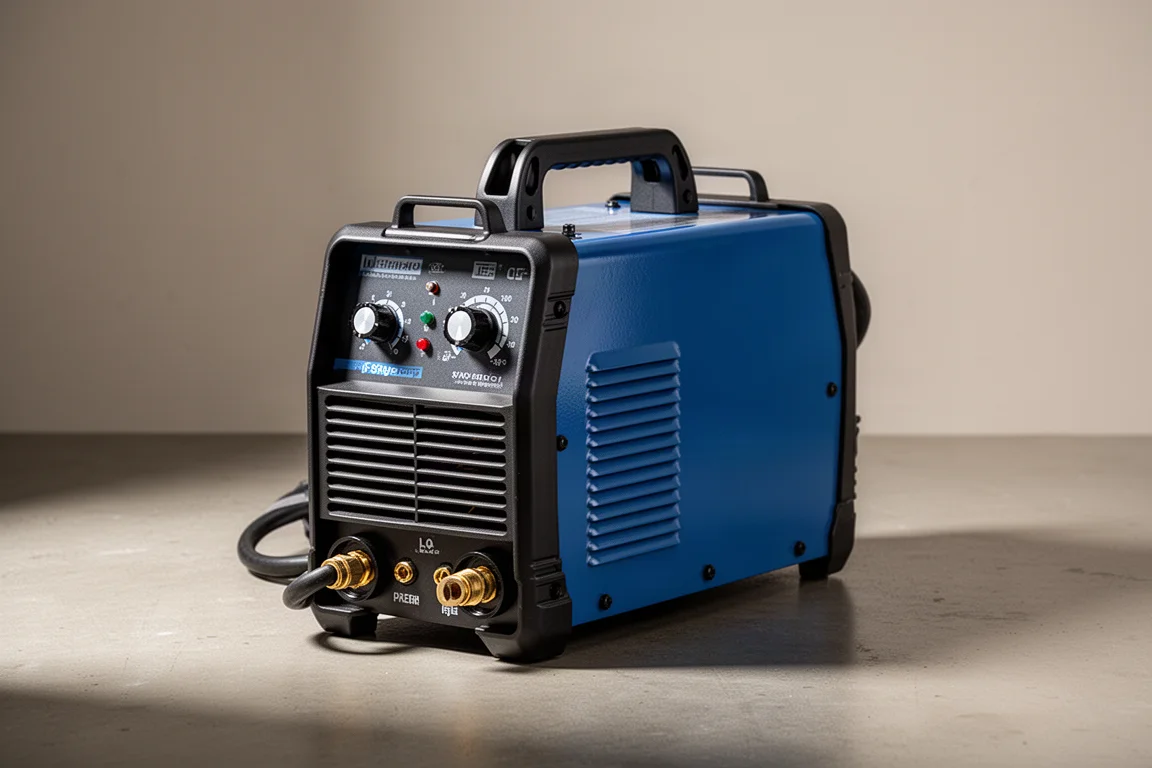
At $2,300, the Lincoln 210 plays a different game: it is designed for MIG, stick, TIG, and flux core, runs on 110 or 220 V, and weighs 41.86 lb. A helpful reference chart inside the side panel suggests current ranges based on metal thickness and rod selection, and it welds up to 3/8-in material with MIG, or thicker with 5/32 stick electrodes. On the meter it was exceptional: 100% current accuracy at both the 100 amp setting and at max, on both voltages, with hot starts at 112 to 206 amps tapering precisely to target. It produced smooth, consistent arcs, ran well on rusty metal, and lasted the full five-minute duty test. Counting cable and clamp quality, it took first place overall.
Weld Strength and Penetration
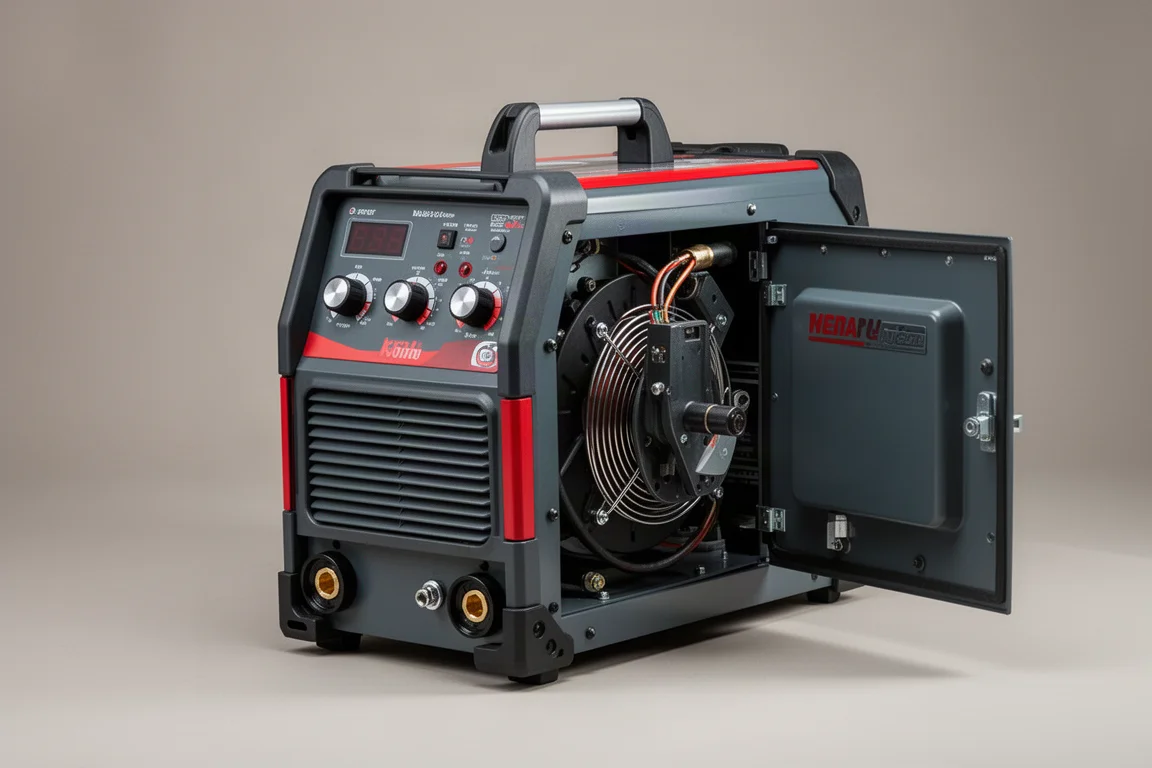
At maximum power on 1/4-in steel, the Titanium led with 4.25 mm of penetration and a 2,436 lb break strength. The Lincoln followed at 3.94 mm and nearly 1,400 lb, with YesWelder at 2.49 mm and 830 lb. Deeco managed 2.15 mm and 689 lb, while the S7 managed only about 0.5 mm and 287 lb. In the leveled 130-amp bevel test, the S7 and Simgal coupons broke well under 3,000 lb, while every other welder clustered around 4,500 lb, showing that the mid-tier machines are far closer to each other than their prices suggest.
Starting on Rusty Metal
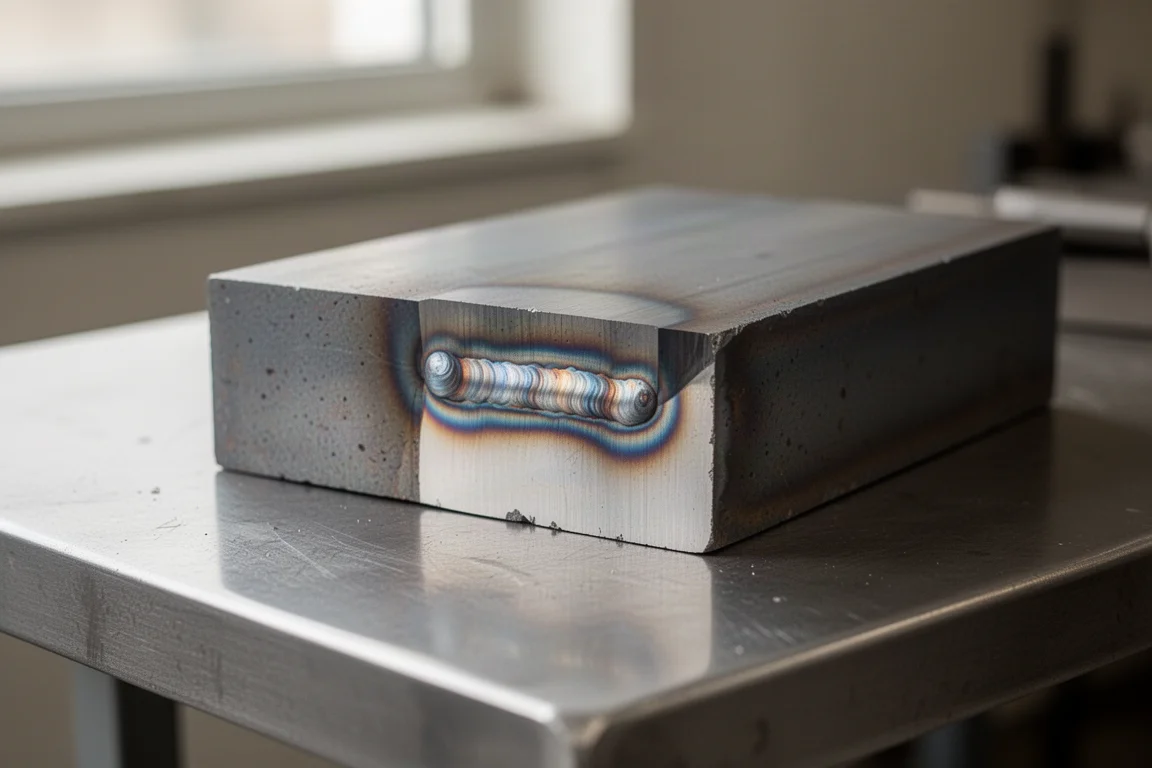
Rusty metal is where arc-start quality really shows. The S7 and Simgal both needed a lot of effort and resisted the rusty surface. The Hone lit up after a couple of bumps, the Deeco and Titanium started easily with smooth, steady arcs, the YesWelder needed a couple of extra taps but ran well once going, and the Lincoln laid down a weld after just a few light taps. Removing rust first is still the right move, but the better machines give you far more margin.
Duty Cycle and Reliability
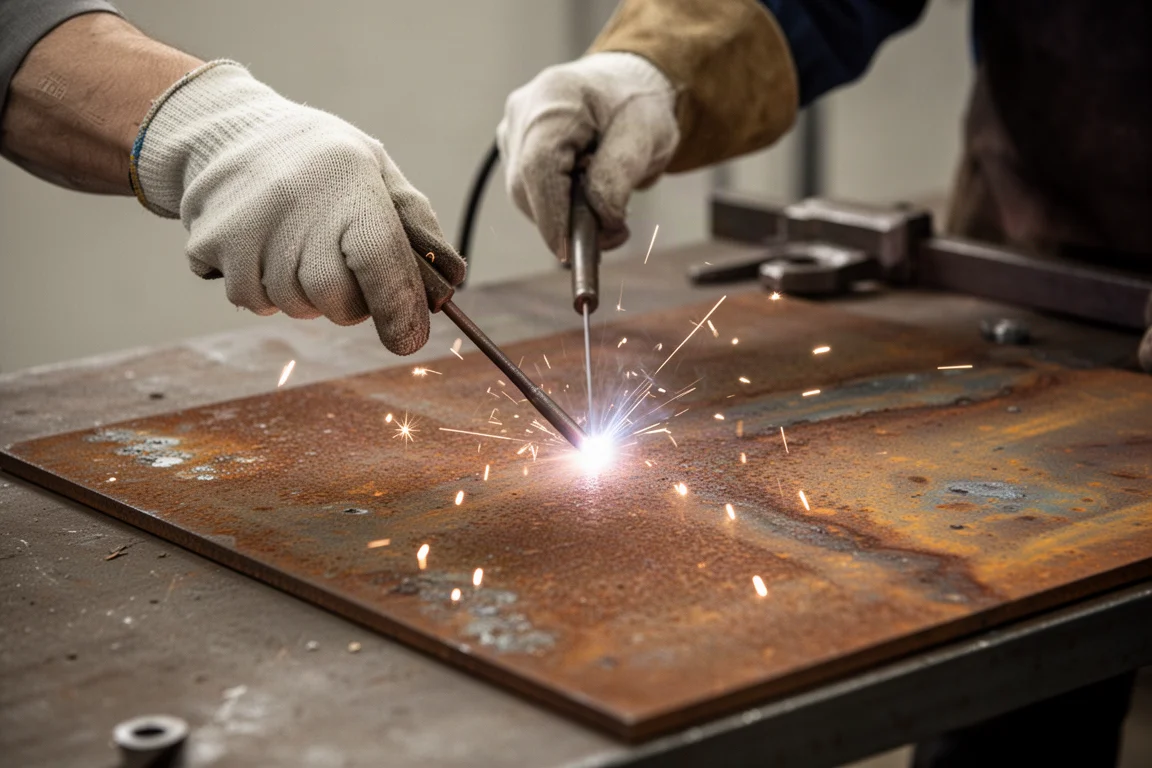
Advertised duty cycles are hard to trust, so each welder was asked to run five continuous minutes. The S7 tripped a 20 amp breaker in under a minute. The Simgal, lacking overload protection, failed catastrophically at 1:43. The Hone shut down at 3:49 but survived thanks to its protection circuit. The Deeco, YesWelder, Titanium, and Lincoln all completed the full five minutes without overheating or shutting down.
Buying Advice
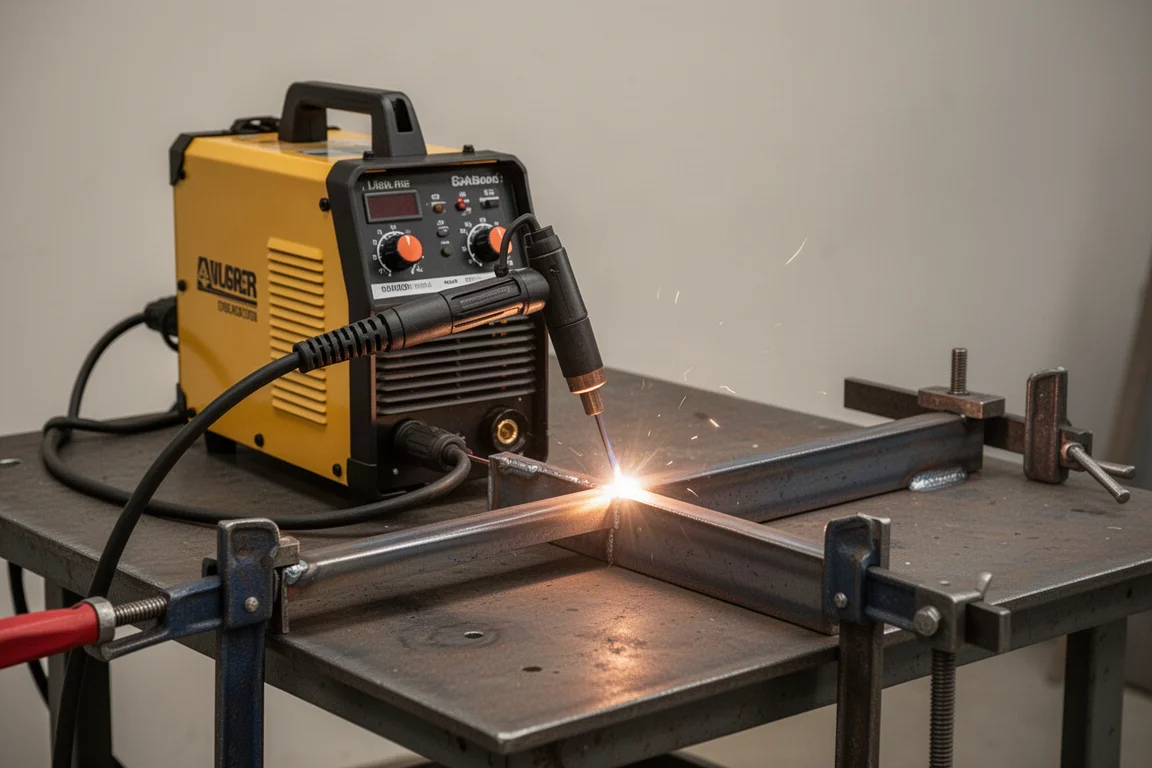
If you want the best all-around welder and the budget allows, the Lincoln 210 is the clear pick, combining near-perfect current accuracy with multi-process versatility. If you specifically want the most stick amperage for the money, the Titanium is the value leader, winning penetration and weld strength outright. Under $100, the Hone is the only budget unit we would recommend: the Simgal failed the duty test outright, and the S7 fell short in every category. Whatever you buy at the budget end, a $30 to $40 current meter is a worthwhile addition, since real output often differs significantly from the dial.
Conclusion
Across accuracy, penetration, strength, arc quality, and reliability, the Lincoln 210 and Titanium stand clearly above the field, with the YesWelder and Deeco as capable mid-tier options and the Hone as the best budget choice. The S7 and Simgal are best avoided. Match the welder to the work you actually do, and the extra money for the right machine is easy to justify.
Further reading
Related Reviews
Welding
Budget Stick Welder vs Flux Core: What Beginners Should Know
A practical look at a sub-$60 drill-style stick welder and why a flux core machine may be the better starting point for home repairs.
Welding
Best Arc MIG Welder Review: A Budget Flux Core Welder for Small Repairs
A hands-on look at the Best Arc MIG welder, a gasless flux core machine that handles tack welds and thin-material repairs for around $100.
Welding
Best MIG Welders Compared: Budget Machines Against Premium Models
Seven MIG welders tested side by side for penetration, weld strength, thin-gauge work, and duty cycle, from a $189 budget unit to a $2,300 premium machine.