Welding
Best MIG Welders Compared: Budget Machines Against Premium Models
Seven MIG welders tested side by side for penetration, weld strength, thin-gauge work, and duty cycle, from a $189 budget unit to a $2,300 premium machine.
Introduction
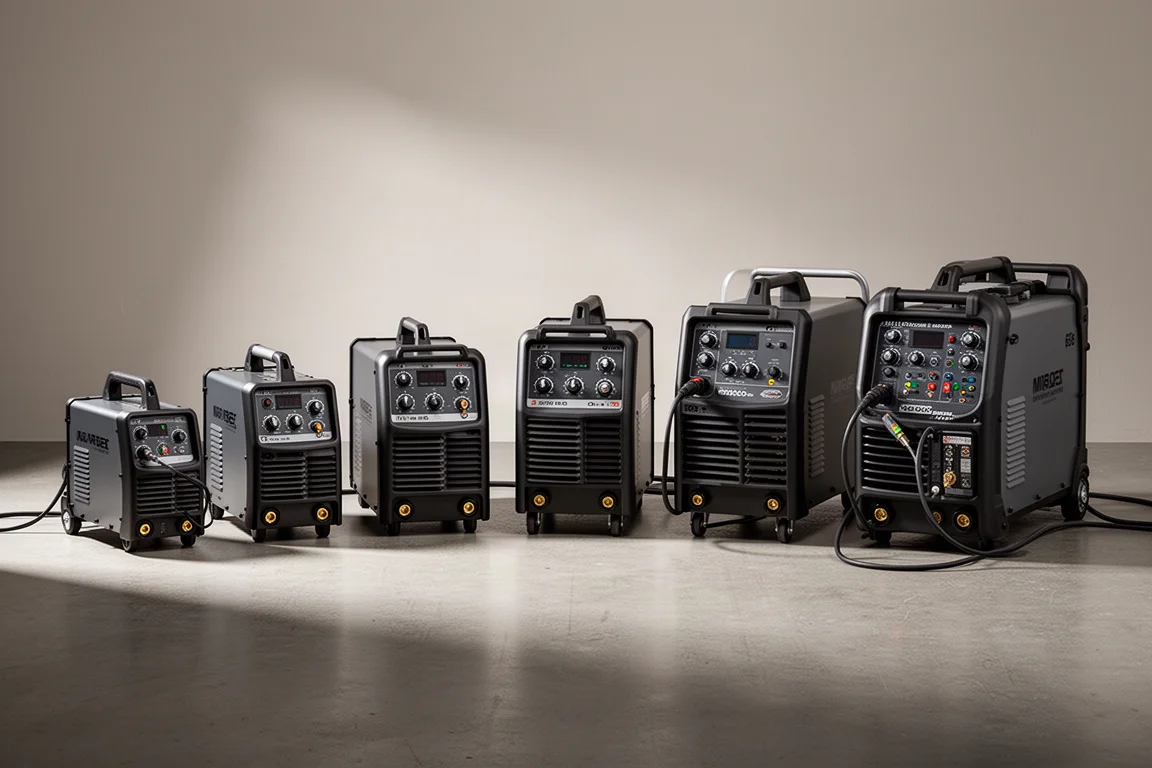
To find out whether a MIG welder under $200 can genuinely compete with machines costing thousands, seven welders were purchased and tested head to head: Flame Weld, Chicago Electric, Azuno, War King, YesWelder, Vulcan, and Lincoln. The tests covered weld penetration on quarter-inch steel, flux core weld strength, performance on thin 20 gauge sheet metal, and a five-minute continuous run near 160 amps.
The headline result: the premium machines predictably performed well, but the real surprises came from the affordable middle of the pack.
How the Seven Welders Were Tested
Every machine was set up for the best possible result in each test. The penetration test used 0.035 solid wire with argon CO2 shielding gas on quarter-inch steel plate. The strength test used 0.035 flux core on beveled quarter-inch plate, with each weld pulled until it broke on a scale. The thin-gauge test used 0.030 flux core on 20 gauge sheet metal, roughly the thickness of a compact car fender, plugged into a 120 volt outlet. Finally, each welder ran for five minutes as close to 160 amps as possible.
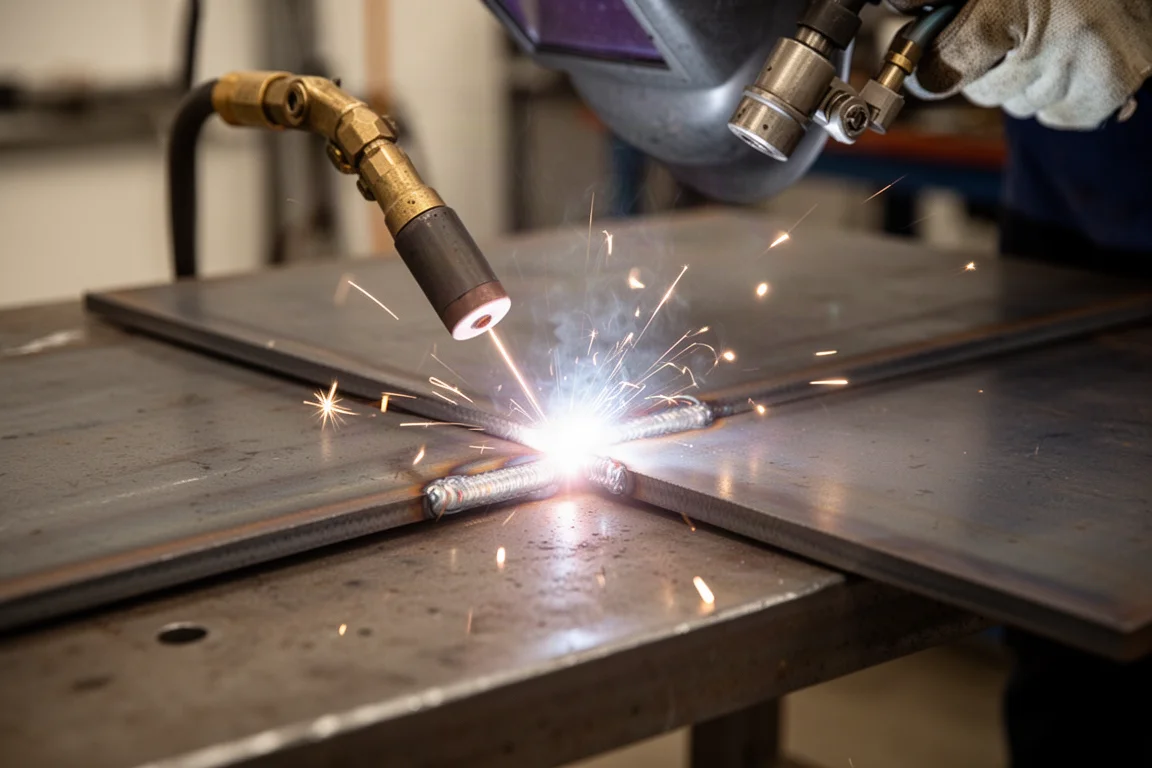
It is worth noting that all the welders except the Chicago Electric are also capable of arc (stick) welding, and most handle both solid wire with gas and gasless flux core.
Flame Weld MIG Welder: The $189 Budget Entry
The Flame Weld offers up to 160 amps, dual 120/240 volt input, and a one-knob intelligent control system that automatically manages voltage and current for a smooth arc. It claims thermal protection, includes a gas hose but not a regulator, and has a helpful inside-panel setup guide.
It is the lightest of the group at 15.5 pounds without wire, but its limits showed quickly. Measured current fluctuated between 37 and 97 amps on the 50 amp setting, it could not produce enough current for good penetration on quarter-inch plate, and it burned through 20 gauge sheet metal even on the lowest setting. During the five-minute run it fell from 165 amps down to around 85 amps.
Chicago Electric MIG Welder: Harbor Freight’s $230 Option
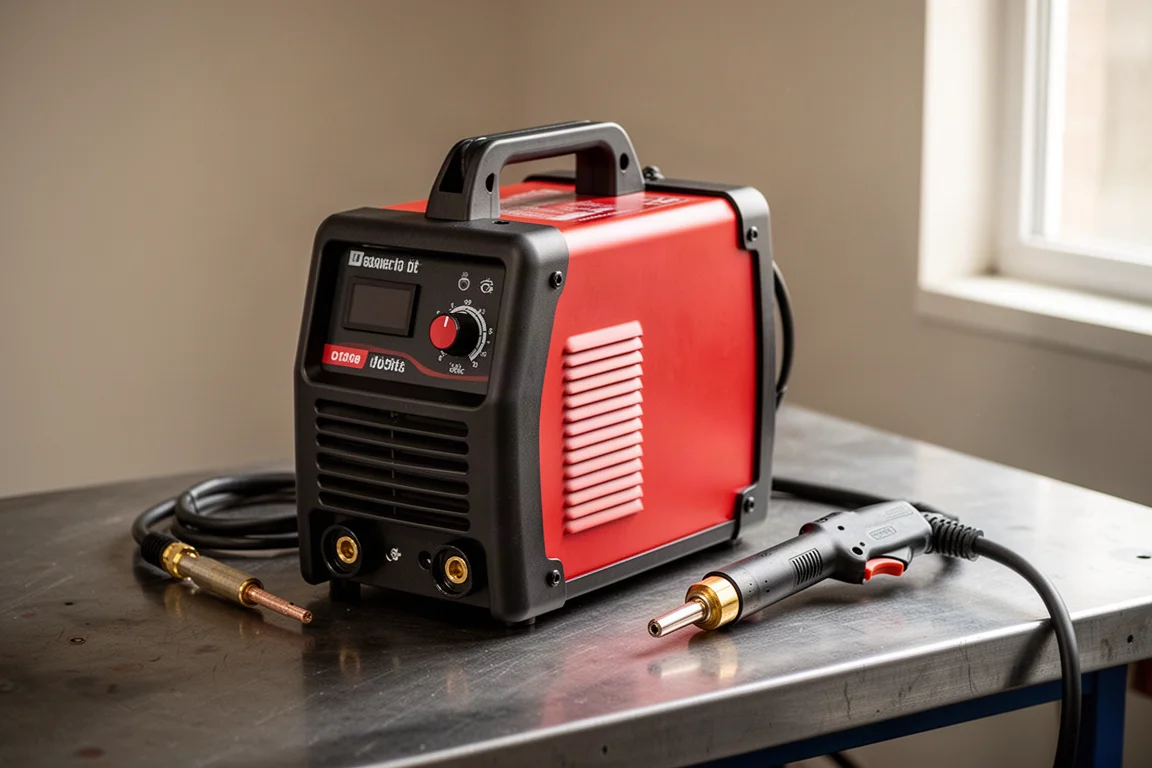
Sold at Harbor Freight, the Chicago Electric is designed for MIG, flux core, and arc welding with 30 to 170 amps DC, thermal overload protection with an indicator light, and four power settings with high/low on levels one and two. It uses electrode negative for flux core and electrode positive for gas welding, and weighs 58.5 pounds with 10 pounds of wire aboard.
Wire speed was more consistent than the Flame Weld, and its flux core weld held 4,759 pounds before breaking. However, the wire speed fluctuated noticeably, it struggled to fuse thin sheet metal cleanly, and it overheated and shut down at 3 minutes 43 seconds in the run test.
Azuno 200A MIG Welder: Hard to Beat on Value
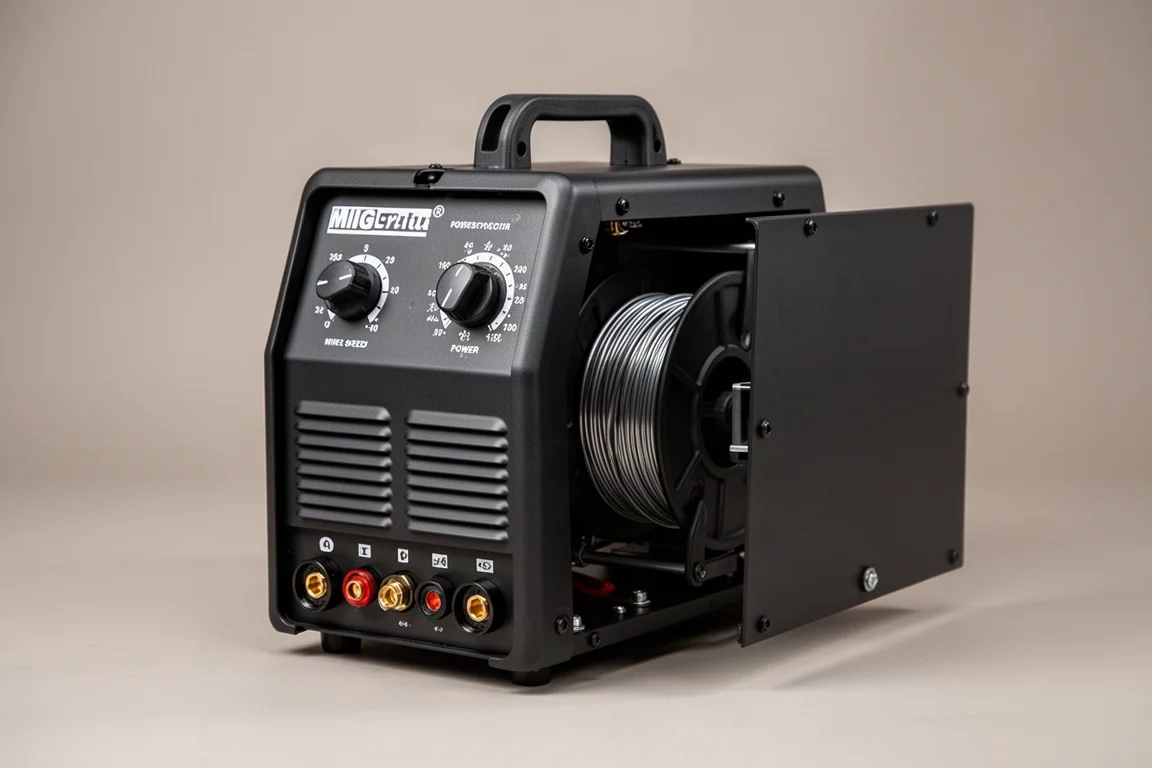
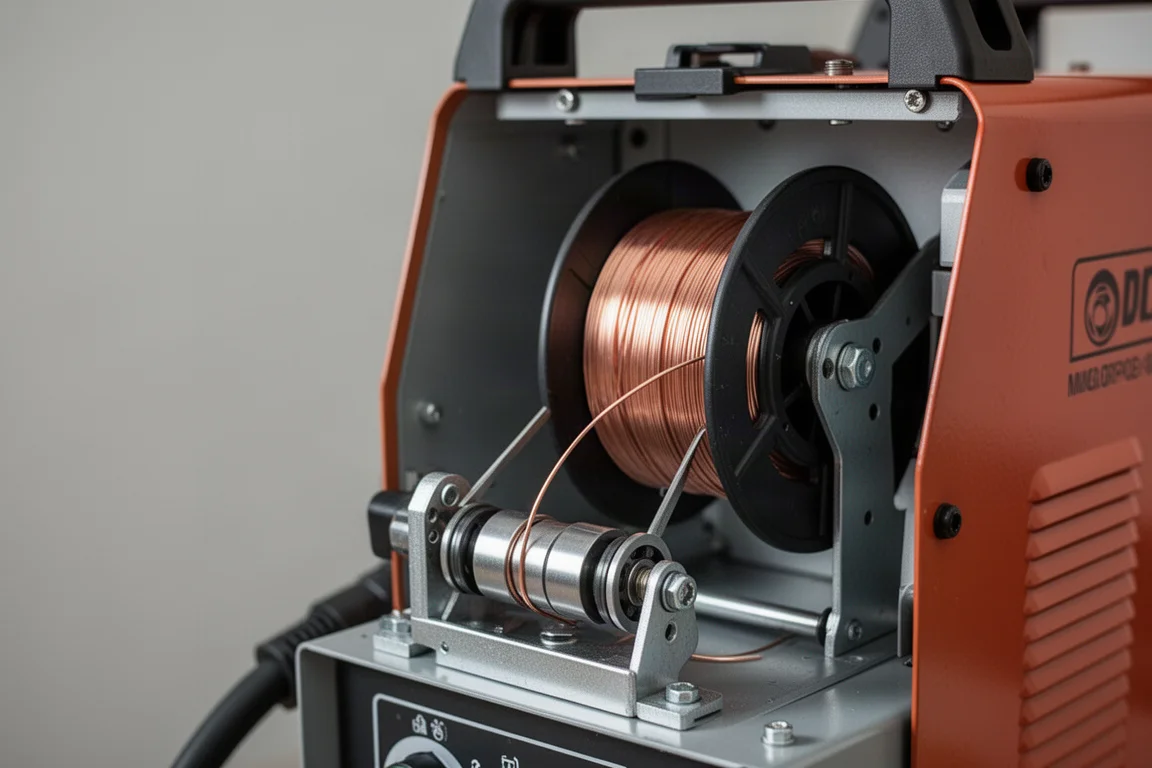
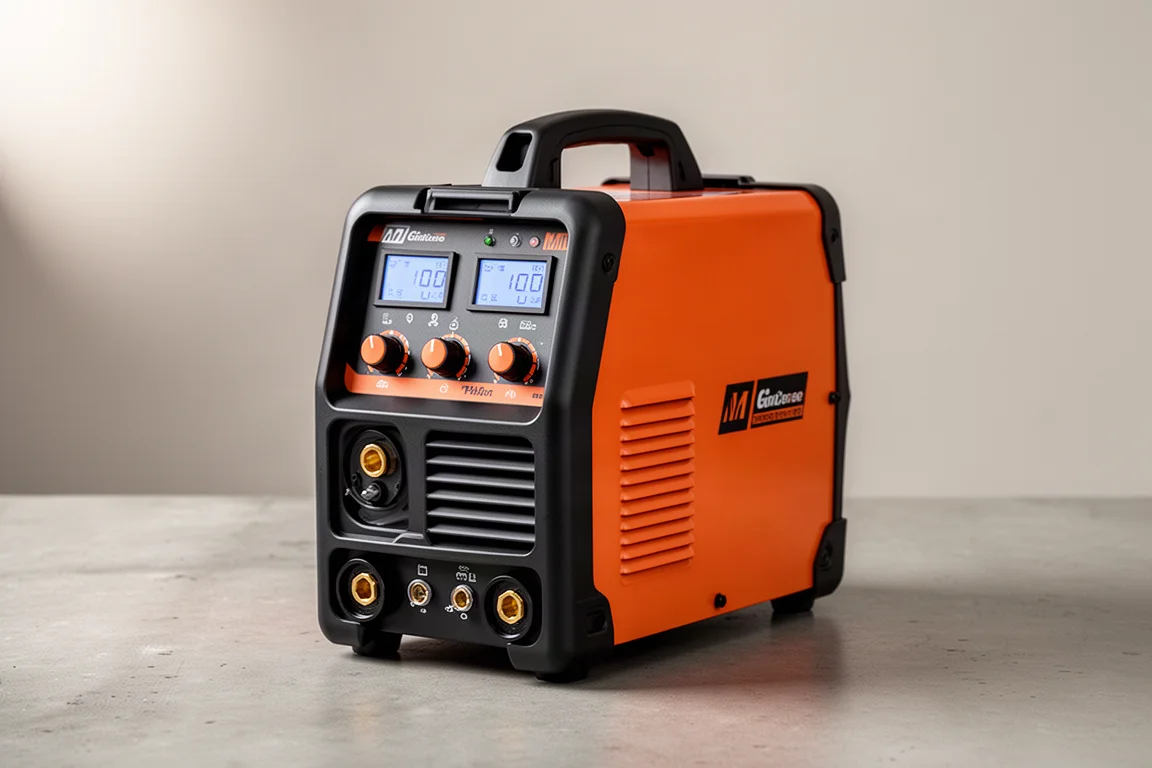
At $252, the Azuno is a four-in-one welder covering flux core, MIG, lift TIG, and arc welding, with up to 200 amps, overload and overheating protection, and room for both 2-pound and 10-pound wire spools. It weighs close to 40 pounds with a 10-pound roll installed.
On the lowest setting it measured just 22 to 58 amps, which is a huge advantage on thin gauge material, and it produced a good quality weld on 20 gauge sheet if you kept moving. On quarter-inch plate it delivered 6,133 pounds of weld strength, held close to 123 amps through the five-minute run, and showed only minor wire feed skipping. An upgrade over both budget machines in nearly every test.
War King MIG Welder: Strong Numbers, Inconsistent Results
The War King is a 110/220 volt dual voltage welder handling solid wire MIG, flux core, and stick up to 180 amps, with overload protection included. It ships with 2.2 pounds of wire, weighs just 23.4 pounds with wire on board, and uses a barb fitting for gas. TIG hardware is not included.
Despite delivering the highest measured starting current at 229 amps, it was the most inconsistent welder of the group. It surged badly, its flux core weld broke at only 3,743 pounds, it ran too hot to weld 20 gauge without burning through, and it shut down at 4 minutes 52 seconds, just short of finishing the five-minute run. The tight wire feed geometry also makes loading a full 10-pound spool a challenge.
YesWelder MIG 205 DS: The Best Budget Buy
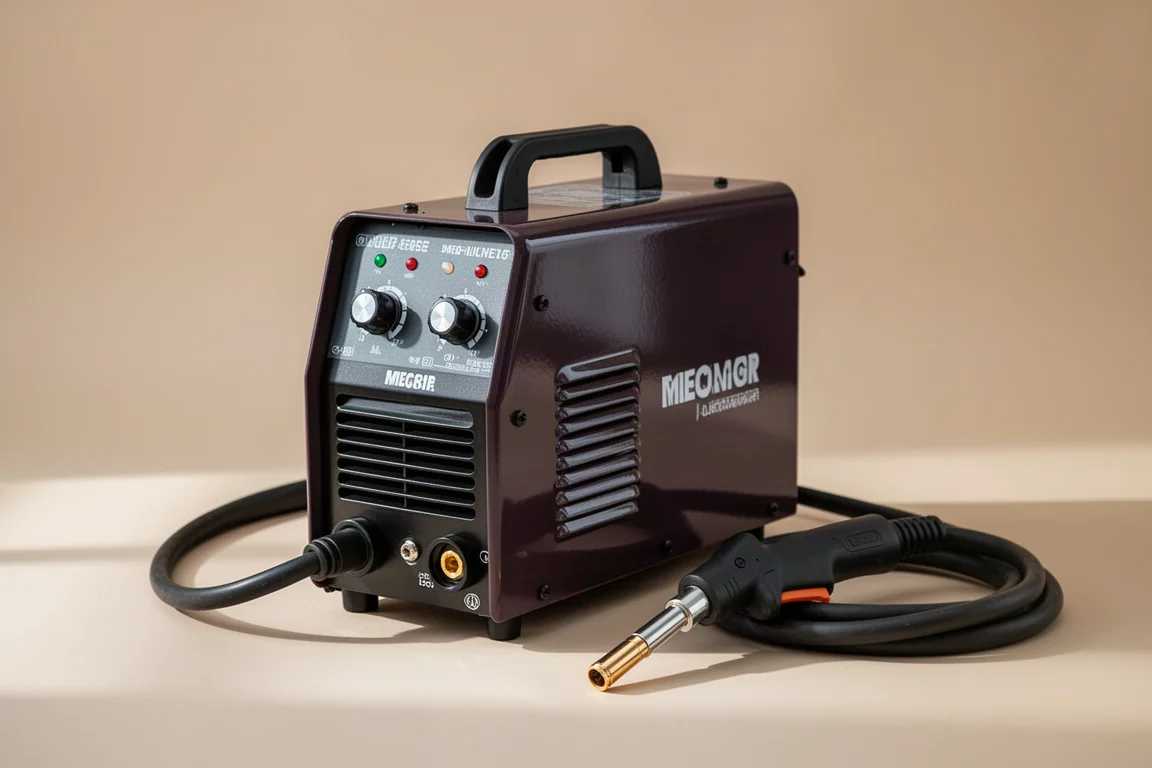
At $360, the YesWelder MIG 205 DS claims a full 30 to 205 amps, dual 110/220 volt input, gasless MIG, TIG, and arc welding, and automatic protection against overcurrent, overvoltage, and overheating. It handles 2 or 10 pound spools, weighs 40.22 pounds loaded, and its wire feed geometry feeds the gun cable without bending the wire.
It was remarkably consistent: 59 to 68 amps on the lowest setting, a smooth wire speed without surging, deep penetration at 0.183 inches on quarter-inch plate, and a very strong 5,143-pound flux core weld. It finished the five-minute run at a healthy 133 amps. For budget-focused buyers, this is the standout.
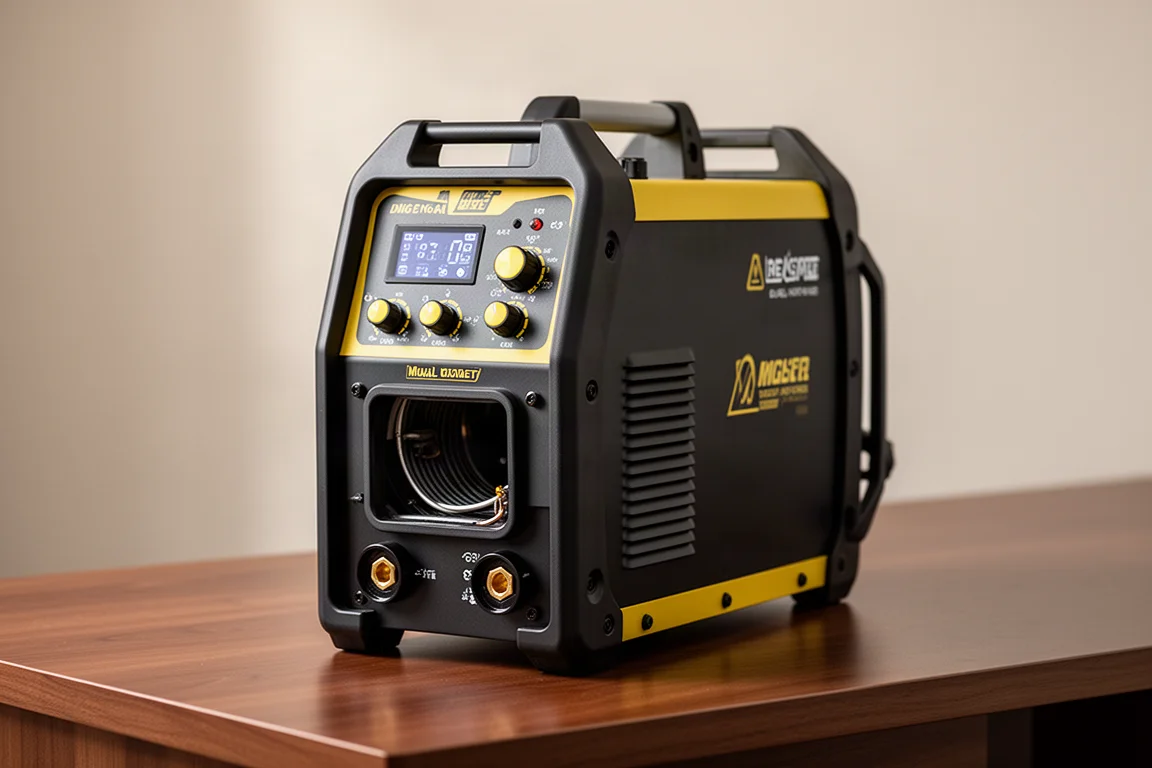
Vulcan Omni Pro 220: Harbor Freight’s Top-Tier Multi-Process
Priced at $1,150, the Vulcan Omni Pro 220 is a top-of-the-line multi-process welder handling MIG, stick, TIG, and flux core, with up to 175 amps for TIG and stick, 132 pre-loaded welding programs, 120/240 volt input, and inverter technology. It is a large machine at 66.5 pounds with wire, but it has the easiest wire installation of the group with excellent feed geometry and a wire feed button.
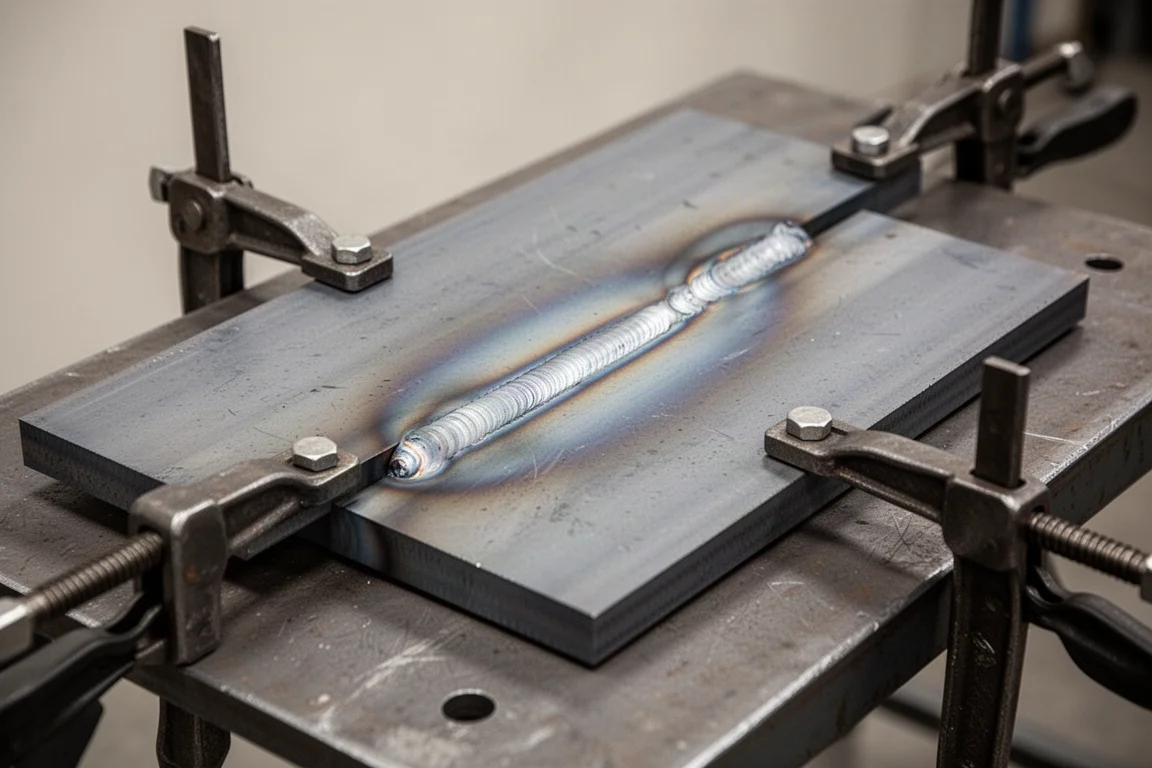
It delivered the deepest penetration of all seven welders at 0.188 inches, produced very consistent wire speed with minimal surging, an almost 6,000-pound flux core weld, held 160 amps for three minutes before settling at 144, and handled thin sheet metal with a nice bead profile. This is not a hobbyist-only welder.
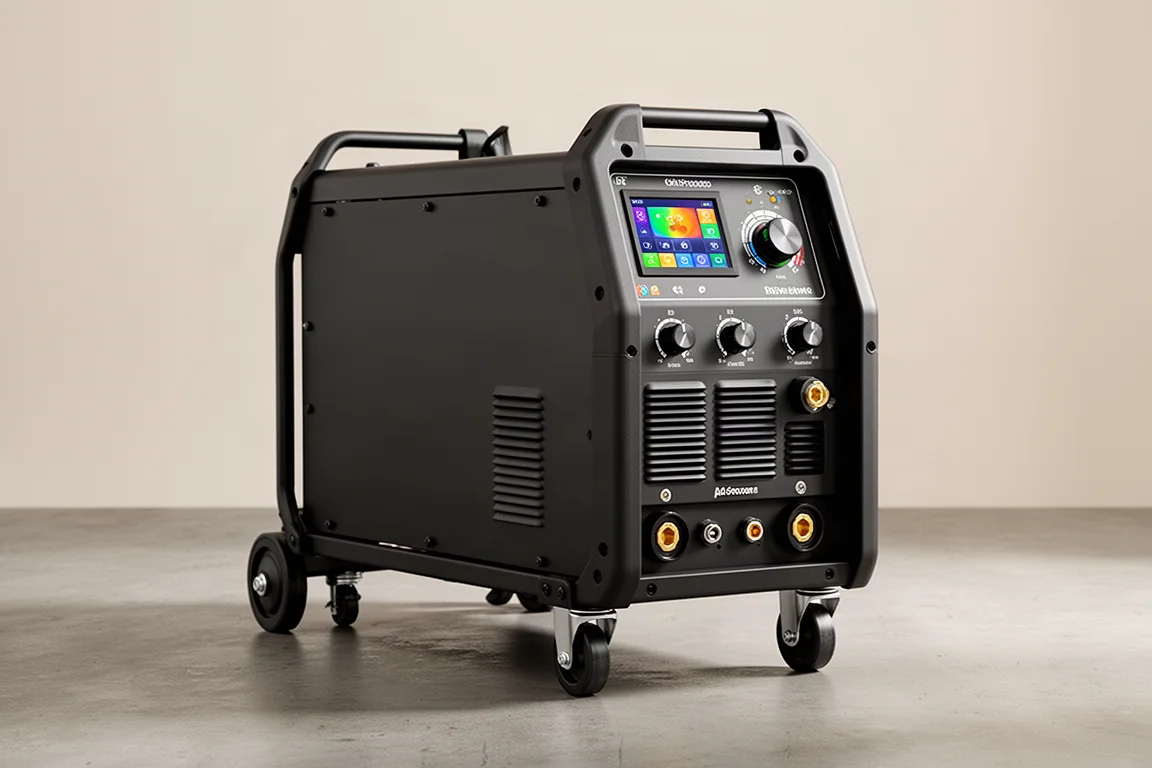
Lincoln 210: The Premium Benchmark
At $2,300, the Lincoln 210 is designed for MIG, stick, TIG, and flux core welding, is dual voltage at 110 or 220 volts, welds up to 3/8 inch material with MIG, and is assembled in Mexico. It weighs just under 42 pounds without wire, has plenty of space for easy wire installation, and includes a helpful reference chart inside the side panel.
The Lincoln finished first in every category except penetration. It made the most current on the highest setting at 281 amps, went down to 21 amps on the lowest, delivered the strongest flux core weld at 6,349 pounds, and produced beautifully tied-in beads with a very consistent wire speed. It also finished the five-minute run at around 145 amps.
Which MIG Welder Should You Buy
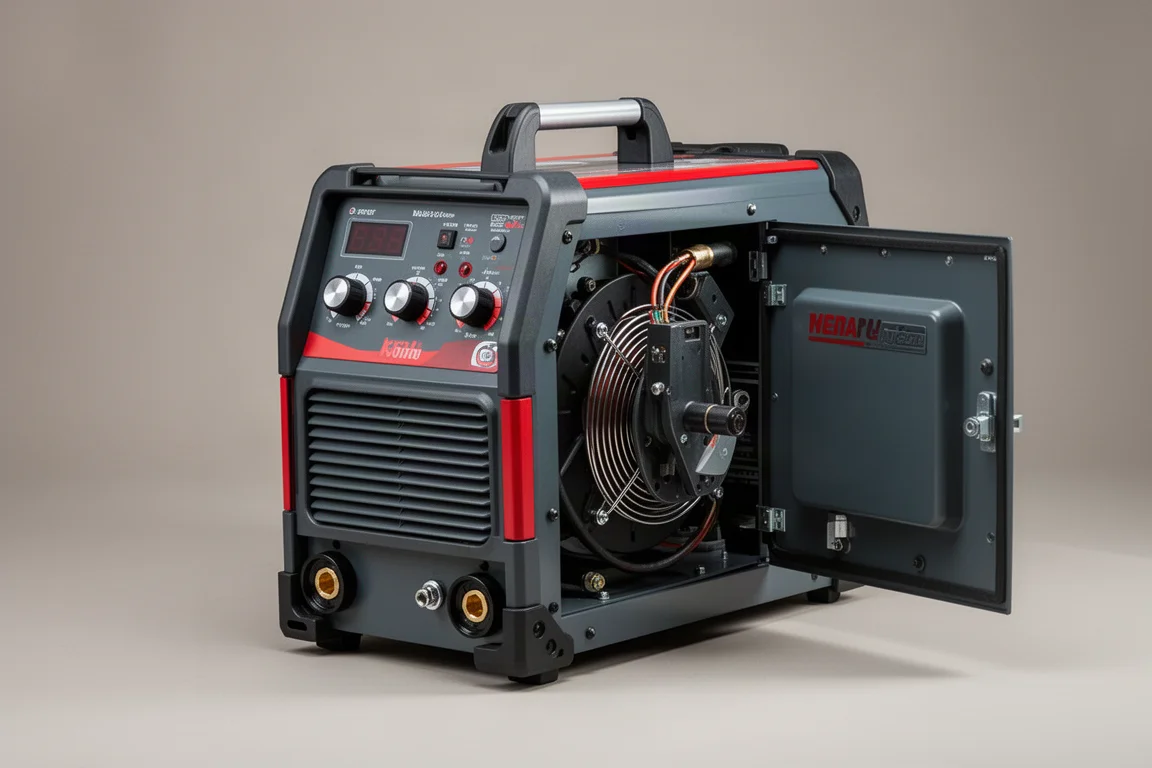
The Lincoln finished first in nearly every test, and the Vulcan and YesWelder were both very competitive with each other, with the Vulcan barely finishing ahead of the YesWelder overall.
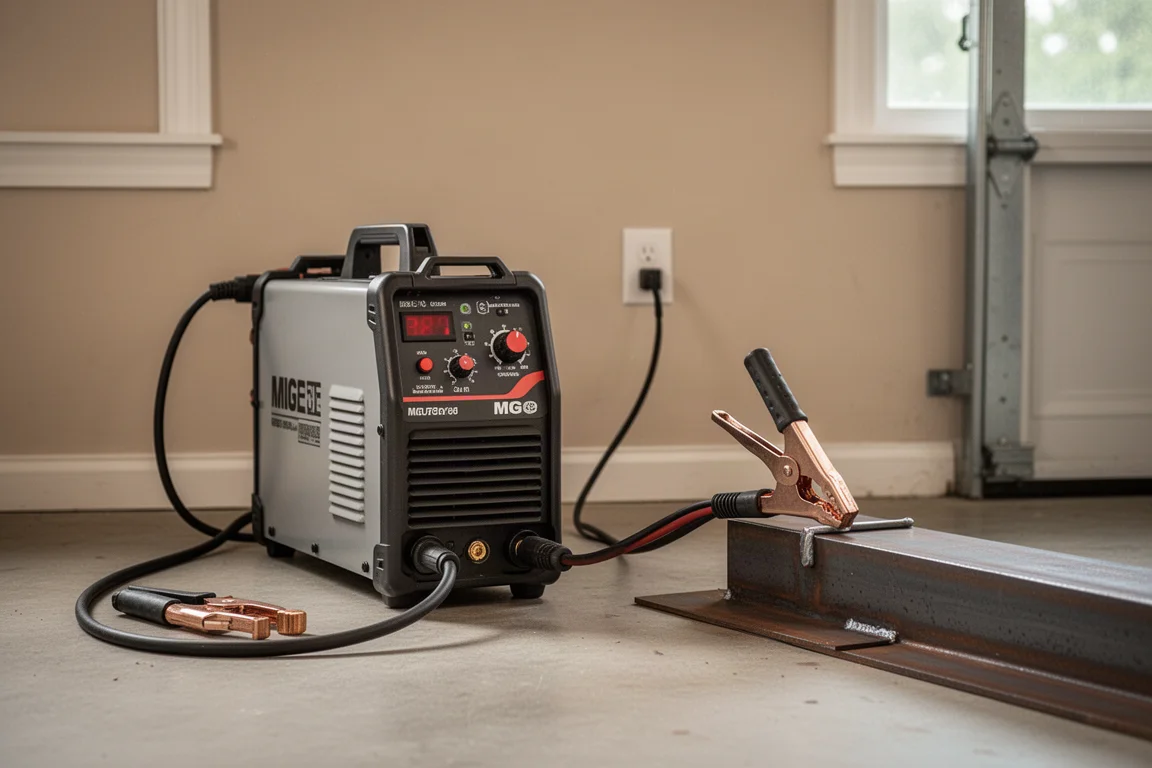
If you are really concerned about budget, the YesWelder at about $360 is a great buy. If it is all about value, the Azuno is very hard to beat at around $250, and there is a good chance a coupon could bring the price down further. What is genuinely impressive is how much technology is packed into both the YesWelder and the Azuno, and either would be the choice if value is the priority. If you are paying over a thousand dollars for a welder like the Lincoln or the Vulcan, great performance is expected, and both deliver it.
Conclusion
The premium machines lived up to their price tags, but the biggest takeaway is how capable affordable welders have become. Skip the inconsistent War King and the underpowered Flame Weld for demanding work, choose the Azuno or YesWelder for the best value, and step up to the Vulcan or Lincoln if you want top-tier multi-process performance.
Further reading
Related Reviews
Welding
Budget Stick Welder vs Flux Core: What Beginners Should Know
A practical look at a sub-$60 drill-style stick welder and why a flux core machine may be the better starting point for home repairs.
Welding
Best Arc MIG Welder Review: A Budget Flux Core Welder for Small Repairs
A hands-on look at the Best Arc MIG welder, a gasless flux core machine that handles tack welds and thin-material repairs for around $100.
Welding
Best Stick Welders Compared: 7 Budget and Pro Machines Put to the Test
Seven stick welders, from a $70 entry-level unit to a $2,300 multi-process machine, tested for current accuracy, penetration, weld strength, and reliability.