Stereo Systems
Budget Stereo System Guide: WiiM Amps, Polk XT15, and Neumi Silk 4 for Around $500
A practical guide to building a stereo system for around $500, with two amplifier options and two budget speaker pairs, plus how to correct the speaker and the room.
Introduction
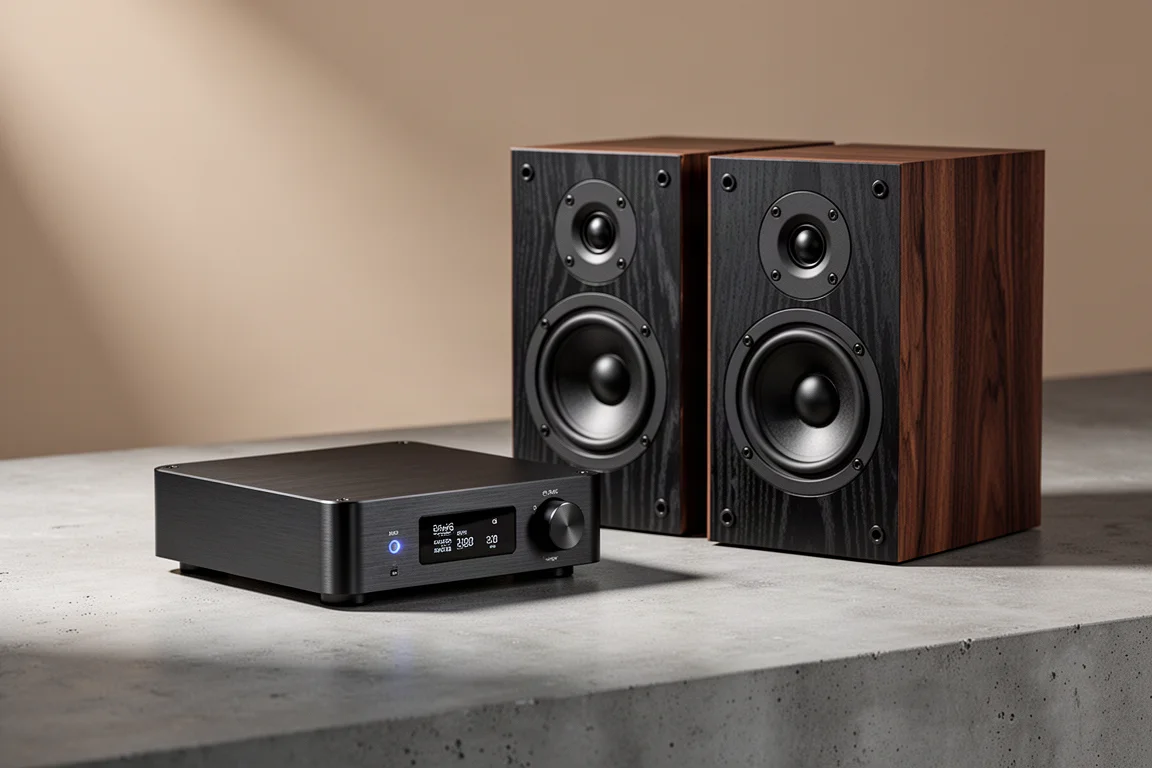
A genuinely good stereo system does not require a large budget. With roughly $500 to spread across an amplifier and a pair of speakers, the two decisions that matter most are choosing an amplifier with useful tone and room-correction tools, and choosing speakers that respond predictably when you correct them. Two amplifiers and two speaker pairs cover most of that ground at this price, and the sections below explain what each one offers, where it falls short, and how to get the best from it.
What to Look For in a Budget Stereo System
Two things separate a frustrating budget system from a satisfying one: the amplifier’s feature set and how willingly the speakers accept correction.
On the amplifier side, HDMI ARC is the feature that lets the system live under a television, while a phono input and an optical input cover turntables and digital sources. A control app with parametric equalization matters just as much, because it lets you address both the speaker’s own tonal quirks and the peaks your room adds.
On the speaker side, the goal is not perfection at this price. It is a reasonably smooth response and a treble region that can be trimmed without side effects. Several budget speakers rise in the treble when aimed directly at the listener, and a small, well-placed cut makes them far more neutral.
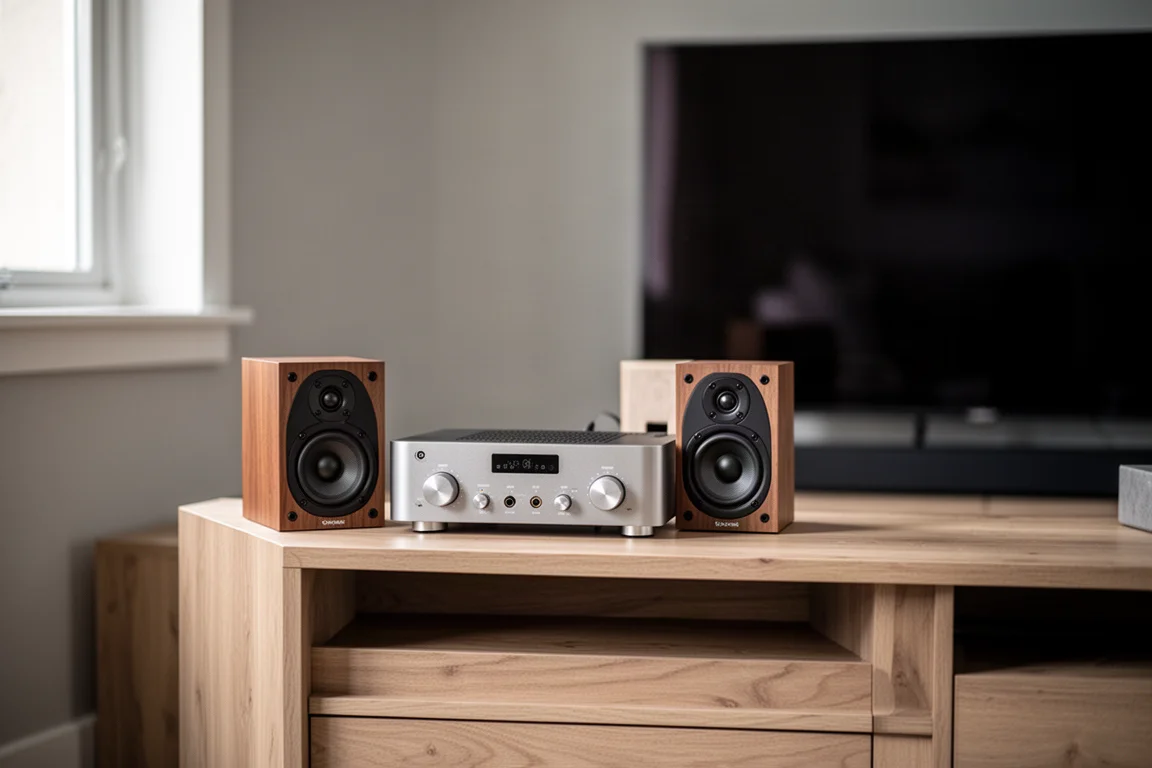
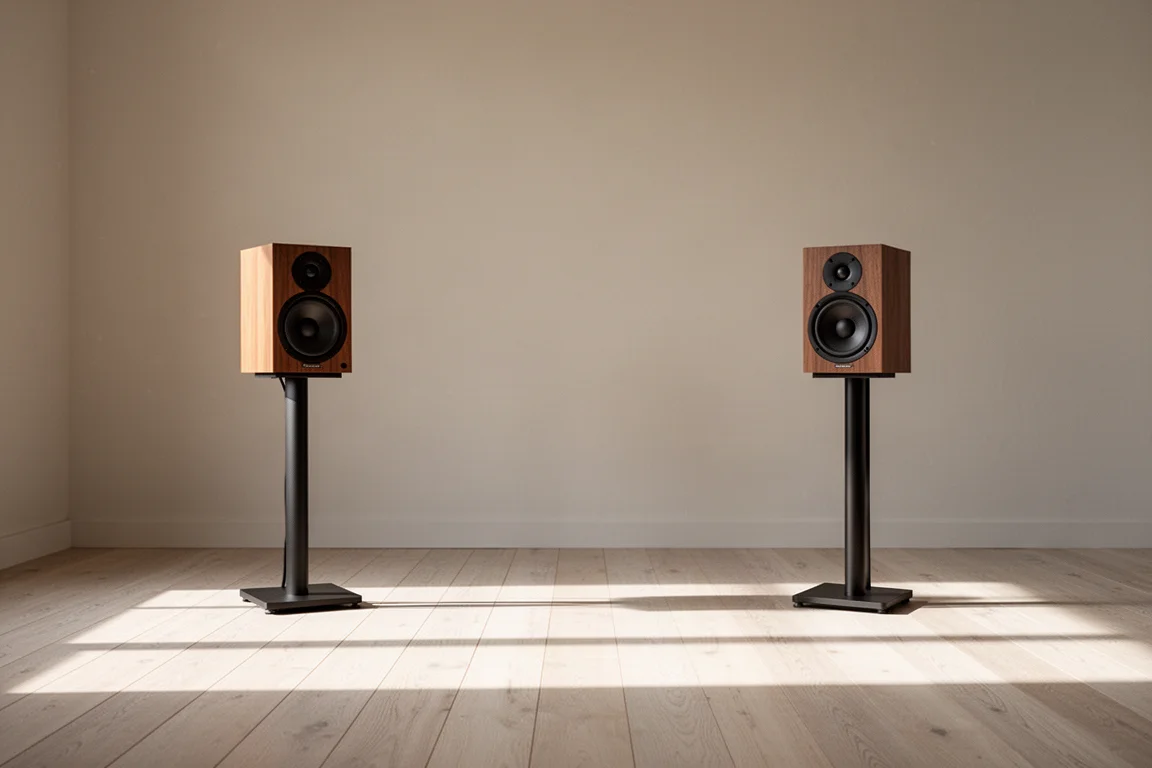
One more idea is worth understanding before buying: the difference between pointing a speaker directly at your seat, known as on axis, and turning it outward into the room, known as off axis. Most speakers sound best aimed at the listener, but some are designed to sit nearly flush with the wall behind them. Which orientation suits a particular speaker is not a matter of taste; it depends on how its response changes as you move off axis.
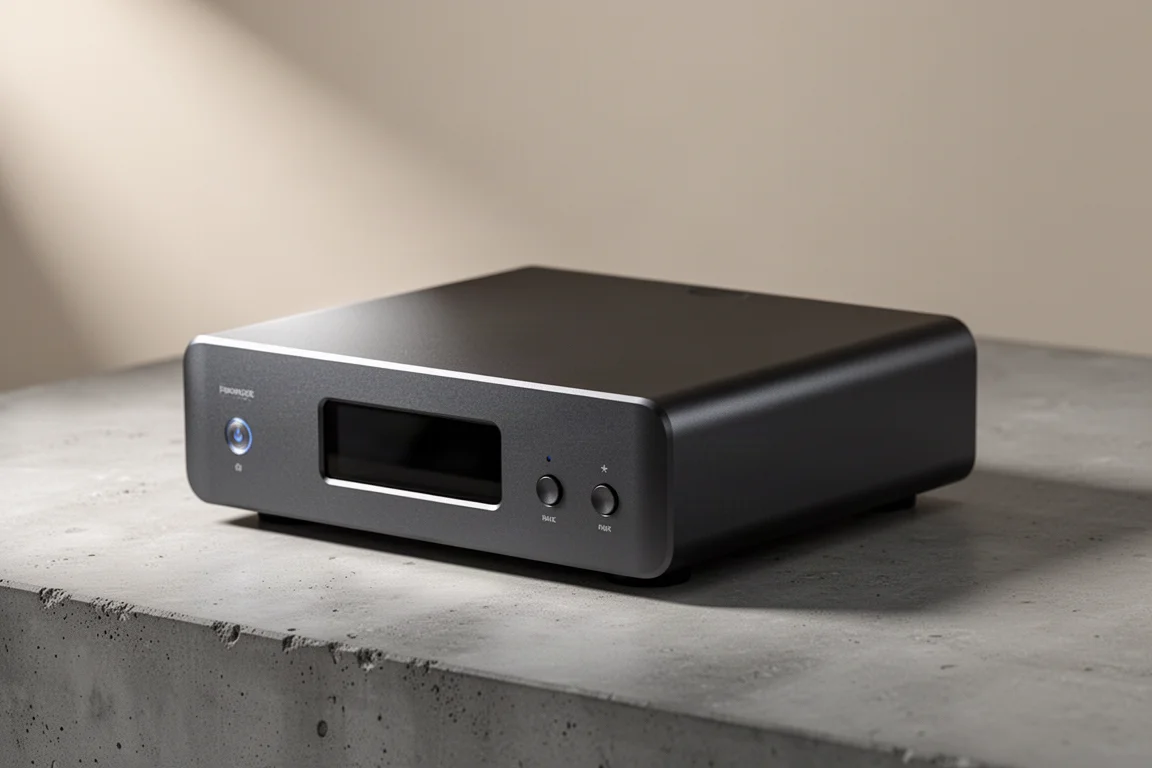
WiiM Amp Pro: The Cleaner Amplifier Option
The WiiM Amp Pro anchors the top of this budget at around $380, and it earns the extra spend in one specific way: it removes the load dependency of the earlier model. Load dependency means the frequency response can shift slightly depending on which speaker is connected, by roughly half a decibel to a decibel, either in a narrow band or across a wider range. Removing that variable makes the amplifier behave more consistently from one speaker to the next.
It keeps the connections that make this platform useful in a living room or bedroom, including HDMI ARC, a phono input, and an optical input. The built-in app provides the equalization tools used throughout this guide.
The trade-off is AirPlay support, which the Pro does not include. If Apple’s streaming protocol is essential to your setup, that is the one feature you give up by choosing the Pro over the standard model.
WiiM Amp: The Lower-Cost Alternative
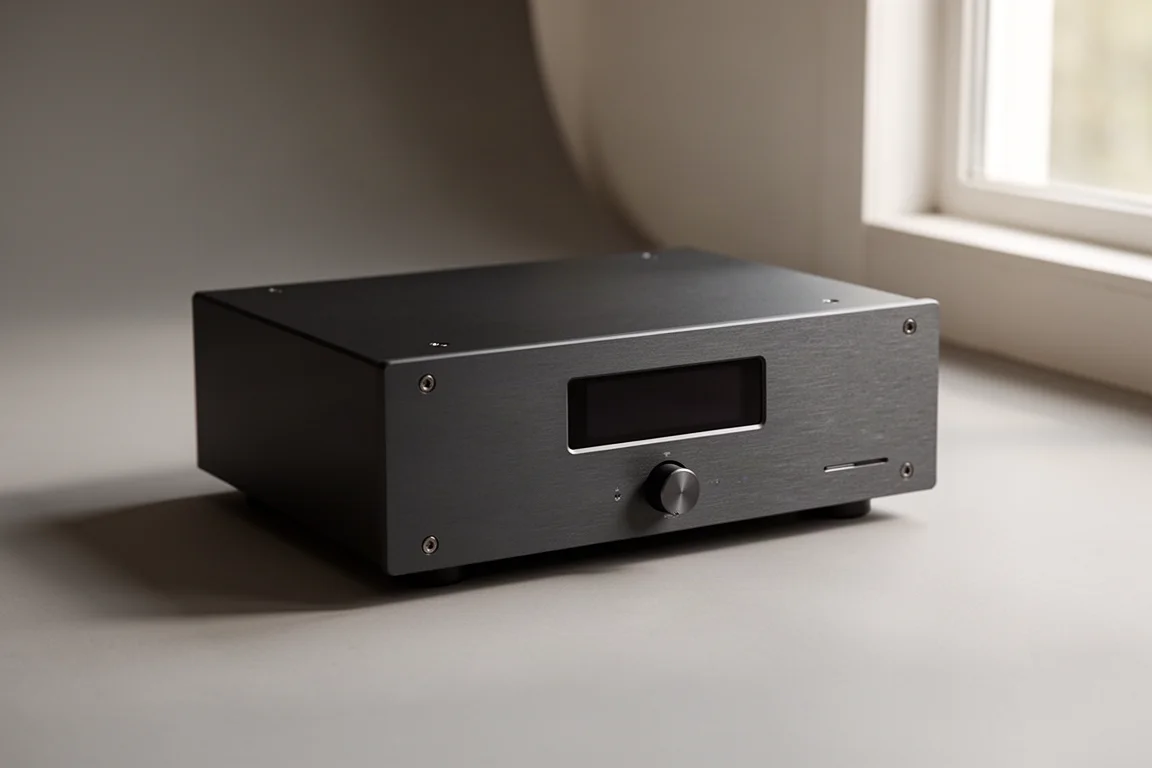
The standard WiiM Amp retails for about $300 and covers the same core ground: HDMI ARC, phono and optical inputs, and the same app-based equalization. It also retains AirPlay, which the Pro drops.
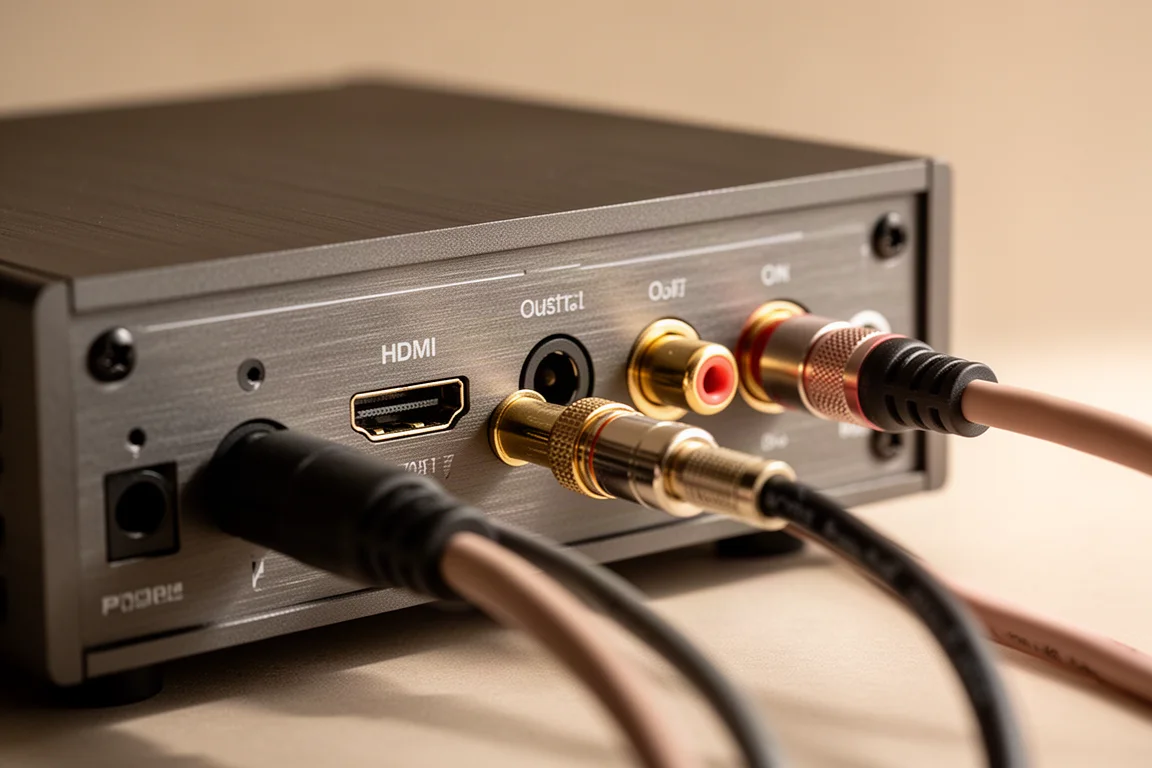
The compromise is load dependency. With this model, connecting a speaker can alter the frequency response slightly, which means the tonal balance you hear is partly a product of the speaker you pair it with rather than the amplifier alone. That is not a dealbreaker at this price, and the equalization tools can address much of it, but it is the reason the Pro exists.
If you would rather keep the extra $80 in your pocket, this model still delivers the inputs, the app, and the streaming features that make the platform worth building around.
Polk XT15: A Bright Speaker That Takes Well to EQ
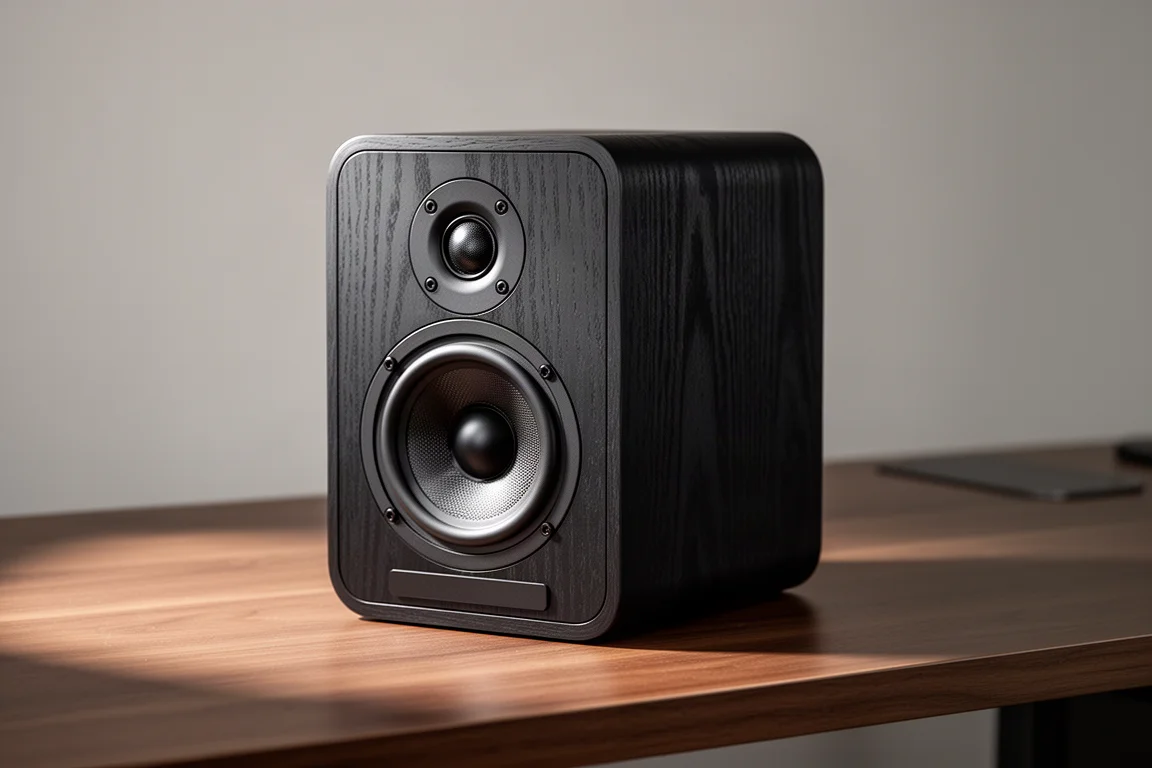
The Polk XT15 is a capable budget speaker at about $200 per pair, and it is a useful illustration of why equalization matters. Anechoic measurements show its response rising in the treble by roughly 3 dB when the speaker is aimed directly at the listener, which turns into a bright presentation in a normal room.
Its response holds together better when the speaker is turned about 30 degrees off axis. There is a dip between the midrange and the tweeter that equalization cannot repair, and the region between roughly 3 kHz and 4 kHz is also beyond effective correction. Everything below and above that range can be addressed.
That leads to a practical approach: aim the Polk XT15 roughly 30 degrees off axis, then apply three bands of equalization in the amplifier app to bring the overall balance closer to neutral. Let the speaker’s own trend set the target rather than imposing an arbitrary curve, and the result is a much more even, neutral presentation.
Neumi Silk 4: A Capable Speaker for Less
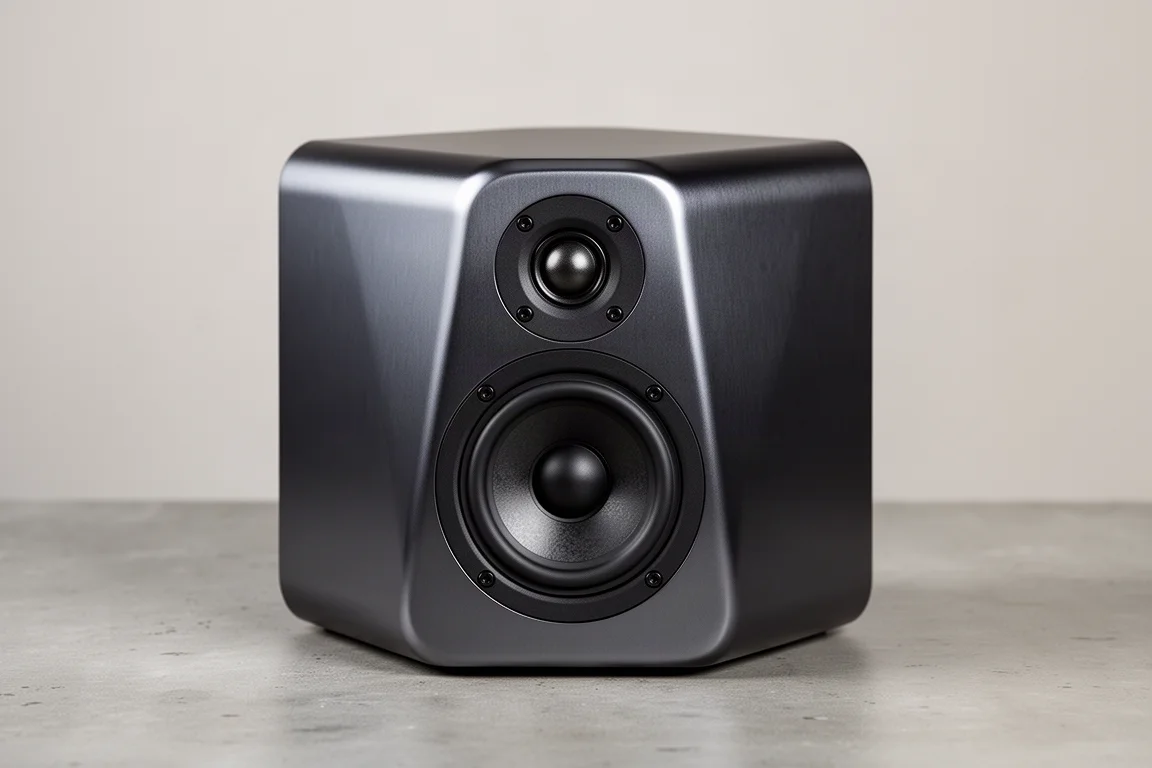
At about $150 per pair, the Neumi Silk 4 costs less than the Polk and behaves more predictably. Its estimated in-room response is largely even, and its 30-degree off-axis response deviates only in the treble, and not by much. In practice that means it performs similarly whether you aim it at your seat or face it into the room, apart from losing a decibel or two of treble energy.
The area that benefits from attention sits in the midrange, between roughly 800 Hz and 1.5 kHz. Four bands of equalization in the amplifier app smooth that region and bring the response close to a neutral trend line.
One caution: the suggested settings include a small boost around 6 kHz and 12 kHz. Boosting is generally worth avoiding, because a dip caused by the room cannot be filled in with more power, but in this case the lift did not introduce audible distortion in a room setting. If you prefer to stay conservative, that band can simply be left out.
Getting the Room Right: EQ Below 500 Hz
Correcting the speaker and correcting the room are two different jobs. Once a speaker is reasonably neutral, the room still changes what you hear, but almost entirely in the lower frequencies. Domestic rooms build up energy at wavelengths around 500 Hz and below, where long wavelengths stack on top of each other and form room modes. Higher frequencies reflect and scatter instead, so they shift with tiny movements rather than forming modes.
That is why room correction should stay below roughly 500 Hz. Above that line you are adjusting the speaker rather than the room, and doing it properly calls for more precise measurement gear and a different process.
The measurement side is easier than it sounds at these frequencies. Because low-frequency behavior barely changes with small movements, a phone can capture it well enough, provided you use an app with an FFT view and an averaging capture mode. Play pink noise through the system, sweep the phone slowly around your head space, and let the app average the result. At 500 Hz and below, reflections from your hand or body are far less of a problem than they would be at higher frequencies.
In one example room, the averaged measurement showed a peak near 630 Hz, a milder one around 430 Hz, and a bloated region around 40 Hz. Three bands of cut in the amplifier app reduced all three. Your room will produce a different curve, and that is entirely expected.
Buying Advice
Building a system for around $500 comes down to how you split the budget between the amplifier and the speakers.
If you can stretch to the WiiM Amp Pro at about $380, pair it with the Neumi Silk 4 at about $150 per pair and you land close to $500, with the most consistent amplifier behavior in this group and a speaker that needs only mild correction.
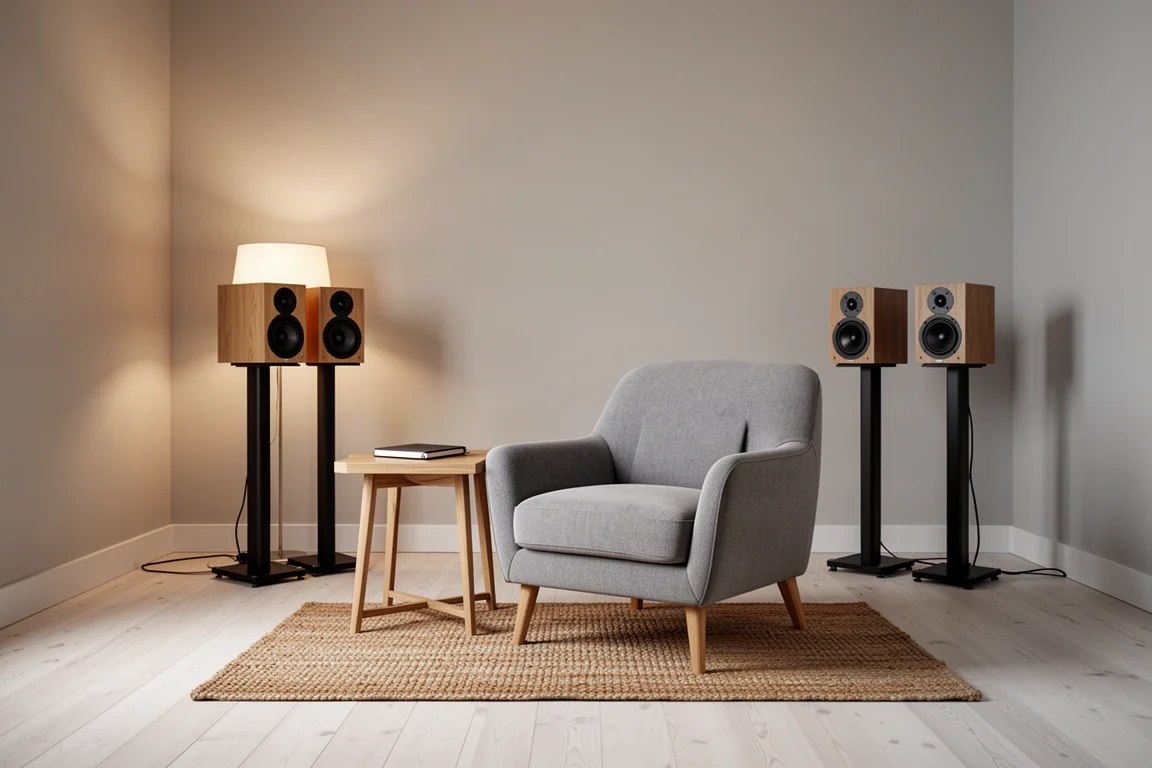
If AirPlay matters more than load independence, the standard WiiM Amp at about $300 frees up budget and still covers HDMI ARC, phono, optical, and the same app tools. If you prefer the Polk XT15 at about $200 per pair, plan on aiming it about 30 degrees off axis and applying the three-band correction; the result is a neutral, well-balanced speaker, but it needs that setup work to get there.
Whichever combination you choose, spend the time on room correction below 500 Hz. That single step does more for perceived sound quality than any other adjustment available at this price.
Conclusion
A $500 stereo system can sound far better than its price suggests when the amplifier offers real equalization and the speakers respond to it. The WiiM Amp Pro and WiiM Amp both provide HDMI ARC, phono and optical inputs, and an app that handles both speaker correction and room correction. The Polk XT15 and Neumi Silk 4 give you two price points and two different levels of setup effort. Choose the pairing that matches your budget and your patience for tuning, apply the corrections that suit the speaker, then measure your room and cut the low-frequency peaks. The result is a system that performs well beyond what the total spend would suggest.
Further reading
Related Reviews
Hi-Fi Audio
Accuphase C-57 vs Allnic H-7000V: Two High-End Phono Stages Compared
A fully balanced solid-state phono stage with a pitch-black noise floor meets a tube design built for well-loved records. Here is how to choose between them.
Hi-Fi Amplifiers
Accuphase E-280 Review: Entry-Level Accuphase With Flagship Attention to Detail
A close look at the Accuphase E-280 integrated amplifier, covering its champagne build, AAVA volume control, sound quality, and the speakers and sources that suit it best.
High-End Audio
Accuphase E-3000 Review: A Class AB Integrated Amplifier Built to Last
The Accuphase E-3000 is the entry point into a legendary Japanese high-end line. Here is how it sounds, how it is built, and who should consider it.