Running
How to Run Well for Less: Smart Budget Picks for Shoes, Gels and GPS Watches
Running gets expensive fast. These budget-friendly shoes, affordable gels and value GPS watches prove you can train well without spending a fortune.
Introduction
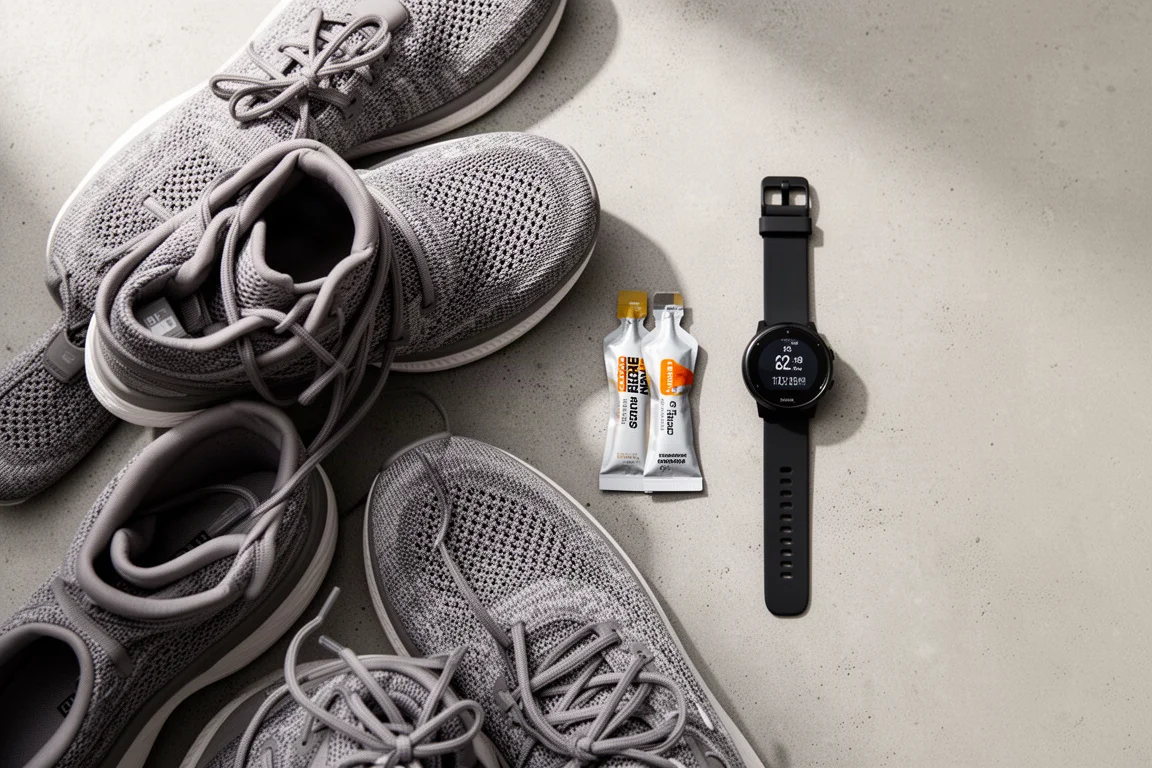
Running has a habit of quietly becoming an expensive hobby. High-end super shoes, feature-packed GPS watches and premium gels all add up quickly, especially when you are training for a marathon. The good news from more than two decades of running is that you genuinely do not need to spend a fortune to run well. Plenty of affordable products and simple habits get the job done, and some of them work better than the expensive alternatives.
This guide pulls together the best value picks across the biggest spending categories: nutrition, shoes, clothing, races, training and watches.
Start with Sports Nutrition
Nutrition is one of the sneakiest costs in running. If you are doing long runs and marathon training, a few gels a week add up fast, and the high-carb trend has only pushed prices higher. Premium brands such as Maurten can cost around £3 per gel, and other specialist brands sit in a similar range. They are good products, but there are cheaper options that still do the job.
Two budget-friendly brands worth a look are High-5 and Science in Sport. High-5 gels come in at roughly £1 each, while Science in Sport gels cost just over £1. That difference adds up to serious savings over a full training block.

One surefire way to waste money is buying a big box of gels and then discovering you do not like the flavour. Buy single gels first, test them on runs, and only then commit to a multi-pack. Single-serve purchases from retailers such as XMarks in the UK make this easy. You can also skip classic sports nutrition entirely and experiment with dried fruit, jelly babies, bananas, malt loaf or flapjacks, especially on trails where you have time to spare. Some runners even make their own gels at home, with plenty of recipes online, and carry them in any soft flask or hydration pack.


Smarter Shoe Shopping
Shoe prices are no joke right now. Race shoes are pushing into the high £200s, and even a standard daily trainer costs around £150. But there are brilliant value shoes out there that let you rack up the miles safely and enjoyably.
Puma Velocity Nitro 4
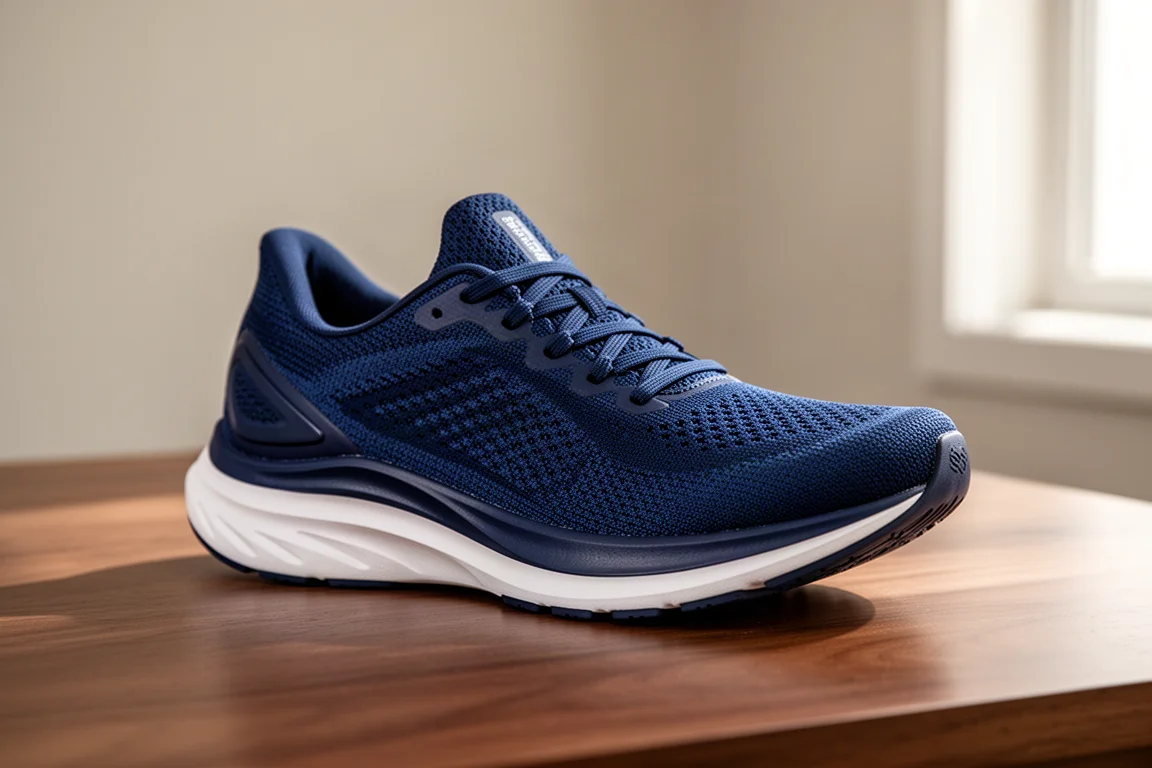
The Puma Velocity Nitro 4 has just launched with an RRP around £110, and it should be findable a bit cheaper than that. It is a genuinely good value daily trainer, and the previous versions are excellent too: the Velocity Nitro 3 can currently be found for around £60 to £70, which is outstanding value for a dependable trainer.
Adidas SL2
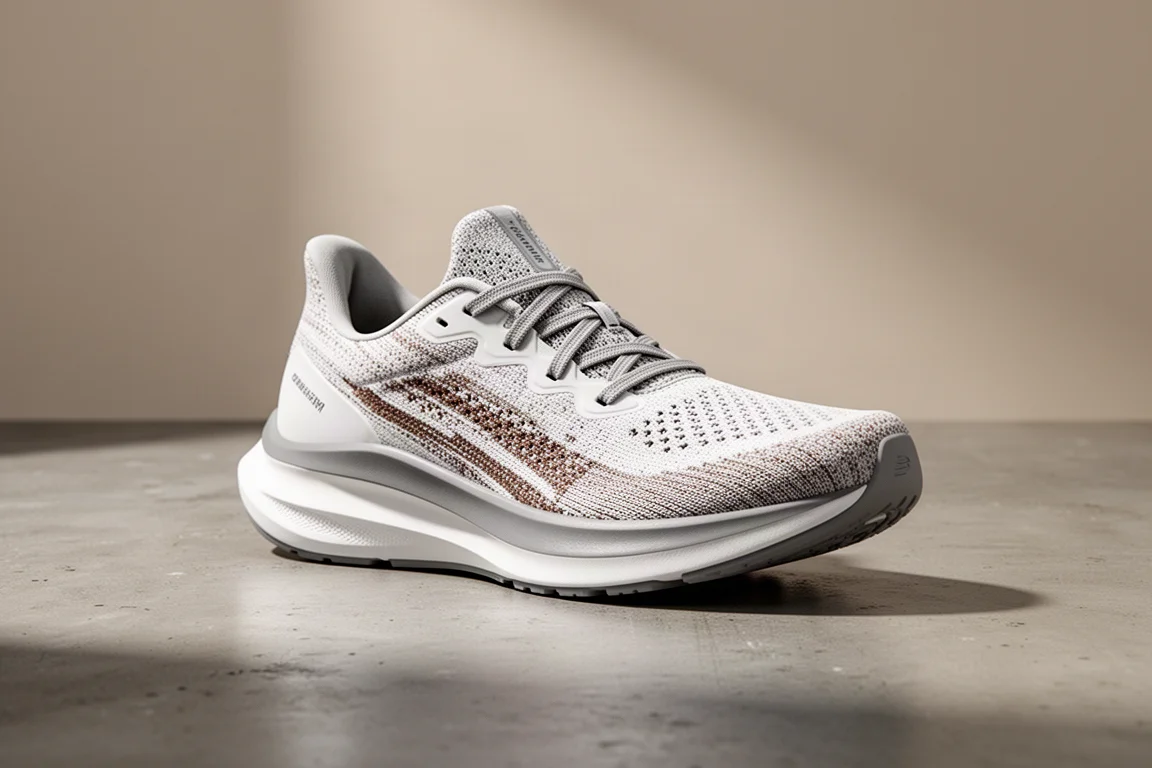
The Adidas SL2 is an absolute classic at around £110, and it is usually easy to find below RRP. It uses Adidas’s premium foam and is a genuinely fun shoe to run in. Crucially, it suits all different types of runners, which makes it a safe pick for almost anyone.
Nike Zoomfly 6
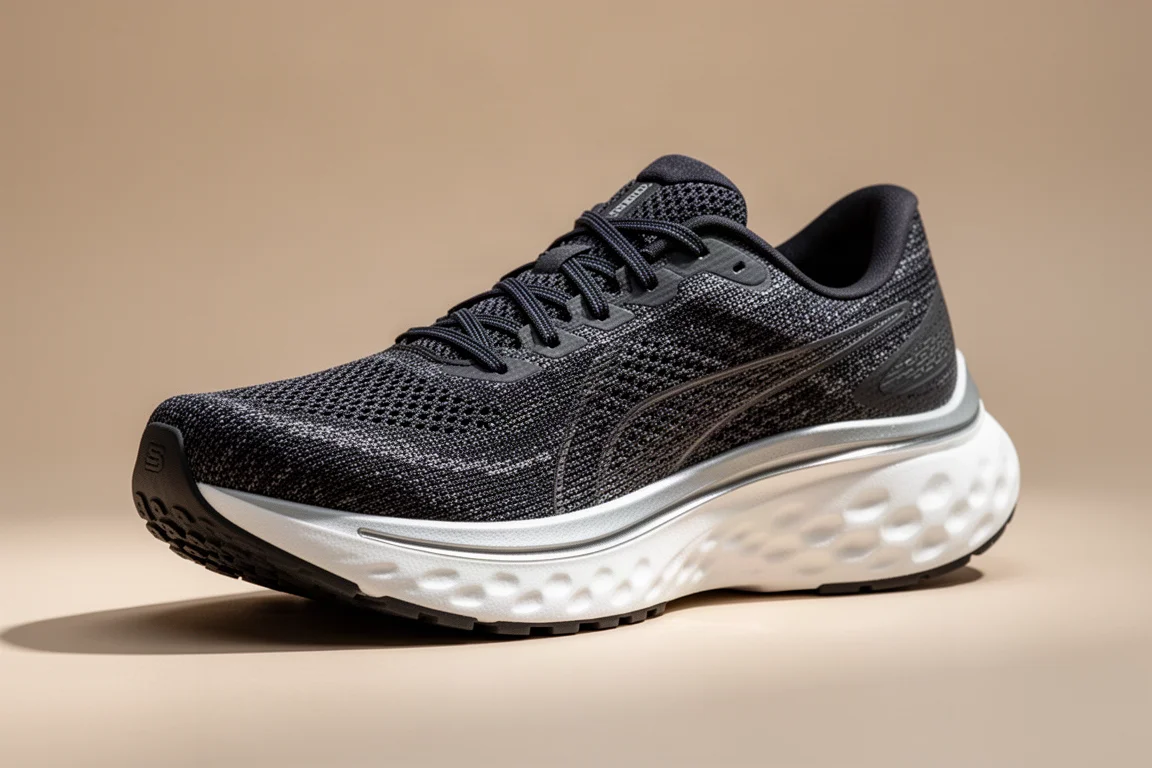
If you want a fast shoe without paying £200 or more for a true race shoe, the Nike Zoomfly 6 is a strong value proposition at around £150. It sits in that sweet spot between a daily trainer and an out-and-out racer.
Choose dependable classics over bargain-bin models
One important rule: do not buy the cheapest running shoe from each brand. At full RRP, those entry-level models usually have hard foams and poor materials. Instead, buy the dependable classics, last year’s model or the year before, and get them on discount. Lines such as the Asics Novablast 3, 4 and 5, the Nike Pegasus, the Nike Vomero, the New Balance 1080 and the Hoka Clifton stay relatively consistent year to year. Pick any of them from a previous version and you know you are getting a good shoe, often 30 to 50 percent off RRP.
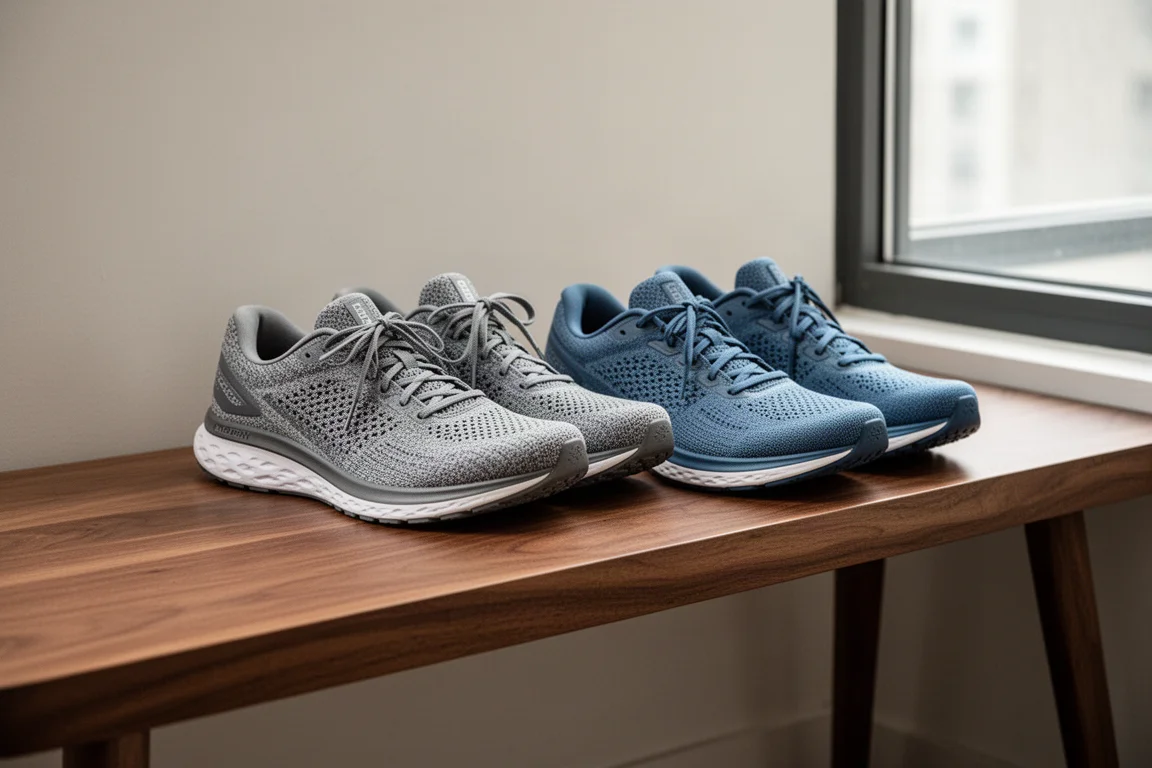
If your budget allows, a final tip: own two pairs and alternate them day by day. This gives the foam extra recovery time to bounce back between runs, so both pairs last longer than one shoe worn all the way out and then replaced.
Save on Clothes, Races and Training
Running clothes can be another real money sink, but dropping £120 on a premium technical t-shirt is arguably not the best use of funds. Budget-friendly brands such as Decathlon produce good quality, comfortable kit, and the quality has improved over the years. The secondhand market is also worth exploring: eBay, vintage shops and Facebook Marketplace have plenty of good gear.
Look closer at local races
Race prices are getting astronomical. Big city marathons and branded events are charging more and selling out, and while the experience can be great, they are not budget friendly. Local club races are usually well organised, low key, low stress and family friendly. A good example is the Telford 10K, one of the very best 10K races in the UK, which costs just over £18 to enter.
Parkrun is another fantastic option: a free, friendly, inclusive way to challenge yourself over roughly 5K.
Volunteering is a genuine money-saving hack. Centurion offer free race places to volunteers, Maverick give free race places, and if you help with the morning setup you can run a race for free that same day. Some events, such as the Eling Half, even throw in a free breakfast and free entry the following year for volunteers.
Train for free
Coaches and subscription training apps cost a lot, but plenty of free training plans exist online, including free beginner plans across all distances from 5K up to 100K. Two classic books, Jack Daniels’ training principles and Advanced Marathoning, are packed with reusable tips, and secondhand copies cost next to nothing.
For strength work, a PT or gym membership is nice but not necessary. Follow-along videos for Pilates, yoga and bodyweight workouts are free, and a cheap set of resistance bands covers rehab and strength basics. On the runs themselves, hill repeats are strength work in disguise, and strides at the end of easy runs improve form and running economy, both completely free.
Recovery Without the Gadgets
There are lots of expensive recovery gadgets out there, from recovery boots to massage guns, but cheap and free methods work surprisingly well. Simply putting your legs up the wall for 10 to 15 minutes after a long run helps blood circulation return toward the centre of the body. A lacrosse ball, which costs very little, works tight spots just as well as a massage gun for many people.
A particularly good hack is freezing a bottle of water and using it as a foot roller. It is especially useful for plantar fasciitis, and arguably better than standard foot rollers because the ice helps reduce inflammation while you roll. And of course, the best recovery tool is sleep, which is completely free.
Rethink the GPS Watch
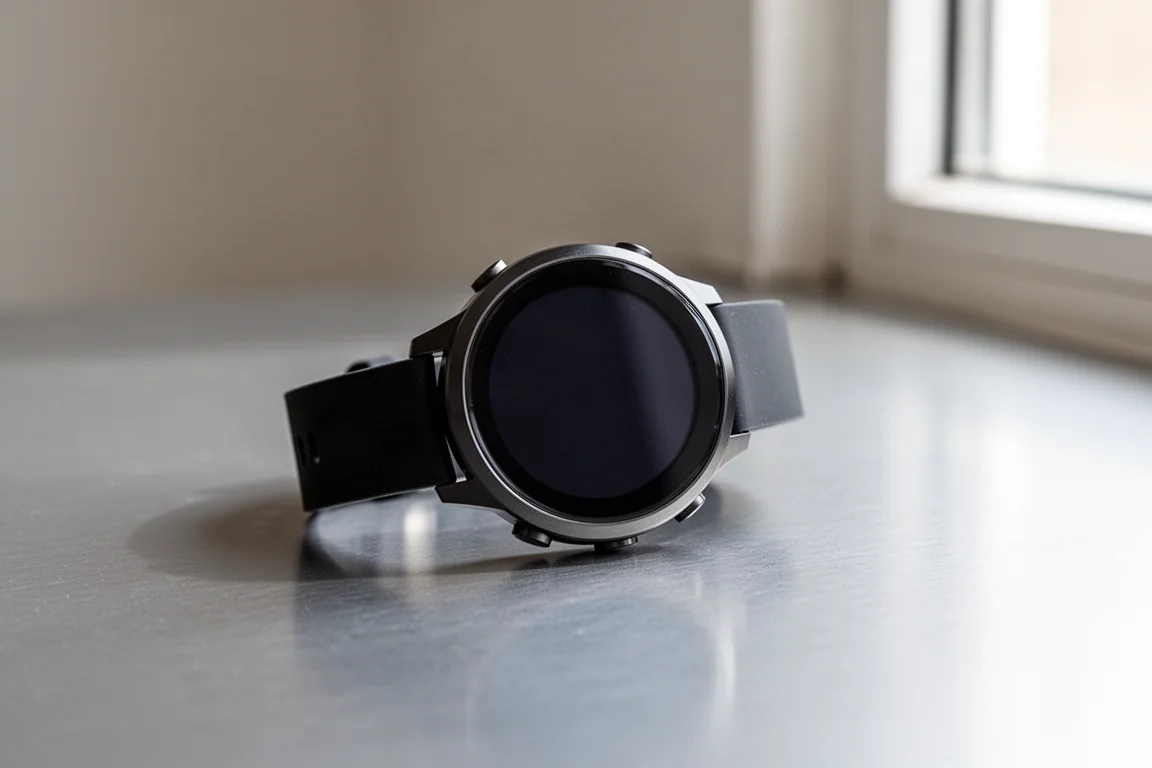
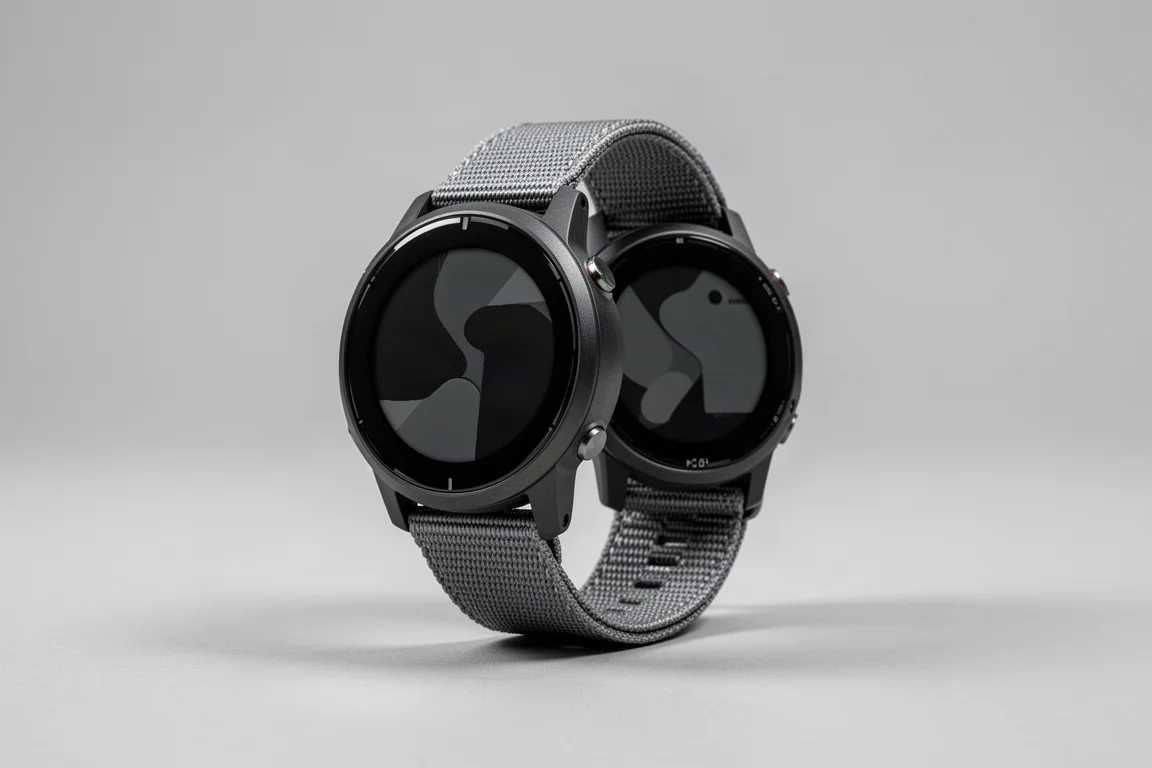
GPS watches have crept up in price and are now packed with features most of us never use. The cheapest Garmin on the market has been used for every single run over the last 18 months, and it has been absolutely fine.
If a new watch is out of budget, the secondhand market is a great option. Retailers such as CeX in the UK sell used watches, and models like the Garmin 245 or the Coros Pace 3 work perfectly well. The battery life may not be amazing, but it will be enough to get you going, and the bonus is very stable firmware with the bugs ironed out, which is something newer watches often lack in their first few months.
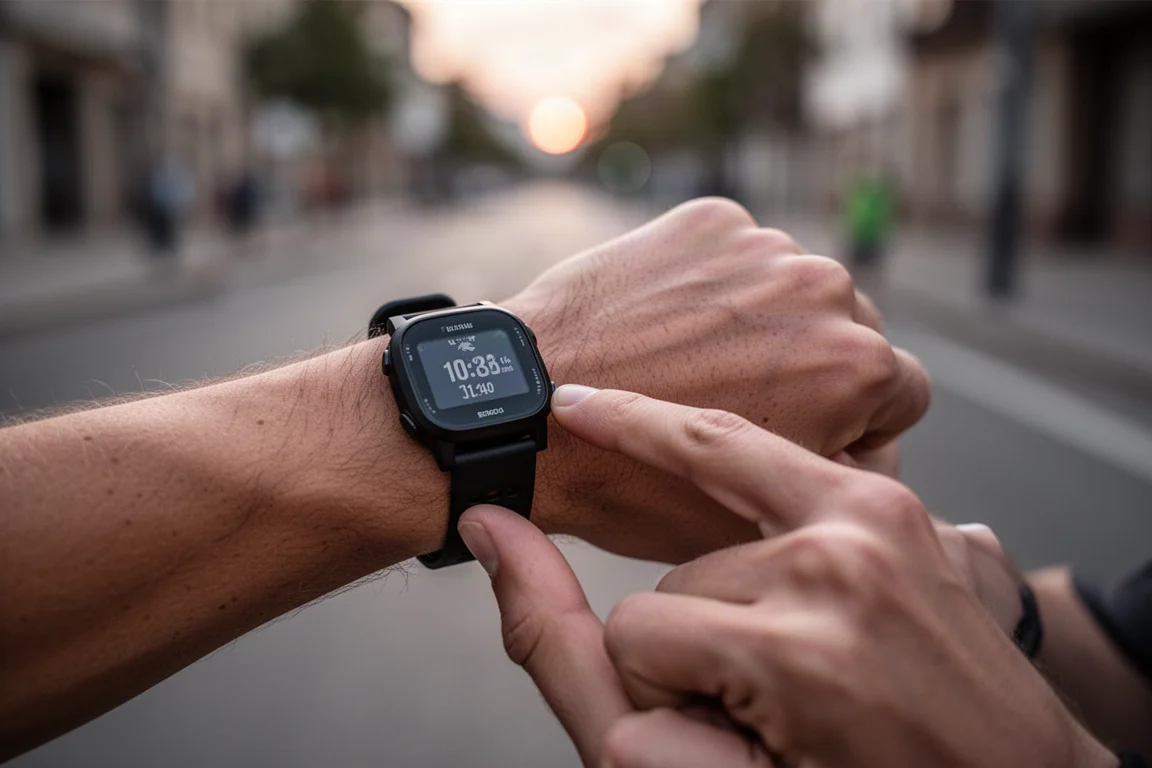
And if you do not want to spend anything on a watch at all, tracking runs through the Strava app or the Nike Run Club app is completely free. If you already own a smartwatch, whether an Apple Watch or a Google watch, just use that. It will give you distance, pace and all the basic metrics, which is plenty to get started.
Conclusion
At the end of the day, you do you. If splurging on new gear helps with motivation and gets you out the door, nobody should tell you not to. But if you want to save money, there are plenty of ways to do it without sacrificing performance: buy single gels before multi-packs, choose last year’s dependable trainers at a discount, race locally, volunteer for free entries, train with free plans, recover with simple methods, and pick up a proven secondhand watch. Running well for less is entirely possible, and this list should give you a confident place to start.
Further reading
Related Reviews
Running
Adidas Adizero Ambition Review: A Middle Distance Spike That Gets the Job Done
A high school middle distance runner puts the Adidas Adizero Ambition through a full track season in the 800m and mile. Here is how it scored.
Running
Starting Running Today: The Essential Gear and Beginner Shoes Worth Considering
A practical starting point for new runners: daily trainers, race shoes, and GPS watches that cover most beginner needs without overspending.
Running
Best Daily Running Shoes of 2025: Our Top Five Picks
Five daily trainers that stood out over a full year of testing, plus the popular models that just missed the cut.