Desktop Audio
Budget Desktop Audio System: Five Components for Around $250
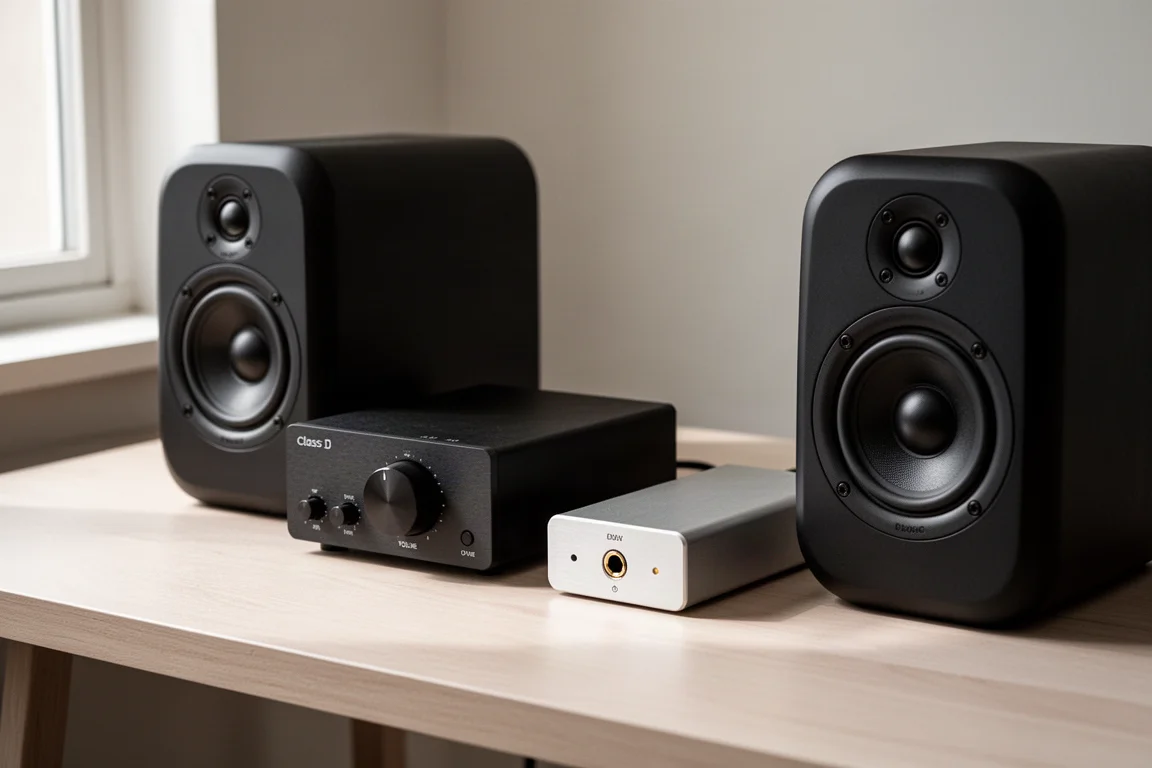
A complete desktop audio chain for around $250: two amplifier options, two pairs of bookshelf speakers, and a DAC with a built-in headphone amplifier.
Introduction
A desktop system is where most people start. It sits within arm’s reach, it plays while you work, and it does not have to cost a fortune. A complete chain of amplifier, speakers, and a digital source can come together for roughly $250 before cables, and every part of it stays useful if you upgrade later.
The five components below cover that chain: two amplifiers, two pairs of bookshelf speakers, and one DAC with a built-in headphone amplifier. Pick one amplifier, one pair of speakers, and the DAC, and you have a working system.
What to Look For in a Budget Desktop System
On a tight budget, system synergy is hard to predict, so flexibility matters more than perfection. Tone controls let you correct a system that leans bright or thin without swapping hardware. Power supplies matter too, because many affordable class D amplifiers ship with a supply that limits output, and having an upgrade path is worth something.
Speaker load is the other half of the equation. An easier-to-drive speaker gives a small amplifier more usable headroom, and a compact cabinet fits a desk without crowding it.
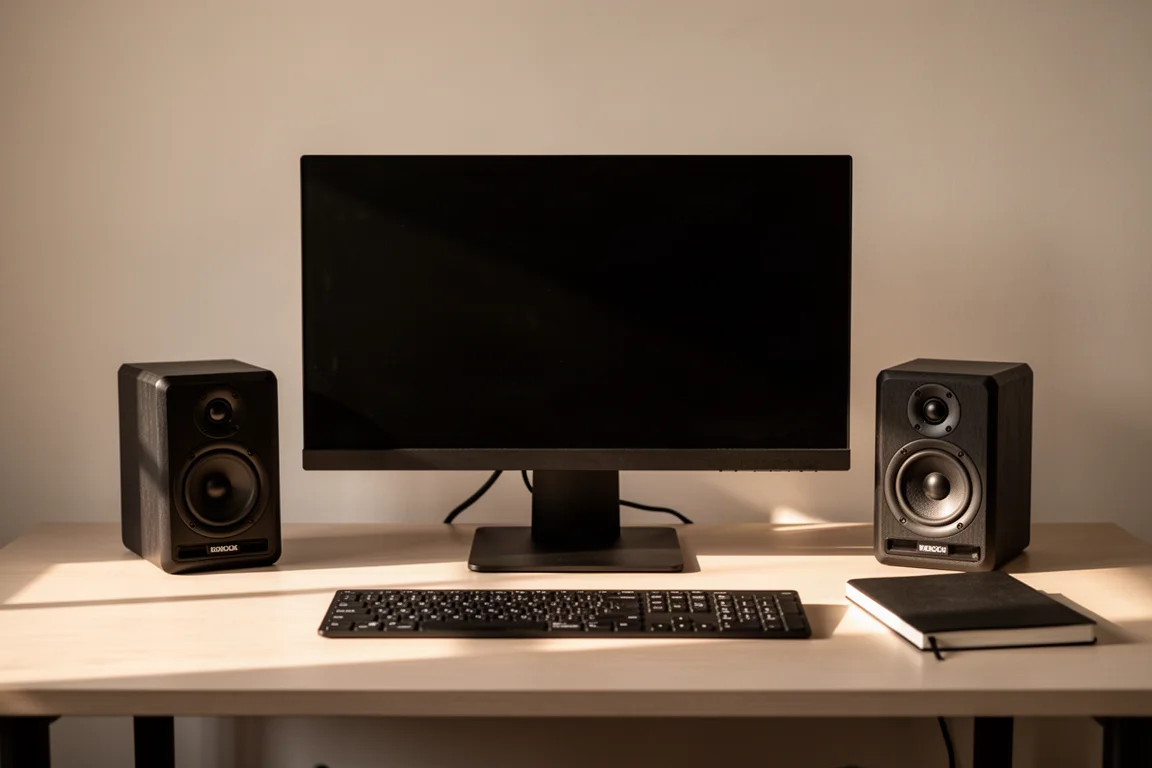
The source is the third piece. A computer is already an excellent streamer, but its onboard audio is usually the weakest link in the chain, which is why an external DAC does more for sound quality than most people expect.
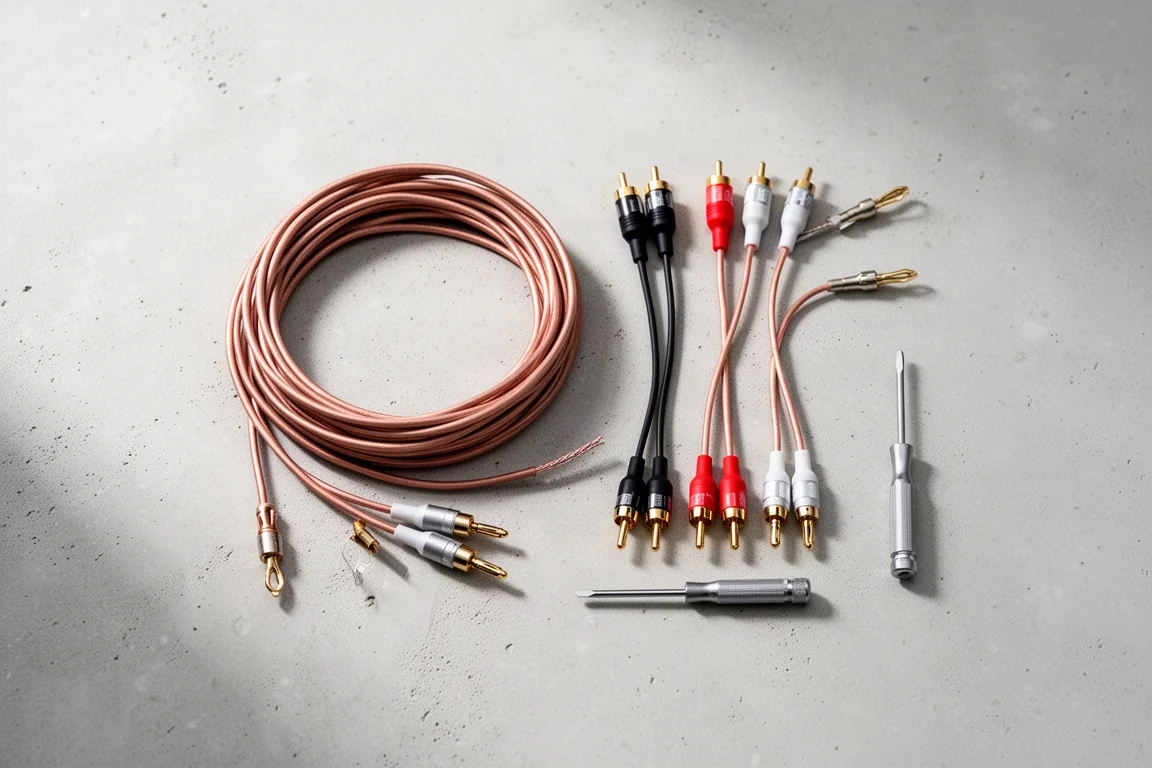
Then there are cables. Budget around ten dollars for speaker wire and interconnects if you do not already have them on hand.
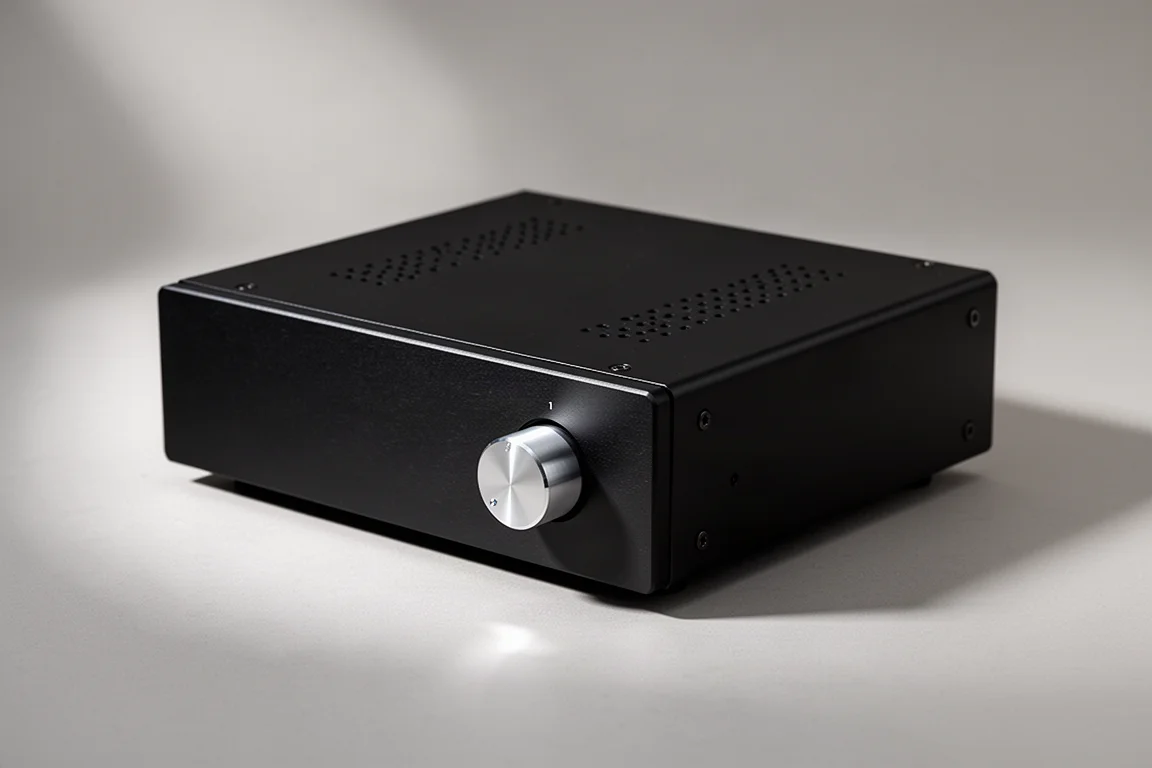
Best Amplifier: Fosi Audio TB10D
The TB10D is the amplifier to start with. It costs $60 and uses a 3255 amplifier chipset from Texas Instruments, the part that made affordable class D amplification genuinely pleasant to listen to. Expect roughly 50 clean watts into 4 ohms from the included power supply, which is enough for almost any speaker you would put on a desk. Published wattage figures for amplifiers built on this chipset tend to run far higher than the stock supply can actually deliver, so treat the realistic figure as the useful one.
Two things make it the default recommendation. First, it has bass and treble tone controls, which is exactly the kind of adjustment a first system needs. Second, the power supply can be upgraded all the way to 48 volts if you later want more output. There is no Bluetooth and no remote control, and at a desk neither is missed.
Alternative Amplifier: Aiyima A07
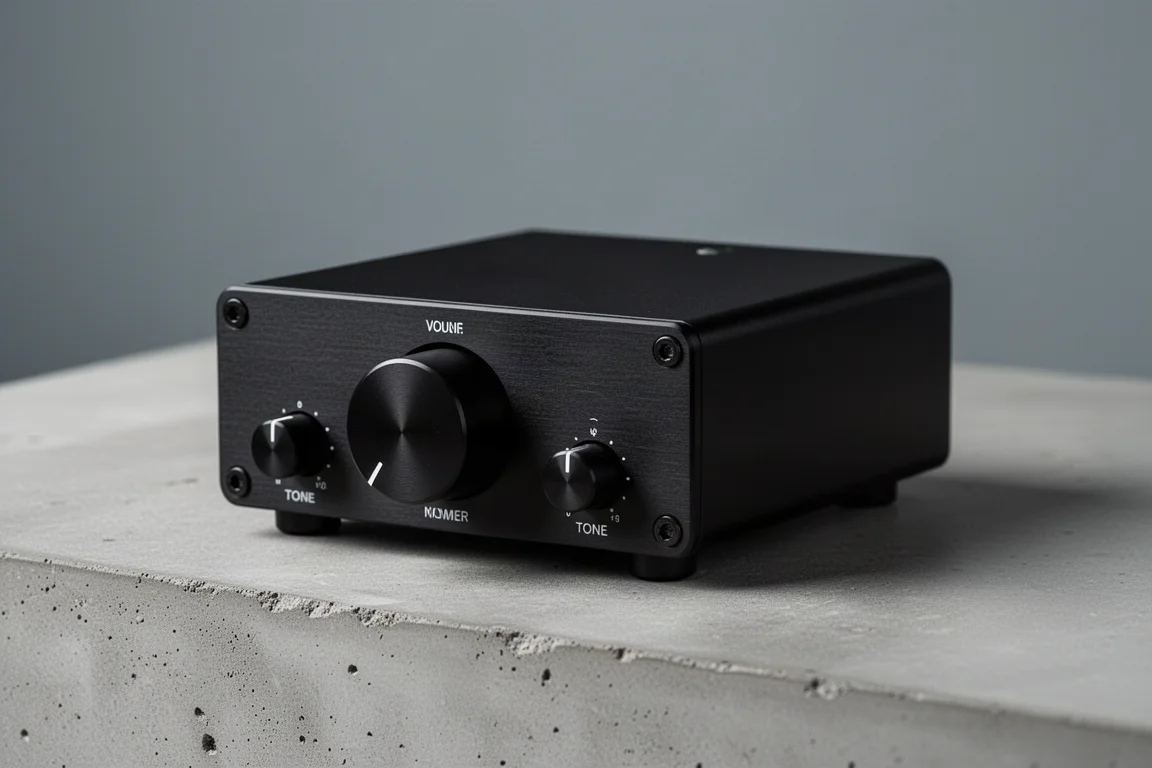
The A07 is the other amplifier worth considering. It uses the same 3255 chipset and can also be paired with a larger power supply, and its op-amps sit in sockets, so they can be swapped for a different voicing.
The trade-off is tone controls, which the A07 does not have. If you like the idea of tuning the sound by rolling op-amps, it is a reasonable pick. If you would rather have bass and treble knobs on the front panel, the Fosi is the easier choice.
Both amplifiers drive the speakers below without difficulty, so the decision comes down to how you prefer to adjust the sound rather than raw capability.
Best Speaker: Sony SSCS5
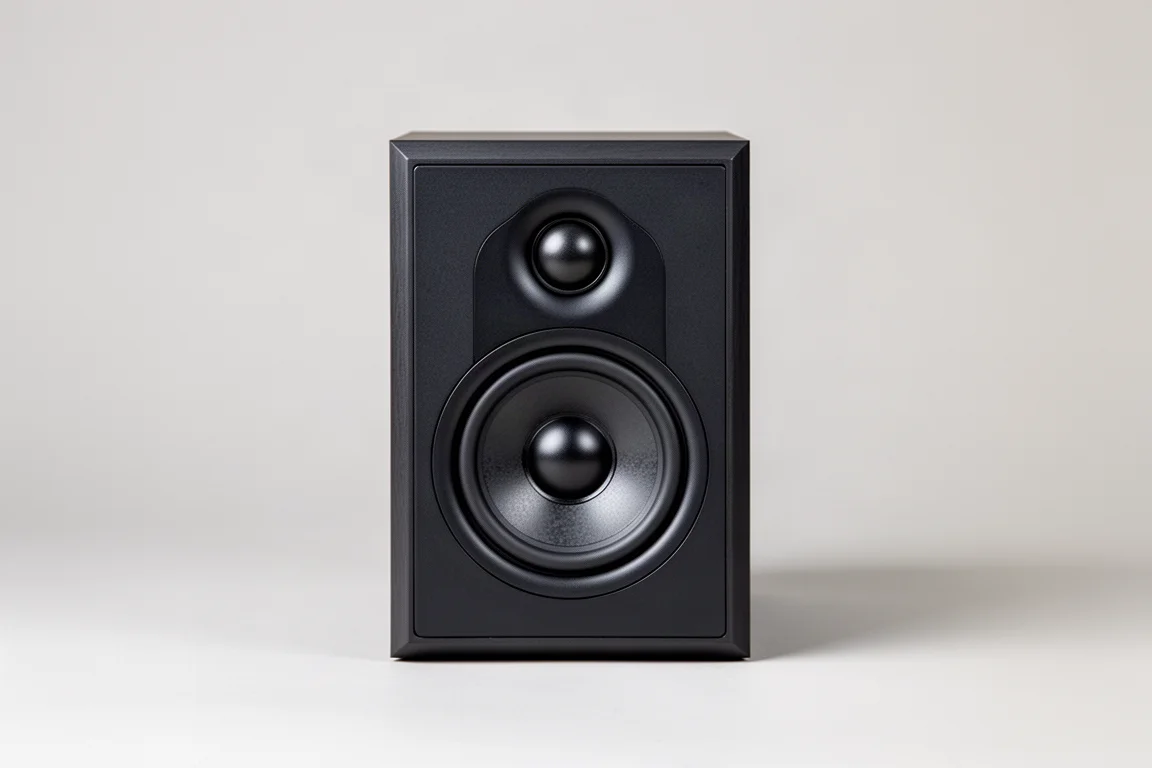
The SSCS5 is the more exciting of the two speakers. It is currently $123, and it is worth about $200; above that the value disappears. The price does dip to roughly $80 to $90 a couple of times a year, but $123 is the sale price that shows up most often.
It is a three-way design in practice, really a two-and-a-half-way: a tweeter, a super tweeter, and a genuinely good woofer. Bass clarity is excellent, and the top end adds air and extension. At 6 ohms it is relatively easy to drive, and it uses rear binding posts. Some owners replace the crossover, but that is optional, and it sounds good as delivered.
Alternative Speaker: ELAC BS41
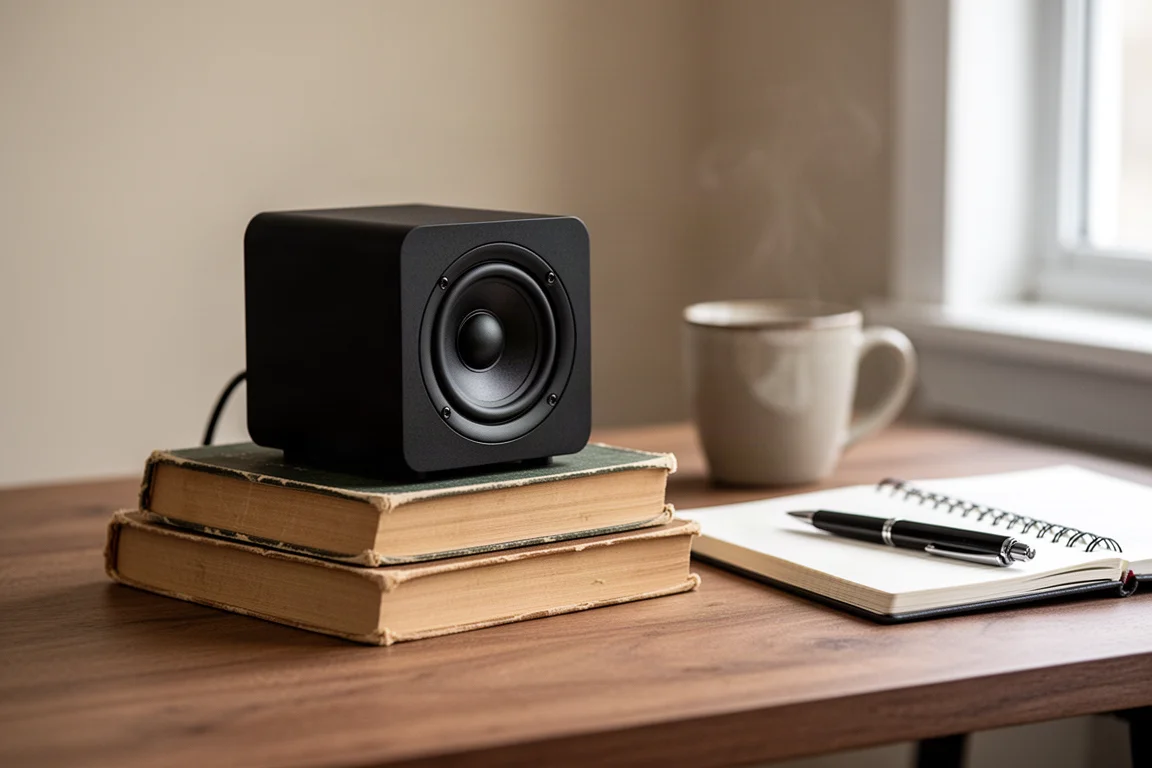
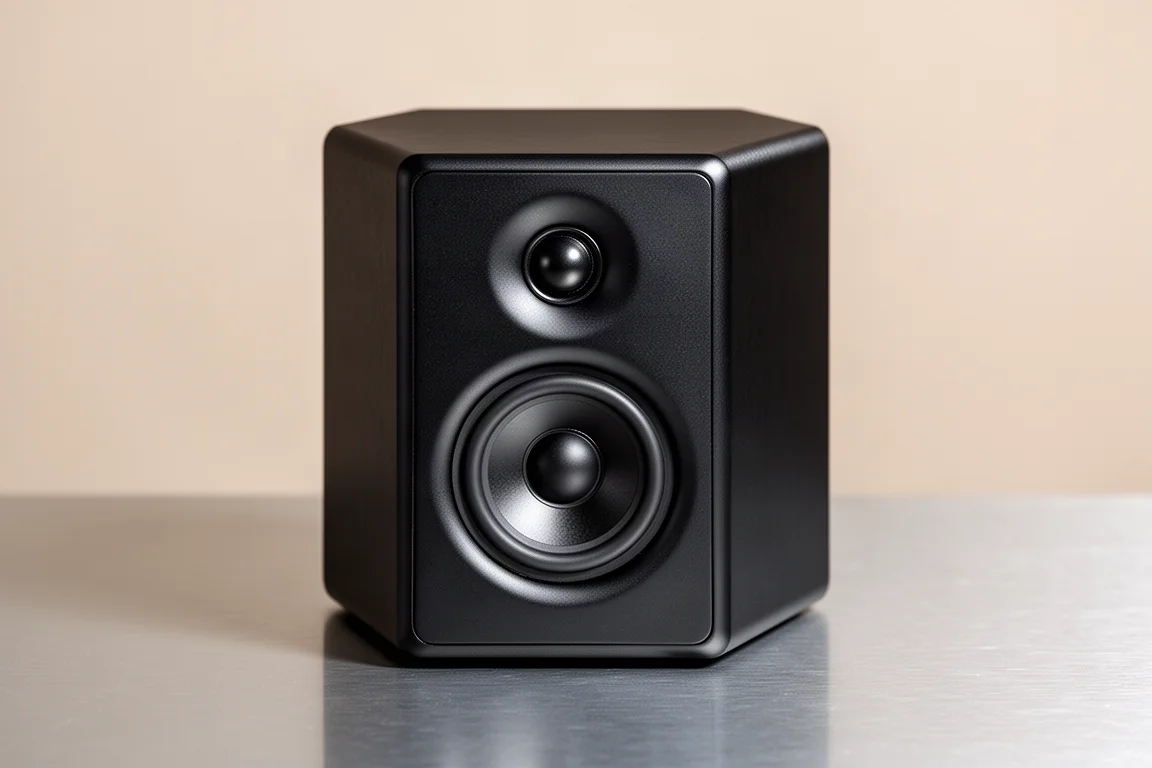
The BS41 is the smaller, calmer alternative at around $145. It has a more relaxed top end than the Sony and a little more weight and warmth lower down, which suits long listening sessions.
Because the treble is less forward, tweeter height matters more. Raise the speaker so the tweeter sits near ear level; a commercial riser costs very little, and a stack of paperbacks does the same job.
On rare occasions it has appeared for as little as $65 during a pricing error, but $145 is the realistic figure to plan around.
Best Source: FX Audio DAC-X6 Mini
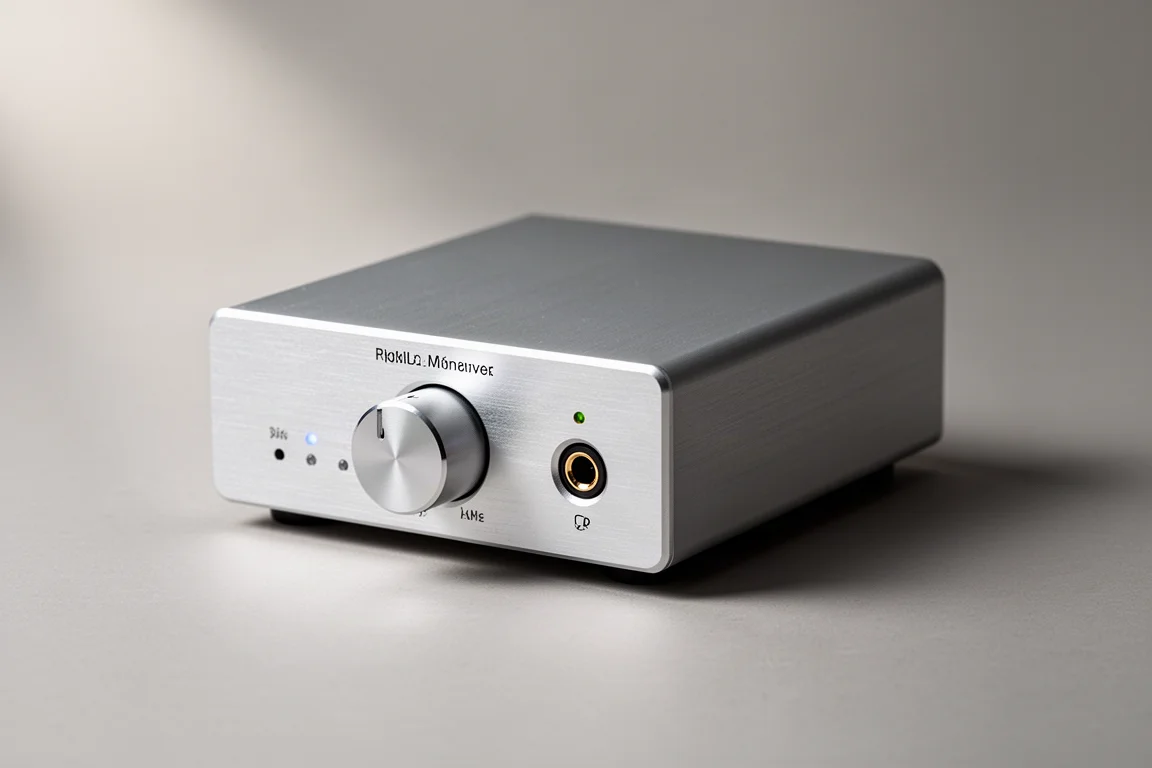
The DAC-X6 Mini is the source. At $65 it is a digital-to-analog converter and a headphone amplifier in a single chassis, so it covers both speakers and headphones.
Connect it to your computer over USB, or over optical if your machine has an optical output. The headphone output delivers around 480 mW at 32 ohms, which is enough for most headphones even if it is not the most powerful headphone amplifier around. The op-amp is socketed, so it can be swapped if you want to experiment. More importantly, it replaces the onboard audio that would otherwise hold the rest of the system back.
Overall Buying Advice
Add it up. The Fosi TB10D at $60, the Sony SSCS5 at $123, and the DAC-X6 Mini at $65 come to roughly $248 before cables. Swap in the ELAC BS41 at $145 and the amplifier plus speakers land at about $205.
Choose the Sony if you want more air, clarity, and top-end energy. Choose the ELAC if you want a warmer, more relaxed presentation with a little more low-end weight. Either amplifier works with either speaker, and the Fosi is the simpler starting point because the tone controls let you correct the balance as you go.
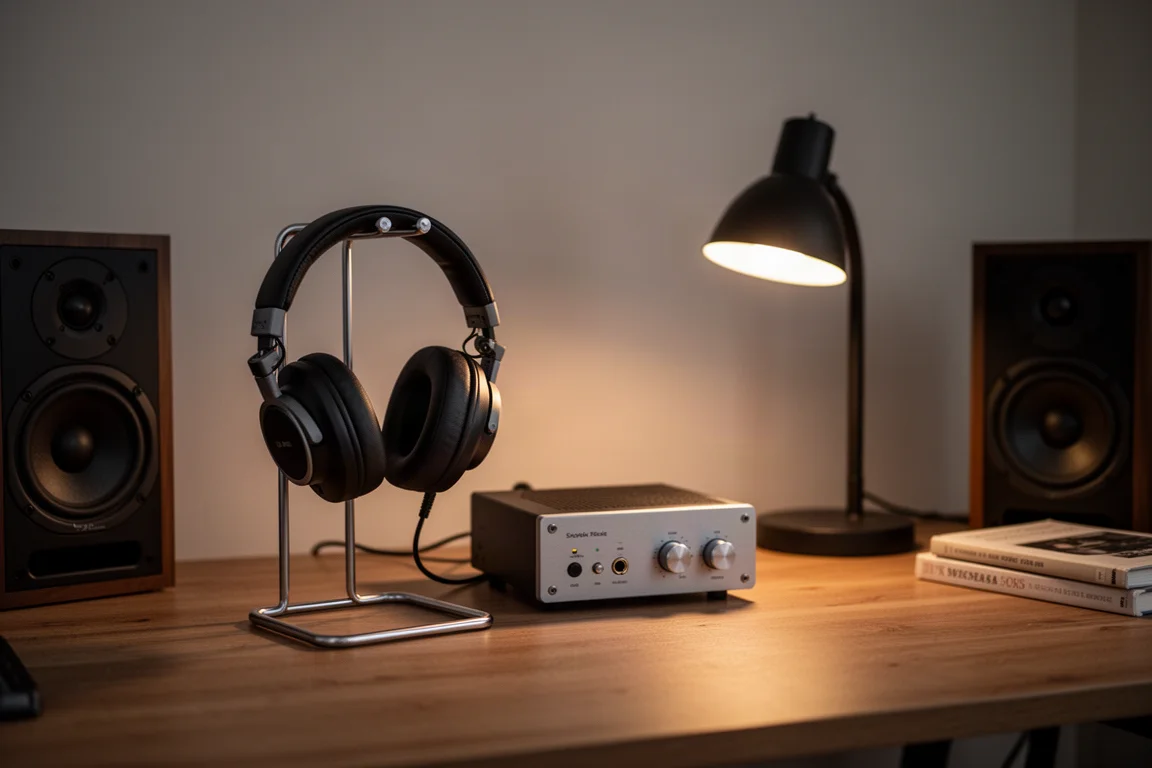
Bluetooth is not worth paying for in this setup. A desktop system sits next to a computer, so a wired connection from the computer to the DAC is both simpler and better.
Conclusion
A desktop system does not need to be expensive to be good. A $60 amplifier with tone controls, a $123 pair of speakers, and a $65 DAC cover the whole chain for around $250, and each piece can be upgraded later if you want more. Start with the amplifier and the speakers, add the DAC, and the desk becomes a much better place to spend the day.
Further reading
Related Reviews
Desktop Audio
ADAM Audio D3V vs Kali Audio LP-UNF: Two $299 Desktop Monitors Compared
Two compact powered desktop monitors at the same price, compared on bass extension, linearity, placement settings, directivity, and realistic output limits.
Desktop Audio
Aiyima T9 Review: A Compact Tube Desktop Amplifier With a Built-In DAC
A budget desktop amplifier that pairs class D power with two tubes, a full DAC section, Bluetooth, tone controls, and a working VU meter.
Desktop Audio
Aune S9c Pro Review: A Weighty Desktop DAC and Headphone Amplifier With Real Power
A desktop DAC and headphone amplifier with a linear power supply, dual Sabre converters and five watts of balanced headphone output. Here is what to weigh before buying.