Cycling Computers
Budget Cycle Computers: Cuso CS300 vs iGPSPORT BSC300
Two affordable GPS cycle computers that deliver strong value without the premium price tag of major brands.
Introduction
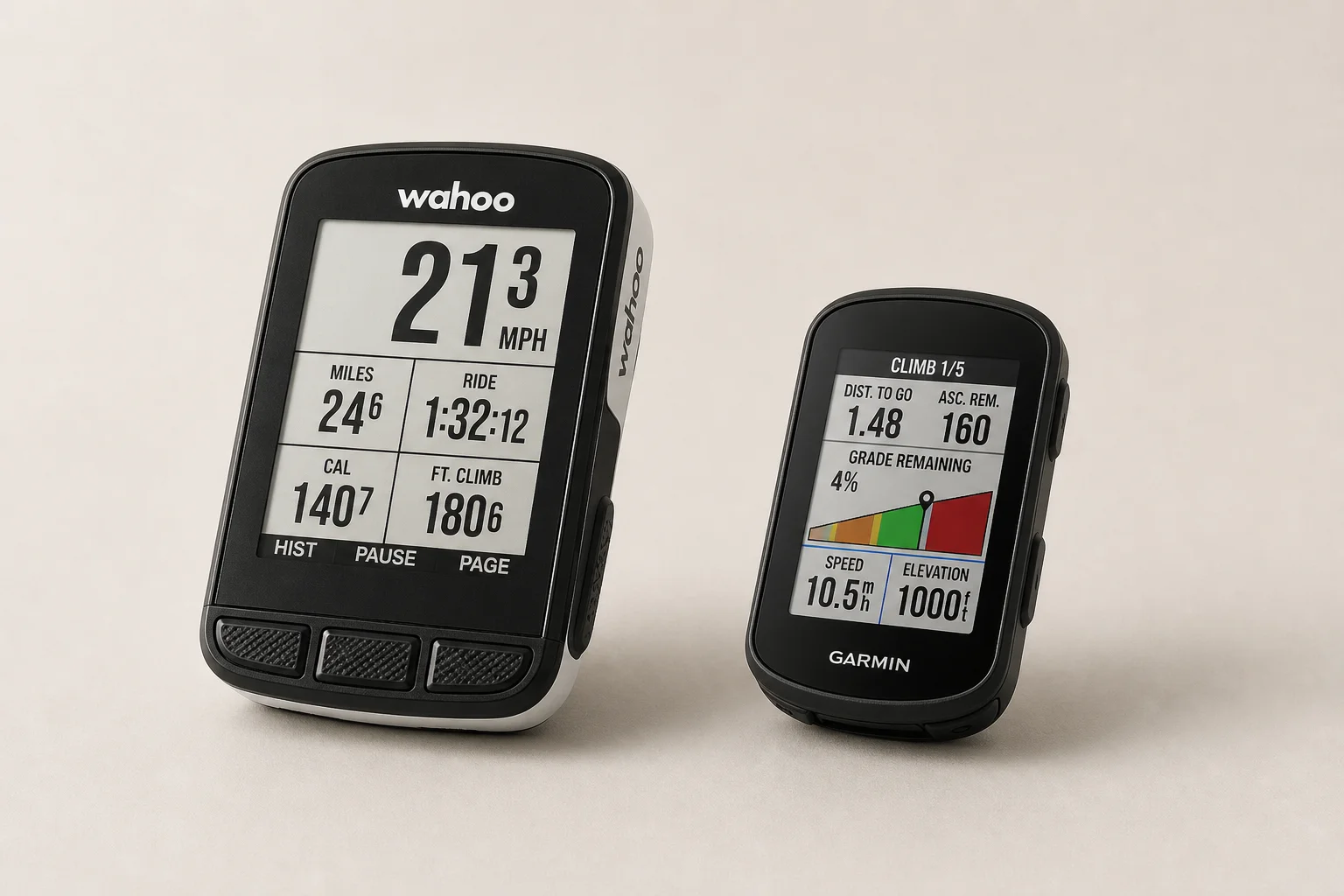
Premium cycle computers from major brands can easily cost $200 to $800, but two budget alternatives deliver impressive features at a fraction of the price. The Cuso CS300 at $50 and the iGPSPORT BSC300 at $150 both make a compelling case for saving money without sacrificing essential functionality.
Cuso CS300: Budget-Friendly Essentials
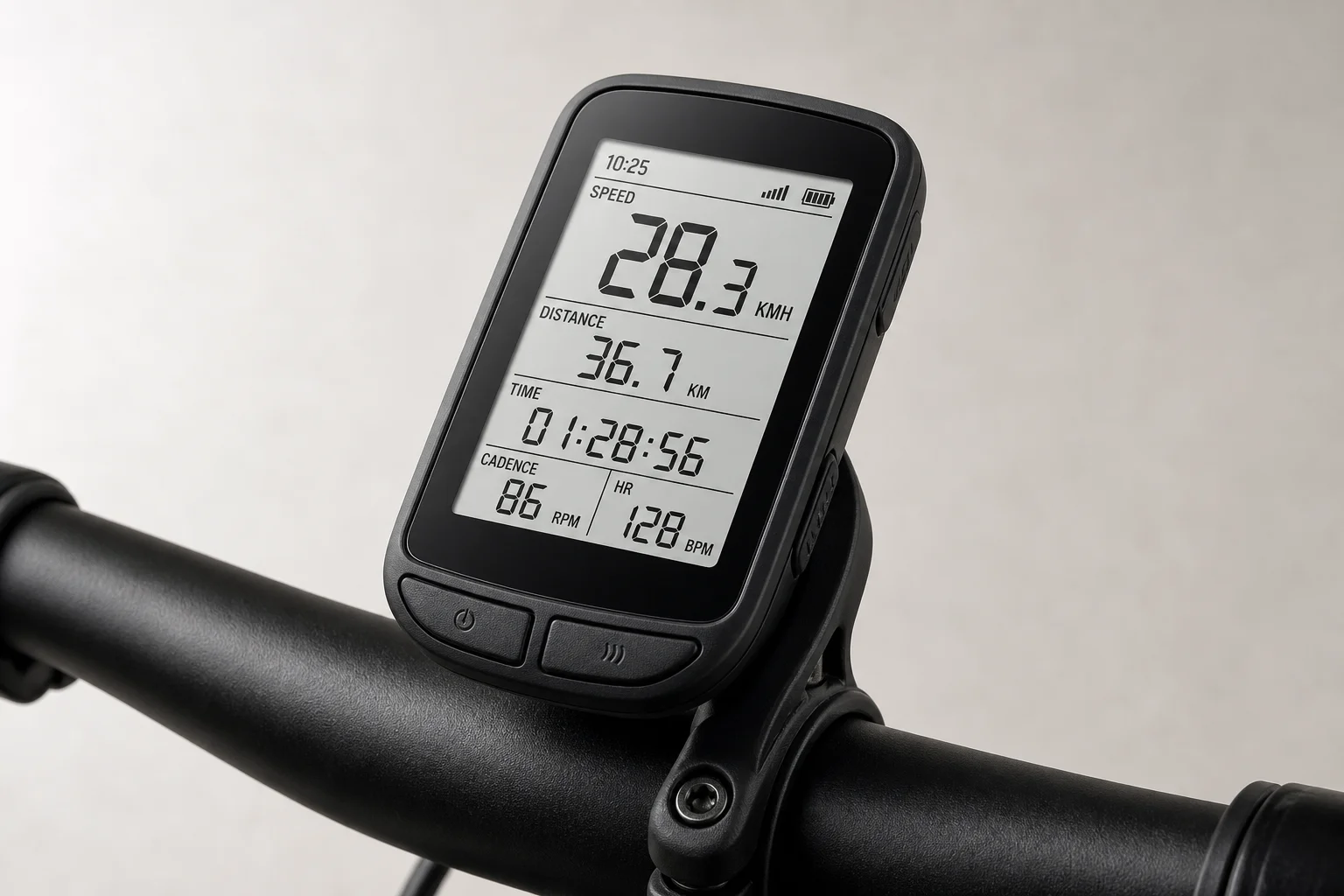
The Cuso CS300 is a stripped-down but capable GPS cycle computer designed for riders who want core features without unnecessary complexity. It features a 2.6-inch black and white LCD screen that remains readable even in bright sunlight.
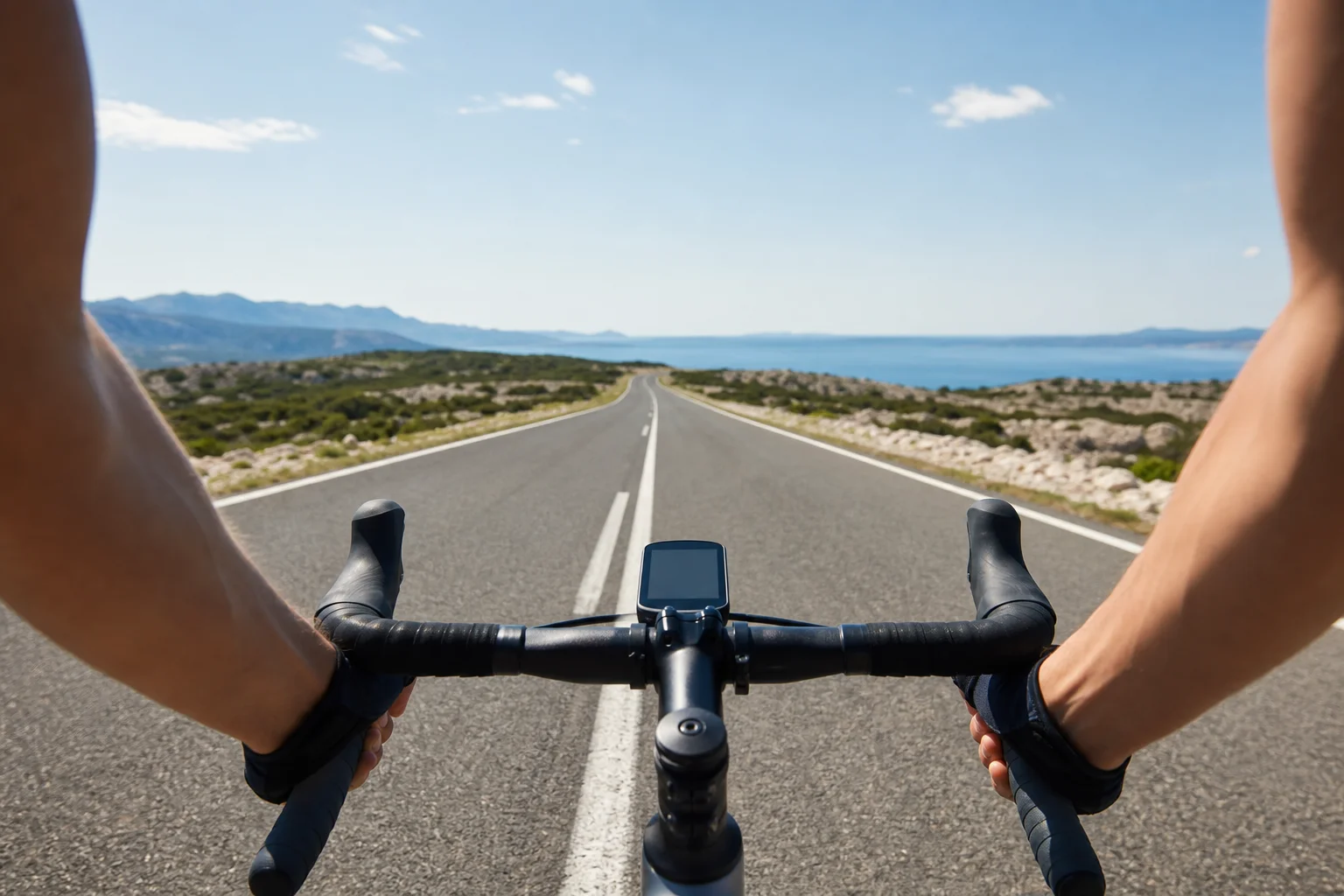
Battery life is exceptional, lasting up to 40 hours on a single charge. The device includes a USB-C port for recharging, a thoughtful inclusion at this price point. While it lacks an onboard map display, the CS300 still includes GPS functionality, allowing you to upload rides to Strava and view your exact route afterward. For many riders, this is sufficient since they do not need turn-by-turn navigation during rides.
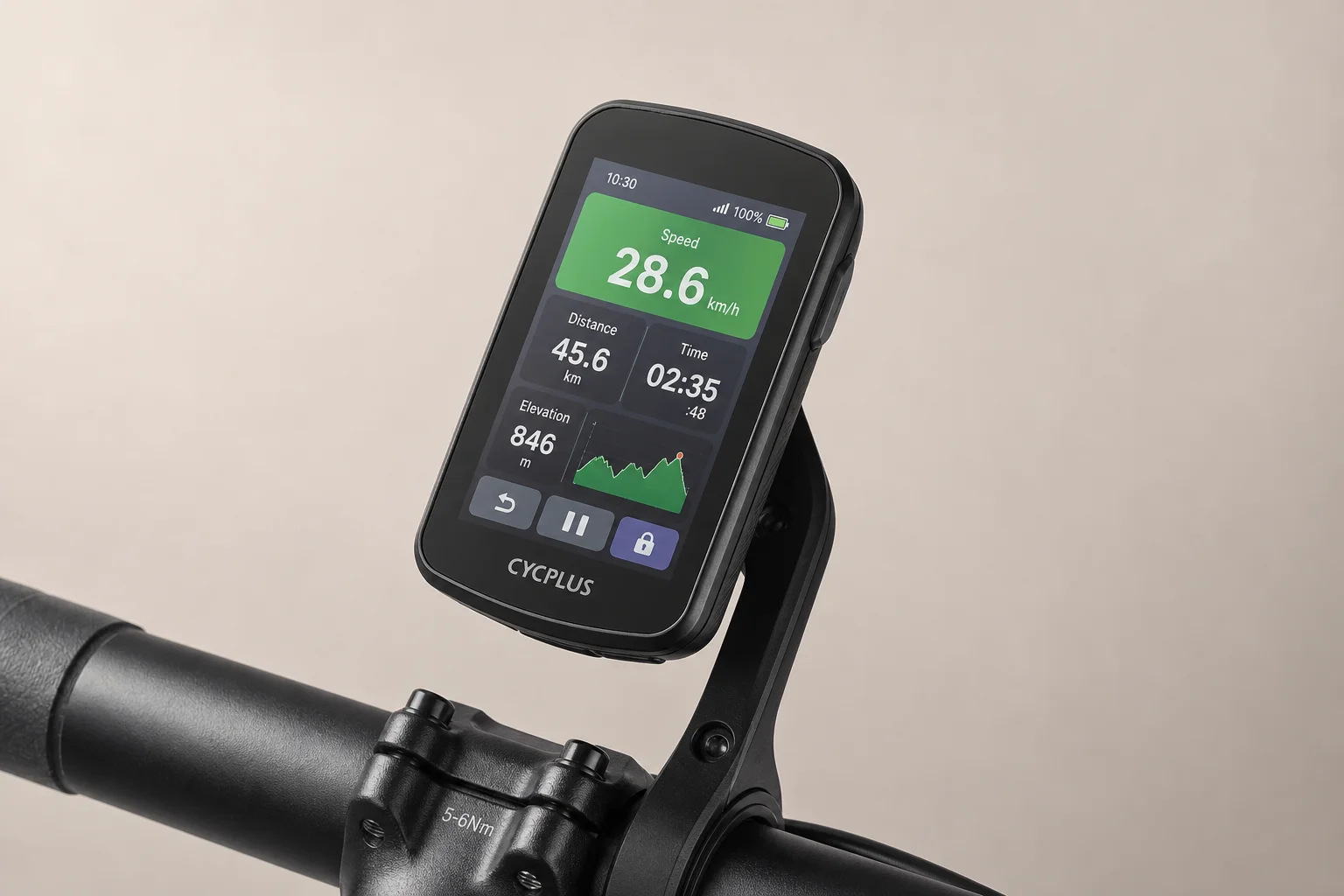
The device supports power meters, heart rate monitors, and cadence sensors through a companion app that handles customization and firmware updates. The app always displays the time and battery level at the top of the screen without consuming data field space. The CS300 weighs just 60 grams and uses the standard Garmin quarter-turn mount for easy installation.
One notable limitation is the fixed lap counter graphic that occupies the top left corner of every screen. This cannot be removed and may frustrate riders who do not use the lap feature. The LCD screen also limits customization options since data labels must occupy predetermined positions. Despite these constraints, the device is reliable, accurate, and intuitive to use.
iGPSPORT BSC300: Feature-Rich Navigation
The iGPSPORT BSC300 costs three times as much as the Cuso but still represents excellent value given its expanded feature set. It features a 2.4-inch full-color display that is easy to read and navigate.
The device boots extremely quickly and offers impressive battery life, lasting up to 20 hours on a single charge. During extended rides with the backlight and navigation screen active, the battery performance remains strong. Both devices employ a sleep mode to conserve power when stationary, automatically resuming GPS tracking when movement resumes.
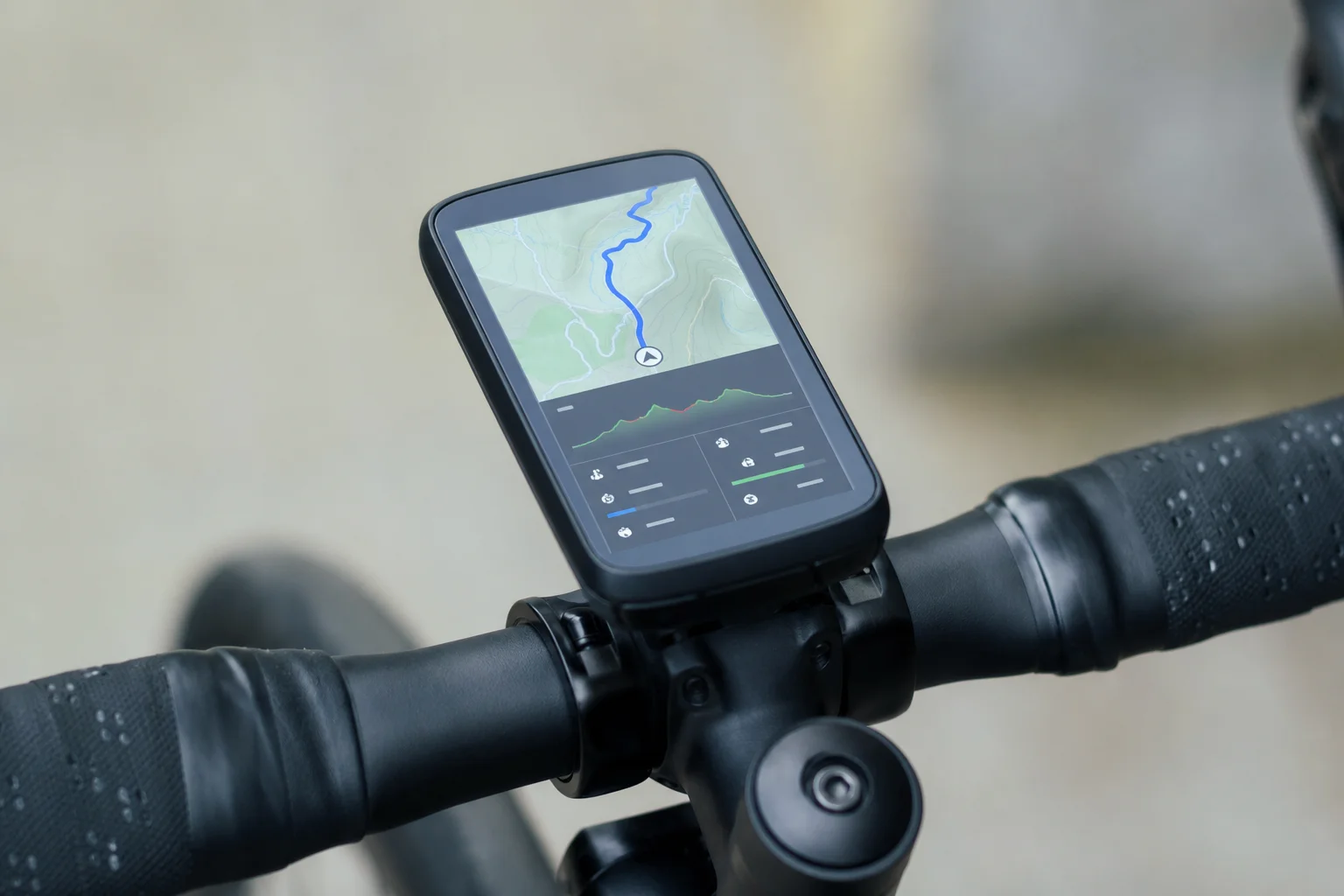
The BSC300 includes turn-by-turn navigation that provides sufficient warning of upcoming turns, though street names are not displayed. If you deviate from a planned route, the device alerts you but does not automatically reroute. The included maps contain good detail and the optional auto-zoom feature automatically adjusts the view to show broader context or zoom in for turns as needed. Live tracking through the companion app works reliably, allowing others to follow your real-time location on a map.
The device supports power meters, heart rate monitors, cadence sensors, and additional sensors like Di2 and radar. At 66 grams, it is slightly heavier than the CS300 but still compact. The main drawback is that map contrast is relatively low, making them somewhat difficult to read while riding. Radar overlays also suffer from low contrast. Additionally, the back and select buttons are positioned directly opposite each other, which can lead to accidental double presses when trying to press one button.
Battery Life and Reliability
Both devices demonstrate solid GPS accuracy and reliable metric tracking. The Cuso CS300 excels in battery longevity with its 40-hour runtime, making it ideal for multi-day tours or riders who charge infrequently. The iGPSPORT BSC300 offers adequate battery life for typical daily rides and longer outings, with the added benefit of color display and navigation features.
The sleep mode on both devices is a practical feature that extends battery life during stops without losing your ride data. This is particularly useful for long rides with multiple breaks.
Real-World Performance and Value
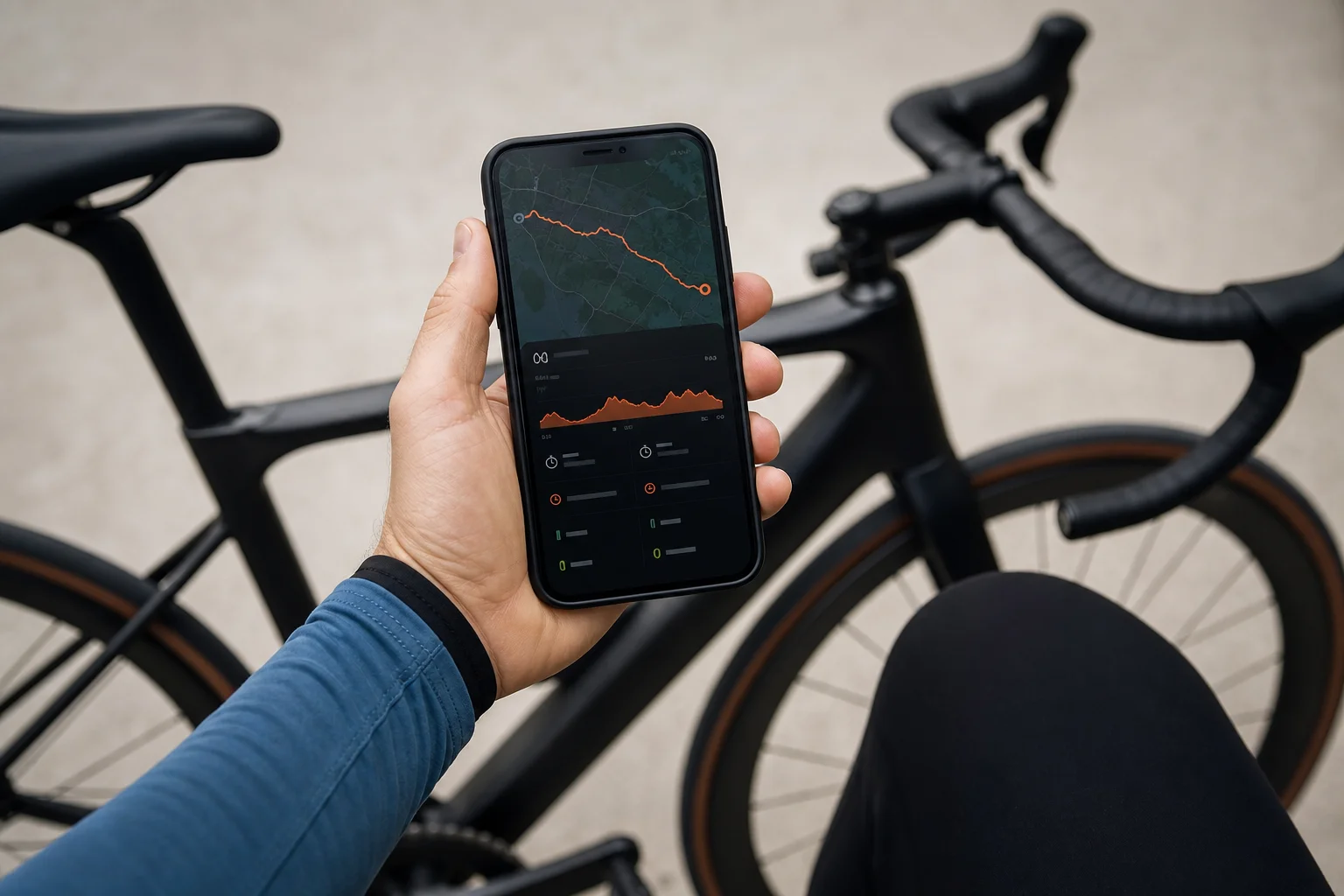
Both devices upload finished rides to Strava through their companion apps, integrating seamlessly into your existing cycling ecosystem. GPS accuracy is solid on both units, and they reliably track the metrics essential to cyclists.
Documentation is minimal and sometimes unclear due to non-native English writing, but both devices are intuitive enough to use without extensive manuals. The choice between them depends on your priorities. The Cuso CS300 is ideal for budget-conscious riders who want long battery life and basic GPS tracking. The iGPSPORT BSC300 suits riders who value color display, turn-by-turn navigation, and live tracking, and are willing to spend more for those features.
Conclusion
Both the Cuso CS300 and iGPSPORT BSC300 offer excellent value as alternatives to premium cycle computers. The CS300 delivers essential features and exceptional battery life at an unbeatable price, while the BSC300 adds navigation and color display for riders who need them. Either choice represents a significant saving compared to mainstream brands without compromising on accuracy or reliability.
Further reading
Related Reviews
Pickleball Paddles
2025 Paddle Awards: The Best Pickleball Paddles of the Year
A category-by-category breakdown of the best pickleball paddles of 2025, covering value, control, all-court, power, and paddle of the year.
Automotive Accessories
70mai Dash Cam Comparison: A200 vs A510 vs A810
Three dash cameras from 70mai across different price points reveal how resolution and sensor quality impact real-world footage clarity, especially for number plate visibility and low-light performance.
Dash Cams
70mai M310 Review: A $33 Dash Cam That Covers the Basics
The 70mai M310 is an ultra-budget dash cam that records at 1296p, offers basic parking modes, and works with a Wi-Fi app. Here is how it performs and who it suits.