Cycling Computers
Best Cycling Computers 2026: 10 Head Units Across Every Price Point
A practical guide to ten cycling computers, from a $9.99 wired unit to solar-assisted flagship head units with colour mapping, sensor pairing and long battery life.
Introduction
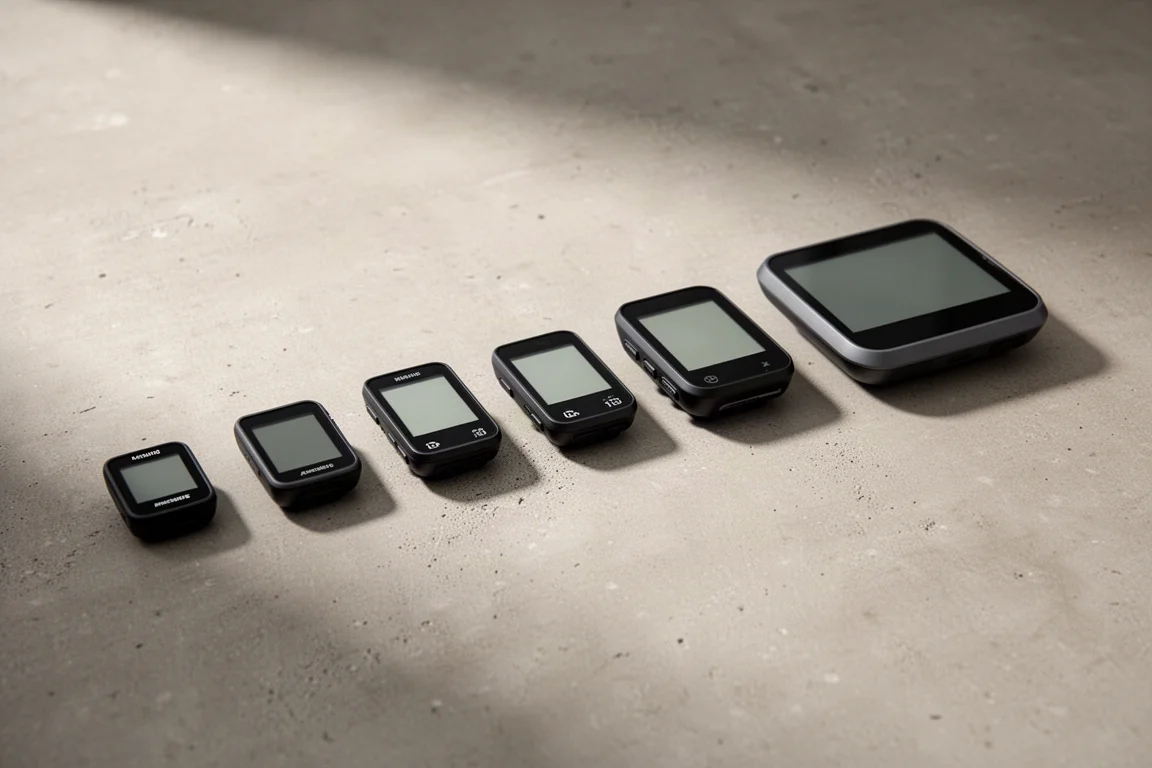
Choosing a cycling computer comes down to matching the device to the way you actually ride. Some riders want nothing more than speed, distance and time on a crisp, simple screen. Others want full colour mapping, turn-by-turn guidance, structured workouts and enough battery life for multi-day adventures. The ten options below cover that entire range, from a wired unit that costs $9.99 to a solar-assisted flagship that sits at the top of the category.
A few themes run through the list. Wired wheel sensors keep costs down but add setup work. Wireless wheel sensors remove the cables while still skipping mapping. Full GPS head units add route guidance, app connectivity and ANT+ support for power meters and heart rate monitors, and the price climbs from there.
What to Look For in a Cycling Computer
Start with the data you genuinely use. A basic unit showing speed, distance, time and average speed is enough for riders who know their local roads and simply want a record of the ride. If you train with power or heart rate, you need ANT+ or Bluetooth connectivity, and that generally means stepping up to a GPS head unit.
Display size and type matter more than the spec sheet suggests. A 1.8 inch screen with a strong backlight can be perfectly readable in bright conditions, while a larger colour panel makes route following far easier on unfamiliar lanes. Touchscreens suit map browsing, while physical buttons suit gloved hands and wet weather.
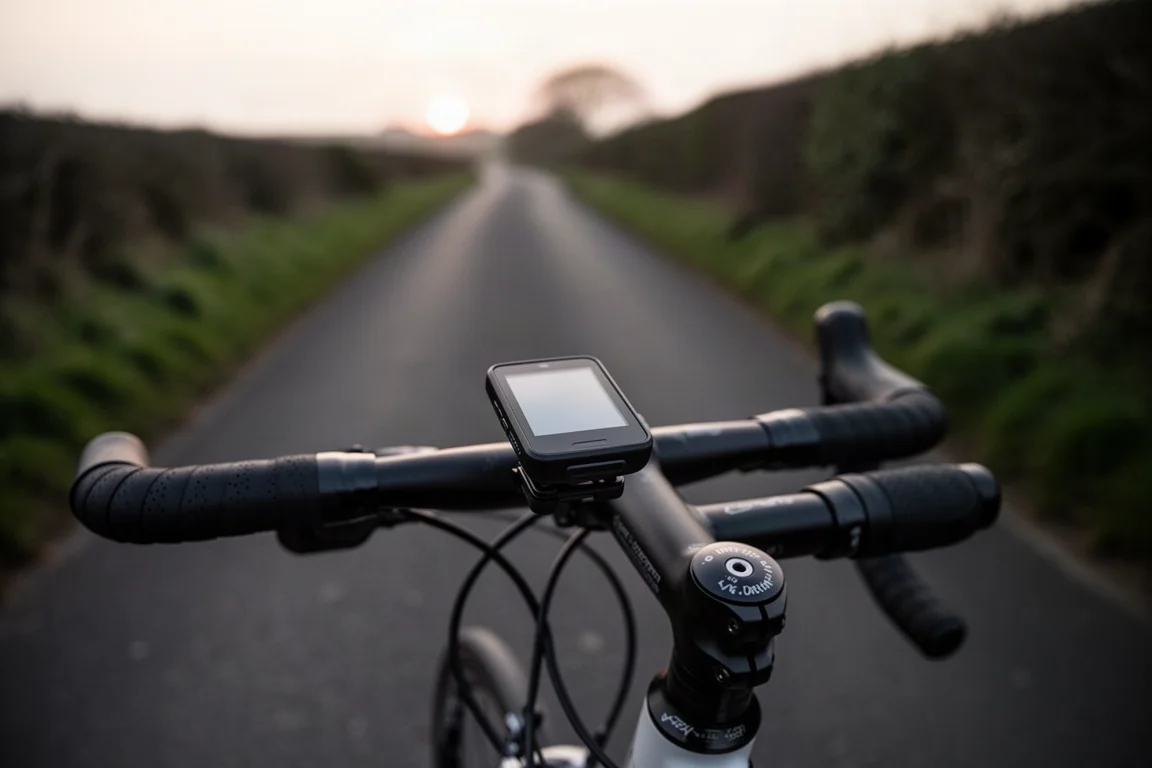
Battery life, mounting security and satellite acquisition speed are the details that shape daily ownership. A computer that takes a long time to find satellites, or that runs flat mid-ride, quickly becomes frustrating no matter how long its feature list is.
Best Budget Pick: Van Rysel BC 100
The Van Rysel BC 100 strips ride tracking back to five functions: speed, distance, time, average speed and time of day. That is enough for riders who know their local roads and just want the essentials recorded. At 21.6g it is the lightest computer in this guide, although that figure excludes the wired connection.
The low price comes with a trade-off. Data is measured through a wired connection to the rear wheel, using a magnetic system to calculate speed and distance. That means routing the cable neatly from the handlebars down to the chainstay, which takes a little patience and leaves the bike looking slightly busier. At $9.99 it remains an easy recommendation for anyone who wants the basics without spending more.
Best Wireless Budget Option: CatEye Velo Wireless
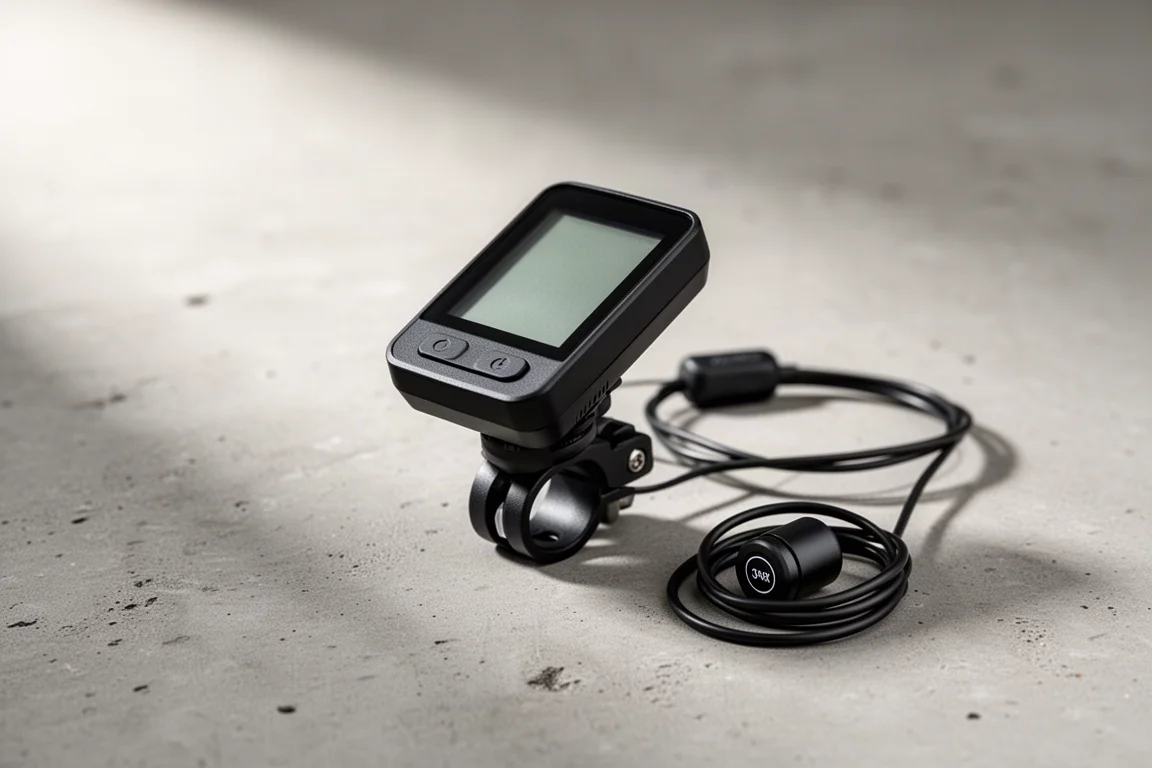
The CatEye Velo Wireless keeps the same straightforward approach as the BC 100 but removes the cable. A wheel sensor transmits speed, time, distance and the matching averages to the head unit, and the connection proved very reliable in testing.
Despite the price gap, the data returned by the Velo Wireless was remarkably consistent when compared against far more expensive computers. The mounting system is intuitive and secure, and battery life is excellent thanks to a common CR2032 coin cell. There is no mapping here, and no way to pair a power meter or other ANT+ device. For reliable, simple, cable-free recording on a budget, it covers the essentials.
Best-Looking Budget Pick: CatEye Quick
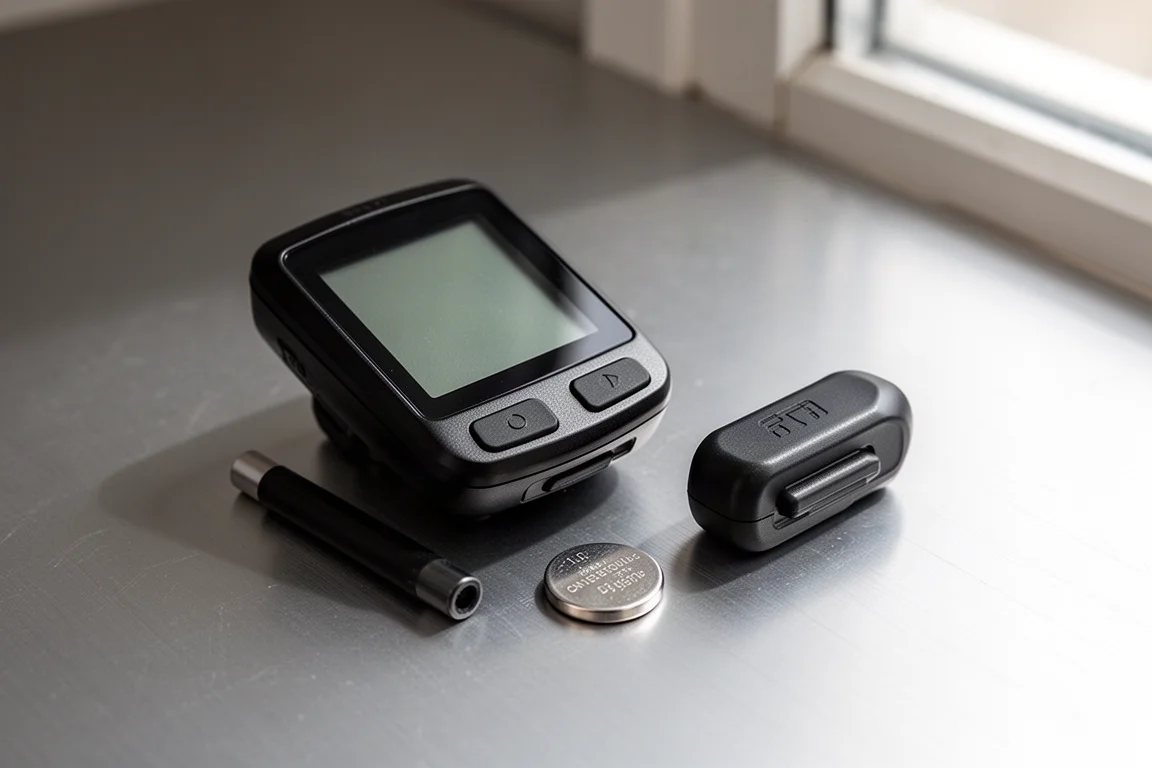
The CatEye Quick shares much of the Velo Wireless specification in a form factor that looks far more considered. Like the Velo Wireless, it records from a wireless wheel sensor and keeps the data set to speed, distance and time.
What stood out was how easy the device is to live with day to day, along with a clean aesthetic that would look at home on almost any bike. At £45 it earned an editor’s choice award for budget cycling computers, and the combination of price and presentation explains why.
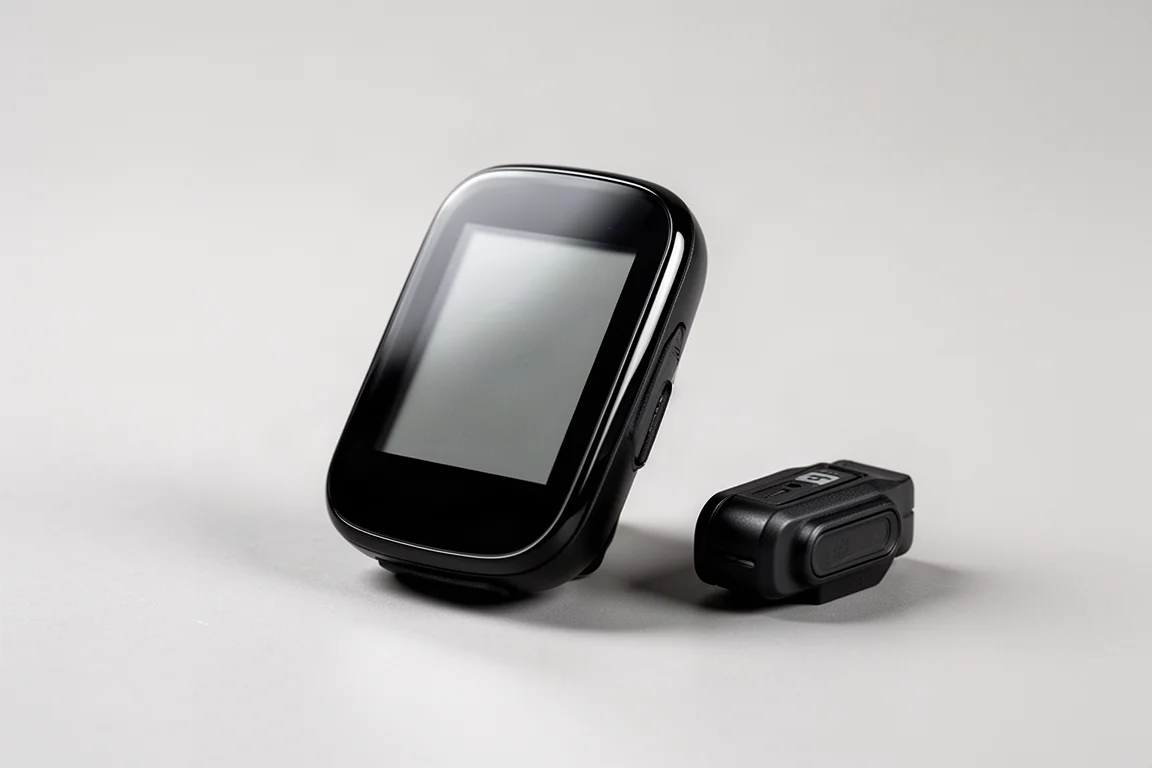
Best Value Feature Set: Bryton Rider 420
The Bryton Rider 420 packs 77 functions into a £135 price tag, all accessible from the device itself or through the Bryton app. Bluetooth and ANT+ connectivity allow pairing with power meters and heart rate monitors, and turn-by-turn navigation is included.
Data capture proved reliable and route functionality is reasonably straightforward. The main criticism is the interface, both on the device and in the app, which feels clunkier than on more expensive rivals and takes a little more patience to configure. Once the data fields are set up the way you want them, the device is good to go.
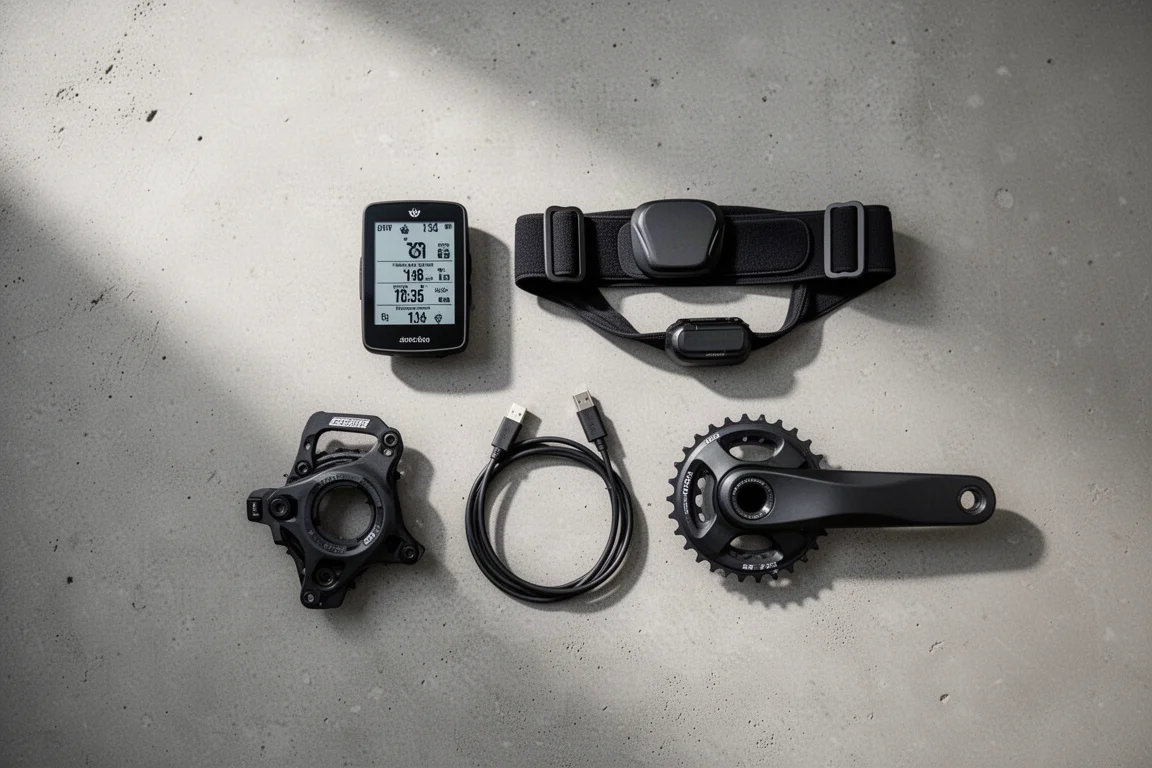
Because the Rider 420 is a slightly older unit, shopping around can bring the price down to around £100. It does not go toe to toe with the most expensive computers on the market, but it shares much of the same feature set at a far lower price point.
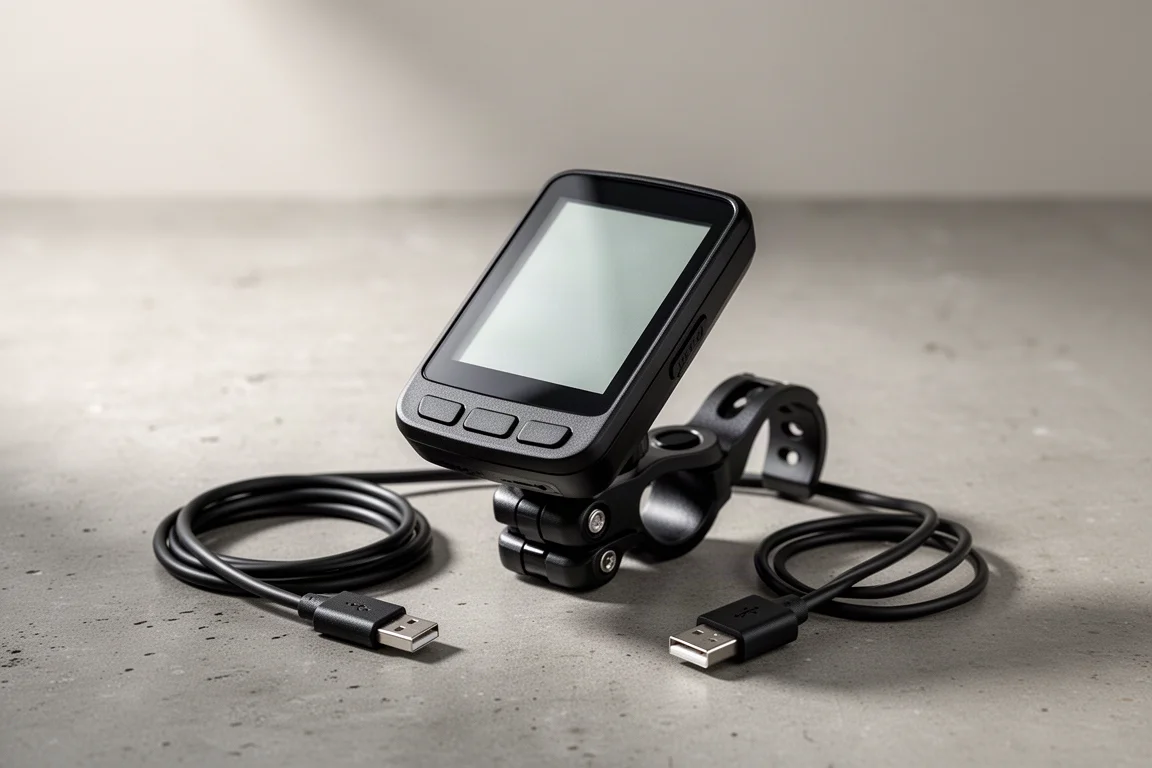
Best Compact All-Rounder: Garmin Edge 130
The Garmin Edge 130 is a small, dependable unit with strong battery life that will suit the vast majority of riders. Setup is beautifully simple, either on the device itself or by connecting a phone, and it links easily to popular third-party apps such as Strava and Komoot.
Visuals come from a 1.8 inch display. It sounds small, but clarity and a strong backlight keep it readable from every angle. The one area where it struggles is mapping. Full mapping capability is present, but the compact screen makes navigating unfamiliar lanes more of a challenge than on larger head units. For almost everyone, at a competitive price, that is a fair compromise.
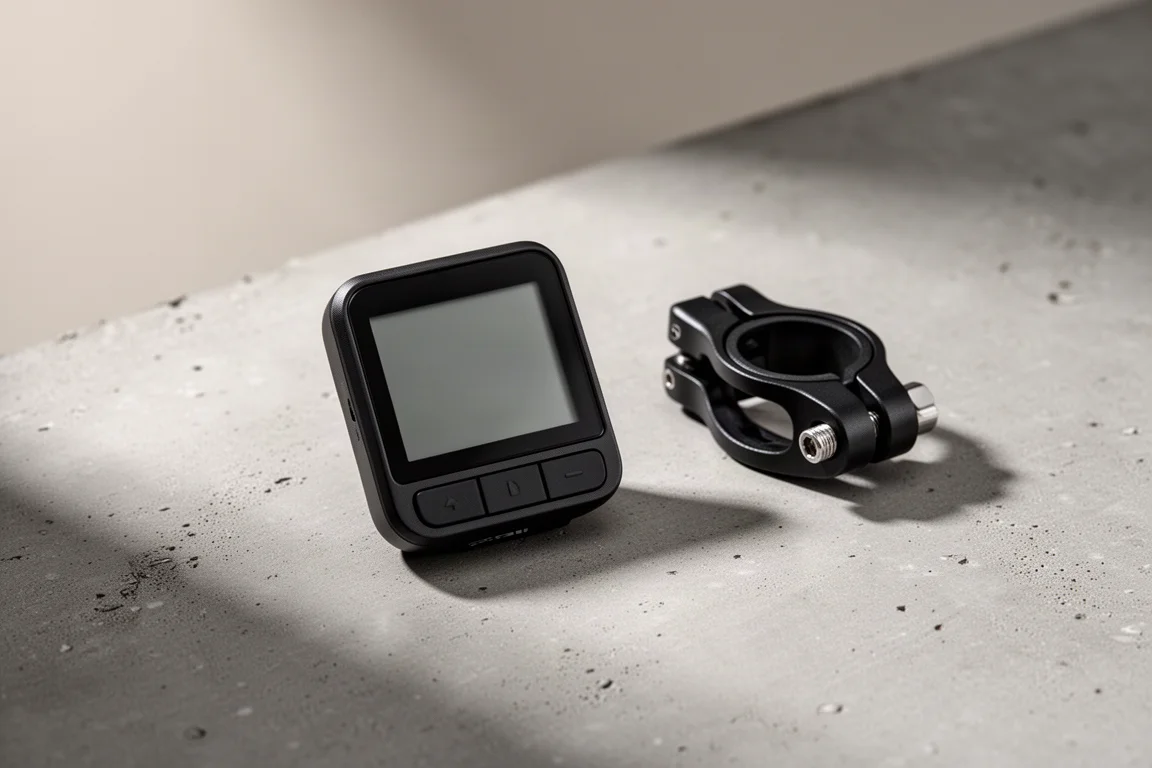
Best for Navigation: Garmin Edge Explore 2
If mapping sits at the top of your priorities, the Edge Explore 2 is the obvious step up. It retails at around £250, though a quick search can bring it down to around £200. The 3 inch colour touchscreen is the third largest in this guide and makes route following genuinely easy.
Setup is accessible either on the device or through the Garmin Connect app, and route files can be imported in several different formats from a range of third-party apps.

Mapping proved close to foolproof from the very first ride, and satellite acquisition is quick. That may sound like a small detail, but waiting at the start of a ride for a computer to wake up is genuinely irritating. A full 16GB of storage means a year of routes and rides can sit on the device without any housekeeping.
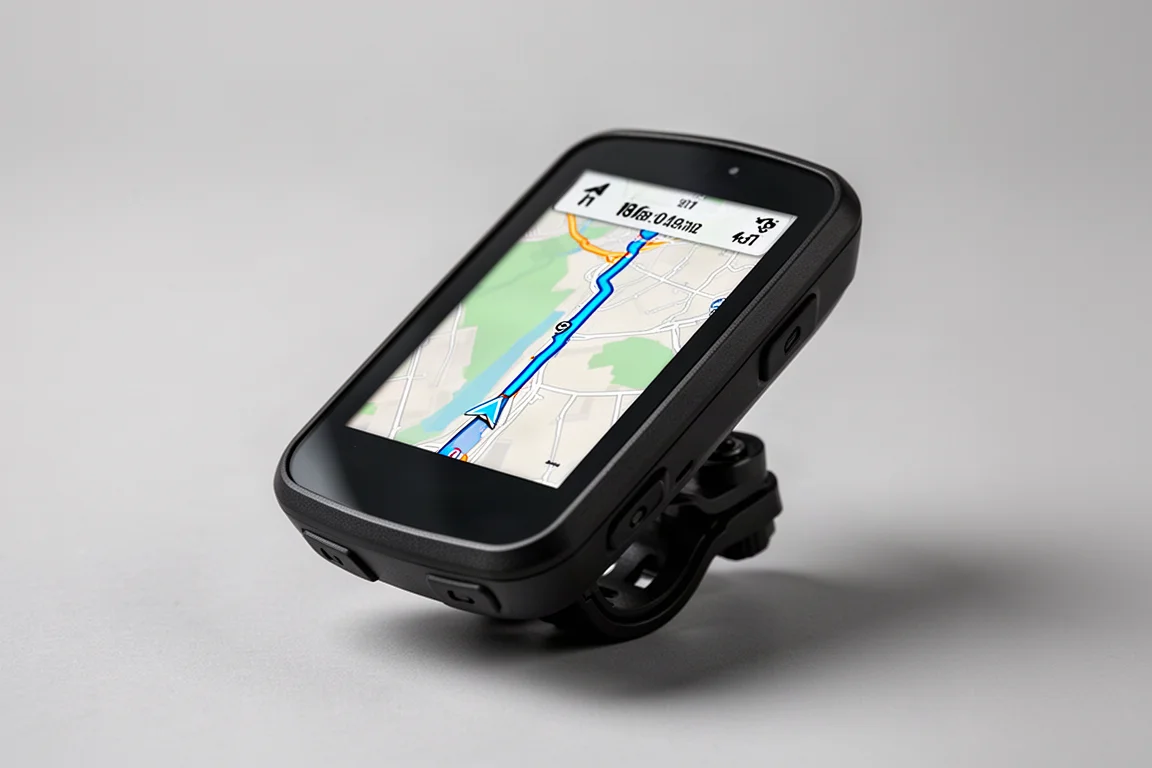
Best for Performance Riding: Wahoo ELEMNT BOLT V2
The Wahoo ELEMNT BOLT V2 builds on a design already well suited to racing, with a small form factor, excellent usability and aerodynamic shaping. The second generation addresses the display and durability concerns of the original and earned 4.5 stars in testing.
The headline change is an all-new 64 colour display. It is not a screen for watching films, but the Wahoo software uses colour intelligently, whether that means showing power zones or distinguishing road types. Smart features include structured workout building, multi-sport handover, Strava live segments and notifications from apps such as WhatsApp. Battery life matched the claimed 15 hours, and a full charge takes under two hours over USB-C. At $249.99 it represents seriously good value.
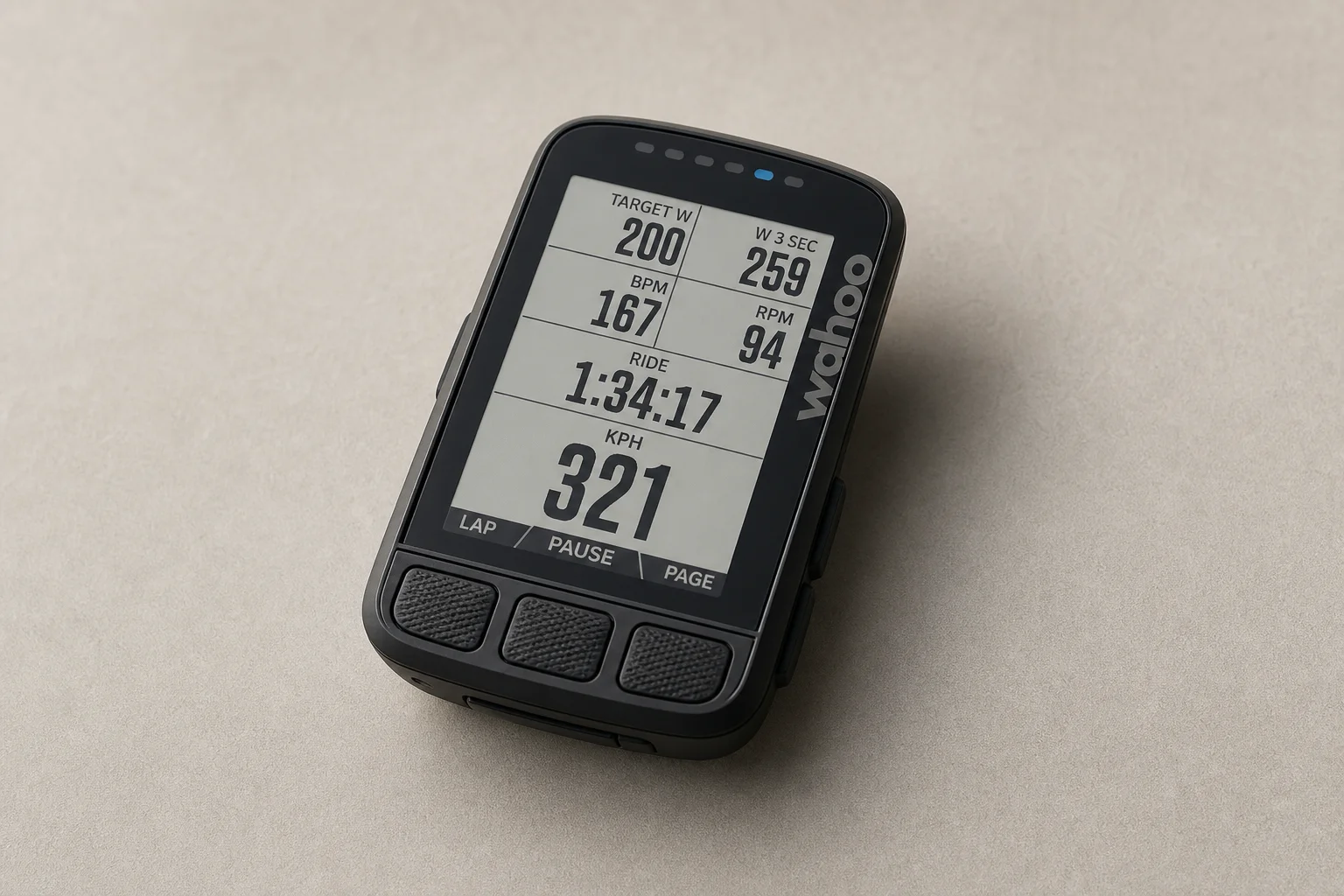
Best for Long Rides: Wahoo ELEMNT ROAM V2
The Wahoo ELEMNT ROAM V2 shares much of the BOLT V2 design approach in a larger package aimed at better mapping and longer runtime. In place of the 2.2 inch panel is a 2.7 inch 64 colour display.
The ROAM V2 skips the touchscreen, relying on three main buttons on the front and a power button on the side. That button layout proved preferable to touchscreen input in testing, particularly in poor weather when gloved hands and wet screens make touch control unreliable. Battery life came close to the claimed 17 hours. For most riders the BOLT will be enough, but if your riding leans towards longer days and multi-day trips where mapping is central, the ROAM is a strong choice.
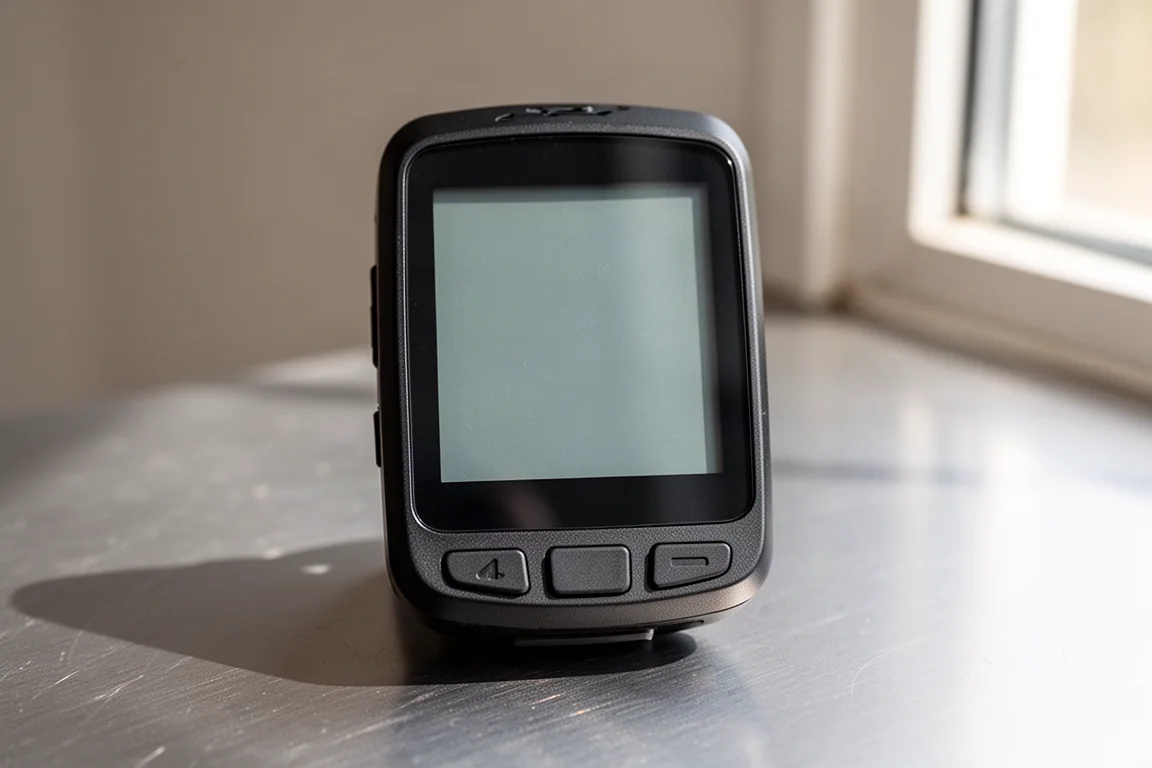
Most Feature-Packed: Hammerhead Karoo
The Hammerhead Karoo is the newest head unit in this guide, and it has still covered a serious number of miles in testing. Processing power has been doubled, and a real effort has gone into improving battery life compared with earlier generations.
Since the acquisition by SRAM, the Karoo has gained deeper integration for SRAM users. It reports detailed status for SRAM AXS components, shows which gear you are in, and allows the bonus buttons on SRAM shifters to control the device remotely, which proved surprisingly useful day to day. The result is a snappy head unit packed with technology and much better battery life than before, though it does not quite match the overall package of the top pick here.
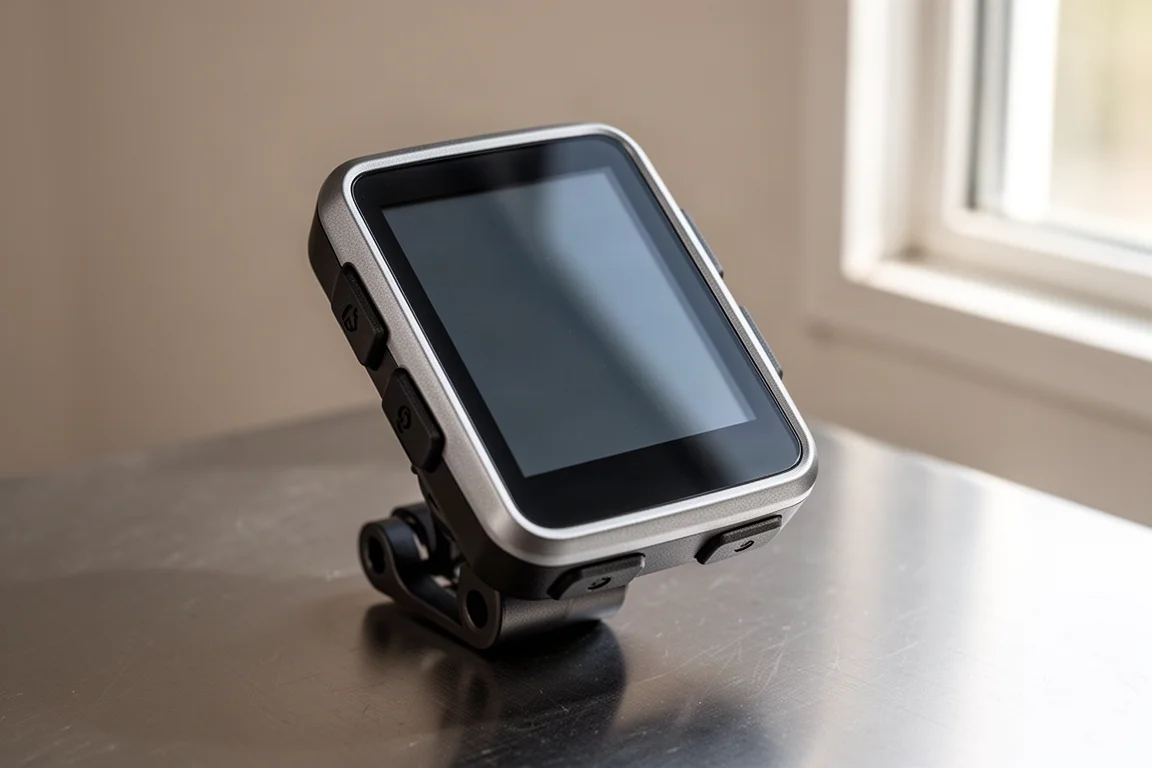
Best Overall: Garmin Edge 1040 Solar
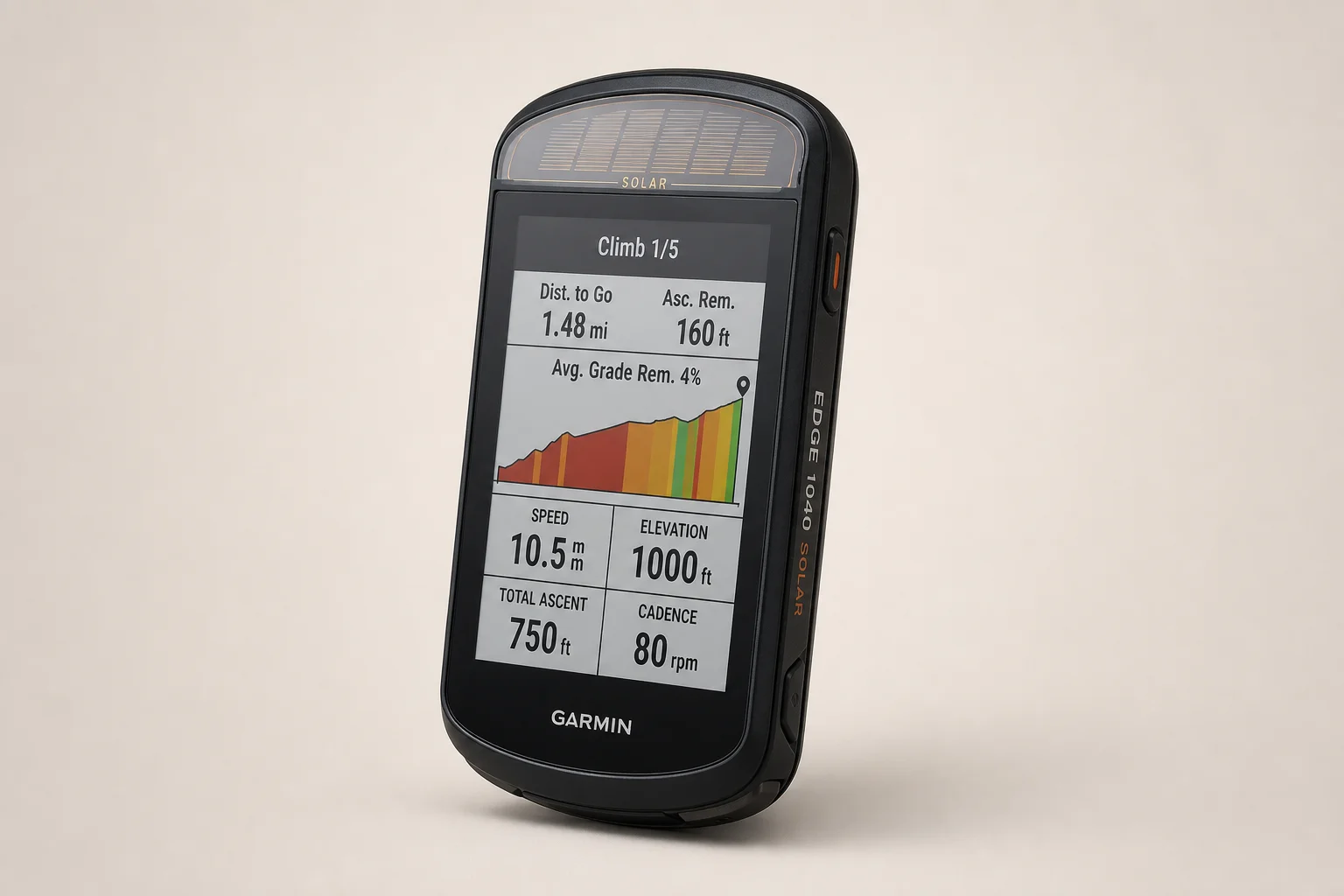
The Garmin Edge 1040 Solar was the range-topping cycling computer until a few weeks ago, and it remains the benchmark throughout this guide. A solar panel sits behind the 3.5 inch display to extend battery life, and the unit pairs leading processing power with a rock solid interface.
A newer model has now arrived with an improved display, more processing power and a higher price tag. It is not included here because it has not been through a thorough test. The upside for buyers is that the 1040 Solar can now be found at better prices with a little searching. The higher price tag will put some riders off, but reliability, usability and battery life are all market leading, which is why it sits at the top of this list.
Buying Advice
Match the computer to the riding you do most. If you ride familiar roads and want a simple record of speed, distance and time, a wired or wireless wheel-sensor unit costs very little and does the job well. If you want to train with power or heart rate, look for ANT+ or Bluetooth pairing, which means a GPS head unit.
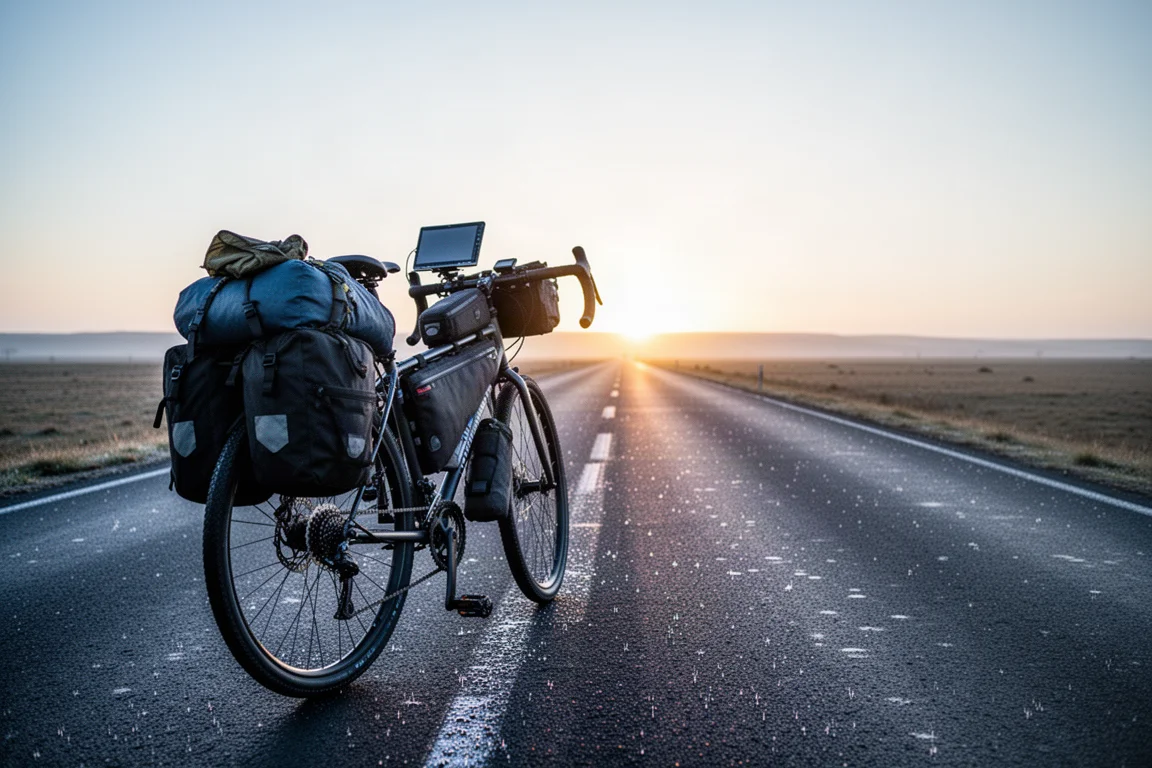
Navigation is the other major dividing line. A compact unit such as the Edge 130 will handle occasional route following, but a larger colour screen makes a genuine difference on unfamiliar lanes, which is where the Edge Explore 2 and the Wahoo models come into their own. Battery life matters most if your rides run long or span multiple days.
Set a budget first, then decide which single feature you refuse to compromise on, whether that is mapping, sensor pairing, battery life or simply a clean and uncluttered screen. Every unit in this guide is a credible choice within its own price band.
Conclusion
There is no single best cycling computer for every rider, only the best one for the way you ride. The Van Rysel BC 100 and CatEye models cover the essentials at very low cost. The Bryton Rider 420 and Garmin Edge 130 deliver a much broader feature set without flagship pricing. The Wahoo ELEMNT BOLT V2 and ROAM V2 combine strong usability with sensible battery life, while the Garmin Edge Explore 2 is the clearest navigation-focused option. At the top, the Garmin Edge 1040 Solar remains the most complete package here, with reliability, usability and battery life that are all market leading.
Further reading
Related Reviews
Cycling Computers
Best Cycling Computers: 11 Options Compared
A practical look at 11 cycling computers, from the premium Garmin Edge 1050 to the budget Coros Dura, with strengths, trade-offs, and buying advice.
Cycling Computers
Best Cycling Computers Under £200: Seven Capable Head Units Compared
Seven cycling computers below £200 compared on navigation, sensor support, battery life and everyday value.
Cycling Computers
Best Cycling Computers: A Practical Guide to Every Major Option
A plain-spoken look at the leading cycling computers, from Garmin's flagship to budget-friendly challengers, and which ones are actually worth buying.