Cycling Computers
Best Cycling Computers: 11 Options Compared
A practical look at 11 cycling computers, from the premium Garmin Edge 1050 to the budget Coros Dura, with strengths, trade-offs, and buying advice.
Introduction
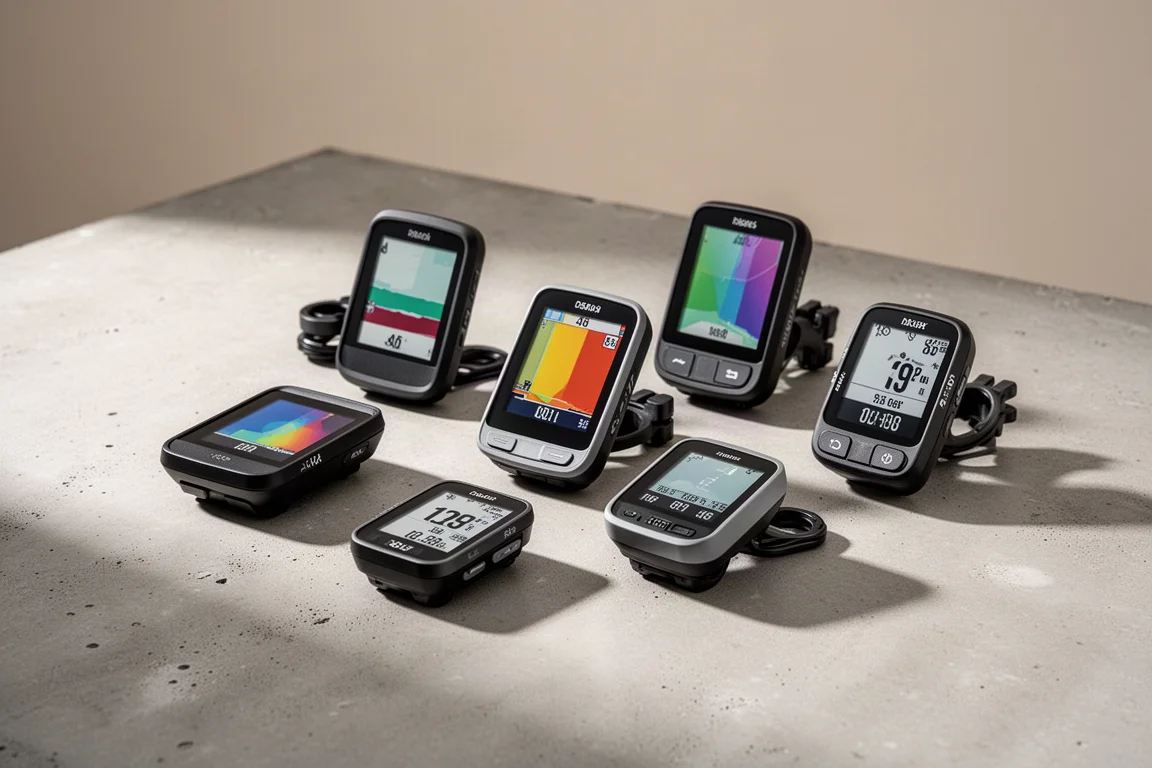
Cycling computers in 2025 offer more choice than ever, with options ranging from budget-friendly units to premium devices with large color screens and advanced training features. The best choice depends on how you ride, what data you want to see, and how much you are willing to spend.
Among the many options, the Garmin Edge 830 remains a standout value pick if you can find one, but there are plenty of other strong contenders worth considering. This guide compares 11 cycling computers, highlighting what each does well and where it falls short.
How to Choose a Cycling Computer
Before narrowing down the options, it helps to think about the features that matter most. Screen size and touchscreen support affect how easily you can view data and navigate. Battery life determines how often you need to charge, especially for long rides or multi-day trips. Mapping quality and rerouting speed are important if you ride unfamiliar roads. Compatibility with your drivetrain and sensors can also influence your choice. Finally, consider whether you prefer physical buttons or a touchscreen, as this shapes day-to-day use.
Garmin Edge 1050: Garmin’s Most Expensive Edge
The Garmin Edge 1050 is Garmin’s most expensive Edge computer to date at $700. It introduces a group ride function designed to help your group stay together, and a road hazard function that can alert other users to potholes. However, these new features will not work fully until a large number of riders start using the device. Given the high price, many riders may find better value in the Edge 1040.
Garmin Edge 1040: Big Screen, Long Battery
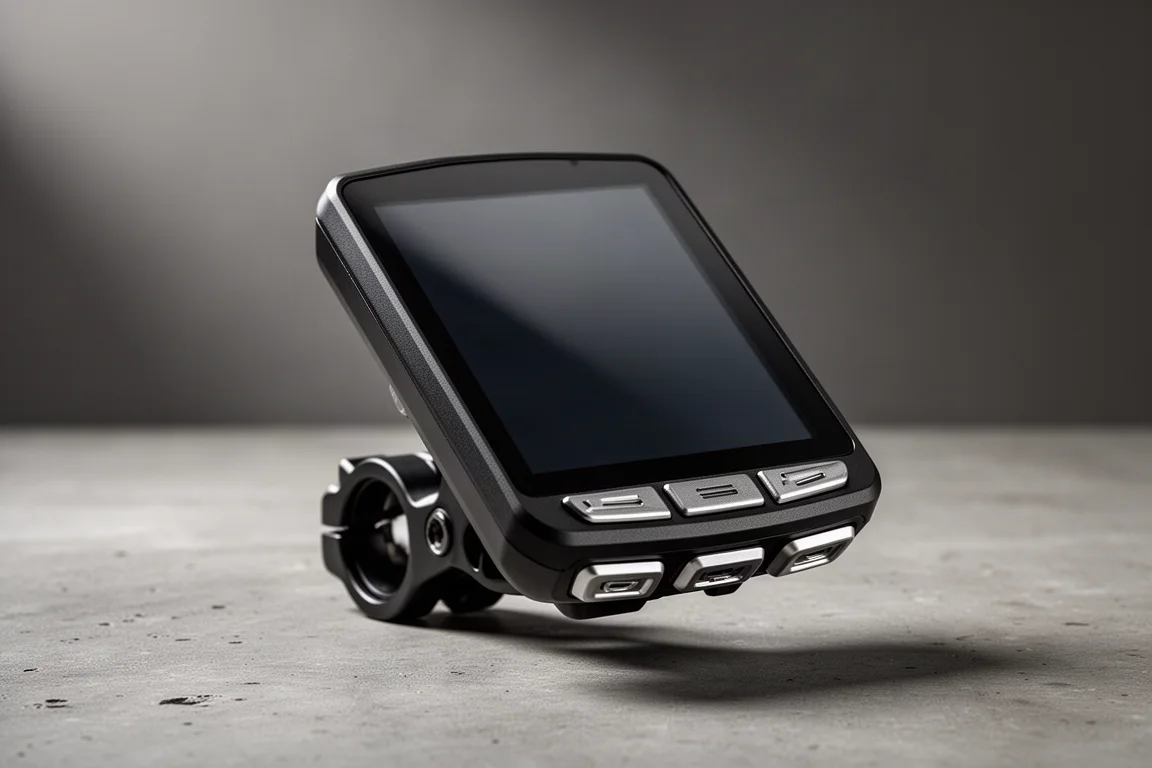
The Garmin Edge 1040 offers most of the same features as the Edge 1050 while costing about £130 less. It has a massive screen, making it a good choice if you want a large display for maps and data. Battery life is excellent, with Garmin claiming 35 hours under demanding use with dual-band GPS and sensors. For most riders, that means just over two weeks of riding between charges. The solar version is only worth considering if you ride in consistently sunny conditions.
Garmin Edge 840: The Road Rider’s Compact Choice
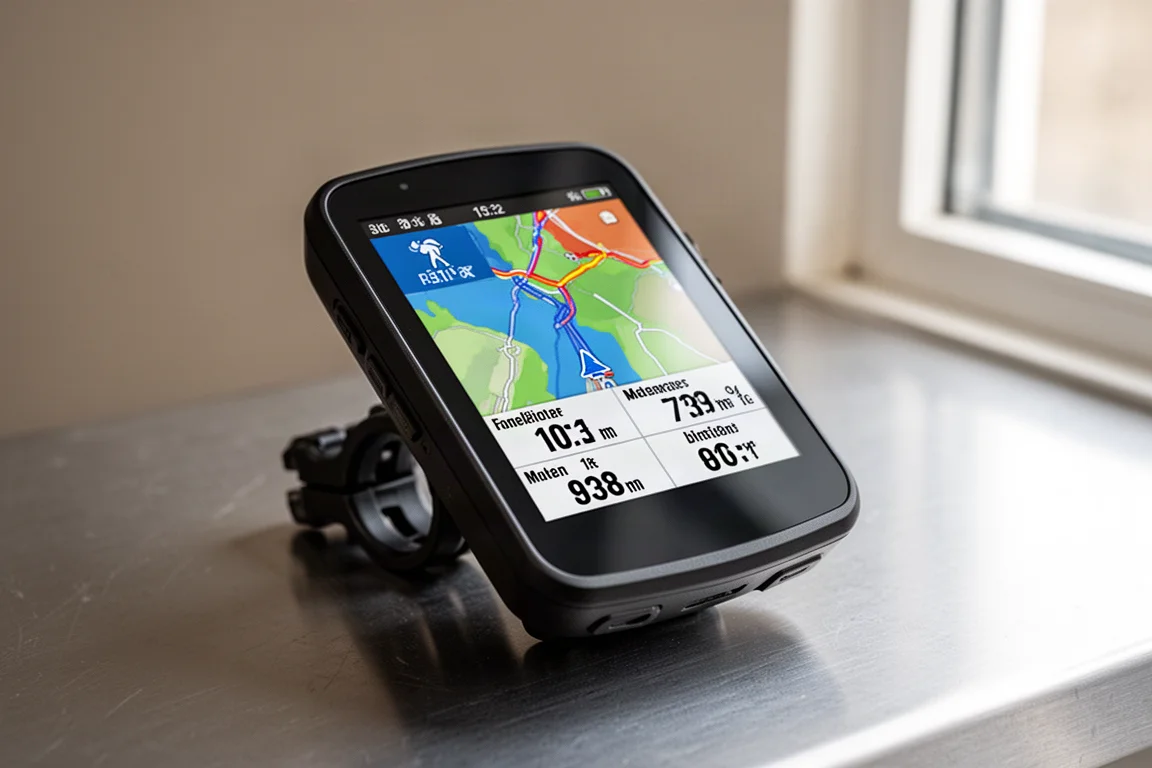
The Garmin Edge 840 is essentially the Edge 1040 in a smaller form factor, and for road riding it is often the preferred option. The screen size is big enough for plenty of data and a clear map, and the interface is fast and easy to navigate. Music controls and add-ons like core temperature sensor data are useful touches. The solar version is not worth it in less sunny conditions.
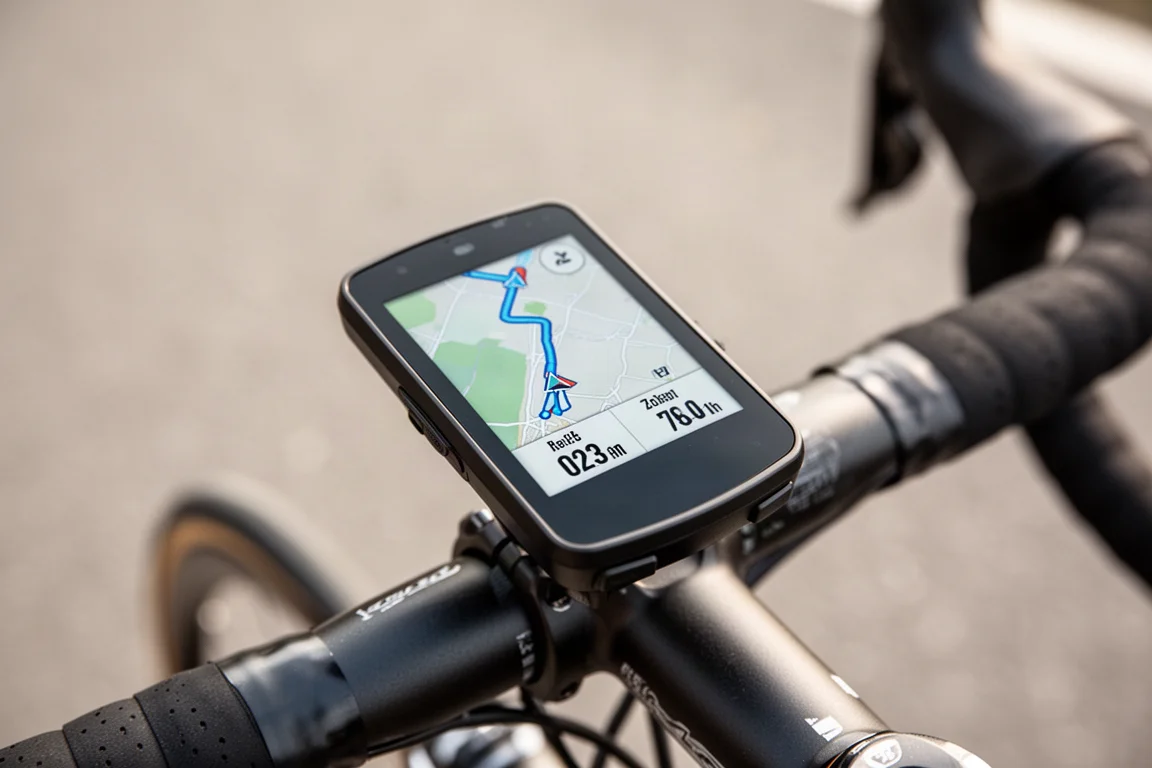
This unit is well suited to riders who want a compact device with a touchscreen. The interface was designed for touch, so it feels natural to use. The Edge 540 is similar internally but lacks a touchscreen, which makes button navigation feel clunky by comparison.
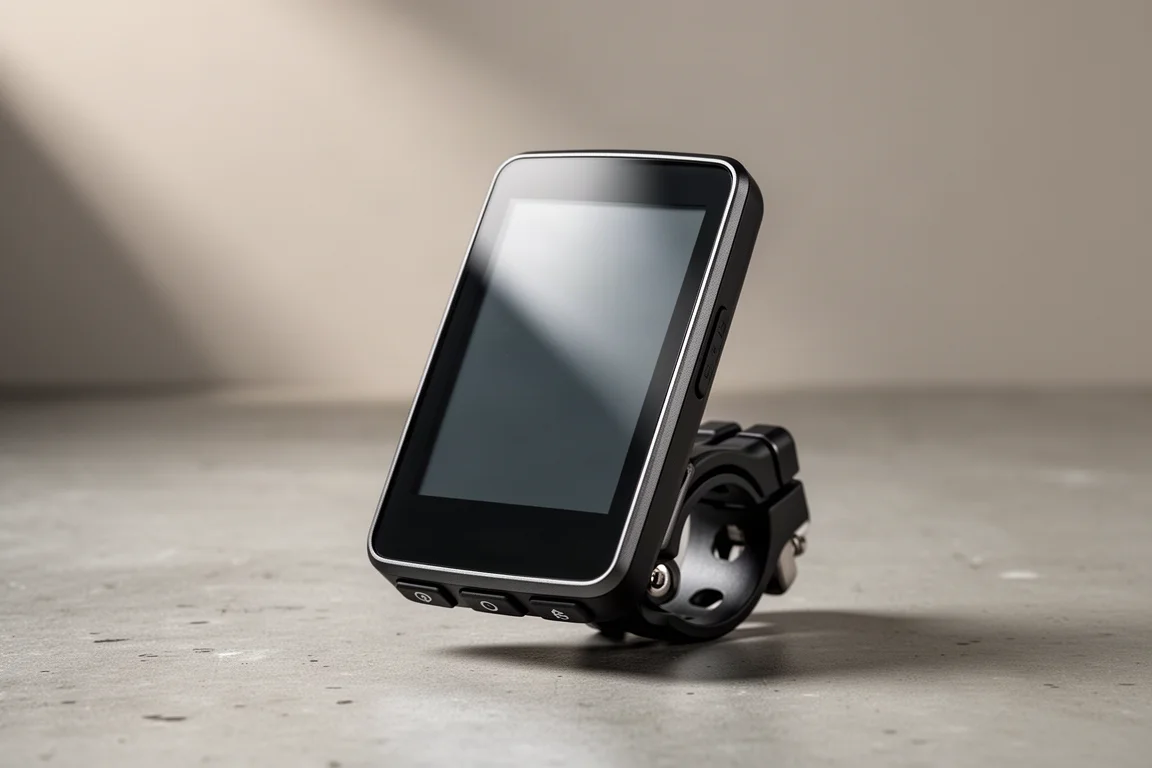
Garmin Edge 540: Button Navigation, Lower Price
The Garmin Edge 540 shares much of its internal hardware with the Edge 840 but drops the touchscreen. It is priced at £350, making it significantly cheaper than the three models above. Some riders will prefer physical buttons, but the button navigation with this interface can feel like an afterthought. If you do not need touch controls, the Edge 540 offers a more affordable way into Garmin’s feature set.
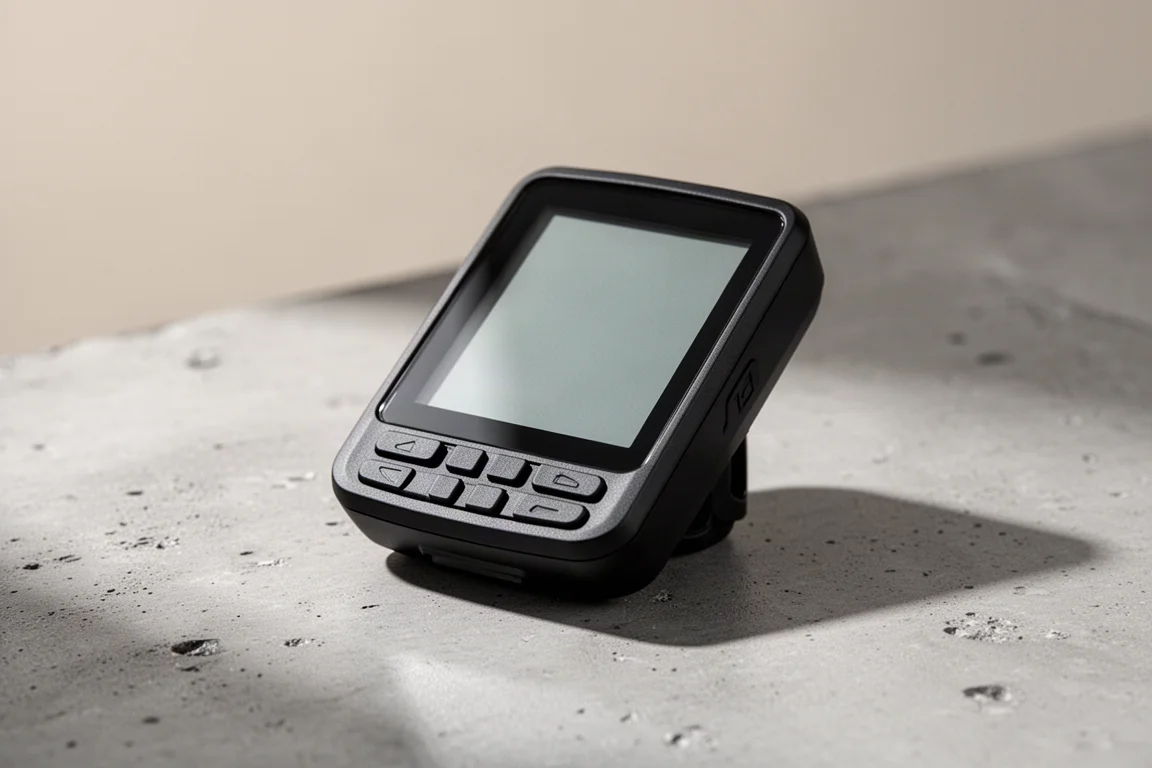
Garmin Edge 830: The Discontinued Favorite
The Garmin Edge 830 remains a favorite for its great screen, good mapping, solid battery life, and nice form factor. Unfortunately, it has moved to Garmin’s discontinued list, so it is becoming harder to find for sale online. If you can find one, it is still a recommended choice. It is not perfect, and some known issues exist, but the overall package remains strong.
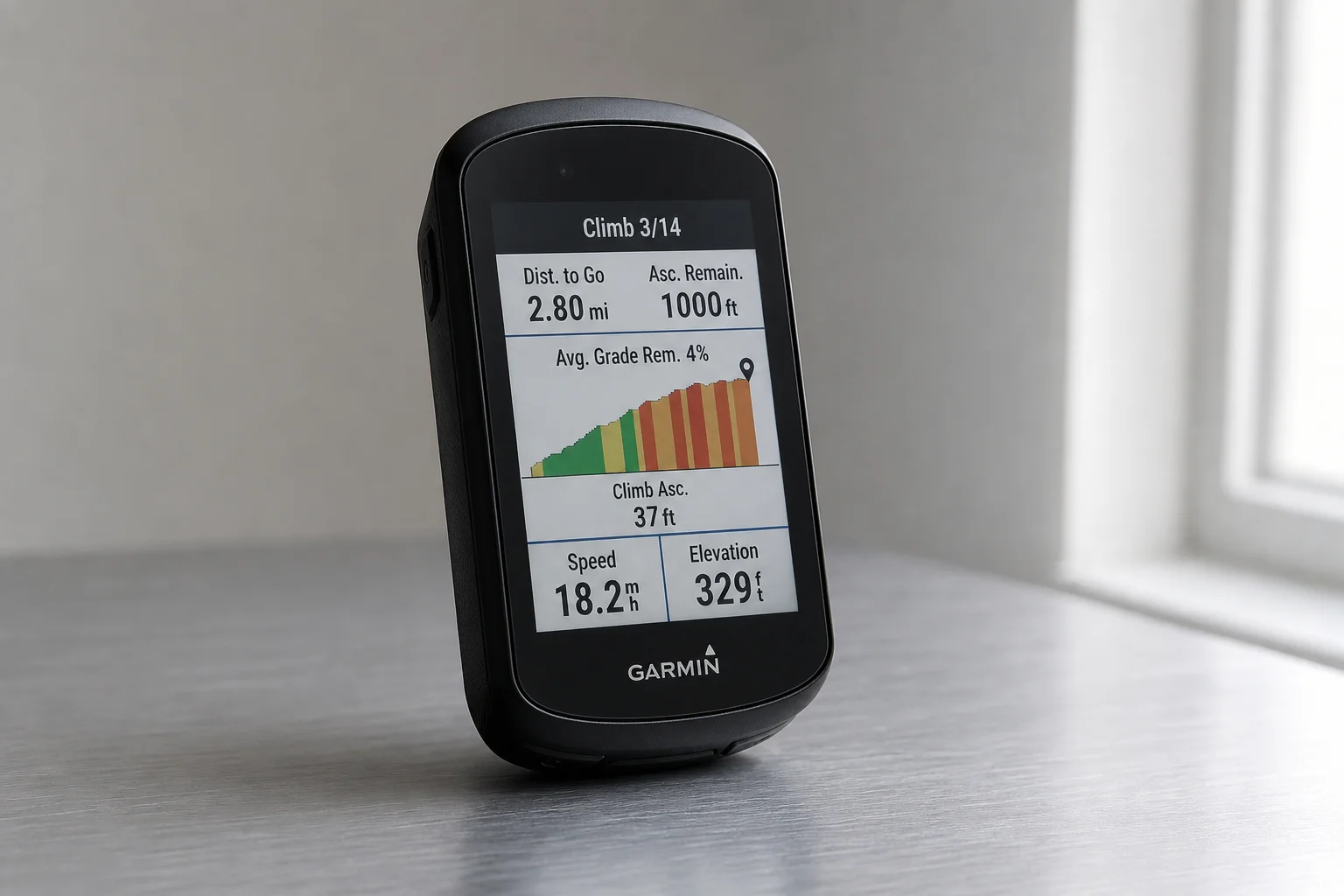
Garmin Edge Explore 2: Easy Setup for Most Riders
The Garmin Edge Explore 2 is loaded with a compelling set of features for most riders. Ease of use and setup are major plus points, thanks to Garmin’s improved interface, a clear and detailed screen, and dependable rerouting. The standard version does not include power pins in the quarter-turn mount, so it cannot be upgraded to use the power pack. It also lacks connectivity to Shimano Di2 and SRAM eTap drivetrains, which may be a snag for some, though not a deal breaker for most.
Wahoo ELEMNT ACE: Big Display, Unfinished Software
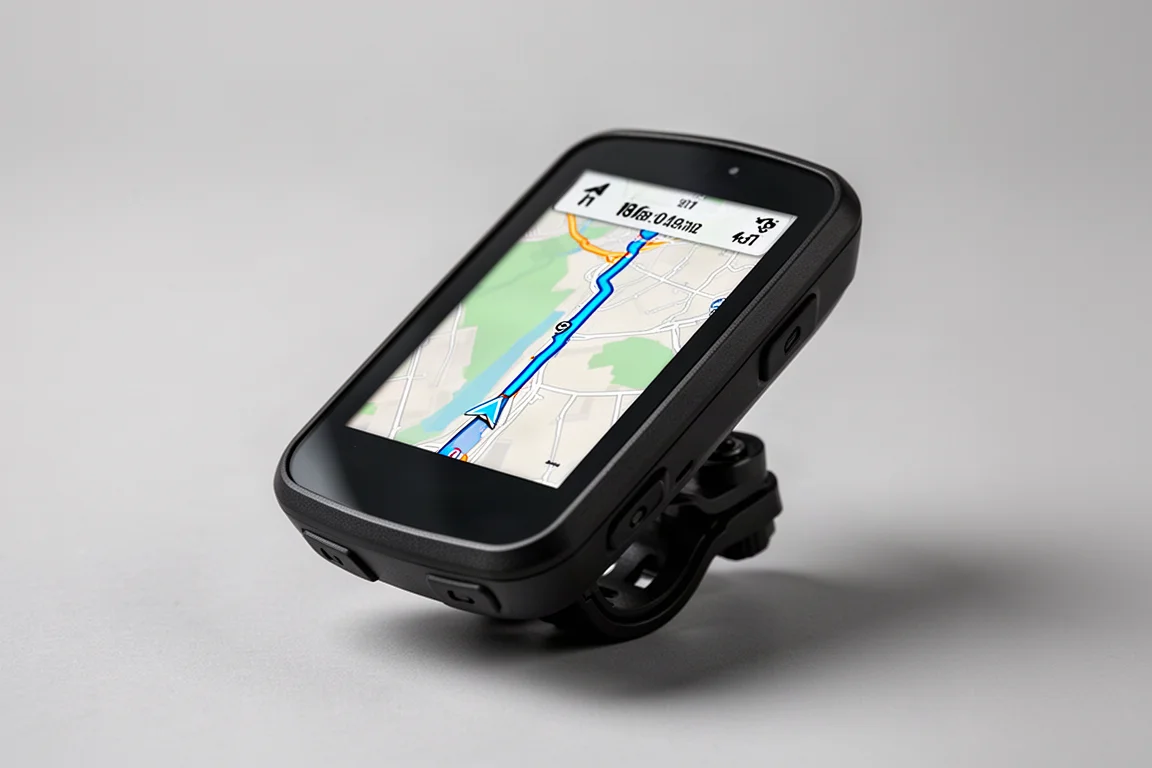
The Wahoo ELEMNT ACE brings a wind-sensing front end and a larger, better display that many Wahoo fans have asked for. The touchscreen and user interface are well executed, and the companion app remains a strong point. However, the unit launched unfinished, with key features still to be released. The headwind sensor has limited appeal, and wind data cannot be analyzed on third-party apps like Strava, requiring the Wahoo app instead. Wahoo says the wind sensor could eventually support drag calculations and live aero data, but no dates have been set. Some units have experienced GPS connection issues, distance display problems, and upload problems unless connected to a computer. The device is also very large and has continuing compatibility issues with some bike computer mounts.
Wahoo ELEMNT ROAM V2: Physical Buttons, Clear Maps
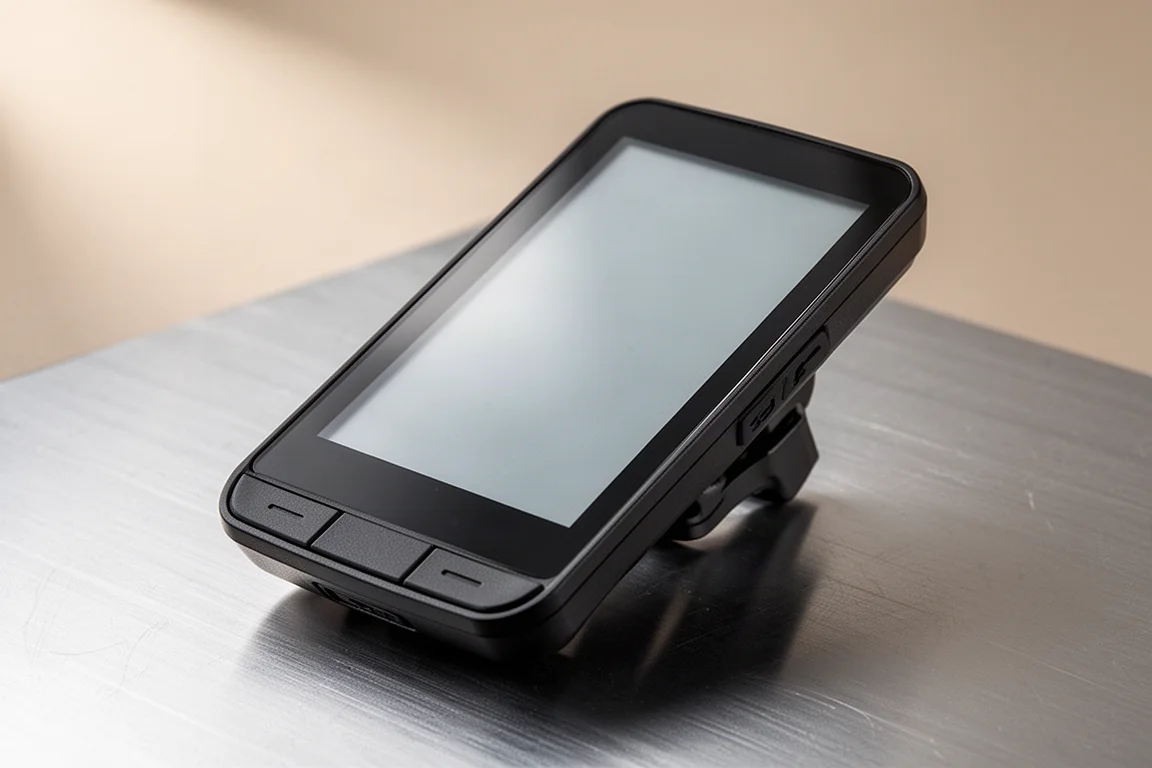
The Wahoo ELEMNT ROAM V2 continues to be an excellent option. Its size sits between the Garmin Edge 1040 and Edge 840, which many riders find to be a nice compromise. A standout feature is perfect zoom, controlled by two buttons: the upper side button reduces the number of fields and increases their size, while the lower button does the reverse. This works better on map pages than Garmin’s zoom buttons and makes it easy to tailor the display on the fly. Following a route is simple because the map is clear, but selecting a point to route to is slow without a touchscreen.
Wahoo ELEMNT BOLT V2: Compact and Simple
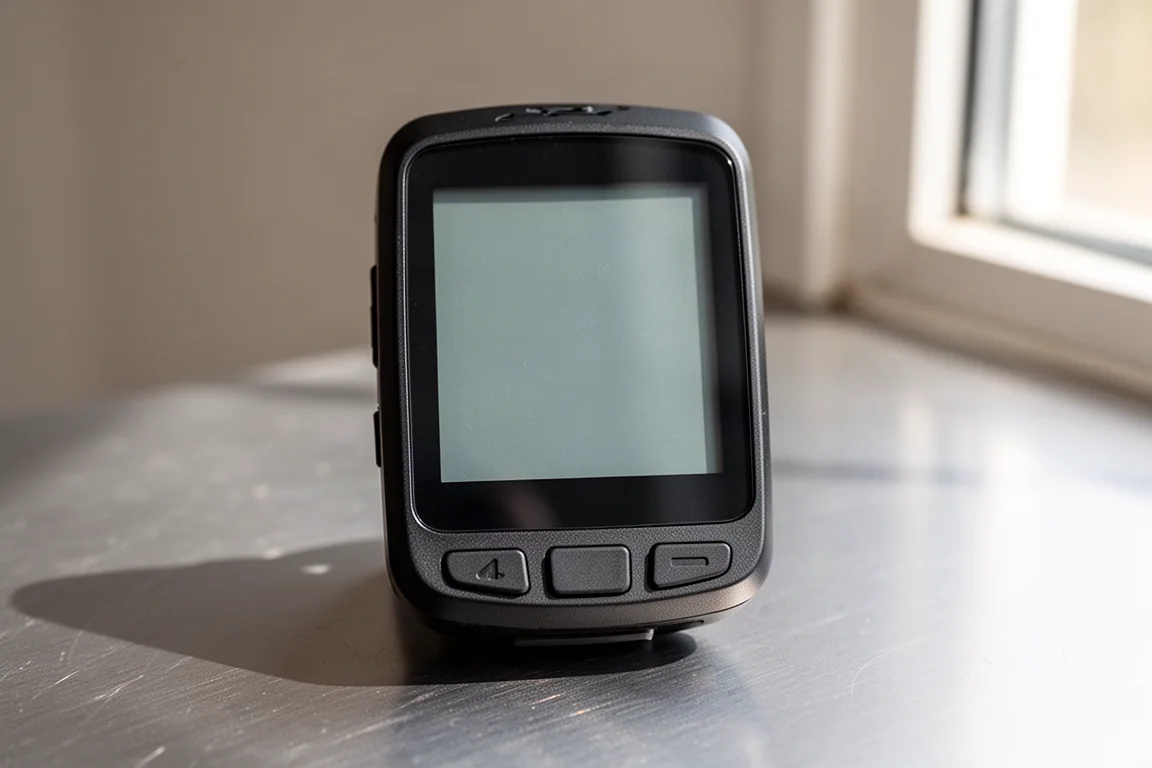
The Wahoo ELEMNT BOLT V2 remains the favorite Wahoo computer for many riders. It does everything most people want: it is small, light, displays your data, and allows you to analyze it afterward. Battery life stands at a decent 15 hours, and routes are easy to follow. There is interest in seeing a new Bolt with a touchscreen from the ACE, and without the convex buttons and forehead lights, but for now the BOLT V2 is a reliable and compact choice.
Hammerhead Karoo: Techy and Climb-Focused
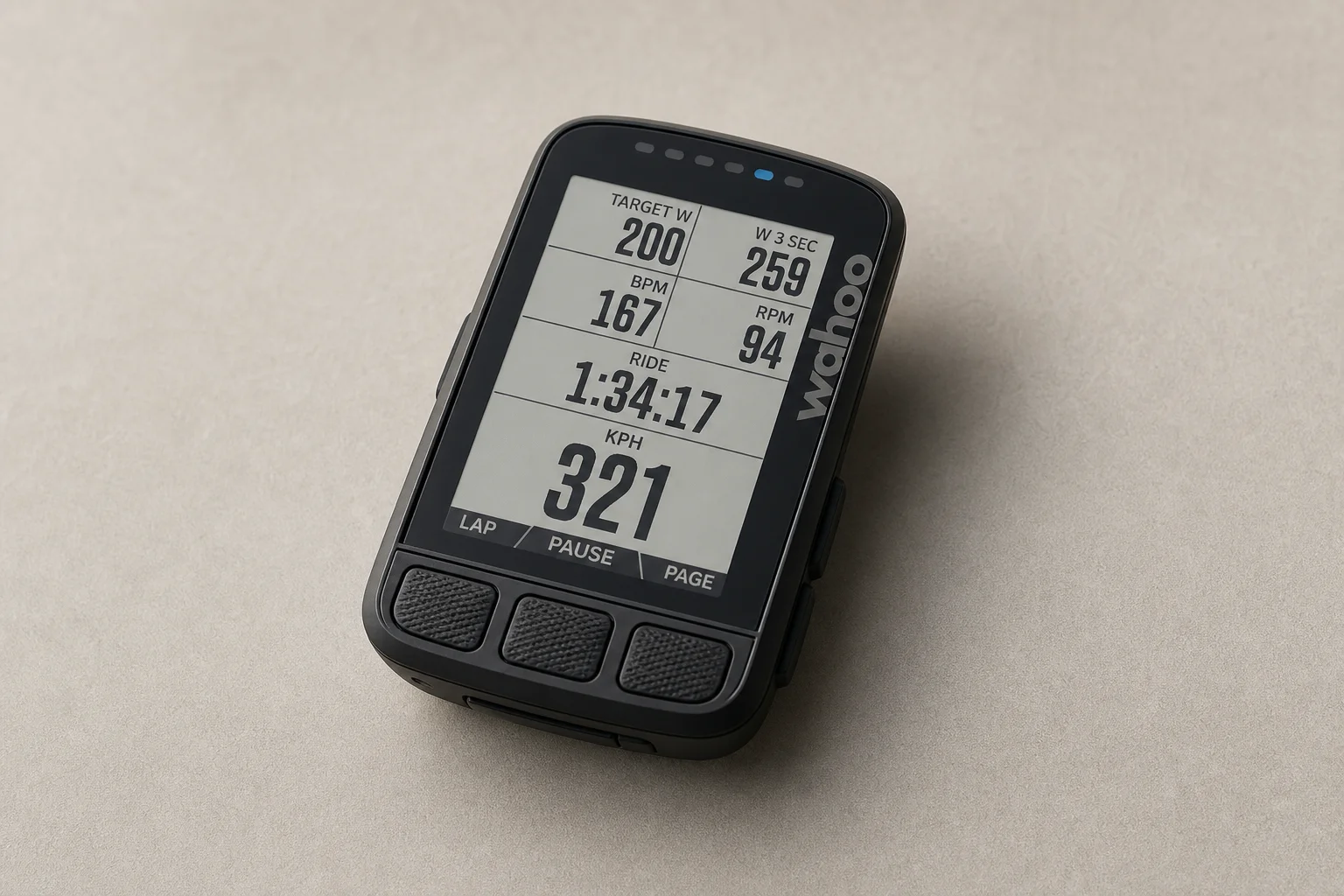
The Hammerhead Karoo is worth a look if you use a SRAM eTap groupset and consider yourself a techy rider. Shimano does not play nicely with the Karoo, so it does not work brilliantly for Di2 users. Mapping on the Karoo is excellent, and Hammerhead was the first brand to introduce a climbing feature to help pace efforts uphill. The climb program looks and works well, and many riders prefer it over Garmin’s equivalent. The main annoyance is slow boot times, despite the RAM doubling to 4 GB and the processor nearly doubling in speed to 2 GHz. Regular updates arrive roughly every two weeks, which suits techy riders but may not suit casual users.
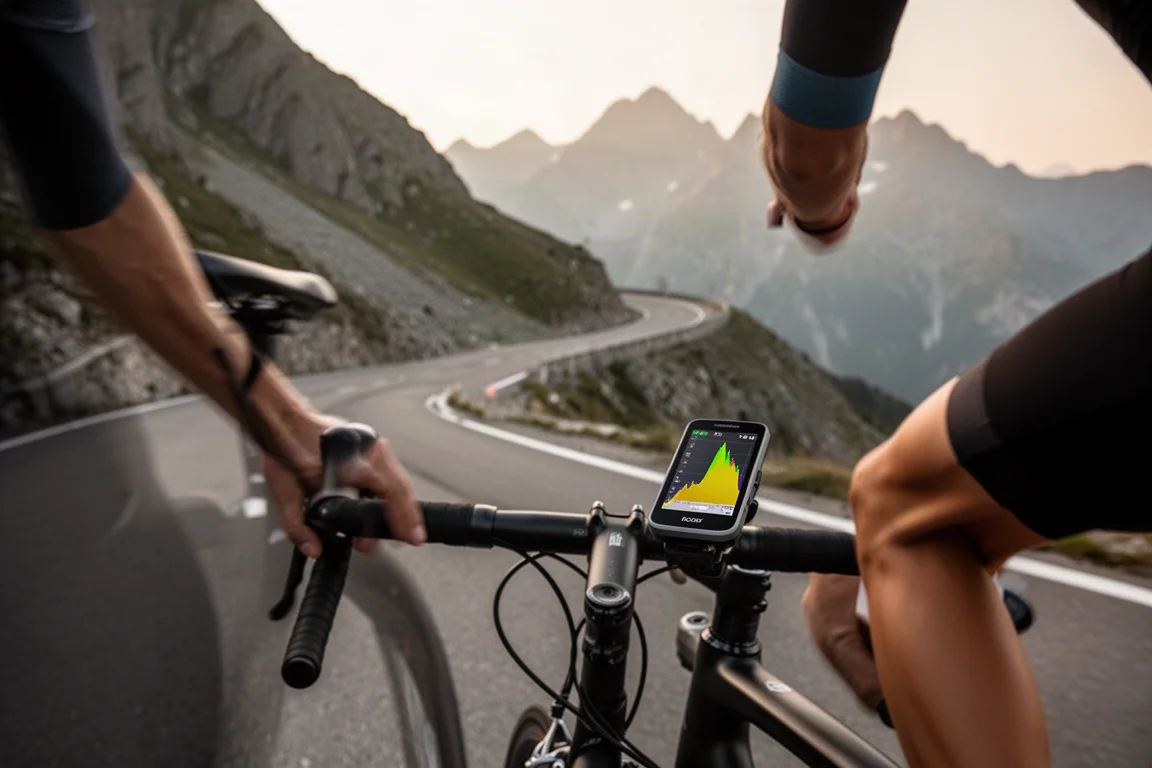
The Karoo launched fully baked and continues to receive new features, making it an interesting device to own. Apart from a few gremlins, it keeps getting better.
Coros Dura: Long Battery on a Budget
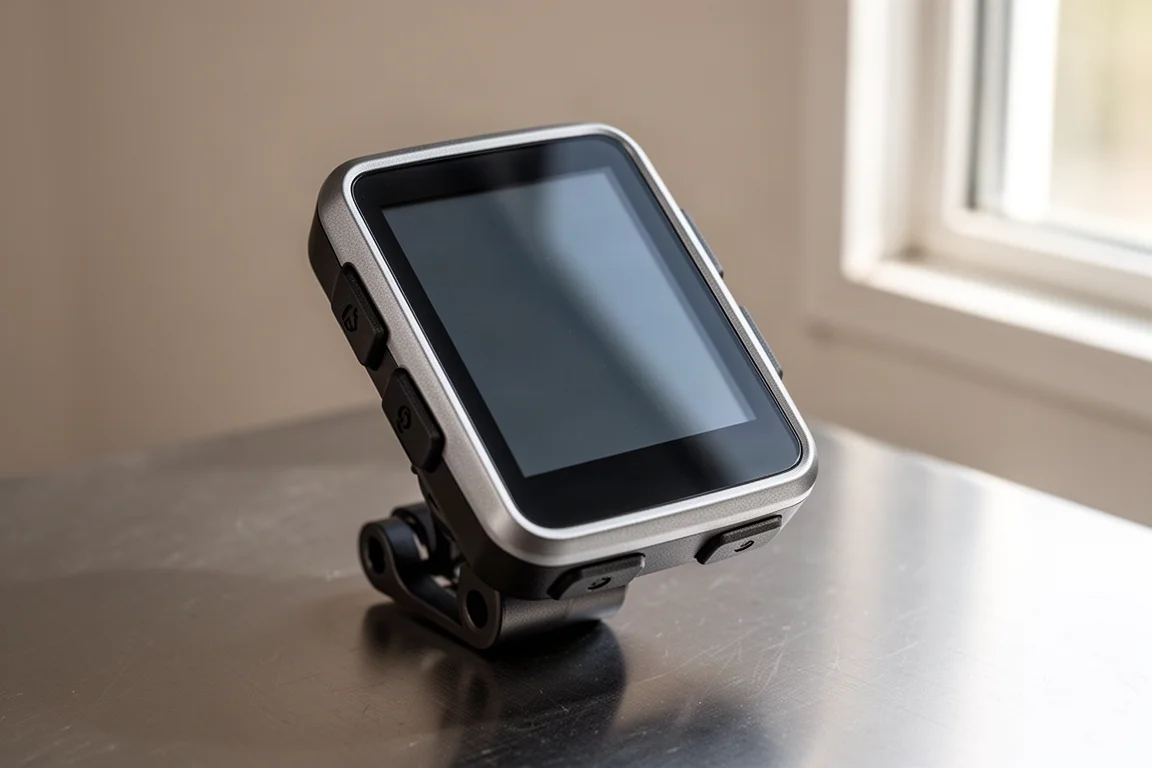
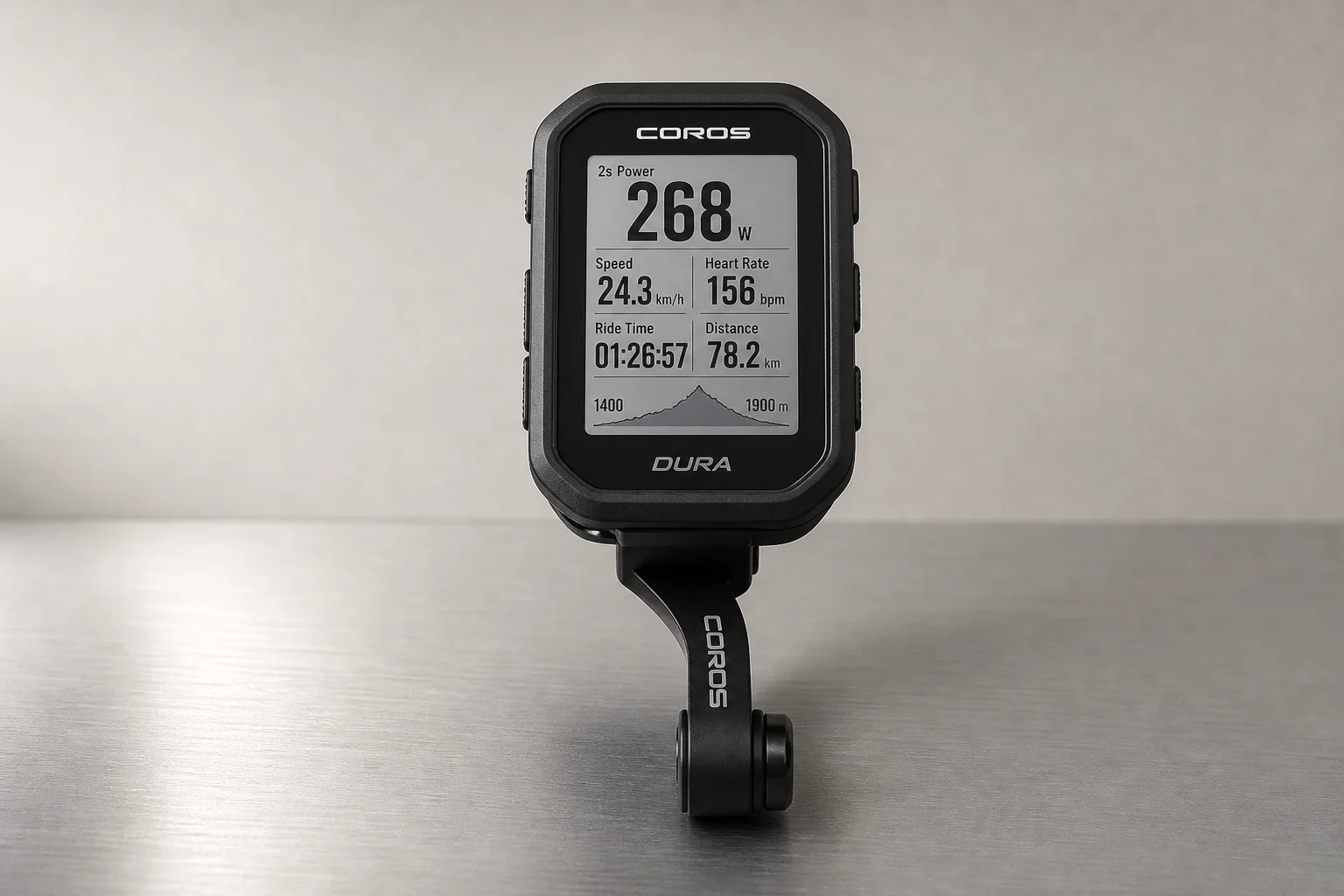
The Coros Dura launched before it was fully ready, but it now represents a decent option from a challenger brand. The clear standout is battery life: Coros claims 120 hours with single-band GPS running. The large forehead houses a solar panel, and Coros says it provides two hours of battery gain for every hour you ride. However, these battery claims may not hold up in conditions other than a hot summer day. At launch, the unit had issues with ANT+ devices and power meters, making power data unreliable, but this appears to have been sorted. Navigation is good now, though rerouting requires the Coros app and a good internet connection on your phone. The Dura is super compact and the lightest on test at just 55 g. At £170, it is the most affordable option here. It suits riders who want a simple system to display power and speed without the complexity of a smartphone-like device.
Overall Buying Advice
Choosing a cycling computer comes down to matching features to your riding style. If you want a large screen and long battery life, the Garmin Edge 1040 is a strong option. For a more compact touchscreen device, the Edge 840 is a favorite for road riding. The Edge 830 remains a great value pick if you can find one, while the Wahoo ELEMNT BOLT V2 is ideal for riders who prefer a small, simple unit. The Hammerhead Karoo appeals to tech-savvy riders, especially those using SRAM eTap. The Coros Dura is the most affordable choice and offers impressive claimed battery life, though it has some limitations.
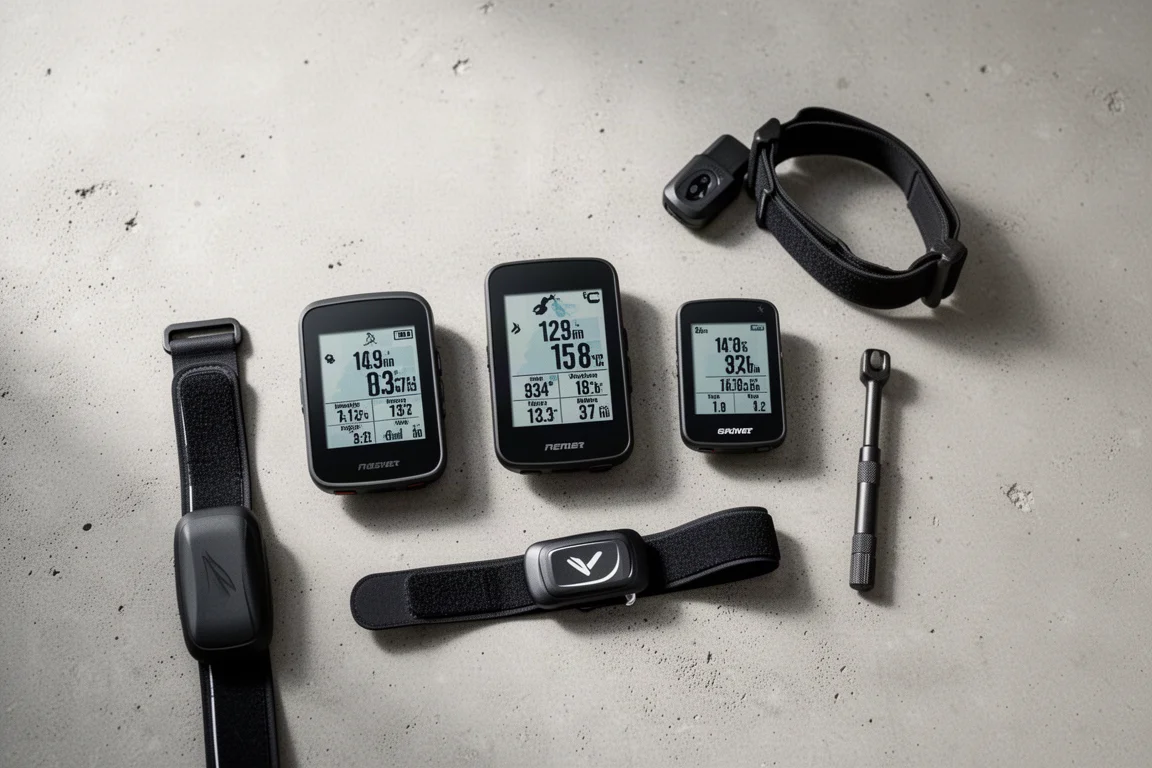
Before buying, consider whether you need touch controls, how important mapping and rerouting are, and whether your existing sensors and drivetrain are compatible. Also think about battery life and screen size, as these affect daily use more than many other specifications.
Conclusion
There is no single best cycling computer for everyone. The Garmin Edge 830 remains a standout value pick if you can find one, but the Edge 1040, Edge 840, Wahoo ELEMNT BOLT V2, and other options all have clear strengths. The right choice depends on your budget, the features you value, and how you ride. Use this guide to narrow down the options and find a computer that fits your needs.
Further reading
Related Reviews
Cycling Computers
Best Cycling Computers 2026: 10 Head Units Across Every Price Point
A practical guide to ten cycling computers, from a $9.99 wired unit to solar-assisted flagship head units with colour mapping, sensor pairing and long battery life.
Cycling Computers
Best Cycling Computers Under £200: Seven Capable Head Units Compared
Seven cycling computers below £200 compared on navigation, sensor support, battery life and everyday value.
Cycling Computers
Best Cycling Computers: A Practical Guide to Every Major Option
A plain-spoken look at the leading cycling computers, from Garmin's flagship to budget-friendly challengers, and which ones are actually worth buying.