Cycling Computers
Best Cycling Computers Under £200: Seven Capable Head Units Compared
Seven cycling computers below £200 compared on navigation, sensor support, battery life and everyday value.
Introduction
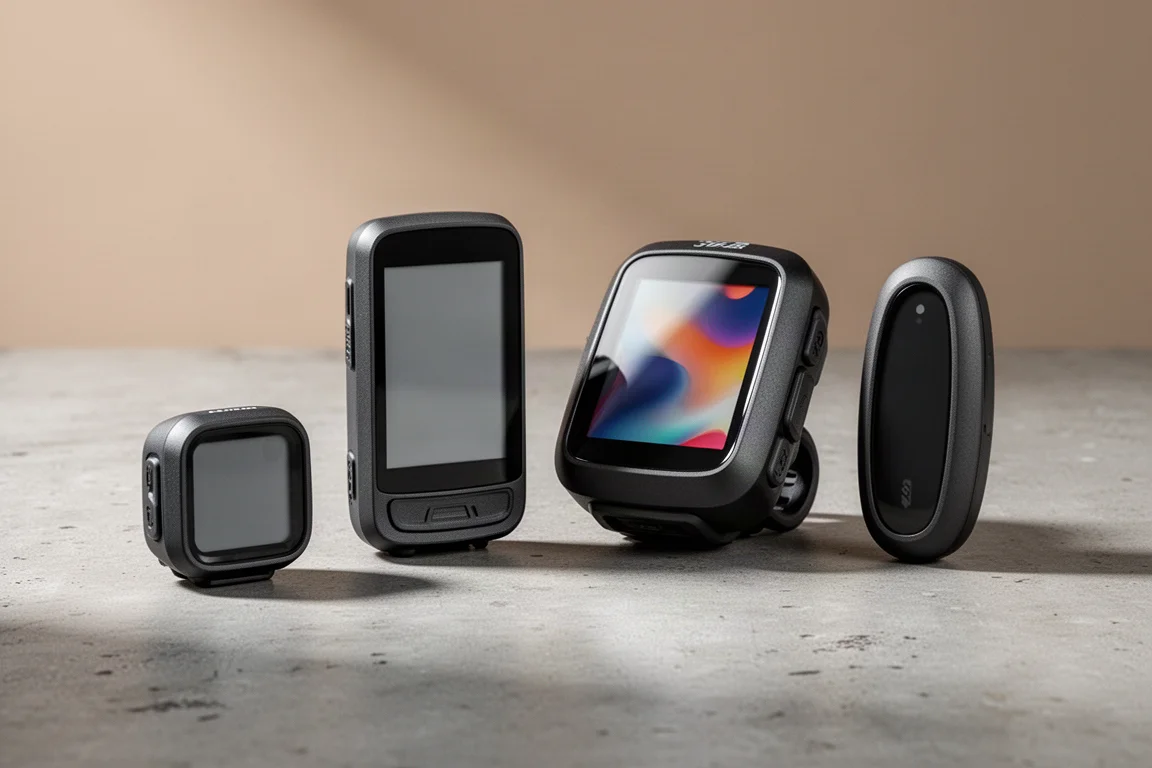
The cycling computer market can look like a two-horse race, but there is a wide field of alternatives that pack serious capability. Top-end head units can cost as much as £500, yet a lot of the same functionality is available for well under £200. The seven computers in this roundup all sit below that mark, and each one approaches the job differently, from stripped-back simplicity to offline mapping and structured workouts.
What to Look For in a Sub-£200 Cycling Computer
The first decision is whether you need navigation. Mapping, offline maps and re-routing push a head unit toward the top of this price band, while metric-only computers keep costs down and battery life up. If you ride the same familiar loops, navigation may be the feature you can happily leave out.
The second consideration is sensor support. Bluetooth and ANT+ together give you the widest choice of power meters, heart rate straps, speed and cadence sensors. A unit limited to Bluetooth only will work with fewer accessories, which matters if you already own older ANT+ gear.
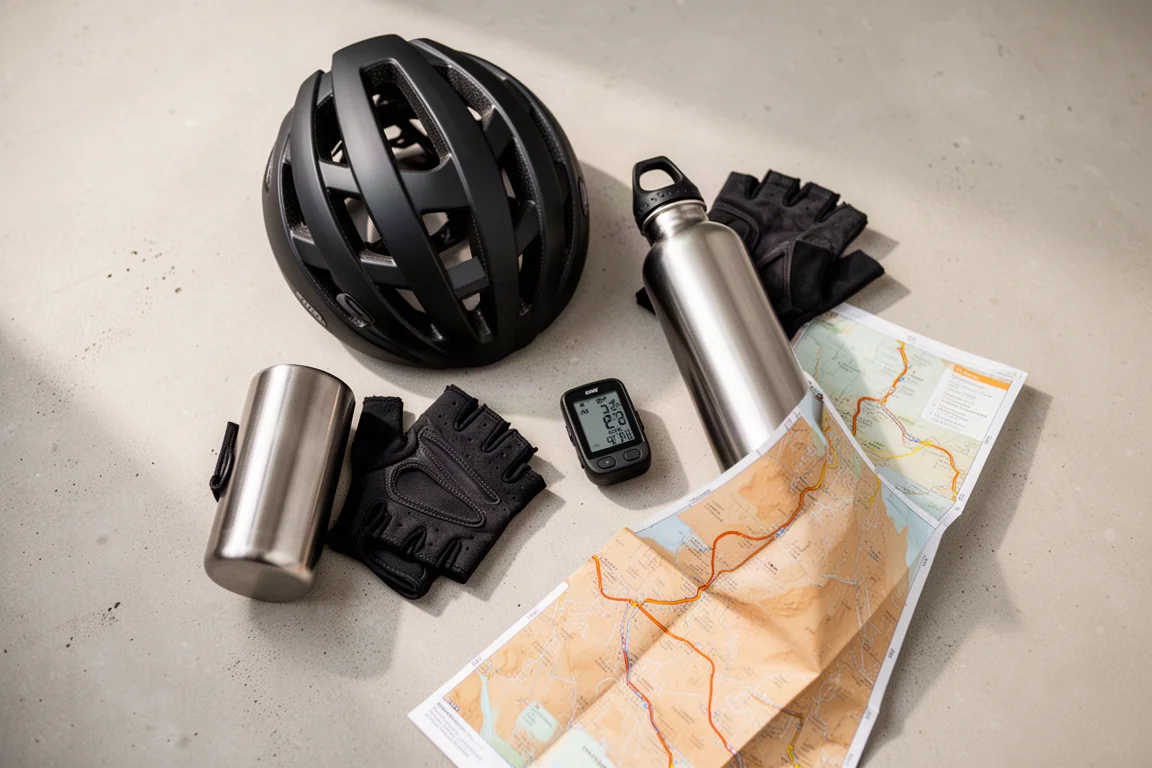
Battery life is the next factor, and the spread here is wide, from around 10 hours at the shorter end up to a claimed 48 hours. A colour touchscreen and a large display both draw power, so the most feature-heavy units are rarely the longest lasting.
App support is the last piece to weigh. Some computers let you configure data screens, sync rides and plan routes from a phone, which makes a small on-device screen far less of a limitation.
Bryton Rider 420: Features on a Budget
The Rider 420 comes from one of the newer names in this group, and it delivers a lot for a little more than £100 once you have shopped around. It offers 77 functions, all reachable from the unit itself or from the companion app, and it pairs with power meters, speed sensors, cadence sensors and just about anything else you would want to connect.
Bluetooth and ANT+ are both on board, along with Strava live segments and support for importing TrainingPeaks workouts to follow out on the road. The unit can use any one of five GPS networks, so it holds a strong signal wherever you ride, and it stayed locked on without dropouts across five months of use.
The trade-offs are ergonomic rather than functional. The user interface takes some figuring out before it starts to make sense, and the button placement is unusual. An out-front mount helps a great deal, but sourcing one has proved tricky and it is not included in the box. Even so, the Rider 420 carries much of the capability of a Wahoo Elemnt Bolt, minus full mapping, for a fraction of the cost.
CatEye Quick: Simple and Streamlined
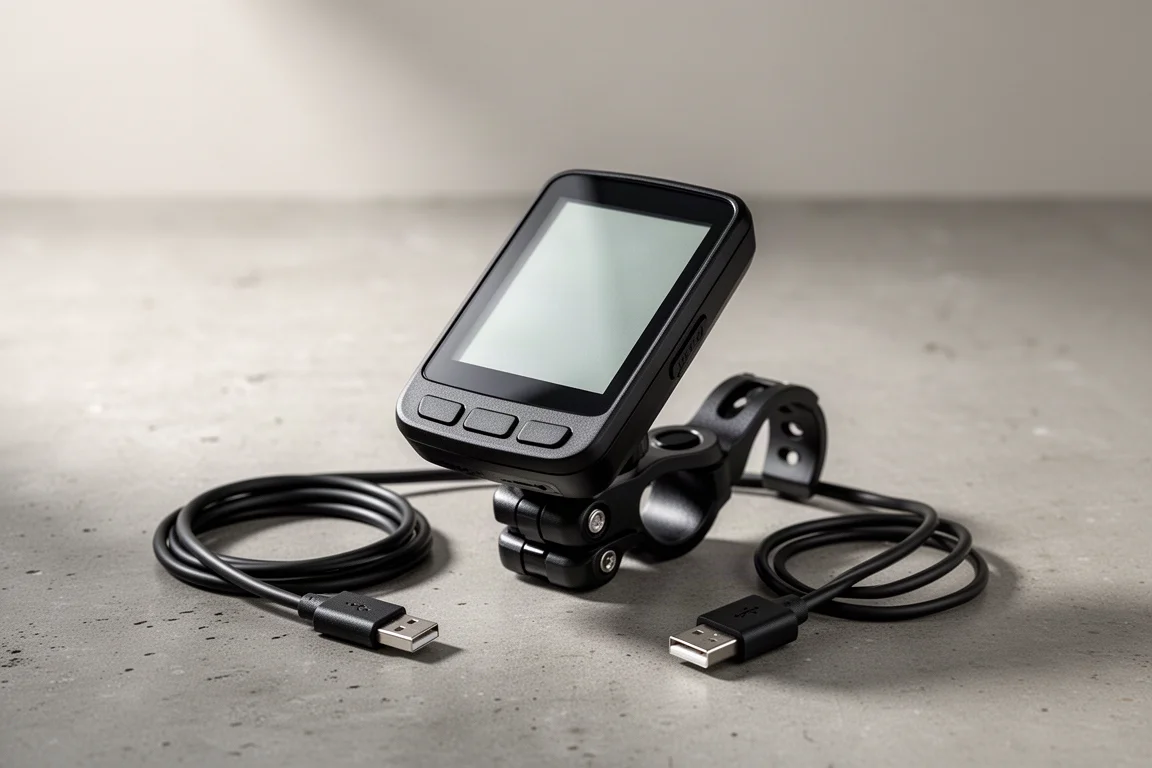
The Quick is deliberately minimal. Its wireless functions are speed, distance, time and a clock, and that is the complete list. There is no heart rate, no power data and no navigation, and for a lot of riders that restraint is exactly the point.
The unit has a sleek profile and ships with an out-front handlebar mount, which gives it a clean look on the bars. Battery life is quoted in years rather than hours, which is remarkable in a category where charging is usually a weekly chore.

Serious riders and anyone who needs navigational functionality will want to look elsewhere. For beginners and commuters, though, this is a genuinely affordable computer that covers everything most everyday rides require.
Lezyne Super Pro GPS: Navigation and App Support
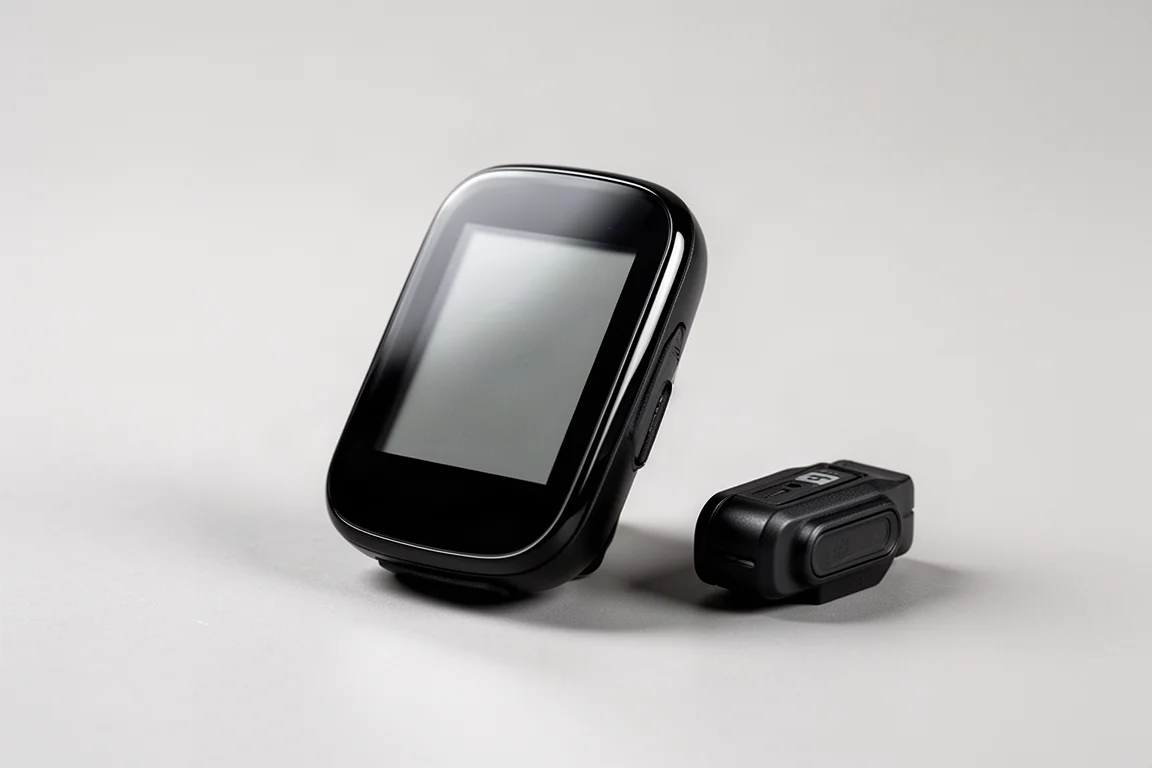
The Super Pro GPS is not one of the best-looking computers on the market, but it may be one of the most valuable. It incorporates navigation, its own smartphone app, and support for power, cadence and the other sensors you would expect. Strava live segments and live tracking are built in as well.
The screen is small and can be hard to read, and you only ever see a few metrics at a time, with the layout controlled through the app. For performance-focused riders on a budget, it makes a strong case at around £135, and it is often available for a little less once you shop around.
Polar M460: Smart Features and a Front Light
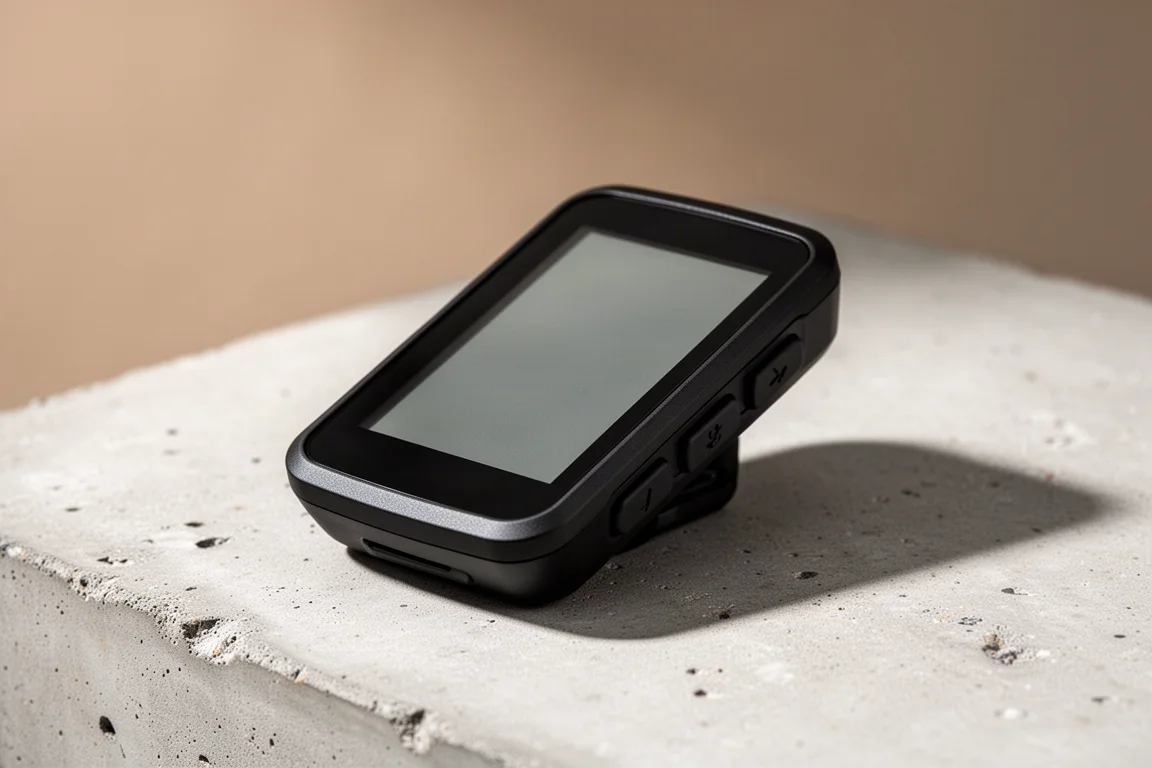
The M460 leans on Polar Flow, the companion app that handles setup, tracks your personal diary and logs all the rides you have been doing. Strava integration is strong, which brings live segments, and smartphone notifications come through to the unit so you stay on top of messages and email.
Battery life is 16 hours, which puts it level with most of its competitors. What sets it apart is an integrated front light, a feature that is unique in this group. It will not let you see the road ahead, but it makes you more visible, and that is a genuinely useful addition.

The compromises are harder to overlook. The screen measures 35 mm by 35 mm, so only four data metrics fit on it at once, and the button placement makes cycling through screens awkward and unintuitive. There is no ANT+, which limits you to sensors that also offer Bluetooth. The front light also comes at a cost, and the unit is rather pricey next to competitors that offer cheaper options with mapping and navigational functionality.
Mio Cyclo 210: Touchscreen Mapping
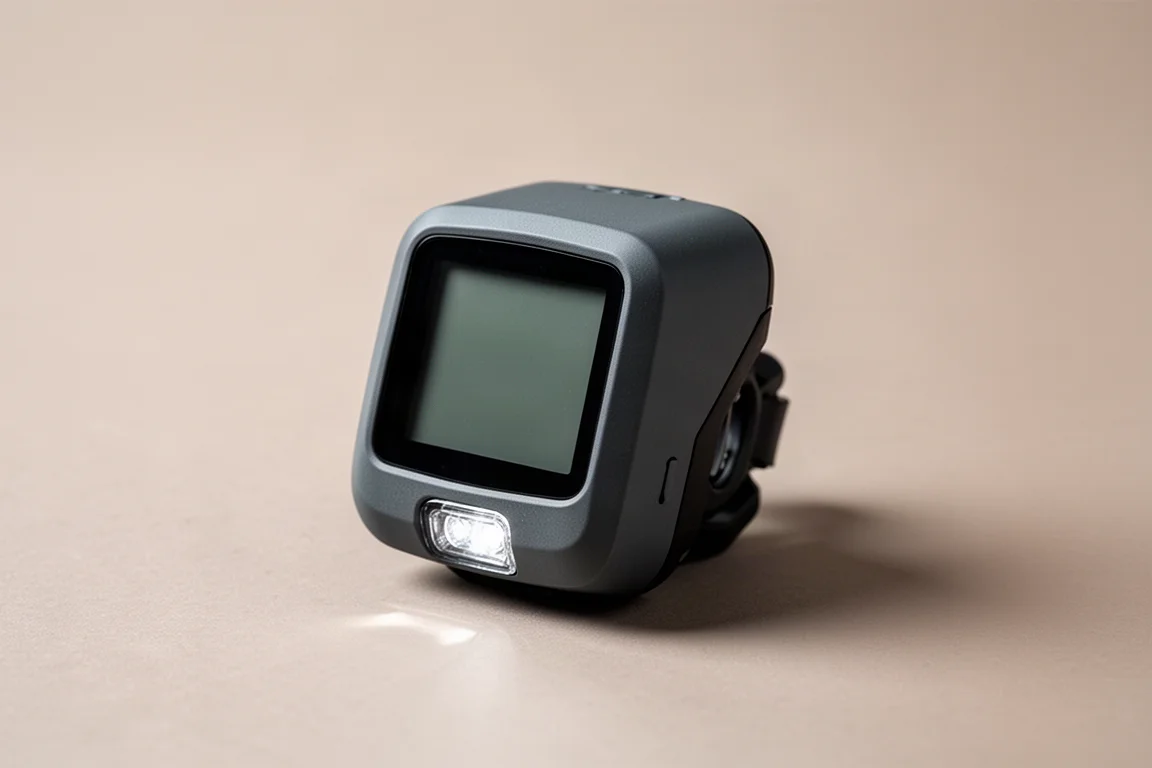
The headline feature of the Cyclo 210 is an excellent touchscreen and its graphics, bringing that kind of interface to a whole new price point. Mio also provides its own mapping software, so you can plan routes on a computer and sync them across to the head unit.
Out on the road, busy roads appear in brown and quieter ones in purple, making it easy to see where the better riding is. You can type an address directly into the unit and it will plot a route, and if your plans change mid-ride you can update the destination and be guided there safely.
The downsides are significant. Battery life is a decidedly average 10 hours, which is fair to put down to the power-hungry touchscreen, and the unit is bulkier than other options. More importantly, it cannot connect to any external sensors, which rules out specific training sessions for many riders. It suits gravel and long-distance riders who care more about a clear navigational screen than performance metrics, and at that job it offers a lot of value for money.
Garmin Edge 130 Plus: No-Frills Metrics
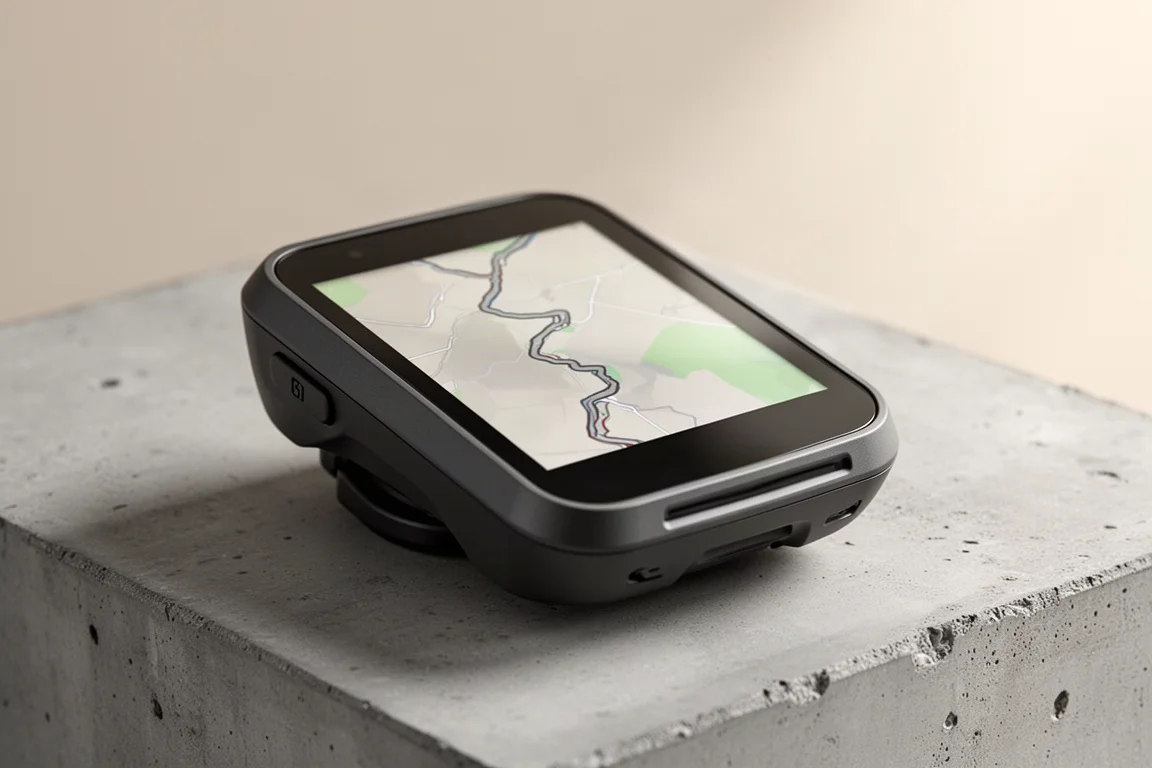
The Edge 130 Plus is about as simple as they come, with only a couple of buttons for navigating around the screens and both Bluetooth and ANT+ capabilities. Strava live segments can be loaded onto it, and once paired with your smartphone it receives calls and text notifications.
That pairing also unlocks live tracking and incident detection. Experienced riders who value performance will appreciate that all of their normal sensors can be connected to it at a lower cost.
The main compromise is battery life, claimed at 12 hours, which is not especially long next to the other units here. There is also no mapping and no touchscreen, so you navigate purely by buttons. This sits at the bottom of the brand’s cycling computer range, and for riders who know their routes and simply want the numbers they usually look at, that simplicity is the whole appeal.
Lezyne Mega XL GPS: Long Battery and Offline Maps
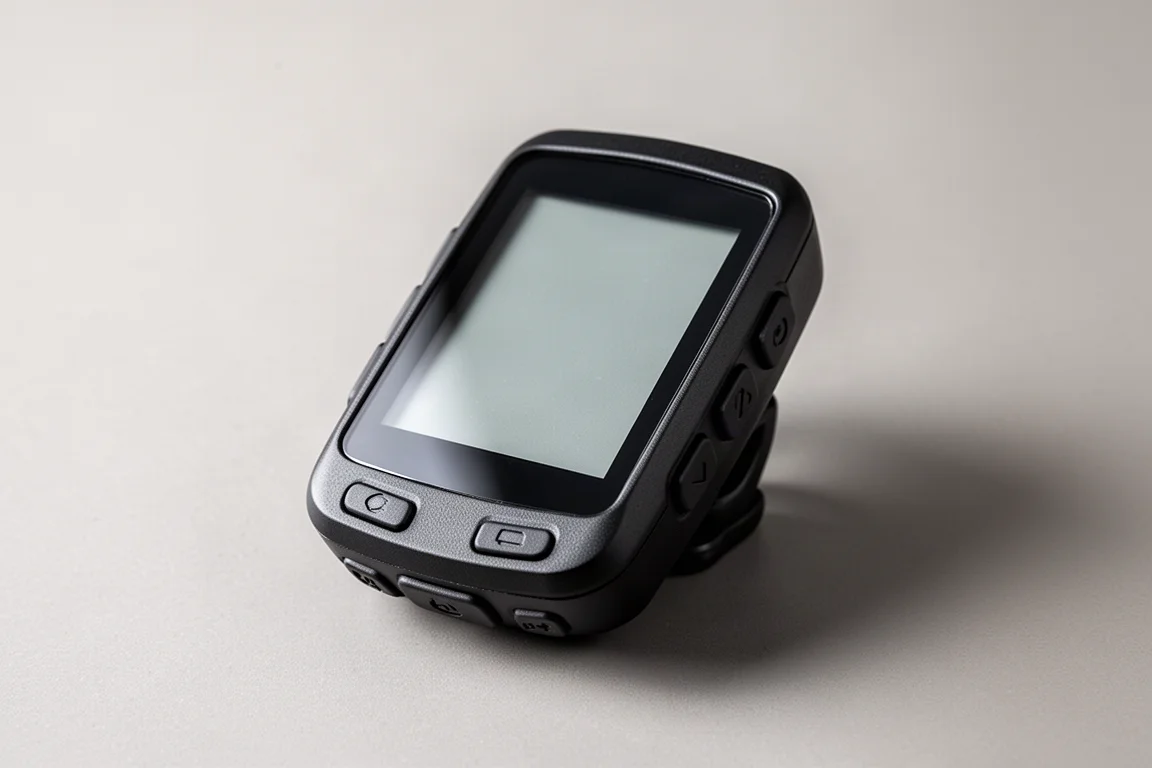
The Mega XL GPS punches well above its weight, and it is worth comparing directly with a Garmin Edge 530. Alongside power meter connectivity, phone notifications, offline maps, re-routing and GPS navigation, it can also take on structured workouts, something you would normally only see from high-end Garmin or Wahoo units.
It is not the most beautiful of computers and its screen does not have colour, but that is precisely where the money was saved. The display is functional, and the design allows it to incorporate a larger battery that lasts for up to 48 hours, which is quite remarkable. The unit connects to the Lezyne Ally smartphone app, so you can control navigation through the app and beam it across to the head unit. If you are not bothered about a colour touchscreen, this feels like a steal.
Overall Buying Advice
Start with the job you need done. If you ride known routes and want the core numbers, the Garmin Edge 130 Plus and the CatEye Quick keep things simple, and the CatEye is the most affordable way to get speed, distance and time onto your bars.
If you want more data without paying for mapping, the Bryton Rider 420 stands out, with a huge function list, five GPS networks and long battery life. Riders who want navigation on a budget should look at the Lezyne Super Pro GPS or the Lezyne Mega XL GPS, with the Mega XL adding offline maps, structured workouts and the longest battery life in this group.
The Polar M460 brings smart features and a front light, though its small screen and lack of ANT+ are worth weighing carefully. The Mio Cyclo 210 is the one to choose when a clear colour touchscreen matters more than sensor support.
Conclusion
Every computer here sits below £200, and each one earns its place by doing a particular job well. The CatEye Quick and the Garmin Edge 130 Plus are the simplest, the Bryton Rider 420 offers the deepest feature set for the money, the two Lezyne units cover navigation and battery life at very different points, the Polar M460 adds smart features and a front light, and the Mio Cyclo 210 delivers colour touchscreen mapping at a new price point. Match the unit to how you actually ride, and none of these will leave you feeling short-changed.
Further reading
Related Reviews
Cycling Computers
Best Cycling Computers: 11 Options Compared
A practical look at 11 cycling computers, from the premium Garmin Edge 1050 to the budget Coros Dura, with strengths, trade-offs, and buying advice.
Cycling Computers
Best Cycling Computers 2026: 10 Head Units Across Every Price Point
A practical guide to ten cycling computers, from a $9.99 wired unit to solar-assisted flagship head units with colour mapping, sensor pairing and long battery life.
Cycling Computers
Best Cycling Computers: A Practical Guide to Every Major Option
A plain-spoken look at the leading cycling computers, from Garmin's flagship to budget-friendly challengers, and which ones are actually worth buying.