Cycling Components
Budget Bike Upgrades: 7 Affordable Parts That Improve Ride Quality
Seven affordable bike upgrades that change ride quality, from a shallower handlebar shape and grippier bar tape to supple tires and lightweight inner tubes.
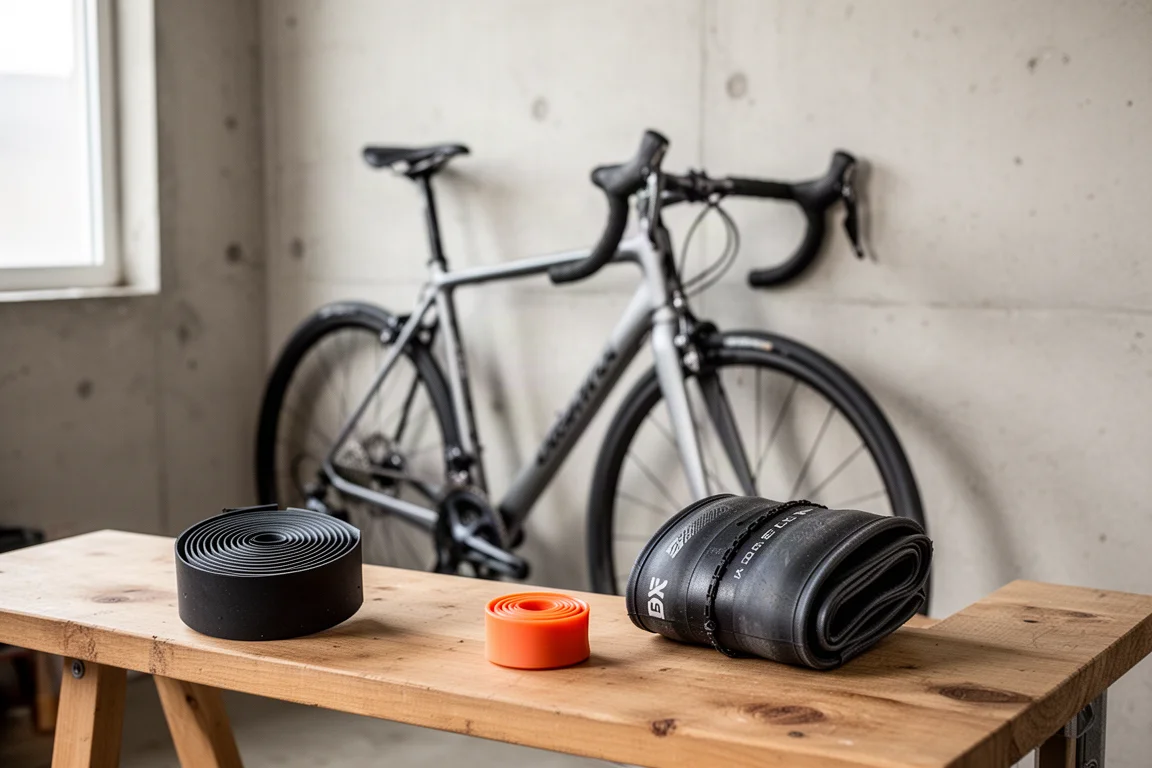
Introduction
A handful of well-chosen parts can change how a bike feels far more than their price suggests. Entry-level road bikes usually get the fundamentals right, but manufacturers save money at the contact points and on the rubber, which is exactly where ride quality is decided. Replacing a few of those parts can make a modest bike ride like something considerably more expensive.
This guide covers seven parts worth considering, what each one changes, and the trade-offs to weigh before you buy.
What to Look For in a Budget Upgrade
The upgrades that matter most are the ones you touch and the ones that meet the road. Handlebars and bar tape sit under your hands for the whole ride, while tires and inner tubes decide how much vibration reaches the frame. Improving those areas tends to produce a noticeable change in comfort and control, even on an inexpensive bike.
Look for parts that solve a specific problem rather than parts that simply cost more. A shallower bar drop, a grippier tape surface, or a more supple tire casing each make a measurable difference, and most of the changes here can be fitted at home with basic tools.
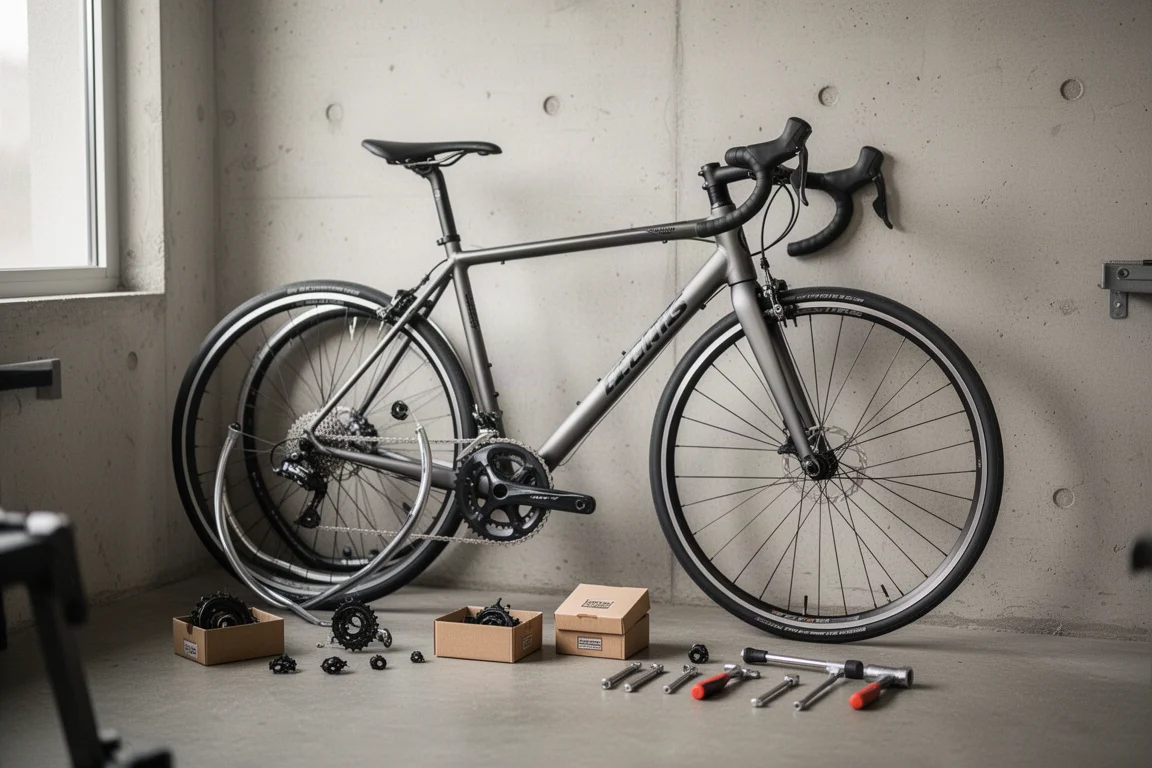
Price is not a reliable guide either. Several of the most effective changes cost very little, while the more expensive options in the same family often share identical geometry. Check the width or size you need before ordering, because fit matters as much as specification.
Handlebars: Deda RHM and Deda Zero 100
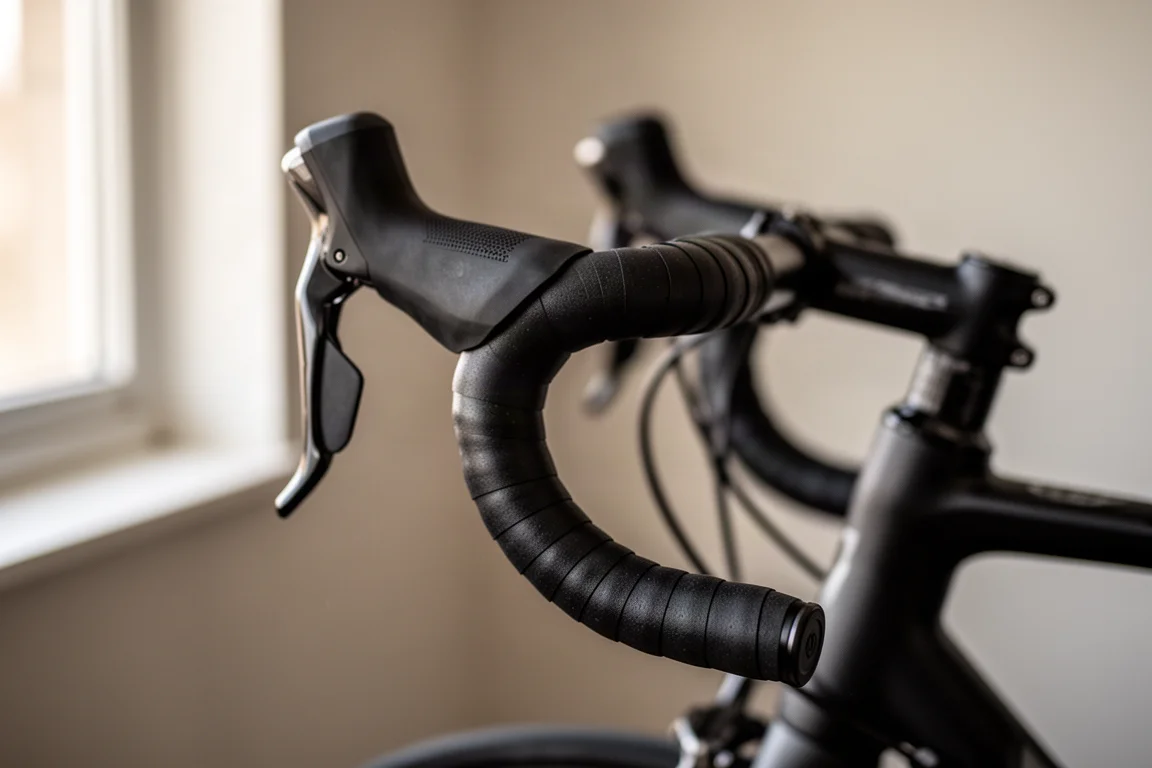
Many entry-level bikes ship with anatomic handlebars. That shape locks your hands into a single position, uses a deep drop that places you very low when you move onto the drops, and pairs it with a long reach, which stretches the distance between the tops and the controls and makes the bike feel longer than it needs to. Even bikes that have clearly been thought through often use a bar about a centimetre longer in reach and a centimetre lower in drop than ideal.
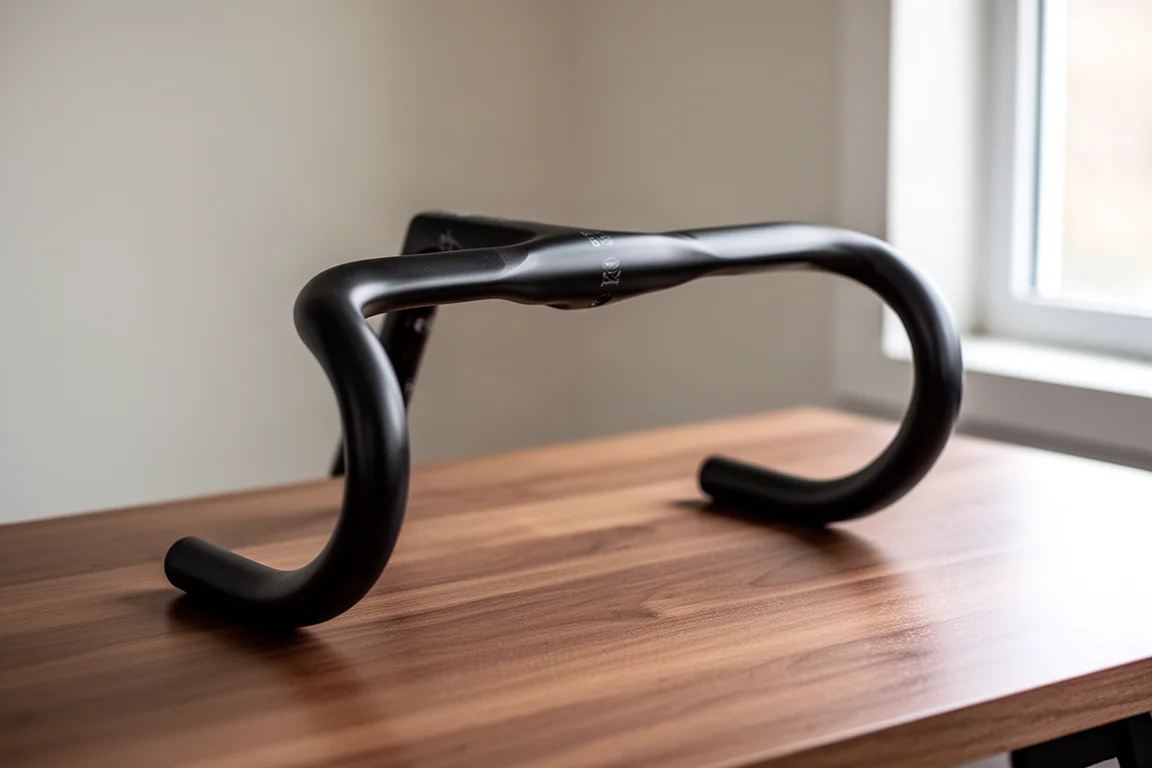
The Deda RHM shape takes a different approach. Its drop is short and shallow, which reduces the distance to the controls, and the curve of the drop lets you place your hands in several positions instead of one. It is a shape that suits a wide range of riders and makes the front end of the bike feel more manageable.
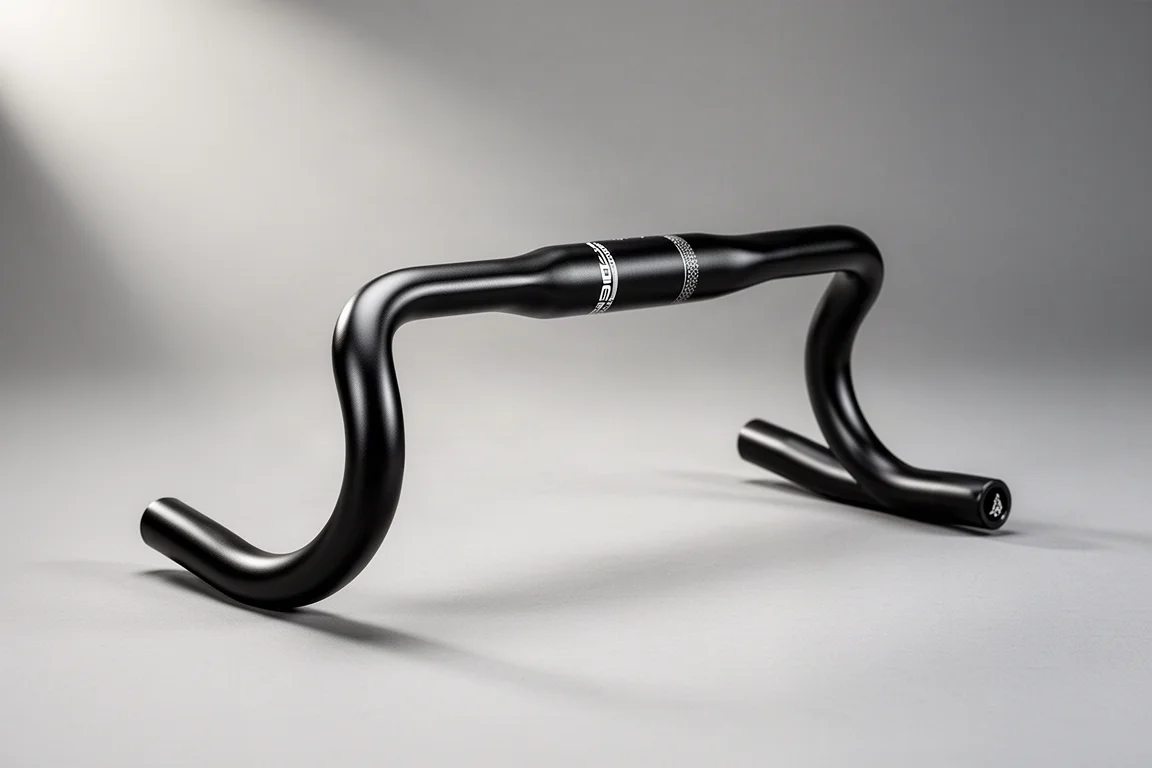
The same shape is used across the Deda range, so the cheaper alloy version gives you identical geometry. The Deda Zero 100 alloy bar has been available online for around £13.50, while carbon versions of the RHM run into a couple of hundred pounds. Width is the other thing to get right: measure across your acromion process, the bony point at the top of each shoulder, and choose a bar close to your shoulder width.
Bar Tape: BBB Flex Ribbon
Most entry-level bikes come with cork bar tape. It works, but the cheaper versions feel slippery under the hands, do not last long, and often leave adhesive residue on the bar when you unwrap them, which makes a clean re-wrap difficult.
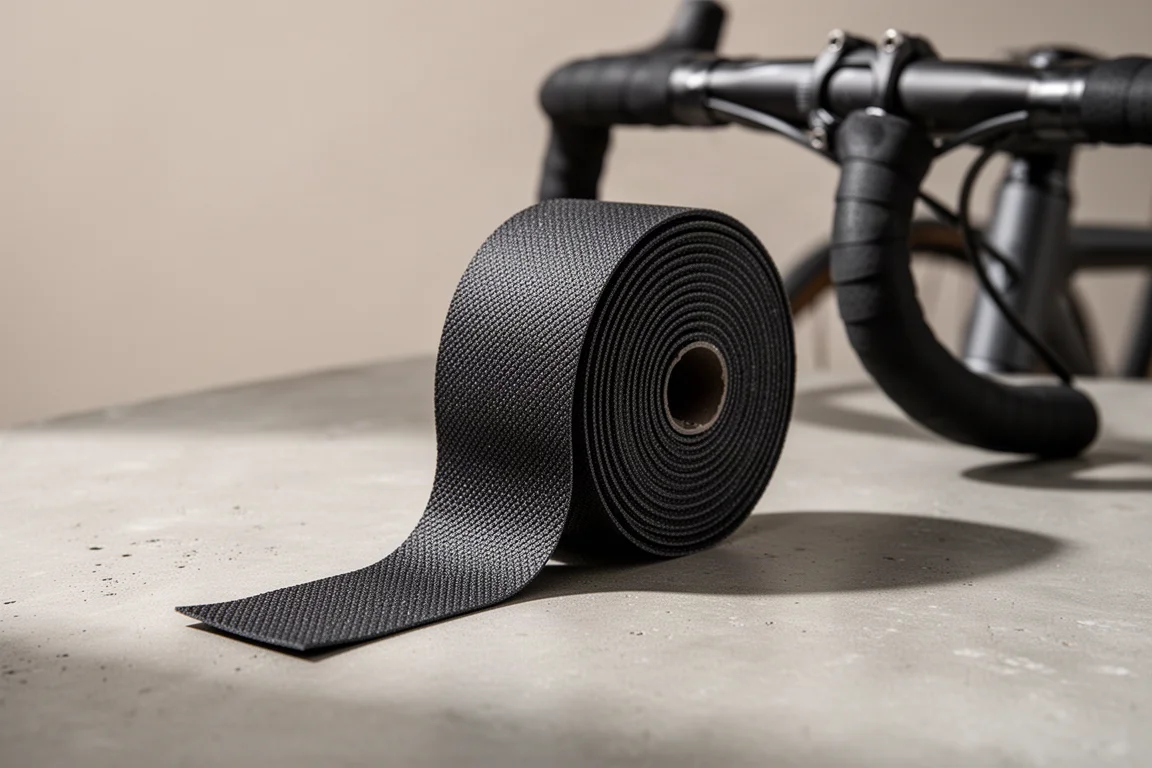
Polyurethane tape is the practical alternative. BBB Flex Ribbon has a grippy, rubbery outer surface and a backing strip that runs down the middle rather than a full layer of double-sided adhesive. That keeps it in place while riding and still allows you to unwrap and re-wrap it later, and it lasts a long time.
Pricing is sensible: around £20 from a local bike shop, or roughly £15 online, which is close to half the price of some comparable tapes. For a part you touch on every ride, it is one of the cheapest meaningful comfort upgrades available.
Tires: Where Ride Quality Improves Most
Stock tires on an entry-level bike are usually acceptable. They grip, they offer some puncture protection, and they roll well enough. What they rarely offer is suppleness, and suppleness is what separates a harsh ride from a smooth one. Tire construction has improved considerably, and excellent options are available without spending much.
Width is worth reconsidering at the same time. Most riders now use 25mm, 28mm, or even 30mm tires, and recent entry-level bikes have shipped with 25mm and 28mm. A wider tire adds comfort and grip, which counts for more on rough, poorly maintained roads.
Hutchinson Fusion 5
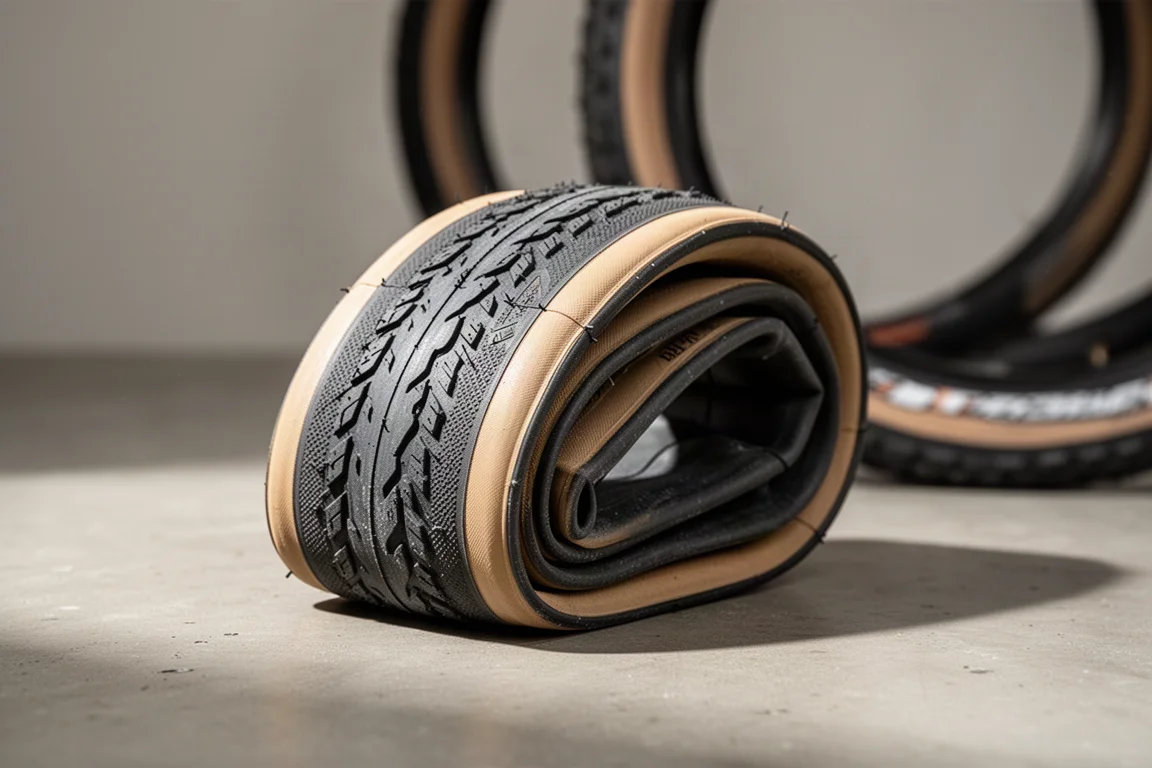
The Fusion 5 comes in more than one version. The all-season version adds durability and protection, while the Performance version is the supple option that feels especially smooth to ride. Expect to pay around £25 online for the Performance version.
Continental Grand Prix
Continental’s Grand Prix is another established option in this bracket, generally available for around £30 to £35.
Michelin Pro Race 3
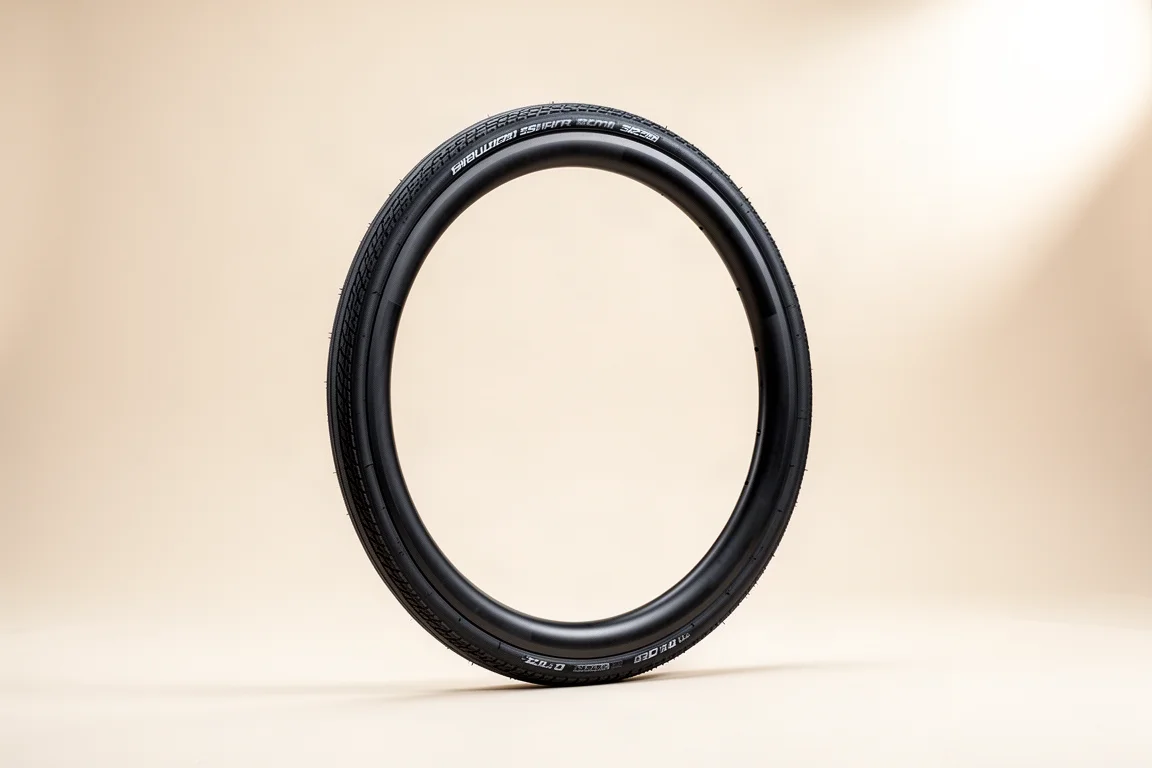
The Pro Race 3 is the least expensive of the three at about £20 online, and it is also the most supple and the thinnest. That makes it a great deal for smooth, well-maintained roads, but it may mean more punctures on rough or debris-heavy surfaces.
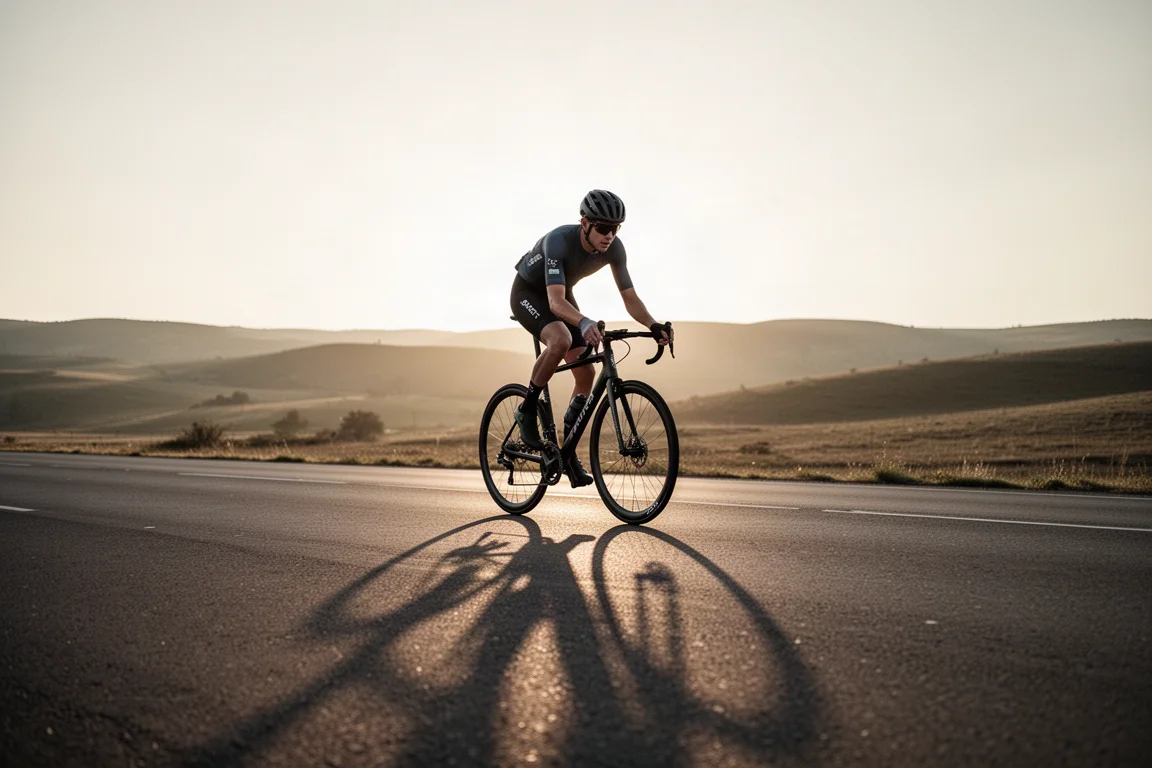
The right choice depends on where you ride. If you are riding in a city with a high risk of punctures, favour a tire with more protection. If your roads are smooth and well maintained, a supple tire will be the more rewarding option. Whichever you pick, it is likely to ride significantly better than the tire that came on the bike.
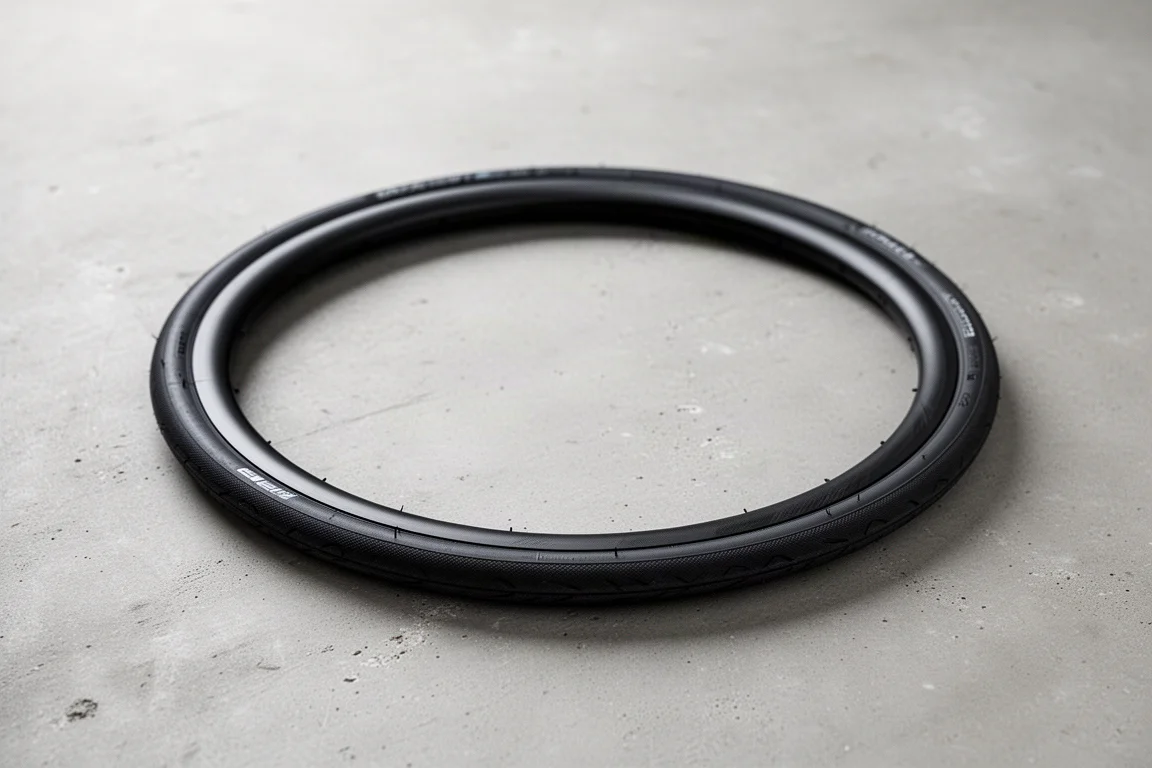
Going Tubeless: A Bigger Project
Tubeless divides opinion, and plenty of riders have had a bad experience with it. Done well, though, it changes how a bike feels, because the ride is very smooth with no inner tube inside the tire.
The conversion needs tubeless valves, tubeless tape, and sealant. The tape and valve create a seal around the rim, and the sealant moves inside the tire to plug holes when you puncture. One clear benefit is that you can run lower pressures without the pinch punctures that happen when a tube is squeezed between the tire and the rim on a hard hit.
There are complications. Officially you need tubeless-ready tires and tubeless-ready wheels, and not every combination will seal reliably, so check compatibility before committing or treat tubeless as a longer-term project rather than a quick weekend swap.
Lightweight Inner Tubes: Tubolito
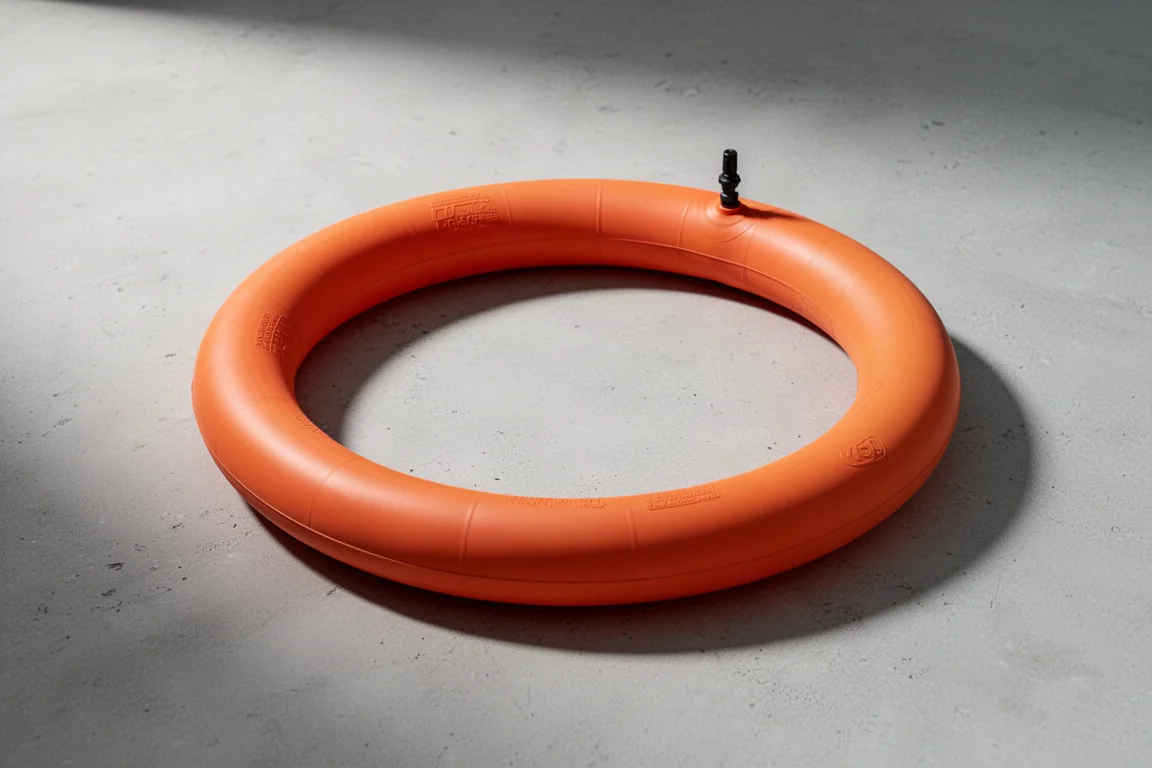
If tubeless does not appeal, a lightweight or latex inner tube is a simpler route to better ride quality. The Tubolito is an ultra-light tube, recognisable by its orange colour, and it costs around £20 to £25. Other brands make super light tubes for roughly £5.50 to £10, and there are cheaper versions sold through online marketplaces, although postage costs and longer delivery times apply.
The main limitation is stretch. Tubolito tubes do not expand much, so the road version is rated for 18mm to 28mm tires. Fitting one to a 30mm tire can lead to punctures, so match the tube size to your tire carefully. Puncture protection is reasonable, and the latest versions are better than some early ones, which had valve issues and lost air.
Latex tubes behave differently. They run very smoothly, weigh slightly more than a Tubolito, and lose air quickly, which means pumping them up every day or every other day. They are also quite puncture resistant, more so than standard butyl tubes, because the elastic material can stretch around an object such as a nail, glass, or thorn rather than being pierced by it. That last point is the manufacturer’s own claim, so treat it as a claim rather than a guarantee.
Both options improve ride quality noticeably and involve far less fuss than a tubeless conversion, but bear in mind that the cost multiplies with every puncture.
Overall Buying Advice
If you make only one change, make it the tires. Supple rubber transforms the feel of a bike more than anything else on this list, and it is the upgrade that makes an entry-level frame feel considerably more expensive than it is. Choose the width for your roads and the casing for your puncture risk.
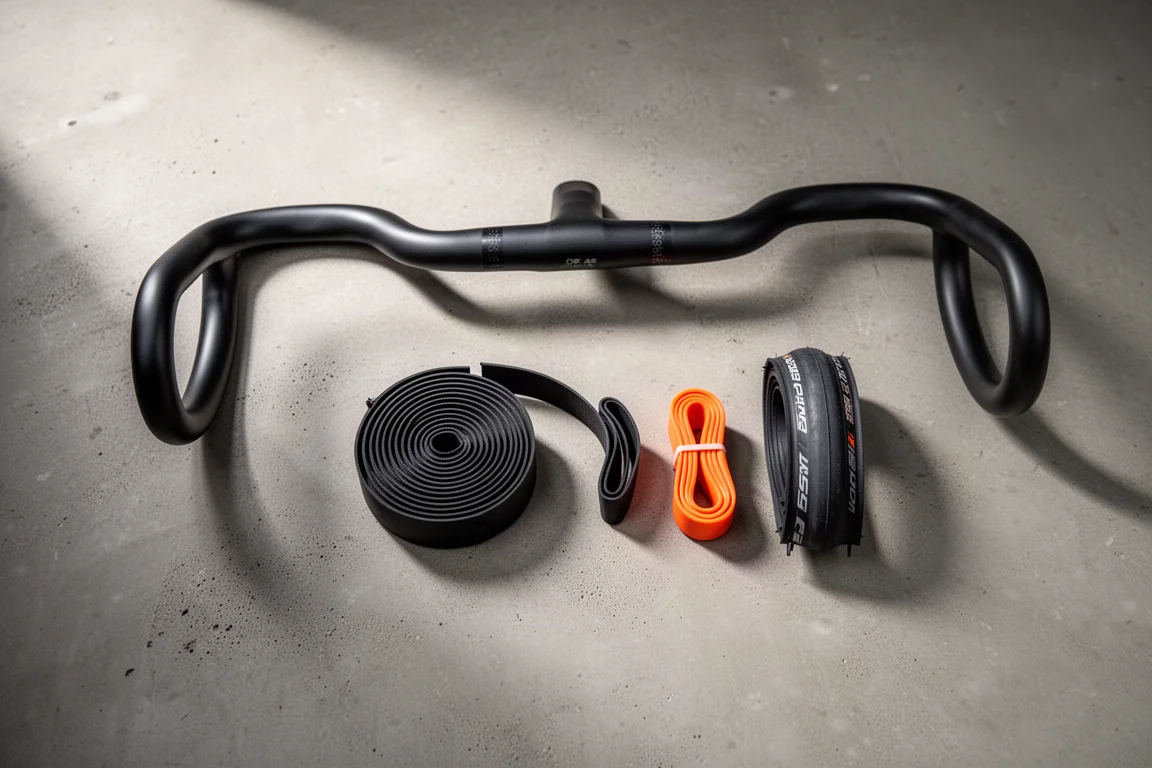
Handlebar shape is the next priority if the fit feels stretched or the drops feel too deep. Bar tape is the cheapest comfort win and worth doing at the same time, since the bar has to be re-taped anyway. Lightweight inner tubes, and tubeless conversions for riders who want them, suit anyone chasing the last bit of smoothness and willing to accept a little more maintenance.
All of these parts can be fitted with basic tools and some patience, and none of them requires changing the frame or the wheels.
Conclusion
A small budget spent on the right parts can change a bike far more than its price suggests. Tires made the biggest difference in practice: with a supple set fitted, an entry-level bike rides smoothly enough to feel like a significantly more expensive machine. Handlebars, bar tape, and inner tubes each add their own improvement, and together they turn a basic bike into one that is genuinely pleasant to ride.
Further reading
Related Reviews
Cycling Components
A 20,000-Mile Budget Race Bike Build: Five Parts Worth Knowing
A rim brake race bike assembled from low-cost components and ridden for 20,000 miles. Here is what delivered real speed, what caused problems, and what to weigh before copying the formula.
Cycling Components
7 Bike Fit Products Fitters Avoid: What to Check Before You Buy
Seven bike components that regularly cause knee, foot and saddle problems, with the specific concerns behind each one and what to look for instead.
Cycling Components
Four Affordable Bike Upgrades That Improve Ride Feel
Four low-cost cycling products that make a real difference to ride feel, plus the free setup changes worth trying first.