Backpacking Gear
Two Budget Backpacking Essentials Worth a Closer Look: Paria EOS 3P and QEZER 400
A three-person tent and a 600 fill power down sleeping bag, each under $70. What they do well, where the trade-offs appear, and who they suit.
Introduction
Shelter and sleep are the two biggest line items in almost any backpacking setup, and they are usually the two that push a first kit past several hundred dollars. The Paria EOS 3P and the QEZER 400 down sleeping bag take a different approach. Each one comes in under $70, which is unusual for a three-person tent and for a down bag of any description.
Neither is premium gear, and both make compromises to reach that price. The useful question is not whether they match a top-tier tent or sleeping bag, but whether the compromises land somewhere that matters for the trips you actually take. Here is what each product delivers, where the shortcuts show up, and which kind of buyer each one suits.
What Matters Most at This Price
At the budget end of the market, the details that decide whether gear works are rarely the headline numbers. For a tent, the questions are whether the seams are taped, whether the fly covers the body properly, whether the poles use shock cord, and whether there is any ventilation at all. Plenty of inexpensive tents skip ventilation entirely, which turns a mild night into a damp one.
For a sleeping bag, the useful questions are fill type, fill power, shell fabric, and whether a temperature rating is published at all. Fill power describes the size of the down clusters rather than the warmth of the finished bag. A higher fill power means larger clusters, so less down is needed to reach the same loft, which usually means less weight. A bag with a modest fill power can still be warm as long as there is enough down inside it.
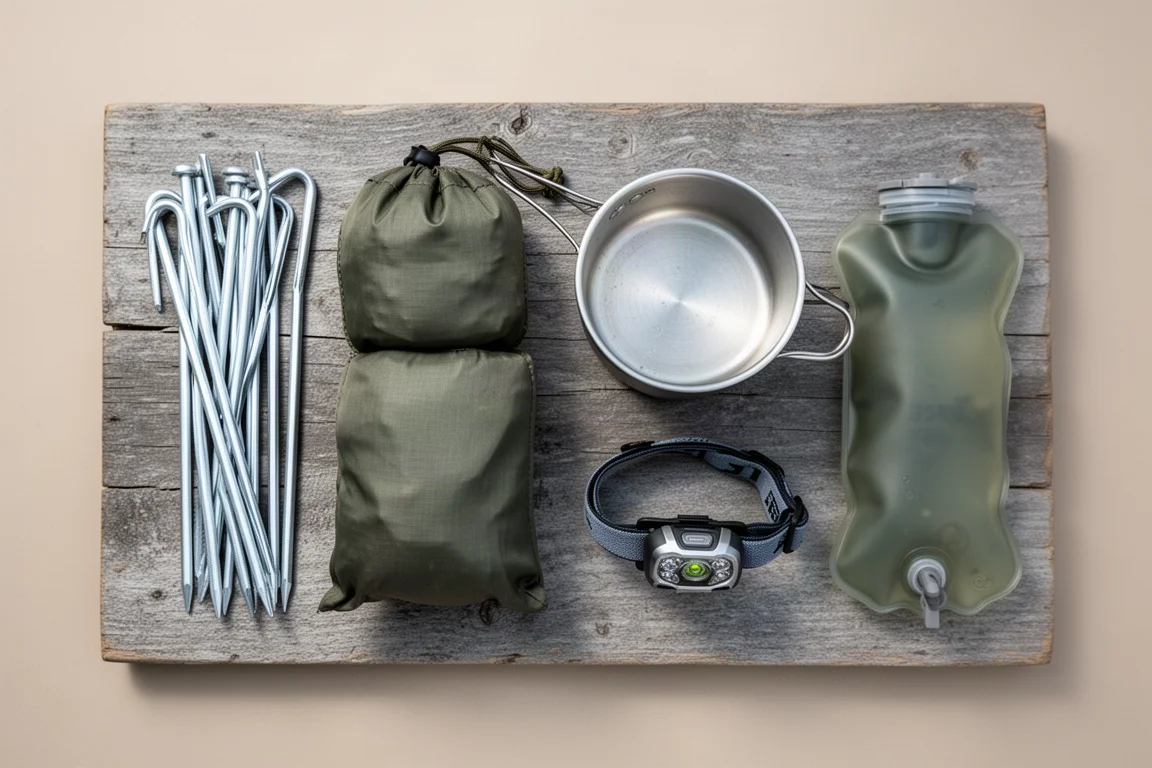
Weight is the other half of the equation, and bundled accessories are where budget gear often gives ground back. Stakes, stuff sacks and included tools can weigh more than the item they support, so it is worth putting the whole package on a scale before a trip rather than assuming the listed weight tells the full story.
Paria EOS 3P: A Three-Person Tent for Under $70
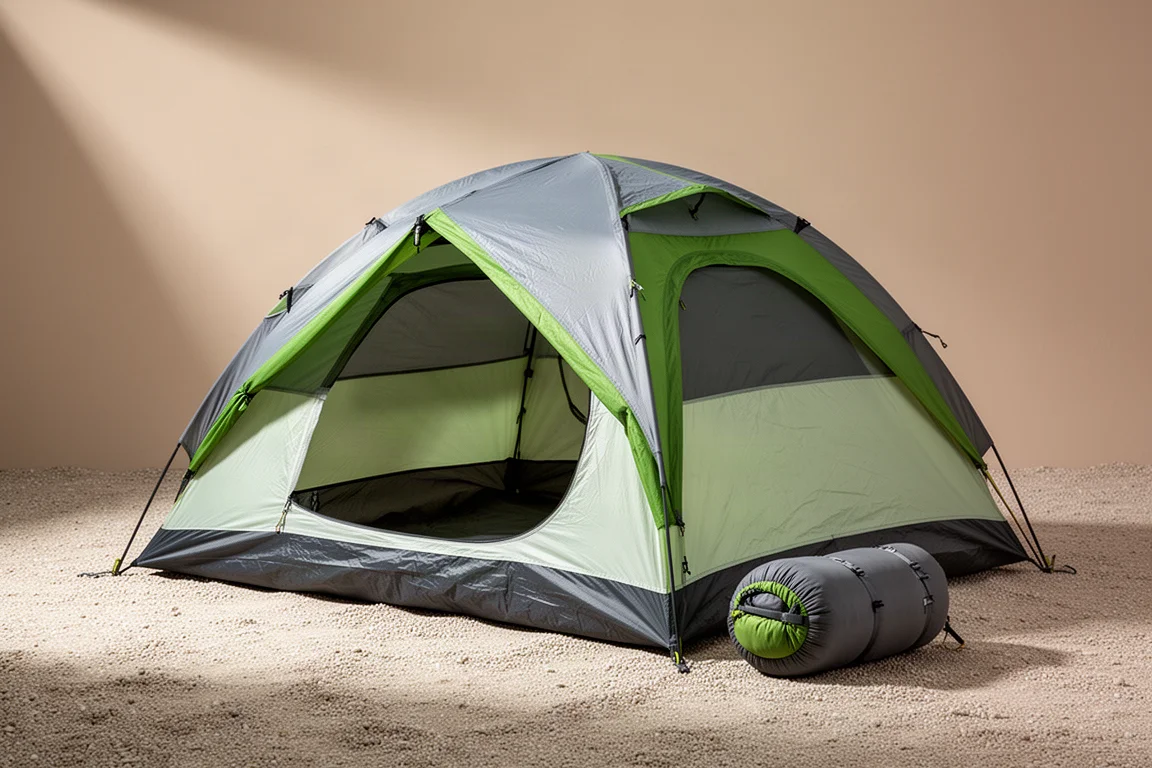
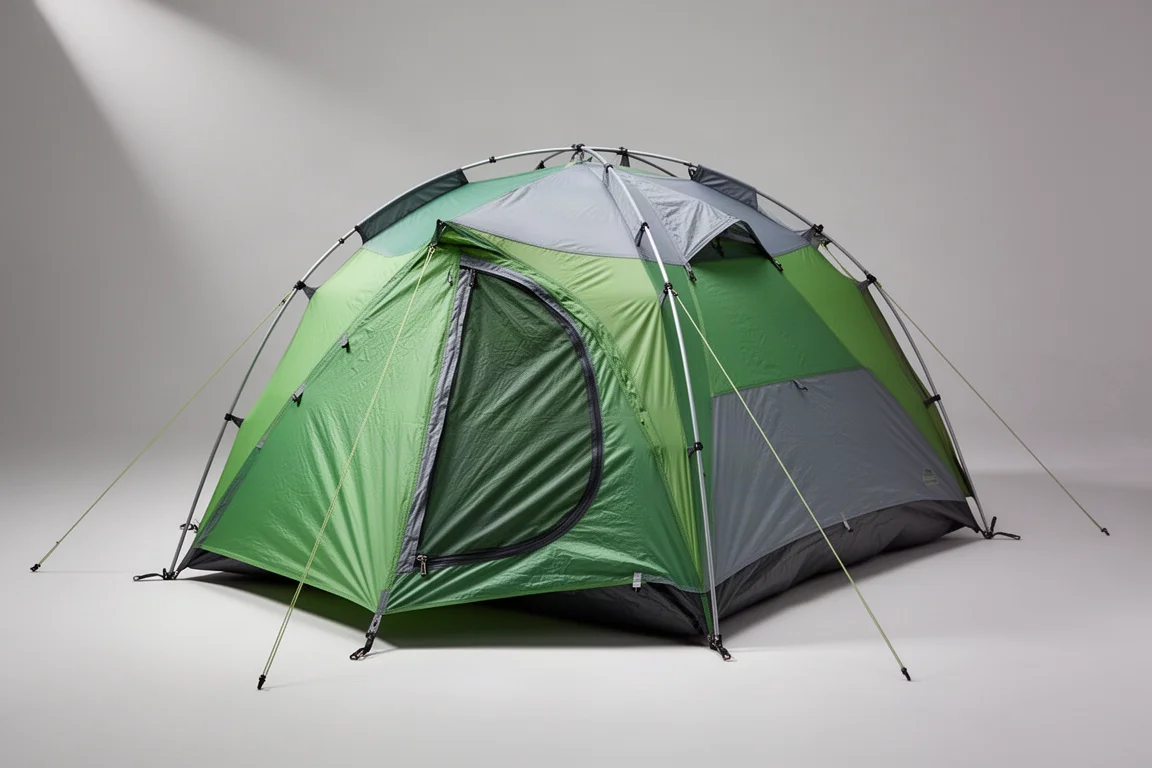
The EOS 3P is a freestanding three-person backpacking tent listed at $69.29, and the capacity is what makes it interesting. A tent this size normally costs several times that, and the interior volume is generous: two people have room to spread out with space left over for gear, and a third occupant fits without anyone feeling packed in.
The construction holds up better than the price suggests. The rainfly is seam taped, the poles use shock cord, which gives them useful flex in gusty conditions, and there are gear pockets inside the body. Ventilation is present, if modest, which is more than many tents in this bracket offer. The design pitches in a way that will feel familiar to anyone who has used a mainstream backpacking tent: an inner body, a fly over the top, and a brow pole that connects to the inner tent rather than the fly.
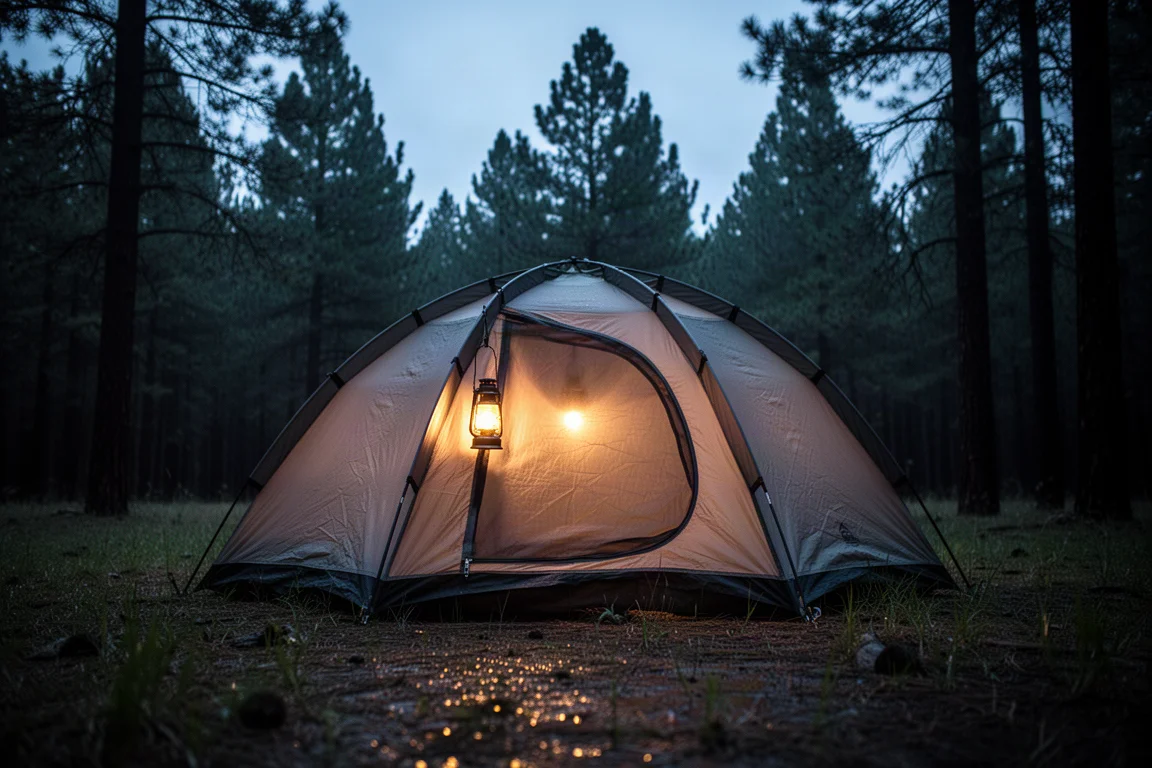
A few details are worth knowing before you buy. The door is on the short side, so getting in and out takes some ducking. There is a single zipper on the door rather than the pair you would find on a more expensive tent, which limits how far you can open the top for airflow. The brow pole has no dedicated sleeve, so it takes a moment to work out where it seats. No ground sheet is included, and the 12 supplied stakes are on the heavy side, so swapping them out is an easy weight saving. Setup also rewards practice: pitch it at home first, because the pole set packs separately from the tent body and the sequence is far easier to learn in a garden than in the rain.
QEZER 400 Down Sleeping Bag: Lightweight Down at a Budget Price
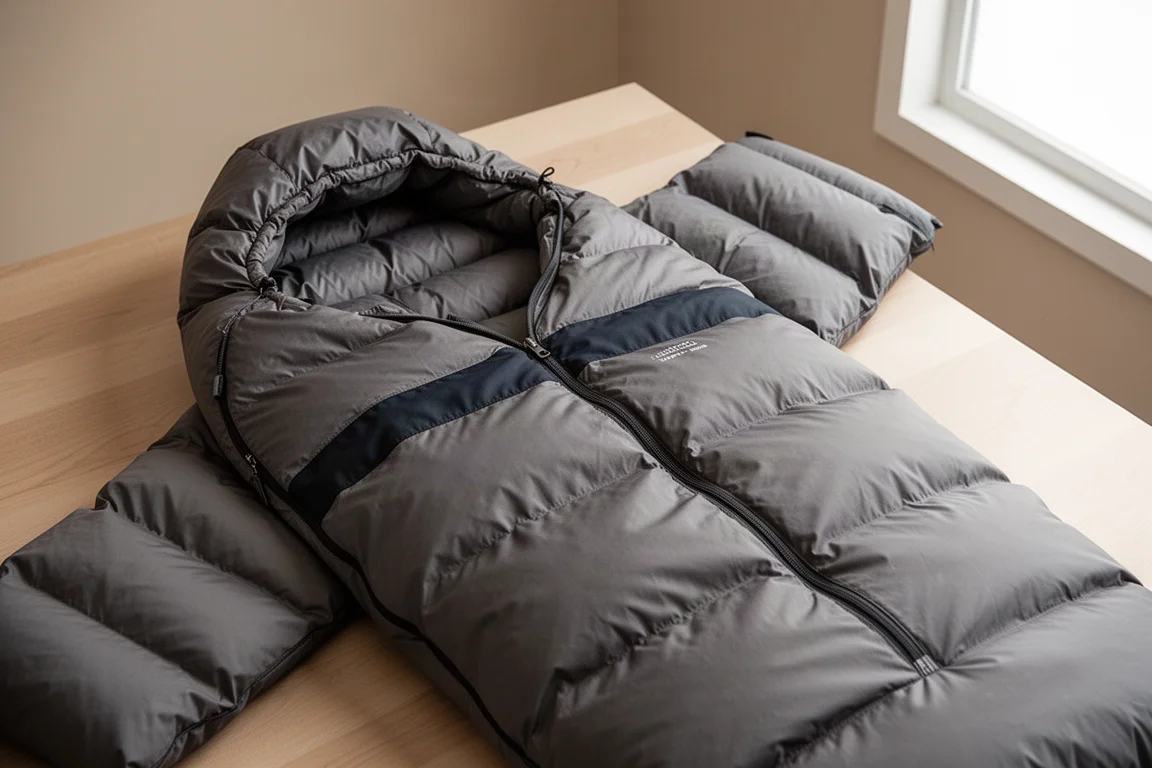
The QEZER 400 is a mummy-style down bag listed at $69.30, and it is genuinely light at 1 lb 10.5 oz with the tags still attached. The down is rated at 600 fill power, which is entry-level rather than high-end, but fill power only describes how much down is needed to reach a given loft. The bag is still a down bag, and it compresses into the stuff sack it ships with.
The shell is a nylon fabric described as water repellent and durable, and the lining feels comfortable against the skin. A hood is included, which helps on cooler nights, and there is a strip of fabric behind the zipper to stop the zip catching on the lining. The shoulders are on the narrow side, though not restrictively so, which is part of how the weight stays low.
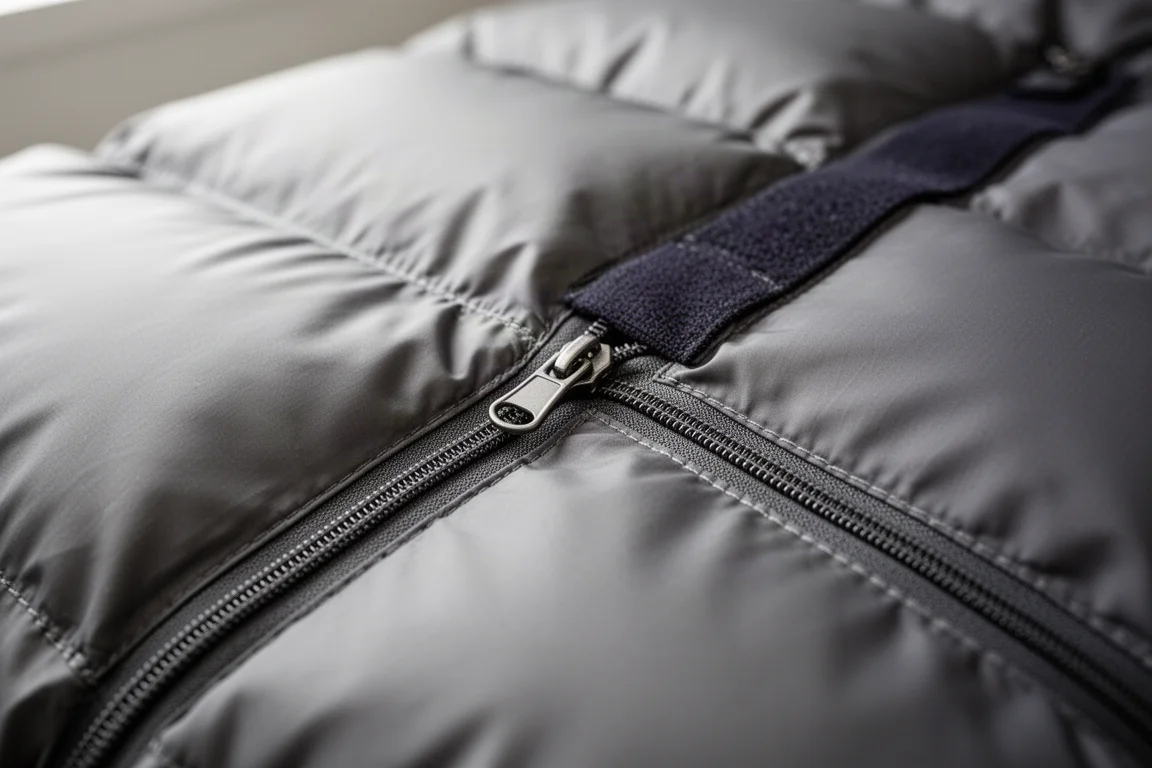
The main thing to plan around is the absence of a published temperature rating. Judging by the loft and the fill weight, this is a warm-weather bag, and it should work well from late spring through early autumn in mild conditions. It has a single zipper with no second opening at the foot, so you cannot vent the bottom end on a warm night. Handle the zip gently, and check that the shoulder width suits you before committing to a longer trip.
Matching These Picks to Your Trip
Both products make the most sense for the same kind of buyer: someone assembling a first kit, camping in mild weather, and reluctant to spend several hundred dollars on shelter and sleep. The tent suits a pair who want room to spread out, or a small group splitting the load, and it doubles as a car camping tent without any guilt about the price. The sleeping bag suits warm-weather backpacking, hut and hostel trips, and use as a spare bag for guests.
The same gear haul that produced these two included a well-stocked first aid kit, a cook set, a headlamp, water bladders, hiking boots, a self-inflating sleeping pad and a frameless pack. The shelter and the sleeping bag were the clear standouts, while the boots and the frameless pack raised the most concerns. That is a useful reminder that inexpensive gear is not uniformly good or bad, and that the categories where construction matters most are the ones where a low price shows through fastest. Footwear has to fit properly, and a large pack needs a frame to carry real weight, so those are the two places where spending more usually pays off.
Where to spend, then: on footwear that fits, on a framed pack if you plan to carry meaningful weight, and on the items you use every single night. Where you can save: on shelter and sleep when your trips are short and the forecast is kind. The tent and the bag here are both sensible places to put the savings.
Conclusion
The Paria EOS 3P and the QEZER 400 are not premium gear and neither pretends to be. What they offer is a workable answer to two expensive categories at a price that leaves room in the budget for the items where quality matters more. If your trips are summer weekends with a friend and you want a big, seam-taped tent for under $70, the EOS 3P is easy to recommend. If you want a light down bag for mild nights without paying premium prices, the QEZER 400 is worth a look. Weigh the door height, the zipper arrangement and the missing temperature rating against your own plans, and both should serve you well.
Further reading
Related Reviews

Backpacking Gear
Building a 10 lb Base Weight: An Ultralight Backpacking Gear List
A practical walkthrough of the ultralight pieces behind a 10 lb base weight, from a 765 g pack and a roomy one-person tent to a full camp chair and a dependable water filter.
Backpacking Gear
A 15-Pound Lightweight Backpacking Gear List for Solo Trips
A beginner-friendly 15-pound backpacking setup built from easy-to-find gear, with notes on what each piece does, how it packs, and where to spend your attention.
Backpacking Gear
8 Ultralight Backpacking Gear Upgrades Worth Carrying
Eight small, affordable backpacking upgrades that solve real trail annoyances, from a pillow that stays put to a fuel valve that rescues leftover canister gas.