Backpacking Gear
Budget Backpacking Gear Worth Buying: Seven Picks That Perform
A practical guide to budget backpacking gear: where cheap gear fails, and seven dependable picks for shelter, warmth, water, and safety.
Introduction
Searching for backpacking gear on a tight budget turns up some genuinely surprising price tags. A sleeping pad for the price of a takeaway meal, a tent for less than a hostel bed, a water filter cheaper than lunch. A few of those bargains do work. Many do not.
The issue is not that budget gear costs less. It is that some of it fails at precisely the moment you are depending on it: overnight, in cold weather, in wind, or when your drinking water has to be clean. This guide covers where savings are safe to take, what separates dependable gear from a false economy, and a set of picks that stay relatively affordable.
What Separates Budget Gear From Gear You Can Trust
The same failure patterns repeat across categories. Materials are chosen for cost rather than function, so a sleeping pad loses the insulation that keeps you warm. Construction methods strip out structure, so a shelter cannot stand up to a gust. Components are undersized, so poles snap instead of flexing. Fabrics hold moisture against your skin instead of moving it away.
None of this shows up in a product photo or a price tag. It shows up on the second night of a trip, when the temperature drops and the wind picks up. When a failure means a cold, sleepless night, a collapsed shelter, or water you cannot trust, the gap between a bargain and a dependable product is usually small next to the risk.
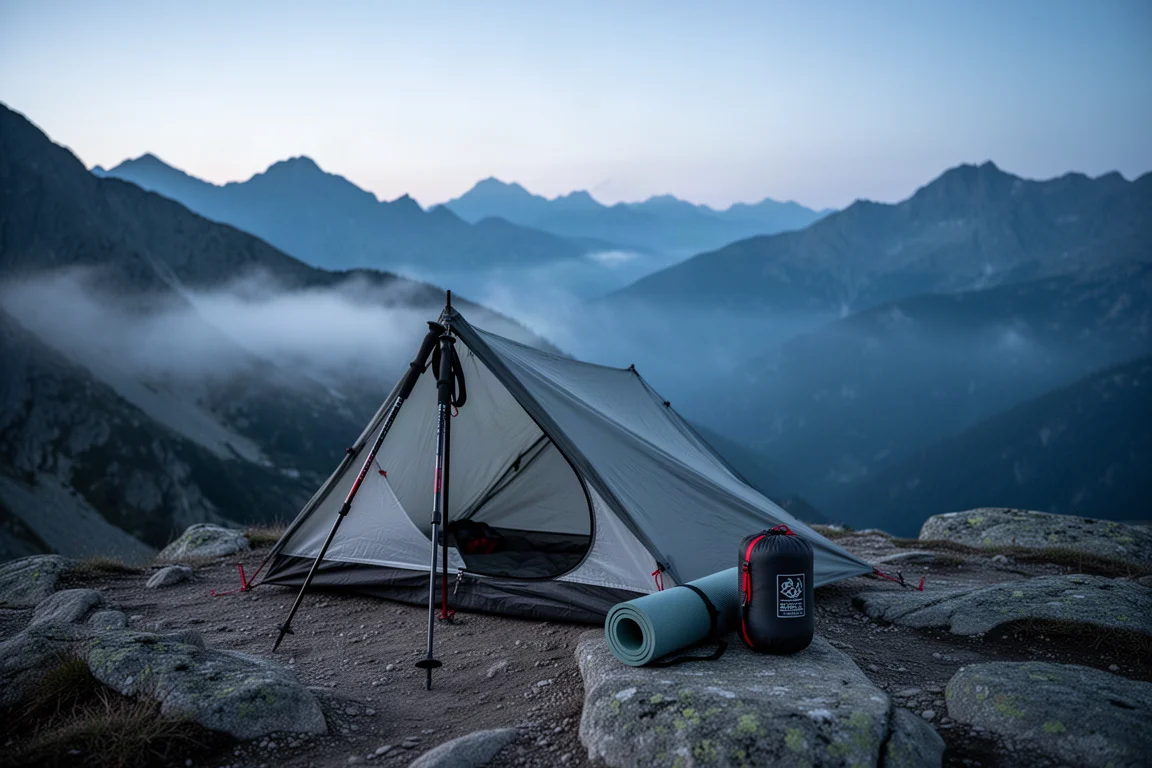
It helps to think by category rather than by price. Sleeping pads, shelters, socks, and water treatment are where a cheap version is most likely to let you down, because each one has a job that cannot be done halfway. The rest of a pack is far more forgiving.
Sleeping Pad: REI Helix
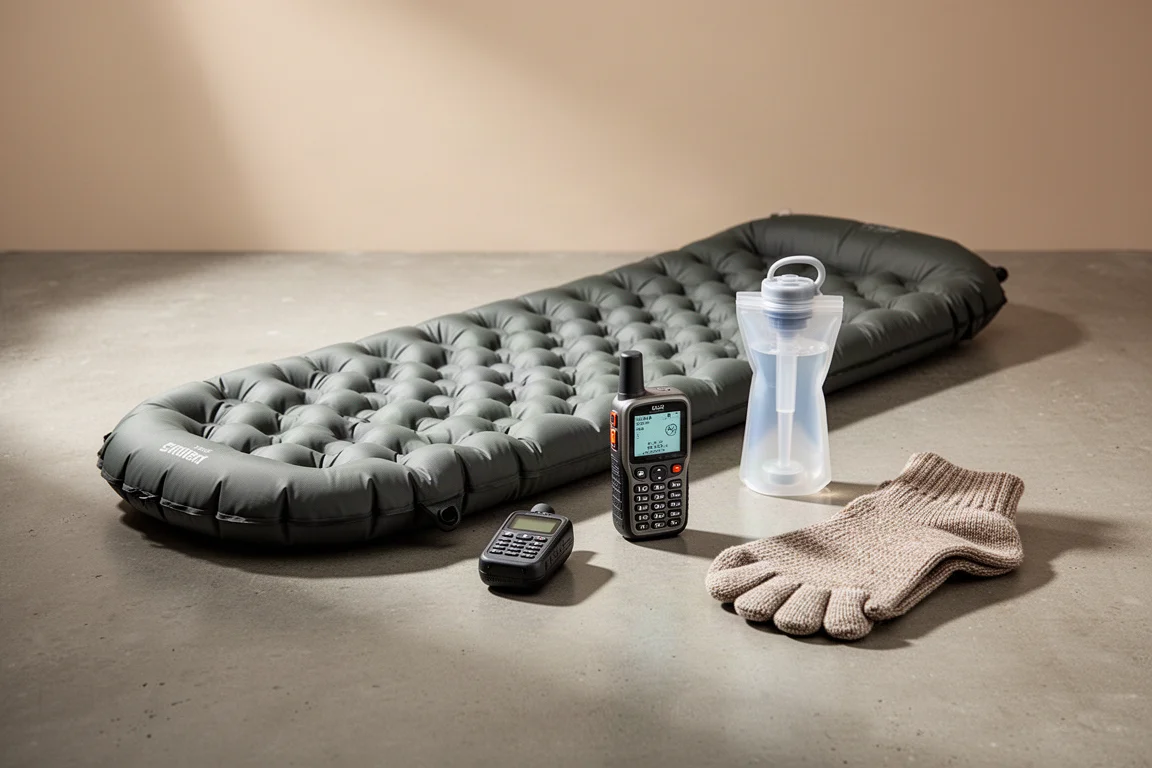
A ten-dollar sleeping pad is the clearest example of a bargain that costs more than it saves. On paper it looks like a real inflatable: advertised at around 2.5 inches thick, with baffles running through the middle and angled channels around the outside. In practice it measures closer to one or one and a half inches, which is not enough thickness for a comfortable night on the ground.
The construction is the deeper problem. The pad is heat pressed, with two layers of material bonded together to form the air chambers and keep the pad airtight. That leaves thin, indented areas where there is no air at all, and no insulation anywhere inside. Air itself provides some insulation, which is why a plain air pad such as the Therm-a-Rest UberLite can still reach an R value of around 2. Take the air out of large parts of the surface and the warmth goes with it, which puts a pad built this way at an R value closer to 1, or lower.
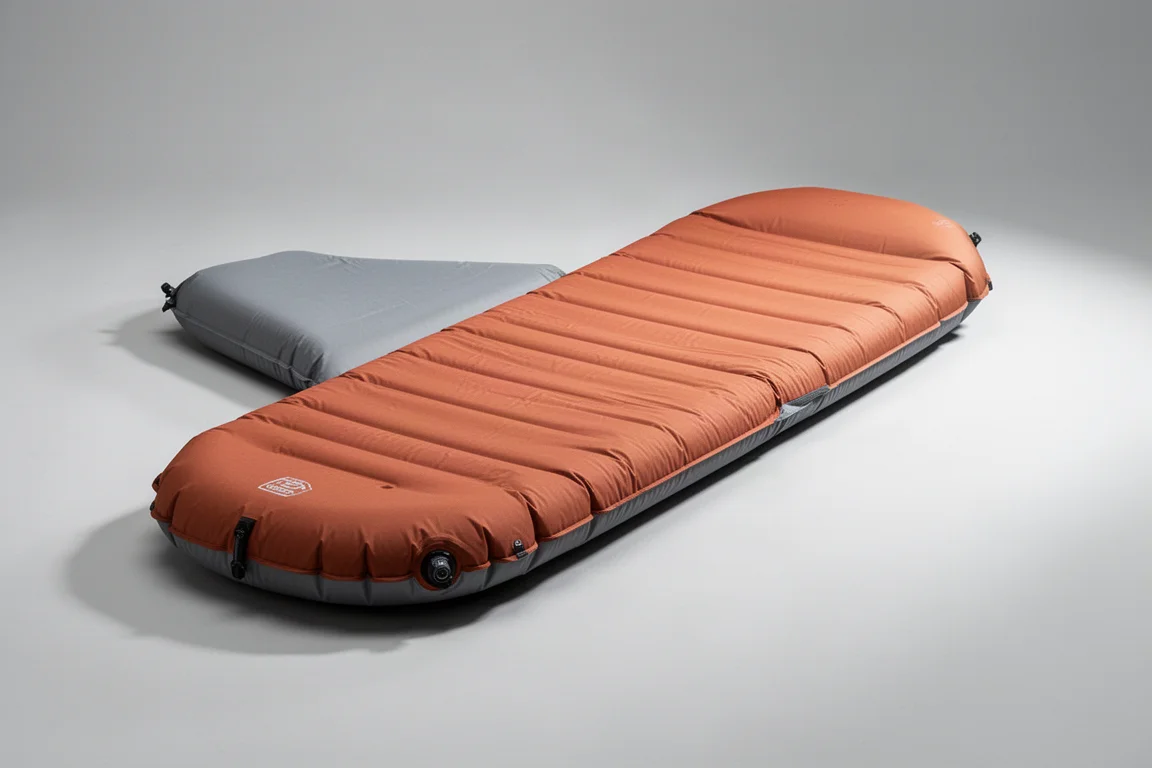
The REI Helix works the other way around. Reflective insulation inside the pad bounces heat back toward you instead of letting it drain into the ground, and the dimpled baffle pattern spreads pressure and relieves the points where a sleeping pad normally turns uncomfortable. It has held up on cold ground in cool temperatures, and the baffle layout is effective enough to sleep through the night without the usual cycle of turning over and waking up.
On price, patience pays. REI runs sales roughly every three to four months, and the Helix can often be picked up for around $100 during one of them.
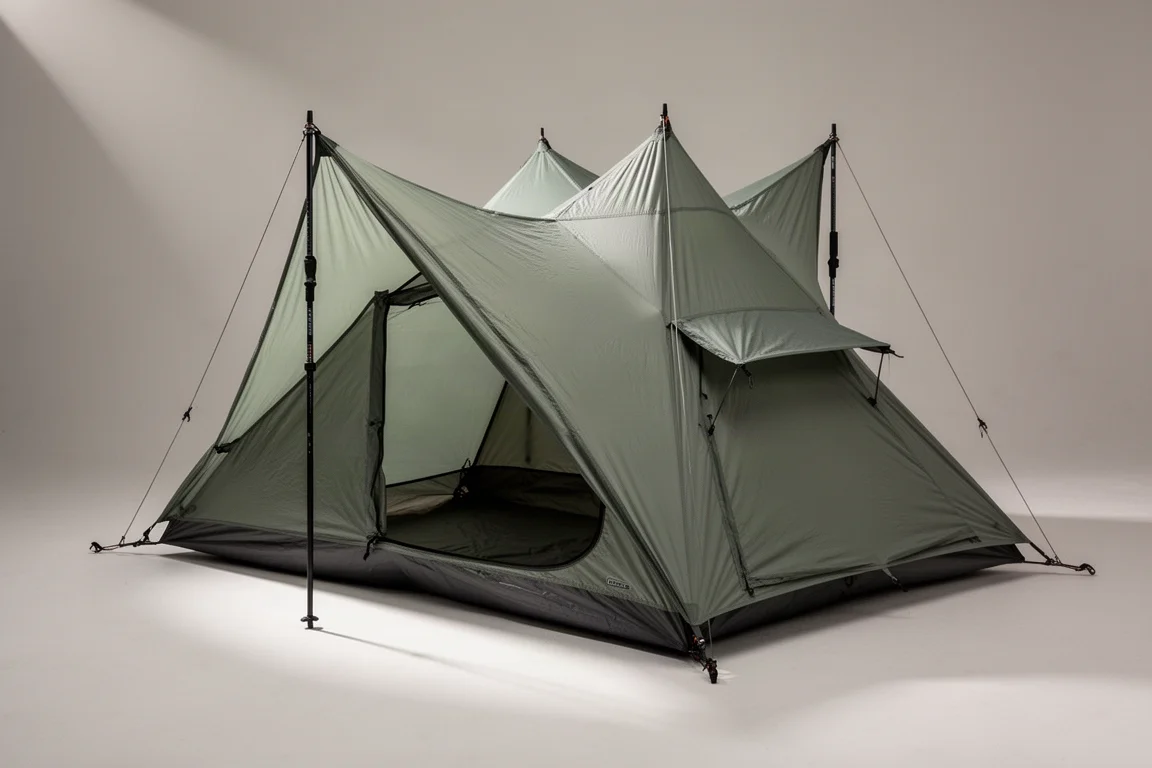
Budget Backpacking Tent: Lanshan Pro
Budget tents have come a long way, and a thirty-dollar shelter is perfectly reasonable for car camping, where the car is the escape plan. On a backpacking trip the tent has to handle wind and rain on its own, and you cannot simply drive home if the weather turns.
That is where a cheap shelter comes apart. Its poles are thin enough to snap rather than bend when a strong gust hits, and the structure buckles under only light pressure. Seams on tents at this price are typically sealed with polyurethane, which breaks down over a few years even with careful use; once it does, water finds its way through every seam. A shelter that collapses or leaks on a remote trip is not merely uncomfortable.
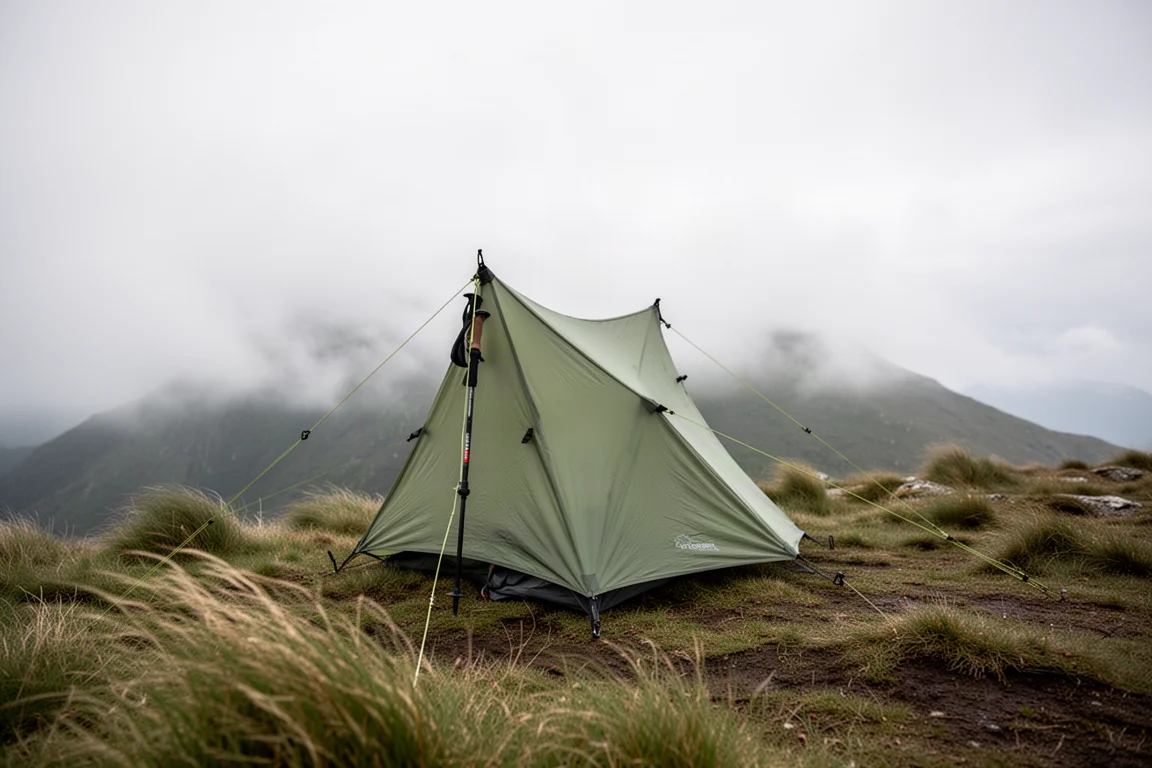
The Lanshan Pro tents are a far better place to put your money. They are trekking pole shelters, which keeps the weight down, and they perform well in real conditions. They often land closer to about $100, which makes them one of the more accessible options in the roughly $200 range where shelters start to become genuinely dependable.
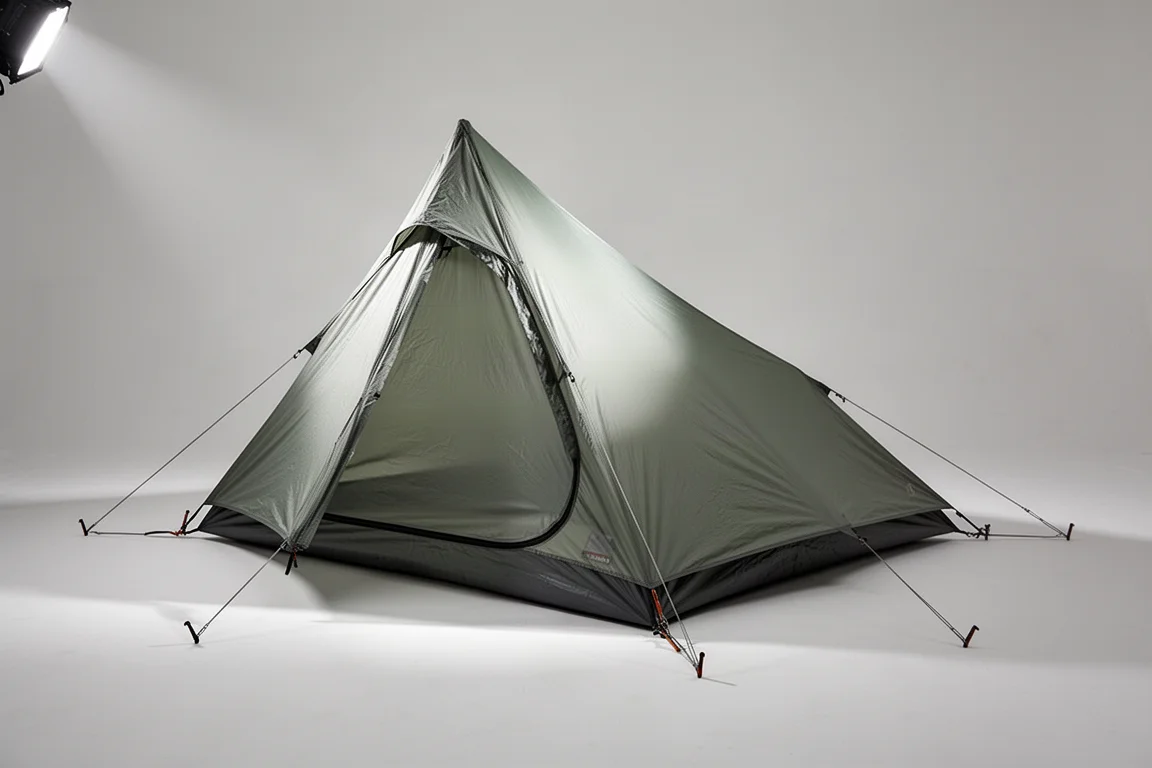
Solo Ultralight Shelter: Six Moon Designs Lunar Solo
Six Moon Designs takes a different approach with its Lunar series, and the fabric is the reason it stands out. These shelters use polyester, which resists absorbing water and does not sag once it gets wet. Over a long, wet night that matters: a shelter that stays taut keeps its shape and its coverage, while one that sags starts to touch you and lets water pool where you do not want it.
The Lunar Solo is the one-person version of that design. It is an ultralight shelter for solo trips, built around the same water-resistant polyester as the rest of the series, and it sits in the roughly $200 range that separates a shelter you can rely on from one you merely tolerate.
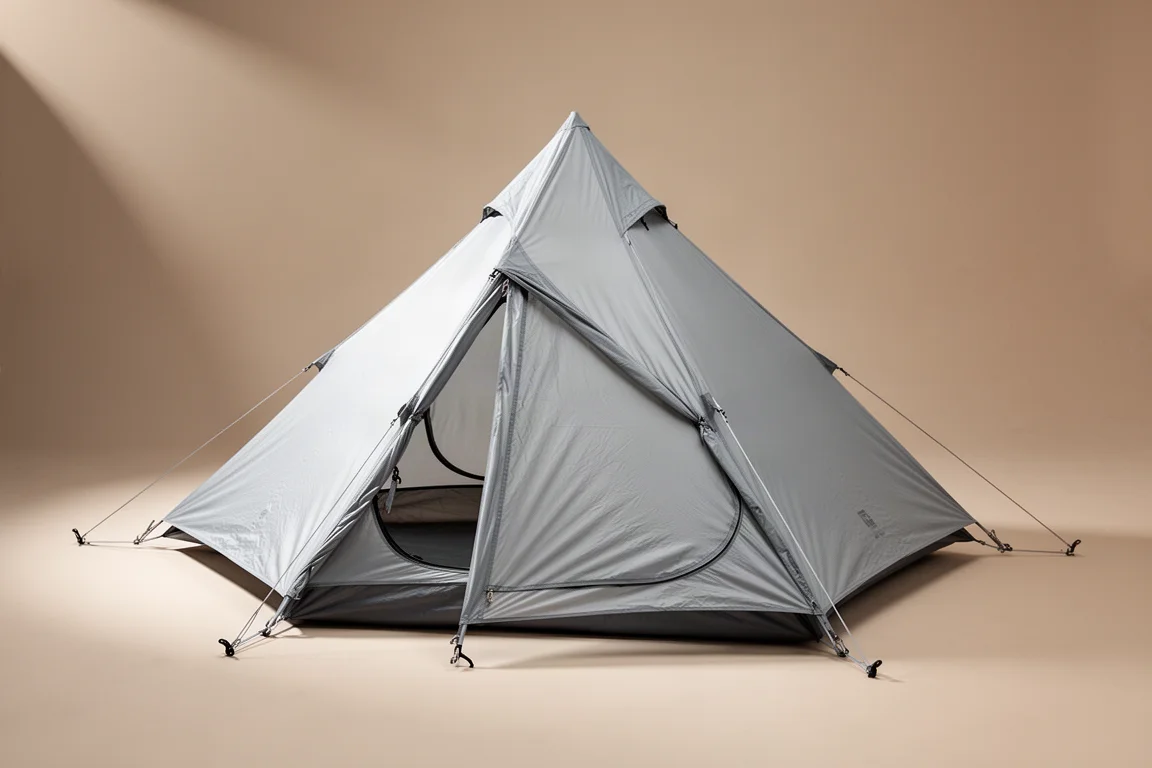
Two-Person Ultralight Shelter: Six Moon Designs Lunar Duo
The Lunar Duo brings the same polyester construction to a two-person shelter. For pairs or small groups the advantage is identical: the fabric does not soak up water, so the shelter does not gain weight or start to droop as the weather closes in, and it holds its shape through a wet night instead of sagging onto the people inside.
It occupies the same roughly $200 range as the solo version, which is the band where a lightweight shelter stops being a gamble and starts being gear you can trust on a real trip.
Satellite Communicator: Garmin inReach Messenger
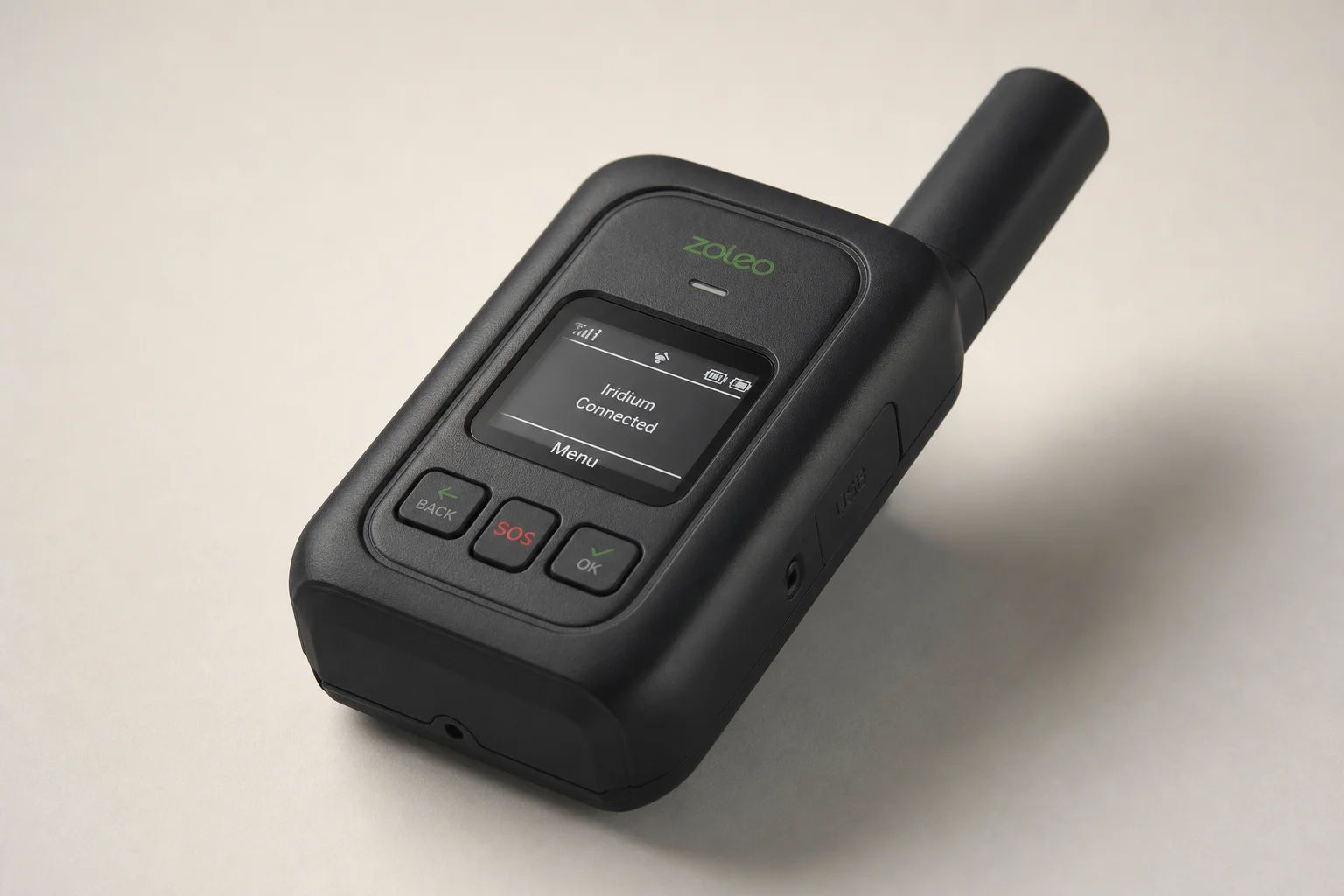
A satellite communicator is the one item you hope to carry without ever needing it, which makes reliability the only specification that really counts. A small company once offered a genuinely appealing alternative: the Motorola Defy, a lightweight device with satellite messaging and SOS plans in the region of $5 to $10 per month, or around $60 for a year, well below what established brands charge. The catch was the size of the company behind it. It was taken over by its creditors, and the long-term future of both the device and its service became uncertain. Affordable hardware is of little use if the network behind it might not be there.
That is why the recommendation here goes to a brand with the scale to keep supporting the product. The Garmin inReach Messenger has been a dependable choice for years. Garmin is a large, established company with a record of continuing to develop its products and improve them, and the device simply works when it is needed.

Until a smaller company proves it can build an affordable satellite communicator and stand behind it over the long term, spending more on an established option is the safer call. For a device whose entire purpose is to work in an emergency, that is not a place to take a chance.
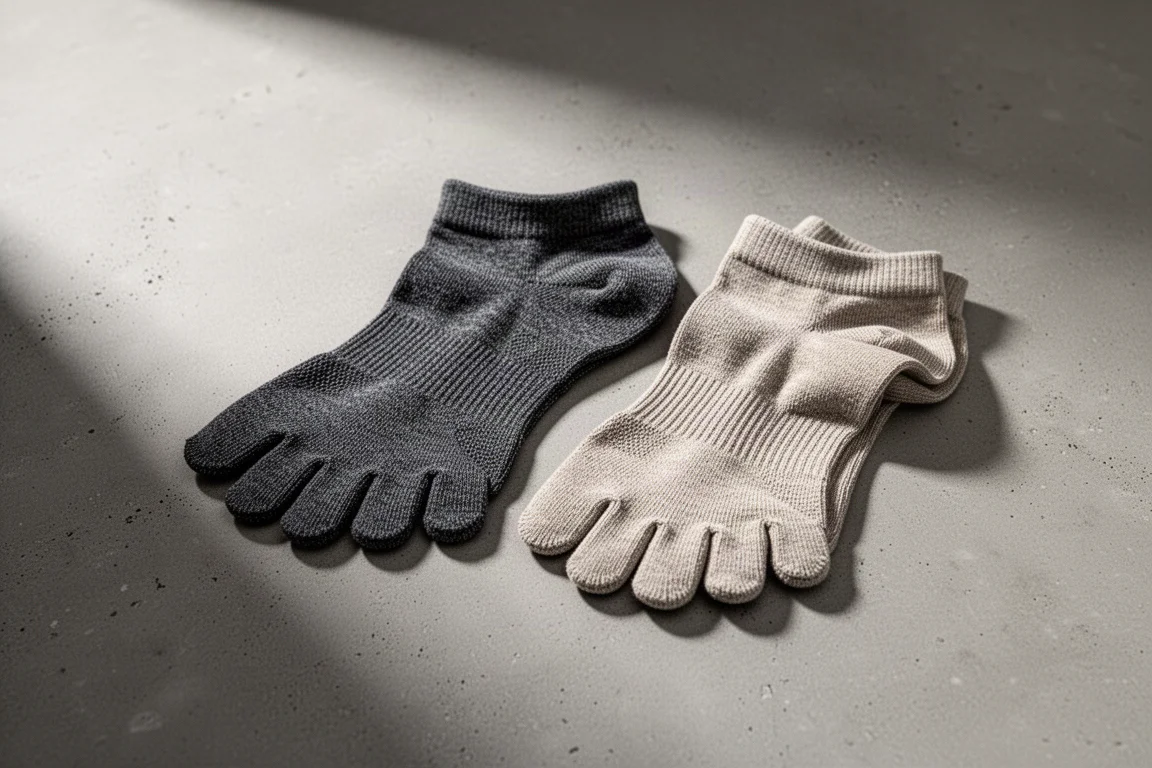
Backpacking Socks: XOSKIN Toe Socks
Socks are the category where a bargain is least visible and most costly. Cheap socks are often made from cotton or a cotton blend, and the material is rarely stated clearly. Cotton is a poor choice for backpacking because it holds on to moisture. All the sweat your feet produce stays against the skin, which is exactly how blisters and trench foot begin.
XOSKIN toe socks use a nylon blend instead. That dries quickly and holds its shape rather than stretching out over a long day, and the individual toe pockets create a barrier between each toe, which is where blisters commonly start. Durability is the part that is easy to overlook: the same pair can cover hundreds of miles over several years.
Water Treatment: Platypus QuickDraw
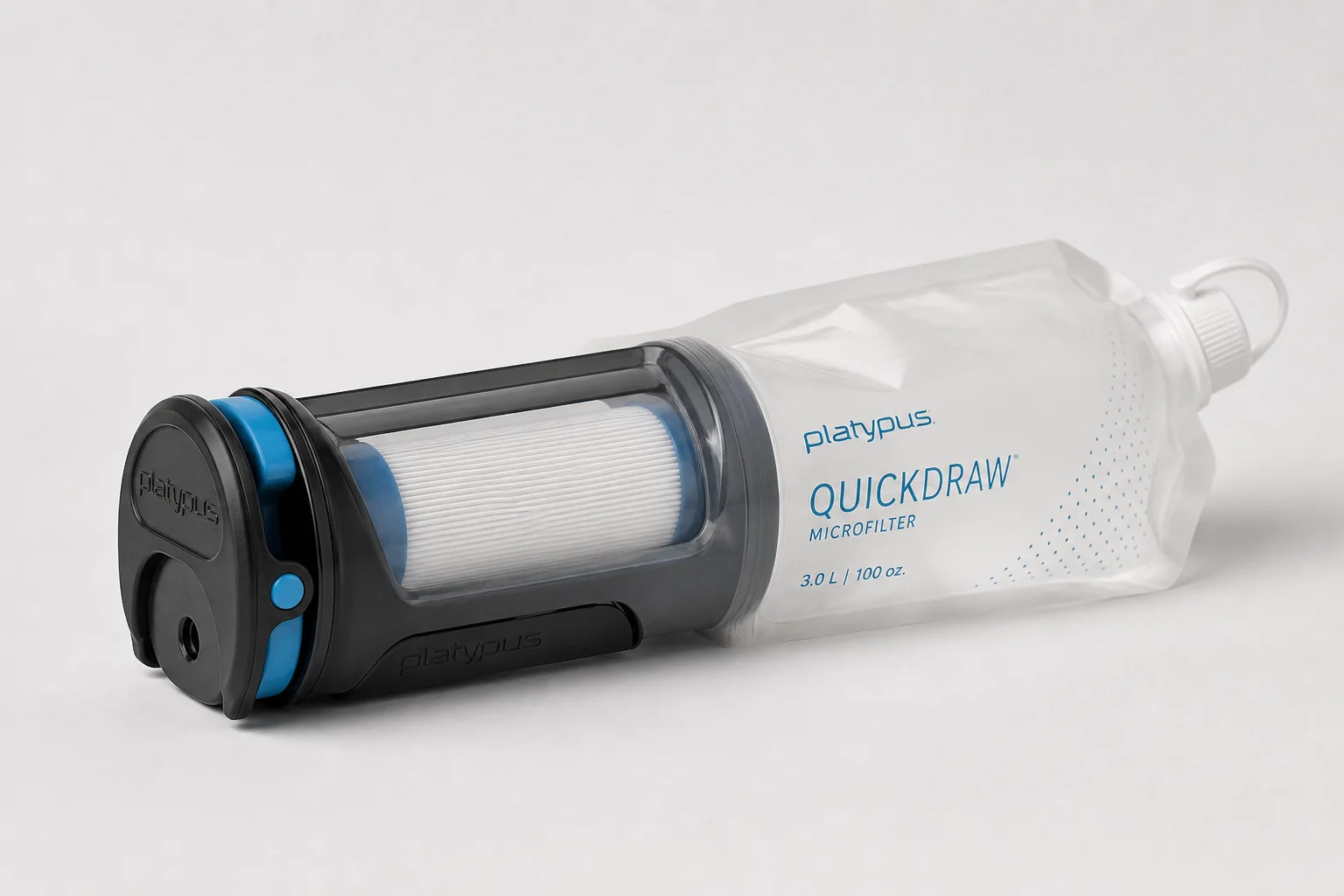
Safe drinking water is not somewhere to save a few dollars. Filters from unknown brands turn up for $20 or less, but their reliability is the unknown part. Established filters are a better bet, and the difference is not just brand recognition.
Sawyer tests its filters multiple times before they leave the factory. The Platypus QuickDraw goes further, letting you run an integrity test in the field so you can confirm the filter is still doing its job before you depend on it. Paying two or even three times as much is worth it when the alternative is contaminated water, and the consequences of that are not something you want to deal with far from a road.
Buying Advice: Matching Gear to Your Trip
The sensible way to budget is by consequence rather than by category. Spend where a failure would ruin the trip or put you at risk: shelter, warmth, water, and emergency communication. Save where a compromise is genuinely harmless, such as a heavier cook pot, a simpler stuff sack, or a less refined pack.
A second rule is to buy at the right time. A sleeping pad that looks expensive at full price can become very reasonable during a seasonal sale, which is how a roughly $100 pad ends up competing with the bargain options it comfortably outperforms. Waiting a few weeks is often worth more than shopping a little harder.
A third rule is to treat unknown materials as a warning sign. If a listing cannot tell you what the fabric is, assume it is the cheapest option available, and remember that cotton in particular has no place against your feet on a long walk.
Conclusion
Budget backpacking gear is not the problem. Undefined, unproven gear is. The picks above earn their place because each one solves a problem a cheaper version cannot: a pad that keeps you warm and comfortable through the night, shelters that stand up to wind and rain, a communicator backed by a company that will still be there, socks that keep your feet dry, and a filter you can verify before you drink.
None of them are the cheapest option in their category, and that is the point. They are the ones worth the money you actually spend.
Further reading
Related Reviews

Backpacking Gear
Building a 10 lb Base Weight: An Ultralight Backpacking Gear List
A practical walkthrough of the ultralight pieces behind a 10 lb base weight, from a 765 g pack and a roomy one-person tent to a full camp chair and a dependable water filter.
Backpacking Gear
A 15-Pound Lightweight Backpacking Gear List for Solo Trips
A beginner-friendly 15-pound backpacking setup built from easy-to-find gear, with notes on what each piece does, how it packs, and where to spend your attention.
Backpacking Gear
8 Ultralight Backpacking Gear Upgrades Worth Carrying
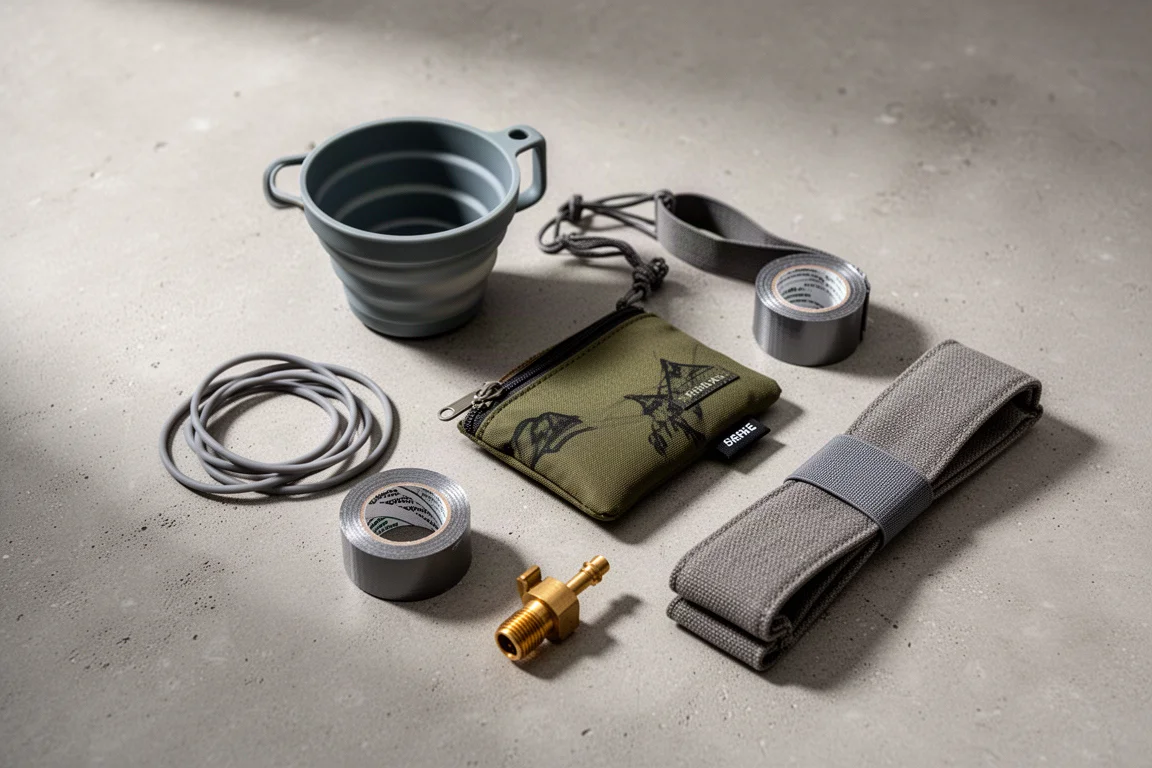
Eight small, affordable backpacking upgrades that solve real trail annoyances, from a pillow that stays put to a fuel valve that rescues leftover canister gas.