Backpacking Gear
Budget Backpacking Gear: A Complete Kit for Under $315
A practical, safety-first backpacking loadout built for around $315, covering shelter, sleep system, pack, stove, cookware, and water treatment.
Introduction
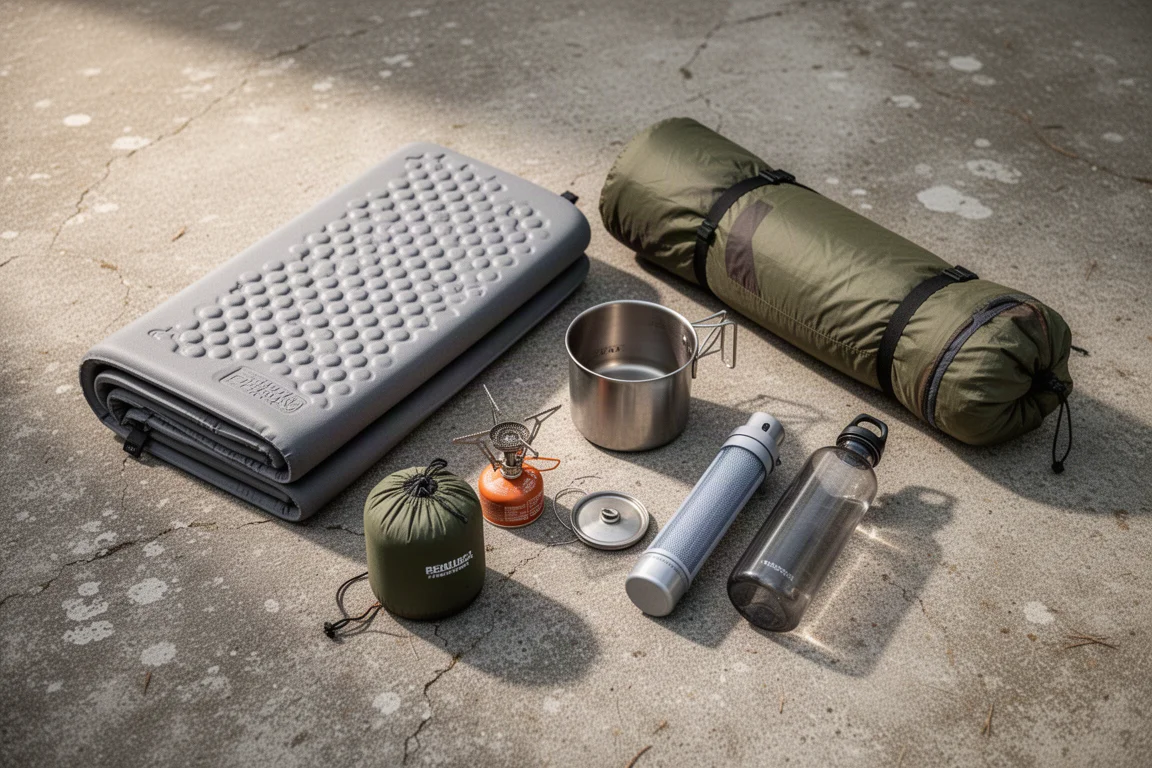
Backpacking gear has a reputation for being expensive, and the headline prices on premium shelters and packs do not help. The good news is that a complete three-season kit can be assembled for around $315, landing near 13.6 lb of base weight once shelter, sleep system, pack, stove, cookware, and water treatment are all accounted for. Cost is the priority on this list, but safety is the one area where nothing gets cut. Most of the picks come from established outdoor brands, and every item is a piece of gear that is comfortable being recommended for real backcountry use.
This is not an ultralight list, and it is not a best-of-everything list. It is a starting point for anyone who wants to try backpacking before committing serious money, or for anyone putting together a spare kit to lend out.
How to Build a Budget Backpacking Kit
Two principles shape the selection. First, cost comes before everything except safety, so a slightly heavier tent or a simpler pad is an acceptable trade if it saves real money. Second, inexpensive does not have to mean unknown: where a reputable brand offers an affordable option, that option wins over a no-name product at a similar price.
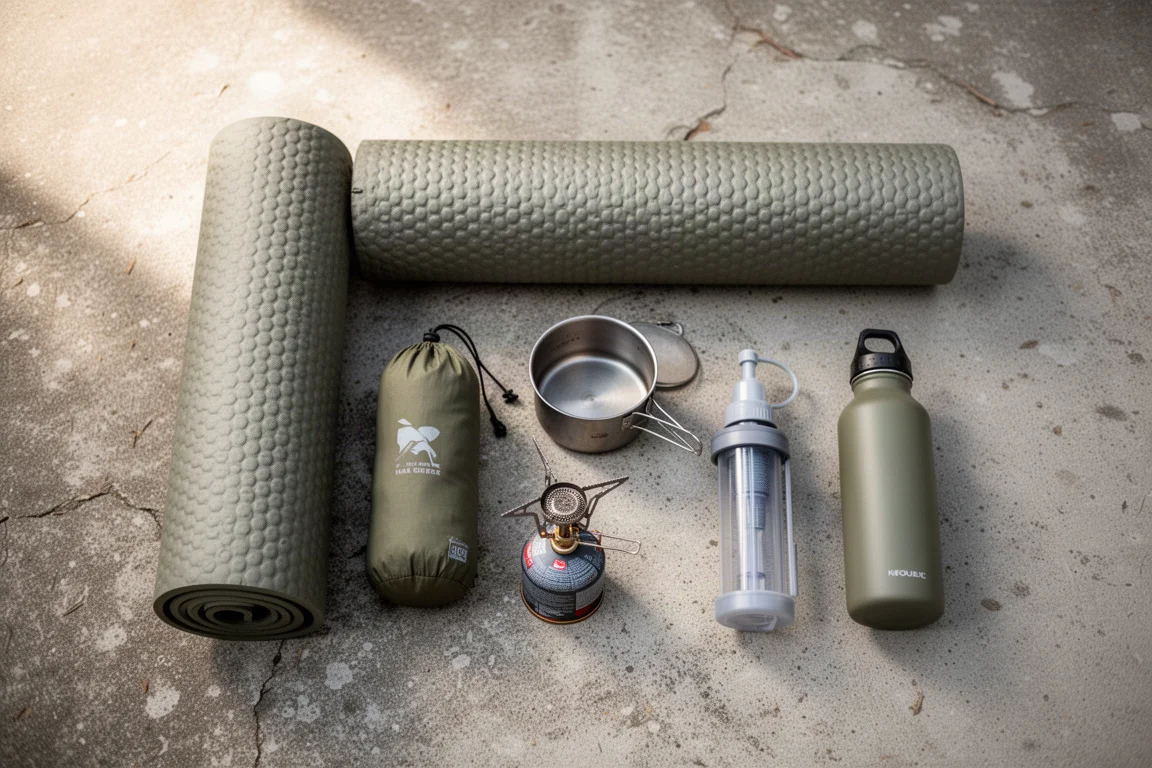
The result is a kit that covers the essentials for roughly $315: an $80 tent, a $30 sleeping pad, a $100 sleeping bag, a $60 backpack, a $16 stove, and a $30 titanium pot. Weight is the main compromise. Heavier fabrics, a closed-cell foam pad, and a simple stove add up to a heavier pack than a premium loadout, but nothing on the list gives up weather protection or warmth.
A few items sit outside that total and are still worth planning for: a basic first aid kit, a headlamp for hands-free light, and a knife, which most people already own.
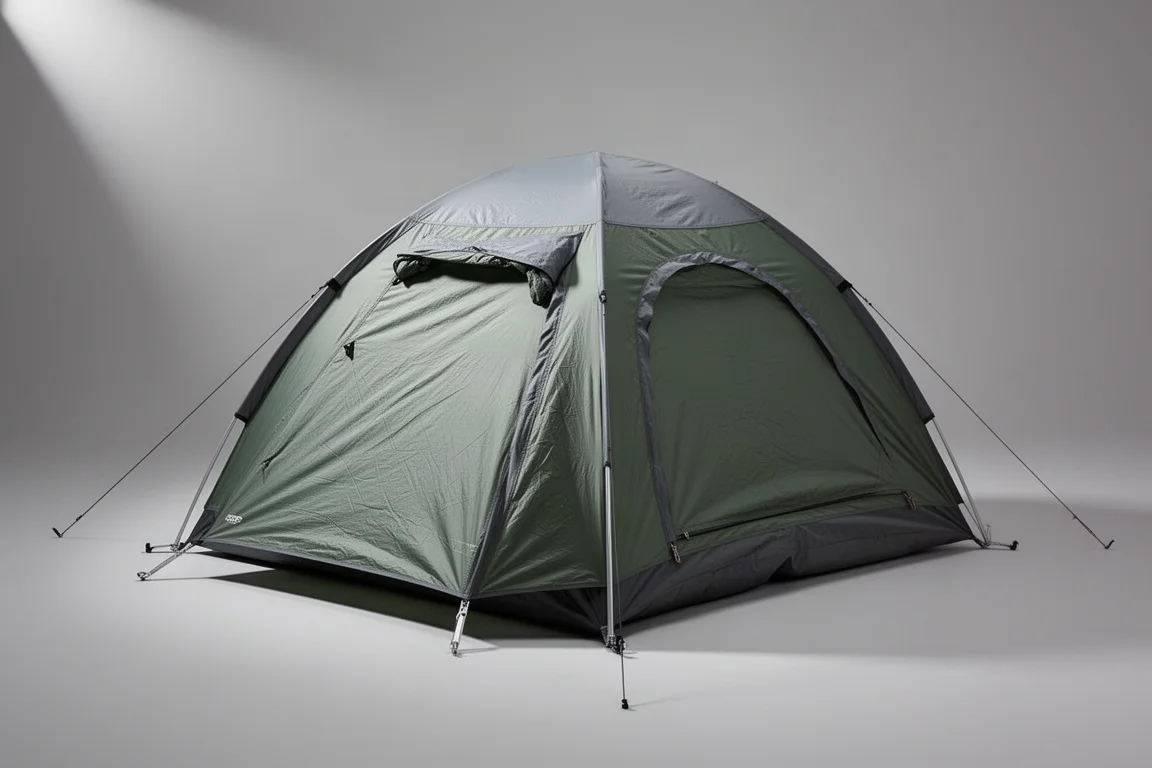
Kelty Tanglewood 2-Person Tent
At around $80, the Kelty Tanglewood is the least expensive two-person tent here that still feels reasonable to take into the backcountry. It is fully seam-sealed and waterproof, and it comes from a brand with a long track record, which matters more than a spec sheet when the weather turns.
The compromise is weight. At 6 lb 7 oz, this is a heavy two-person shelter, and it will be the single biggest contributor to pack weight in this kit. For a first season or a few trips a year, that is a fair trade for the price.
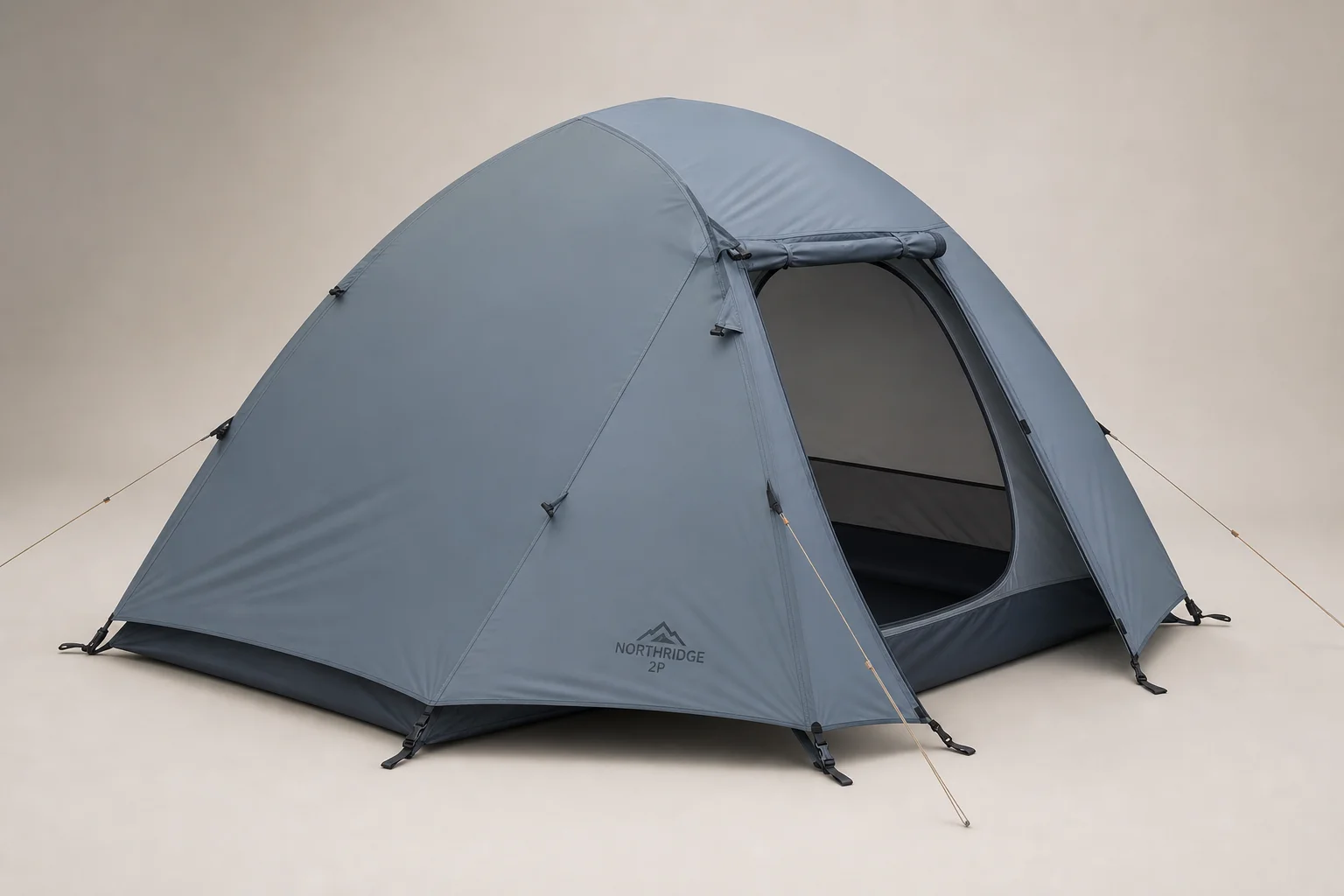
Naturehike Cloud Up 2
The Naturehike Cloud Up 2 costs roughly twice as much at about $165, but it weighs about half as much as the Tanglewood. For anyone who expects to keep backpacking beyond a trip or two, that weight saving is the upgrade that changes the most about how the pack carries.
It remains a budget-conscious choice rather than a premium one, but it is a strong middle step between the cheapest shelter available and a full-price ultralight tent.
Therm-a-Rest Z Lite Sleeping Pad
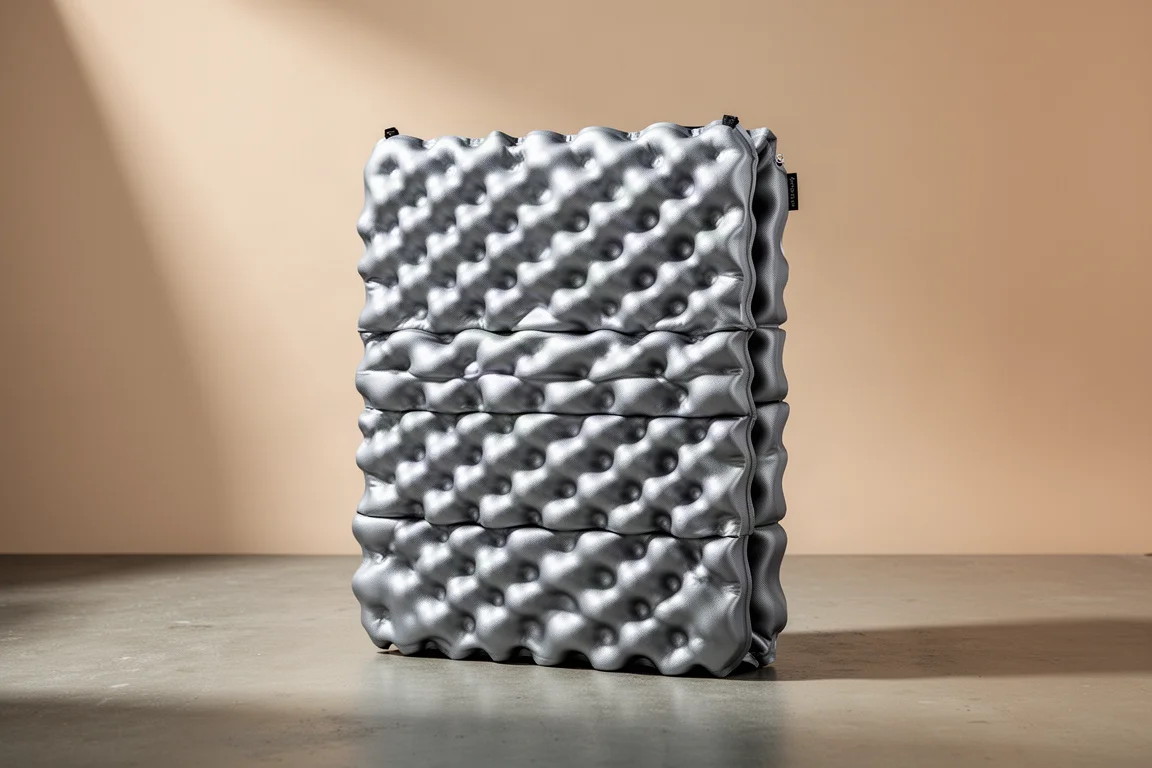
For the money and the weight, closed-cell foam pads are hard to beat. The Therm-a-Rest Z Lite is around $39, and it is not the compromise people assume: plenty of experienced backpackers use foam pads by choice. They are lightweight, they insulate reasonably well, and they cannot puncture or leak.
The main drawback is comfort. A foam pad is firmer than an inflatable one, and side sleepers in particular tend to notice the difference. The Z Lite’s advantage over the pad below is that it folds into a neat stack rather than needing to be rolled.
Therm-a-Rest RidgeRest Sleeping Pad
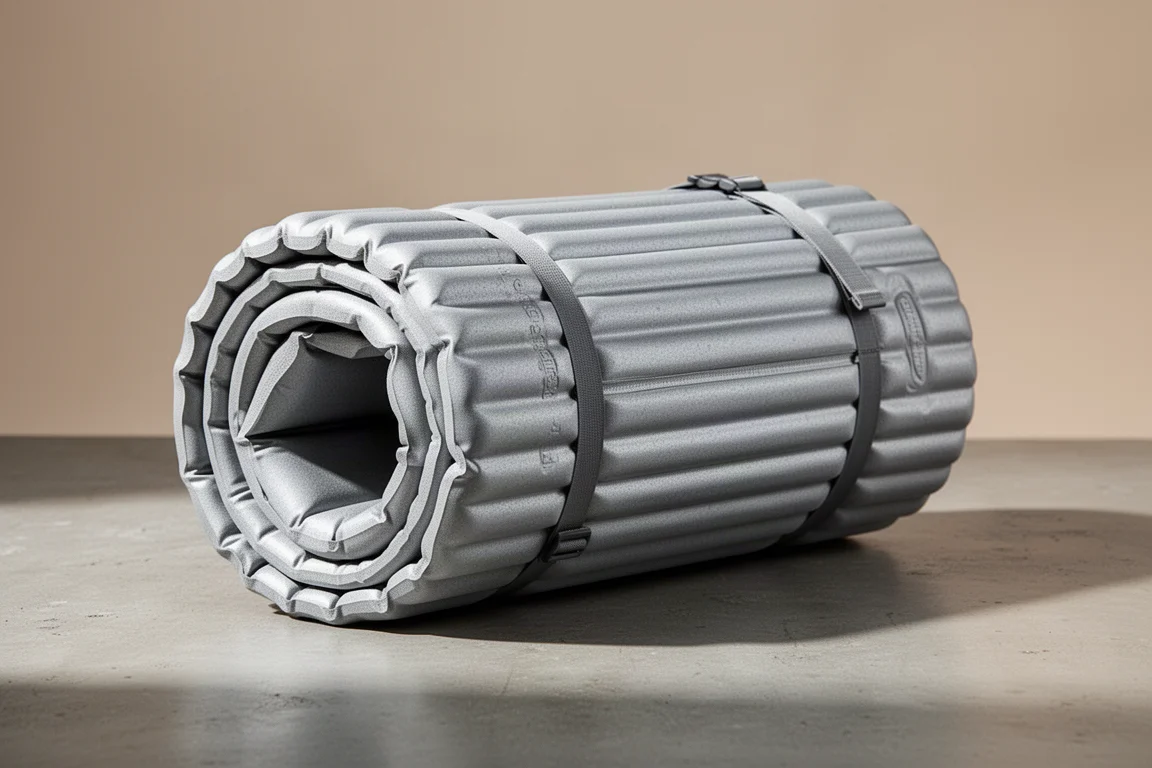
The RidgeRest is about $10 cheaper than the Z Lite, which brings the pad to roughly $30. The insulation and general performance are comparable; the practical difference is that the RidgeRest has to be rolled up rather than folded, which can be a little more fiddly when packing.
For a kit trying to stay under a hard budget ceiling, saving $10 here is one of the easiest decisions on the list, as long as rolling rather than folding is not a dealbreaker.
Kelty Cosmic 20 Synthetic Sleeping Bag
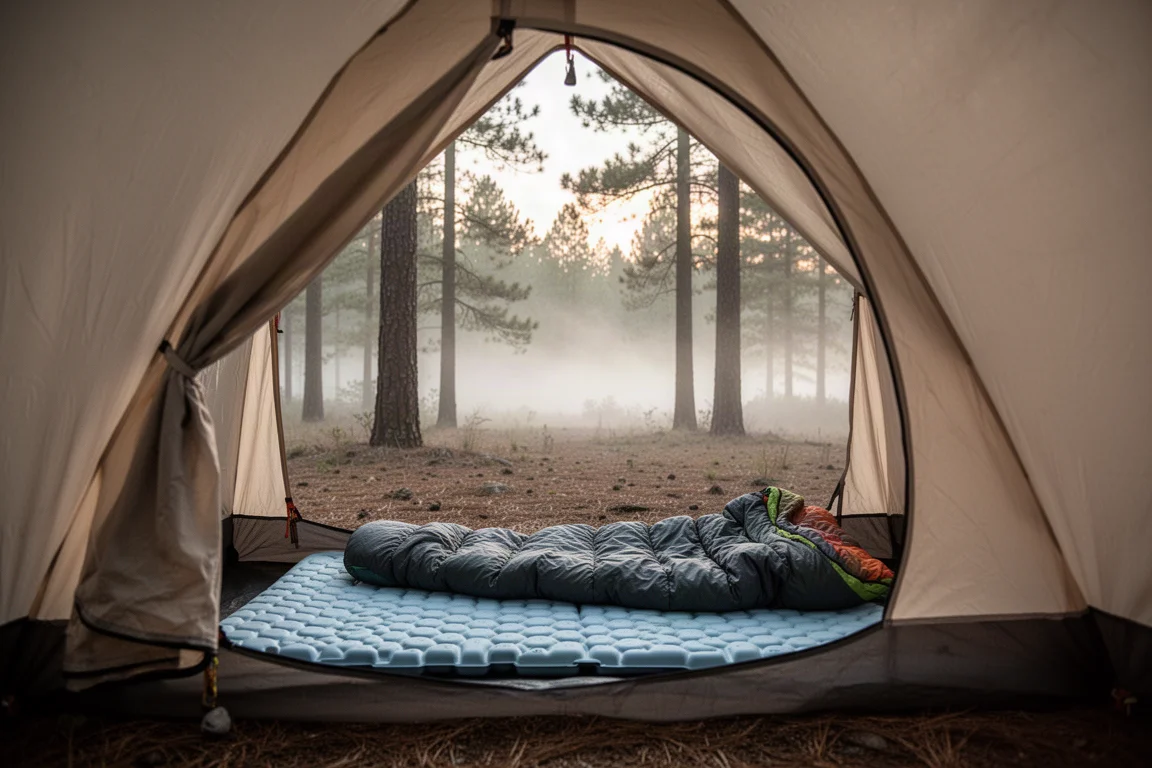
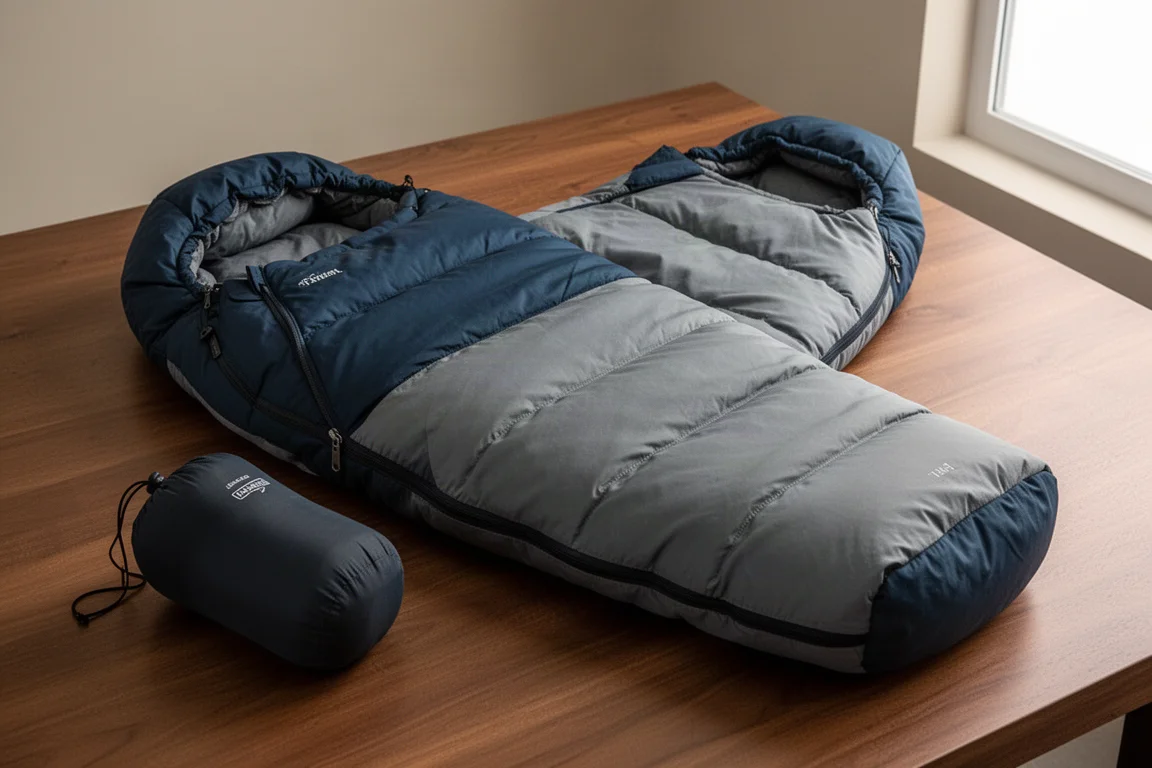
Paired with a foam pad, the Kelty Cosmic 20 synthetic sleeping bag completes a three-season sleep system that is rated to keep you warm down to freezing temperatures. At around $100, it offers a strong balance of warmth, weight, and price.
Synthetic fill is the sensible choice at this price. It handles damp conditions better than down and costs less, at the expense of a little bulk and weight in the pack.
Gonex 65L Backpack
Good inexpensive backpacks are genuinely difficult to find, and this is the weakest category in any budget kit. The Gonex 65L is around $60 and has proven itself as a decent pack for the price, which is about as much as can reasonably be claimed at this end of the market.
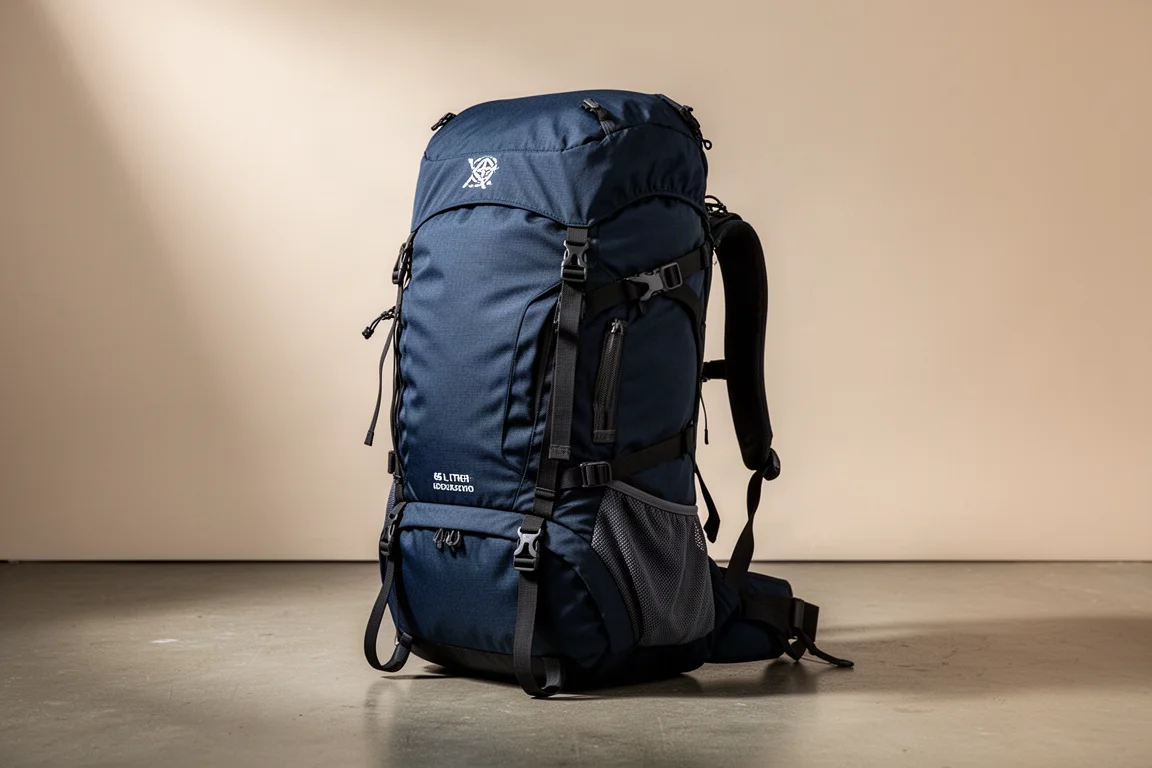
Deuter Aircontact 65 + 10 Backpack
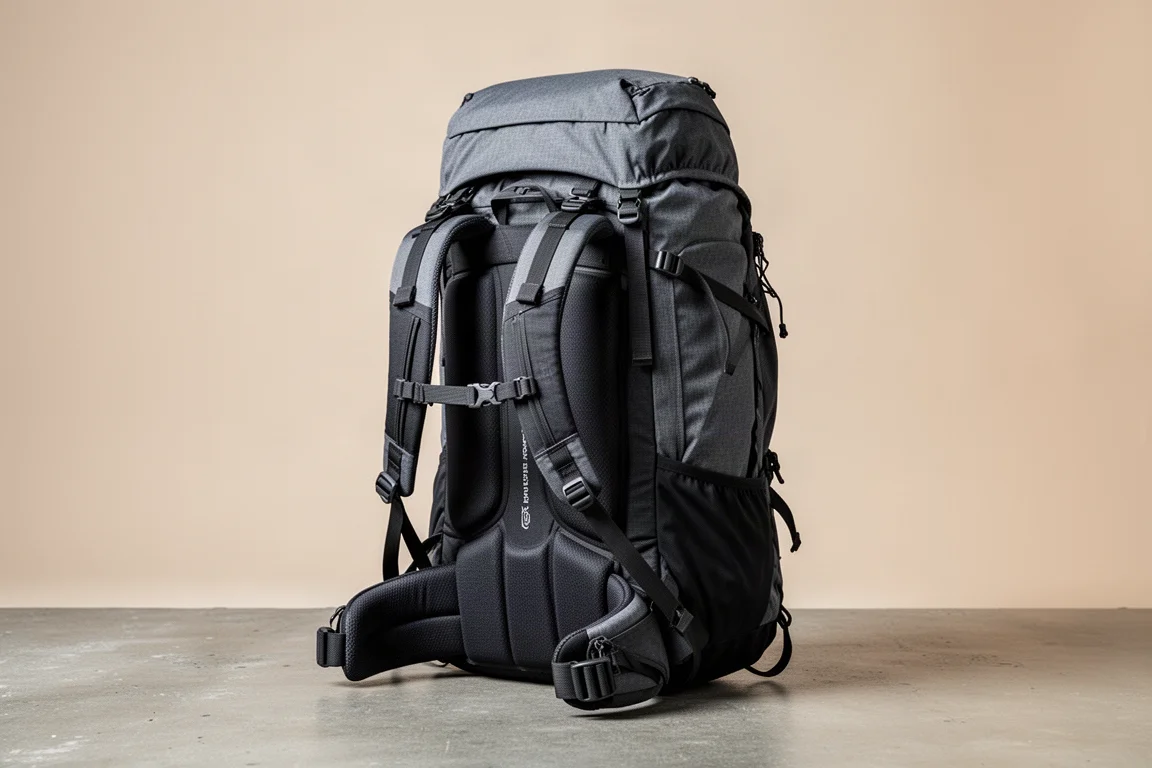
If backpacking is likely to become a long-term hobby rather than a one-off experiment, the advice is to spend more on the pack. The Deuter Aircontact 65 + 10 is around $200, which is roughly two thirds of the entire budget on its own, but it is a well-regarded pack that has been used hard over many trips and loaned out to a range of different people.
There is also a middle path: outlet sites that sell discontinued packs from major brands sometimes carry significant discounts. Watching those listings for a good deal on a name-brand pack can deliver the comfort of a proper load-carrying harness for far less than full price.
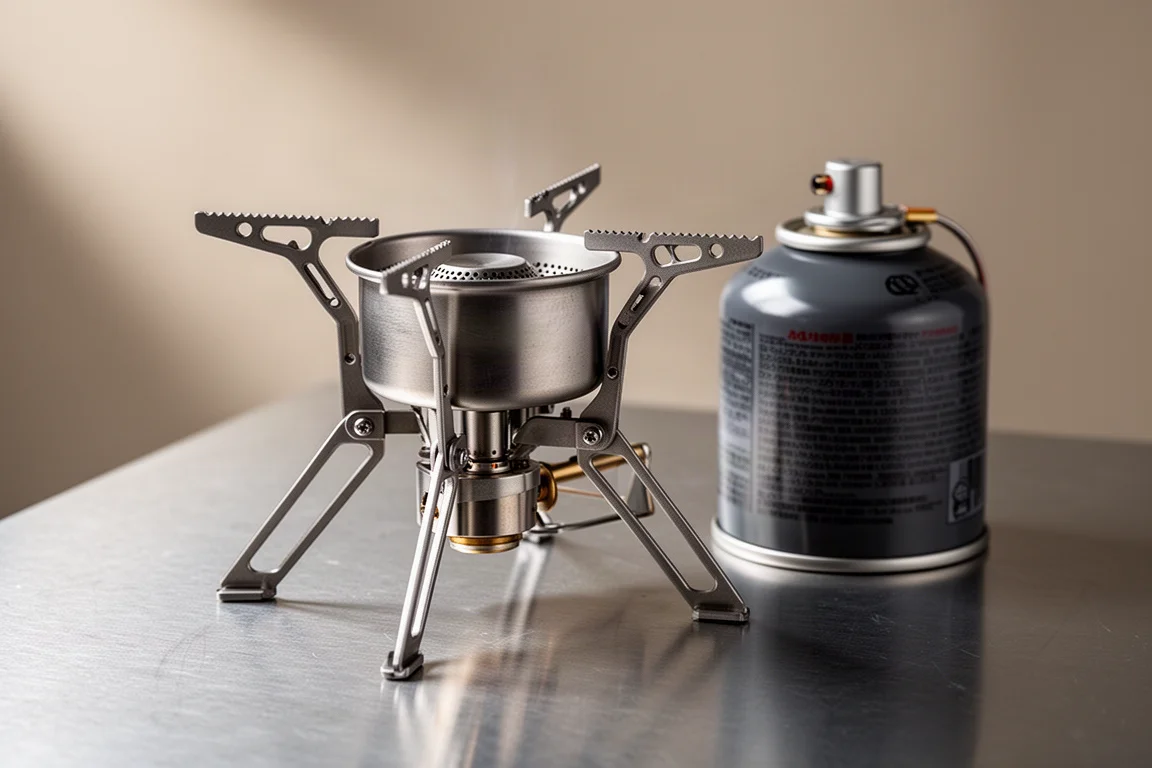
BRS 3000 Titanium Stove
The BRS 3000 titanium stove costs around $16 and weighs about 1 oz, making it one of the lightest stoves on the market. For the price and the weight, it is difficult to go wrong, and it has a following among ultralight backpackers who prioritize low pack weight above all else.
The trade-off is fuel efficiency: it burns a little more gas than more expensive stoves. Over a short trip that difference is small, and an inexpensive lighter from a local shop covers ignition.
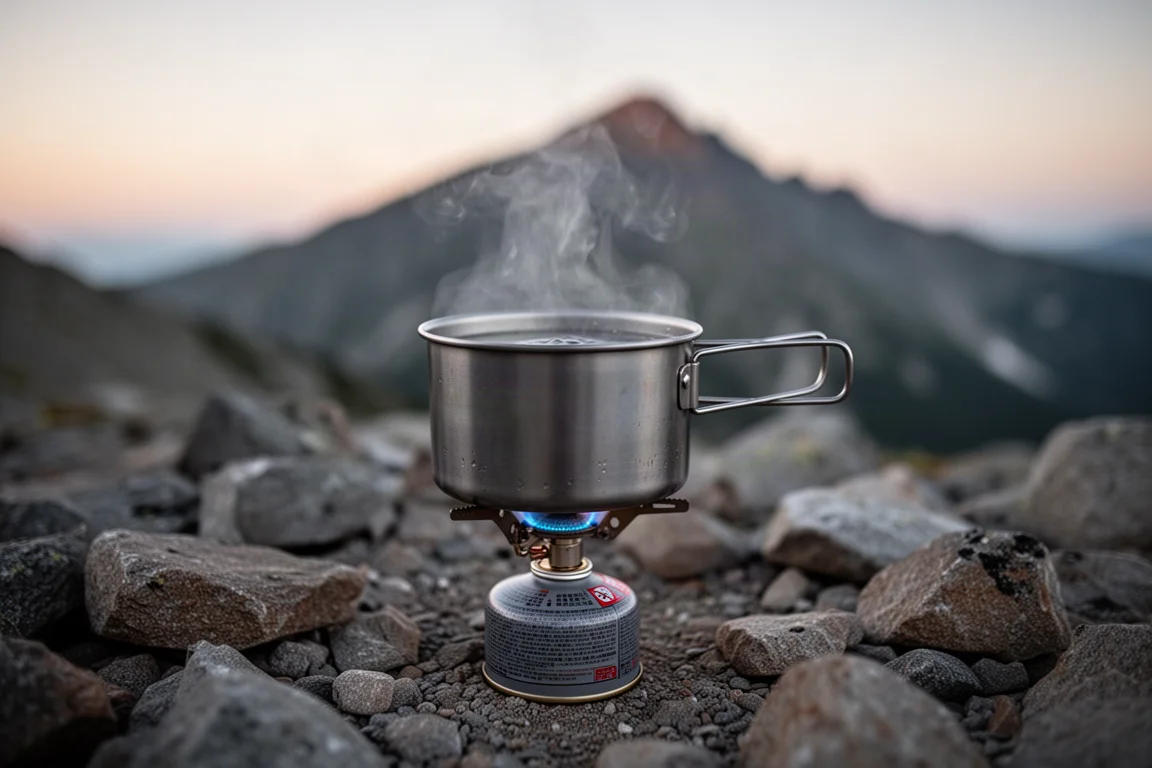
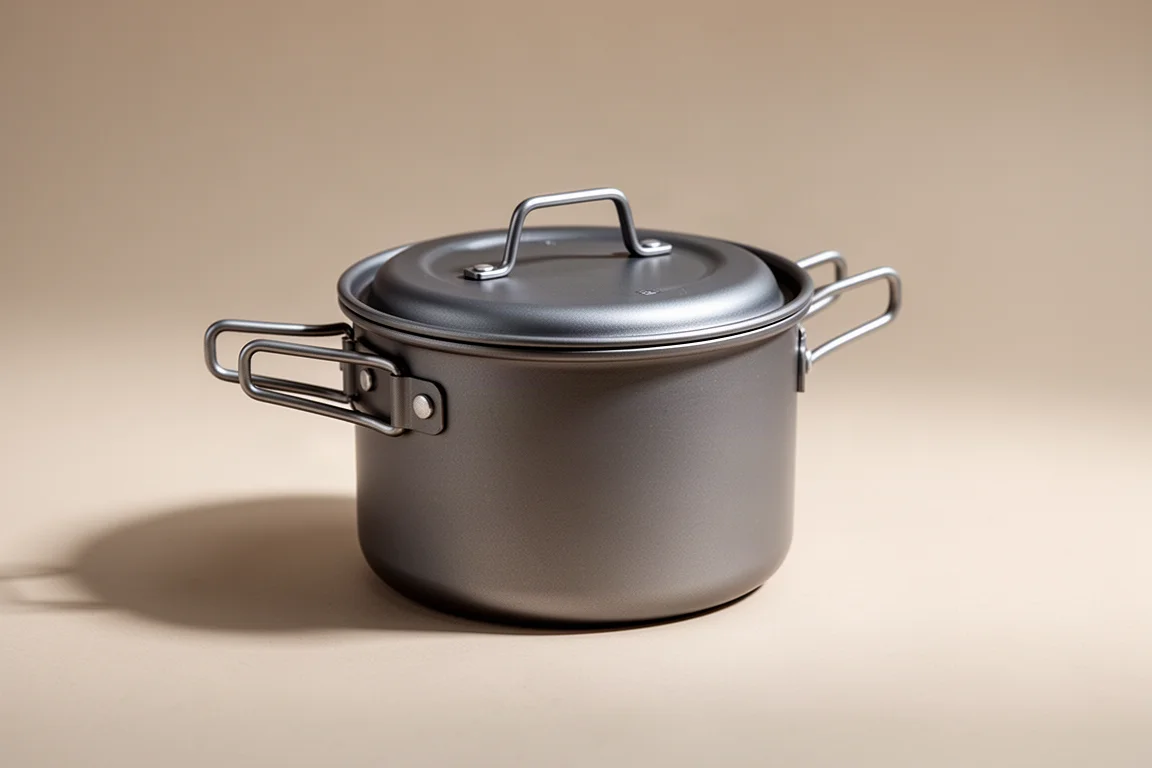
Toaks Titanium Pot
The Toaks titanium pot is around $30 and is the cookware pick here. It is light, inexpensive, and well made, and it handles the boiling water and simple meals that make up most backcountry cooking.
A cheaper supermarket cook set exists at a fraction of the price, but it is not something worth carrying into the backcountry. Paying the extra for titanium keeps the weight down and removes a piece of gear that would otherwise need replacing.
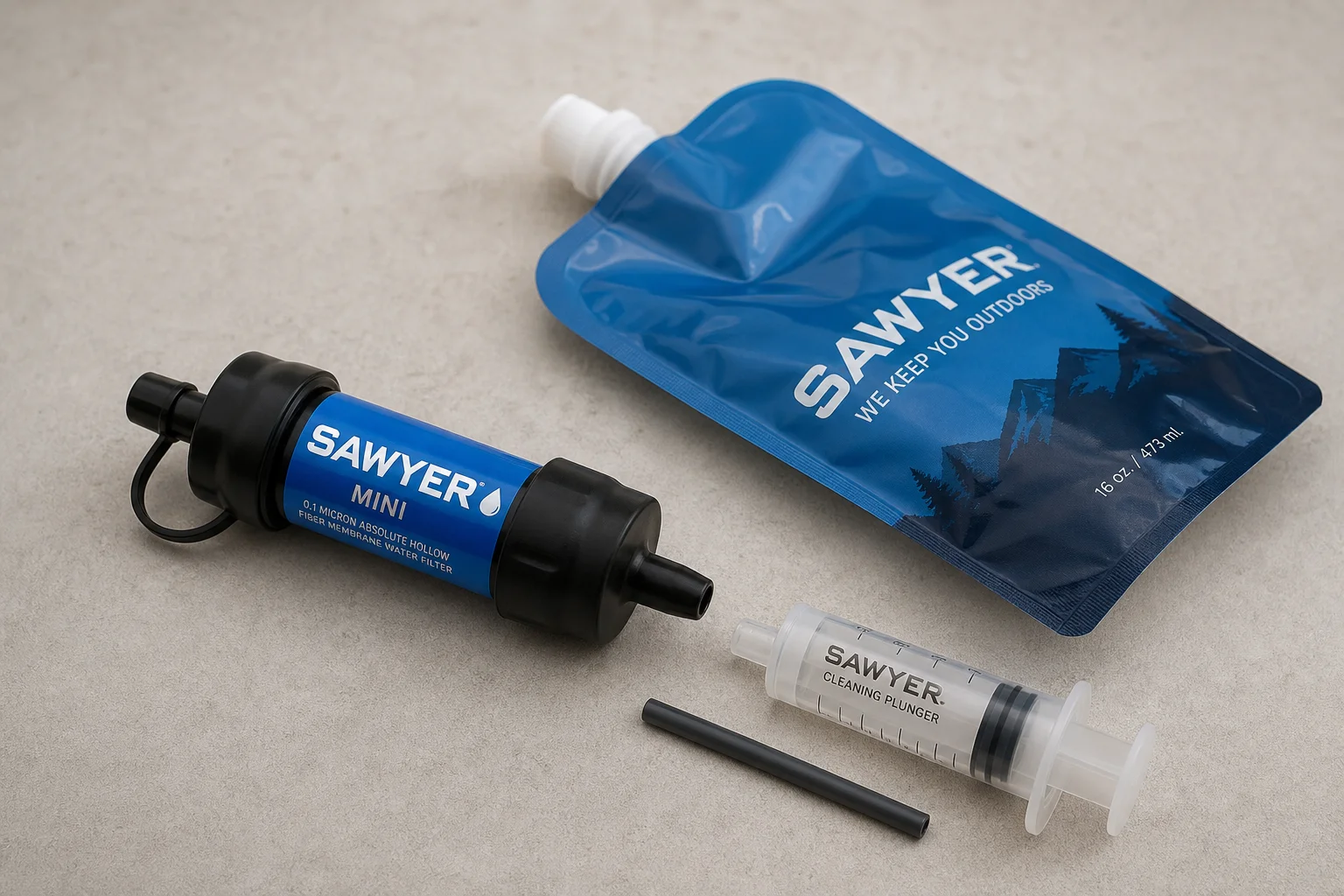
Sawyer Mini Water Filter
Water treatment has three routes. Boiling kills bacteria and parasites but uses extra fuel and requires waiting for the water to cool. Household bleach works too: the CDC recommends two to three drops per liter of water, left to stand for about 20 minutes before drinking.
For anyone who would rather not drink treated bleach, the Sawyer Mini water filter costs around $20 and removes the concern entirely. It is not the fastest filter available, but it is the least expensive, and it is widely used. Paired with a couple of reusable bottles, it fits neatly into an ultralight setup.
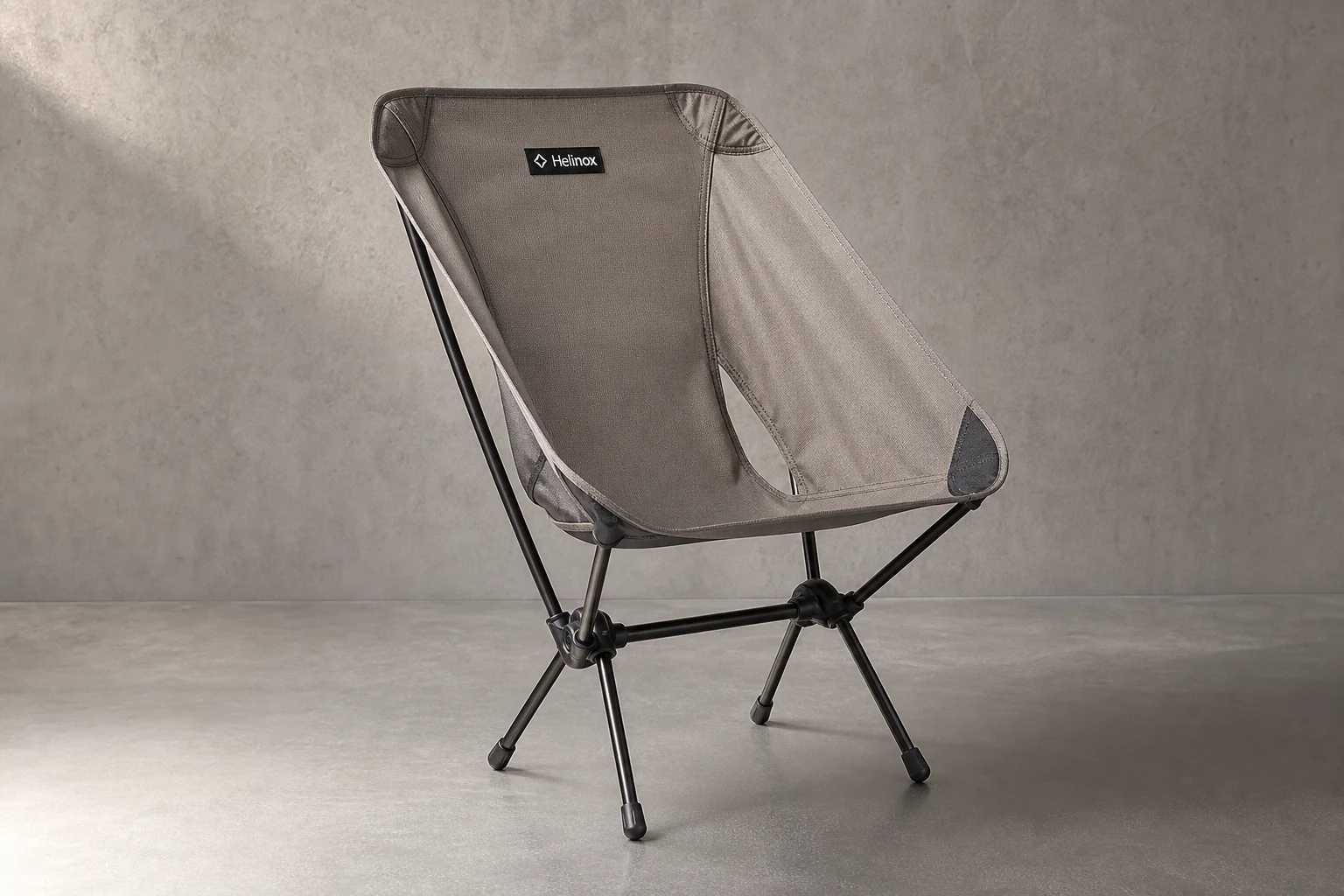
Helinox Chair Zero
A camp chair is the one comfort item that did not make the budget list. Nothing at a low enough price and weight felt like a responsible recommendation, so the kit works without one.
If the budget can stretch to roughly $100 to $120, the Helinox Chair Zero is the chair to look at. It adds weight and cost, but for anyone who values sitting properly at camp after a long day, it is the upgrade most likely to feel worth it.
What Else You Need
A few essentials sit outside the $315 total. A basic first aid kit is non-negotiable, and it can be assembled cheaply from a checklist or bought as an inexpensive pre-built kit. A headlamp is worth the small cost because it keeps both hands free for cooking, setting up a tent, or finding gear in the dark, though a standard flashlight works as a substitute.
A knife belongs on the list of needs but not on the shopping list, since most people already own a pocket knife and there is no reason to buy a second one while keeping costs down.
Overall Buying Advice
The kit totals about $315 and lands near 13.6 lb before clothing, which is a respectable weight for the price. The total breaks down as $80 for the tent, $30 for the sleeping pad, $100 for the sleeping bag, $60 for the backpack, $16 for the stove, and $30 for the titanium pot.
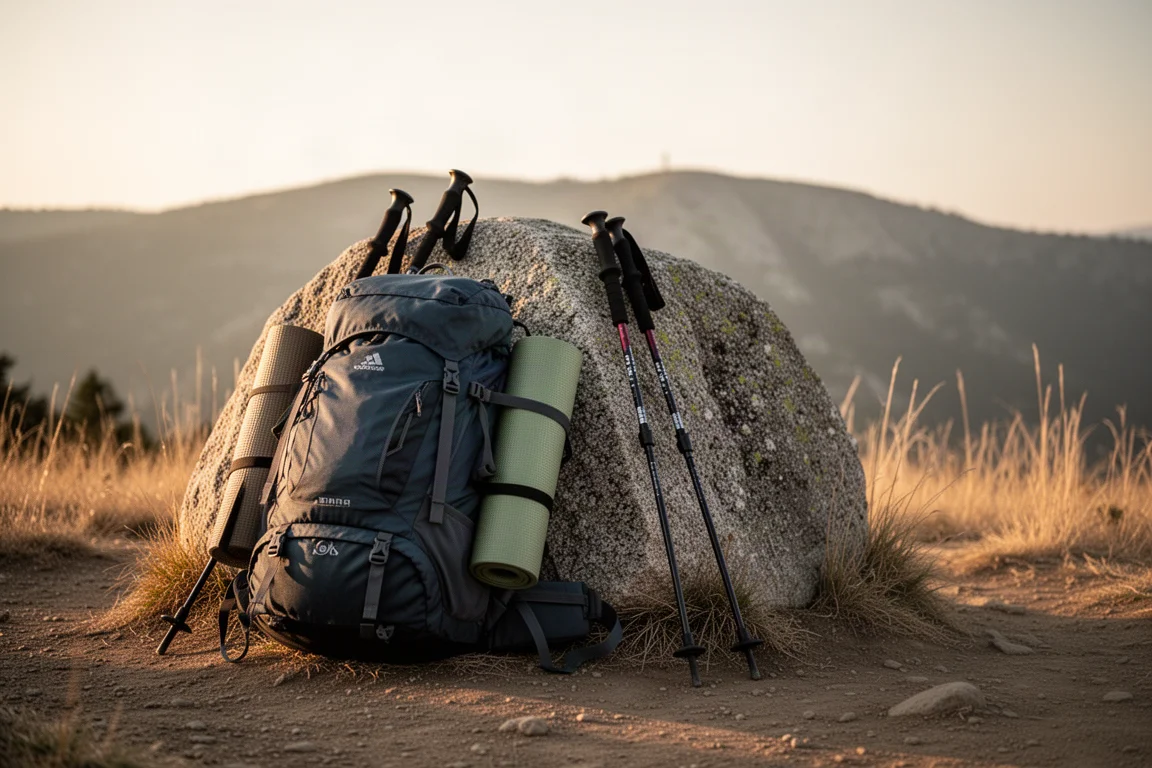
Where to spend extra depends on what will be reused most. A pack and a shelter are the two items that most affect how a trip feels, so if the budget can grow, those are the first places to look. The foam pad, the stove, and the pot are all easy to live with as they are, and the water filter is the simplest way to avoid improvised treatment methods.
Conclusion
Backpacking does not require premium gear to be safe and enjoyable. This loadout covers shelter, sleep, carrying, cooking, and water treatment for around $315, and every item on it is a reasonable choice for real backcountry conditions. The compromises are in weight and refinement, not in the things that keep a trip safe. Start here, use the gear, and upgrade the pieces that matter most to you over time.
Further reading
Related Reviews

Backpacking Gear
Building a 10 lb Base Weight: An Ultralight Backpacking Gear List
A practical walkthrough of the ultralight pieces behind a 10 lb base weight, from a 765 g pack and a roomy one-person tent to a full camp chair and a dependable water filter.
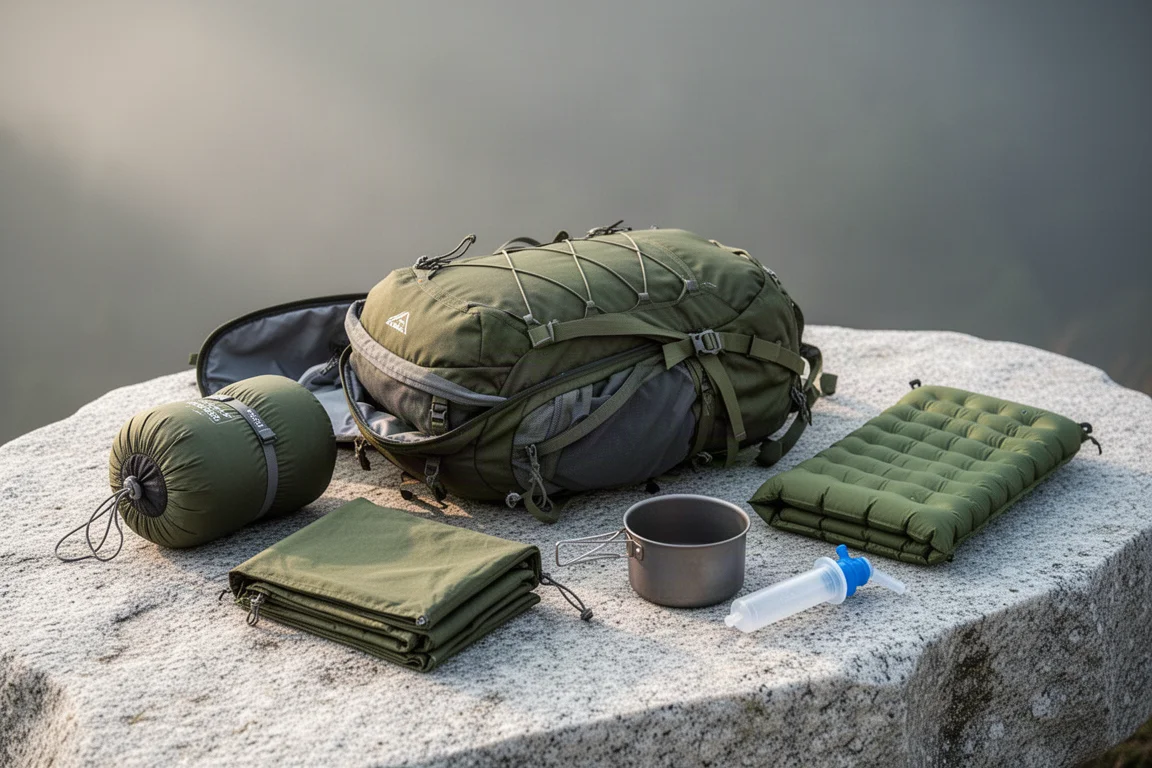
Backpacking Gear
A 15-Pound Lightweight Backpacking Gear List for Solo Trips
A beginner-friendly 15-pound backpacking setup built from easy-to-find gear, with notes on what each piece does, how it packs, and where to spend your attention.
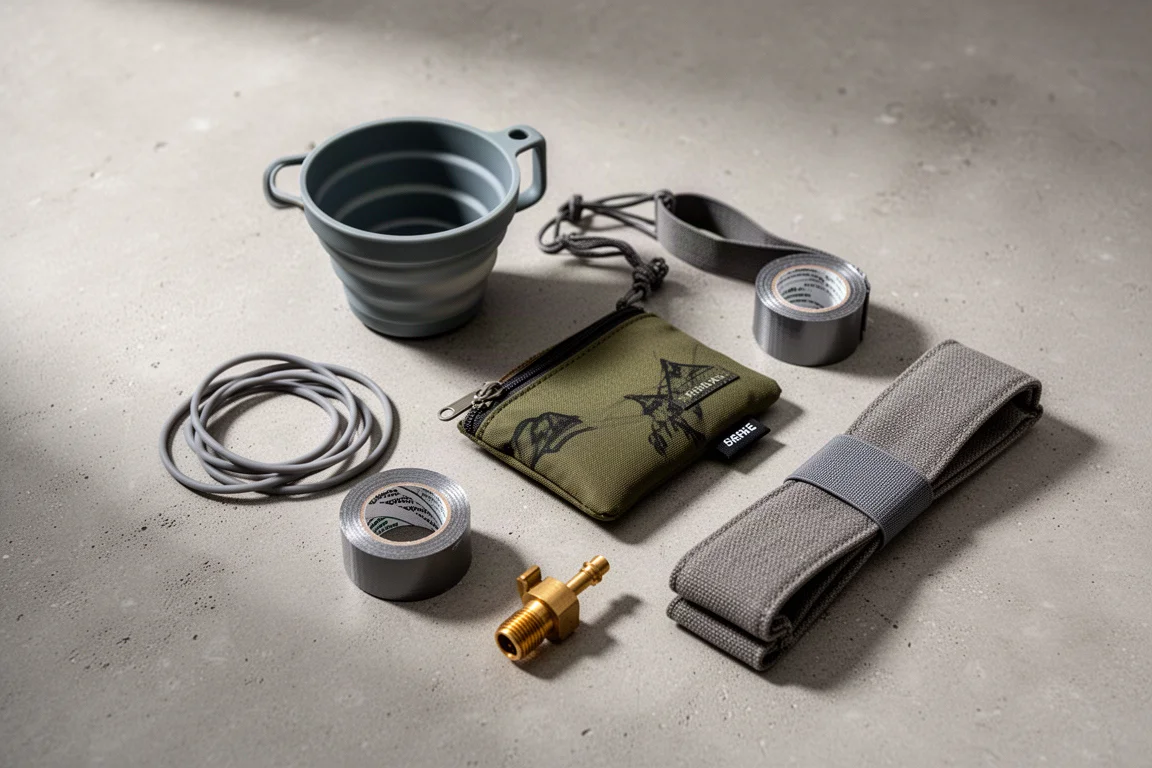
Backpacking Gear
8 Ultralight Backpacking Gear Upgrades Worth Carrying
Eight small, affordable backpacking upgrades that solve real trail annoyances, from a pillow that stays put to a fuel valve that rescues leftover canister gas.