Backpacking Gear
Budget Backpacking Gear Under $30: Nine Ultralight Essentials Worth Packing
Nine backpacking items that cost $30 or less, from a sub-ounce stove and a scratched aluminium cook pot to insoles, socks, and a long-handled titanium spoon.
Introduction
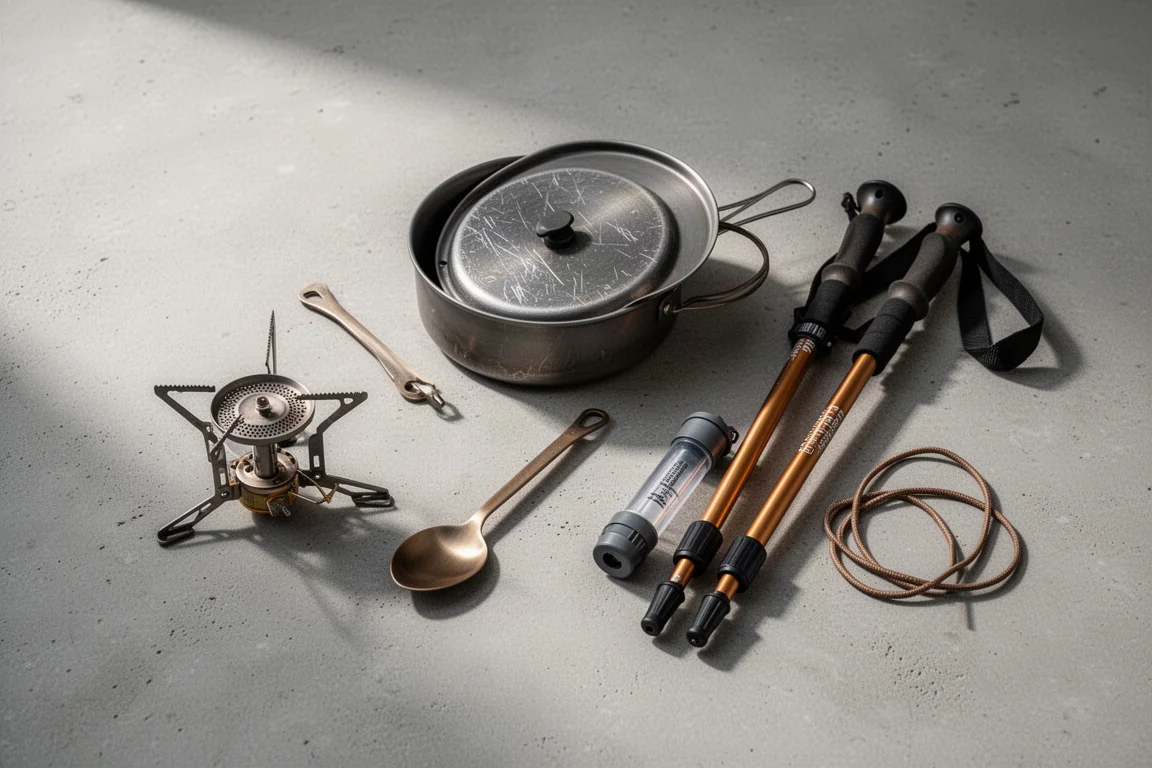
Building a first backpacking kit gets expensive quickly, and not every item needs to be a premium purchase. The nine pieces below all come in at $30 or less, and several have covered thousands of trail miles. A few are still in regular use, some have been retired after long service, and others are simply worth trying.
The goal is not to argue that cheap gear is always better. It is to show where a small budget buys real function, and where a low price asks you to accept a compromise you should know about before you buy.
How These Picks Were Chosen
Three filters shaped this list: weight, durability over long distances, and a price ceiling of $30. Field time counts for more than a spec sheet here, because a $14 pot that survives a decade of trips is better value than a $60 pot that stays in a closet.
Each pick also comes with an honest trade-off. Budget stoves can be less fuel efficient than premium models. Inexpensive cookware sometimes raises a material question that is not fully settled. Cheaper poles are not the lightest or stiffest available. Understanding those limits in advance is what turns a low price into a sound decision.
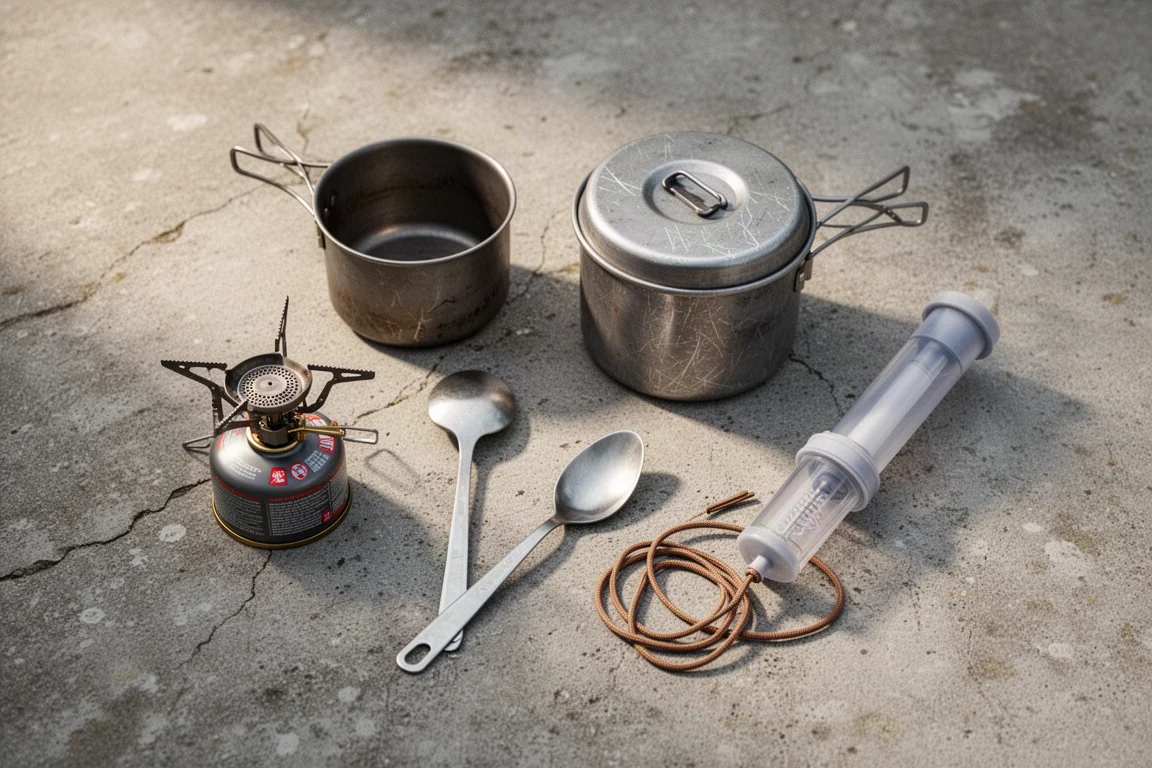
Prices and stock move around, so treat the figures below as a general guide rather than a fixed number.
BRS Stove
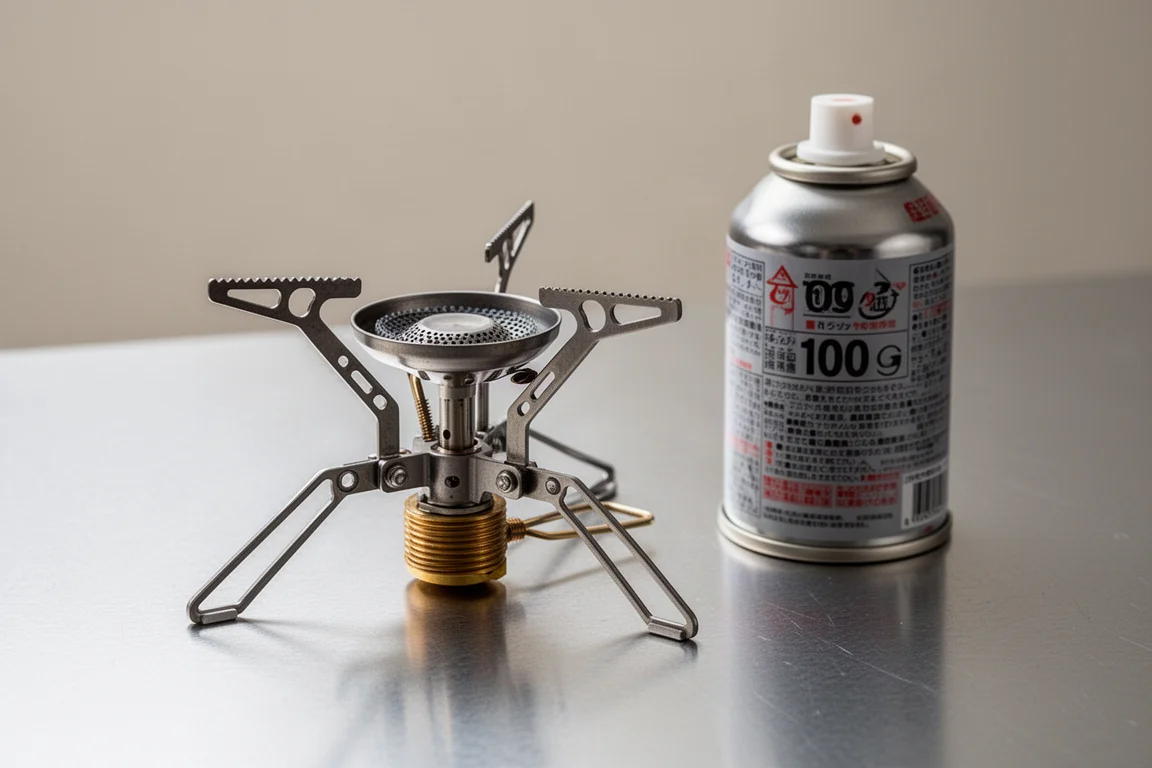
The BRS stove has been in service since 2018 and has never failed to work, although it has been temperamental at times. It is not the most fuel-efficient option available, and that is the trade-off for a stove that costs about $16 to $17 and weighs just under an ounce.
For anyone counting grams on a first thru-hike, that combination is hard to argue with. A stove this light and this affordable leaves budget room for the items where quality matters more.
Stanco Aluminum Grease Pot
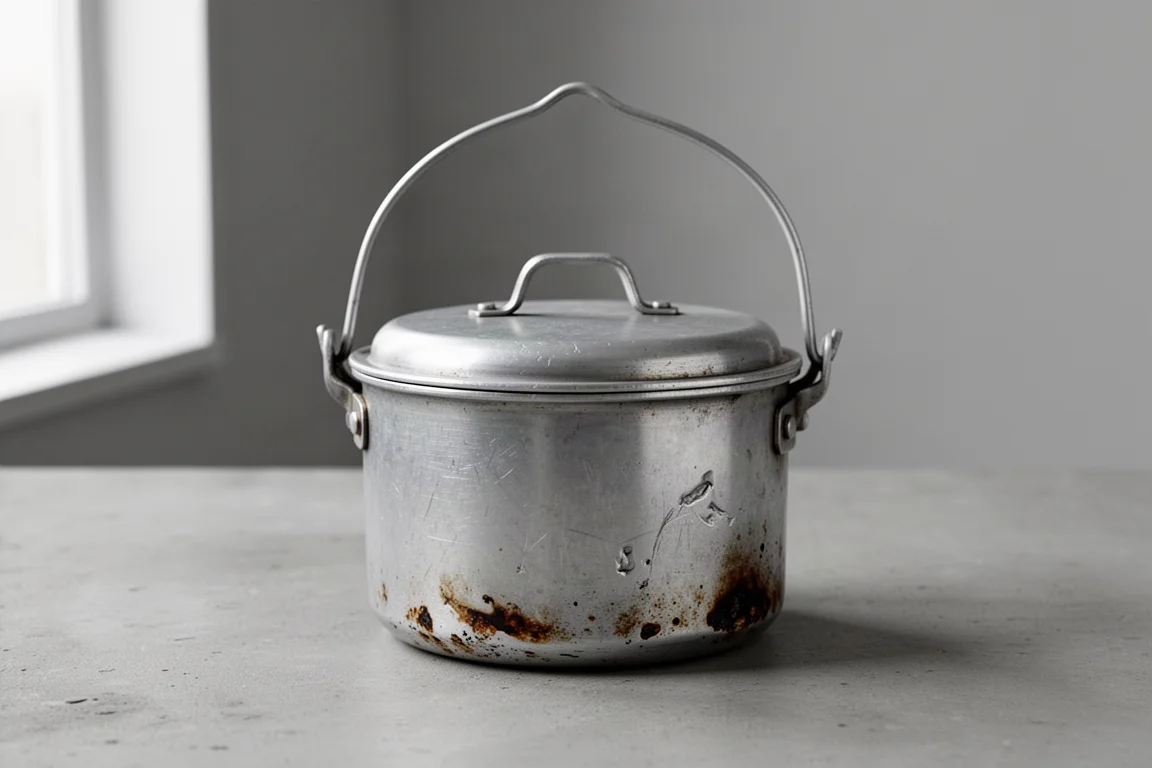
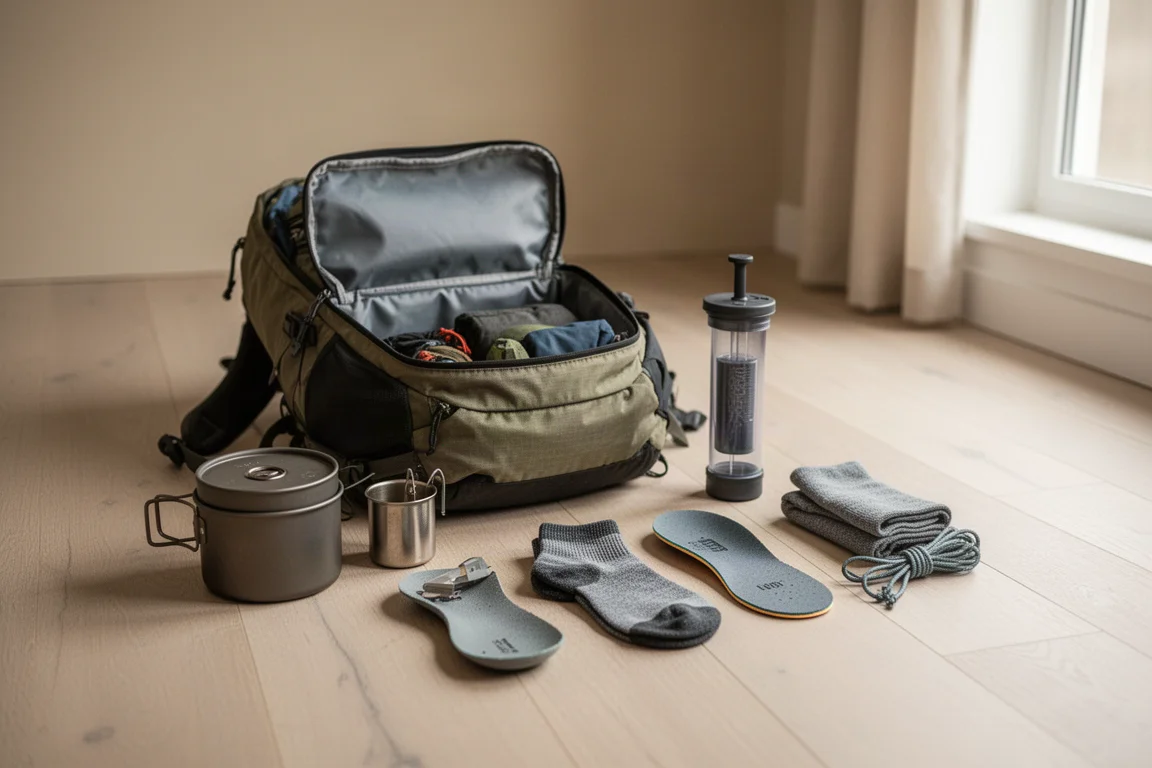
The Stanco aluminium grease pot has been on the trail since 2015 and has covered close to 10,000 miles, possibly more. It weighs 3.5 ounces, holds about a litre of water, and typically sells for $13 to $14.
Capacity is the main reason to choose it. Most titanium pots under $30 hold around 550 millilitres, which is plenty for boiling water for coffee or a rehydrated meal but tight for pasta sides or rice. One caution: this pot is designed as a grease pot, for separating bacon solids from grease, rather than as a cook pot. Research on cooking and eating from aluminium cookware is not conclusive, so that is a personal judgement call.
Toaks Long Handle Titanium Spoon
The Toaks long handle titanium spoon costs about $10 and weighs very little. A plastic utensil can be lighter still, but it will not match titanium for durability over a long trip.
The long handle looks like overkill until you eat from a rehydrated meal pouch. It lets you reach the bottom of the bag without pushing your hand into your food. If you have been carrying a spork and never used the prongs, this is a straightforward swap.
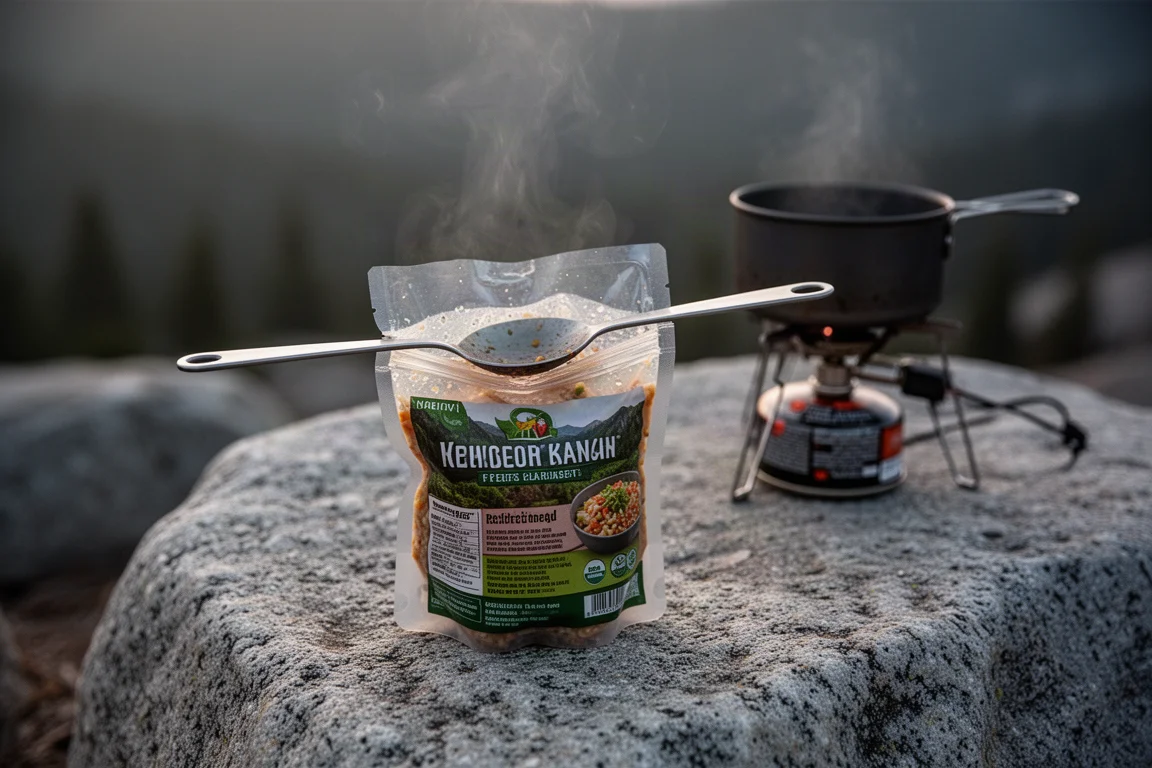
A spoon is also one of the few pieces of kit you touch at every meal, which makes it a reasonable place to spend ten dollars rather than improvising with whatever is in the drawer.
Sawyer Squeeze Mini
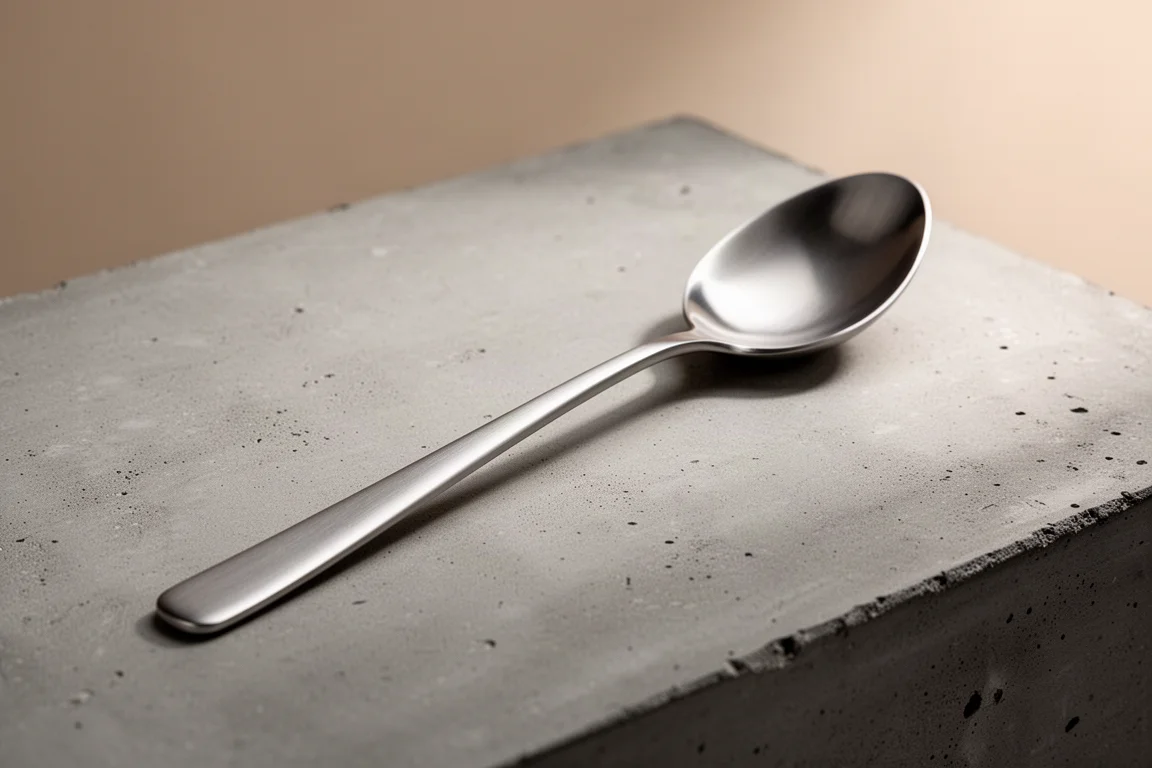
The Sawyer Squeeze Mini sits in the $20 to $25 range and filters out the contaminants that matter most in U.S. backcountry water, including bacteria, protozoa, and microplastics. The standard-size Sawyer Squeeze has a higher flow rate, which makes it the faster option, but the Mini has proven workable in practice.
The real appeal of this style of filter is the threaded connection. Fill a bottle with untreated water, screw the filter onto the standard threading, and drink through it as you walk.
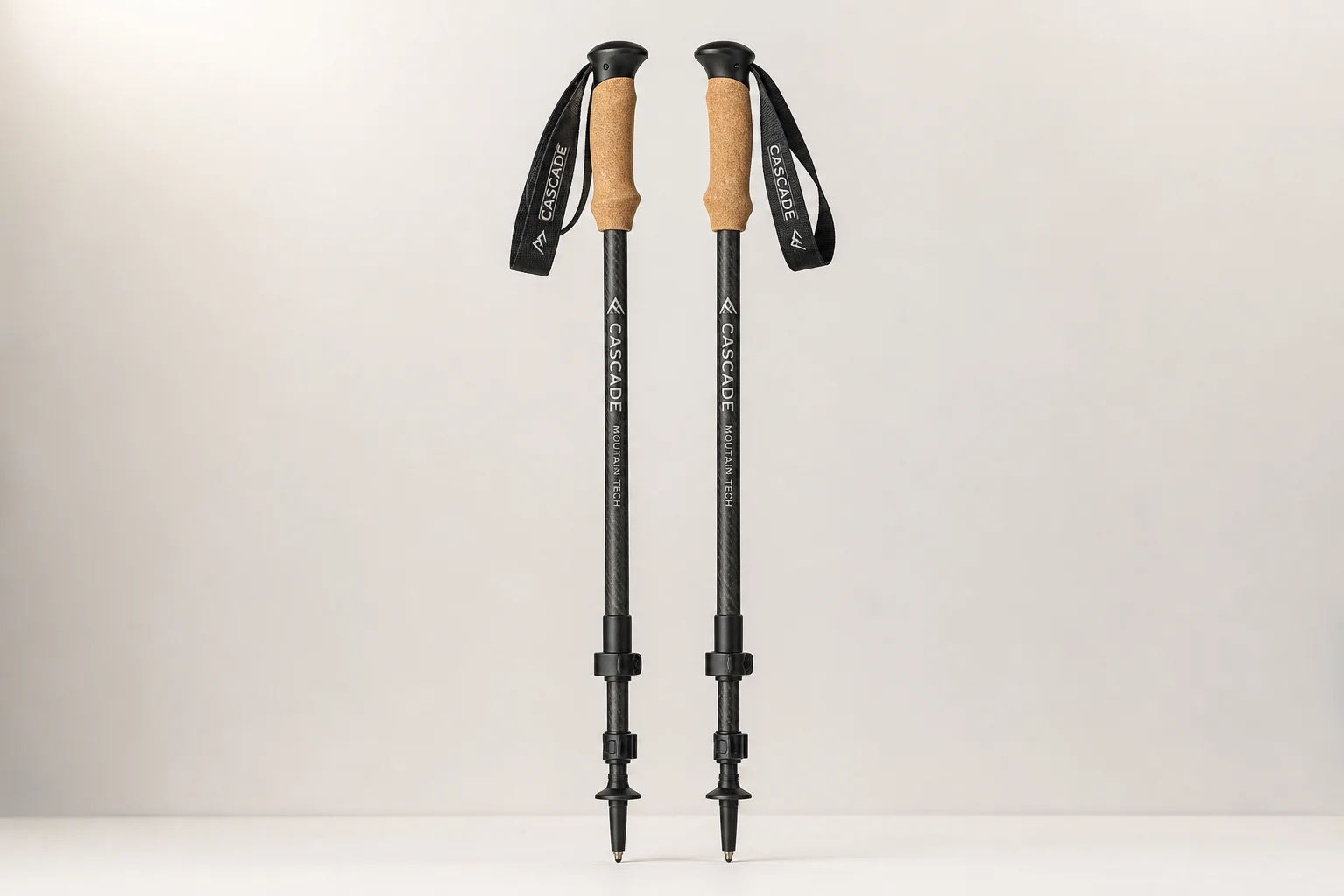
Cascade Mountain Tech Lightweight Aluminum Trekking Poles
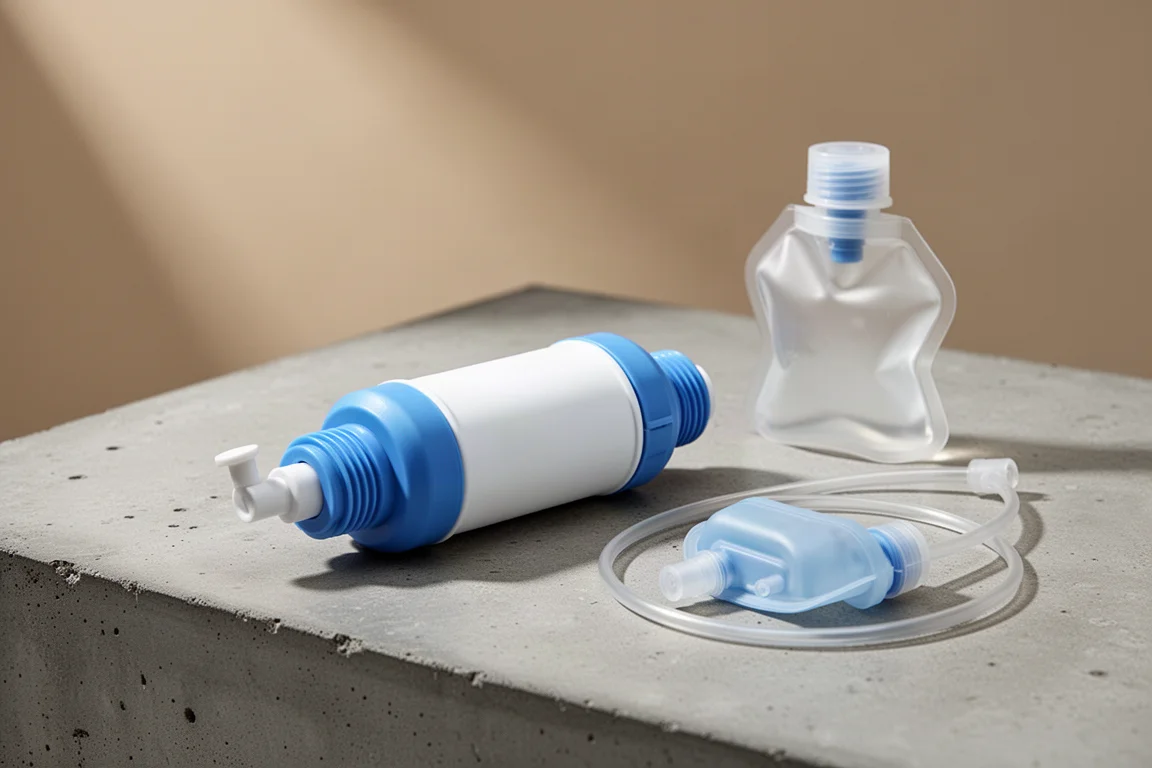
Cascade Mountain Tech’s lightweight aluminium trekking poles cost about $30 on Amazon. They are not the highest quality poles around, and that is the honest trade-off at this price.
For a hiker who wants to find out whether poles help before spending serious money, that is a sensible starting point. If you already know you rely on poles every day, you may eventually want something more refined.
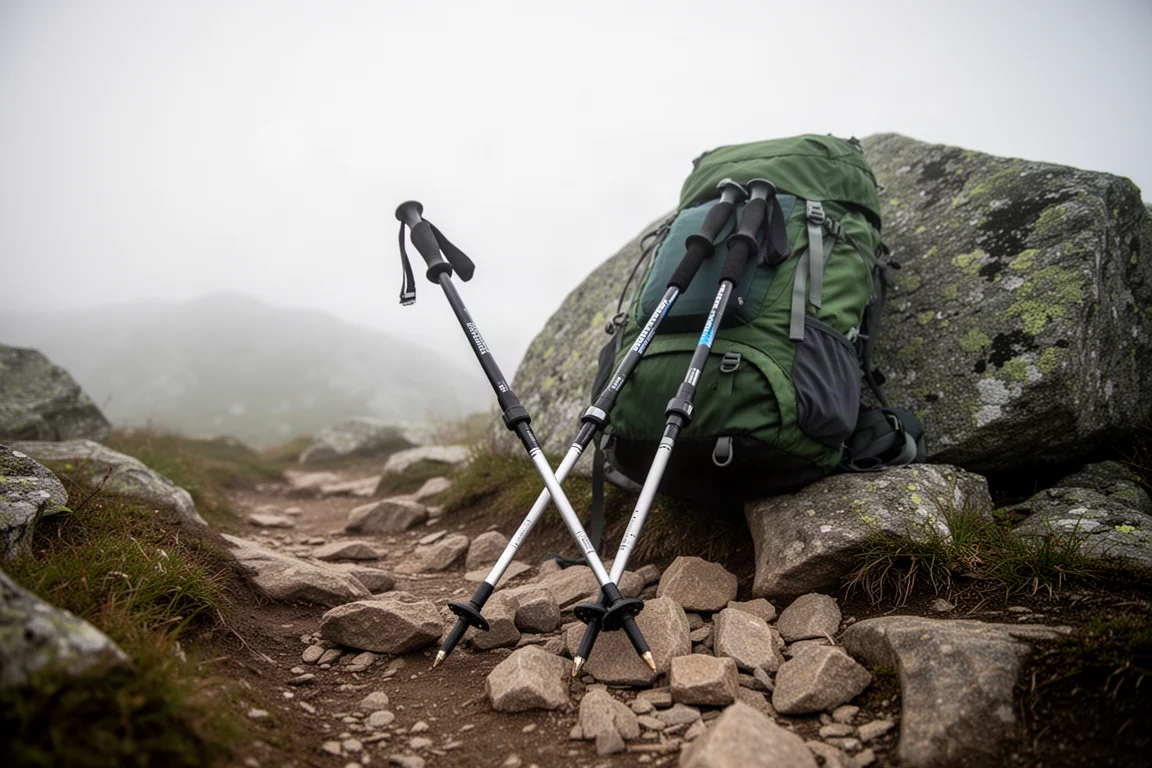
Poles pay off in both directions: they take load off the legs on climbs and add stability on loose descents, which is why so many long-distance hikers carry them from the start.
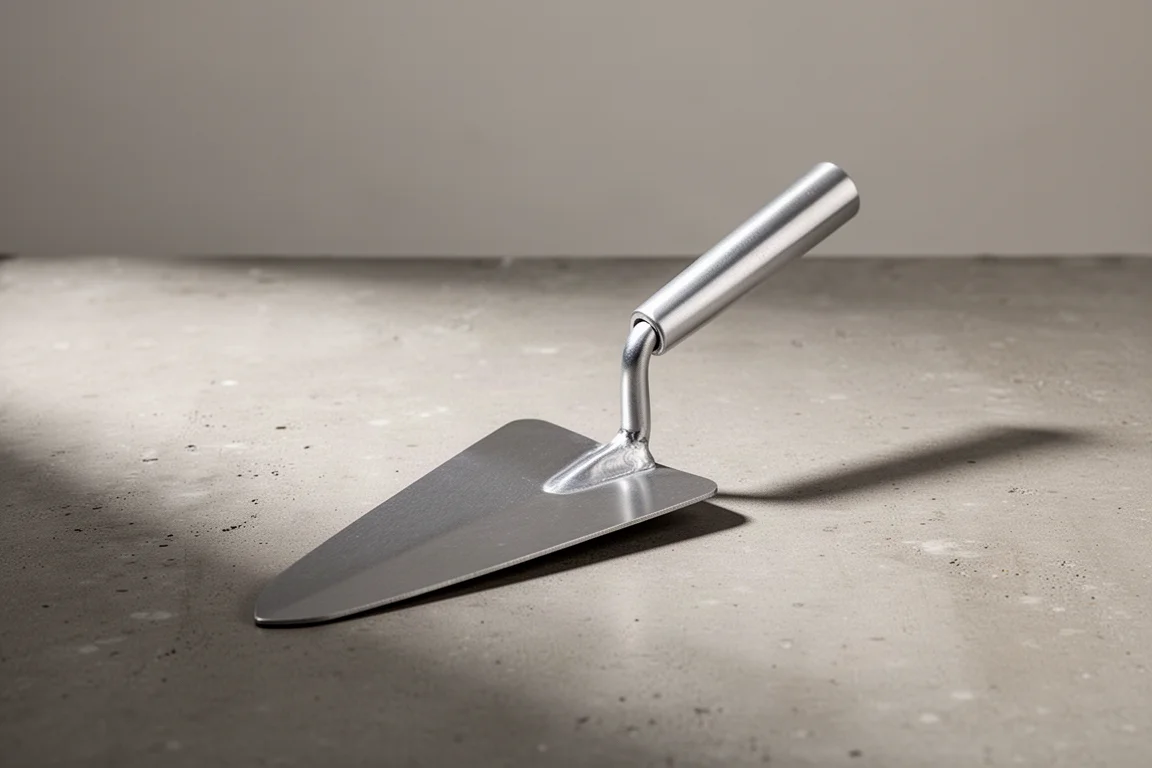
Deuce of Spades Trowel
The Deuce of Spades is the most popular ultralight trowel, weighing less than an ounce and costing around $20. If you want a dedicated digging tool, this is the one most backpackers reach for.
It is worth being honest about trowels, though. They do not work well in every type of ground, and some hikers find it faster to collapse a trekking pole and dig a cat hole with the tip. Choose based on where you hike and what you will actually use.
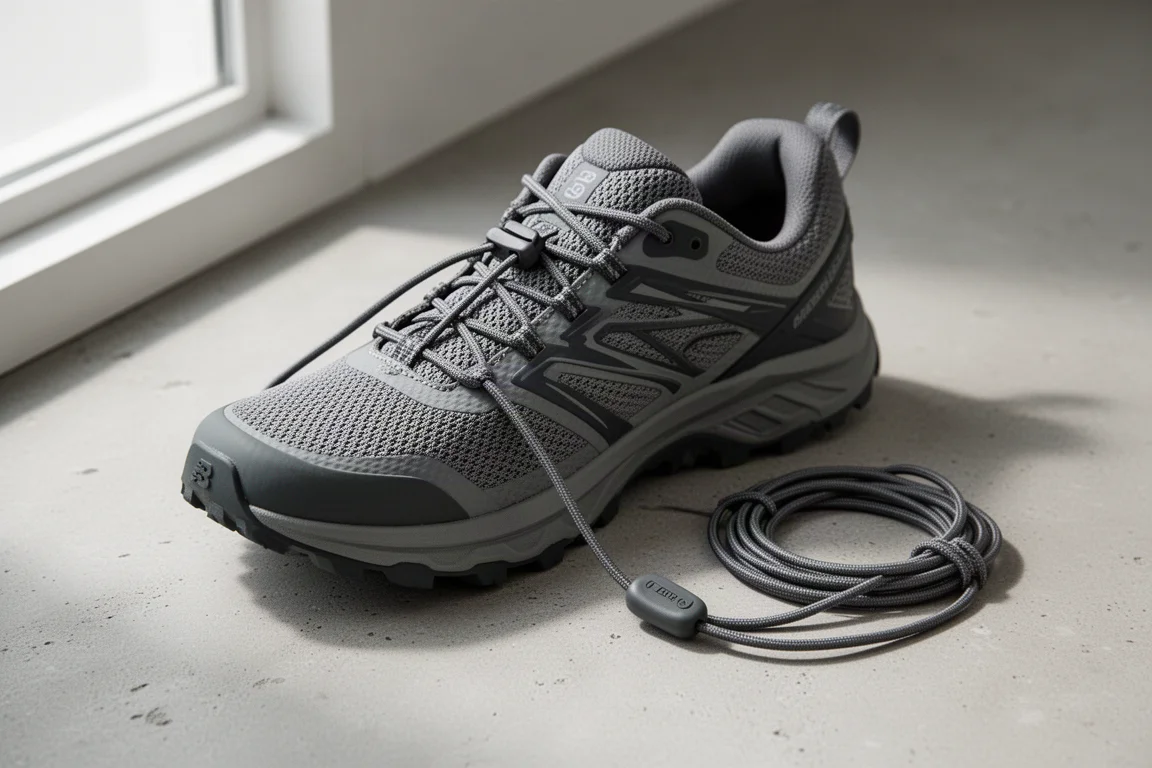
Lock Laces
Lock Laces replace standard shoelaces with a thin elastic cord and a small clip, so you can tighten or loosen your trail runners without bending down to tie anything. That matters most when you are already wearing a loaded pack.
They are available in a range of colors to match your footwear, and they sit comfortably inside the under-$30 range. For anyone who stops to adjust laces on climbs, they are a small, inexpensive quality-of-life upgrade.
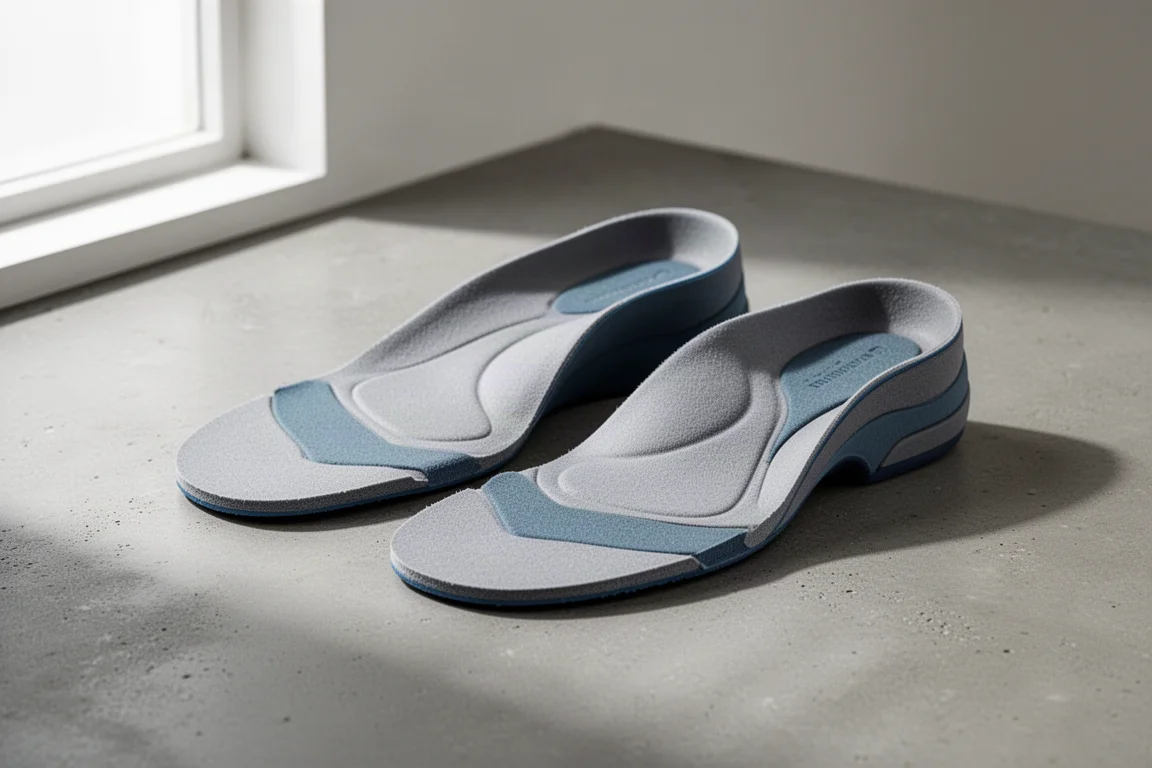
Dr Scholl’s Plantar Fasciitis Insoles
Many hikers end up replacing the insoles that come with their trail runners. Premium aftermarket insoles often cost $50 to $60 a pair, which is why the Dr Scholl’s plantar fasciitis insoles at around $15 are worth a look.
They add arch support, which in turn helps with plantar fasciitis discomfort. They are a budget option rather than a custom solution, and how much they help varies from person to person.
Darn Tough Socks
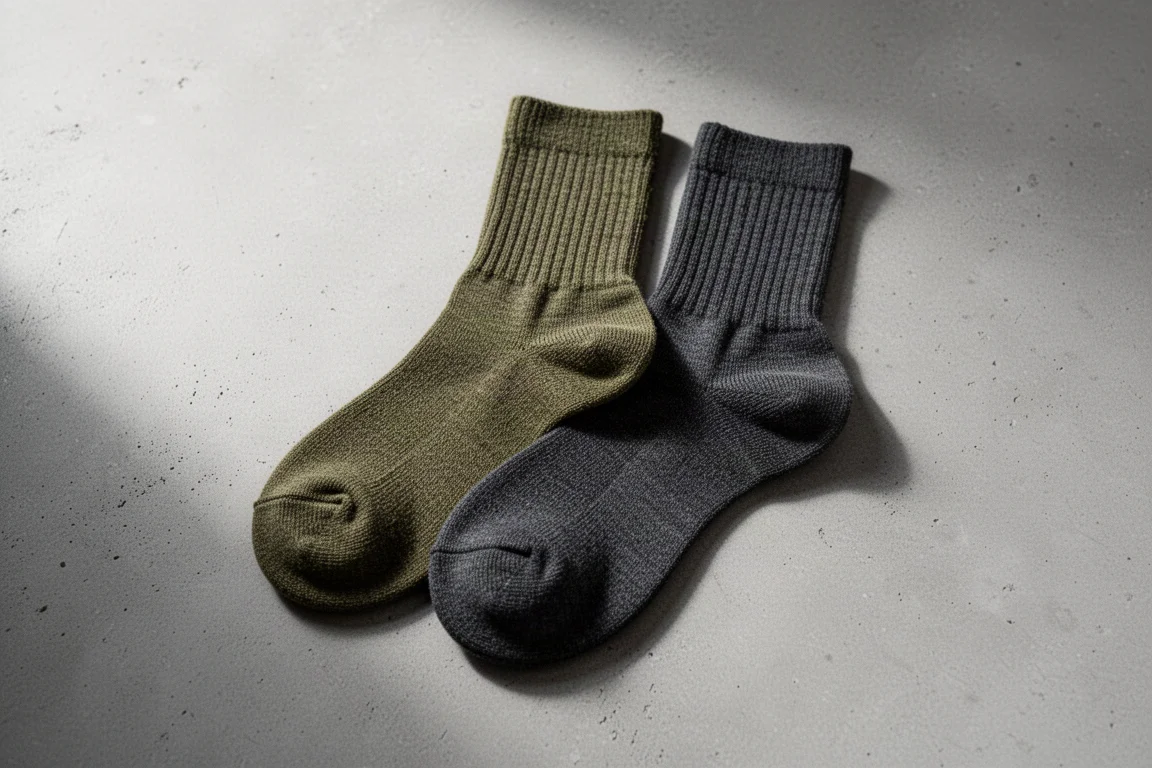
Socks are the one category where a slightly higher price is easy to justify. Darn Tough socks typically cost about $20 or less per pair, and they carry a lifetime warranty: wear a hole in a pair and it can be replaced.
For a long-distance hiker, that warranty changes the maths. A pair that lasts and can be renewed is cheaper across several seasons than repeatedly replacing inexpensive socks.
Overall Buying Advice
The best argument for budget gear is not that it is cheap. It is that it removes an excuse. A stove that costs less than a restaurant meal, a pot that has survived ten thousand miles, and a $10 titanium spoon all do the same job as their premium counterparts, sometimes with a small penalty in fuel efficiency or refinement.
Match each item to the job. Choose pot volume based on what you actually cook. Choose a filter based on whether you value flow rate or weight. Carry a trowel only if you will genuinely use one. And do not overlook clothing, where basic synthetic layers, a modest sports bra, and roughly $20 each for socks and underwear deliver more comfort per dollar than most upgrades elsewhere in the kit.
Finally, treat these prices as a snapshot. Sales, seasonal stock, and retailer differences all move the numbers, and a $30 ceiling is a starting point rather than a rule.
Conclusion
None of the nine items here is expensive, and most of them have already proven themselves over long distances. The pattern is consistent: a clear job, a low price, and one or two trade-offs you can live with. Start with the pieces that match how you actually hike, and a modest kit will hold up better than you might expect.
Further reading
Related Reviews

Backpacking Gear
Building a 10 lb Base Weight: An Ultralight Backpacking Gear List
A practical walkthrough of the ultralight pieces behind a 10 lb base weight, from a 765 g pack and a roomy one-person tent to a full camp chair and a dependable water filter.

Backpacking Gear
A 15-Pound Lightweight Backpacking Gear List for Solo Trips
A beginner-friendly 15-pound backpacking setup built from easy-to-find gear, with notes on what each piece does, how it packs, and where to spend your attention.

Backpacking Gear
8 Ultralight Backpacking Gear Upgrades Worth Carrying
Eight small, affordable backpacking upgrades that solve real trail annoyances, from a pillow that stays put to a fuel valve that rescues leftover canister gas.