Backpacking Gear
Budget Backpacking Gear: Teton Sleeping Bags and Tents vs. Lighter Alternatives
A practical look at budget backpacking sleeping bags and tents, where the savings are real, and which alternatives deliver more for similar money.
Introduction
Budget backpacking gear is easy to find. Gear that is genuinely good at a low price is much harder to find, and the difference usually hides in details that a product page will not tell you.
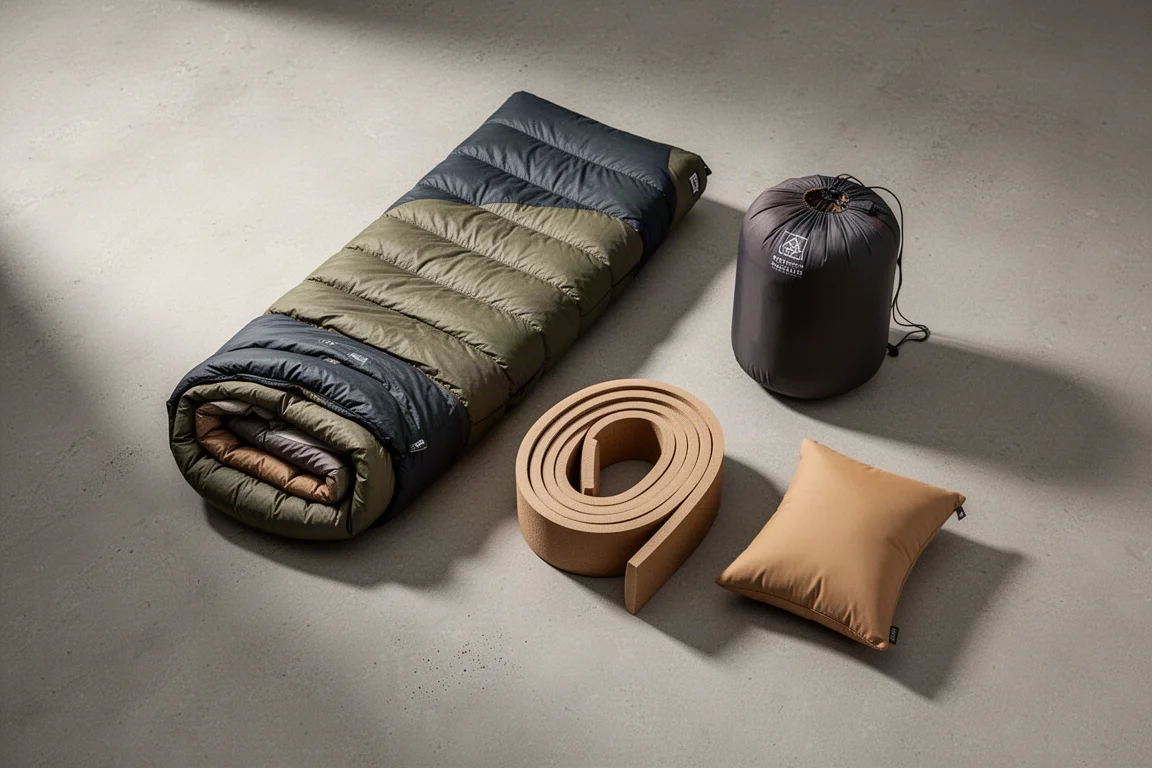
The appeal of a low-cost kit is obvious. A complete setup of two tents, two backpacks, a sleeping pad, a sleeping bag, and a pillow can come in under $800, a fraction of what a comparable kit from most other brands would cost. For a first-time backpacker, that is an attractive starting point.
The question is where the money was saved. Two patterns matter most. The first is weight: heavier fabrics and hardware cost less to produce but cost energy on every climb. The second is disclosure: a temperature rating is only useful if the brand publishes the information behind it.
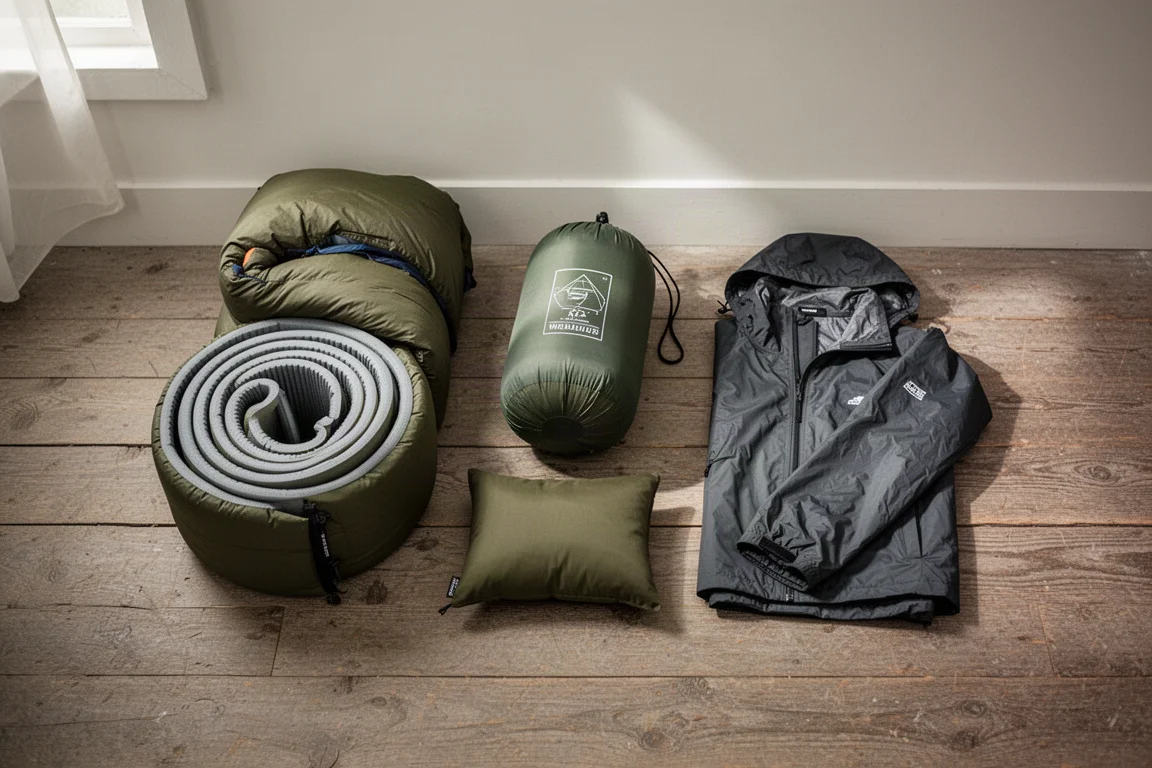
Both patterns show up clearly in the products below, and in each case there is an alternative at a similar price that solves the problem.
What to Look For in Budget Backpacking Gear
A few checks separate a bargain from a false economy.
Sleeping bag loft. Down insulation has been used for a very long time, and the relationship between loft and warmth is well established. A typical 20°F down bag carries roughly 2 inches of loft. If a bag measures noticeably less than that, the temperature rating is optimistic.
Published specifications. Fill power, fill weight, and an ISO or EN temperature rating are the figures that let you compare bags honestly. When a brand leaves all of them out, the temperature claim is marketing rather than measurement.
Weight per person. For a backpacking tent, about 2 lb per person is a sensible ceiling. Several brands offer a two-person tent in the region of 4 lb.
Fabric denier. Heavy fabrics such as 150-denier polyester are mass-produced for luggage, seat covers, and boat covers, which makes them strong and inexpensive. The trade-off is bulk and weight.
Interior space. A bulky tent is heavy to carry and can still be cramped inside, so check the interior length as well as the packed size.
Teton Altos 20° Down Sleeping Bag
Teton’s only down-filled sleeping bag is also the most expensive item in the kit at $173, which makes it the natural place to start.
Out of the stuff sack, it does not feel as fluffy as a 20°F down bag should. Loft measurements come in at around 1.25 inches, well short of the roughly 2 inches a 20°F down bag normally carries. On that basis, the insulation looks closer to a 50°F bag than a 20°F one.
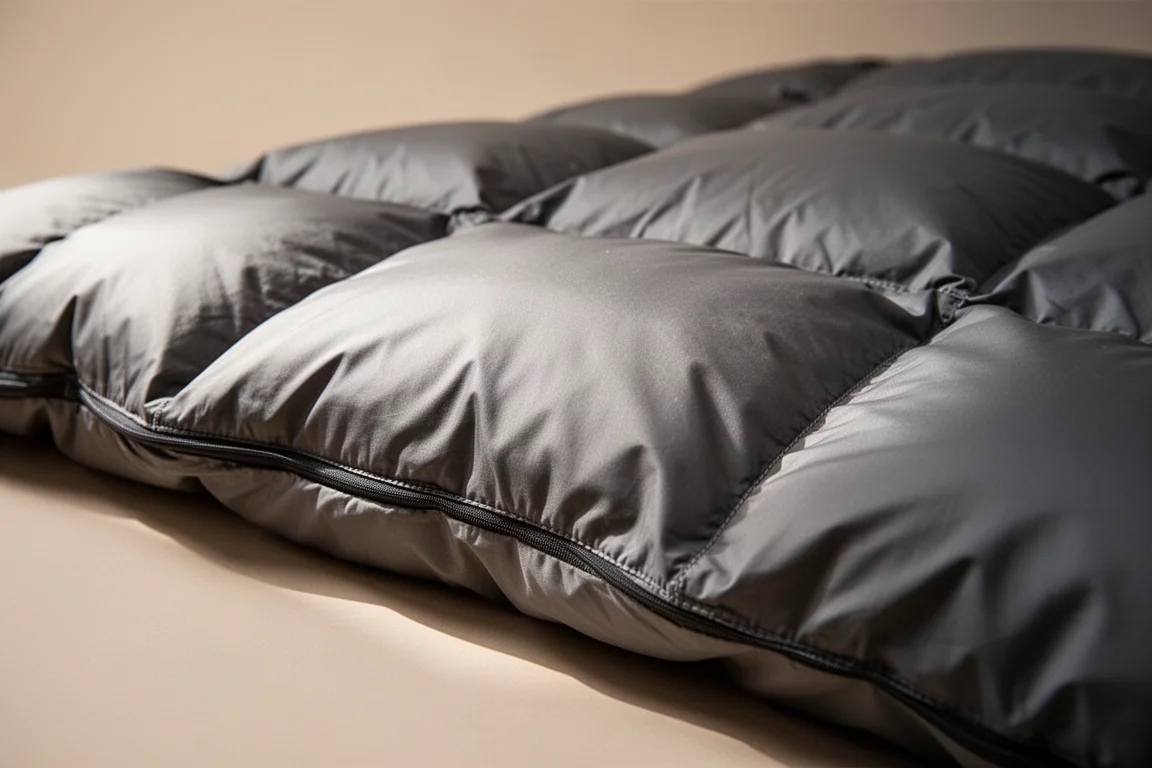
The product information does not help. Fill power and fill weight are not listed, there is no split between a comfort rating and a survival rating, and no ISO or EN certification is referenced. Those are exactly the figures a buyer needs in order to judge whether a temperature claim is real.
Kelty Cosmic 20 Down Sleeping Bag
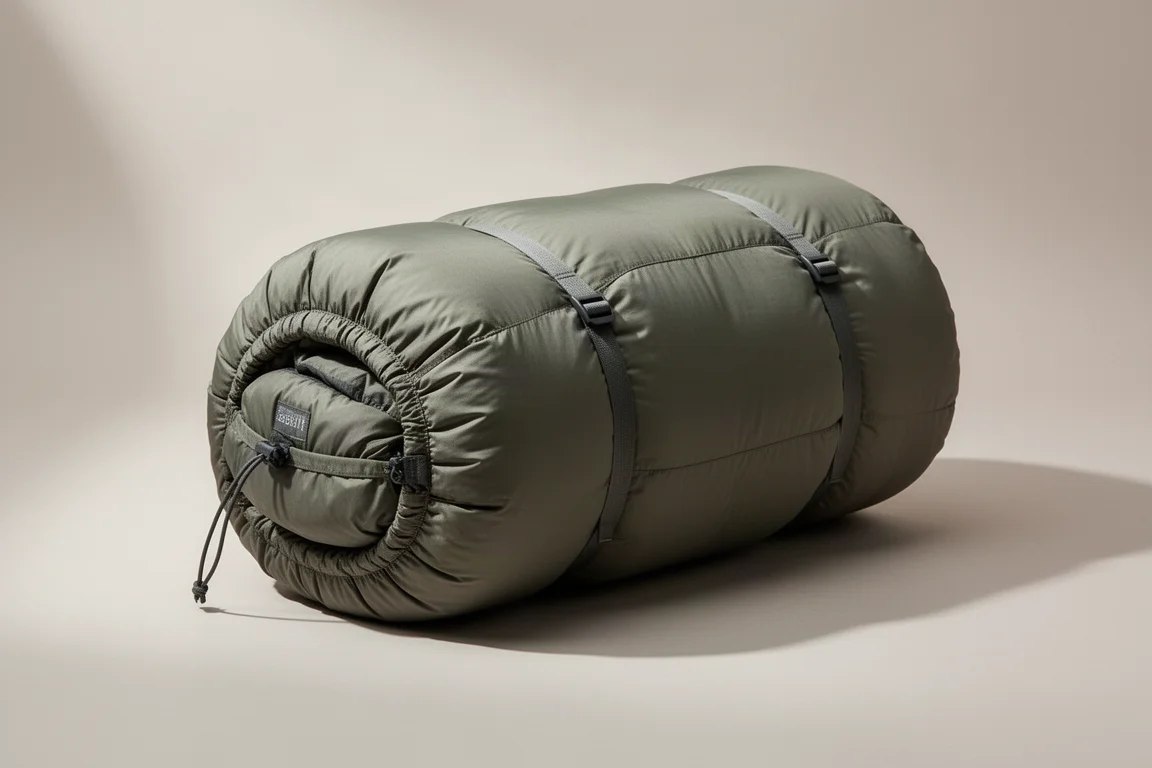
The Kelty Cosmic 20 down is the first alternative worth considering. It sits at roughly the same price as the Teton Altos 20°, which is the important part: a down bag does not have to cost more to be a better choice.
You keep the warmth-to-weight advantages of down insulation without accepting the loft shortfall described above.
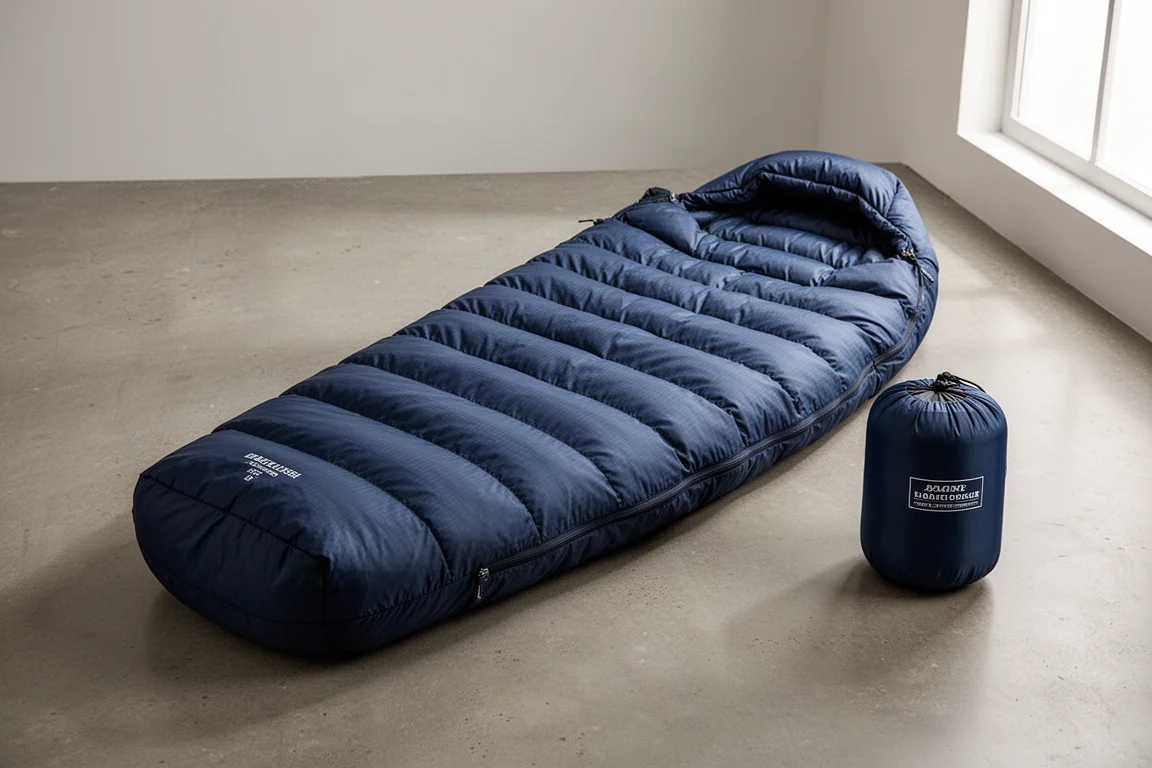
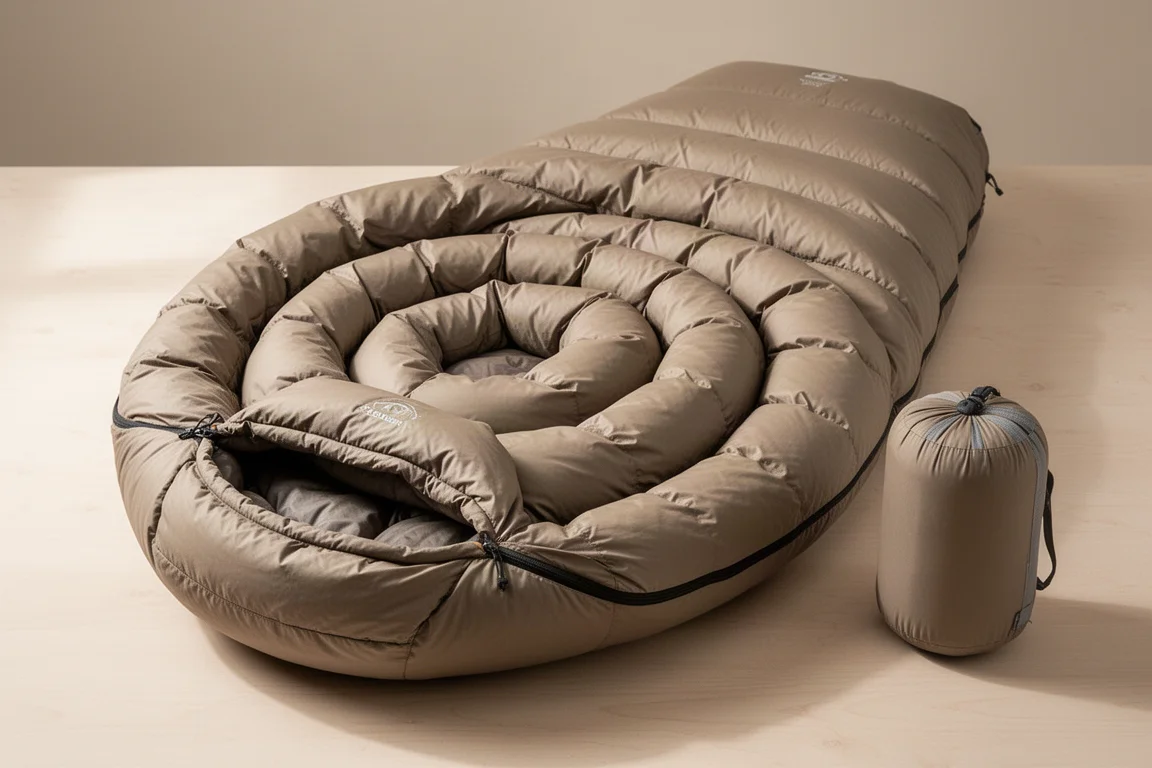
Featherstone Moondance 25 Sleeping Bag
The Featherstone Moondance 25 costs about $10 more than the Teton Altos 20°, a small step up for a bag that is the stronger of the two options.
If a 25°F rating suits the conditions you actually camp in, that extra ten dollars is better spent here than saved on the wrong bag.
Teton Mountain Ultra 2-Person Tent
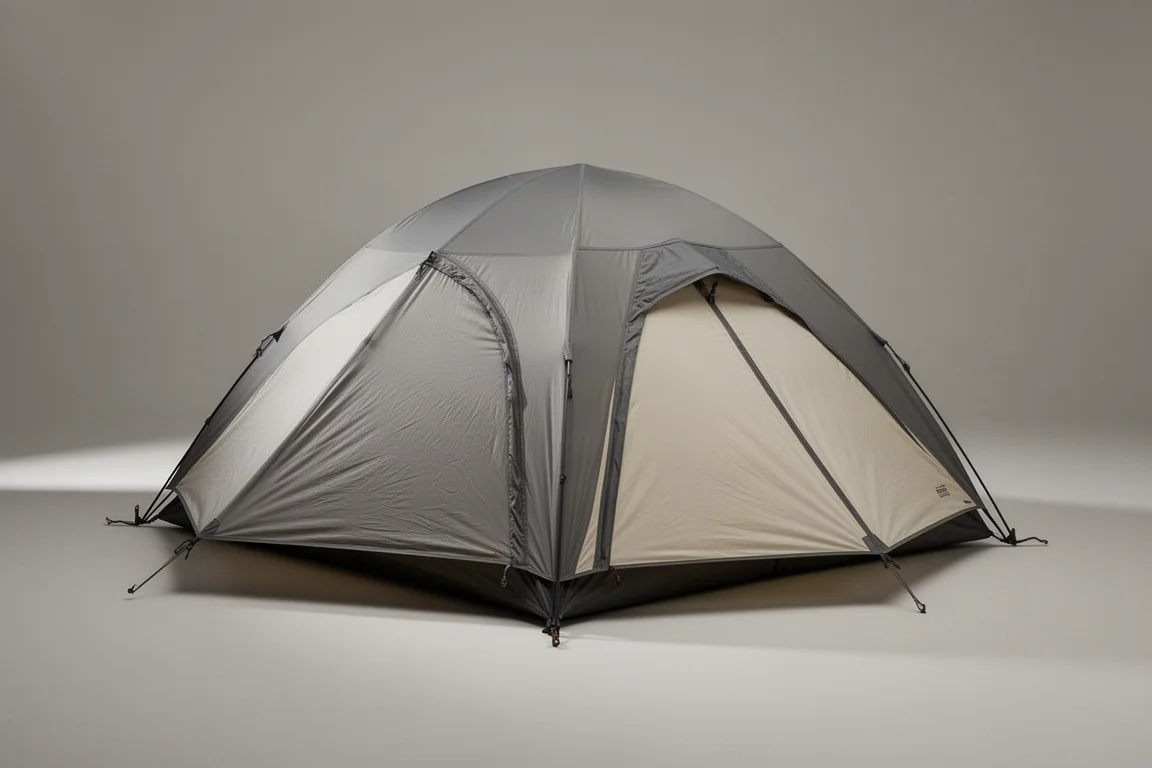
Teton’s only backpacking tent is the Mountain Ultra 2-person, priced at $120. It weighs 6.1 lb, which is a lot to carry on your back. Around 2 lb per person is a reasonable target, and most brands offer at least one two-person tent near 4 lb.
Construction is not the problem. The tent is well made, with a mesh hammock in the ceiling and a fly that reaches all the way to the ground. The floor and fly use 150-denier polyester, a fabric that is strong, widely mass-produced, and inexpensive. That makes the tent close to bomb-proof, but it is overkill for a backpacking shelter, and you pay for the durability in weight and bulk.
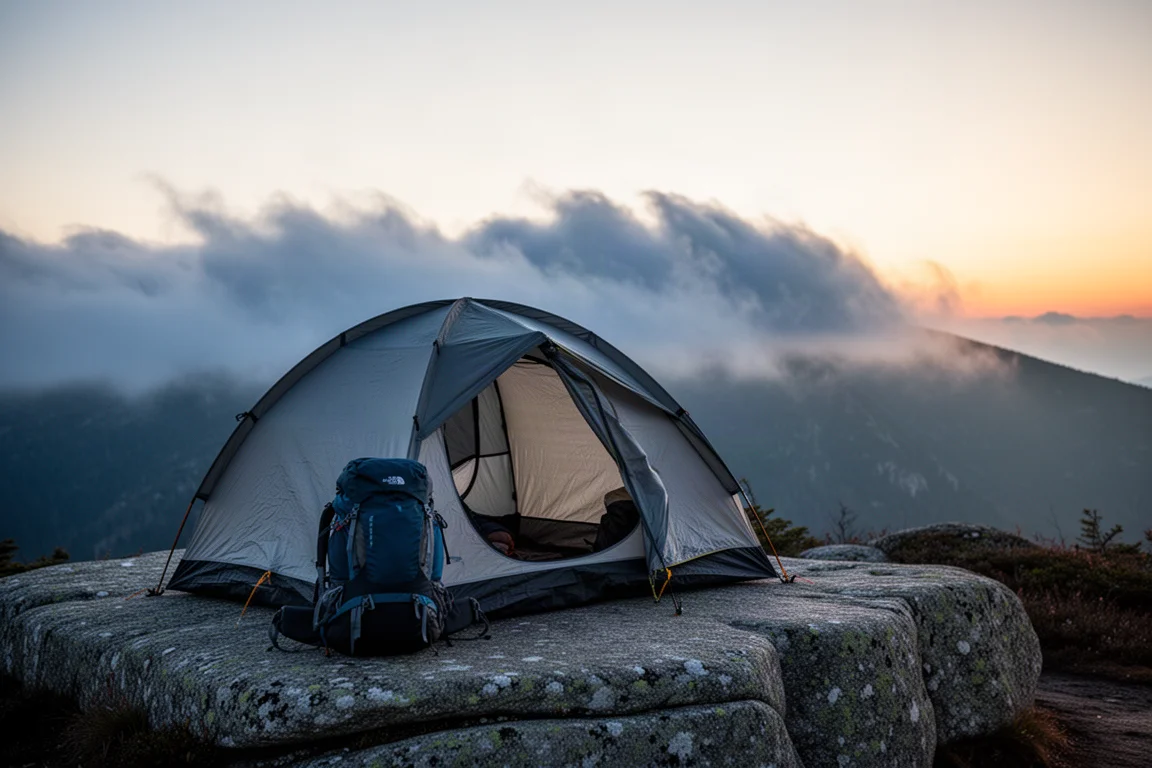
The interior is tighter than the packed size suggests. Teton’s own sleeping pad barely fits from head to toe, so anyone much taller than about 5 ft 7 in will find the space restrictive.
There is also a structural logic worth understanding. A heavier, more durable tent generates fewer warranty claims, and Teton backs its products with a lifetime warranty. Building heavy saves the brand money in two ways at once. For a first-time buyer, the risk is spending $120 now and replacing the tent a season later, once hauling it uphill loses its charm.
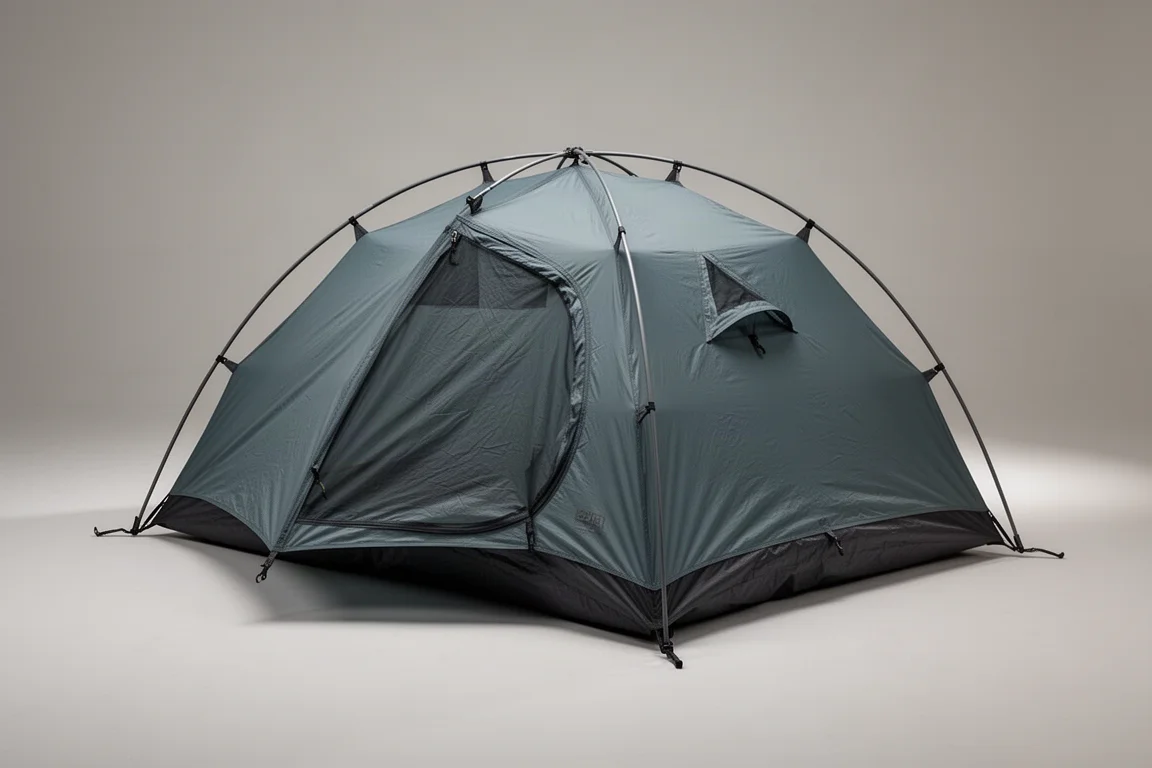
Featherstone Granite 2-Person Tent
The Featherstone Granite 2-person tent sits at roughly the same price as the Mountain Ultra 2, so the comparison is not about saving money. It is about carrying less for the same outlay.
That is the trade most backpackers end up making anyway, and making it at the point of purchase is cheaper than making it a season later.
Naturehike Cloud Up 2 Tent
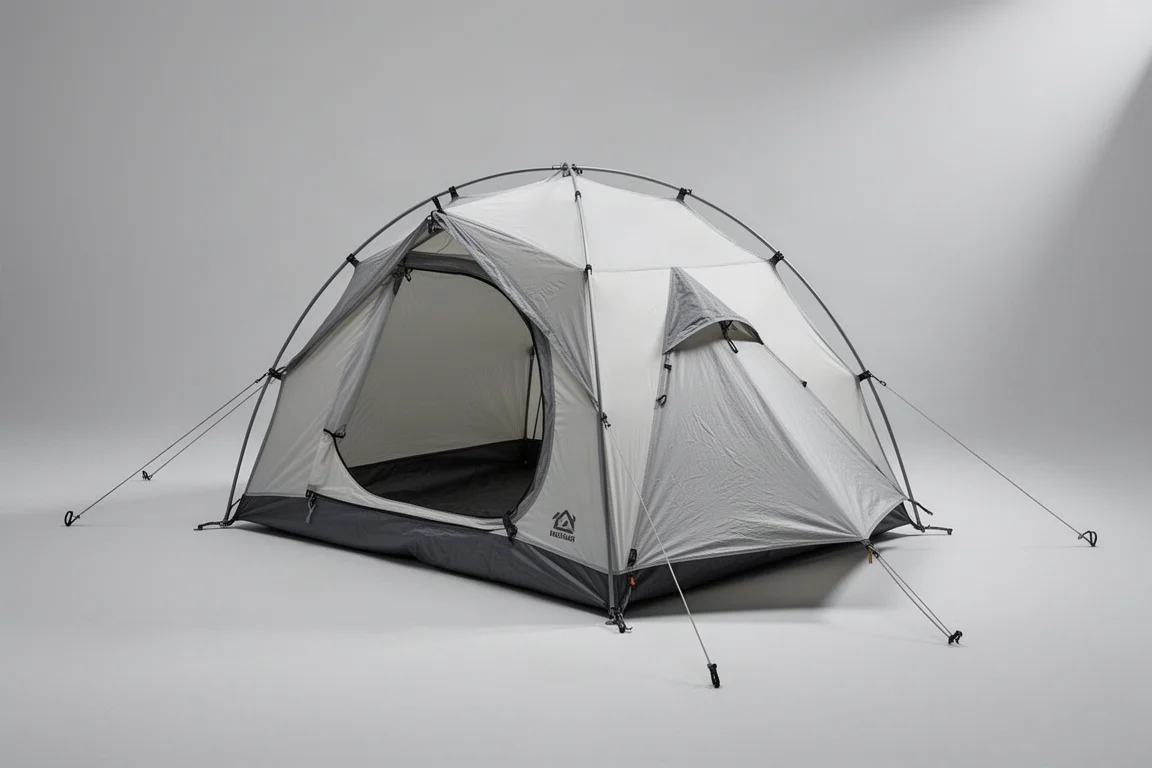
The Naturehike Cloud Up 2 is another option at about the same price, and it stands out for wind performance. It has held up strongly in wind testing, which is a useful reminder that a tent does not have to be heavy to be inexpensive and durable.
For anyone who hikes in exposed terrain, that combination of lower weight and dependable structure is the reason this tent belongs on the shortlist.
Buying Advice
The right purchase depends on how you camp, not on how little you want to spend.
If your trips are car camping, weight matters far less. A heavier, more durable shelter makes more sense there, where the tent travels from the trunk to the site and toughness is the priority.
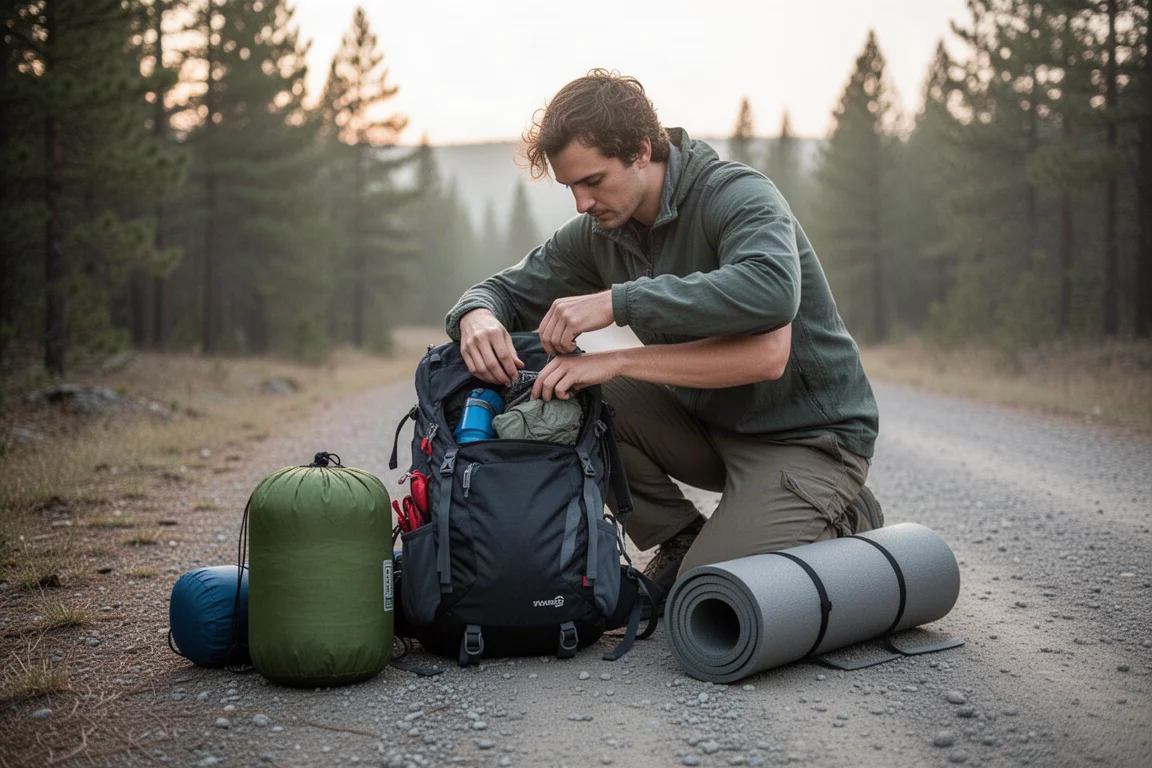
For backpacking, weight and published specifications should drive the decision. On sleeping bags, look for loft, fill power, fill weight, and an ISO or EN rating before you trust a temperature number. On tents, aim for around 2 lb per person if your budget allows. At similar prices, the Kelty Cosmic 20, the Featherstone Moondance 25, the Featherstone Granite 2, and the Naturehike Cloud Up 2 each solve a specific weakness described above.
The one clear skip is the Teton Altos 20° down bag. The loft measurement and the missing specification detail make the temperature claim hard to trust at $173, and better down bags are available at the same price or within about $10.
Conclusion
Budget gear is not automatically bad gear. A low-cost kit can get a first-time backpacker outdoors, and that has real value. What matters more is knowing where the savings came from: a heavier fabric, a heavier frame, or a rating that the insulation does not support.
If you want the lowest possible entry price and mostly camp in mild conditions, Teton’s lineup will get you onto the trail. If you plan to carry your gear uphill, spend the same money on the lighter alternatives here and you will not be shopping for a second tent a season later.
Further reading
Related Reviews

Backpacking Gear
Building a 10 lb Base Weight: An Ultralight Backpacking Gear List
A practical walkthrough of the ultralight pieces behind a 10 lb base weight, from a 765 g pack and a roomy one-person tent to a full camp chair and a dependable water filter.

Backpacking Gear
A 15-Pound Lightweight Backpacking Gear List for Solo Trips
A beginner-friendly 15-pound backpacking setup built from easy-to-find gear, with notes on what each piece does, how it packs, and where to spend your attention.
Backpacking Gear
8 Ultralight Backpacking Gear Upgrades Worth Carrying
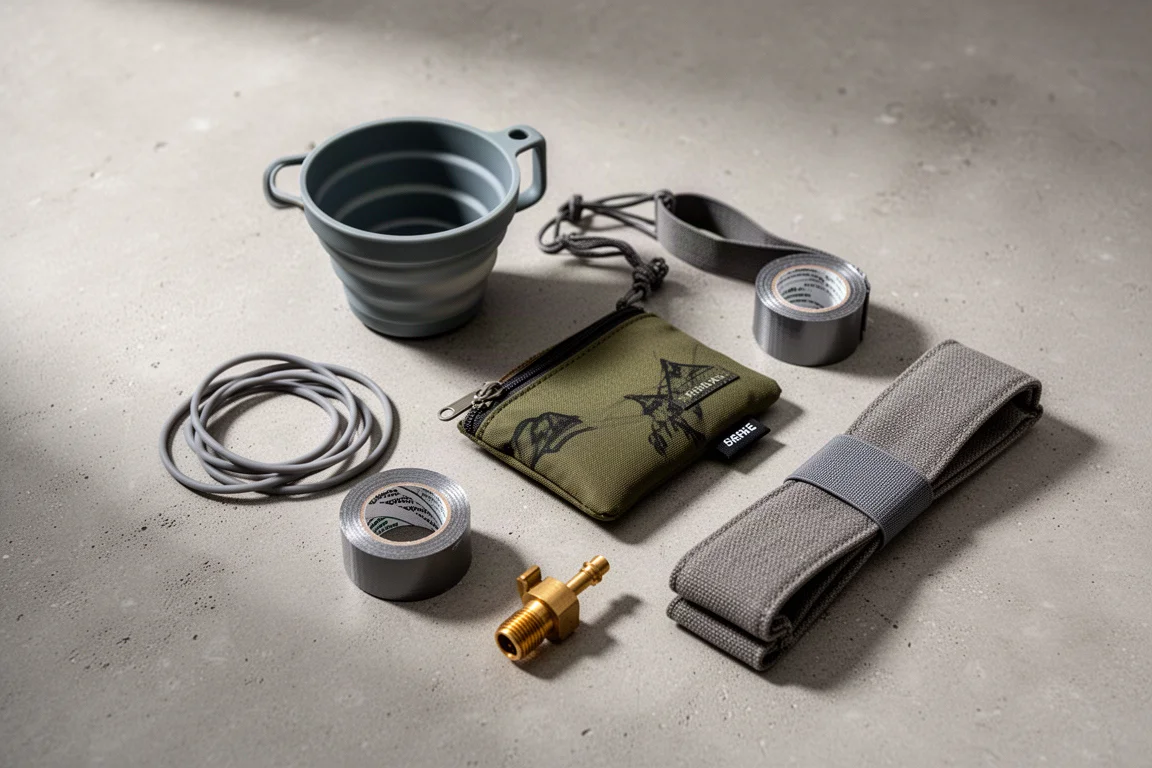
Eight small, affordable backpacking upgrades that solve real trail annoyances, from a pillow that stays put to a fuel valve that rescues leftover canister gas.