Backpacking Gear
Budget Backpacking Gear Roundup: What Worked and What to Skip
A practical look at low-cost backpacking gear, from a $35 tent to water filters, sleeping bags, and layering pieces, with clear strengths and trade-offs.
Introduction
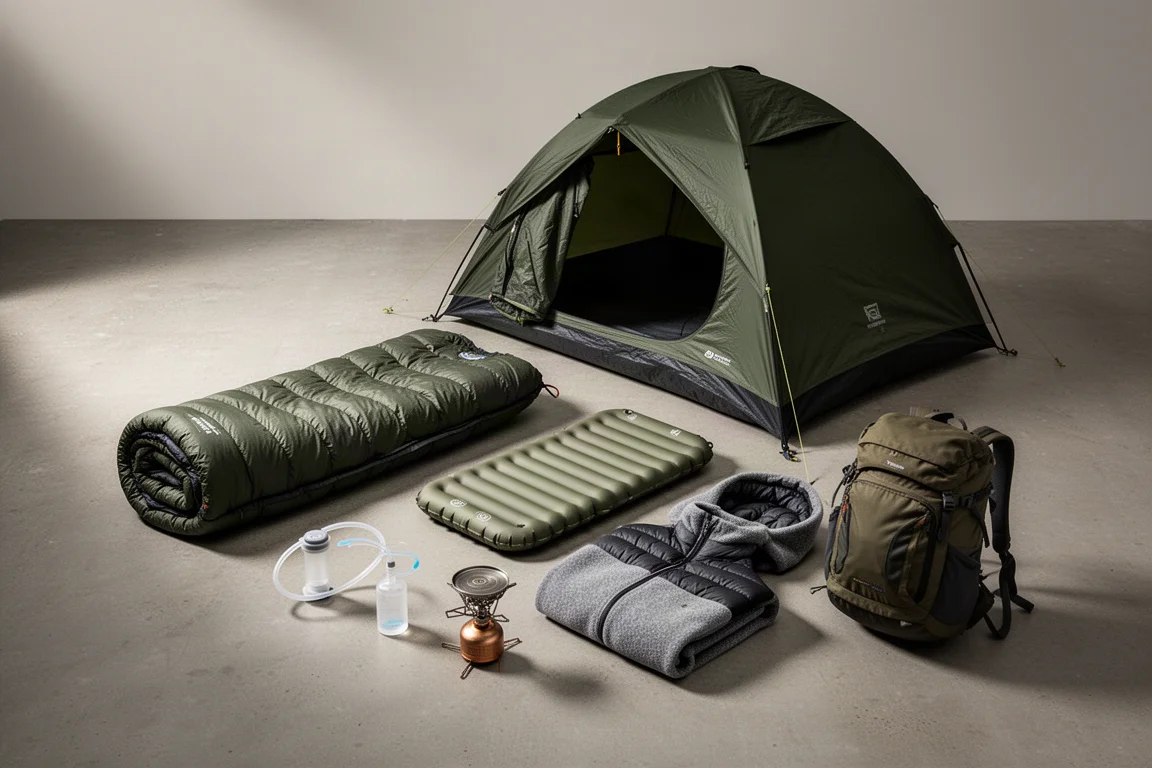
Cheap backpacking gear can be tempting, especially when a full loadout costs less than $300. But low prices often come with trade-offs that only show up after a night outdoors. This roundup covers a set of budget-friendly, top-rated picks for backpacking, from a $35 tent to sleeping bags, pads, water filters, a stove, layering pieces, and a pack. Each item was considered for value, field performance, and the kind of trips it suits. The goal is simple: help you decide which low-cost items are worth trying and which ones are better skipped.
How These Picks Were Evaluated
The focus was on real-world backpacking use rather than marketing claims. Key criteria included price, weight, comfort, warmth, water treatment performance, ease of use, and how each item handles common camping conditions. Review volume and marketplace ratings were noted where relevant, but they were not treated as proof of quality. A high rating can point to a popular product, yet field performance and specification details matter more when you are relying on gear in wet, cold, or remote conditions.
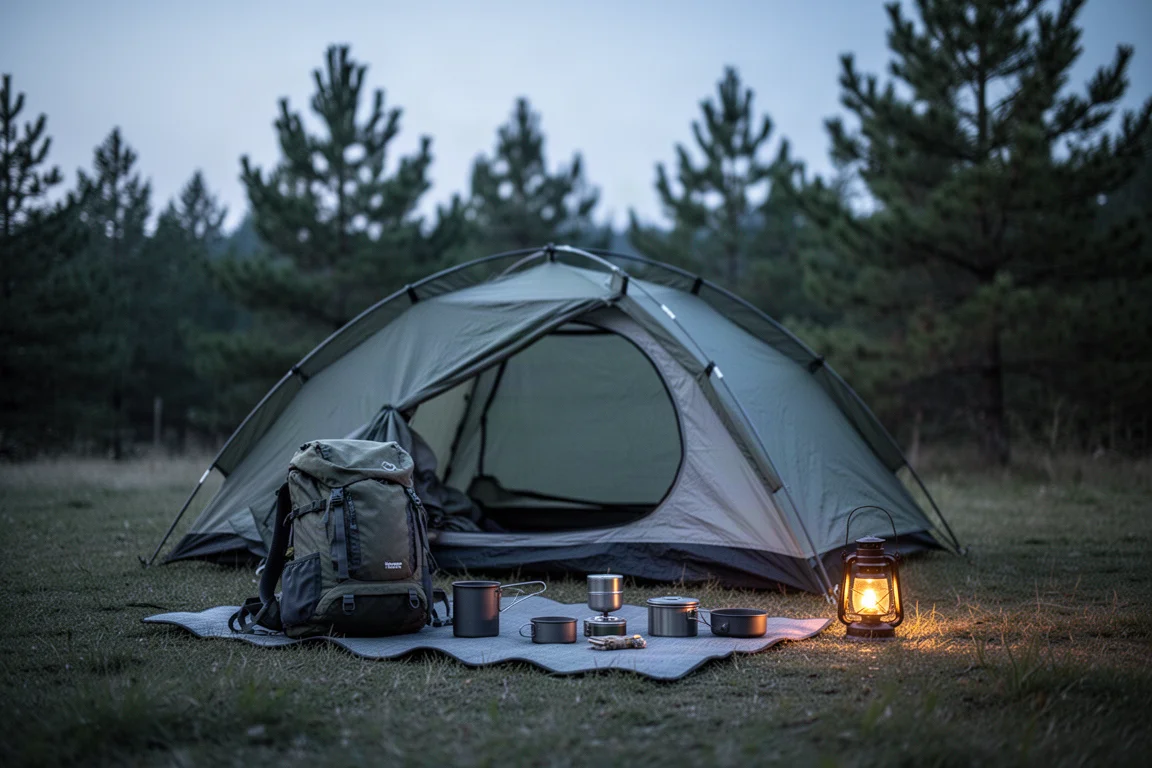
For budget gear, the biggest question is not whether it works at all. It is whether the limitations are manageable for your trip. A tent that handles condensation with a wipe-down may be fine for a dry weekend, while a sleeping bag with an unclear temperature rating may be a poor choice for cold nights. The sections below highlight those trade-offs clearly.
Nightcat One-Person Backpacking Tent
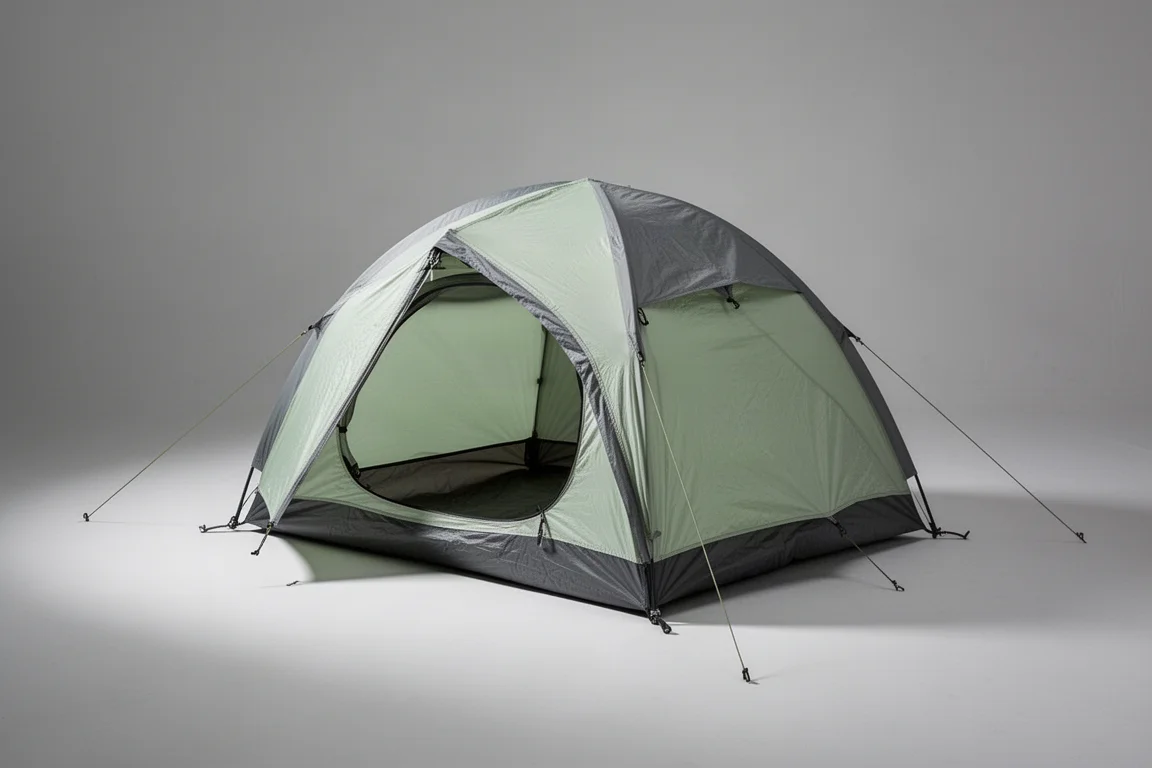
The Nightcat one-person backpacking tent is a standout for price alone at $35. It has a 4.4 out of five star rating with over 2,000 reviews, making it a popular low-cost option. It weighs almost 5 lb, so it is not a lightweight shelter, and pitching takes more effort than a premium tent. The rainfly is very small and barely covers the mesh area, which raises questions about rain protection. As a single-wall design, it also has limited ventilation, so condensation can build up. In testing, the tent stayed dry, but the rainfly was not fully challenged. Condensation was the bigger issue, with moisture collecting in the bathtub floor. That can be managed by wiping the walls with a towel, but it adds work. For a fair-weather camper or someone willing to manage condensation, the Nightcat tent can make sense at this price.
Teton Leaf 20 Sleeping Bag
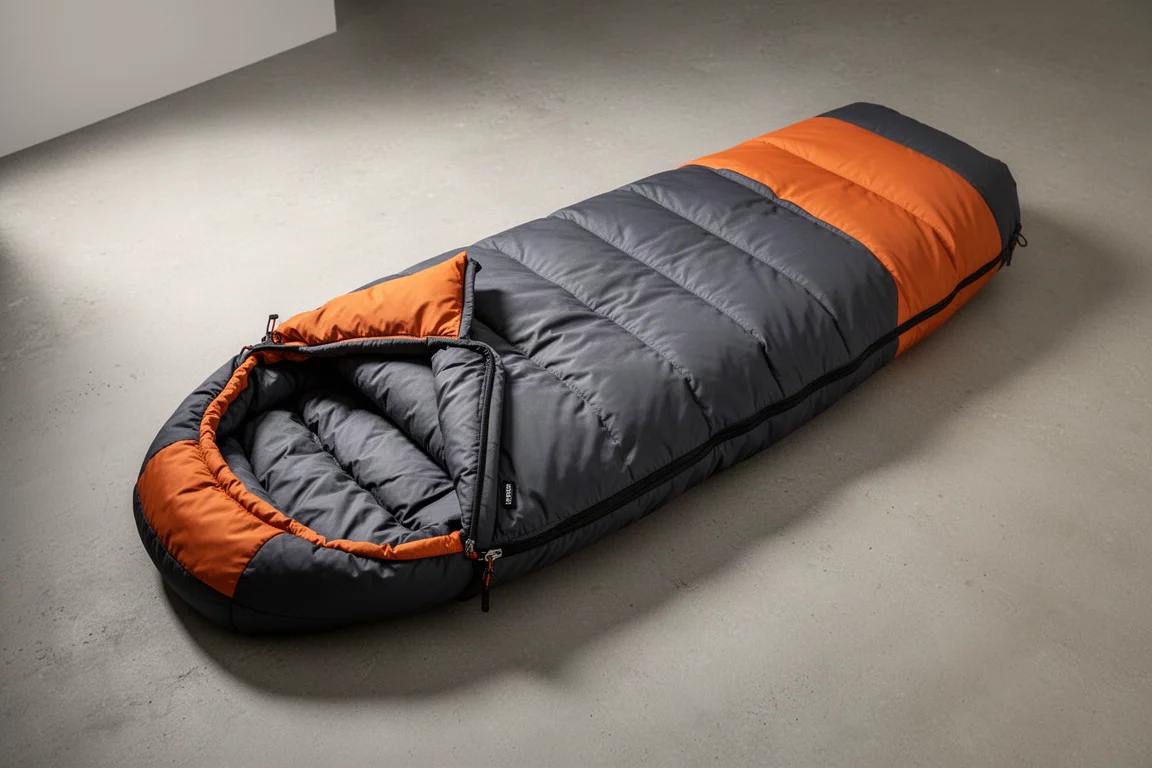
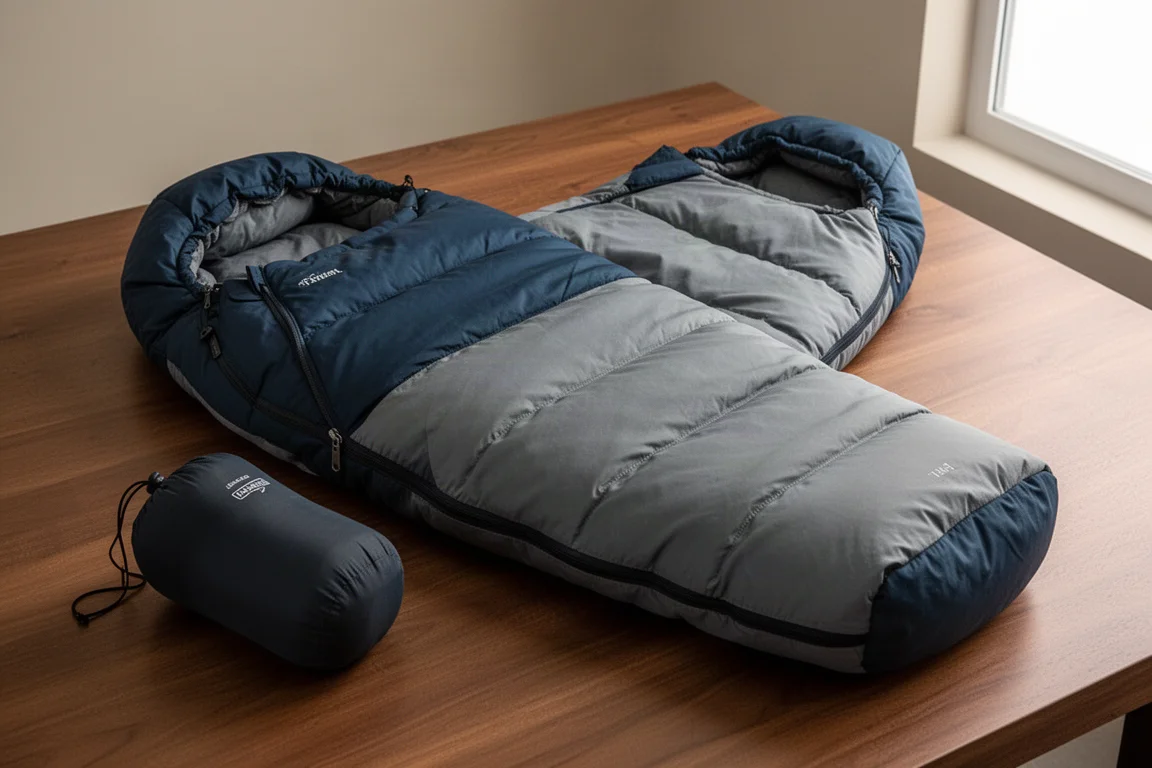
The Teton Leaf 20 sleeping bag costs $56 and has a 4.6 star rating from 4,000 reviews. The main concern is the temperature rating. The 20°F figure is an extreme rating, not a comfort rating. In practice, you may need to add 10 to 20°F to avoid feeling miserable, and a 20 to 30°F range is more likely to be comfortable. At $56, the value is also questionable when a better-rated bag is available for more money. This bag is best understood as a mild-weather option, not a cold-weather sleeping bag. If you need reliable warmth, it is worth looking at a bag with a certified temperature rating.
Kelty Cosmic 20 Sleeping Bag
The Kelty Cosmic 20 is the stronger choice for colder conditions. It costs $100, roughly twice the price of the Teton Leaf 20, but it has a certified ISO temperature rating. That rating lists a 32°F comfort, a 22°F limit, and an extreme rating around 0°F. Those numbers give a much clearer picture of what to expect. For users under 5’8”, the women’s version is noted as having even better stats. The higher price buys more confidence for three-season camping and cold nights. If warmth and predictable performance matter more than saving money, this is the bag to consider.
Klymit Static V Sleeping Pad
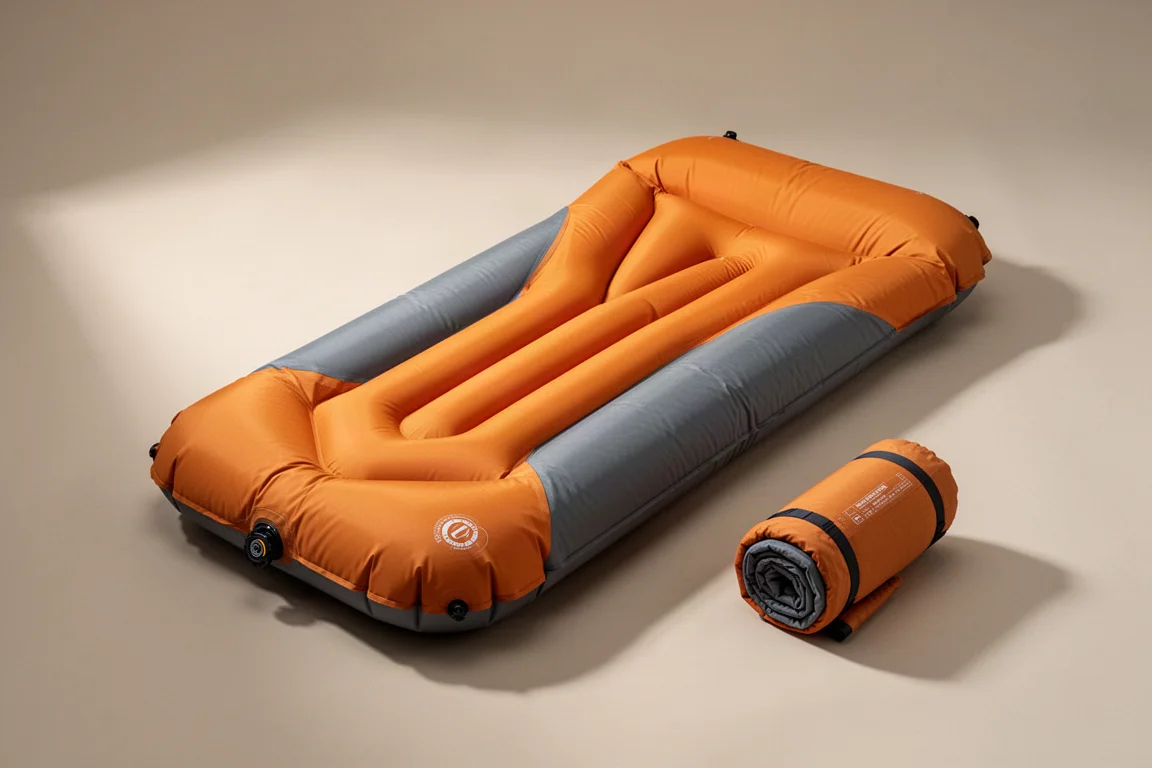
The Klymit Static V is a $40 sleeping pad and one of the best value picks for comfort. It has a 4.4 rating with over 1,000 reviews and is often highlighted as a top budget choice. The catch is warmth. Its R-value is just 1.4, which is not enough for temperatures around freezing. It is really a summer pad. The listed width is 23 inches, but it feels closer to 20 inches or less because the outer 2 to 3 inches on each side collapse when you roll onto them. Only the middle portion provides stable support. You can add warmth by layering it with a closed-cell foam pad. For warm-weather trips, it delivers strong comfort for the money.
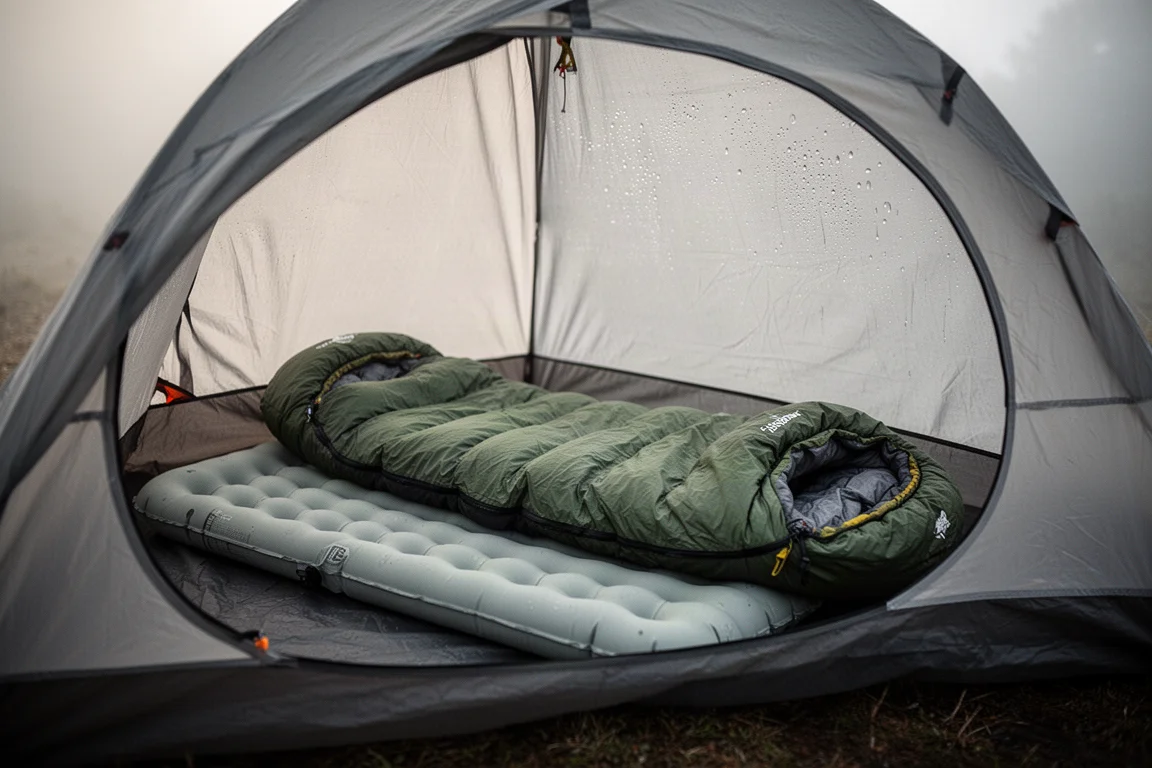
If you sleep cold or plan to camp in shoulder seasons, this pad alone will not be enough. Pairing it with a foam pad is a practical workaround, but it adds bulk and setup time. For summer backpacking, the low price and comfortable cushioning make it a reasonable choice.
Waterdrop Water Filter
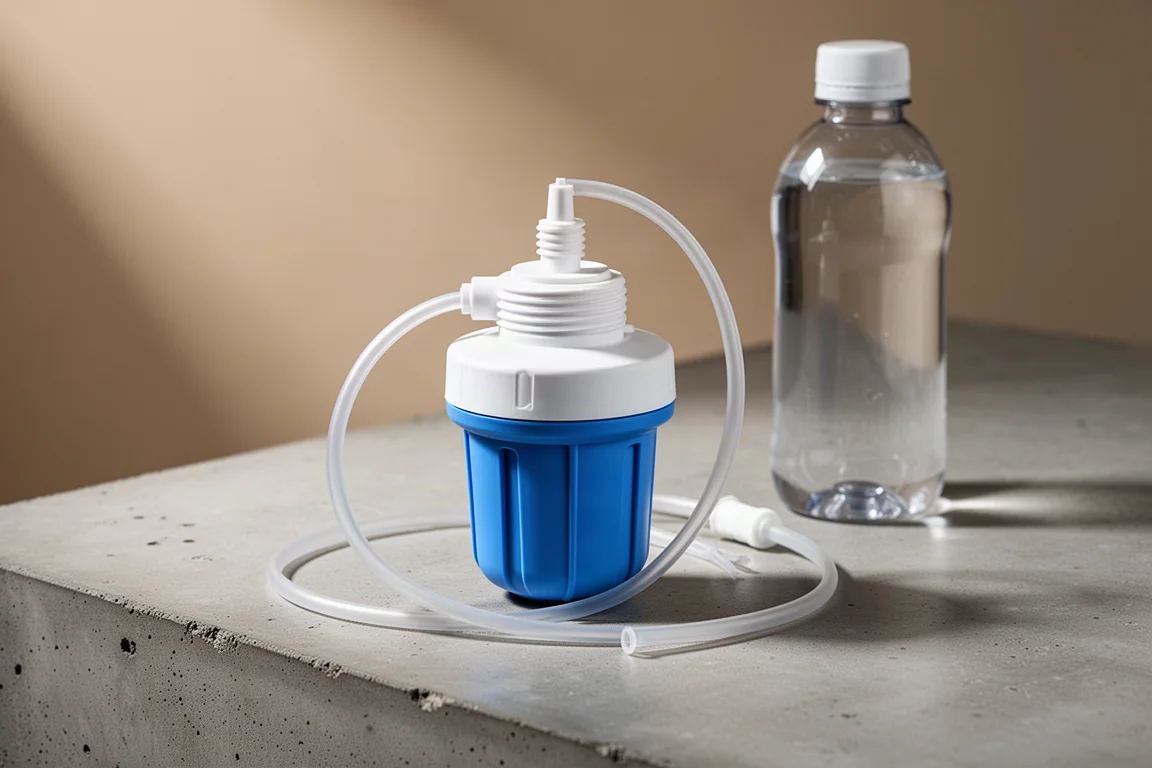
The Waterdrop water filter costs $40 and has a 4.7 star rating with over 2,000 reviews. In field use, it was the worst-performing piece of gear in the loadout. It could barely filter water. Squeezing and sucking produced almost no water, and when set up as a gravity filter overnight, it only filtered 1 L. That performance is far below what a backpacking water filter needs to do. For the same price, there are much better options. This filter is difficult to recommend for any trip where reliable water treatment is essential.
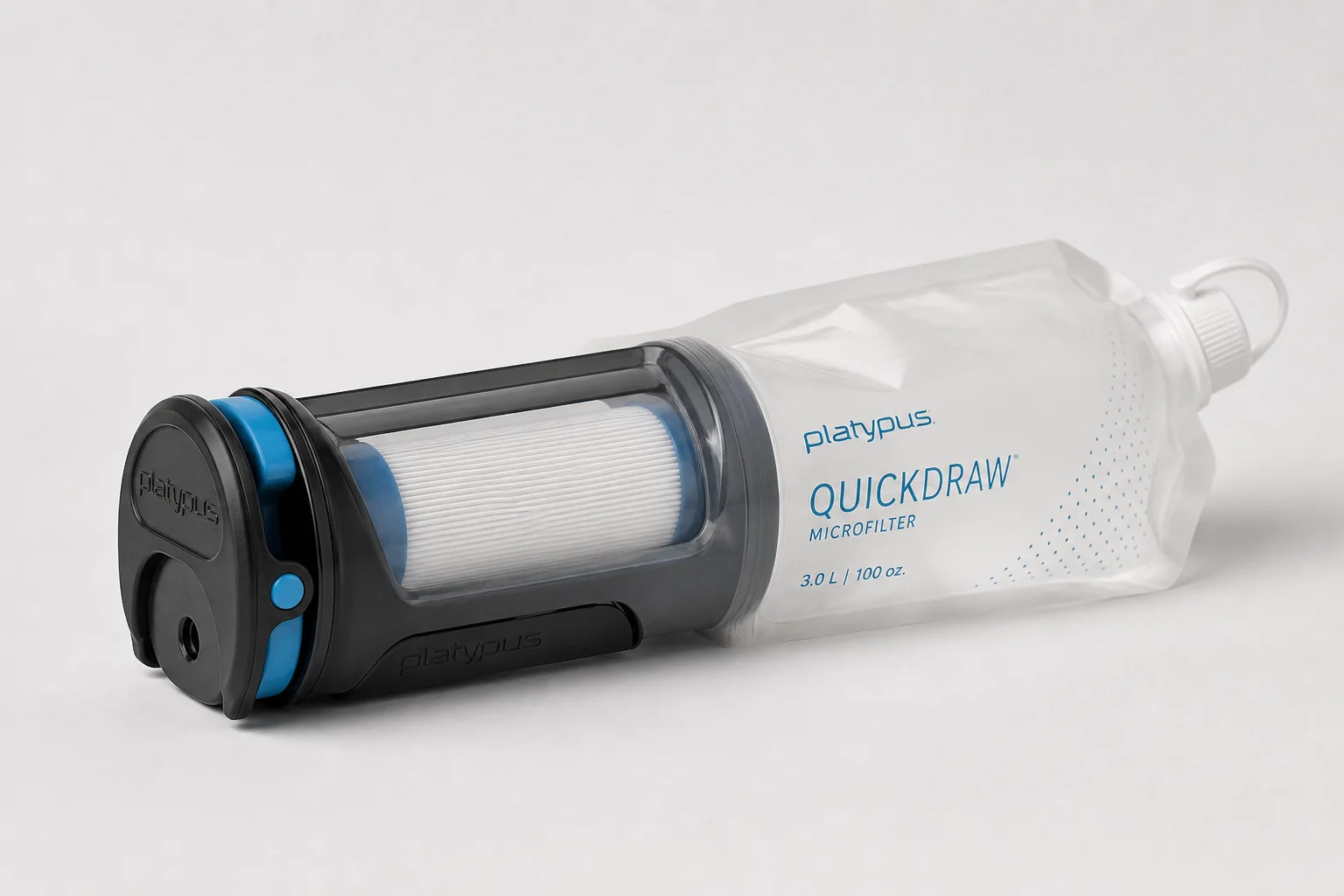
Platypus QuickDraw
The Platypus QuickDraw is a $40 water filter and a much stronger alternative to the Waterdrop. It was described as a favorite filter, with far better performance. It sits at the same price as the Waterdrop, so the upgrade does not cost more. If you want a dependable squeeze or gravity filter for backpacking, this is the one to choose over the Waterdrop. The main trade-off is that it costs more than the half-price Sawyer Squeeze Mini, but the performance difference makes it worth considering.
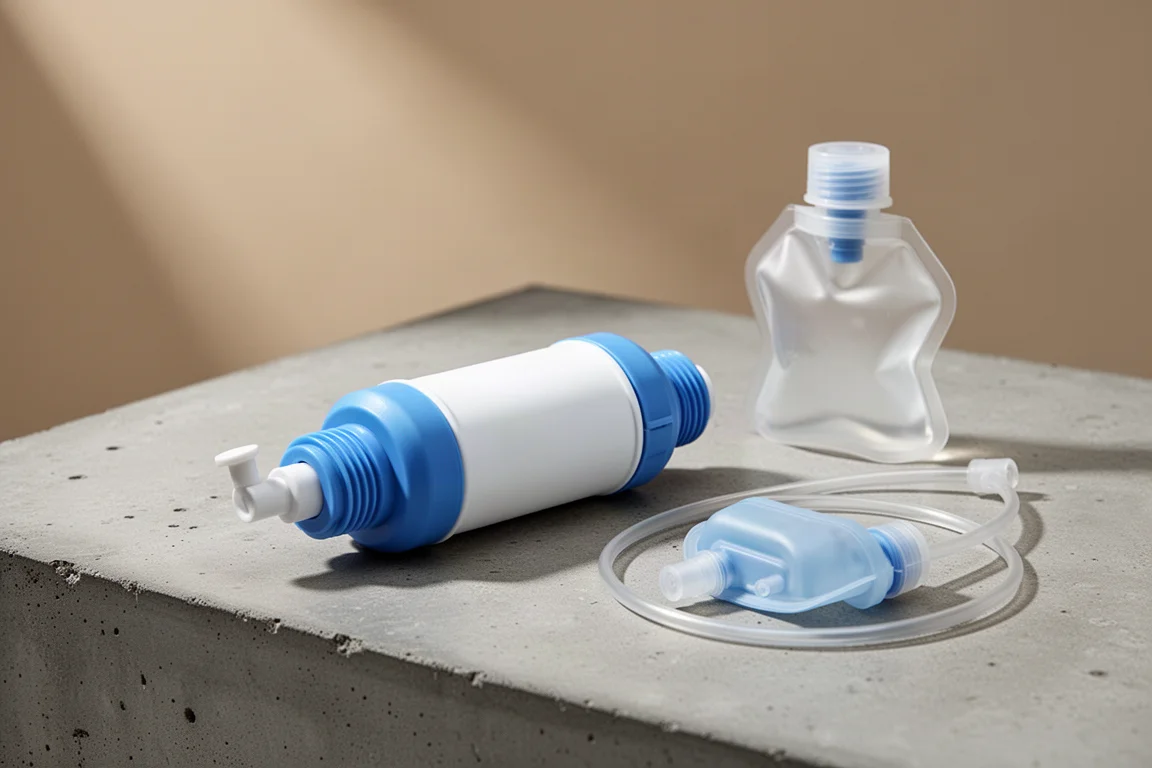
Sawyer Squeeze Mini
The Sawyer Squeeze Mini costs about $20, half the price of the Waterdrop filter, and it performed much better. It is a compact squeeze filter that is easy to pack and a strong budget choice for backpacking water treatment. It may require more effort than a larger filter, but it delivers reliable results at a low price. If you want to keep costs down without sacrificing basic function, the Sawyer Squeeze Mini is a practical pick.
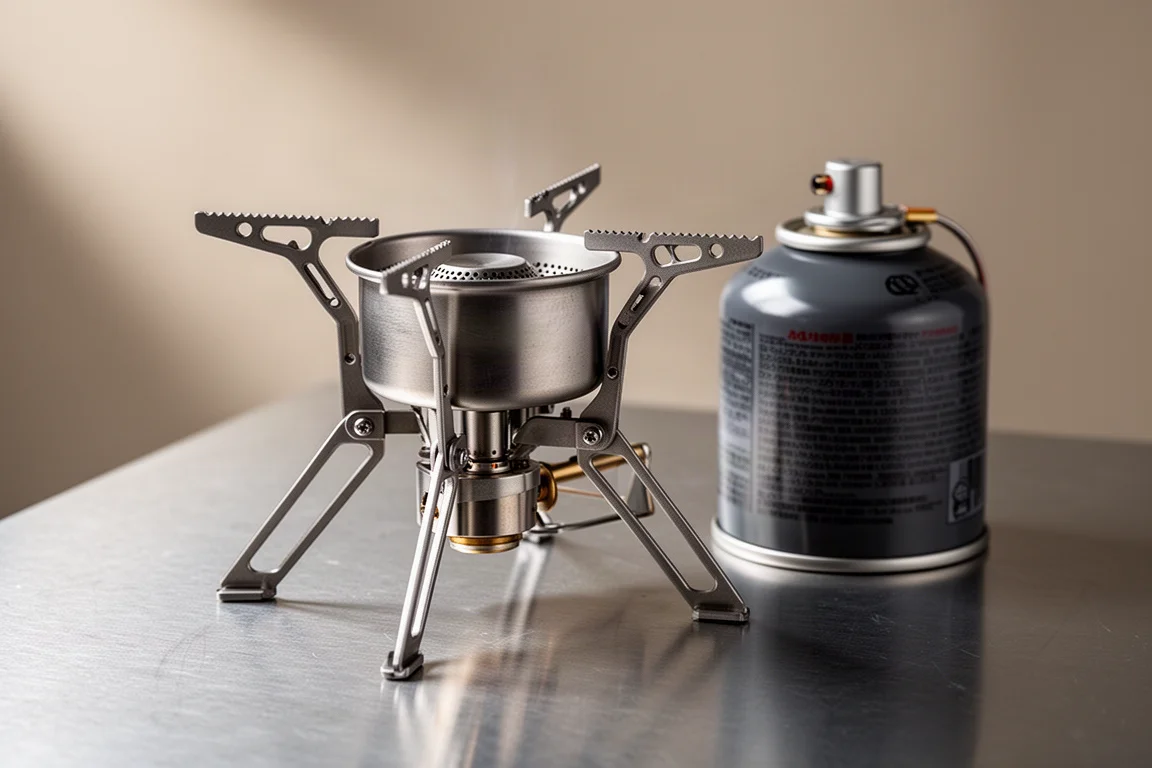
BRS 3000 Titanium Stove
The BRS 3000 titanium stove costs about $6 more than the $10 stove included in a budget cook set. It is widely used and trusted by many backpackers, and it is described as the lightest canister stove in the world. The budget combo stove worked without problems, but the BRS 3000 is the better long-term buy for most backpackers. It is a simple, ultralight canister stove that pairs well with a basic pot. For the price, it is an easy upgrade over a generic cook-set stove.
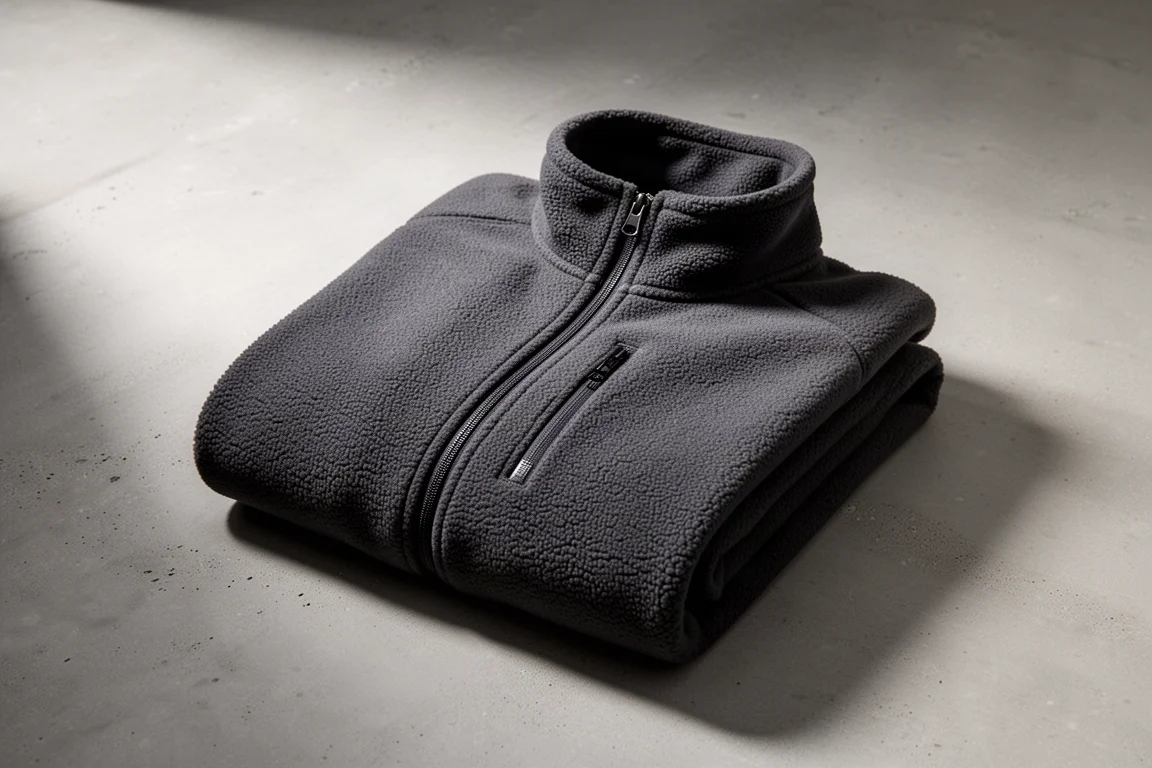
Amazon Essentials Fleece
The Amazon Essentials fleece is a budget layering piece with a 4.5 star rating from thousands of reviews. It is thicker than some users may prefer, but it provides reliable warmth for the money. Fleece is a simple category, and this jacket does what it needs to do around camp. It works well as a midlayer or as an extra layer on cool evenings. If you want an inexpensive fleece that gets the job done, this is a sensible option.
Amazon Essentials Puffy Jacket
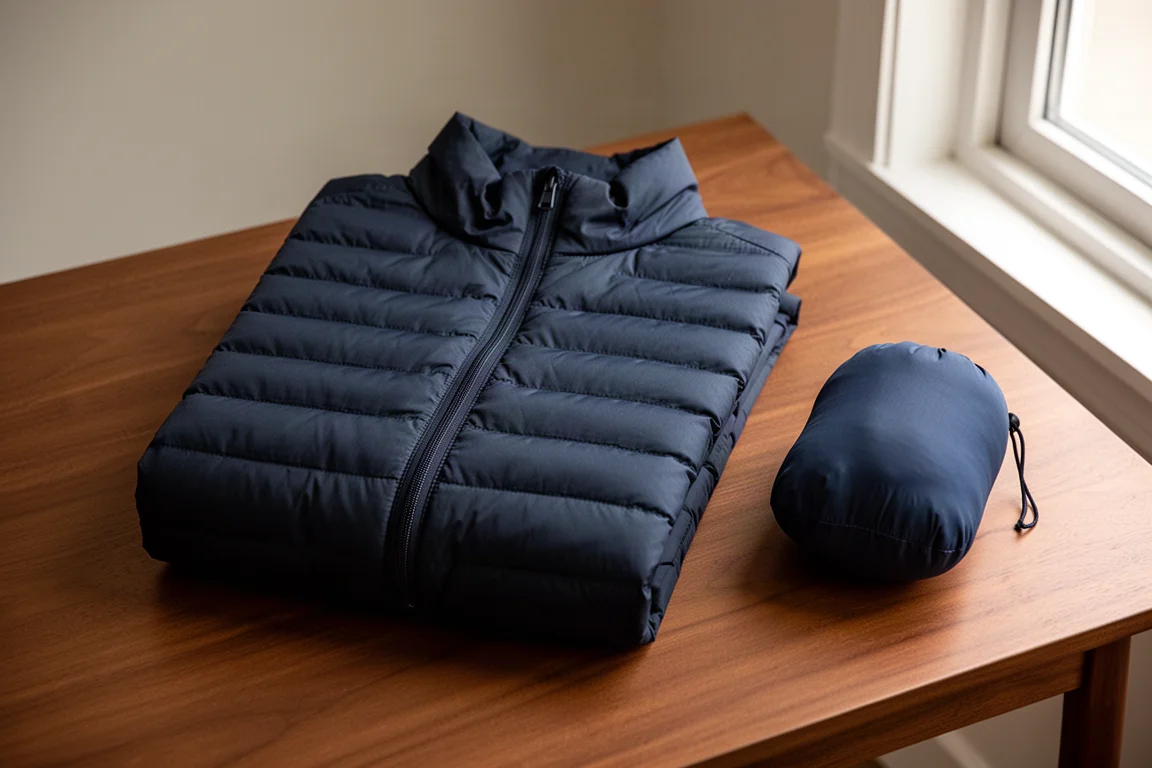
The Amazon Essentials puffy jacket is another budget-friendly layer with a 4.5 star rating from thousands of reviews. It is a bit thin, so it works best as part of a layering system rather than as a standalone cold-weather jacket. For the price, it is hard to beat as a lightweight insulation piece for camp. It packs down easily and adds warmth without much cost. If you manage expectations and use it with a fleece or shell, it can be a useful addition to a budget loadout.
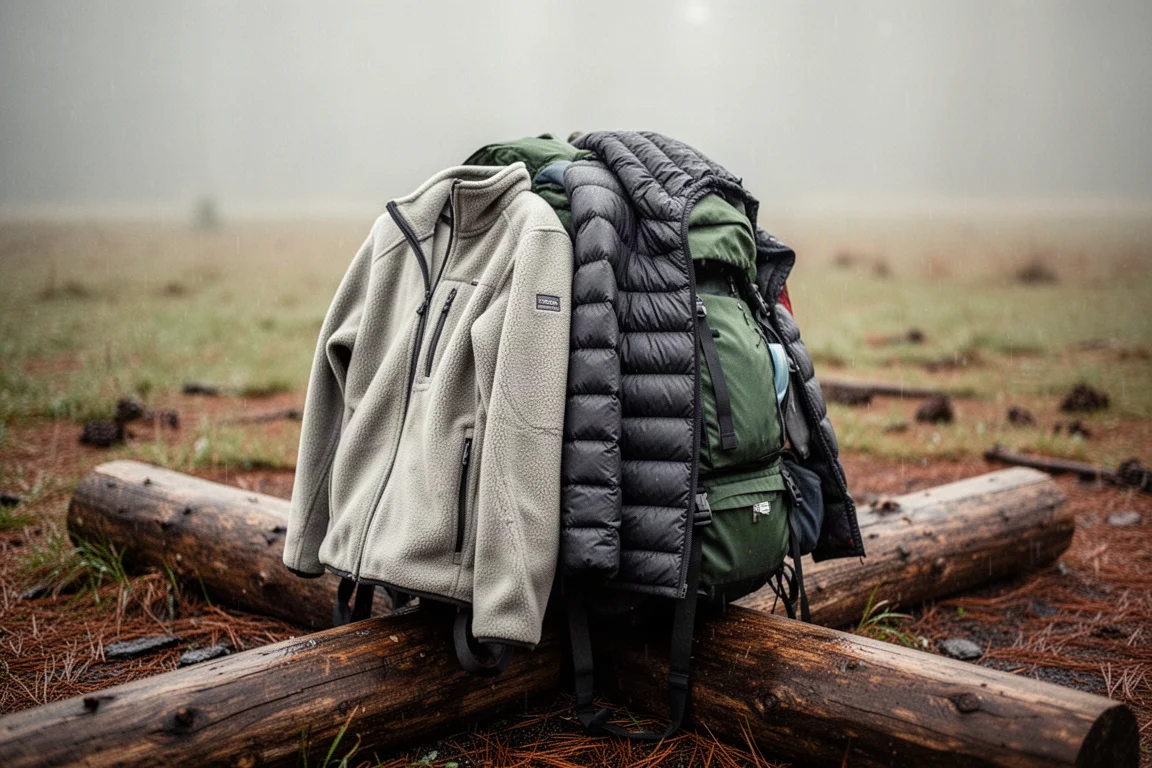
For cooler evenings, the fleece and puffy work well together. The fleece adds bulk warmth, while the puffy traps heat with less weight. Neither piece is built for extreme cold, but together they cover a useful range for three-season camping.
Scout Pack
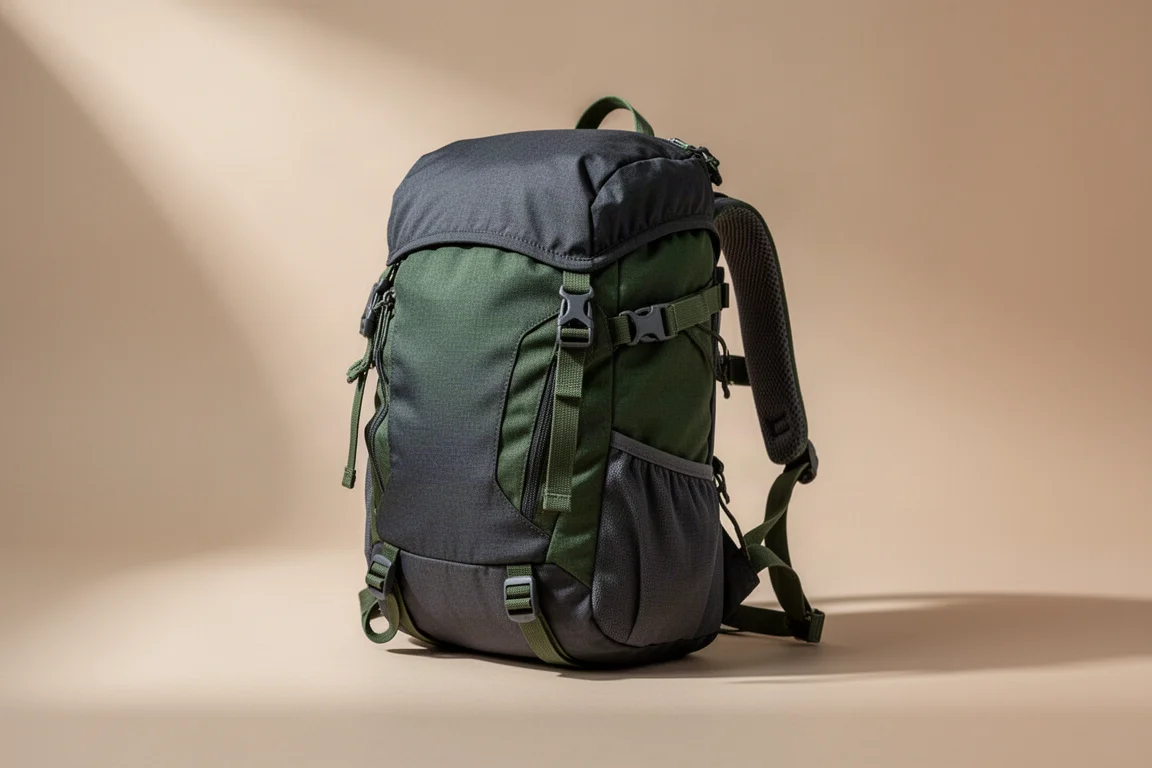
The Scout pack is a low-cost backpacking pack that appears to be designed for children. On its largest setting, it still felt too small for a 20-inch torso, even though that torso length falls in the medium to large range for many adult packs. The sizing runs very small, which makes it a poor fit for most adults. For a kid, it is not a bad pack. Adults looking for a budget backpack should consider an adult-sized alternative instead. If you are shopping for a child, the Scout pack may work, but check the torso sizing carefully.
Overall Buying Advice
Budget backpacking gear can work well when you understand its limits. The best approach is to test new gear on a short, local trip before relying on it for a major adventure. That way, if something fails or feels uncomfortable, you can get back to a car quickly and adjust. For water treatment, skip the Waterdrop and choose the Platypus QuickDraw or Sawyer Squeeze Mini. For sleeping, the Kelty Cosmic 20 offers a clearer temperature rating than the Teton Leaf 20. The Klymit Static V is a strong summer pad, but not a cold-weather one. The Nightcat tent is a remarkable price, provided you accept the weight, pitching effort, and condensation management.
For layering, the Amazon Essentials fleece and puffy jacket deliver solid value for mild to cool conditions. The BRS 3000 titanium stove is a light and trusted upgrade over a generic cook-set stove. The Scout pack is best left to kids or smaller users. If you build a loadout around these strengths and avoid the weak points, you can put together a capable budget kit without spending a fortune.
Conclusion
Cheap gear is not automatically bad, but it does require clear-eyed choices. The Nightcat tent, Klymit Static V pad, Kelty Cosmic 20 bag, Platypus QuickDraw, Sawyer Squeeze Mini, BRS 3000 stove, and Amazon Essentials layers all have a place when matched to the right conditions. The Waterdrop filter and the Scout pack are the two items to avoid for most adult backpackers. Test new gear close to home first, and you can save money without ruining your trip.
Further reading
Related Reviews

Backpacking Gear
Building a 10 lb Base Weight: An Ultralight Backpacking Gear List
A practical walkthrough of the ultralight pieces behind a 10 lb base weight, from a 765 g pack and a roomy one-person tent to a full camp chair and a dependable water filter.
Backpacking Gear
A 15-Pound Lightweight Backpacking Gear List for Solo Trips
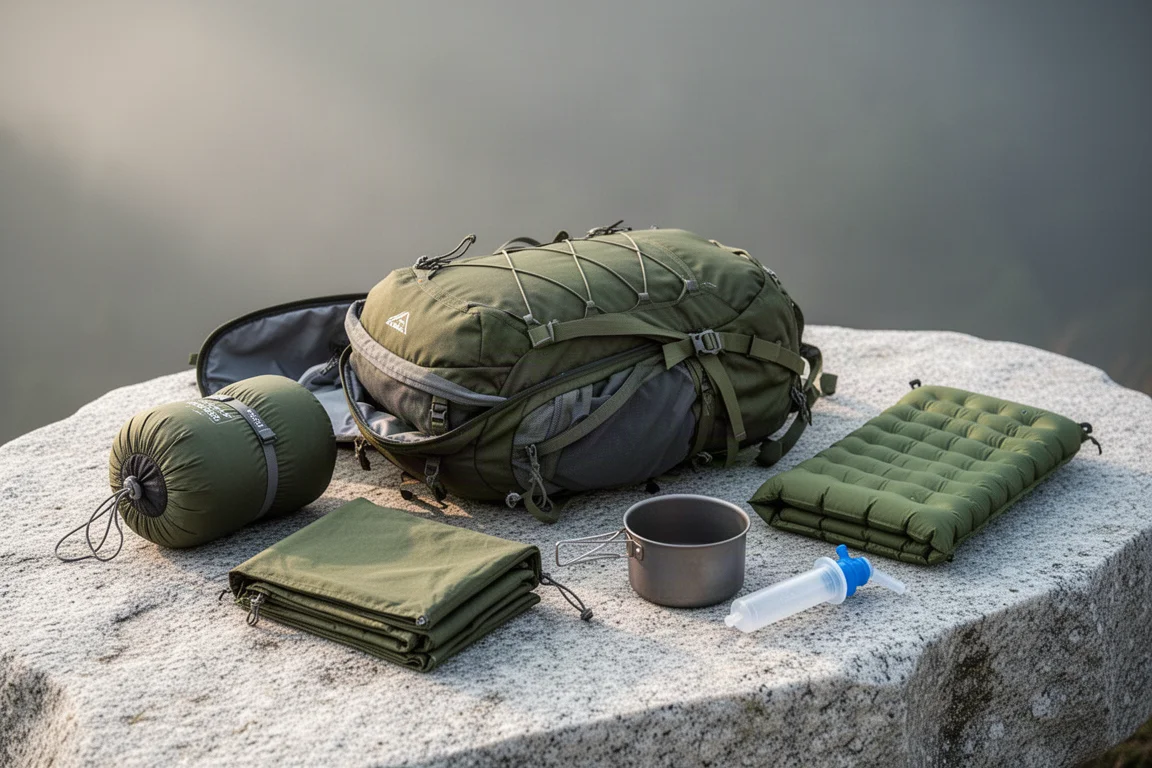
A beginner-friendly 15-pound backpacking setup built from easy-to-find gear, with notes on what each piece does, how it packs, and where to spend your attention.
Backpacking Gear
8 Ultralight Backpacking Gear Upgrades Worth Carrying
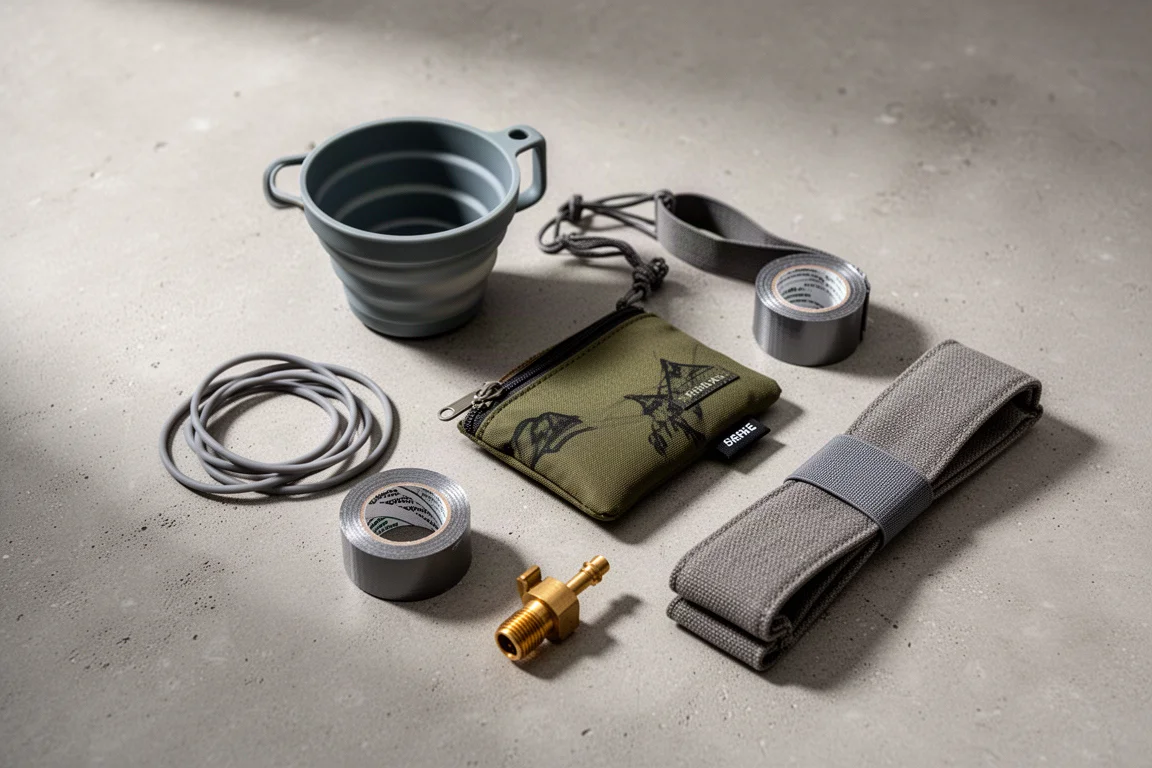
Eight small, affordable backpacking upgrades that solve real trail annoyances, from a pillow that stays put to a fuel valve that rescues leftover canister gas.