Backpacking Gear
Budget Backpacking Gear: A Complete $1,000 Three-Season Loadout
Eleven value-focused backpacking essentials that cover a full three-season kit, total just over $1,000, and weigh about 13 pounds together.
Introduction
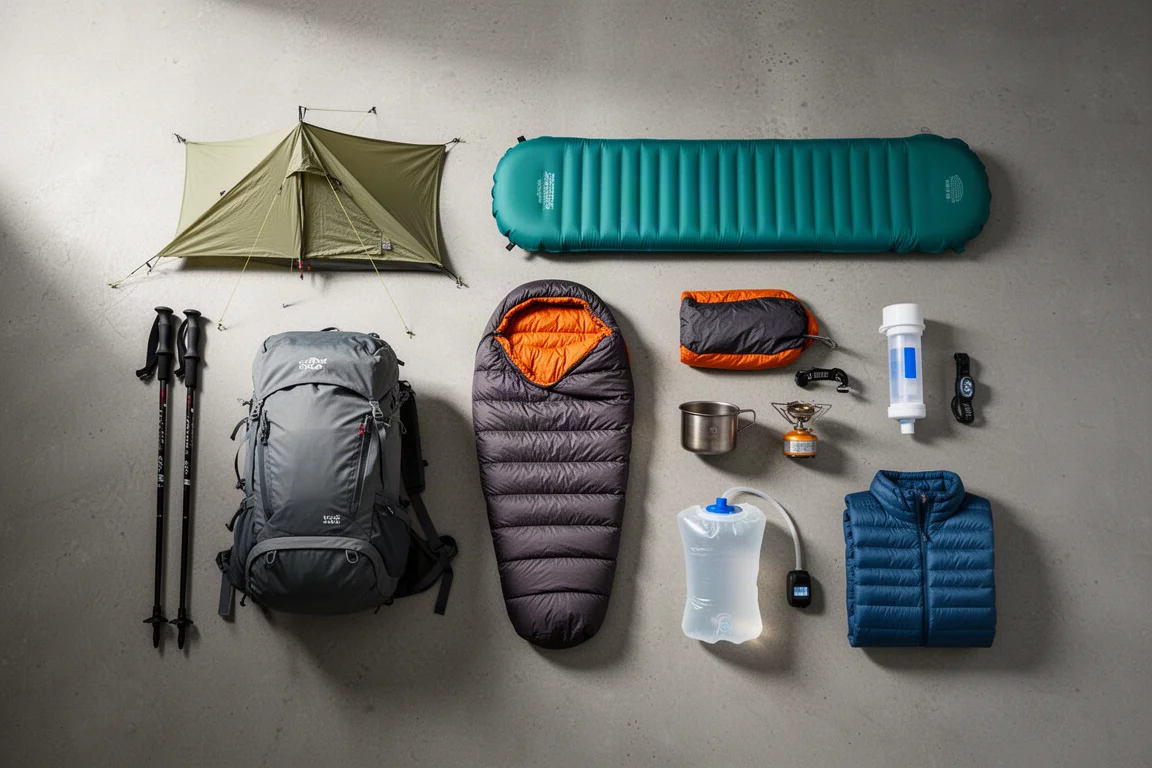
Putting together a first backpacking kit raises the same question every time: how much should this actually cost? A realistic answer sits somewhere between $500 and $1,500 for a complete three-season setup. This loadout lands at just over $1,000 and weighs roughly 13 pounds in total, which keeps it light enough to enjoy long days on the trail without drifting into premium pricing.
The list below covers the essentials only: the pack you carry, the shelter you sleep in, the sleep system, a cook setup, water treatment, light, and an insulation layer. Everything else tends to be gear you already own.
How This Loadout Was Chosen
Three priorities shaped these picks. First, nothing here should compromise three-season performance. A cheap sleeping pad with almost no insulation is a false saving if it leaves you cold at altitude, where overnight temperatures can still fall to freezing during the summer months.
Second, budget gear should not automatically mean heavy gear. Several items on this list compete with far more expensive options on weight. Third, money goes where the body feels it most: insulation and sleep. Smaller items such as a titanium pot or a pillow are places to save without regret.
Carry: The Backpack
A pack has to carry weight comfortably before anything else matters.
Decathlon MT900 Backpack
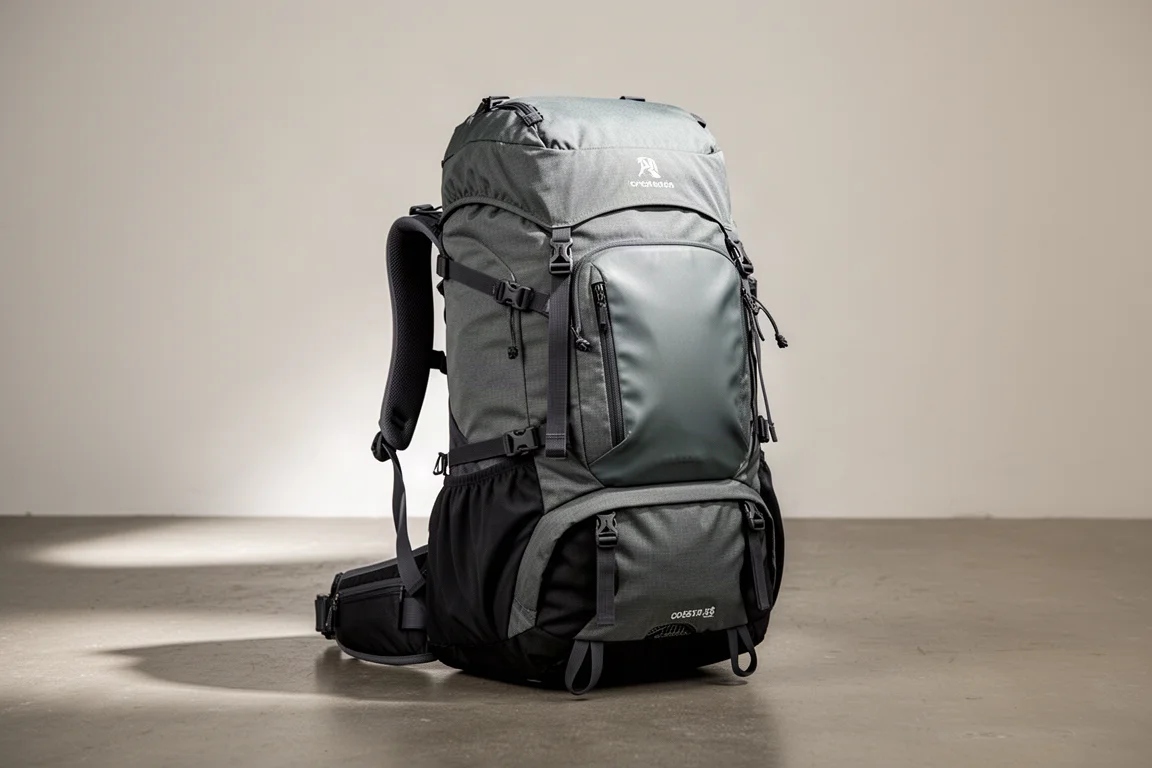
The MT900 is a lightweight-focused pack that stays under $200. It avoids the excessive weight that budget packs often carry, and it includes the features you would expect from a considerably more expensive model: a supportive hip belt, a proper suspension system, and an adjustable torso.
The body of the pack is robust, and the large front pocket uses a durable Dural fabric rather than stretch mesh, which should hold up over many seasons. Side pockets offer good water bottle access so you do not have to take the pack off to drink. A zipper system opens the main compartment wide, letting you lay the pack flat and load or unload it easily.
Shelter: The Tent
Featherstone Backbone Tent
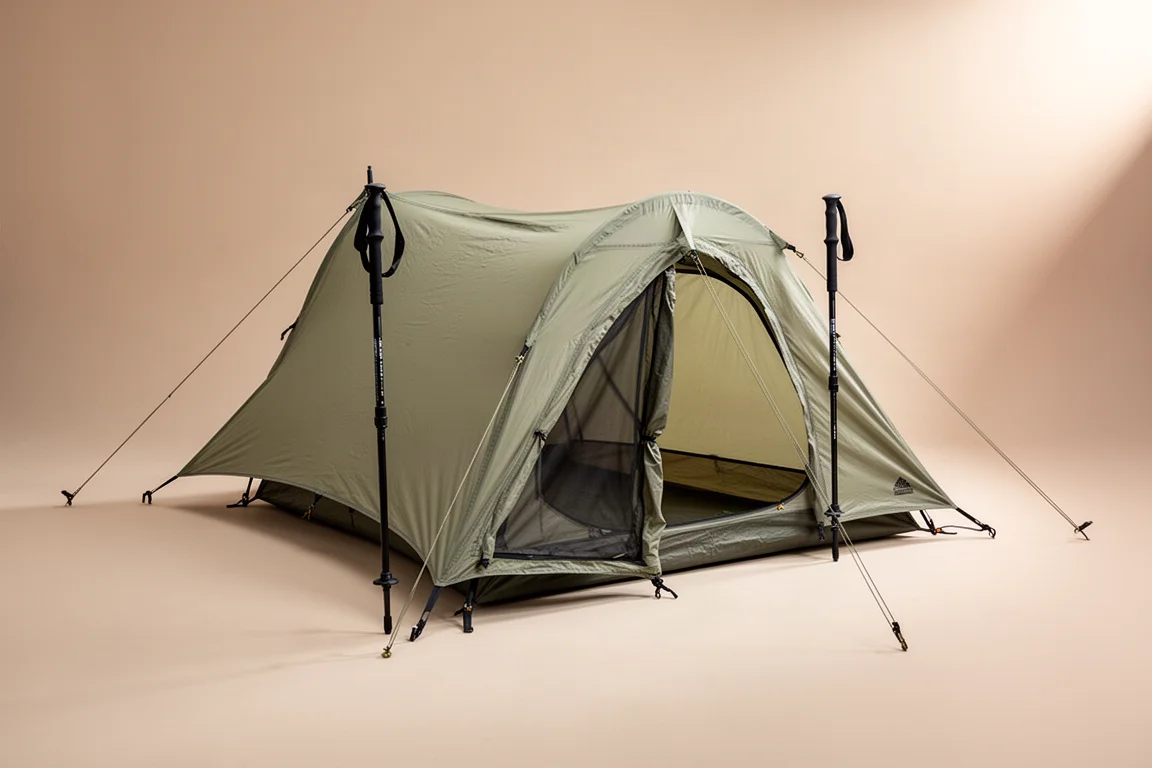
The Backbone is a trekking pole or non-freestanding design, which keeps the weight down without giving up features. It is roomy enough to feel like a palace for one person, and two people fit without a struggle. It has plenty of internal pockets, good ventilation, and enough weather protection to feel storm-worthy.
At under four pounds, it is notably lighter than many two-person tents at a budget price point, which often land in the five to six pound range.
Sleep System
Sleep is where budget kits most often fail, and it is also where the widest range of prices exists. An inexpensive pad with an R value of about one will not reliably keep you warm at freezing temperatures, so the pad here is insulated and proven as a three-season option.
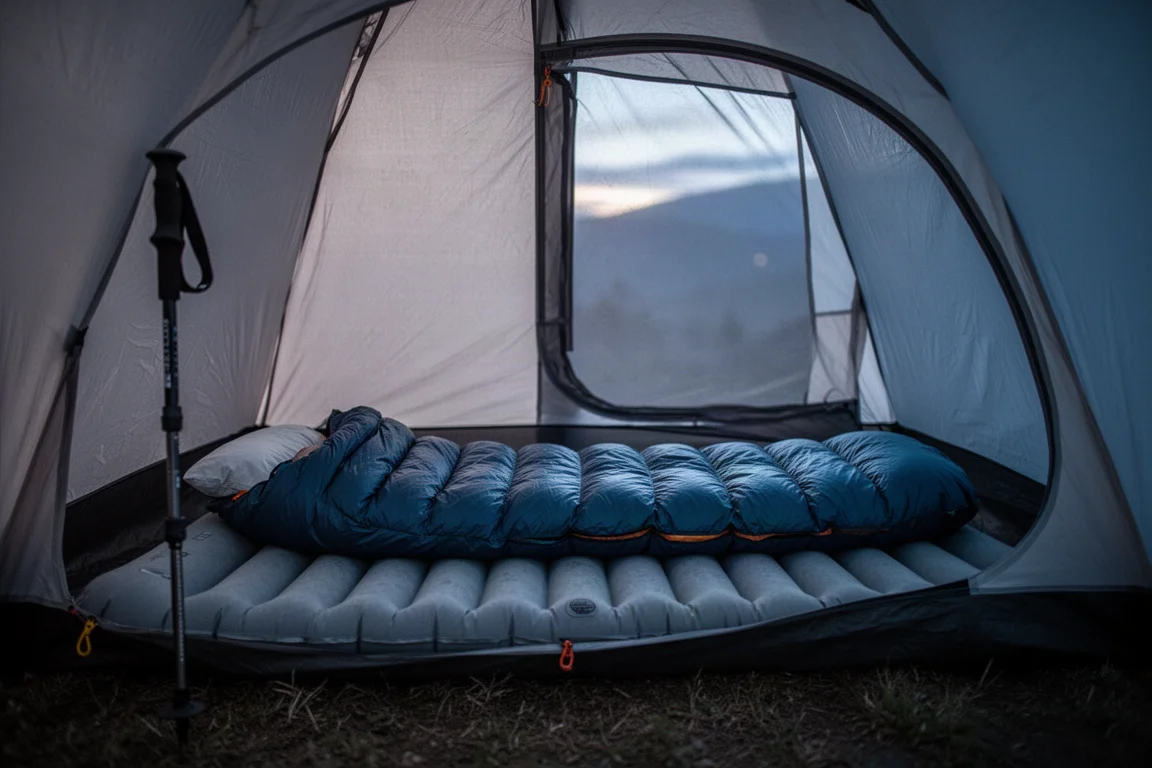
Together, the pad, pillow, and bag form a system built for three-season conditions rather than for fair weather only.
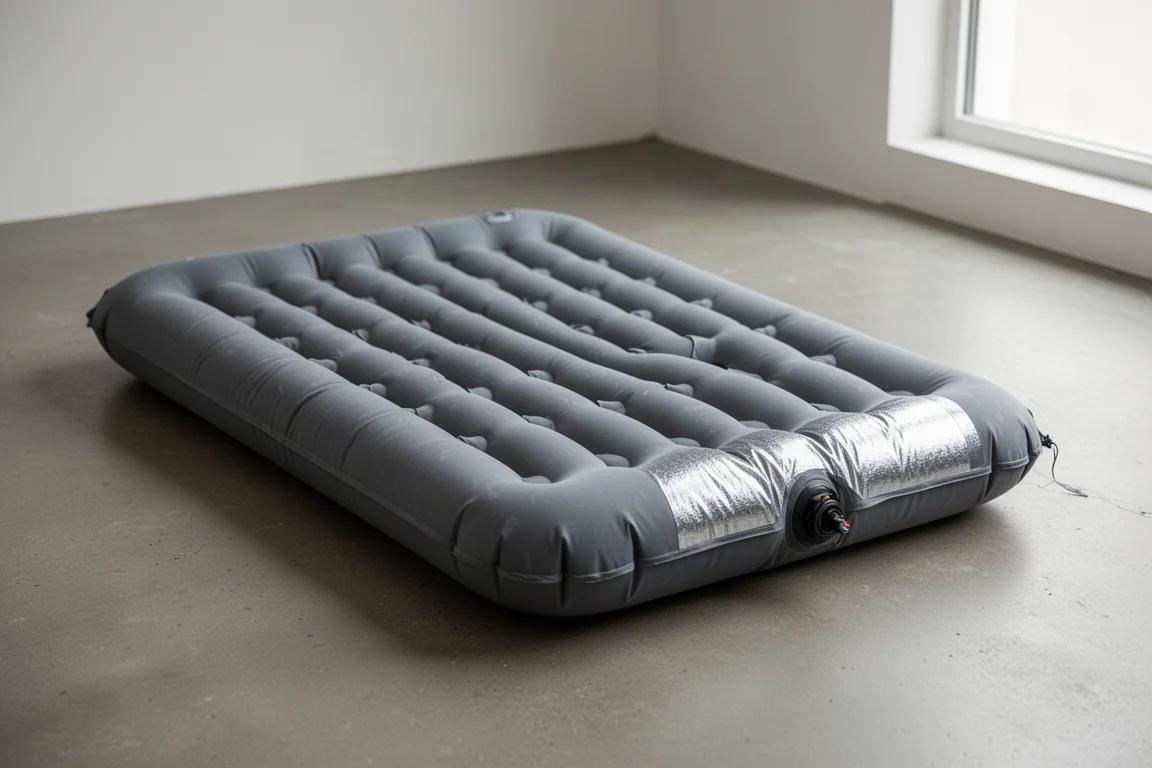
Outdoor Vitals Oblivion Sleeping Pad
At about $115, the Oblivion is not the cheapest pad available, but it is insulated and has proven itself as a three-season pad that sleeps warmer than expected.
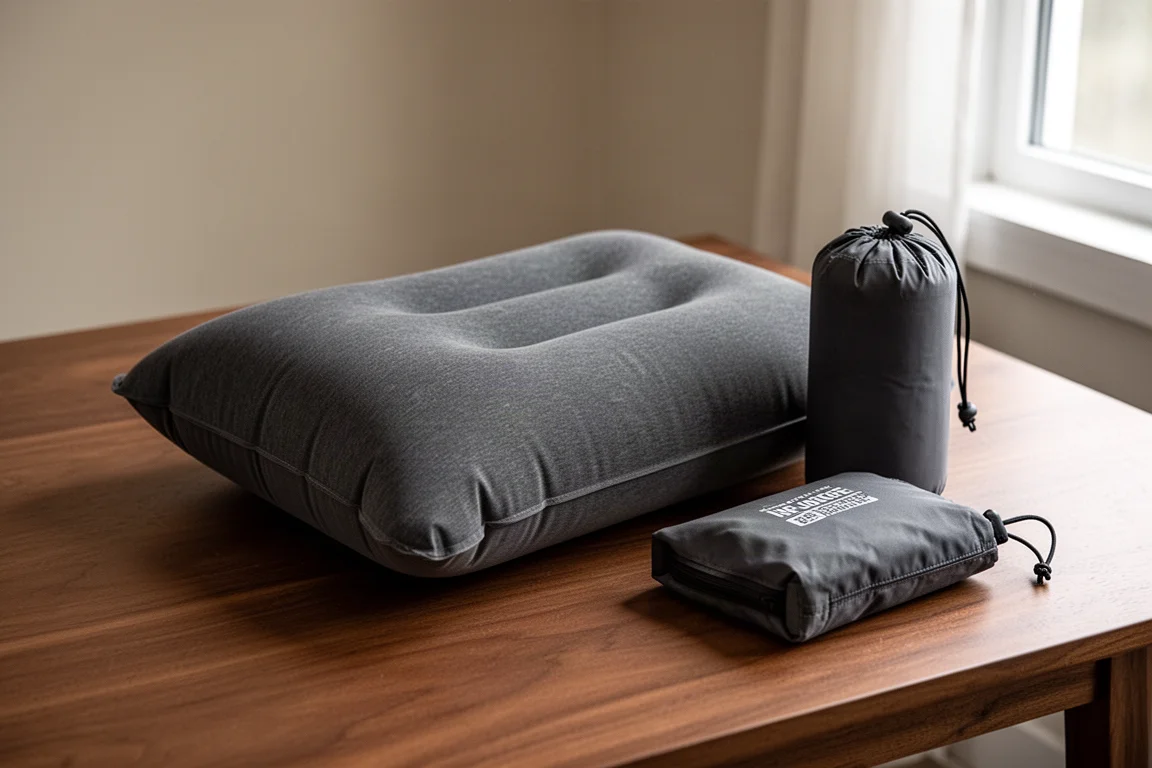
Trekology Aluft Pillow
A simple classic at around $20, and an easy way to get a genuinely good night of sleep for very little money.
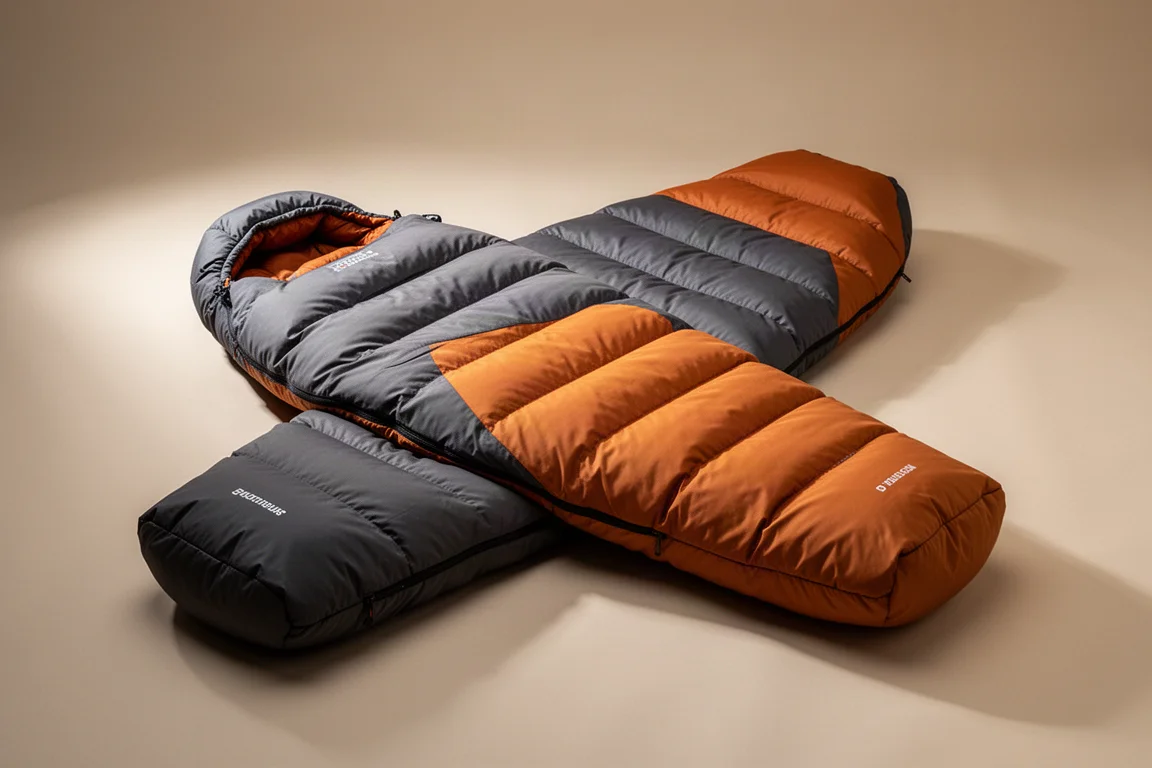
Big Agnes Greystone 20 Sleeping Bag
The Greystone 20 is a down bag from a reputable brand at a $270 price point. It is fairly lightweight for what it offers and includes the features that make a bag comfortable in the backcountry. The shape is a traditional mummy, but the shoulder area is wide and the foot box does not taper aggressively. It also has a proper hood.
Cook System
A cook setup only needs to cover what you will actually use. Alongside the pot and stove below, an L-handle titanium spoon with a polished bowl, roughly $10 to $15 depending on the brand, completes the kit.
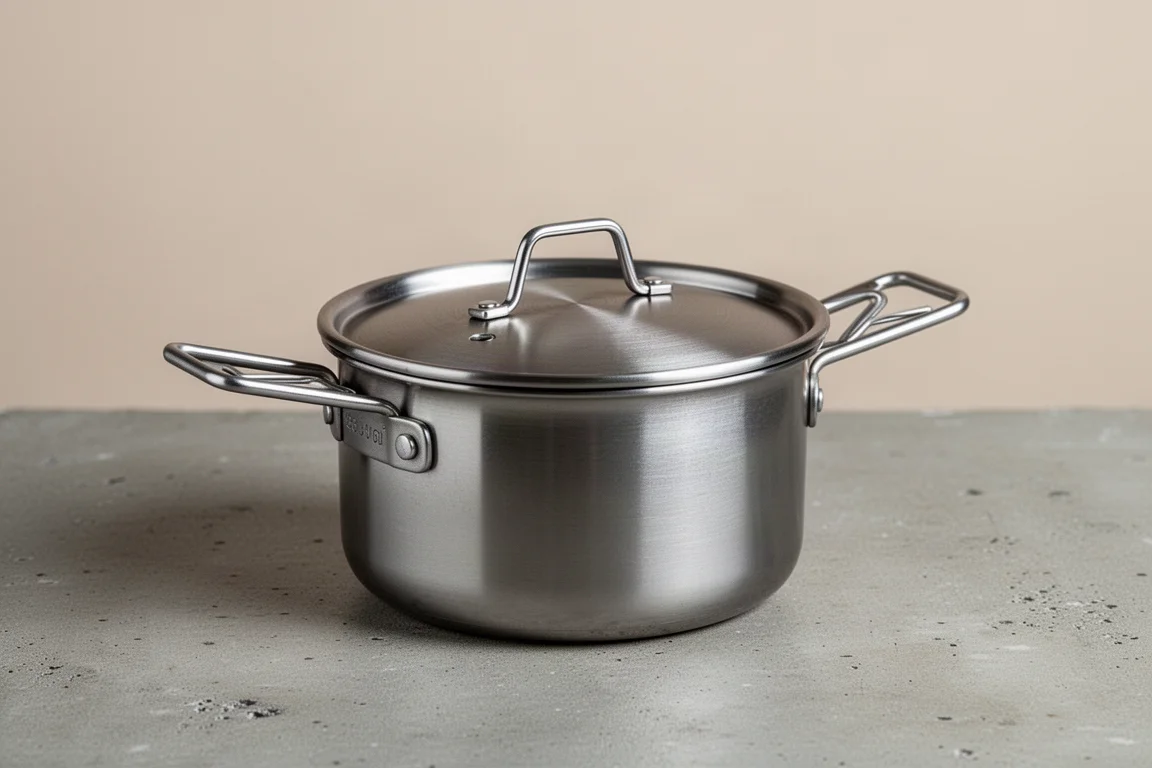
Toaks Titanium 750ml Pot
At $26, the Toaks pot saves weight and provides exactly as much cookware as a backpacker needs, with nothing extra.
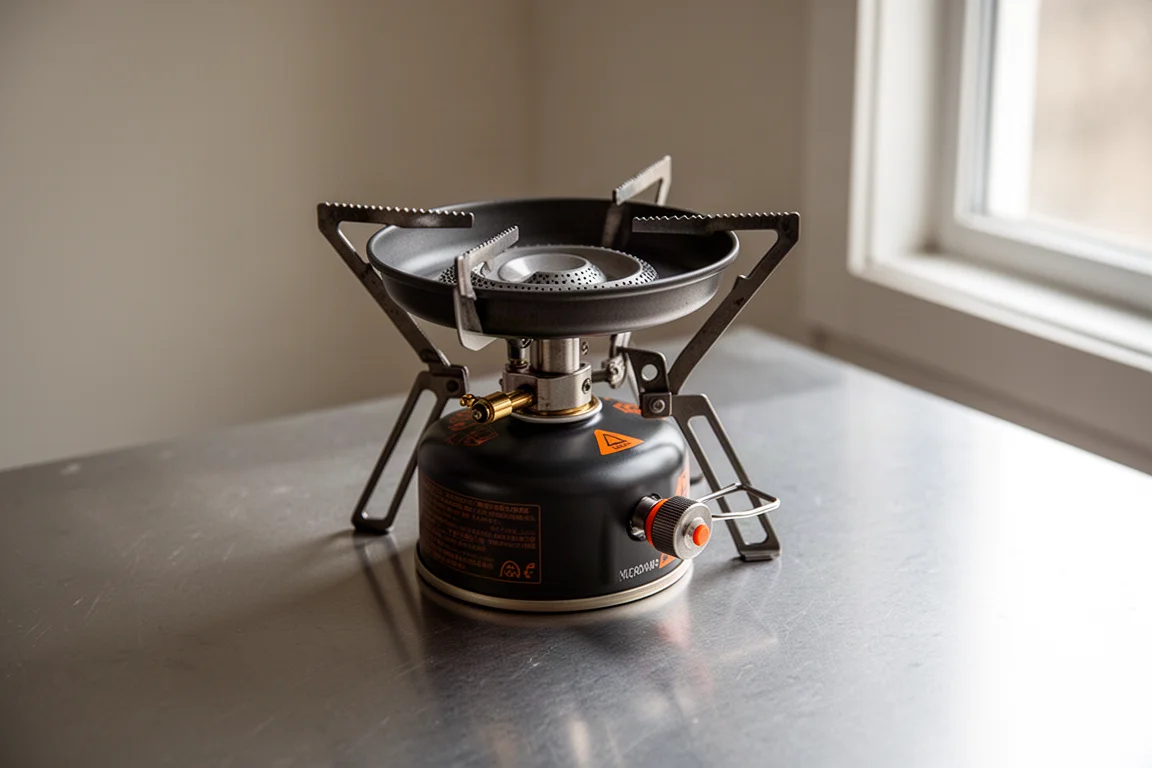
Fire-Maple Buzz Stove
The Buzz is a $26 stove with a more robust build than the cheapest alternatives. It uses a larger burner and feels like a higher quality cooking tool overall.
Water Treatment
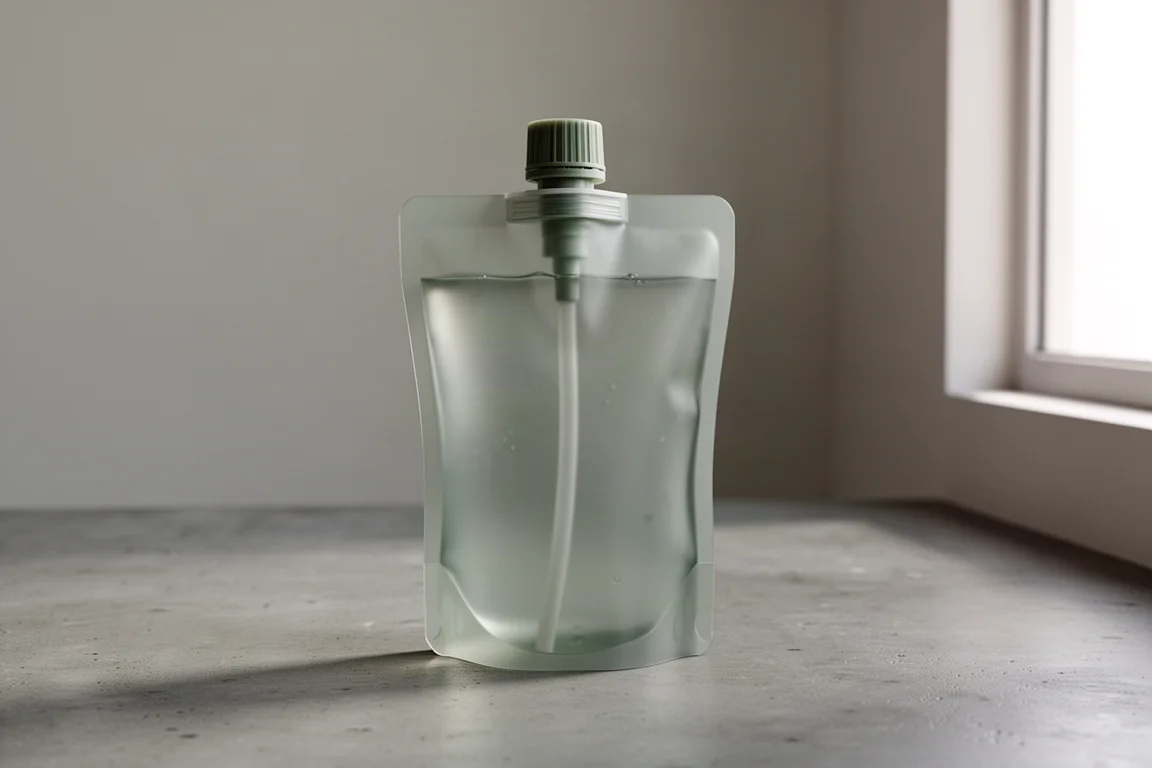
Being able to treat water properly in the backcountry is non-negotiable, and the full water system here also includes a couple of lightweight bottles at roughly $4 for two, which fit easily into pack pockets.
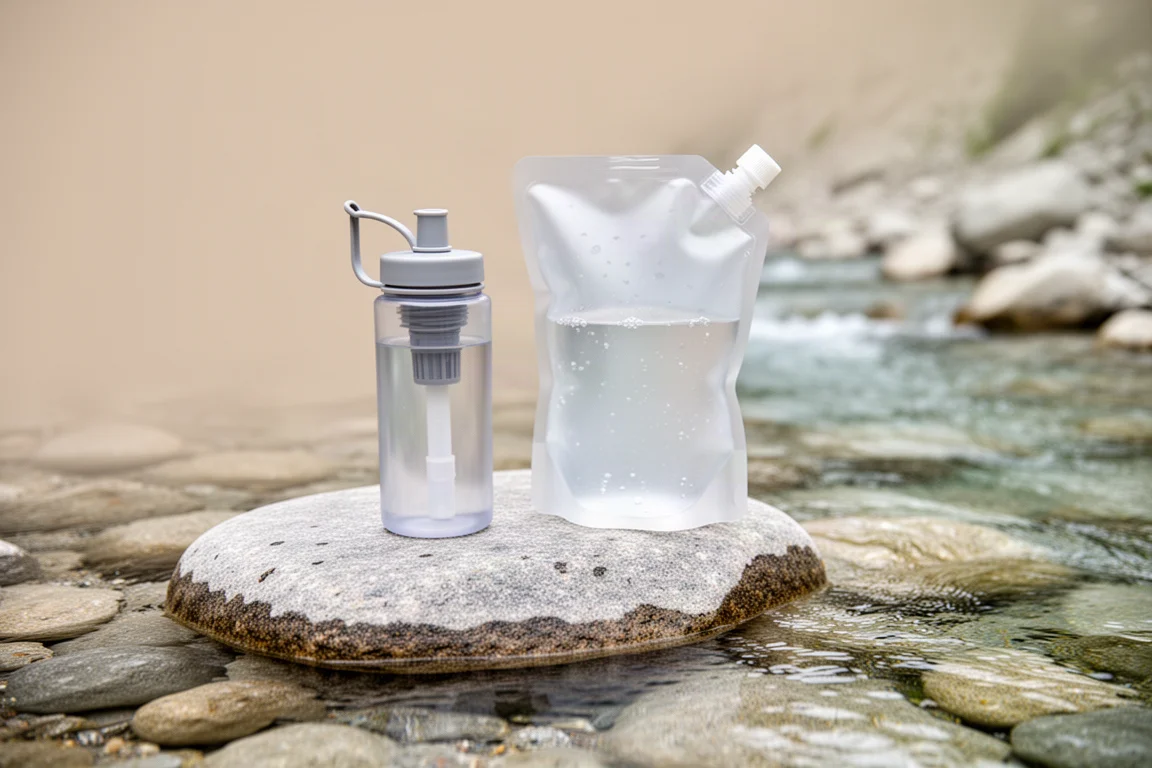
The filter and bag work together: the bag holds untreated water for filtering and doubles as extra storage once the water is clean.
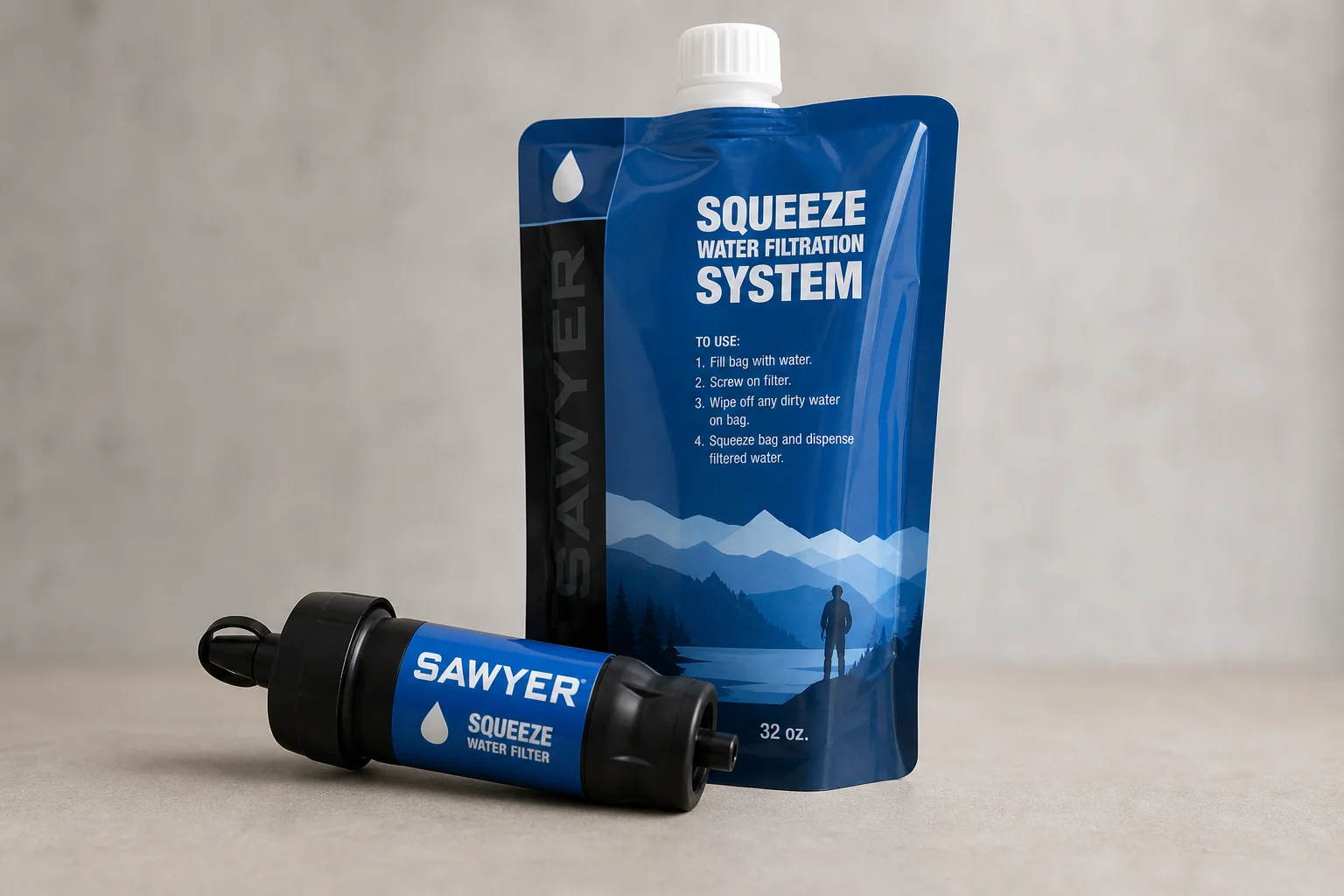
Sawyer Squeeze Water Filter
The classic Sawyer Squeeze costs about $30 and will last for years if you backflush it properly and store it correctly.
Cnoc Vecto X Water Bag
The Vecto X runs about $23 to $26 and is an excellent companion for filtering water and carrying extra capacity.
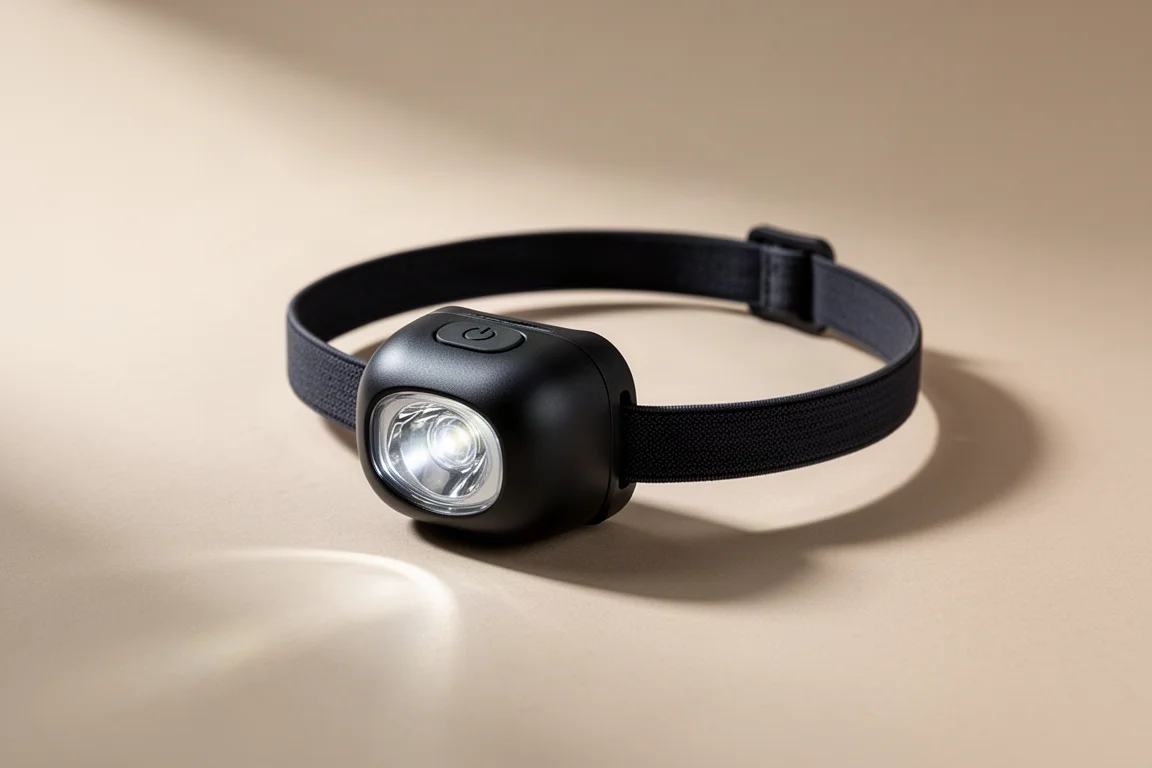
Lighting: Nitecore NU20
At about $30, the NU20 is a high quality, lightweight, and trustworthy headlamp with plenty of light output for any backpacking trip. It is a reliable budget-friendly default.
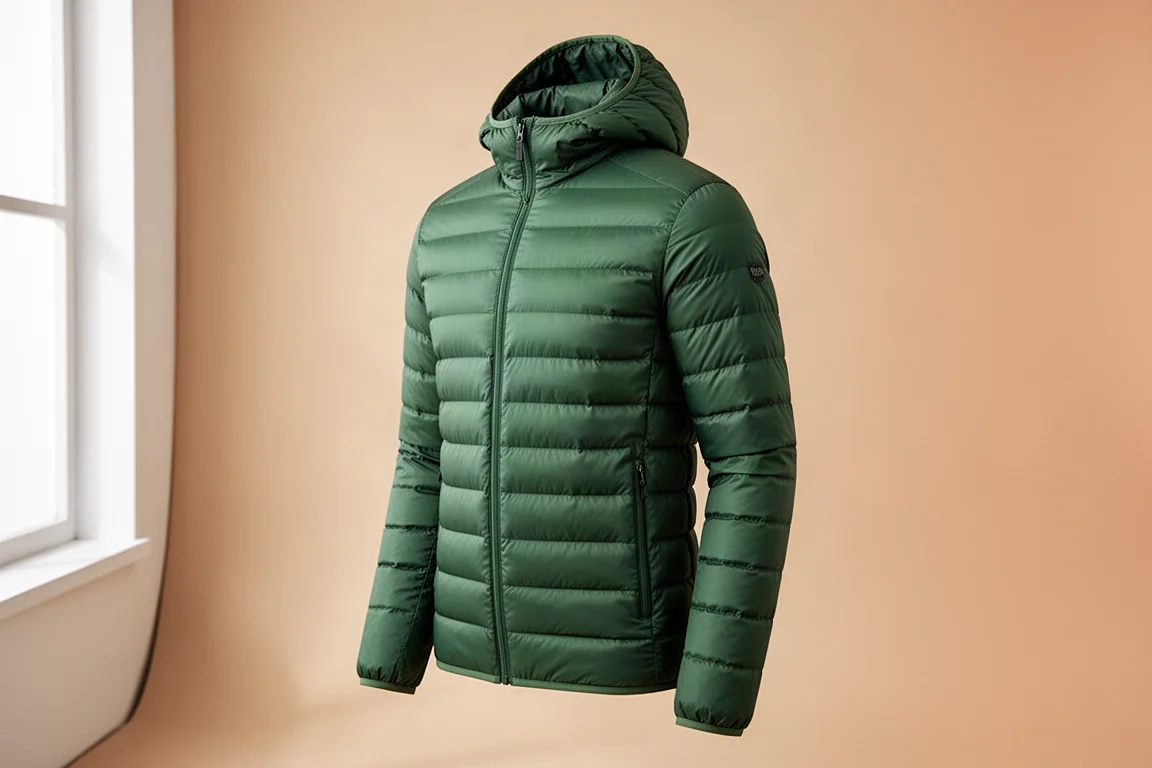
Insulation: Decathlon MT100 Down Jacket
The MT100 is a down insulated jacket at a $100 price point, made with responsibly sourced down and recycled materials. It works well as a three-season layer without breaking the bank. A synthetic version is also available for roughly $70 to $80 if you prefer that fill.
What This Loadout Does Not Cover
Beyond these essentials, a full pack still needs personal items, first aid, additional layers, footwear, and socks. Some backpackers also add a chair or a satellite communication device. Many of those extras are things you likely already own: a long sleeve synthetic shirt can serve as a base layer, and an everyday fleece works as a mid layer.
Buying Advice
The temptation with a first kit is to chase the lowest possible price on every single item. A better approach is to spend a little more where quality affects your comfort and safety, and to save on the pieces where it does not.
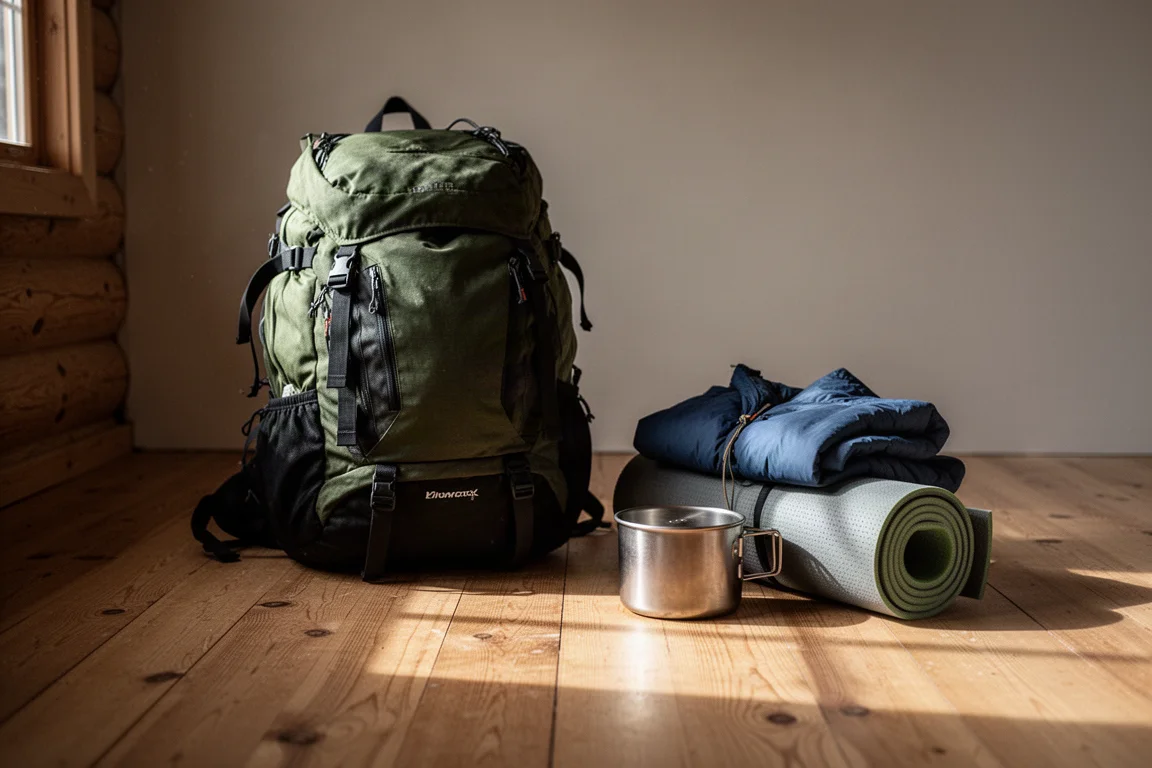
Weight is worth watching too. The items here total about 13 pounds, which is light for a complete three-season kit at this price, and that difference is felt on every climb.
Conclusion
A complete, lightweight, three-season backpacking loadout is achievable at just over $1,000. The gear here is high quality, built to last, and chosen to perform in the backcountry rather than simply look good on a spreadsheet. Start with the essentials, add the personal items you already own, and upgrade only where your own trips show you a real need.
Further reading
Related Reviews

Backpacking Gear
Building a 10 lb Base Weight: An Ultralight Backpacking Gear List
A practical walkthrough of the ultralight pieces behind a 10 lb base weight, from a 765 g pack and a roomy one-person tent to a full camp chair and a dependable water filter.

Backpacking Gear
A 15-Pound Lightweight Backpacking Gear List for Solo Trips
A beginner-friendly 15-pound backpacking setup built from easy-to-find gear, with notes on what each piece does, how it packs, and where to spend your attention.

Backpacking Gear
8 Ultralight Backpacking Gear Upgrades Worth Carrying
Eight small, affordable backpacking upgrades that solve real trail annoyances, from a pillow that stays put to a fuel valve that rescues leftover canister gas.