Backpacking Gear
Budget Backpacking Gear List: 18 Lightweight Three-Season Picks Under 12 Pounds
A field-tested three-season backpacking kit that weighs under 12 pounds and costs about $700 at full retail, with clear notes on every pick.
Introduction
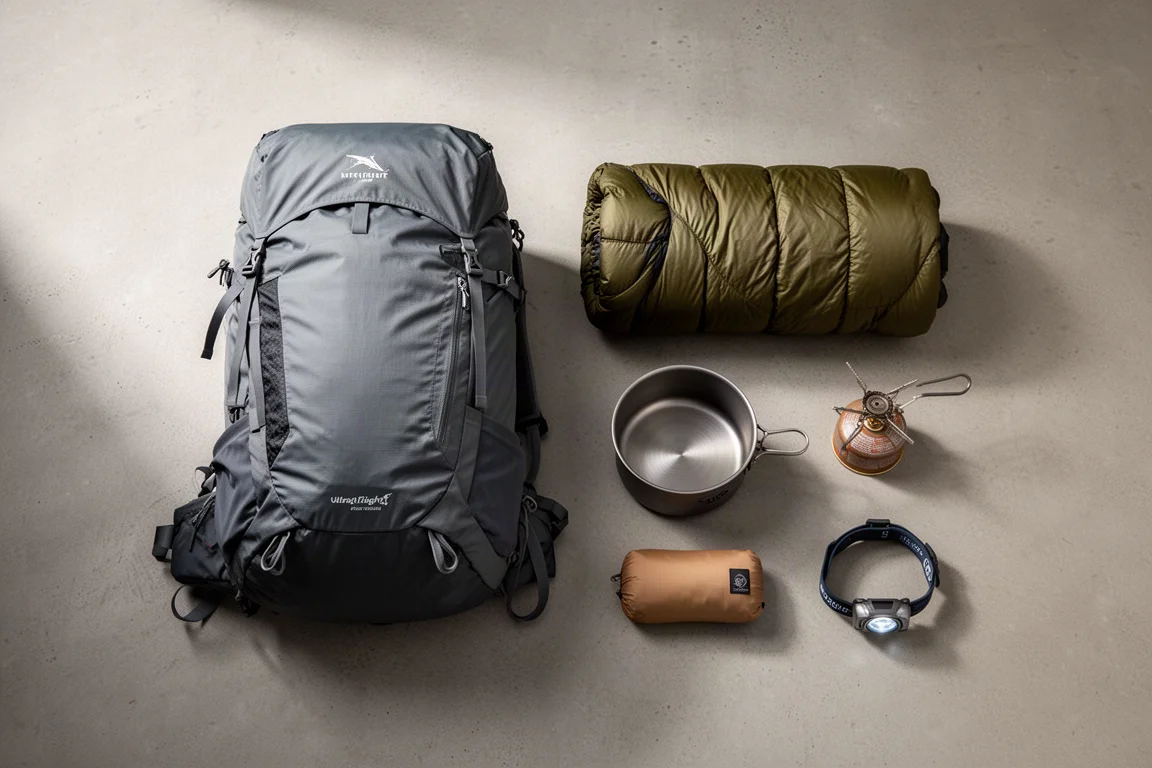
A complete three-season backpacking kit does not have to cost a fortune. The picks below are inexpensive relative to their categories, but they are not beginner toys. Each one is built to last several seasons, and each was selected with experienced backpackers in mind, the kind of hiker who already knows what they like and wants a meaningful upgrade at a fair price.
The full kit comes in under 12 pounds and around $700 at complete retail price, with no sale pricing involved. Every item was taken into the field and tested before it earned a place here.
How This List Was Chosen
Five criteria shaped every decision on this list.
- Three-season performance: the kit is designed to keep a hiker safe down to 30 degrees Fahrenheit and comfortably warm at 40 degrees.
- Durability: gear has to survive several backpacking seasons to justify the spend.
- Low weight: nothing earns a spot if it carries unnecessary grams.
- Comfort: a light kit that sleeps badly is not a good kit.
- Audience: this is not a first-timer’s list. It is aimed at hikers who want to upgrade at a genuinely good price.
Fabric choices were weighed carefully too. Ultralight materials such as Dyneema and X-Pac were considered against more conventional fabrics, and the deciding factor was never the material name by itself. Weight, capacity, and cost had to line up together.
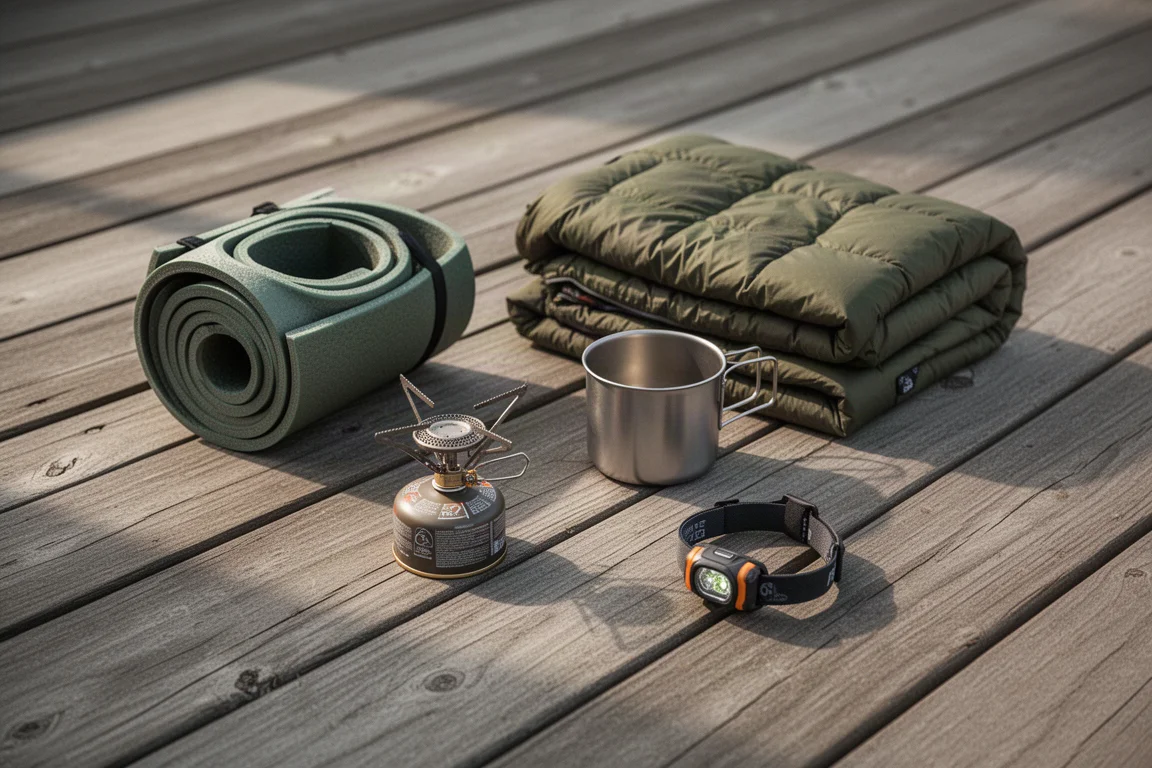
That balance is what makes the list practical. Every pick solves a real problem on trail without pushing either the total budget or the base weight out of reach.
The Backpack: Granite Gear Crown X60
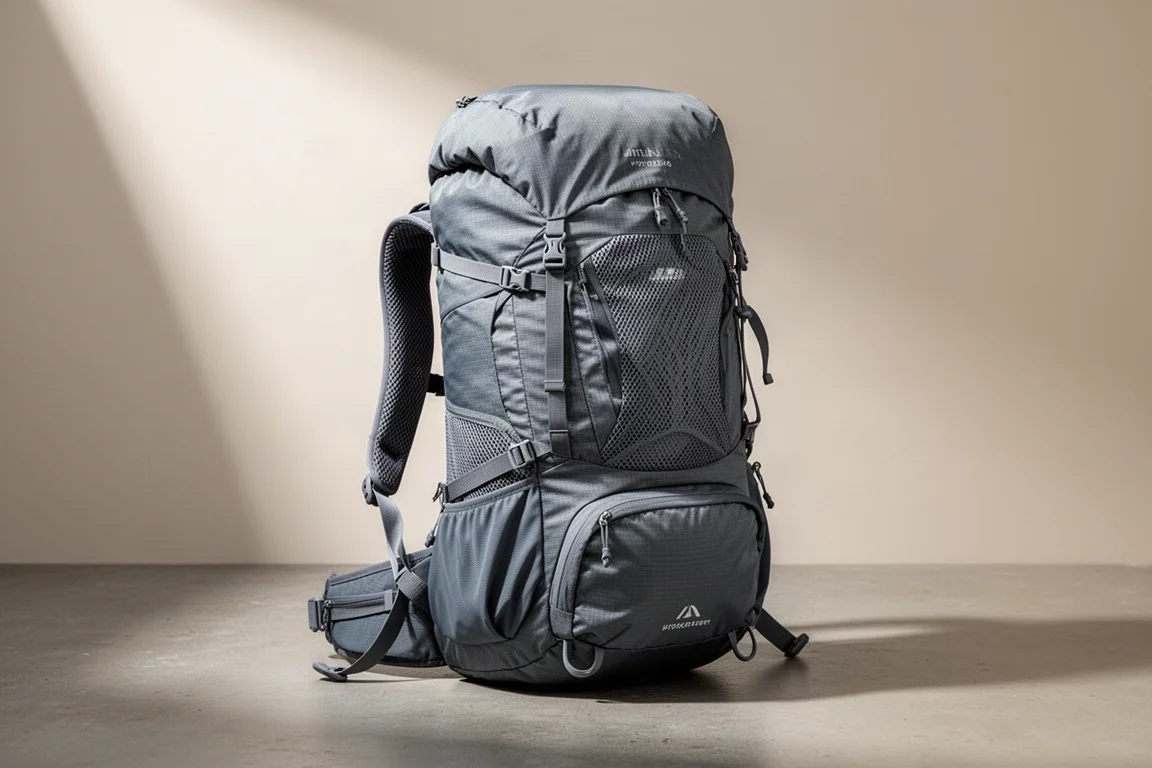
The backpack is the hardest piece to buy on a budget, because a decent pack usually costs real money. The Granite Gear Crown X60 landed at about half its usual price through a limited collaboration release, which makes it the standout value here.
At around two pounds it stays in lightweight territory, and it offers more usable capacity than the inexpensive off-brand ultralight packs that often cut volume to save grams. Organization is generous, with pockets distributed across the pack so that gear stays reachable.
Load carrying was tested rather than assumed. The pack was deliberately loaded with at least 35 pounds of gear, including plenty of unnecessary extras, and carried 15 miles into camp. It handled that weight comfortably, which matters for weekend hikers who want to bring a few comfort items along.
The Sleep System
Sleeping well is what makes a three-season kit work. This part of the list pairs two inexpensive pieces with one premium reference point so the trade-offs stay visible.
Paria Outdoors Down 30 Quilt
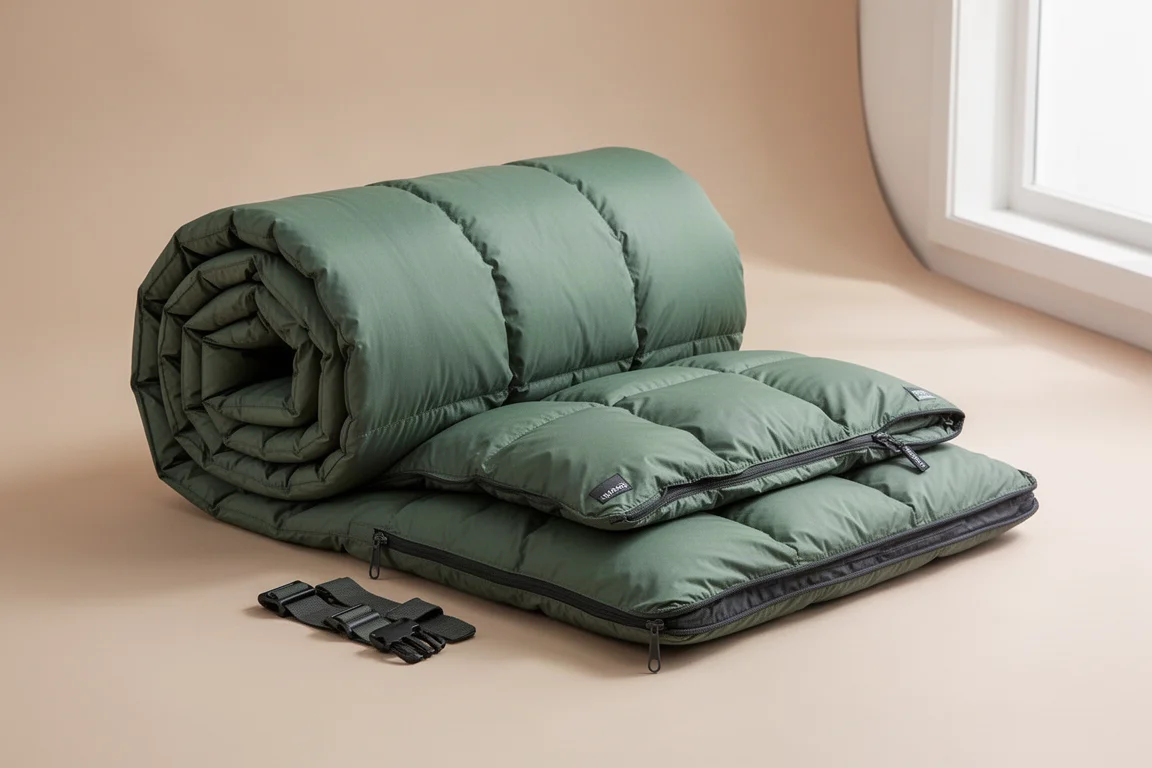
The Paria Outdoors Down 30 Quilt costs $145 and is comfort rated to 30 degrees, with 700 fill down. It carries the features expected from a quilt at this price: a zippered bottom, a neck opening that cinches down, buckle points for pad straps, and enough width to sleep comfortably inside a tent. A sleeping bag version is also available for anyone who prefers that format.
Klymit Insulated Static V Lite
The Klymit Insulated Static V Lite is the sleeping pad pick. The manufacturer rates it at an R-value of 4.5, while the ASTM standard rating is 1.9, so the ASTM figure is the one to plan around. It measures 23 inches wide, about two inches narrower than the width many side sleepers prefer.
That narrower width turned out not to be a problem. Side sleeping worked, and hips did not contact the ground. Construction quality also separates it from the very cheap pads that feel fragile the moment weight is put on them.
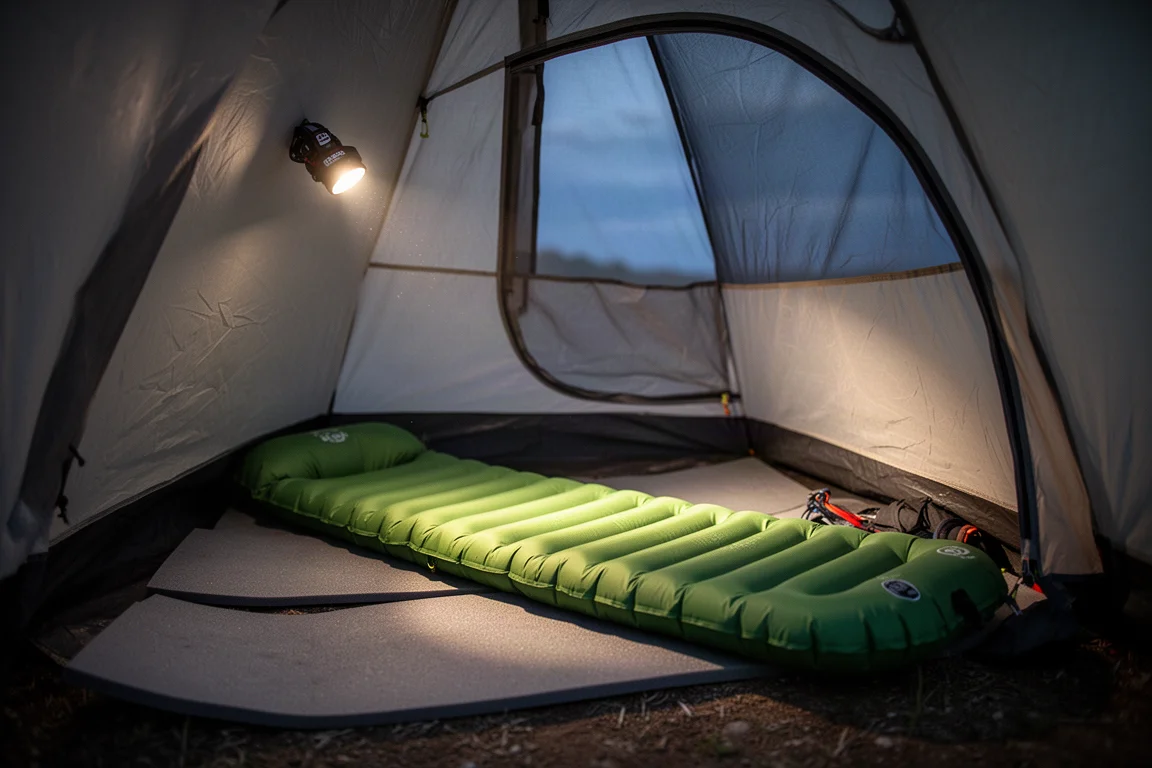
Paired with a thin foam layer underneath, the pad becomes a cold-weather capable setup rather than a summer-only option.
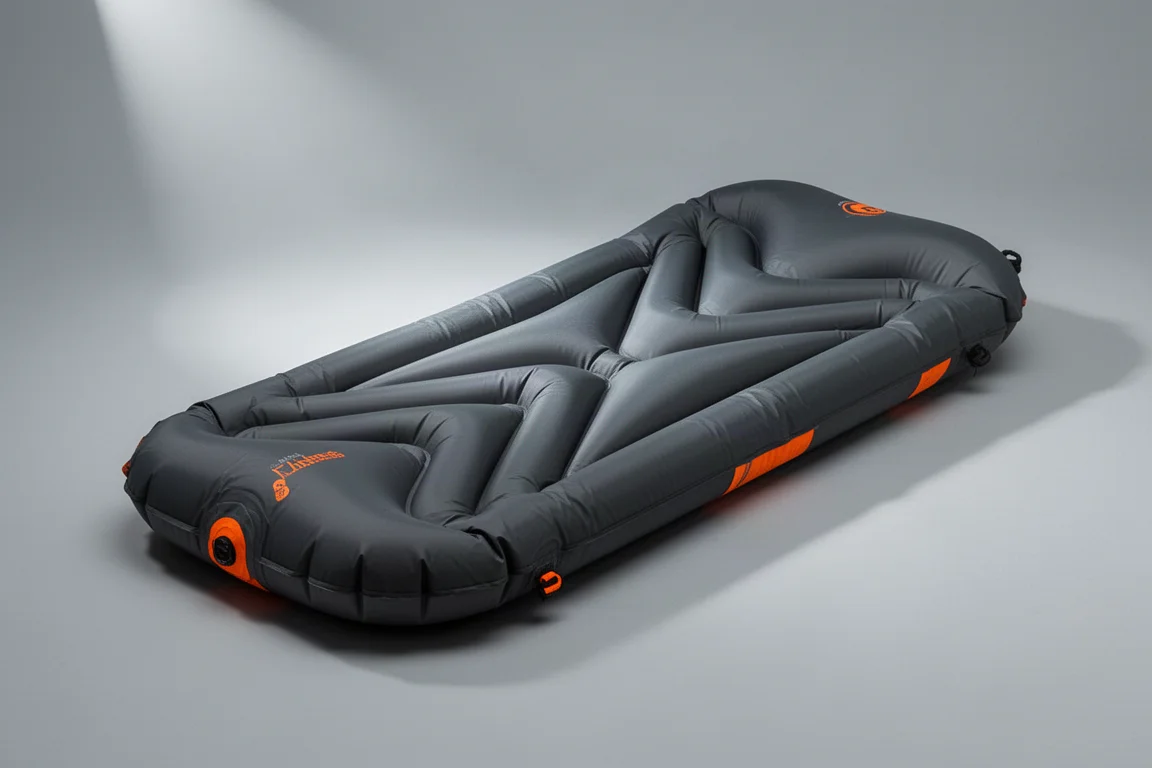
Gossamer Gear 1/8-Inch Sleeping Pad
The Gossamer Gear 1/8-inch sleeping pad is the thin foam layer that makes that combination work. Added under an inflatable pad, it contributes roughly another 0.5 R-value, which brings the stack close to the warmth of a premium ultralight pad.
It is also one of the most versatile inexpensive items in a pack. Folded up, it works as a sit pad during breaks and around camp, keeping a hiker off cold, damp ground.
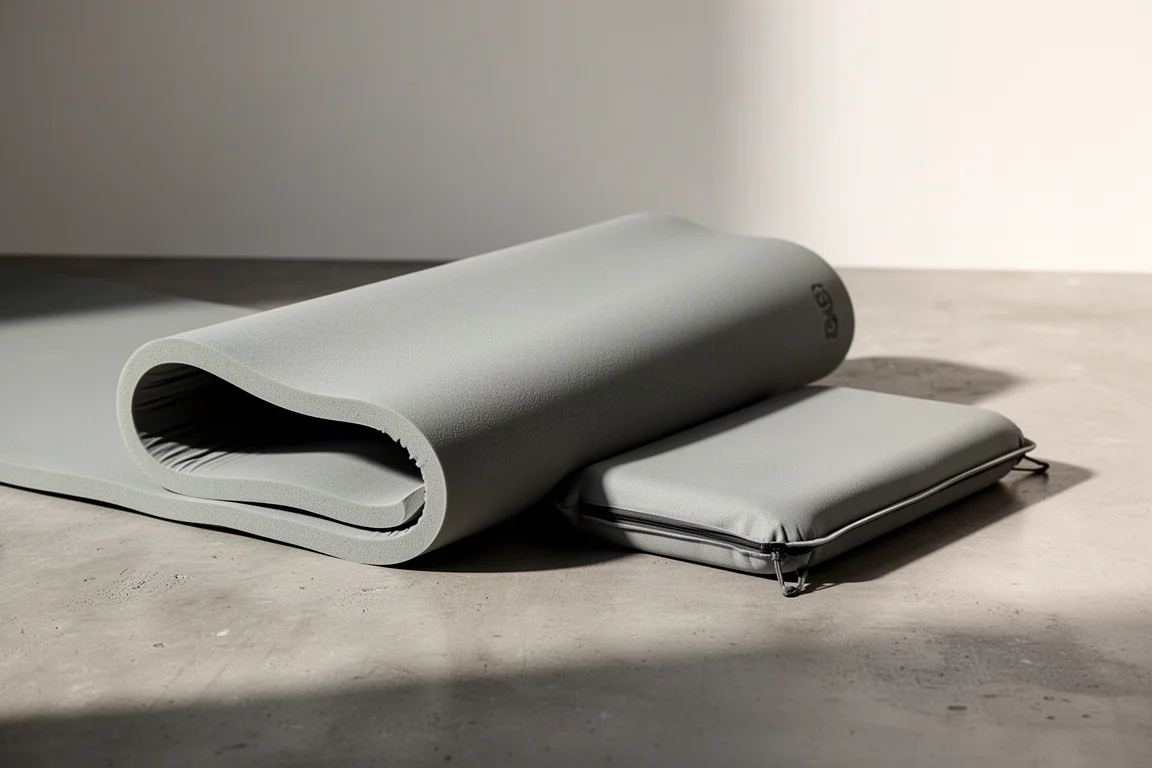
Therm-a-Rest UberLite
The Therm-a-Rest UberLite is the premium reference point for this comparison. It has been used into the 30s and stayed warm, which is the standard the budget pad and foam combination is measured against.
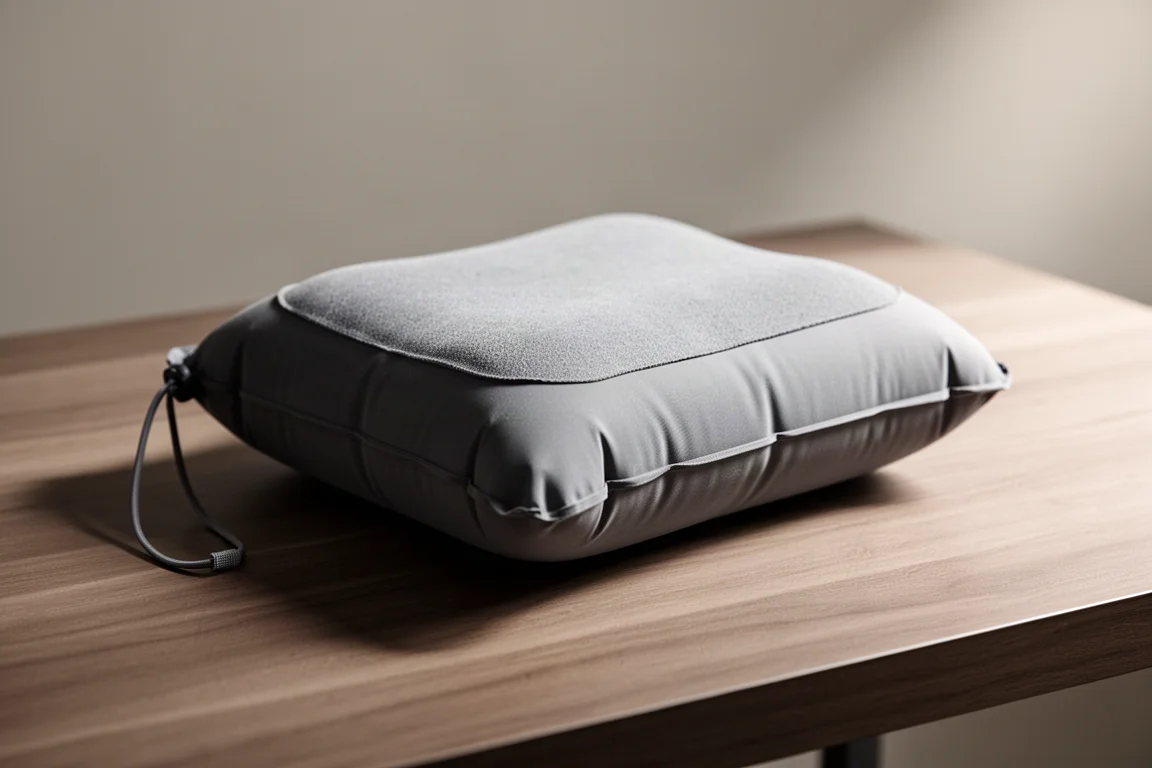
Trekology Pillow
The Trekology Pillow weighs three ounces and costs about $15, and it has been in use for several years. It is not as comfortable as a full-size pillow at home, but at that weight and price it is an easy item to justify in a pack.
The Shelter: Paria Outdoors Bryce 1-Person Tent
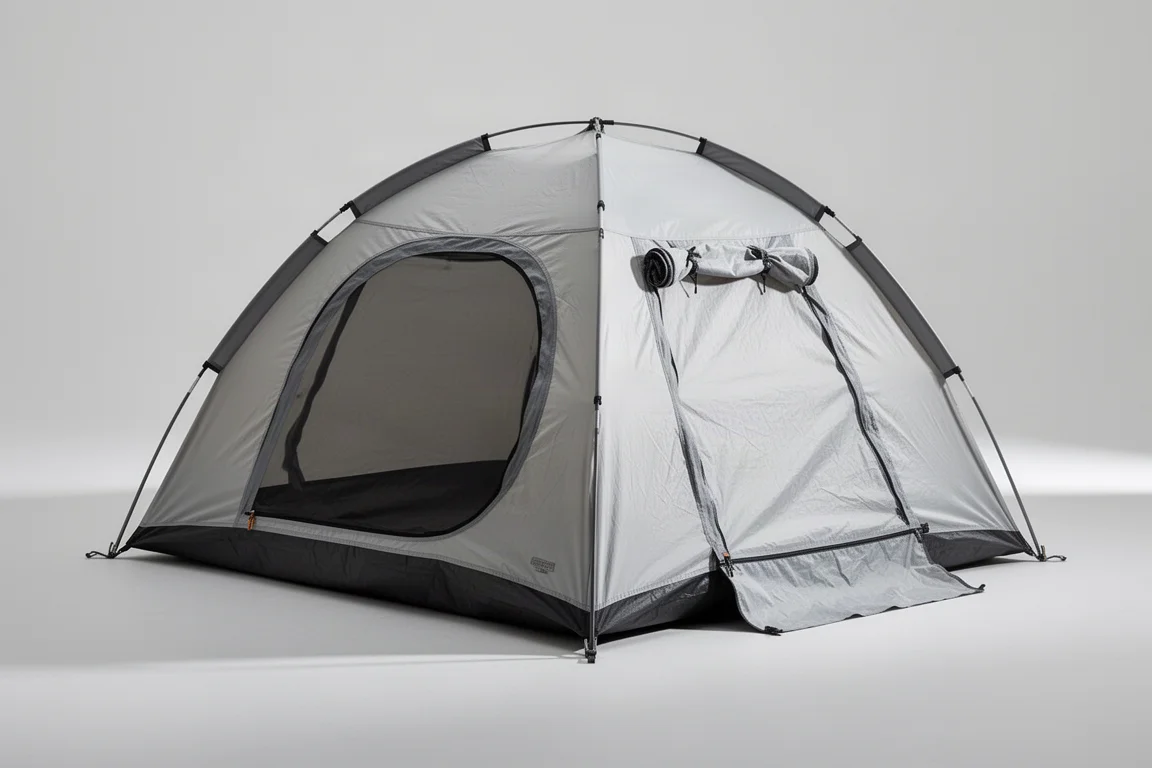
The Paria Outdoors Bryce 1-Person Tent is the most versatile option across experience levels. It is fully freestanding, which keeps setup simple even for someone new to pitching a tent, and it is lightweight enough to carry on longer trips.
It is a wide one-person design, effectively a one-and-a-half person shelter, and it uses a double wall construction. At $140 it includes a fast fly footprint, which allows the poles and footprint to go up first in rain before the rainfly and inner net are added.
A lighter alternative to the included footprint is a simple sheet of Tyvek, which costs very little and saves weight along with the extra stakes.
The Cook Kit
Cooking gear is where an inexpensive kit can either save a lot of weight and money or quietly waste both. These three pieces keep it simple.
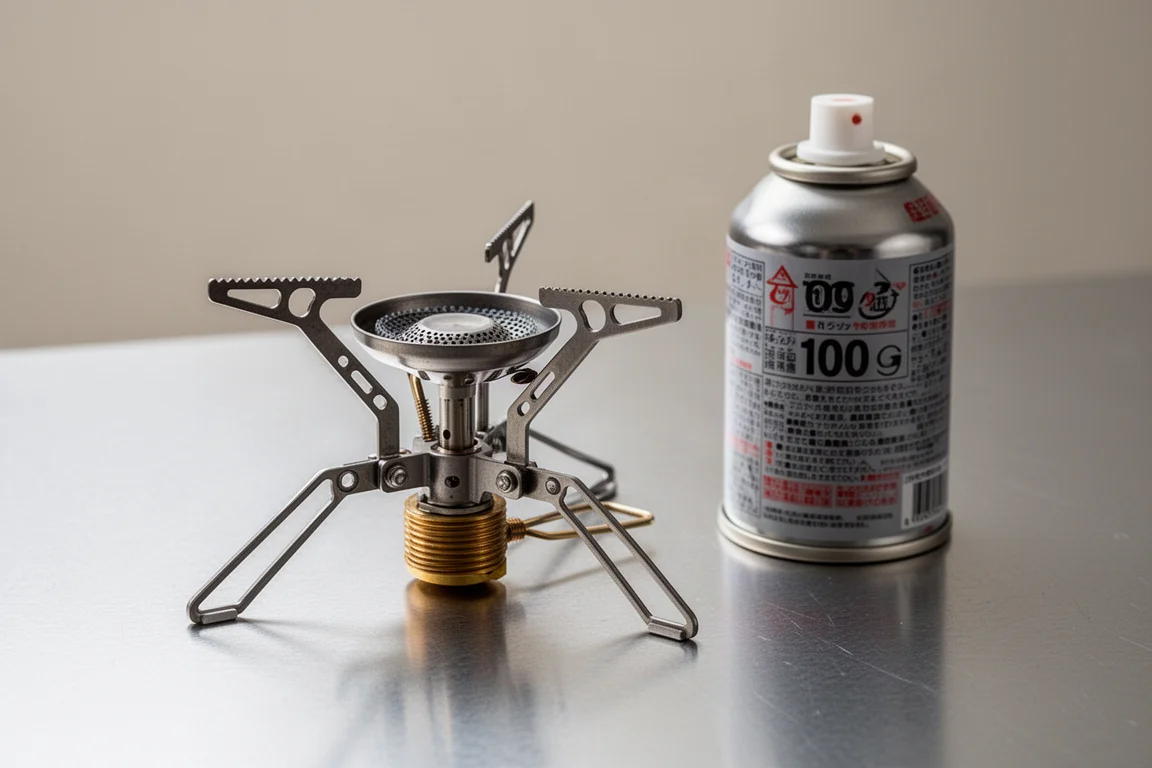
BRS Stove
The BRS Stove is a $15 canister stove that is not the most reliable stove on the market and is not a favorite for that reason. What it does have is a long track record with hikers covering thousands of miles on long trails, and at that price it gets the job done.
Stanley 710 ml Aluminum Pot
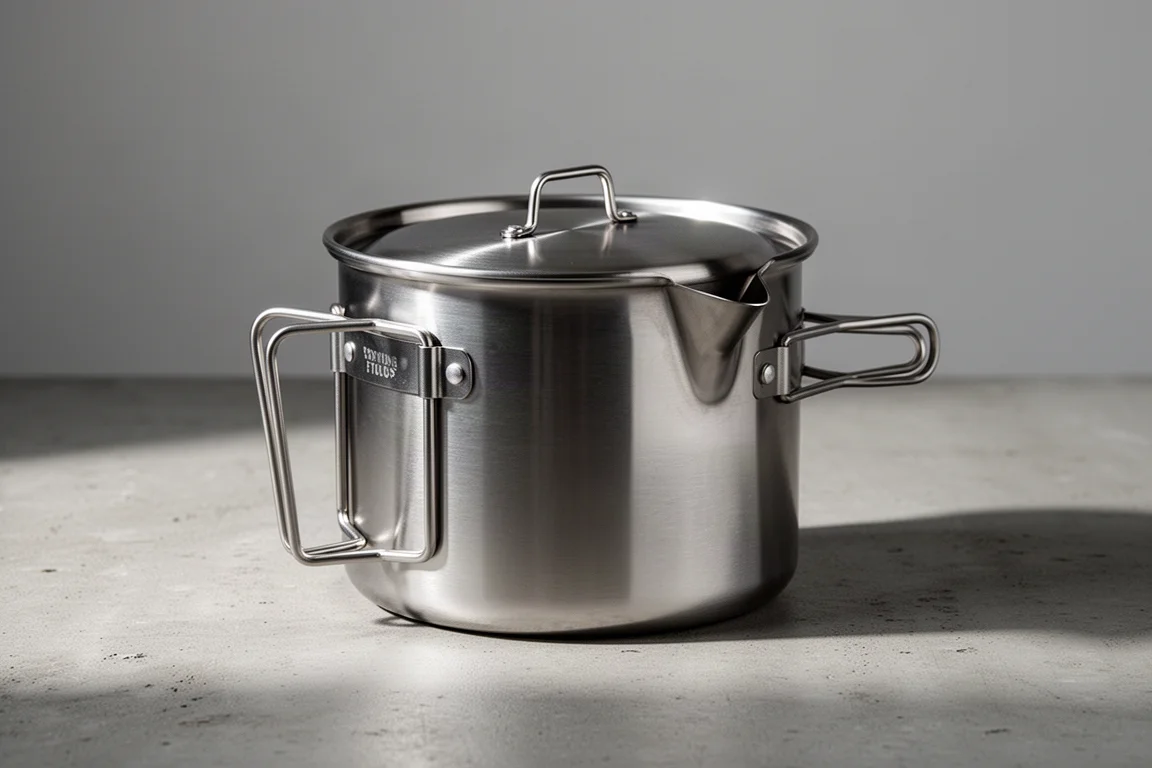
The Stanley 710 ml Aluminum Pot weighs about seven ounces and is built to survive rough treatment. The lid fits well, the handle is solid, and the shape allows straining as well as use as a mug.
Capacity is the practical detail here. 710 ml holds enough water for a full freeze-dried meal plus a cup of coffee afterward, which covers a typical evening at camp in one boil.
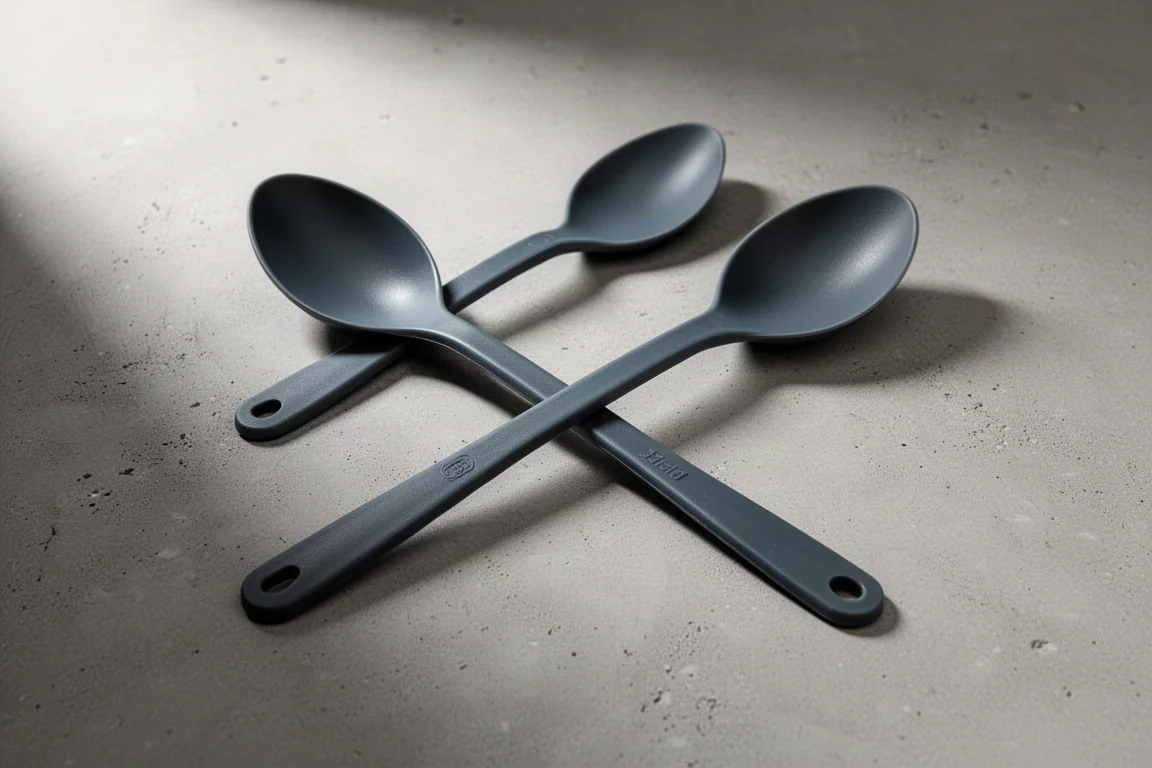
Ozark Trail Long-Handled Spoon
The Ozark Trail Long-Handled Spoon weighs about an ounce and costs roughly a dollar. The handle is long enough to reach the bottom of a freeze-dried meal bag, and the material flexes rather than snapping. Losing it costs almost nothing.
The Puffy Layer: Decathlon 800 Fill Down Jacket
The Decathlon 800 Fill Down Jacket is the biggest value on this list. It is a close match for a well-known premium down jacket that costs $200 more, with less than two ounces of weight difference between them.
Warmth is effectively the same. The amount of down fill inside is comparable, and the jacket has been worn through late winter and into spring across a range of temperatures with no noticeable difference in how warm it feels. The weight gap comes down to the nylon shell and the zippers, not the insulation.
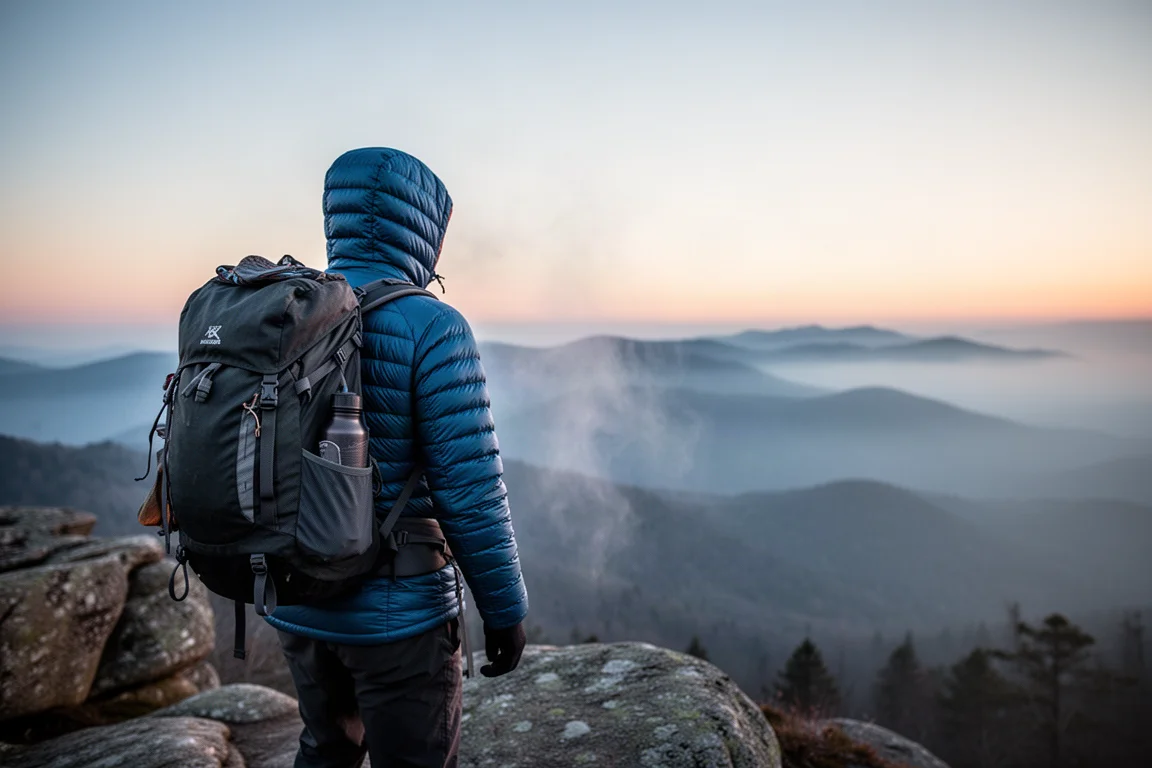
For a three-season kit, that trade makes a lot of sense. Money saved on the puffy layer can go toward the sleeping system or the shelter, where the differences between price points show up much more clearly on trail.
The Premium Comparison: Mountain Hardwear Ghost Whisperer
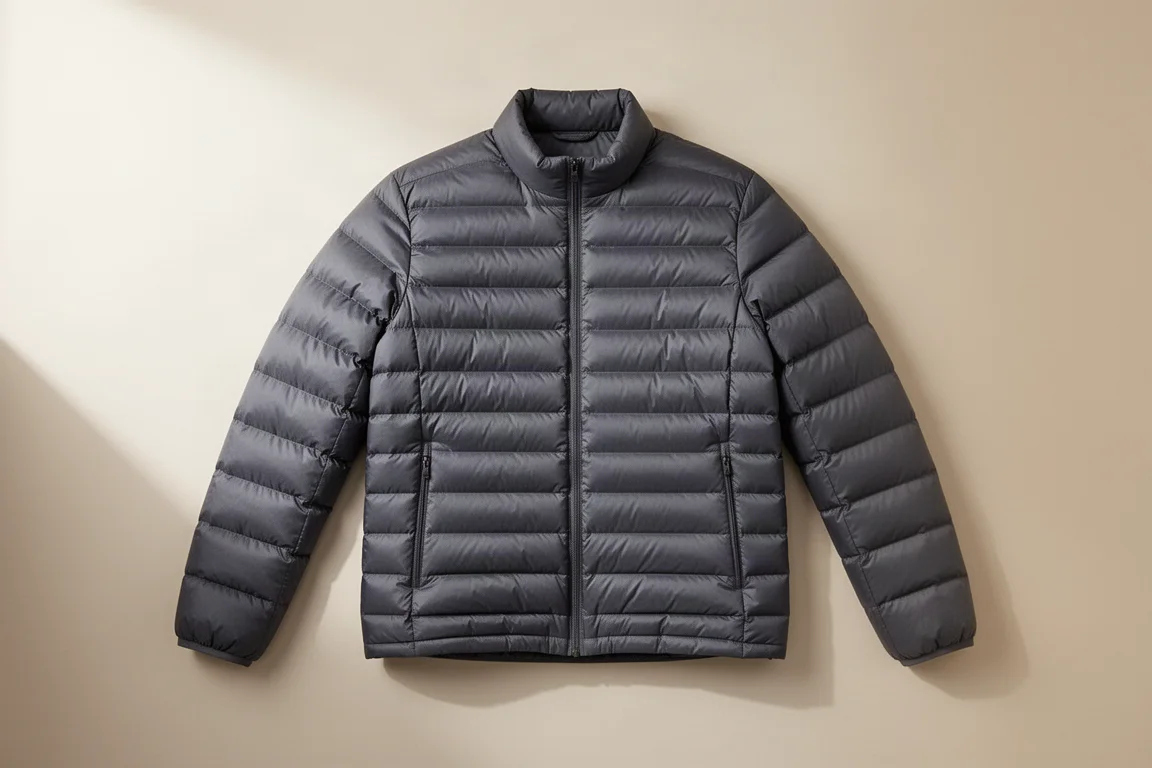
The Mountain Hardwear Ghost Whisperer is the jacket the Decathlon pick is measured against. It sits around $200 higher in price and shaves off just under two ounces, with the gap coming from the shell fabric and the hardware rather than the down fill.
The Rain Shell: Frogg Toggs Ultralite Rain Jacket
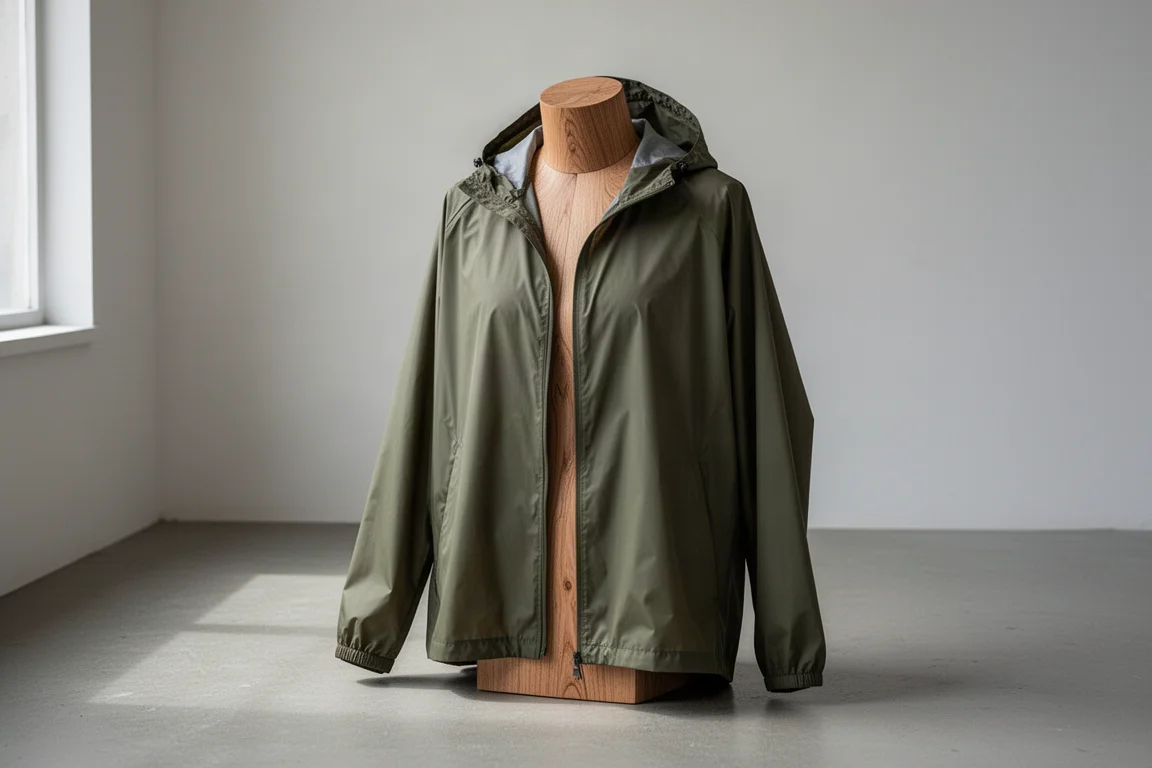
The Frogg Toggs Ultralite Rain Jacket weighs six ounces and costs very little, which changes how it gets used. Because it is inexpensive, rips and tears are not a disaster, and it can be worn over a down jacket as a protective hard shell when sitting around a fire where embers are a risk.
The cut is loose enough to layer over thicker mid layers, so it works across the year rather than only in mild conditions. For a multi-season kit, that flexibility is worth more than a trim fit.
Small Essentials
The small items round out the kit: cutting tools, fire, light, water treatment, and a basic medical kit. A 5,000 mAh battery bank from a well-known brand belongs in this group as well, and it is worth buying from an established manufacturer, because capacity ratings in this category are not tightly regulated.
Swiss Army Classic SD
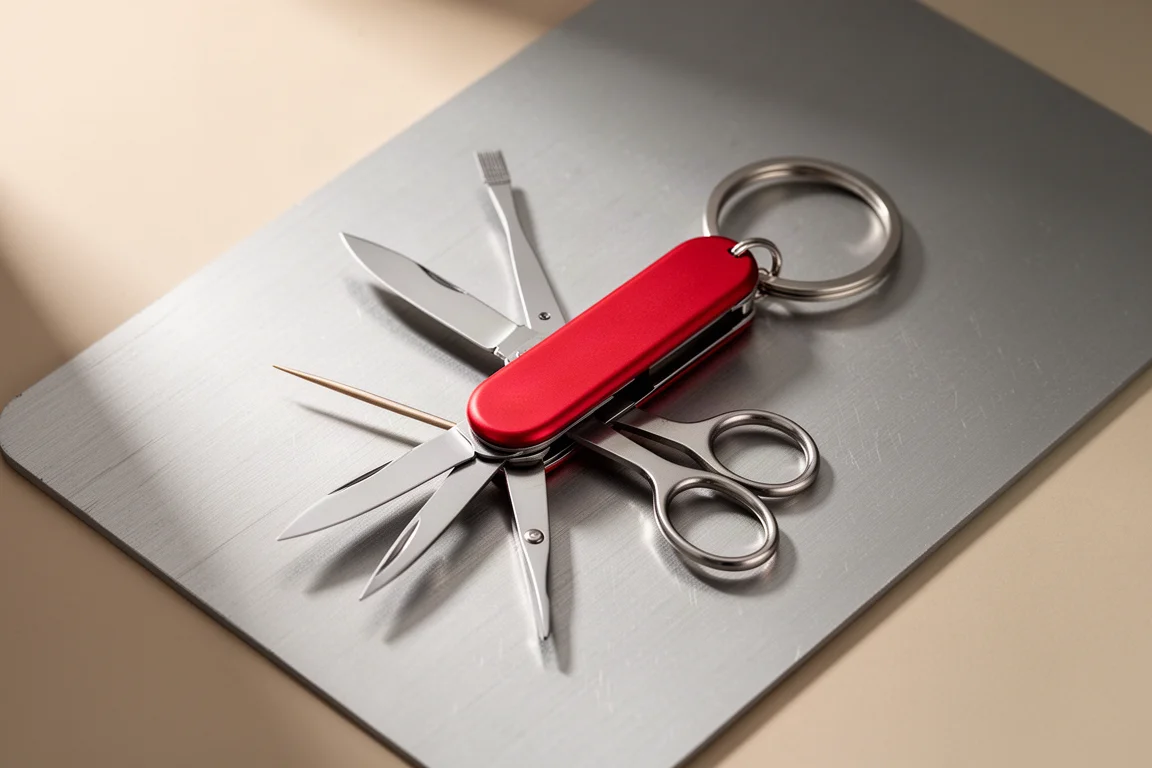
The Swiss Army Classic SD covers cutting and small repairs. It includes tweezers, a toothpick, scissors, a small file, and a small knife, which is everything a backpacking trip has actually required in practice.
Mini Bic Lighter
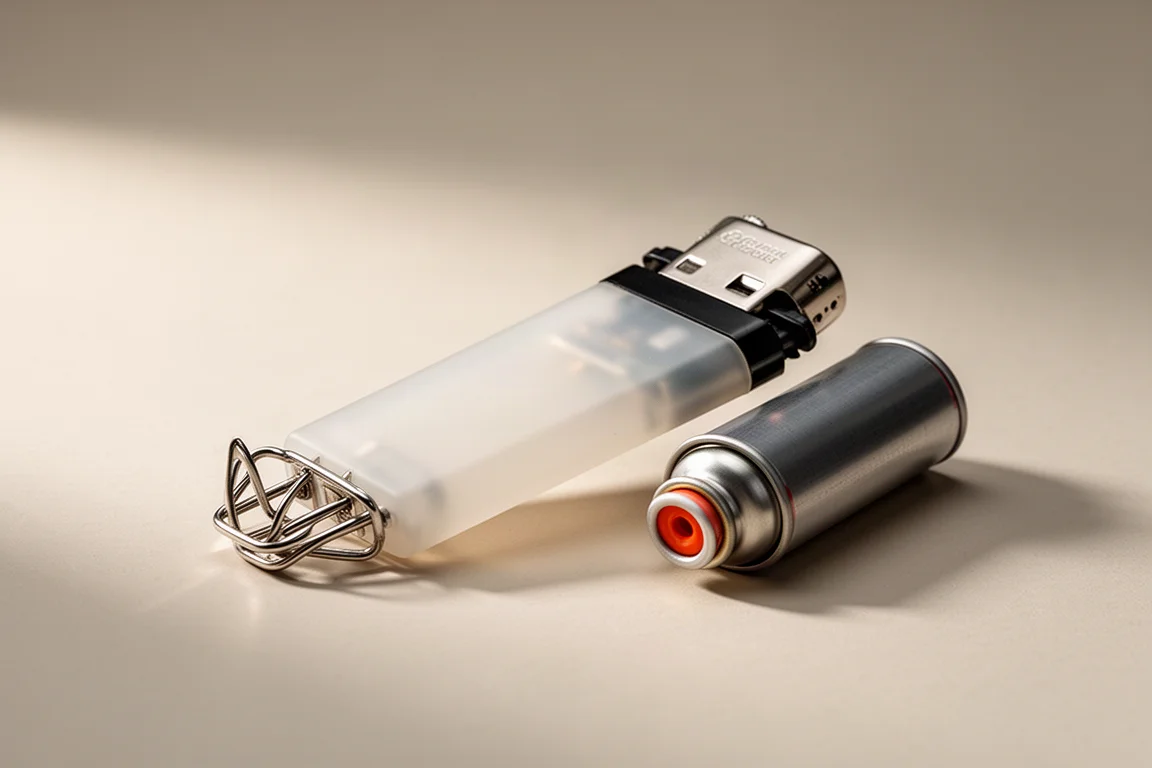
The Mini Bic Lighter is the fire starter. It is cheap, reliable, and available at essentially every gas station, which makes it easy to replace and easy to carry a spare.
Energizer 260 Lumen IPX4 Headlamp
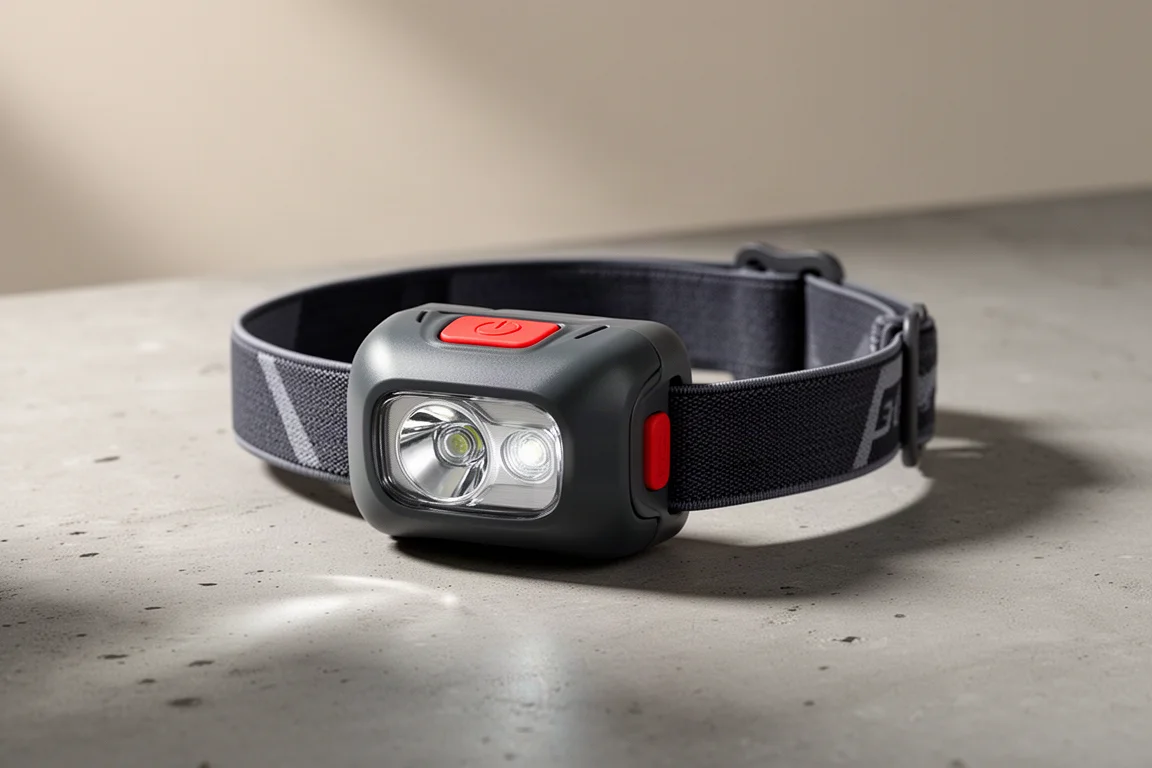
The Energizer 260 Lumen IPX4 Headlamp costs about $15 with batteries included. It offers a wide range of settings, including a red light, variable brightness, a flood beam, and a spotlight, and it carries an IPX4 rating.
The one limitation is the lack of a lockout function, so it can switch on inside a pack. The workaround is simple: remove one battery and store it in the same pocket as the headlamp, then reinstall it at camp when light is needed.
Sawyer Mini
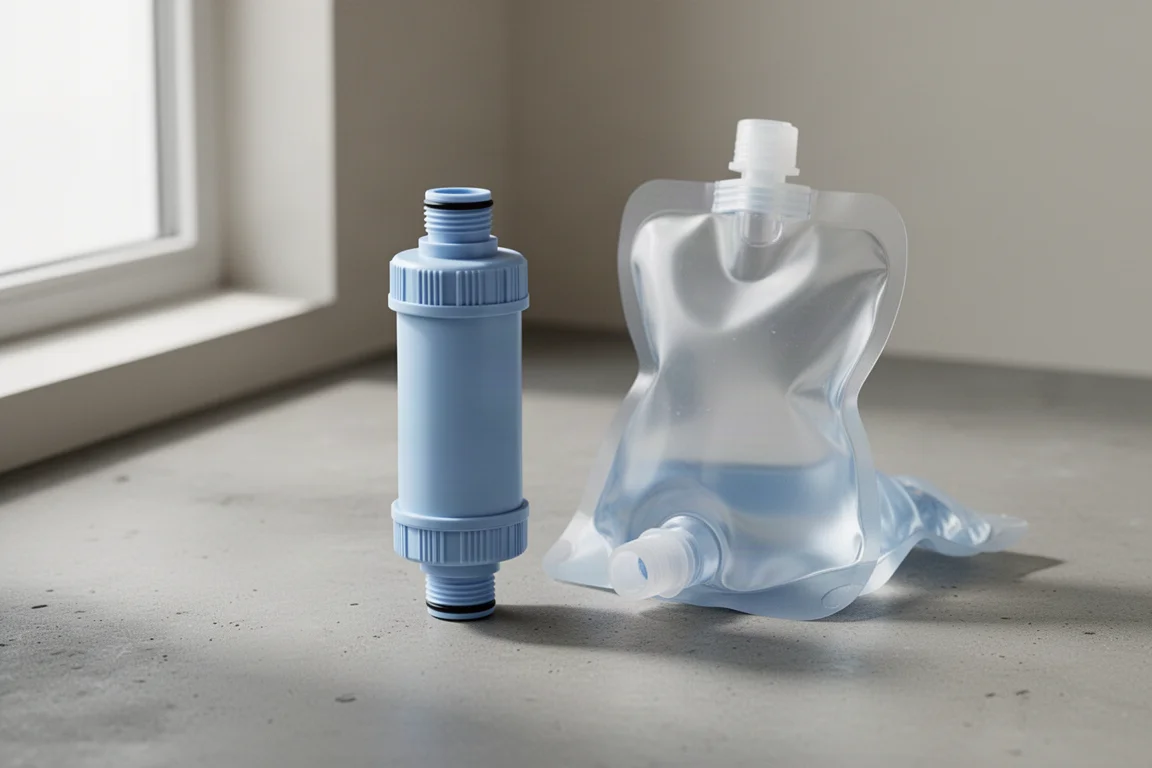
The Sawyer Mini is the water filter, at about $20. It is one of the cheapest filters available for the capability it offers. Paired with a lightweight bottle reserved for dirty water, it covers water treatment for a weekend trip without adding much weight or cost.
Adventure Medical Kit 0.5
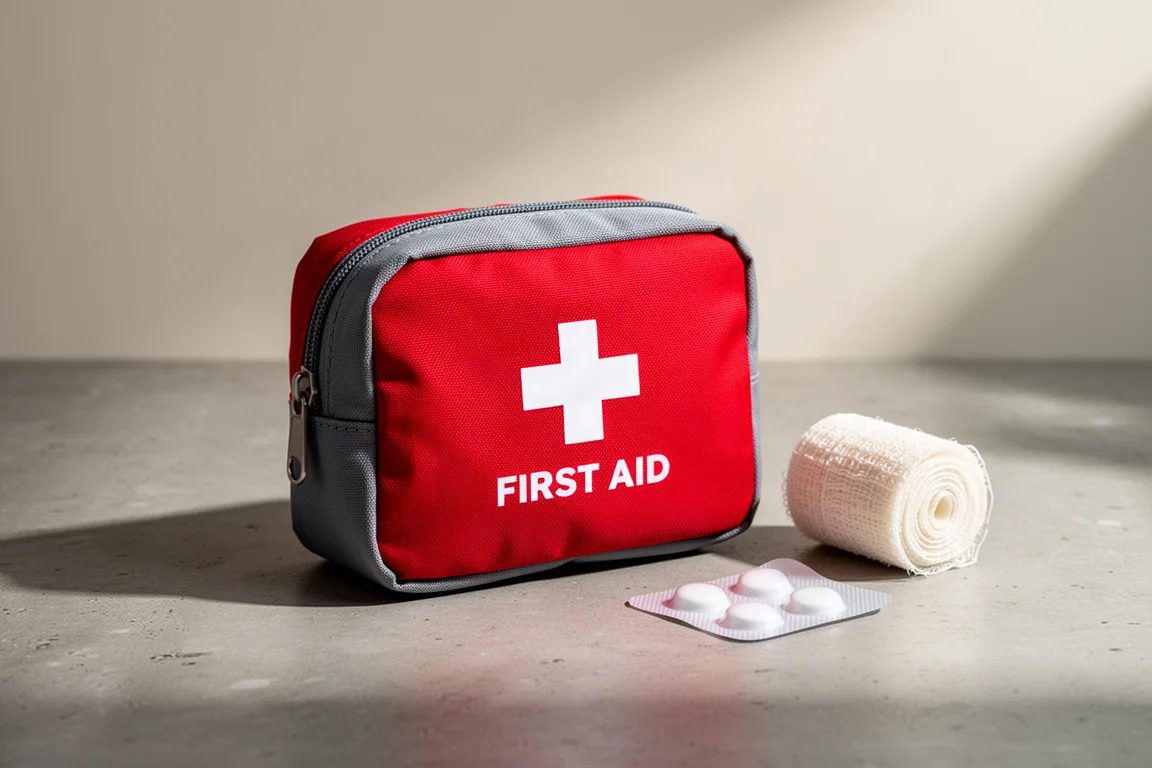
The Adventure Medical Kit 0.5 is optional and worth thinking about honestly. Medical kits are personal. A large trauma kit is dead weight for a hiker with no training to use it, and this size is sufficient for most weekend trips and most terrain.
What Was Left Off the List
Several categories were deliberately excluded because they are highly personal. Footwear, mid layers, hats, and beanies vary so much between hikers that most people already own a version they like, and a specific recommendation would add little.
Total Weight and Cost
Everything on this list adds up to under 12 pounds and about $700 at full retail. That figure is not a sale price. It reflects the standard cost of each item, which makes the kit a realistic target rather than a limited-time deal.
Buying Advice
The order to buy in depends on what is already in a pack. Shelter and sleep insulation affect both safety and comfort the most, so those are the places where spending slightly more tends to pay off.

The backpack is the other high-impact purchase, since it determines how 30 pounds or more feels after ten miles. Everything else, including the stove, the pot, the spoon, the headlamp, and the small tools, can be assembled for very little and replaced easily when something better appears.
Buying in that order keeps a kit functional at every stage and avoids spending on items that make little practical difference on trail.
Conclusion
A three-season backpacking kit does not need premium pricing to be safe, light, and comfortable. The list above comes in under 12 pounds and around $700, and each item was tested in the field rather than chosen from a spec sheet. The result is a setup that works as a first serious upgrade and as a sensible rebuild for hikers who have been out for years.
Further reading
Related Reviews

Backpacking Gear
Building a 10 lb Base Weight: An Ultralight Backpacking Gear List
A practical walkthrough of the ultralight pieces behind a 10 lb base weight, from a 765 g pack and a roomy one-person tent to a full camp chair and a dependable water filter.

Backpacking Gear
A 15-Pound Lightweight Backpacking Gear List for Solo Trips
A beginner-friendly 15-pound backpacking setup built from easy-to-find gear, with notes on what each piece does, how it packs, and where to spend your attention.

Backpacking Gear
8 Ultralight Backpacking Gear Upgrades Worth Carrying
Eight small, affordable backpacking upgrades that solve real trail annoyances, from a pillow that stays put to a fuel valve that rescues leftover canister gas.