Backpacking Gear
Budget Backpacking Gear List 2026: A Complete Kit Where Almost Everything Costs Under $100
A complete backpacking setup built around value, with one item over $100, most small pieces under $20, and gear that still holds up on serious trips.
Introduction
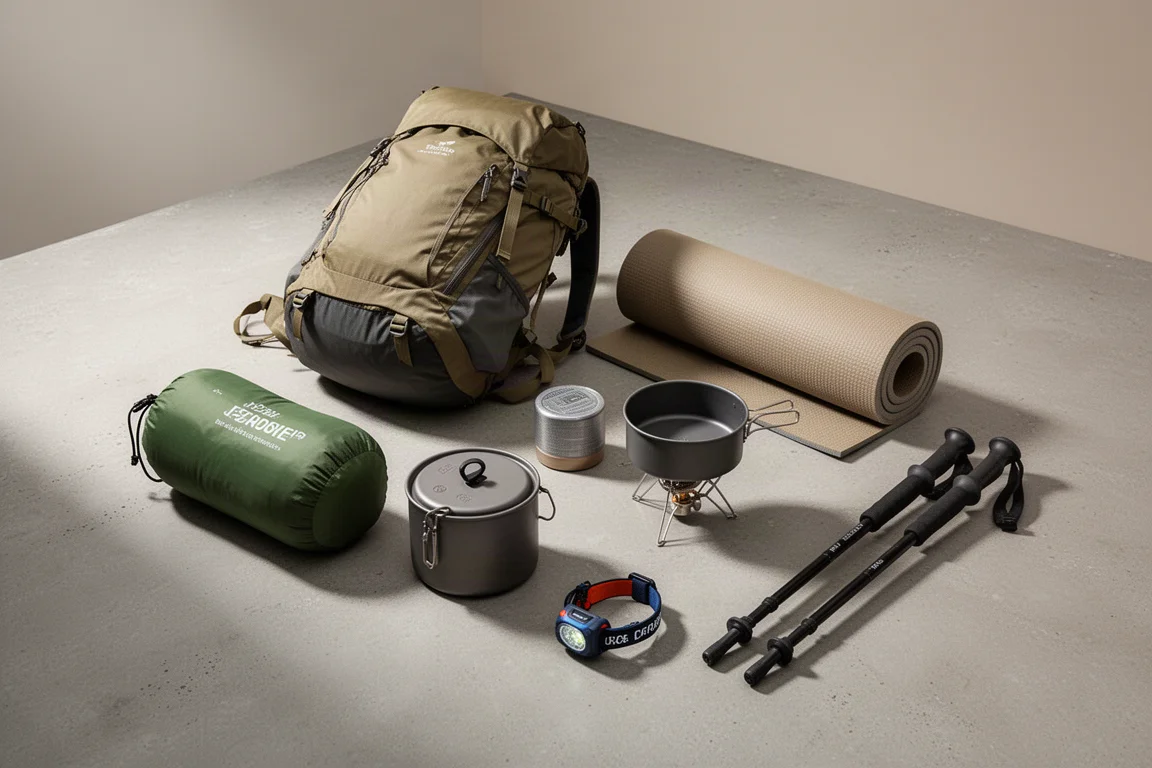
A complete backpacking setup can feel out of reach when the pack, the shelter, and the sleep system are the three places where money usually disappears fastest. This list takes the opposite approach. It covers everything needed for a real overnight trip in the backcountry, and only one item costs more than $100. Most of the small pieces come in under $20.
Some of this gear is aimed at beginners building a first kit on a budget, but the same items would not feel out of place on a serious trip. Every entry solves a specific problem: carrying weight comfortably, staying solid in bad weather, sleeping warm, treating water, or having somewhere comfortable to sit at camp.
The list starts with the big three, then moves through cook systems and water treatment, electronics, hygiene, clothing, and the comfort items that make time around camp better.
What This Budget Gear List Covers
Every item here was judged on the same handful of questions. Does it cost less than the obvious alternatives? Does it still perform when the weather turns? Is it simple enough to use without a learning curve? And would it survive more than one season of real use?
The pattern running through the whole list is straightforward: affordable gear usually weighs a little more. That trade is deliberate. A pack that carries 40 to 50 pounds comfortably matters more on a first trip than shaving a few hundred grams, and where weight savings come cheaply, such as with a stove, they are called out.
Most of the smaller items sit under $20, and every entry except one comes in under $100. That single exception is the quilt in the sleep system, and it is the one place where spending more buys something noticeably better.
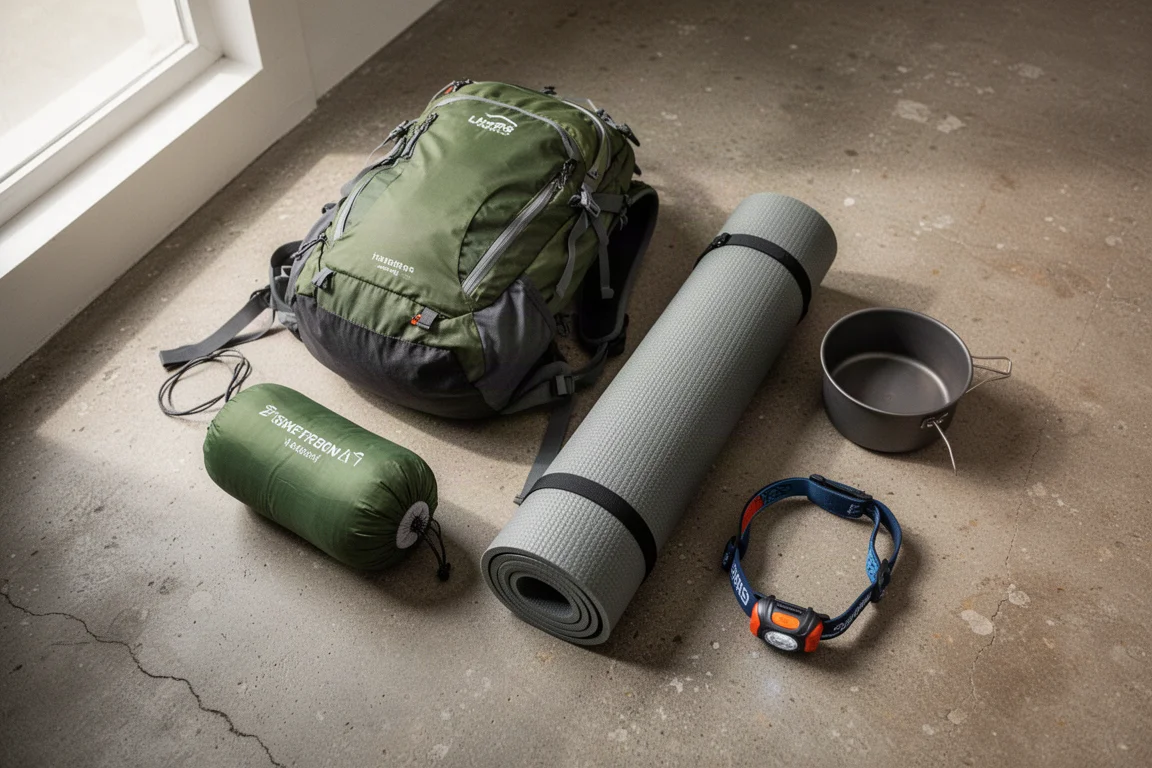
If you are building a kit from scratch, it also helps to think in categories rather than in one large purchase. Buy the big three first, then add the small pieces over time as trips demand them.
The Big Three: Pack, Shelter, and Sleep
The pack, the shelter, and the sleep system are where budgets usually stretch the furthest. Here is where to spend, where to save, and where one deliberate splurge makes sense.
Best Budget Backpack: Decathlon MT100
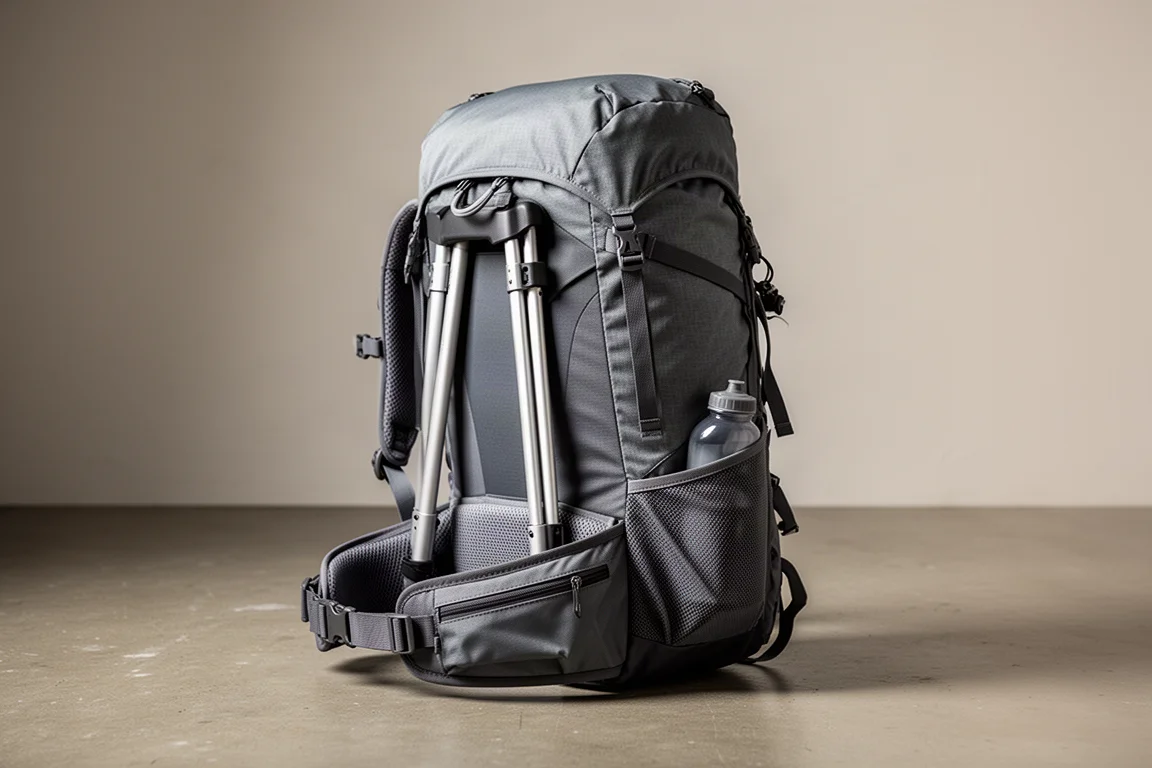
The Decathlon MT100 stands out for being fairly lightweight at a price most entry-level packs cannot match. It comes in at $99, and it includes the features that matter most for carrying weight: a solid frame, a proper hip belt, and shoulder straps that work together rather than fighting each other.
Two details separate it from cheaper packs. The first is an easy-access water bottle pocket, which sounds minor until you have spent a full day reaching behind your shoulder for a bottle. The second is an adjustable torso, which lets you dial in the fit regardless of torso length. That adjustability is a large part of why the pack can carry 40 to 50 pounds comfortably. At that point, the pack is rarely the limiting factor.
The trade-offs are modest. It is not the lightest pack available, though it is not especially heavy either. The pocket layout is the more noticeable compromise: there is only one water bottle pocket, no hip belt pocket on the left side, and no front pocket. A stretchy front pocket is genuinely useful for stashing a rain jacket during the day, so its absence is worth knowing about before you buy.
Best Budget Tent: Class Nature Krux One-Person Tent
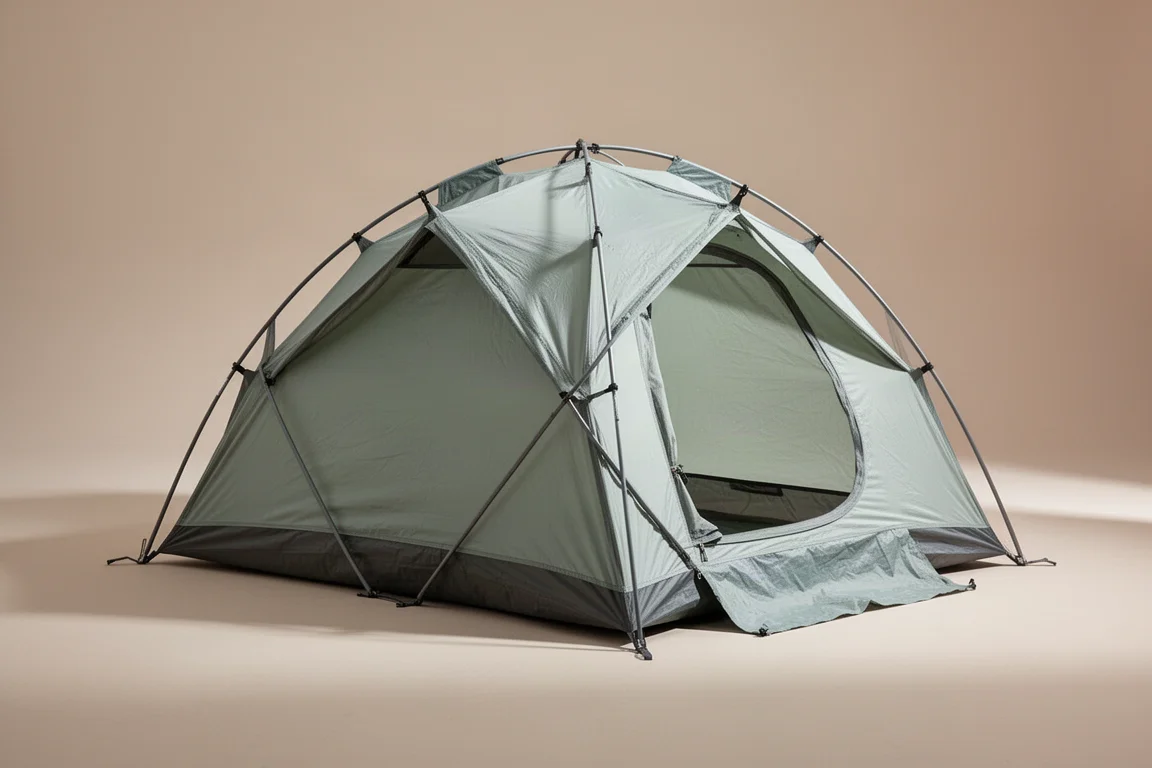
This one-person tent is the most weather-worthy shelter under $100 on this list. Once pitched, it feels solid, with plenty of guy-out points, and it would not be out of place in heavy rain, strong wind, or even winter conditions.
Pitching is simple. Two poles cross to set up the inner, the fly goes over the top, and that is it. The model is also available in two-person and three-person versions.
The trade-offs are weight and interior space. It is fairly heavy, which is the recurring compromise across an affordable kit. It is also not a large tent, and anyone over roughly 5 ft 10 in will likely be more comfortable in the two-person version, which weighs noticeably more. Below that height, the one-person model is a very solid option.

Alternative Shelter: Naturehike Mongar 2
If the budget can stretch a little further, the Naturehike Mongar 2 is one of the best tents available just over $100. It is the natural step up if you want a two-person shelter rather than a solo tent.
It costs more than the Krux, but it remains relatively affordable for what it offers.
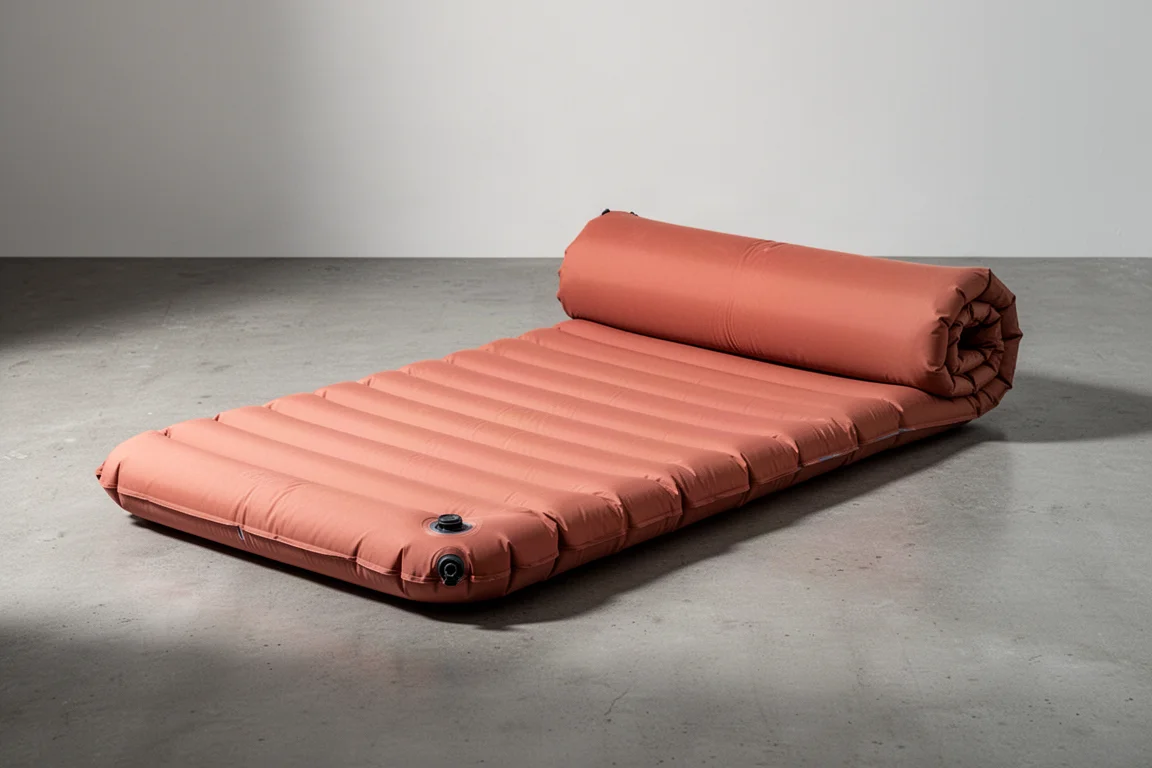
Best Budget Sleeping Pad: Naturehike NKTR 5.8
The Naturehike NKTR 5.8 is one of the most impressive items on this list. At $70 it is fairly lightweight, lighter than some sleeping pads that cost considerably more, and it manages to be both relatively warm and comfortable.
There is one caveat. The pad is a little thin, so heavier sleepers may bottom it out and feel a hip or shoulder against the ground. That is mainly a concern for people over roughly 220 pounds.
For everyone else, this is one of the better sleeping pad options around, regardless of price, and it is the pad to look at first in this bracket.
Best Budget Pillow: Tricology 2.0
A pillow is easy to overlook, and it is also one of the cheapest ways to improve a night in a tent. The Tricology 2.0 has a soft top and uses baffling rather than a single inflated chamber, so it does not feel like resting your head on a balloon. It also has a pad strap that keeps it locked in place instead of sliding around the tent overnight.
The limitation is height. It is not the thickest pillow available, so sleepers with broader shoulders may want to tuck a spare layer or a sit pad underneath to raise it slightly.

Alternative Pillow: Hike Entry Pillow
The Hike Entry pillow solves the height question differently. It keeps the pad strap but adds a taller stack height, and the material on top contributes a little insulation and cushioning.
If the Tricology 2.0 sounds too low for you, this is the straightforward alternative.

The One Splurge: Neve Wata Quilt
This is the only item on the list over $100, at $225, and it is the one place where spending more clearly buys a better night. The Neve Wata quilt is very lightweight and built around locking in heat: a draft collar around the neck, a neck cinch that closes it up around the shoulders, and a quilt shape that lets you turn over without getting tangled.
Quilts are often criticized for drafts along the sides, and this one addresses that directly. The pad attachment system sits slightly raised from the edge of the quilt, so there is baffling material between the sleeping pad and the quilt to close off gaps. The comfort rating is -2°C, and it has been used down to -5°C while staying comfortably warm.
You can spend less on a sleeping bag, but it will weigh a great deal more and will not be as warm. In this one case, buying once is the better value.
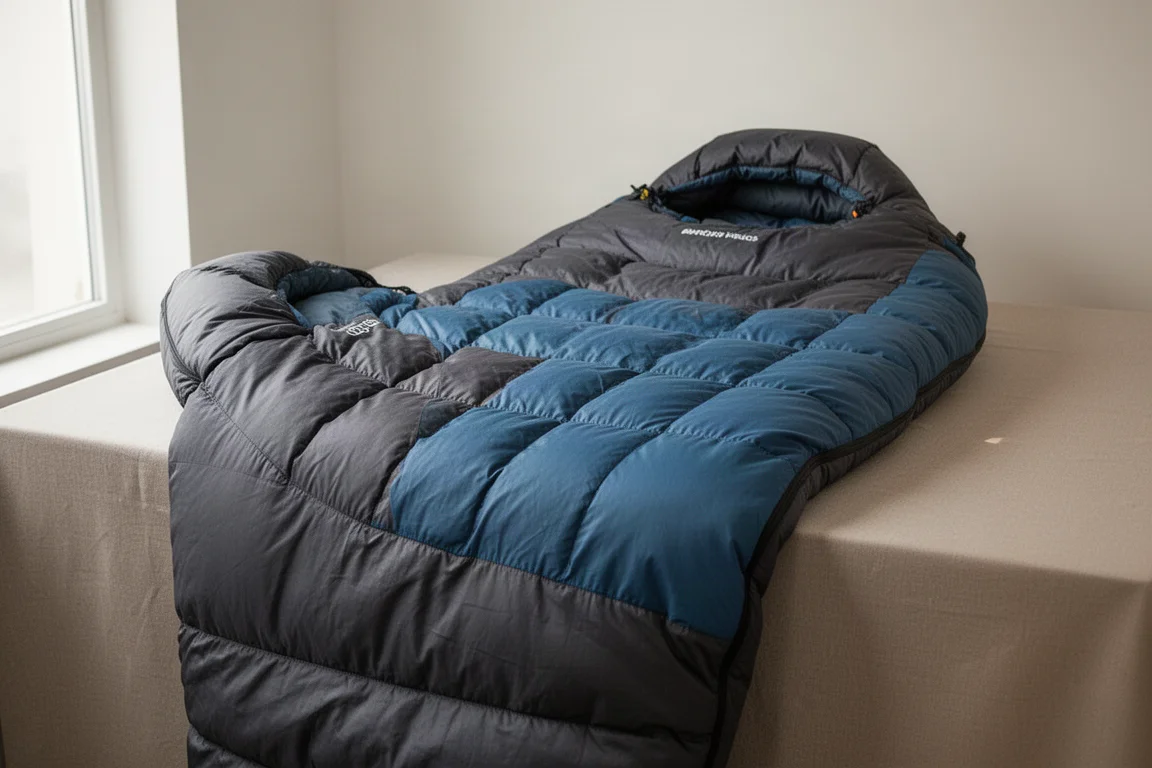
Sleeping Bag Alternative: Kely Cosmic 20
If a quilt is not for you, the Kely Cosmic 20 is a solid sleeping bag. It is a good bag, but it weighs quite a bit more than the quilt and is not as warm, and it is still fairly expensive.

Cook Systems and Water Treatment
Cooking and water are the categories where affordable gear gives up the least. A pot and stove combination here costs a fraction of what larger-brand equivalents run, and the water filter is a reliable piece from a known brand rather than an unknown bargain.
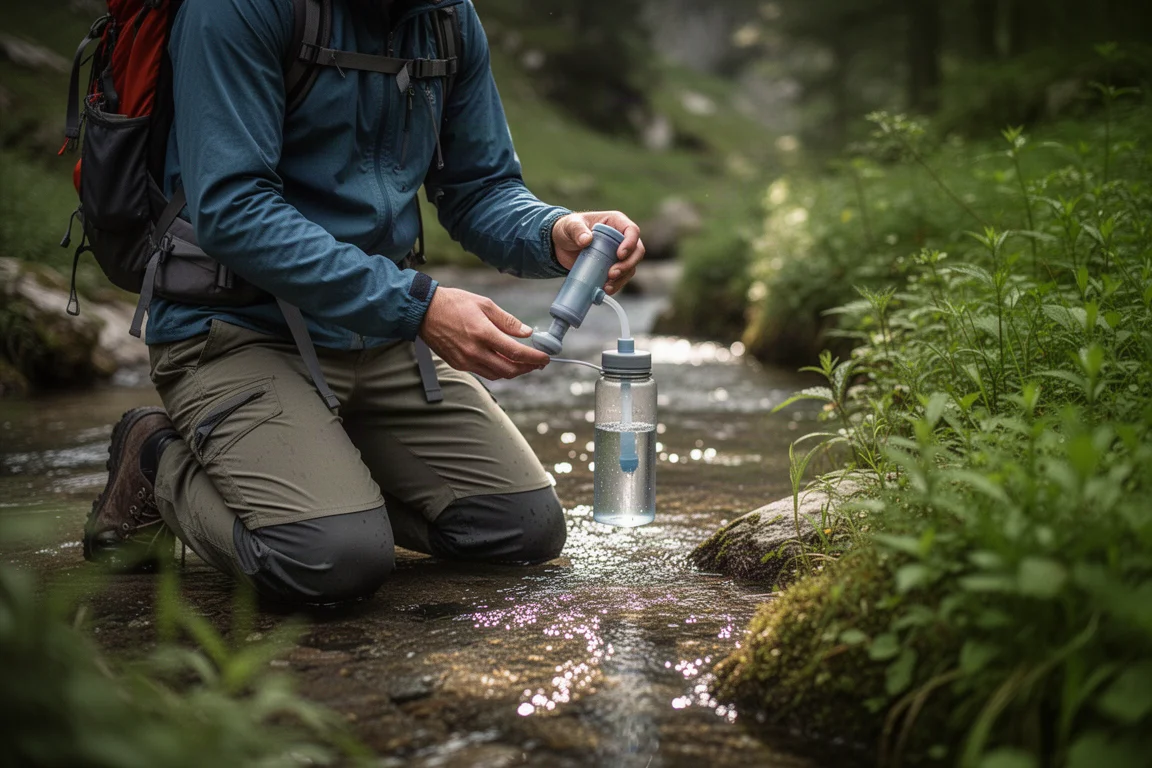
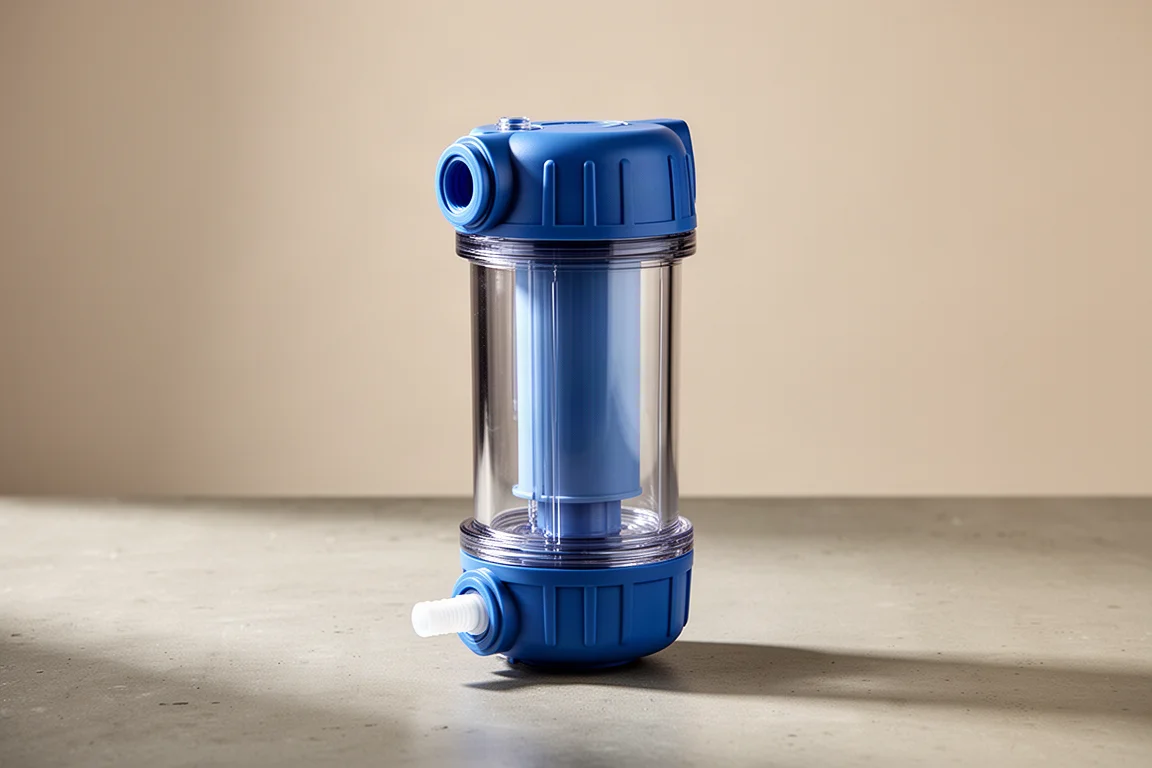
Versaflow Water Filter
Any backcountry trip needs a way to treat water, and the Versaflow filter is the budget pick. Two things set it apart. First, it has caps on both ends, which matters in cold weather: if temperatures will drop below freezing overnight, the filter needs to sleep in your bag with you, and the caps keep water from getting inside. Second, it comes from a brand you can trust with water treatment, which is not a category to gamble on.
It is not the fastest filter available, but it sits in a sensible middle ground. There are slower filters that cost more.
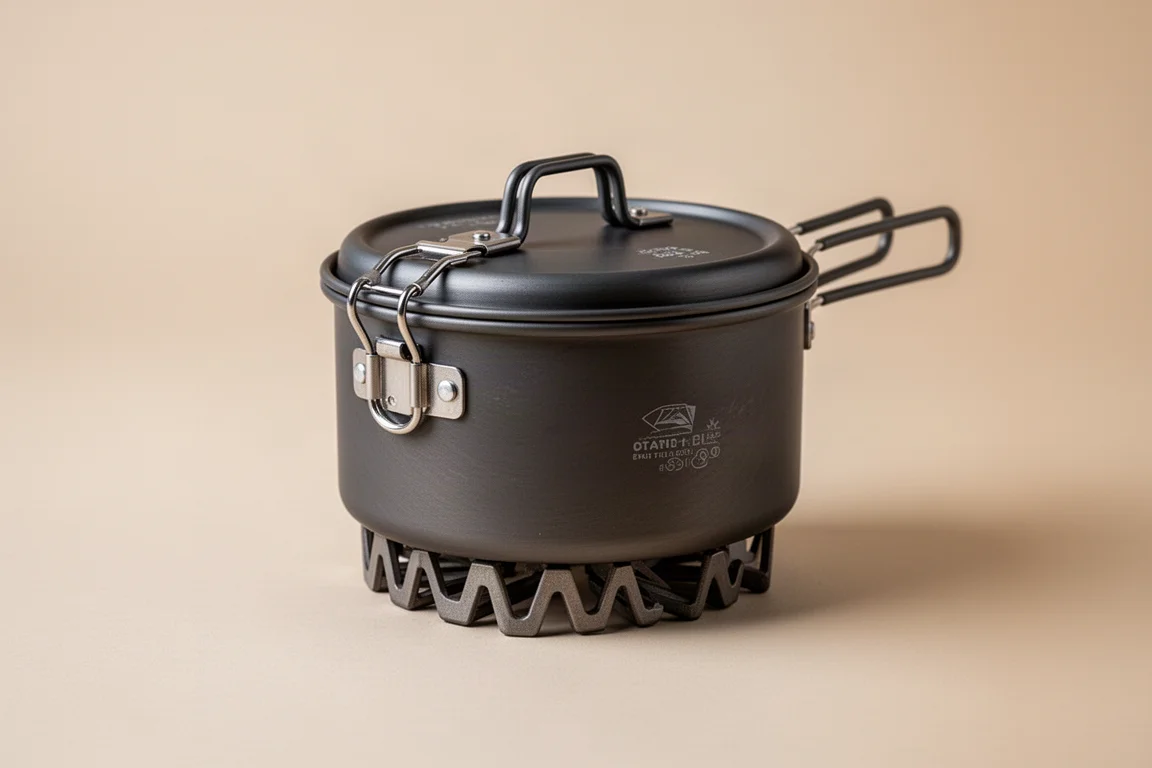
Fire Maple Petrol Pot
The Fire Maple Petrol Pot is a genuinely good piece of gear regardless of budget. The standout feature is a heat exchanger on the base: a set of fins that transfers heat from the stove into the pot and then into the water, so water boils faster and less fuel is used.
The handle snaps up to lock the lid in place, and the pot is sized so that a small fuel canister, the stove, and a lighter all fit inside.
The main compromise is weight. It is not the lightest pot available.
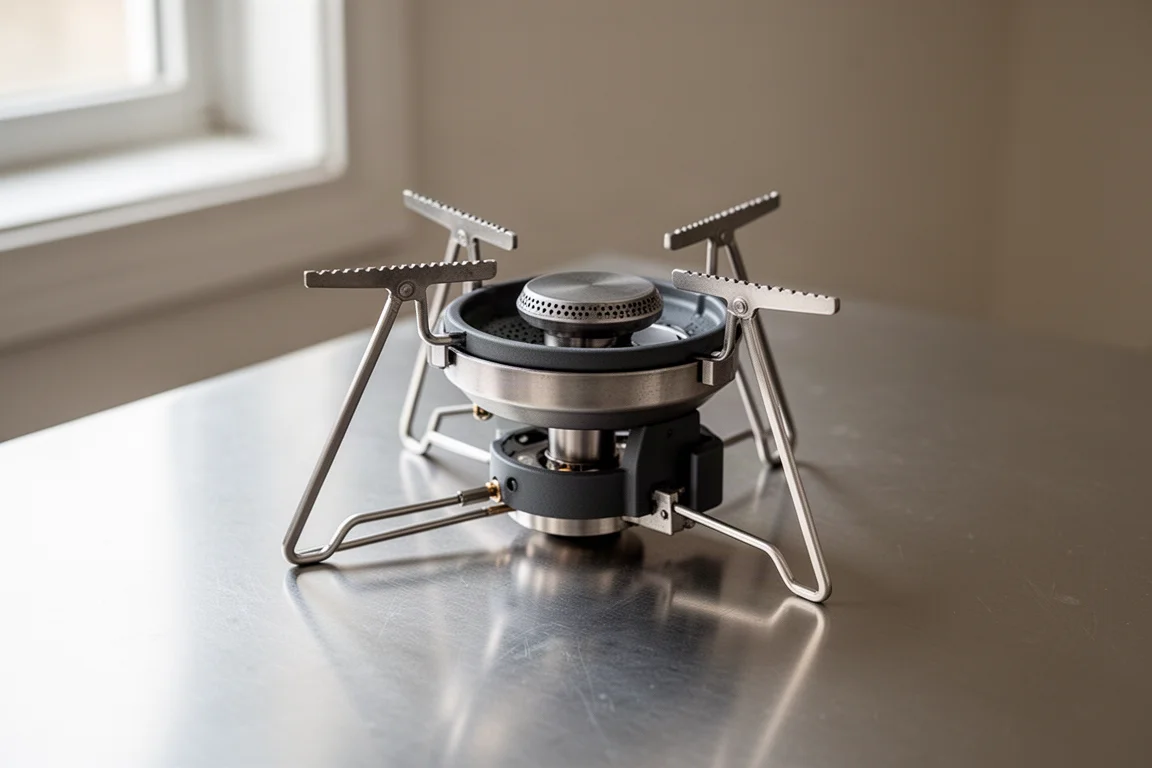
Fire Maple Green Peak Stove
The matching stove has a wide burner and a small lip around the edge to shield the flame from wind. It also has a piezo igniter, so you can light it without a lighter. A lighter is still worth carrying, because piezo igniters do fail in the field now and then.
Together, the pot and stove come in at around $50, which is remarkable for a pot and stove combination. Comparable options from larger brands often cost three or four times as much. The stove is not the lightest option either, but for beginners and for anyone who wants a dependable setup at a low price, this pairing is hard to beat.
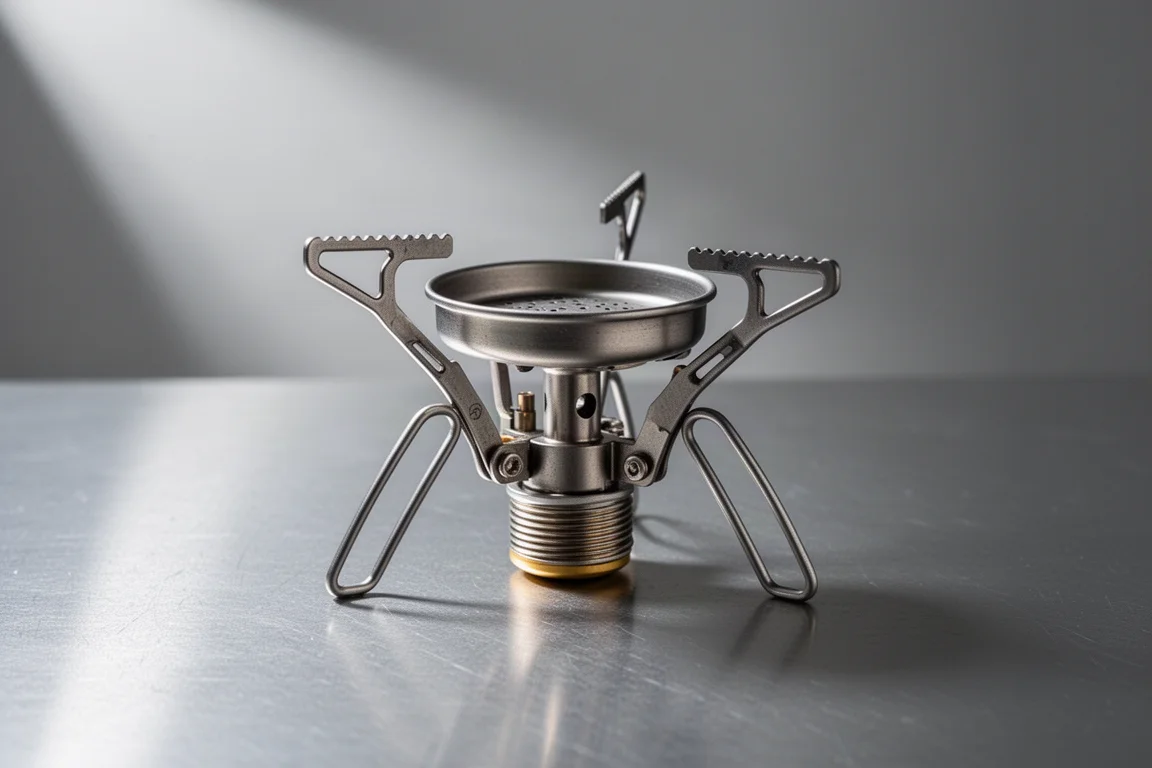
Lighter Cook Alternative: BRS 3000 Stove
If weight matters more than anything else and the budget is tight, the BRS 3000 stove is a much lighter alternative that still costs very little. Pair it with a lighter pot and the cook kit almost disappears into the pack.
Water Bottles and Utensils
For water bottles, keep it simple. A one-litre bottle from a gas station, ideally with a flip cap, is enough to carry and store water on a backpacking trip. For a spoon, a long-handled titanium spoon is worth having because the long handle reaches the bottom of freeze-dried meals easily, and titanium spoons are light and inexpensive.
Electronics: Power and Light
There is a lot you could bring, but keeping electronics minimal saves both weight and money. A power bank and a headlamp cover the essentials.
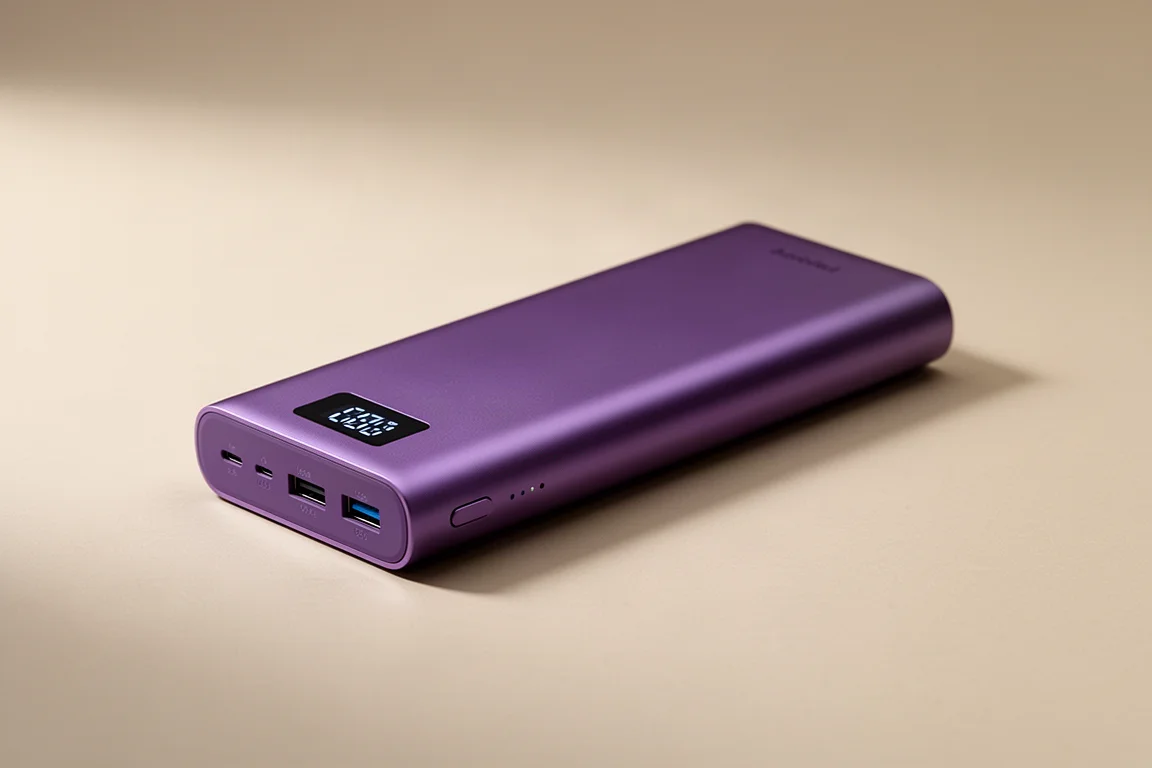
VTMOX 10,000 mAh Power Bank
The VTMOX 10,000 mAh power bank has multiple inputs and outputs, a small screen that shows how much battery life remains, and a fairly light body that comes close to much more expensive options on the scale.
Its one weakness is charging speed: input and output are not the fastest around. It gets the job done, and it comes in fun colors.
Nycore NU20 Classic Headlamp
The Nycore NU20 Classic is the headlamp to bring regardless of budget. It is very lightweight, very bright, and recharges over USB-C.
There are brighter headlamps and there are cheaper ones, but as an all-arounder at an affordable price, this one is difficult to beat.
Between a headlamp like this and a small power bank, there is very little else worth carrying for most trips, and both stay out of the way in the pack.

Hygiene and Leave No Trace
Hygiene is the part of backpacking that puts people off, and it is easier than it looks. Keep the kit small and store it in one bag so it is always in the same place.
A trowel is the first item. If you are going to the bathroom in the backcountry, dig a hole at least 6 to 8 inches deep and 6 to 8 inches wide, then bury the waste. You also need a way to clean up afterwards. Many people prefer toilet paper because it is familiar, but good leave no trace practice means packing that paper out with you. A backcountry bidet avoids packing anything out, uses water, and many people find it cleaner and more effective.
Washing your hands afterwards is more effective than hand sanitizer, though a squirt of sanitizer as a follow-up is still good practice.
Clothing for Camp and Weather
Two pieces of clothing are worth buying specifically for backpacking. Everything else can come from what you already own.
Frog Toggs Rain Jacket
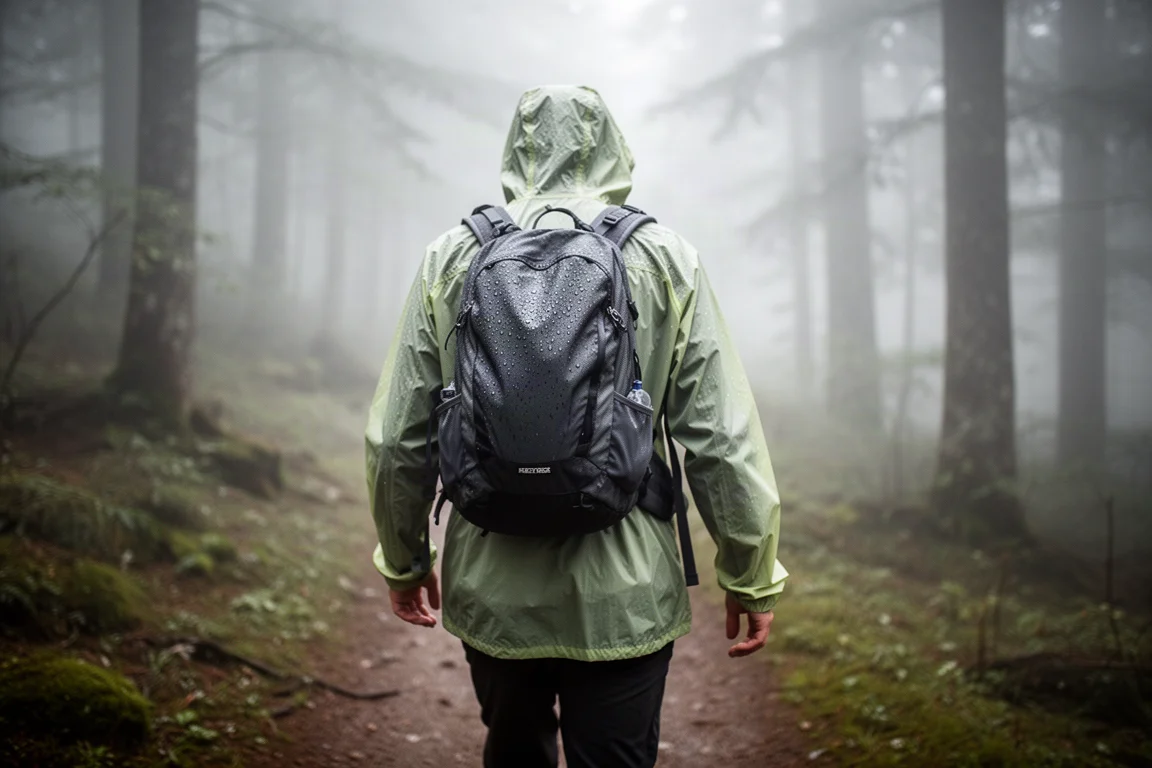
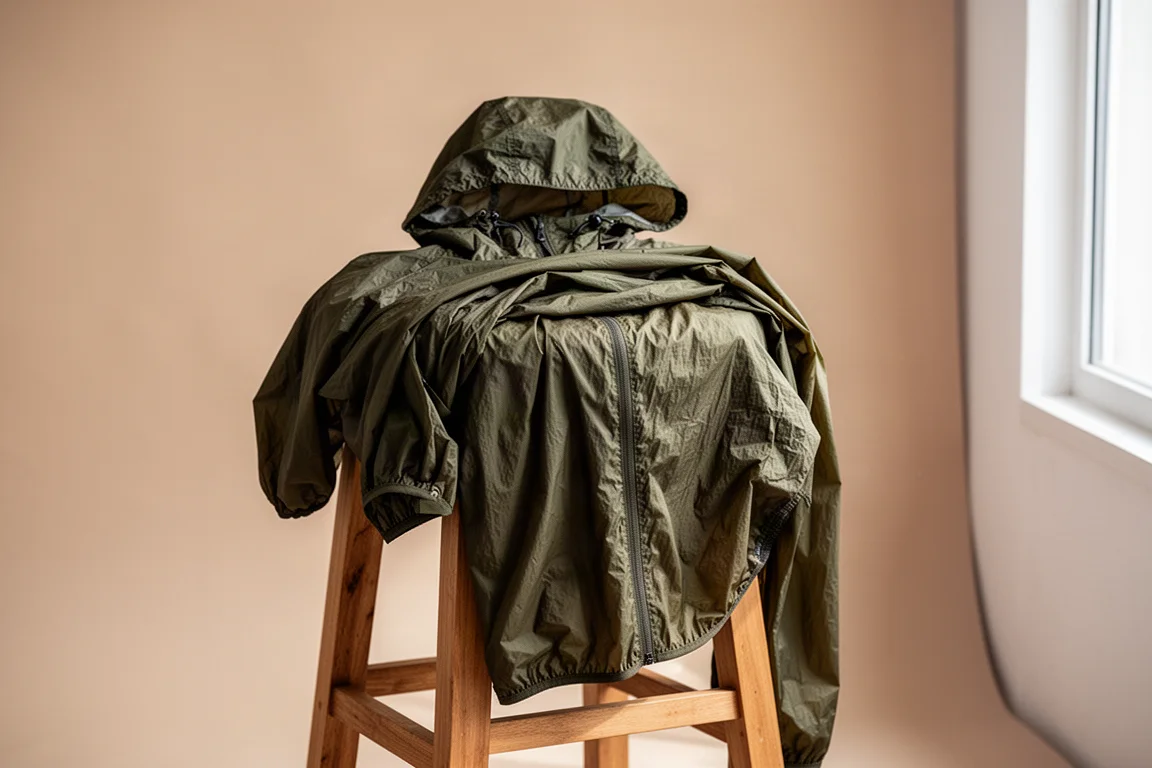
A rain jacket from home is usually heavier than it needs to be, so an affordable lightweight shell is one of the better small investments. Frog Toggs jackets are very lightweight, fairly compact, and do not wet out.
Durability is the compromise. This is not the most robust jacket, so if your trips involve a lot of bushwhacking, either be careful or choose something sturdier. For the majority of trips, it is more than enough.
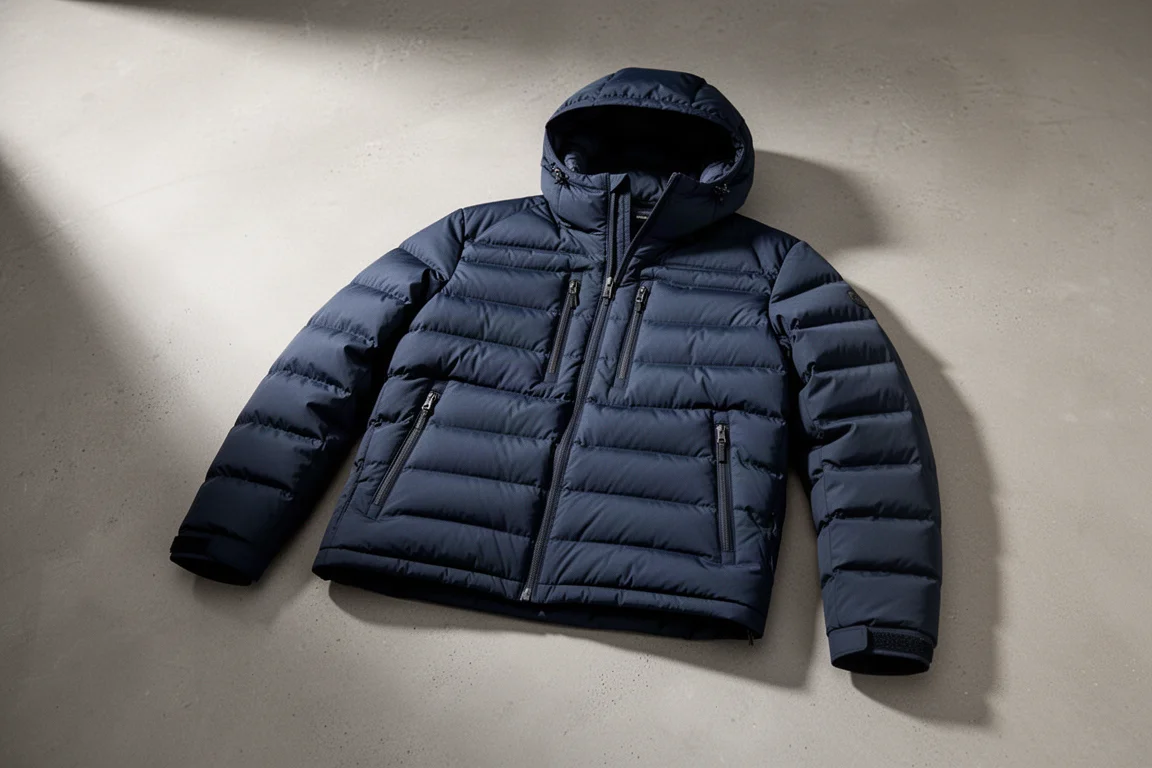
Decathlon MT100 Down Jacket
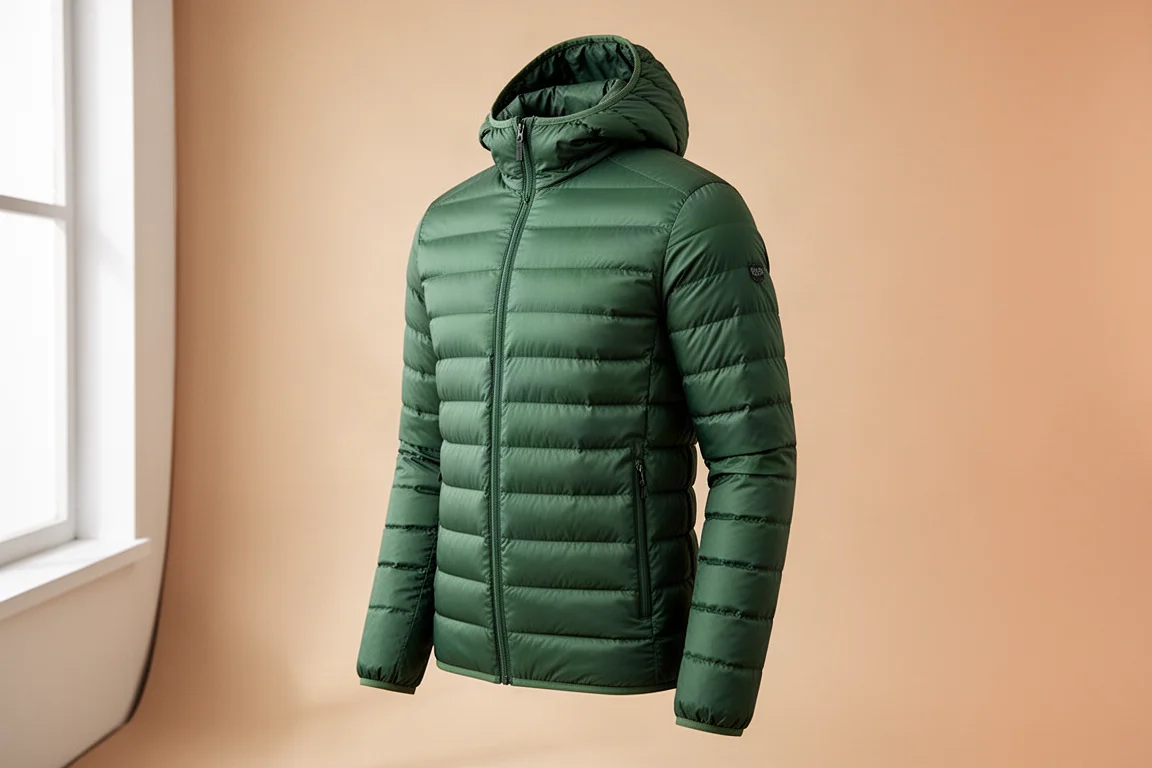
For most summer trips, a down jacket is all the insulation needed around camp. The Decathlon MT100 comes in under $100 and has been comfortable while sitting around at roughly freezing temperatures.
The caveat is personal warmth. If you tend to run cold, this may not be enough on its own.
Decathlon MT500 Down Jacket
The MT500 is the warmer option in the same lineup. It costs over $100, which still makes it affordable for what it offers.
Decathlon MT900 Down Jacket
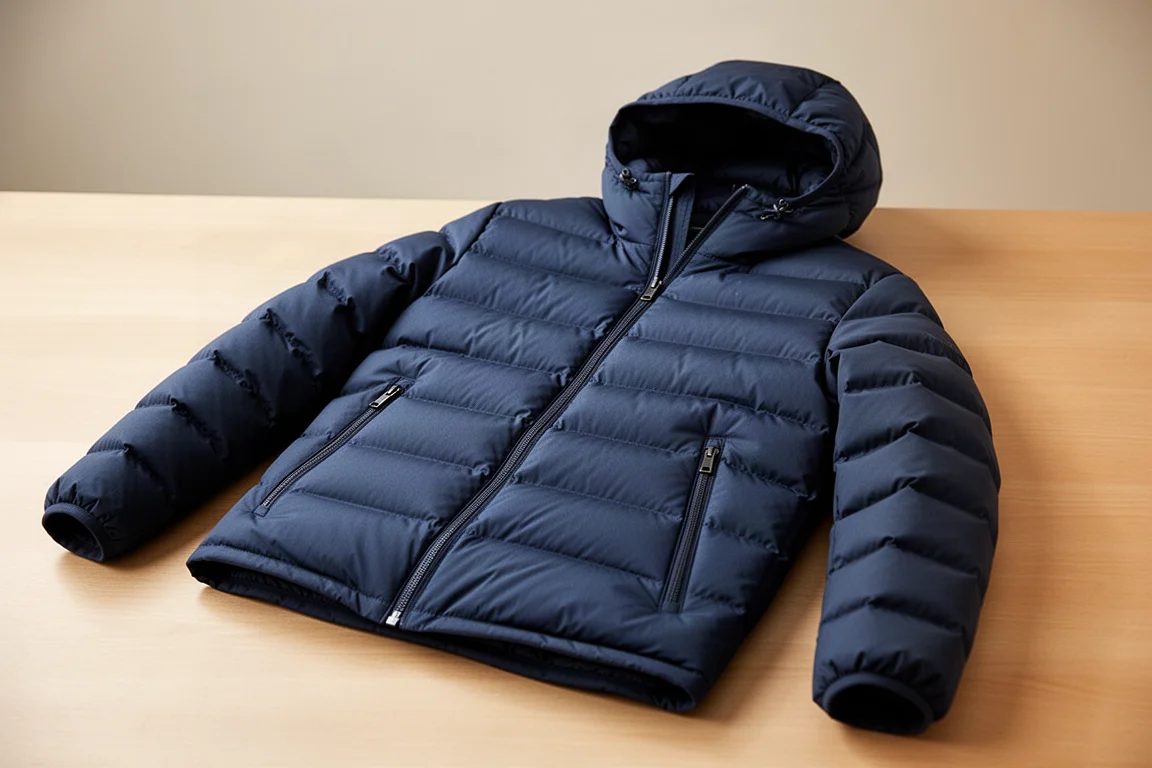
For anyone who runs really cold, the MT900 is the warmest of the three and follows the same value logic: over $100, but still affordable for the insulation on offer.
Comfort and Support on the Trail
Two items here are not strictly necessary, but they change how a long day and an evening at camp feel.
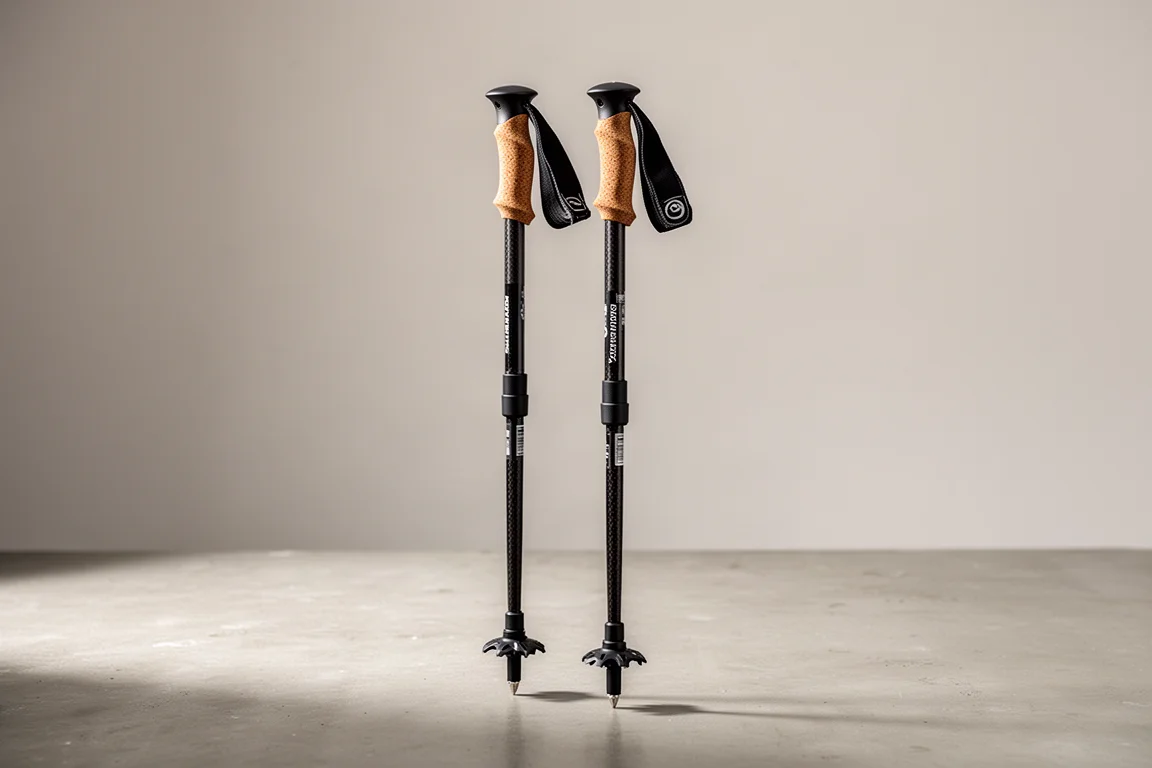
Cascade Mountain Tech Carbon Fiber Trekking Poles
Trekking poles make a real difference when you are carrying a lot of weight or covering long distances. The Cascade Mountain Tech carbon fiber poles work well, are durable, and cost around $40 at Costco or a little more on Amazon.
The one limitation is cold weather. The epoxy used to bond the poles does not perform well in the cold, so these are best treated as a summer and three-season pole rather than a winter one.
Flexlite Air Chair
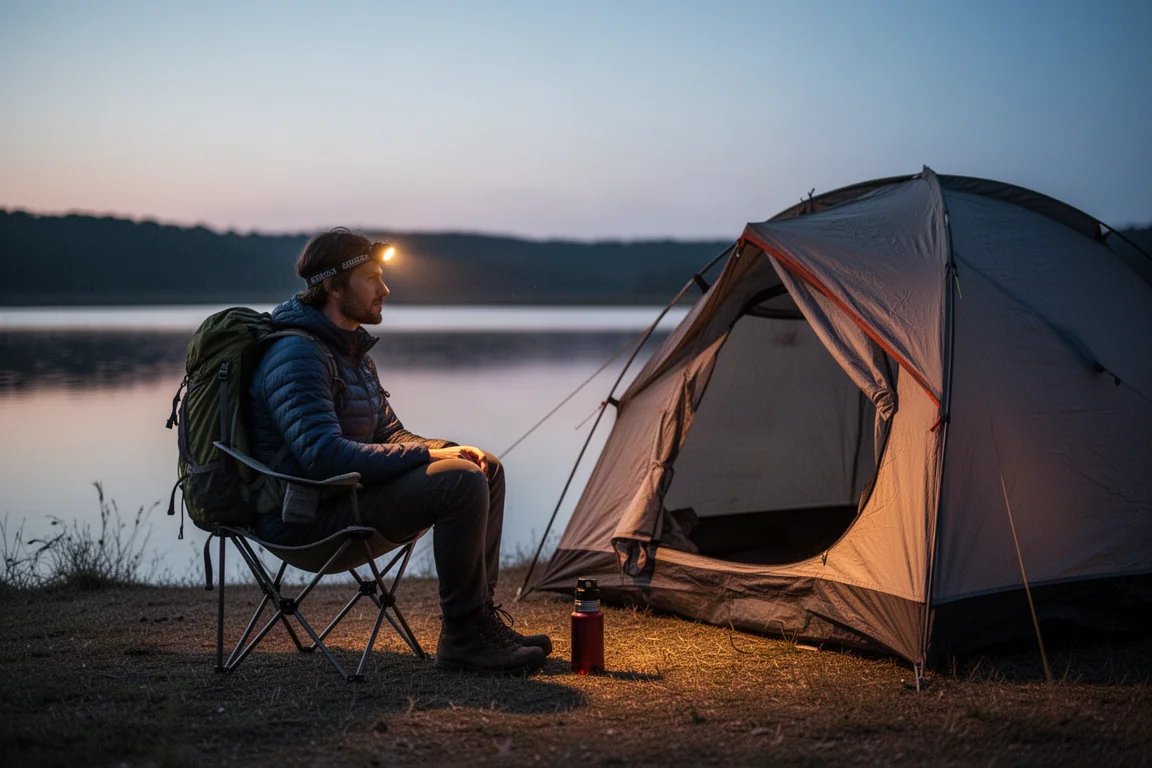
A chair is often dismissed as unnecessary, but having back support and getting off the ground at the end of the day makes time around camp far more enjoyable. The Flexlite Air chair from REI weighs only about a pound, making it one of the lightest chairs available, and it is reasonably comfortable.
At $99 it is a real purchase, and it will not suit everyone’s idea of comfort. It still beats a log or a rock.

Overall Buying Advice
If you are building this kit from scratch, buy in the order the trip demands it. The pack comes first, because a pack that fits properly and carries weight well makes every other decision easier. The shelter and the sleep system come next, and those are the two places where the difference between a good night and a bad one is decided.
The quilt is the one place where spending more is clearly worth it. Everywhere else, the cheaper option performs close enough that the savings are better spent on the trip itself. If you tend to run cold, put any extra money into the warmer down jacket rather than into lighter hardware.
If you already own shoes and athletic clothing that work for hiking, use them. This list is designed to be completed gradually, and nothing on it becomes useless once your budget grows.
Conclusion
This list shows that a functional backpacking kit does not require premium pricing. Only one item, the quilt, costs more than $100, and most of the small pieces come in under $20. The pack, the tent, and the sleeping pad do the most work, and each of them delivers where it counts: carrying weight comfortably, standing up to weather, and sleeping warm.
Everything else can be added as trips demand it. Start with the big three, pick up the cook kit and the water filter, and fill in the small items over time. None of it is a compromise you will regret on the trail.
Further reading
Related Reviews
Backpacking Gear
Building a 10 lb Base Weight: An Ultralight Backpacking Gear List
A practical walkthrough of the ultralight pieces behind a 10 lb base weight, from a 765 g pack and a roomy one-person tent to a full camp chair and a dependable water filter.
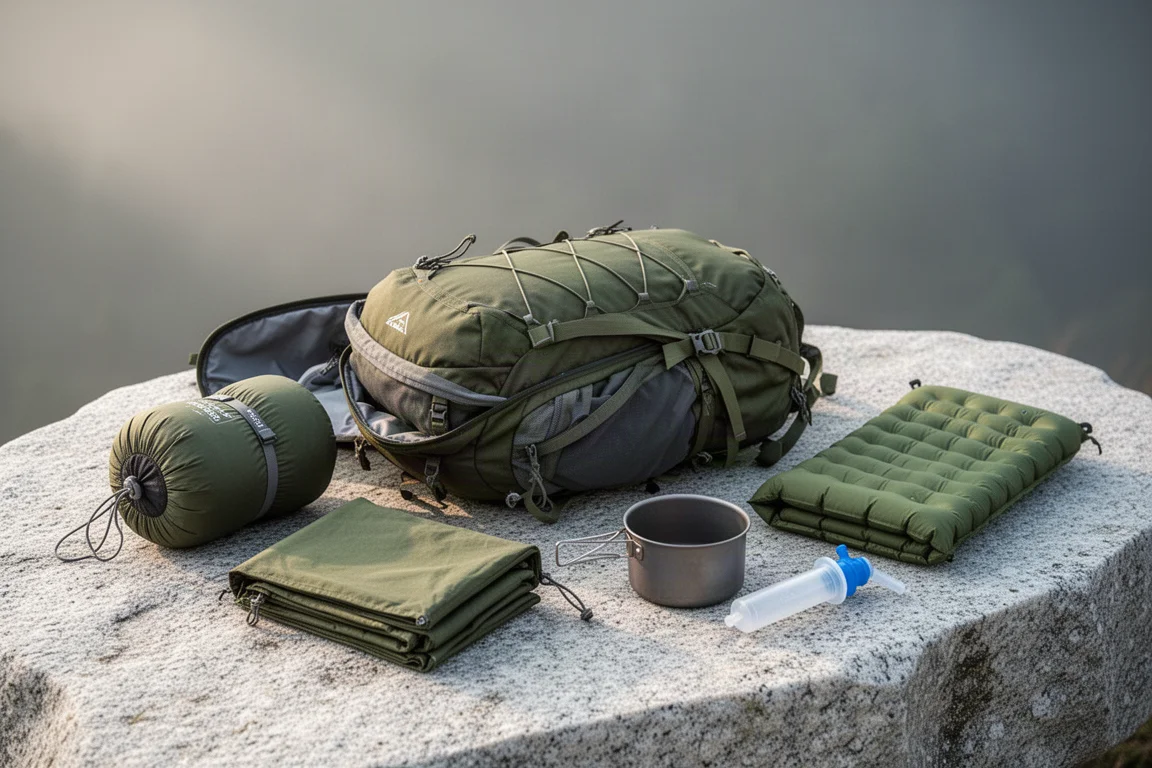
Backpacking Gear
A 15-Pound Lightweight Backpacking Gear List for Solo Trips
A beginner-friendly 15-pound backpacking setup built from easy-to-find gear, with notes on what each piece does, how it packs, and where to spend your attention.
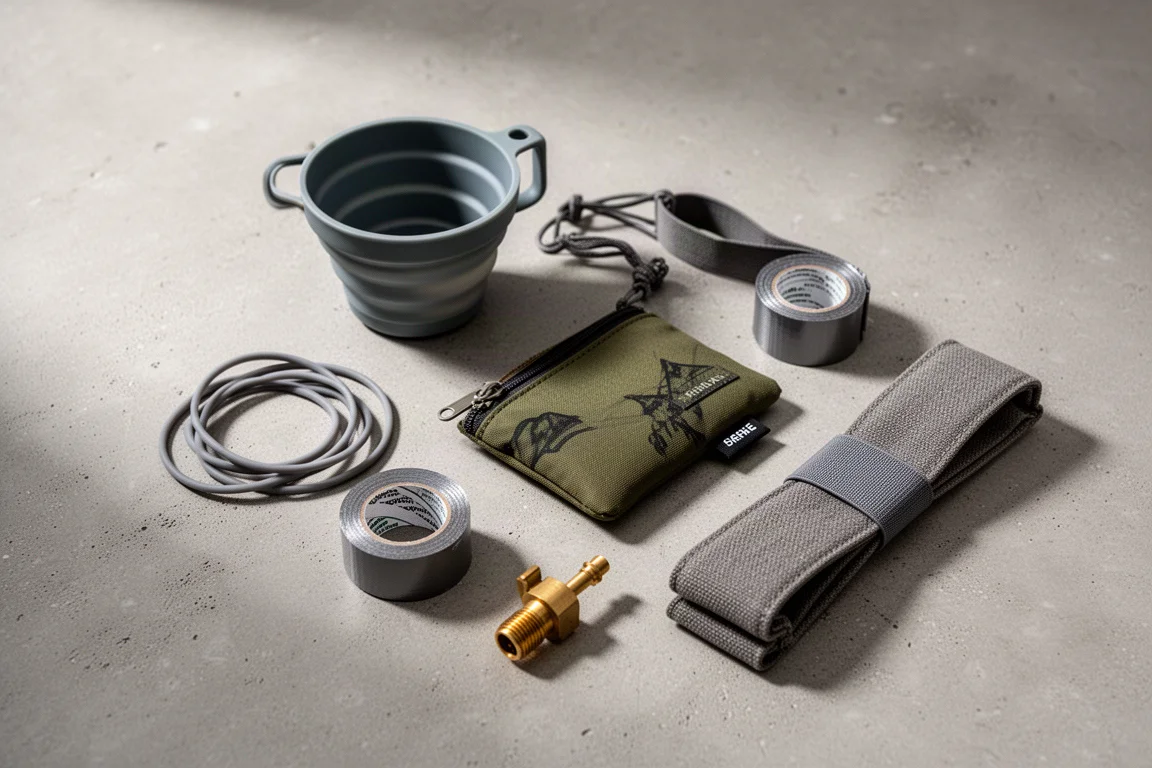
Backpacking Gear
8 Ultralight Backpacking Gear Upgrades Worth Carrying
Eight small, affordable backpacking upgrades that solve real trail annoyances, from a pillow that stays put to a fuel valve that rescues leftover canister gas.