Backpacking Gear
Budget Backpacking Gear From Walmart: An Ozark Trail Kit Tested on Trail
A complete Walmart backpacking kit built mostly from Ozark Trail gear, tested through rain, hail, snow, and strong wind to find out which pieces are genuinely worth buying.
Introduction
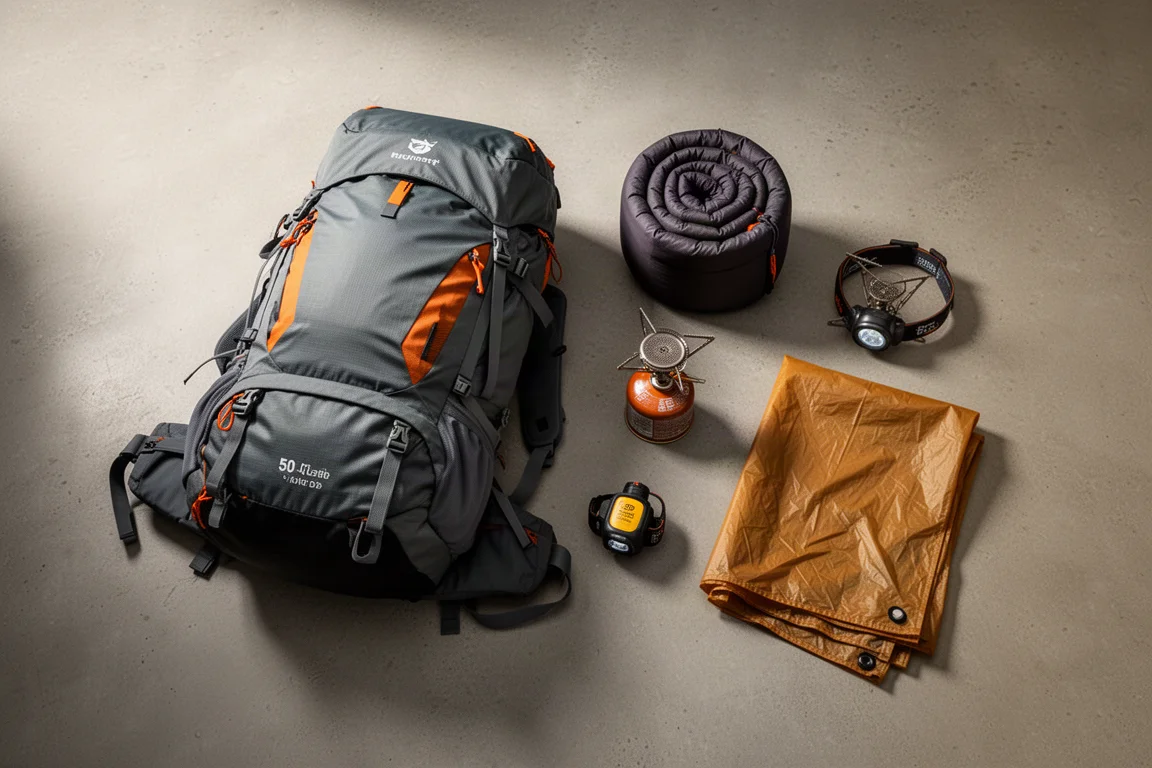
Walmart operates more than 5,000 stores across the United States, which makes it far easier to reach than most dedicated outdoor retailers for a lot of shoppers. Its house brand for camping and hiking gear is Ozark Trail, and the pricing is aggressive enough to be worth a serious look.
We assembled a complete budget backpacking kit from Walmart shelves, most of it Ozark Trail, and took it out for a cold and wet overnight trip. The Walmart portion of the kit came in under $200. Adding a few items carried over from earlier testing rounds brought the full setup to $560.
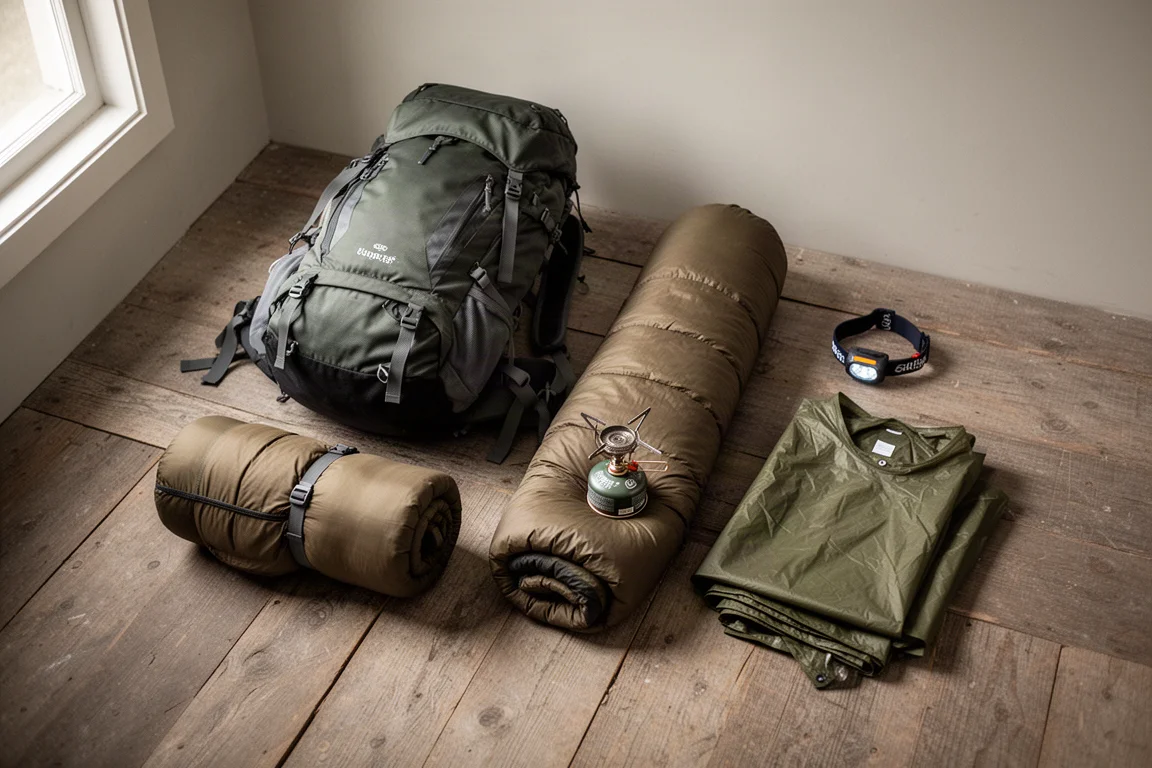
The interesting question is not whether this gear is cheap. It clearly is. The interesting question is which pieces are genuinely worth carrying once the weather turns, and which ones only look like a bargain on the shelf.
How This Kit Was Evaluated
Every item was used on a real overnight backpacking trip rather than a car-camping weekend. Conditions included steady rain on the climb, hail, snow above the snow line, and strong overnight wind, with temperatures dropping into the high 20s Fahrenheit.
That is a demanding test for budget gear, and a fair one. A cheap sleeping bag or shelter only proves its value when the forecast is bad. The evaluation looked at comfort on trail, packed size, weight, how each piece handled moisture, and whether anything failed outright.
Ozark Trail 50L Hiking Pack: The Carry That Surprised Us
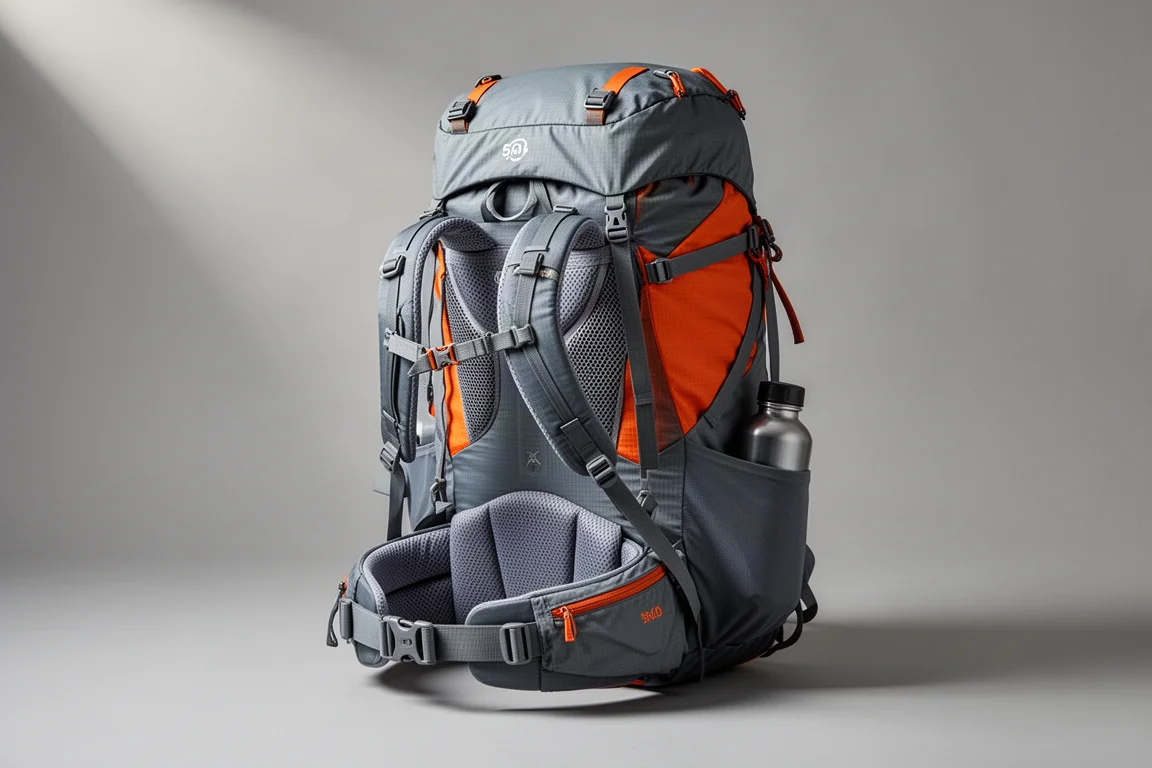
At $39 this pack carries more features than its price suggests. The harness adjusts through a hook-and-loop torso system, and the sternum strap sits high enough on the chest, which was a real problem on other budget packs. There are functional load lifters, two well-padded hip belt pockets, a lid pocket plus a second pocket underneath the lid, two front zipper pockets, a bottom zipper pocket, a full main compartment with a side access zipper, a reservoir sleeve, and two stretchy water bottle pockets. A rain cover lives in its own zippered compartment at the base.
On the trail it carried a full load comfortably, and the adjustable torso made a genuine difference to fit. The hip belt distributed weight onto the legs properly. The trade-offs are mostly organisational: the front pocket layout is less useful than a stretchy mesh pocket would be, the bottom straps are too short to hold a closed-cell pad or a tent, and while the hip belt pockets are huge, sliding in a large phone is awkward once they are full. The padding against the lower back is stiff and the pack feels slightly clunky, but neither became uncomfortable.
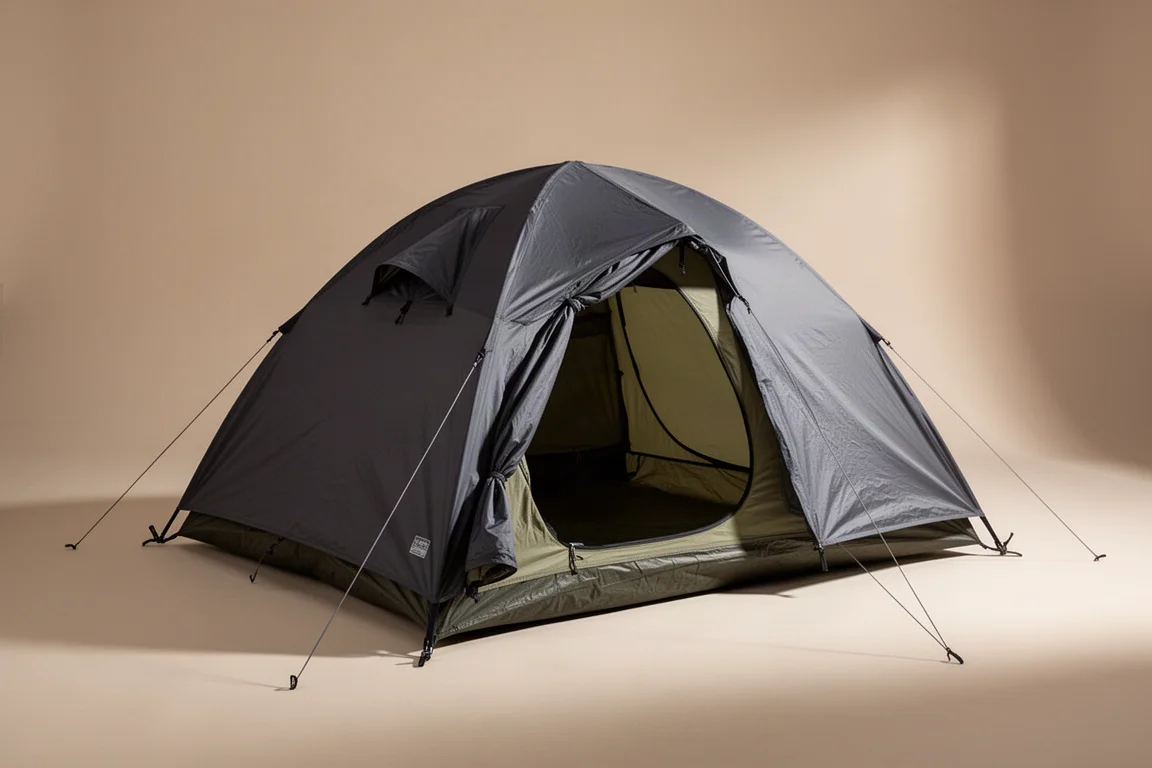
Ozark Trail One-Person Lightweight Backpacking Tent: The Standout Shelter
At $65 this is the least expensive lightweight one-person backpacking tent we have found, and it weighs 4 lb. The important detail is the full rainfly with vestibules, which is genuinely hard to find on a shelter at this price.
Pitching is simple and quick. The tent stayed completely dry through sustained rain, held up perfectly in strong overnight wind, and left plenty of vestibule space for gear outside the sleeping area.
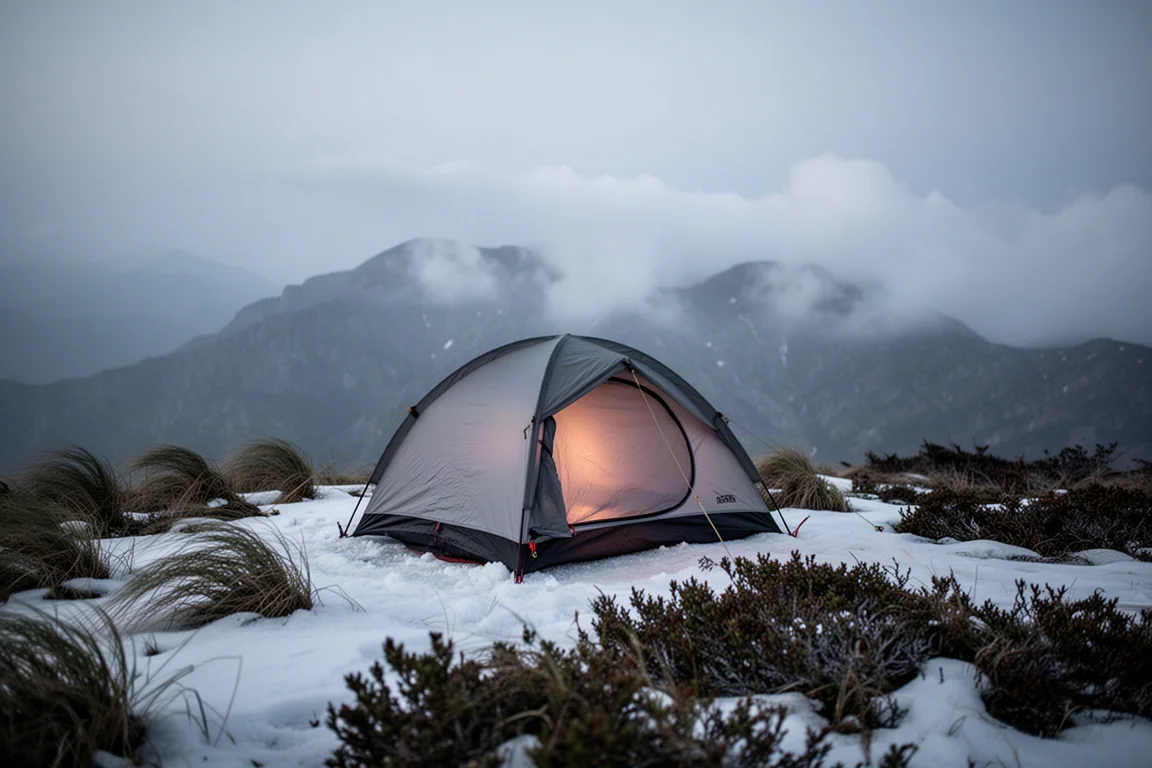
There are durability concerns worth knowing about. The interior has only one small pocket at the very top, and a side pocket would be a welcome addition. Small holes were already forming at the seams after a single trip, including weak points around the zipper, so heavy long-term use is a fair question. As a first shelter or a budget second tent, though, it performed far better than the price suggests.
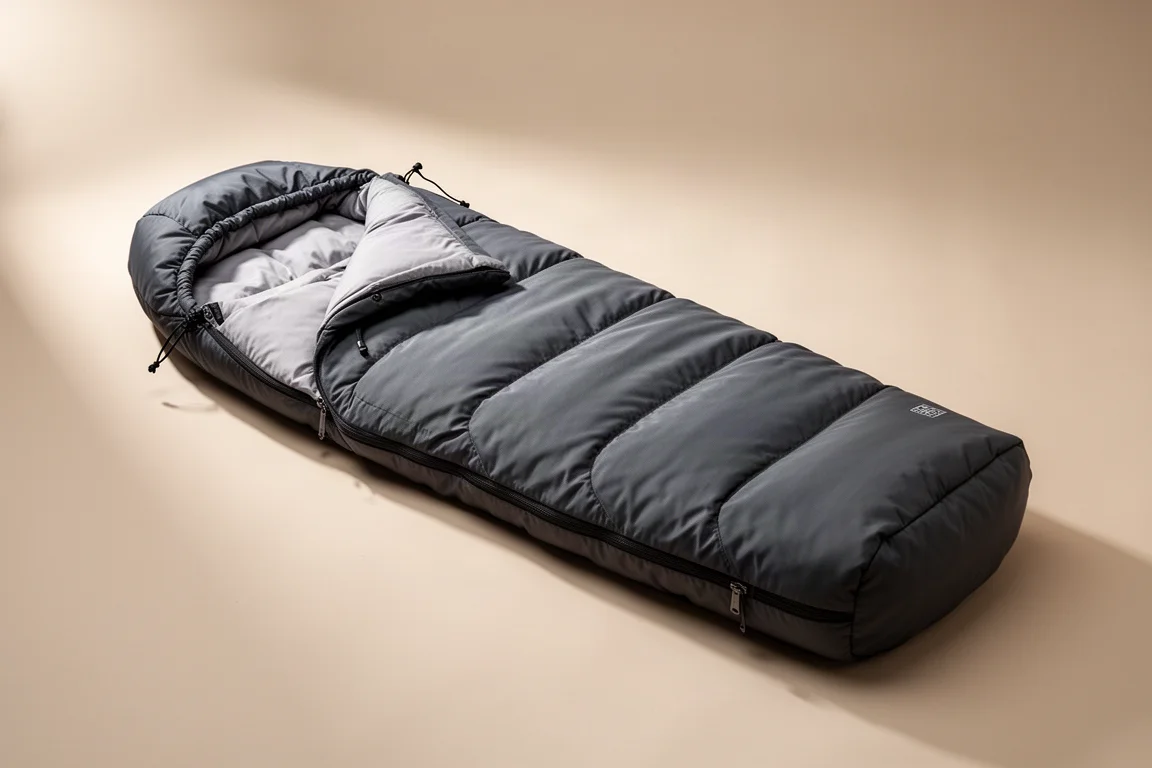
Ozark Trail 30° Mummy Sleeping Bag: Warmth With Limits
At $35 this bag is ISO tested with a 30°F comfort rating, which is unusual for the price. Many budget bags publish temperature figures that have not been through standardised testing. It is a true mummy shape with a hood that hugs the face, drawcord cinches, and a cinchable draft collar, a feature that would not normally be expected on a bag this cheap.
It slept comfortably and felt cozy, and it survived its first trip without tearing, which is more than can be said for some budget bags. The limits are clear. On a night in the high 20s it was not warm enough, which is fair for a 30°F bag pushed beyond its rating. It is also snug across the shoulders, the zipper is prone to snagging, and it packs very large, filling roughly half of a 50-litre pack. In milder conditions closer to 40°F it would likely be plenty warm.
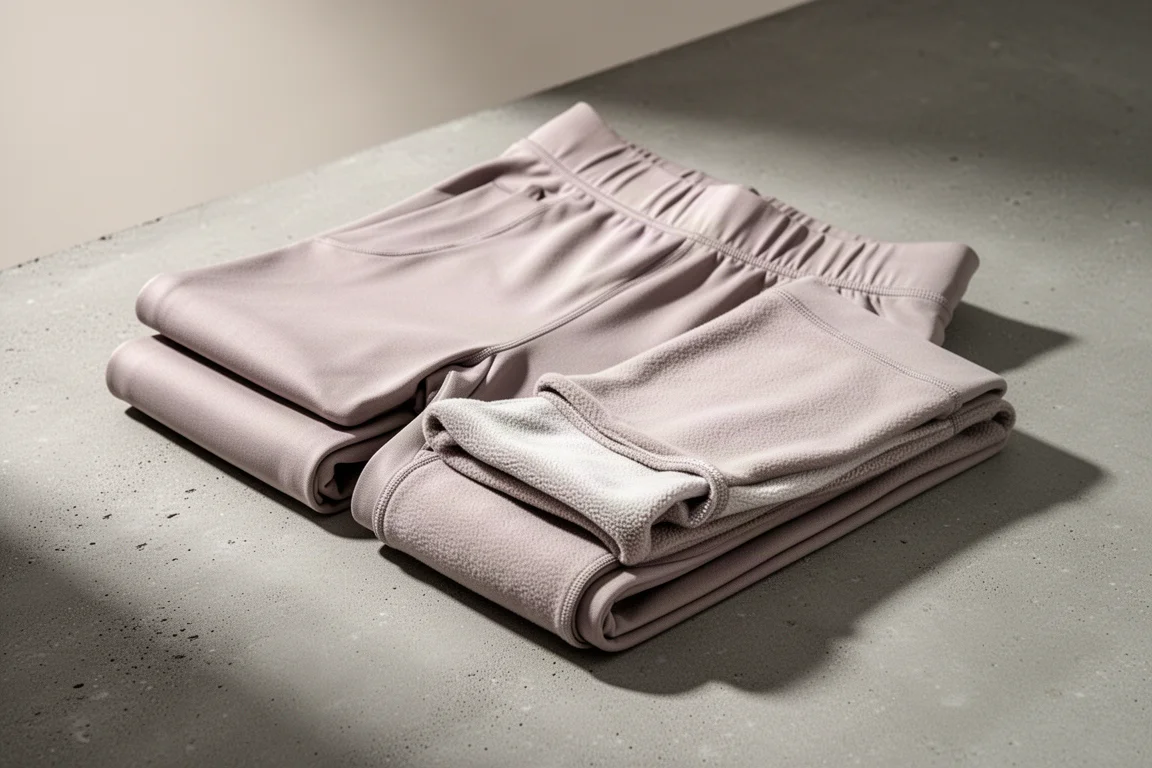
Cuddle Duds Base Layers: Cozy and Cheap
At $13 per piece, these recycled polyester base layers are lined with a soft, brushed micro fleece. For comparison, the wool base layers we use regularly cost roughly $60 to $90 each.
They were worn for sleeping on a snowy night and performed beautifully, warm and comfortable against the skin. The only real drawback is packed bulk. Anyone used to lightweight wool or thin synthetic layers will notice the difference in the pack, but as a warm, inexpensive base layer they are hard to argue with.
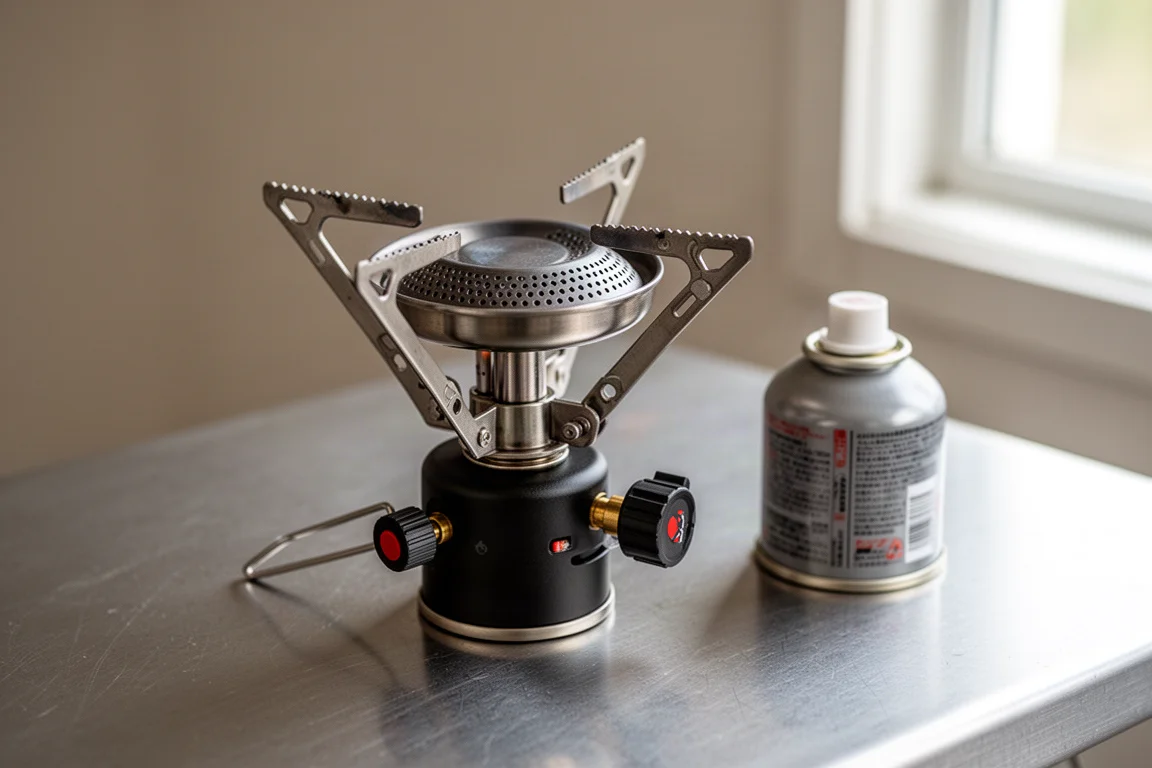
Ozark Trail Backpacking Stove: Light, Cheap, Slow
At $15 this stove does something most budget stoves do not. An included adapter lets it run on the isobutane and propane canisters normally used for backpacking, or directly on the green propane canisters used for car camping. It also has a piezo auto igniter, so no matches, lighter, or separate igniter are needed, and it ships with a stand. It is small enough to pack inside a pot.
The compromise is speed. Boiling about a cup and a half of water took almost three minutes, and the stove consumes a noticeable amount of fuel. Given that it costs less than half of most backpacking stoves, that is still an excellent deal for anyone prioritising cost and weight over boil times.
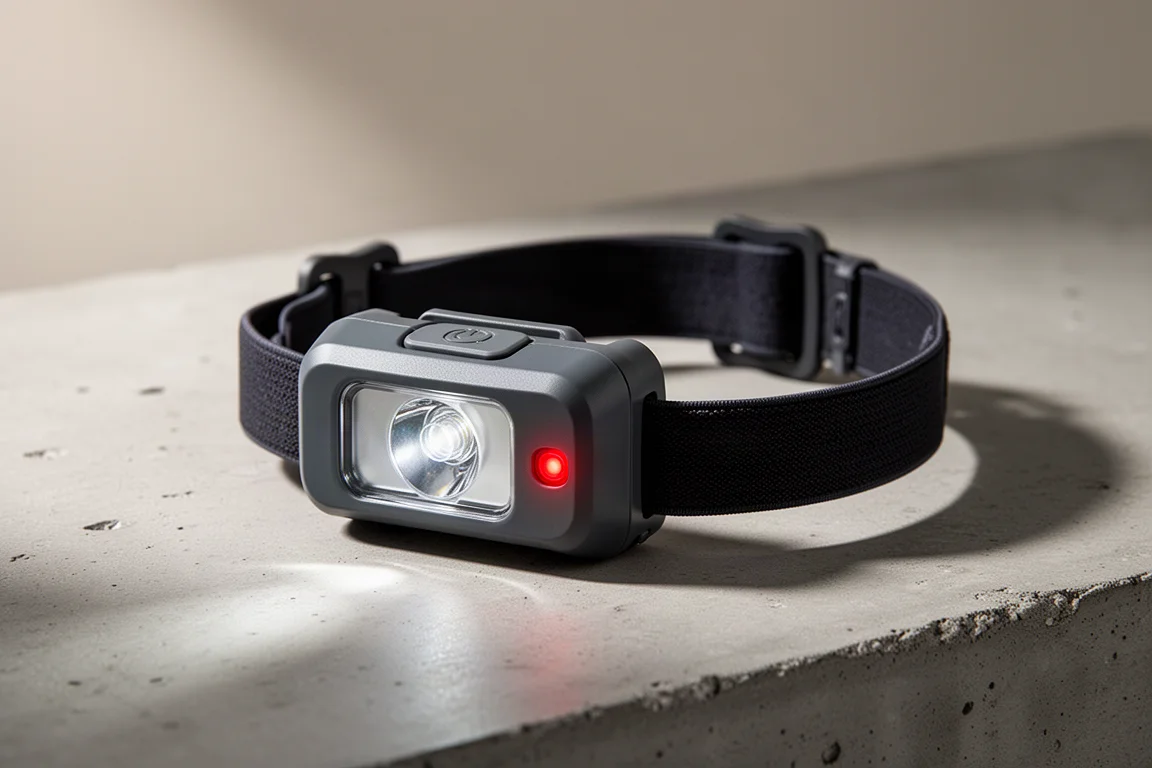
Ozark Trail 500 Lumen Headlamp: Small Money, Real Function
At $9 this headlamp offers high, medium, low, and red modes, plus a flash mode, and it comes with batteries included. Ozark Trail also makes a cheaper 250-lumen version for $5, but that model has no red light.
The red mode matters more than it sounds. A bright white light wrecks night vision, while red light keeps it intact, and it is far friendlier to everyone else around a campfire or a shared camp. The headlamp is basic and simple, and it worked reliably. For the money, there is very little to fault.
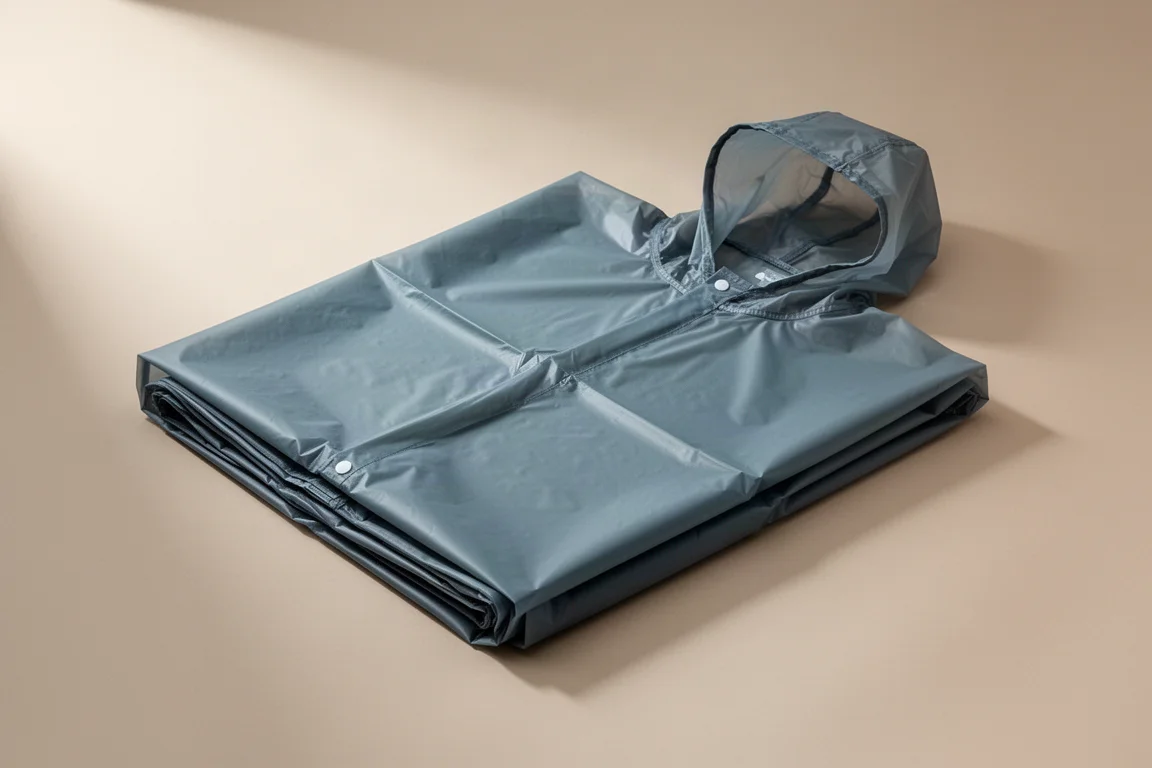
Ozark Trail Adult Rain Poncho: Five Dollars of Compromise
The $5 rain poncho weighs 0.4 lb and is made of plastic. It keeps rain off, and it costs almost nothing, which is the whole case for it.
Getting it to work with a loaded backpack took real effort. The arrangement that eventually worked was poncho first, hip belt underneath, pack straps over the top, with the poncho draping in front. The hood is uncomfortable, and the length is awkward: rain runs off the hem straight onto the legs, so without rain pants the lower legs end up soaked.

As an emergency layer or a festival poncho, $5 is a fair price. For backpacking, it is not the right tool, and a rain jacket paired with rain pants handles wet weather far better.
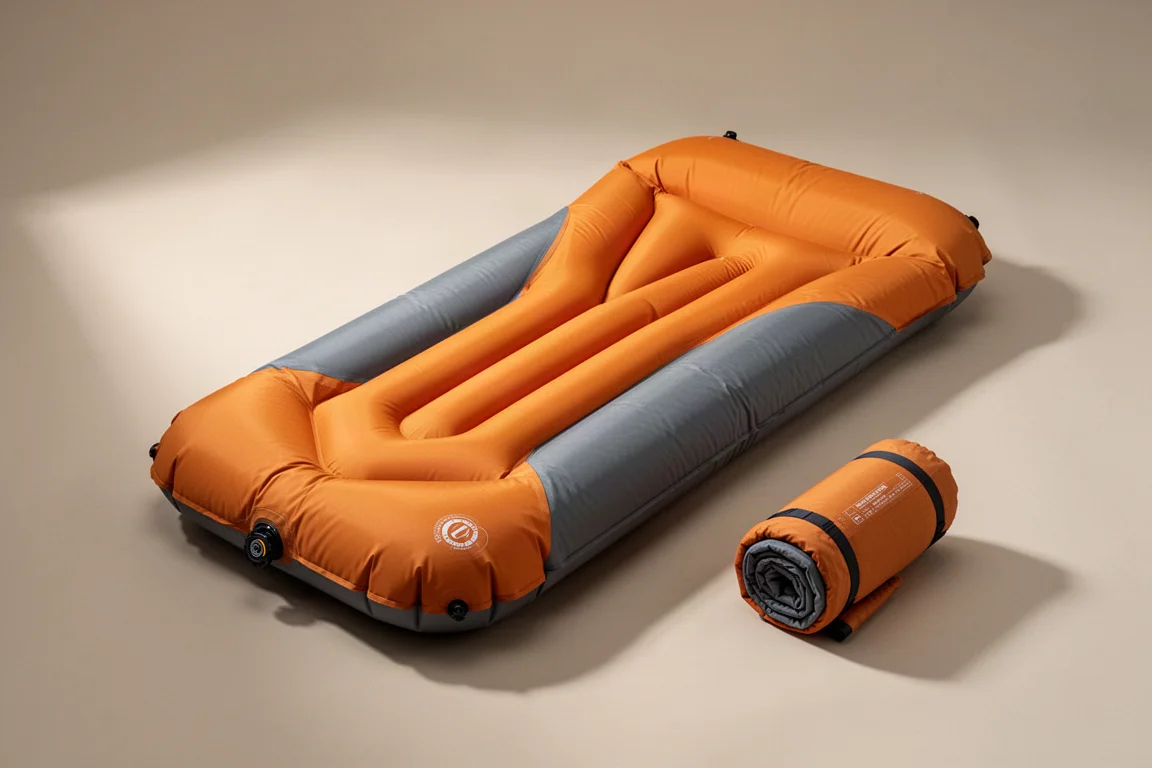
Klymit Static V Sleeping Pad: Better, Still Not Convinced
This pad sells at Walmart for around $40 and goes on sale frequently. It is not insulated, and its R-value is 1.3, which is low for cold conditions. On a first test it deflated overnight. On a second test it held air through the night, needing only a small top-up, most likely because warm air blown into the pad compresses as it cools. Inflating it by mouth is still tedious.
Even stacked on top of a closed-cell foam pad, the combined insulation lands around R-3, and that was still not warm enough on a night in the high 20s. The baffle design also lets hips and shoulders press toward the ground, so the foam layer underneath was doing real work. It performed noticeably better than on the first test, but it is not a pad to rely on alone in cold weather.
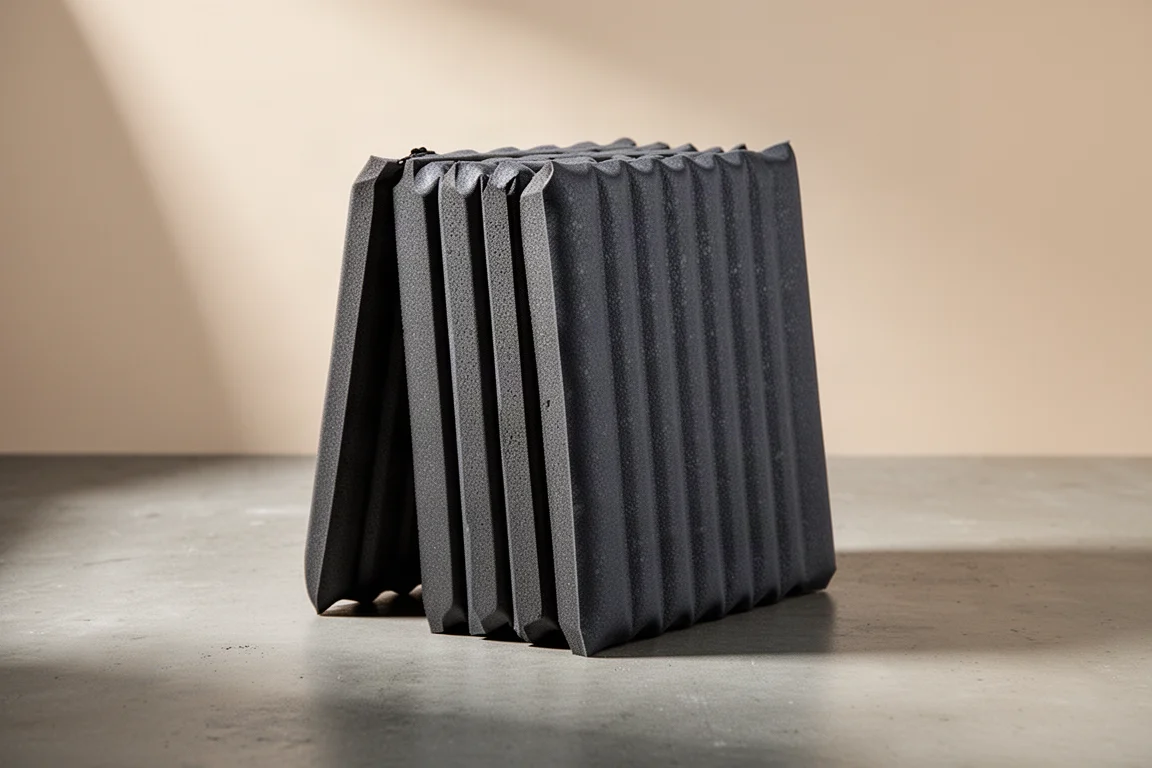
Featherstone Accordion Sleeping Pad: The Foam Backup
At $30 this closed-cell foam accordion pad was the layer that made a cold night survivable. Used underneath the inflatable pad, it added both insulation and a barrier against the ground.
Ozark Trail sells a very similar pad, but it was no cheaper, so there was no reason to switch. The obvious downside is packed size, which is the usual trade-off with foam. As a dependable second layer for cold trips, it earns its place.
Support Gear Carried Over From Earlier Testing
Not everything in the pack came from Walmart. A lightweight down jacket, a squeeze-style water filter, and a titanium pot and spork were carried over from earlier testing rounds, along with a fleece and a pair of trail shoes that have already proven themselves. Walmart was checked for equivalents, and nothing on the shelf was cheaper or better.
One item did fall out of favour. A bear bag that must be hung is only useful where suitable trees exist, and on this trip there were none, so food went into a companion’s bear-resistant container instead. That is worth remembering before relying on a hang-only food storage system.
Overall Buying Advice
For under $200, this Walmart kit covers almost everything a new backpacker needs, and two pieces stand out. The 50-litre pack and the one-person tent both deliver features and on-trail performance that would normally cost considerably more. The base layers, headlamp, and stove are all easy recommendations at their prices, provided the stove’s slow boil time is acceptable.
The sleeping bag is the piece to buy with realistic expectations. Treated as a mild-weather bag for summer trips, it is excellent value. Pushed into the high 20s, it will leave most sleepers cold.
The unresolved gap is a sleeping pad. Neither pad tested here is a complete answer on its own, and the combination works but is bulky and only just warm enough. If a decent pad is already in the closet, this kit becomes a very affordable way to fill in everything else, and upgrading the pad later is the single change that would improve the setup most.
Conclusion
Budget backpacking gear from Walmart is better than it has any right to be. The pack and the tent are the clear wins, the base layers and headlamp are easy value, and the stove is a genuine bargain if slow boil times do not bother you. The poncho and the sleeping bag are the pieces to approach with clear expectations. With a better sleeping pad, this would already be a credible budget kit rather than a compromise.
Further reading
Related Reviews

Backpacking Gear
Building a 10 lb Base Weight: An Ultralight Backpacking Gear List
A practical walkthrough of the ultralight pieces behind a 10 lb base weight, from a 765 g pack and a roomy one-person tent to a full camp chair and a dependable water filter.
Backpacking Gear
A 15-Pound Lightweight Backpacking Gear List for Solo Trips
A beginner-friendly 15-pound backpacking setup built from easy-to-find gear, with notes on what each piece does, how it packs, and where to spend your attention.
Backpacking Gear
8 Ultralight Backpacking Gear Upgrades Worth Carrying
Eight small, affordable backpacking upgrades that solve real trail annoyances, from a pillow that stays put to a fuel valve that rescues leftover canister gas.