Backpacking Gear
Budget Backpacking Gear: What Held Up on a Real Overnight Hike
A field-tested look at ten low-cost backpacking items, from a $40 one-person tent and a 60L pack to titanium cookware and a $15 headlamp.
Introduction
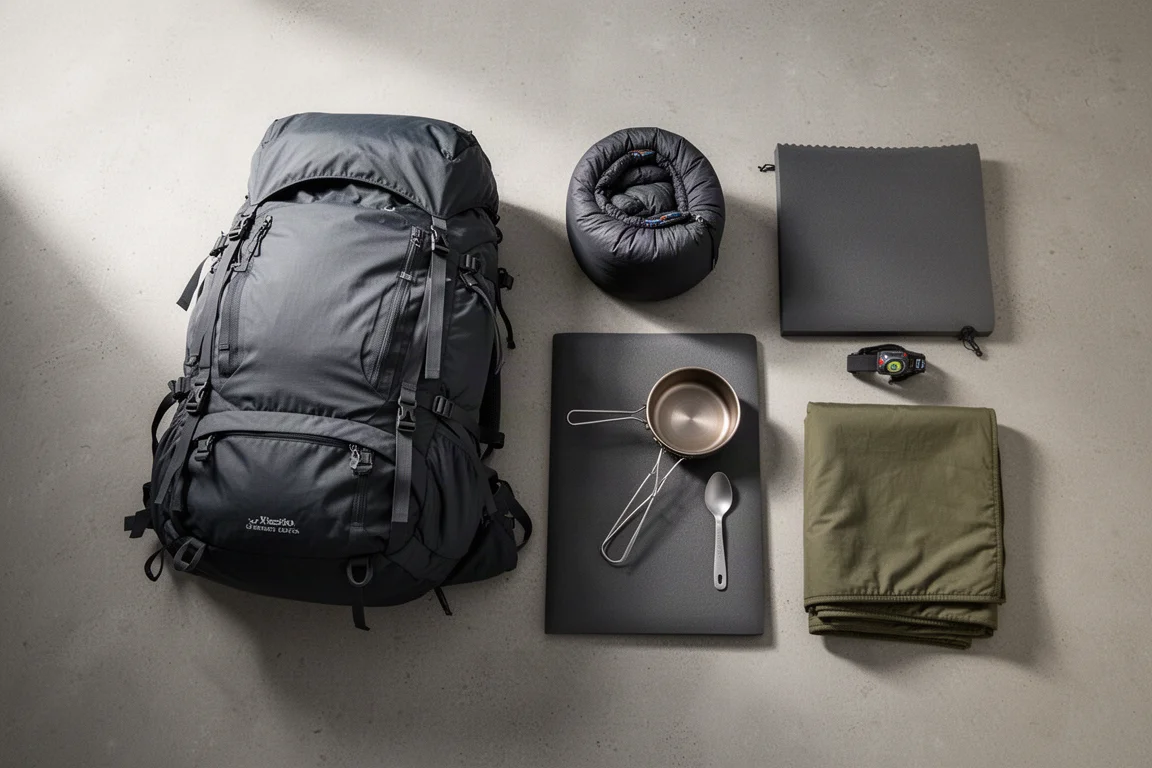
A complete backpacking setup does not have to cost a fortune. This kit was assembled almost entirely from low-cost gear, then carried on an overnight trip to an alpine lake with roughly 3.5 miles of hiking each way. Total cost for everything in the load came to about $580. The pack weighed 30 lb at the trailhead, the lightest load in this budget series so far, and the weather stayed mild with overnight temperatures dropping into the 40s Fahrenheit.
Some of these items performed far above their price. Others did not survive a single night. Here is what is worth buying and what is worth skipping.
How This Budget Kit Was Evaluated
The goal was to find gear that is genuinely cheap rather than merely cheaper than premium alternatives. Priority went to items with a track record for holding up over time and to companies with reasonable manufacturing practices. Capacity mattered too: budget gear tends to be heavier and bulkier, so a larger pack made sense.
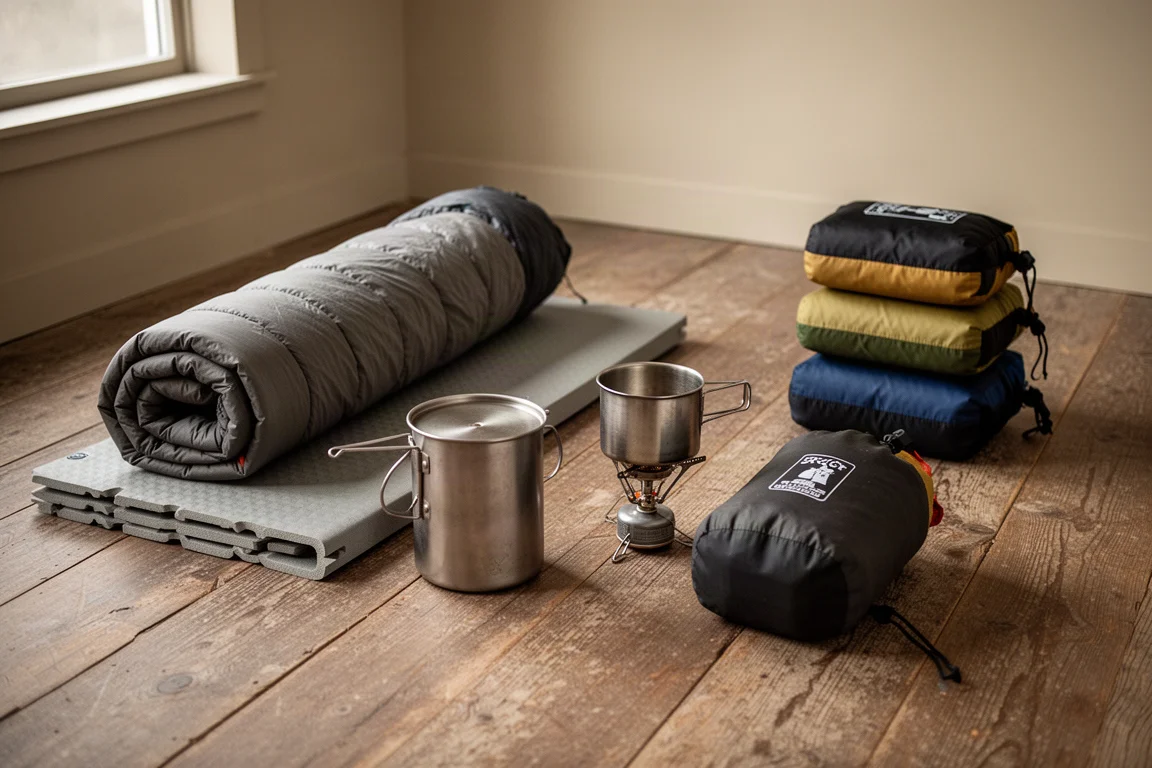
Every item was used on a real overnight trip rather than just inspected at home. The verdicts below reflect how gear felt over several miles of trail, how it performed through a night of sleep, and how it held up to first use.
Nevo Rhino Advanced 60 Pack: Big Capacity, Fit-Dependent
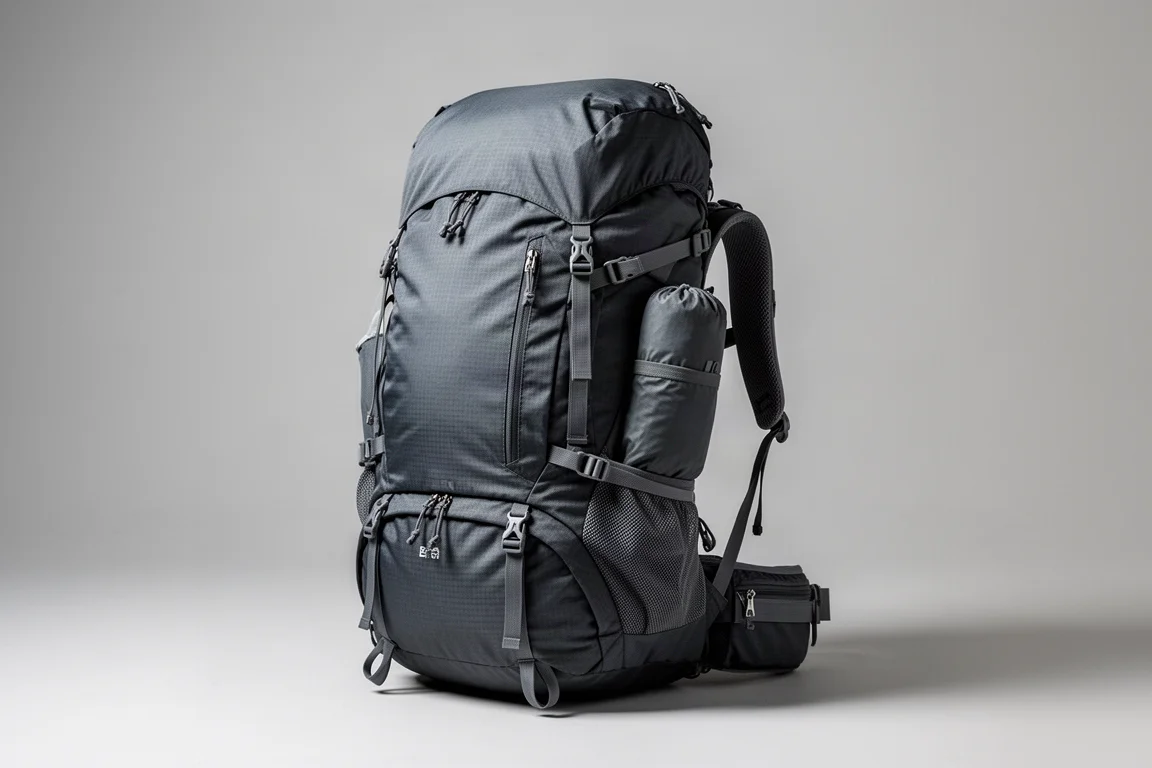
At $41.99, this 60-liter frameless pack is one of the most popular budget options around. It is listed at 3 lb, though it feels lighter in the hand. The extra capacity over a typical 50 or 55 liter pack is useful precisely because inexpensive gear takes up more room.
Storage is generous: a sleeping bag compartment at the base, a reservoir sleeve, water bottle pockets on both sides, a stowed rain cover, two mesh hip belt pockets, and a zippered front pocket. The harness, however, is not adjustable at all. The listing states the pack suits people between 5 ft 2 in and 6 ft 1 in, but at 5 ft 5 in the shoulder straps were fully tightened and the pack still sat low, the hip belt was nearly maxed out, and the sternum strap at its highest setting was still too low. On a taller frame it fit well and felt close to perfect. The side bottle pockets are also small and not very stretchy, which makes them awkward to reach while walking.
Night Cat 1-Person Tent: Spacious Shelter at a Low Price
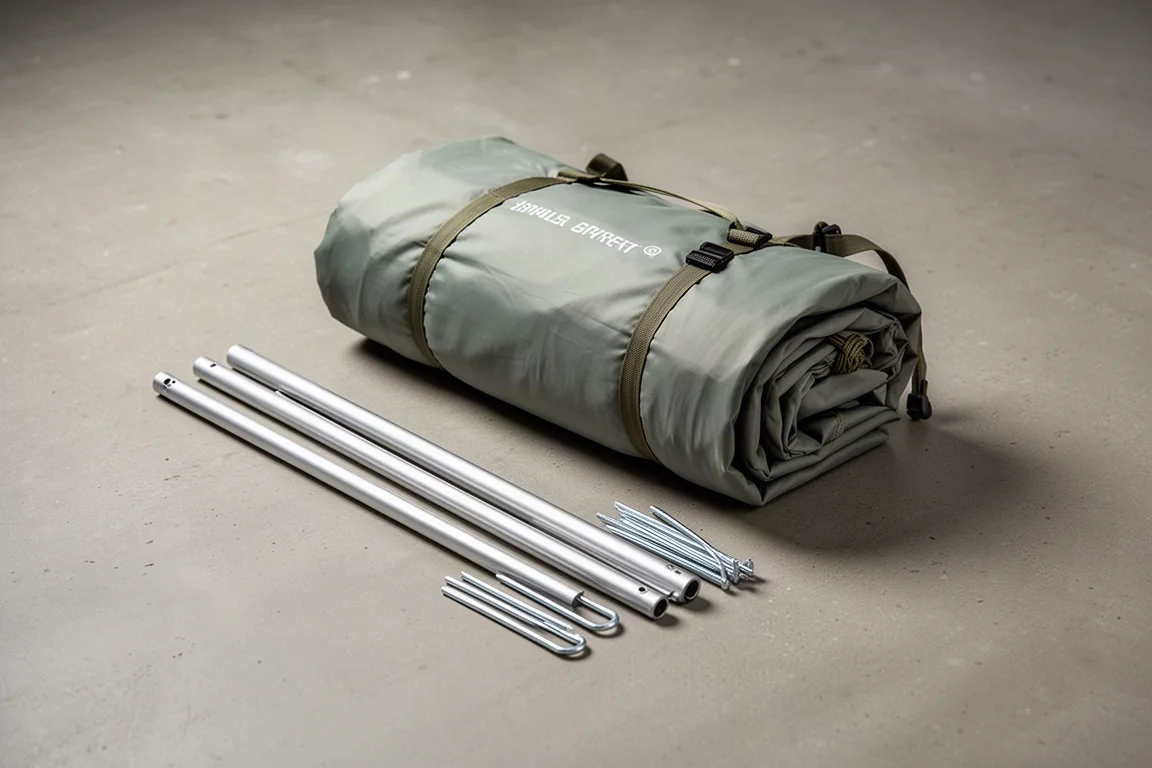
This $40 single-wall tent weighs about 4 lb 2 oz, and most of that weight lives in the poles, which feel heavier than a full liter of water. Setup is simple: two crossing poles thread through sleeves, the body is staked out first, and the fly covers a small mesh vent at the apex. The fabric is seam taped starting just past the mesh windows, which is a nice detail at this price.
The real surprise is the size. There is enough height to sit up fully and enough floor space to organize gear, so it behaves more like a small two-person tent than a solo shelter. Dual front doors with mesh panels open wide and let air move through, which helps compensate for the limited mesh elsewhere.
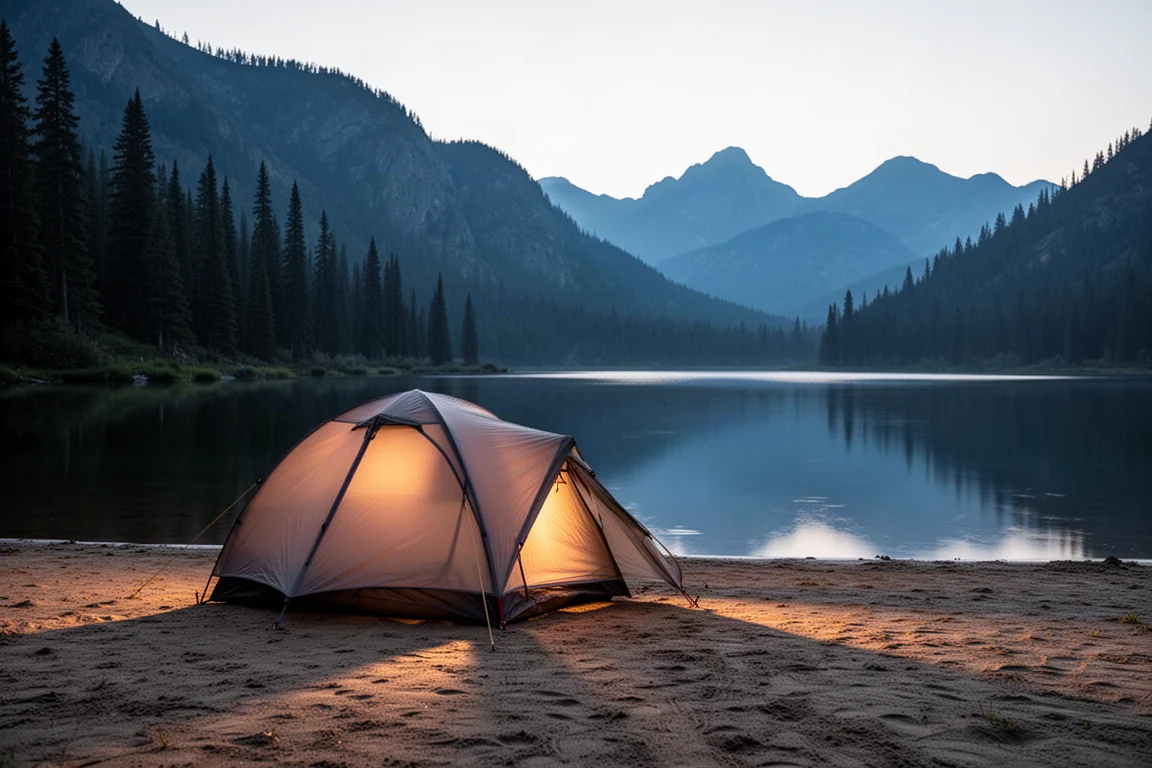
The trade-offs are clear. The poles are heavy and not especially well made, and a single-wall design with very little mesh will collect condensation in humid or hot conditions. As a first tent that gets someone outdoors for $40, though, it makes a reasonable case for itself.
Naturehike MJ 300 Sleeping Bag: Light and Packable, but Fragile
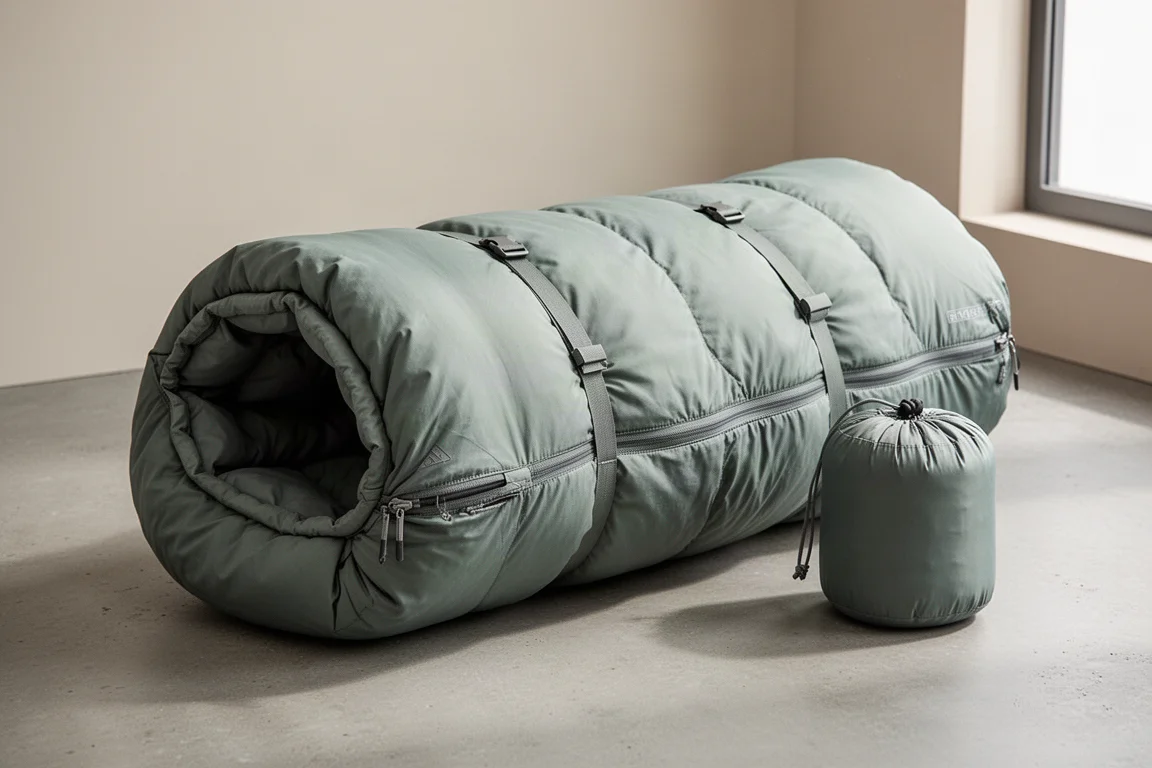
At about 2.5 lb and a very small packed size, this synthetic bag looks like excellent value at $35.99 on sale, or roughly $45.99 at full price. The stated comfort rating is 39.2 degrees Fahrenheit, with a transition rating of 30 degrees and a risk rating of 1.4 degrees. The fill is a synthetic hollow fiber, and a single toggle cinches both the hood and the neck. A dual zipper runs the full length and opens from both ends, which suggests two bags could be zipped together.
Two problems showed up immediately. The zipper catches constantly, and the hood stitching tore out the first time it was cinched, leaving a visible hole on first use. Warmth was also marginal: overnight temperatures in the 40s were enough to feel cold without an added layer. As a warm-weather bag or a backup layer it can work; as a primary three-season bag it is a gamble.
Klymit Static V Sleeping Pad: Comfortable Until It Deflates
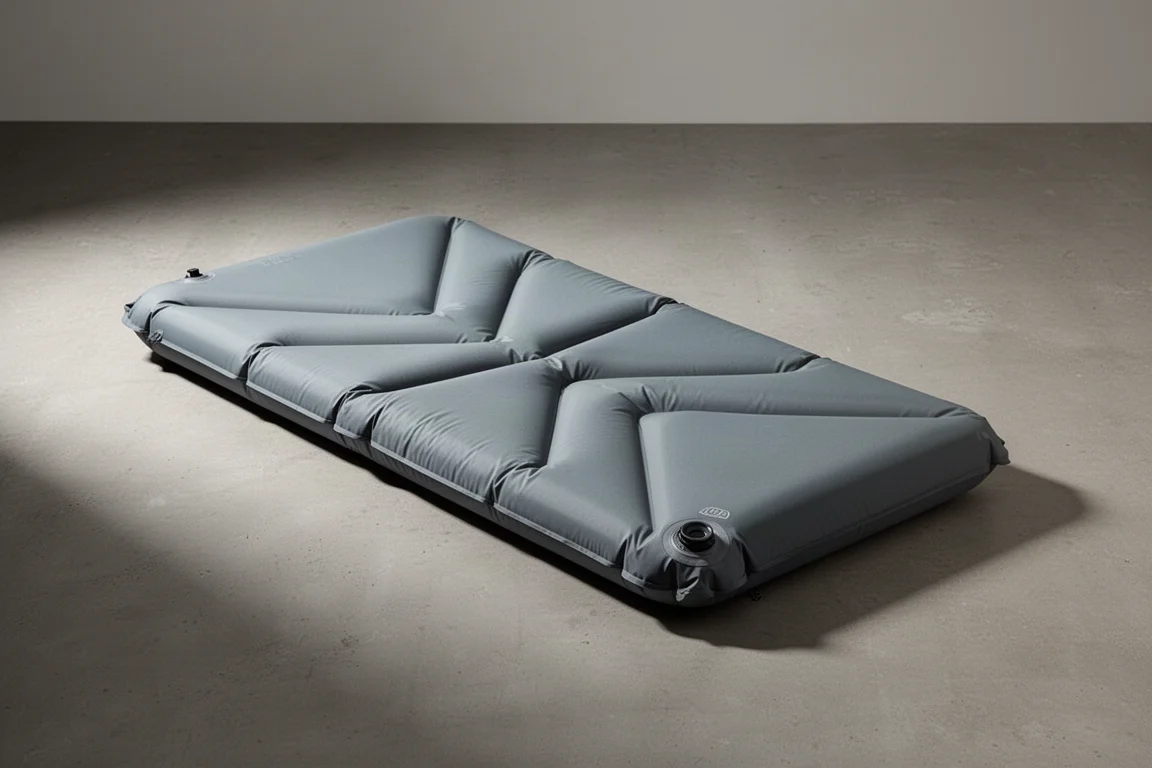
Priced around $40 and often discounted from a range that runs roughly $40 to $60, this inflatable pad weighs 18.6 oz and carries a 1.3 R-value. The first impression was genuinely good: the baffle shape felt comfortable and cozy, with none of the odd pressure points you might expect.
Then it deflated overnight. By morning it was nearly flat, and side sleeping meant a hip against the ground. The valve is awkward too, since opening it releases air immediately, which makes it hard to finish inflating without losing progress. Paired with a closed-cell foam pad it becomes usable, but on its own it is hard to recommend for cold nights or uneven ground.
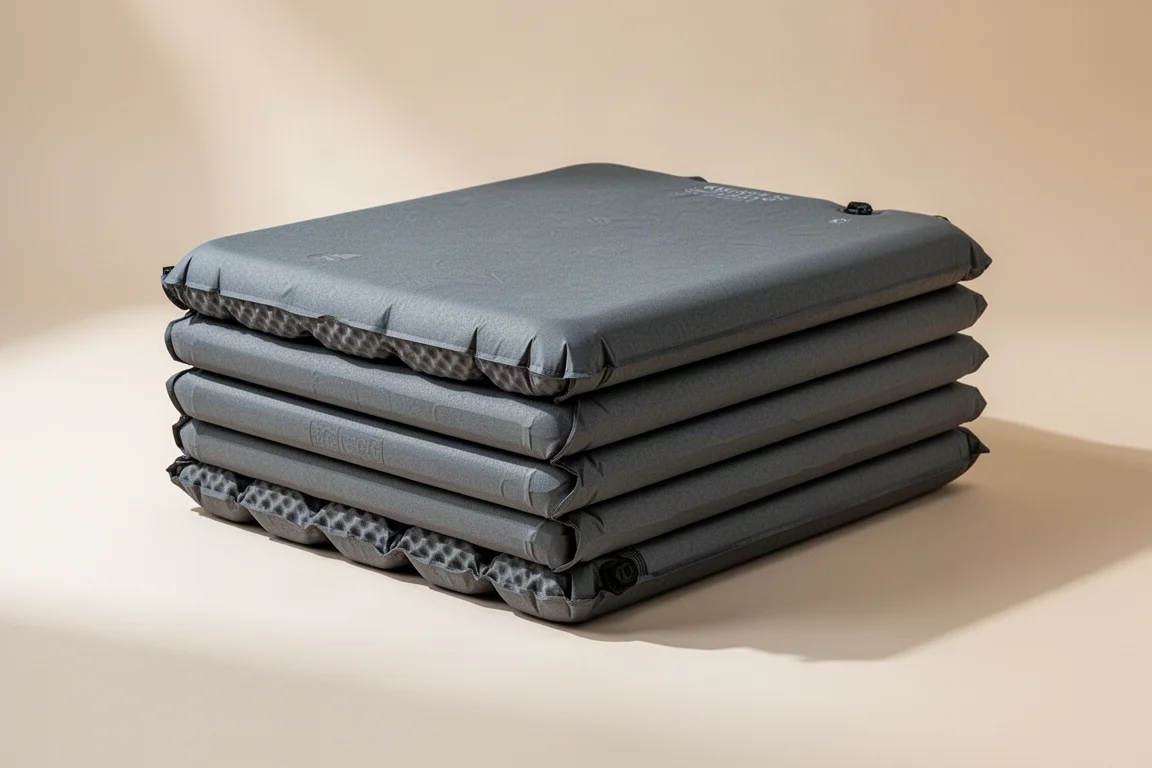
Featherstone Accordion Sleeping Pad: The Quiet Standout
This closed-cell foam pad costs $30, roughly half the price of most comparable accordion-style pads, and weighs just 16 oz. Its 2 R-value is higher than the inflatable pad above, and because R-values stack, combining the two produced a total of about 3.4, a reasonable figure for late summer nights.
Performance matched far more expensive foam pads. It insulated well, stayed put, and became the single most important piece of the sleep system once the inflatable lost air. Foam pads are bulky to carry, but at this price and weight the trade-off is easy to accept.
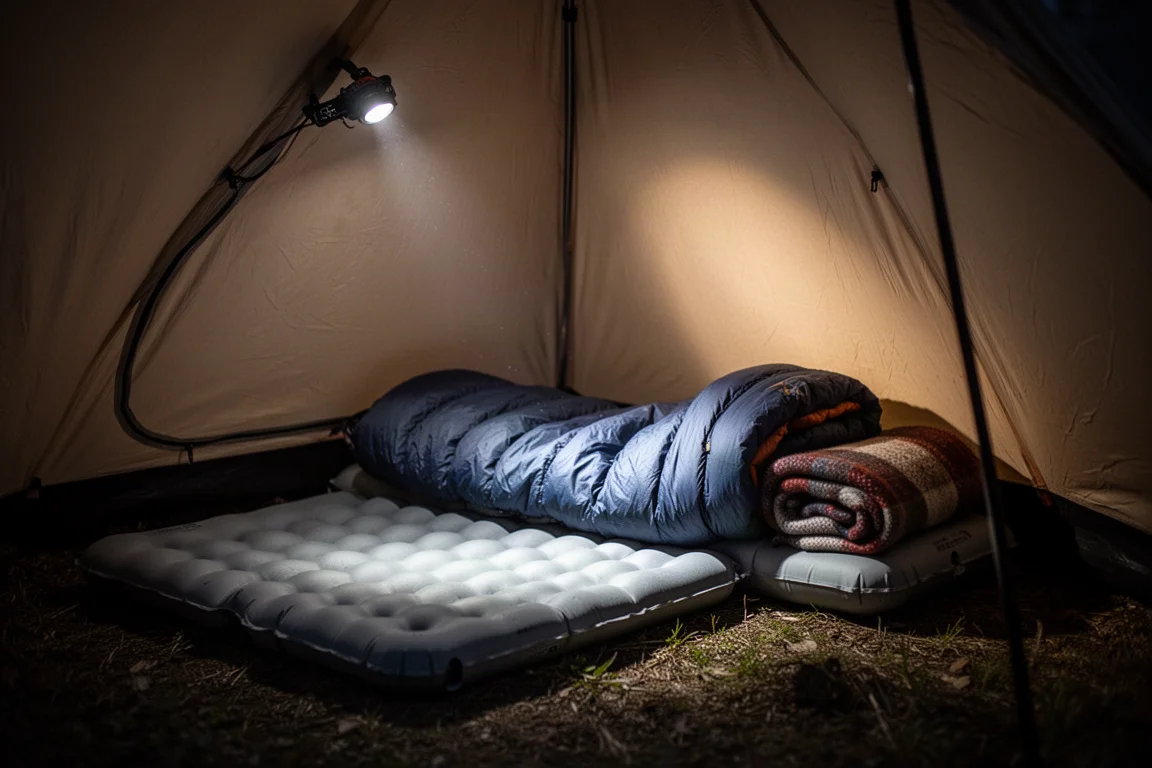
For anyone building a sleep system on a tight budget, this is the item to start with. A foam pad plus a modest inflatable pad covers warmth and comfort for far less than a single high-end inflatable.
Kakir Packable Blanket: The Unexpected Favorite
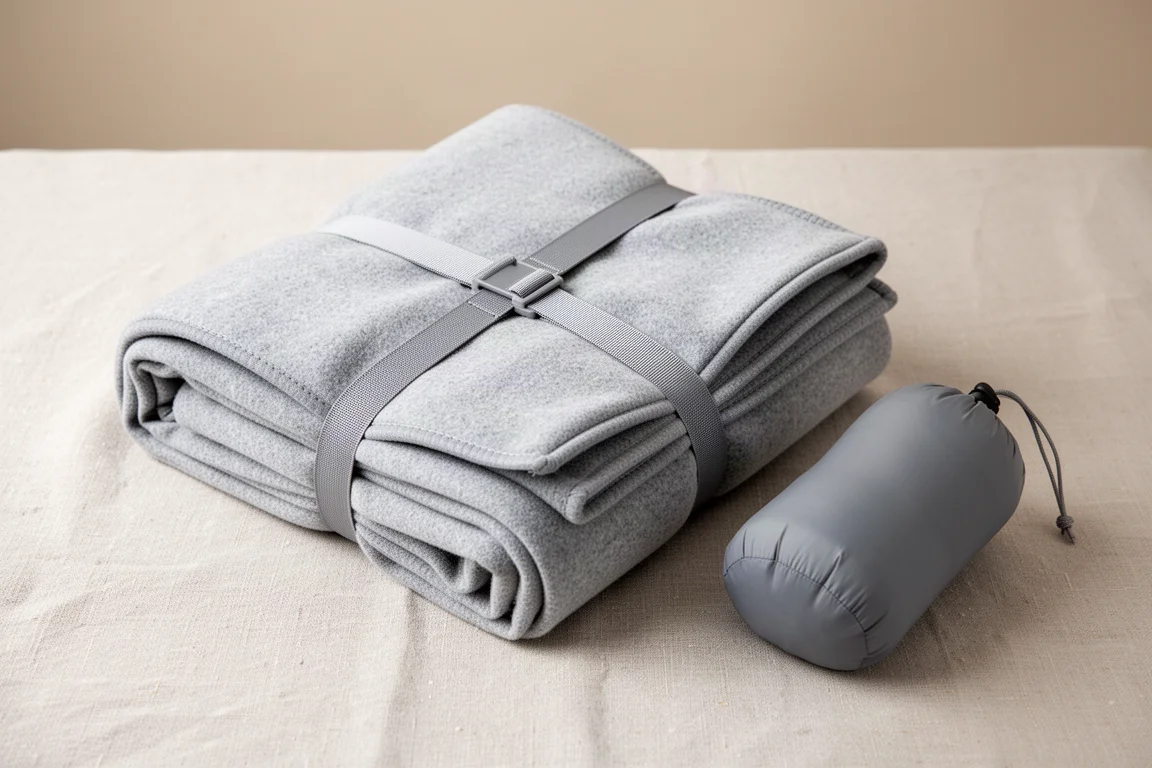
A $25 packable blanket turned out to be one of the most useful items in the kit. Added inside the sleeping bag, it supplied the warmth the bag could not, and it was just as handy in the evening while cooking and in the morning before packing up.
It packs small, weighs little, and costs far less than upgrading to a warmer sleeping bag. For anyone stretching a budget, this is a simple way to extend the usable temperature range of a sleeping system.
NORTIV 8 Quick Lace Hiking Shoes: Comfort That Surprised Us
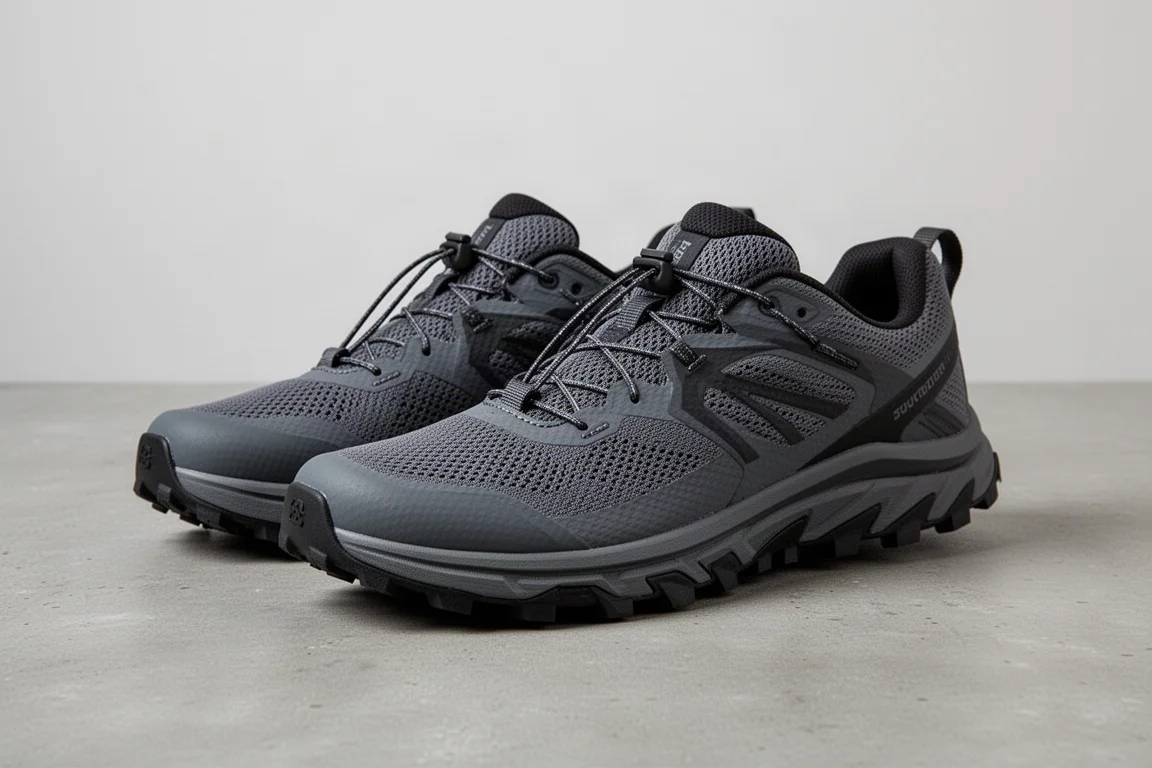
At roughly $42, these trail shoes were comfortable from the first mile. They are light and breathable, the lugs suit a trail-runner style shoe, and the build quality looks solid. The quick lace system tightens with a single pull and stows the excess cord in a small pocket on the tongue, and standard laces can be fitted instead if preferred.
After one overnight backpacking trip and three or four day hikes, comfort has been consistently excellent, close to far more expensive trail runners. Durability over a full season is still an open question, but on comfort alone these are easy to recommend.
TOAKS 750ml Titanium Pot: A Cook Pot Worth Its Price
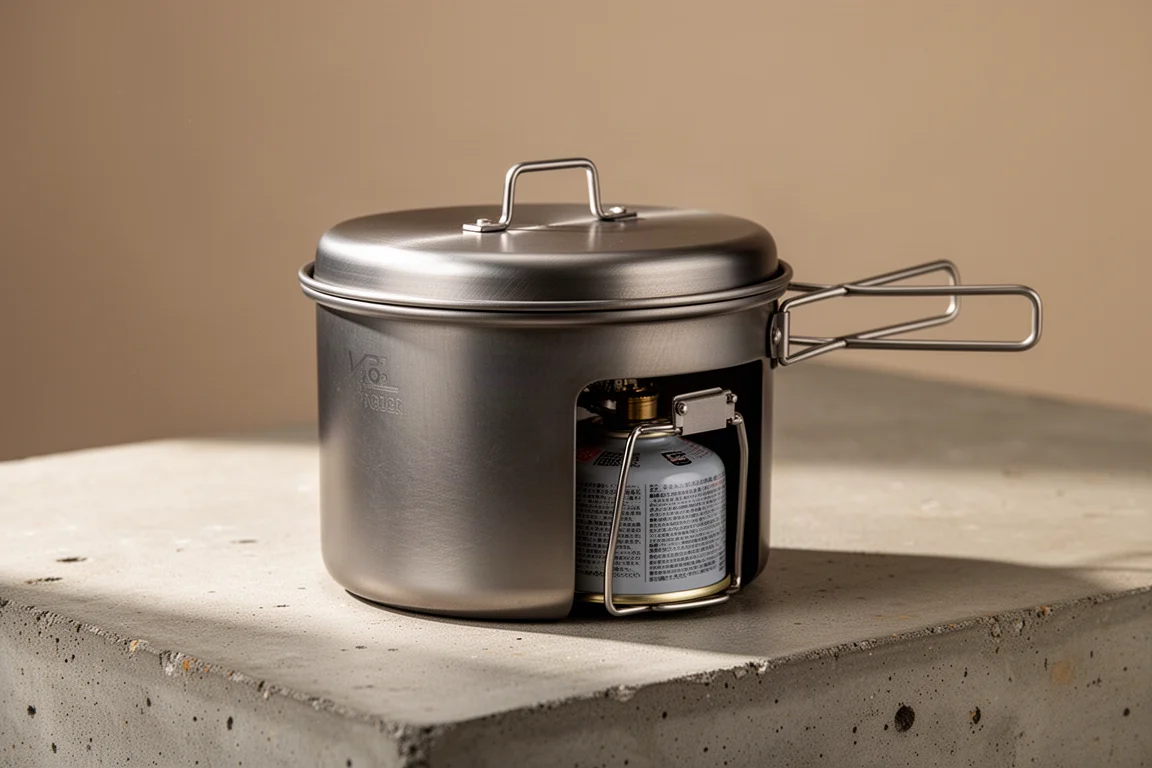
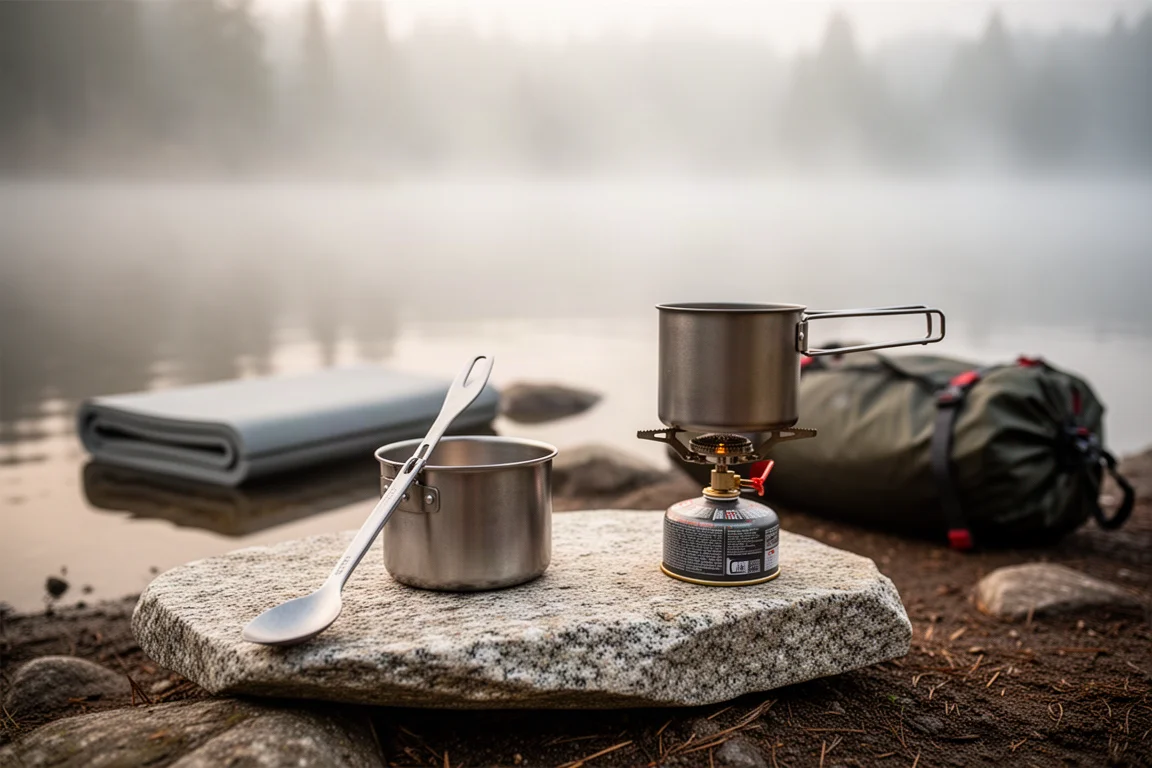
This titanium pot costs about $25 and did exactly what a cook pot should. Water boiled reliably, the titanium kept the weight down, and there were no complaints after several meals on the trail.
TOAKS Long-Handled Titanium Spork: Small Tool, Big Difference
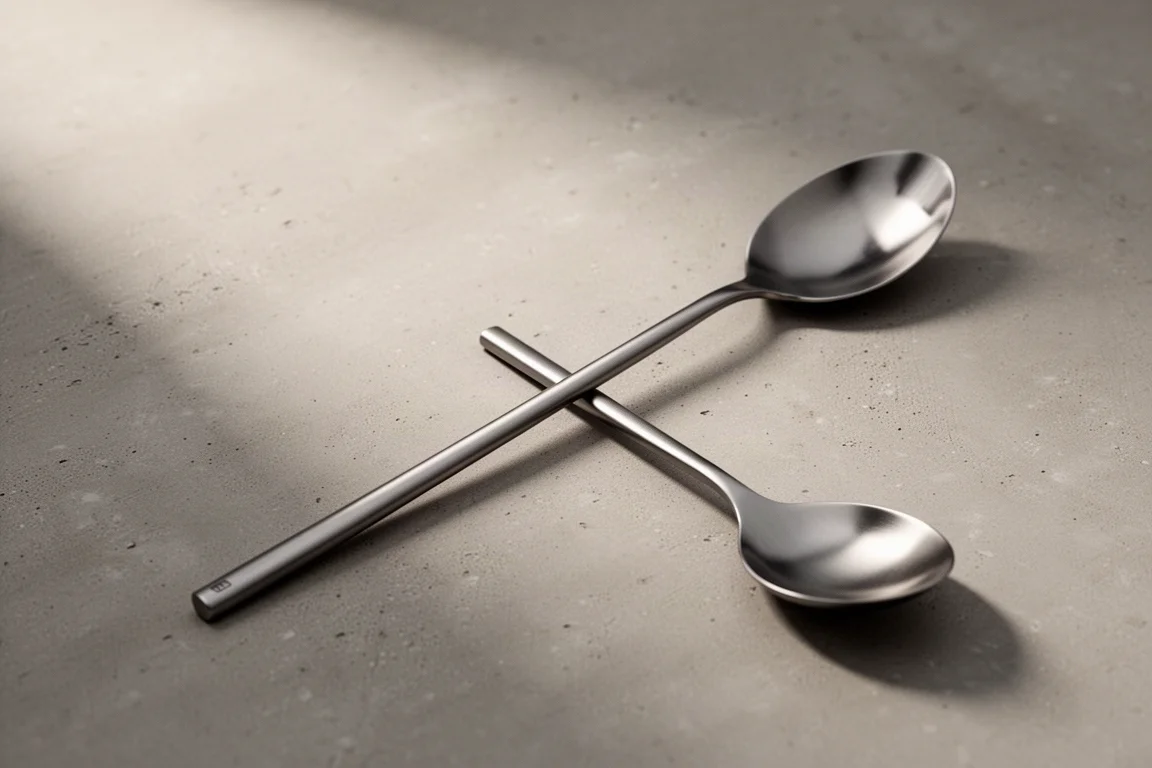
The long-handled titanium spork costs $10, noticeably less than many comparable long-handled sporks. The polished bowl has a smooth, comfortable mouth feel, and the titanium build keeps it light in the pack.
Energizer 260 Lumen Headlamp: Simple and Effective
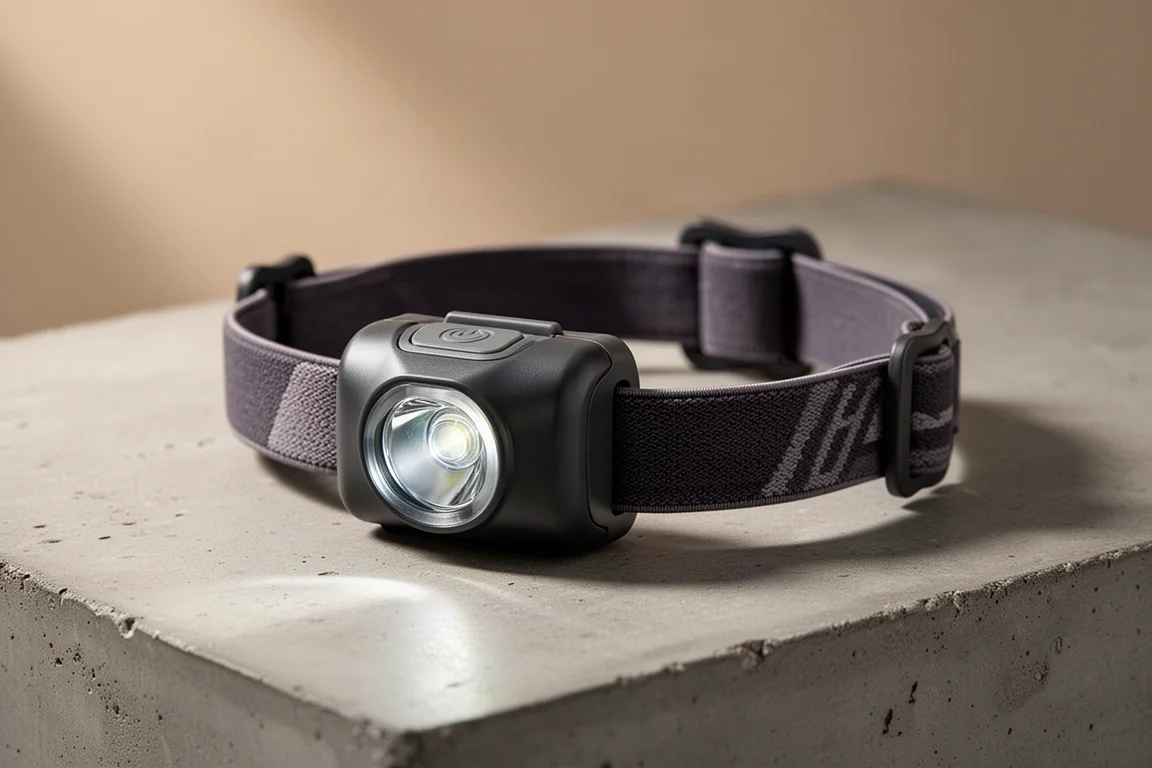
At $15, this headlamp covers the basics well. It lit the inside of the tent comfortably in the evening, and it is bright enough for camp tasks. It is also sold in multi-packs, which is handy for keeping one in each bag. Nothing about it is fancy, but nothing about it needs to be.
Overall Buying Advice
The strongest values in this kit were the foam sleeping pad, the packable blanket, the trail shoes, the titanium pot and spork, and the headlamp. Together those items cost roughly $150 and cover sleep insulation, footwear, cooking, and lighting, which are the areas where cheap gear most often disappoints.
Fit is the one thing worth checking carefully before ordering. The pack is a good example: on the right frame it was comfortable and well organized, but on a shorter torso the fixed harness simply did not work. Anything with a non-adjustable harness or a stated size range deserves a close look at the numbers first.
A few low-cost items are not worth the space. A $3 plastic trowel could not dig a hole at all, and a $20 canister stove took a long time to boil water, felt unstable, and burned through fuel faster than pricier stoves. Food storage is a better place to spend: a $22 dry bag and bear bag kit made hanging food straightforward, though a bear-resistant container remains the stronger long-term choice. For layering, a roughly $30 fleece mid layer was warm but bulky and plain, while a $22 pair of shorts and a roughly $20 rain jacket rounded out the clothing without adding much cost.
Conclusion
Budget backpacking gear is not all the same, and the gap between a good cheap item and a bad one showed up fast on this trip. The best purchases were the ones with no moving parts to fail: a foam pad, a blanket, a pot, a spork, a headlamp, and a pair of shoes. The items that struggled were the ones where a low price had to cover complex construction, such as a stitched hood, an inflatable valve, or an adjustable harness. Buy simple, check the fit, and the total cost of a working kit stays surprisingly low.
Further reading
Related Reviews

Backpacking Gear
Building a 10 lb Base Weight: An Ultralight Backpacking Gear List
A practical walkthrough of the ultralight pieces behind a 10 lb base weight, from a 765 g pack and a roomy one-person tent to a full camp chair and a dependable water filter.

Backpacking Gear
A 15-Pound Lightweight Backpacking Gear List for Solo Trips
A beginner-friendly 15-pound backpacking setup built from easy-to-find gear, with notes on what each piece does, how it packs, and where to spend your attention.

Backpacking Gear
8 Ultralight Backpacking Gear Upgrades Worth Carrying
Eight small, affordable backpacking upgrades that solve real trail annoyances, from a pillow that stays put to a fuel valve that rescues leftover canister gas.