Backpacking Gear
Budget Backpacking Gear Alternatives: Five Places to Save Without Losing Comfort
Five backpacking categories where a lower-cost pick covers the same ground as premium gear, from headlamps and waterproof boots to down jackets, one-person tents, and sleeping bags.
Introduction
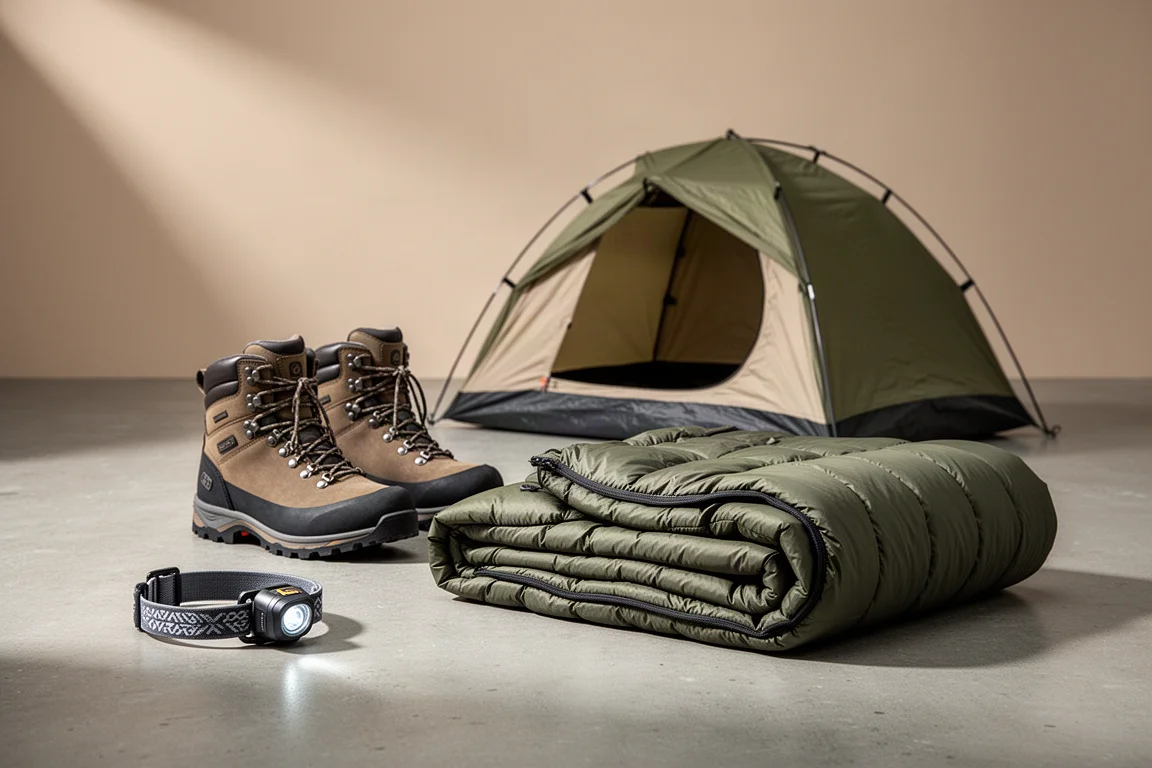
Backpacking gear has a way of escalating. Start shopping for a headlamp and you end up reading about rechargeable battery platforms. Start shopping for a jacket and you end up comparing fill power and fabric denier. Prices climb just as quickly, and it is easy to come away convinced that a good trip outside requires the most expensive version of every item on the list.
That assumption is worth a second look. A large share of backpacking gear is priced for the most demanding few percent of use cases, and most trips never go there. A headlamp that lights a tent and a cooking area after dark does the job. A waterproof boot that keeps feet dry and debris out during shoulder-season slop does the job. The real question is not whether premium gear is good. It is whether the extra spend buys something you will actually notice on the trips you take.
This guide covers five categories where a lower-cost option handles the same work for many backpackers: headlamps, waterproof footwear, down jackets, one-person tents, and sleeping bags. Each entry pairs a budget-friendly pick with the premium alternative it replaces, so you can see what the extra money buys and decide whether it matters for you.
How to Tell Budget Gear From Cheap Gear
Cheap and budget are not the same thing, and the difference shows up over a season rather than on a spec sheet. Cheap gear is built to a price and fails early, with zippers that jam, coatings that peel, and seams that pull. Budget gear is built to a sensible price with materials and construction that survive regular trail use.
Three questions help separate the two.
What does the item actually need to do? A three-season headlamp needs to light a campsite and a tent interior. It does not need to throw a beam down a trail at running pace. Once the requirement is narrow, the cost of meeting it drops quickly.
How often will the item be used? Gear that sits on a shelf for most of the year is a poor place for a large investment. A waterproof boot that comes out for a handful of shoulder-season trips is a good candidate for a lower-cost option, even when a lighter and more expensive boot exists.
Where will you use it? Local conditions, trail type, and season all shape what is worth paying for. A jacket that has to work from a humid valley floor to a windy ridge in a single afternoon is a different purchase from one that only comes out around camp.
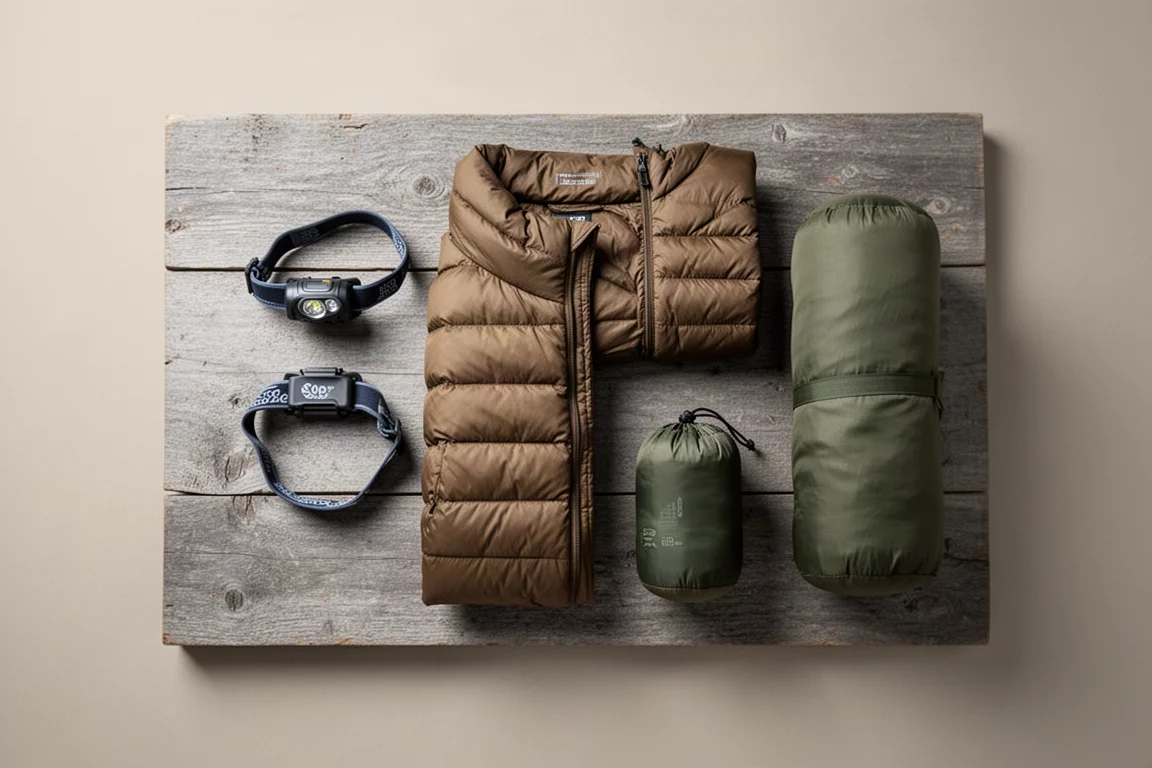
None of this means premium gear is a waste of money. It means the purchase should follow the requirement, not the other way around. A four-hundred-dollar jacket is a reasonable buy for someone who wears a down layer for months at a time, and a questionable one for someone who wears it around camp three weekends a year.
Headlamps: A Couple Hundred Lumens Covers Most Trips
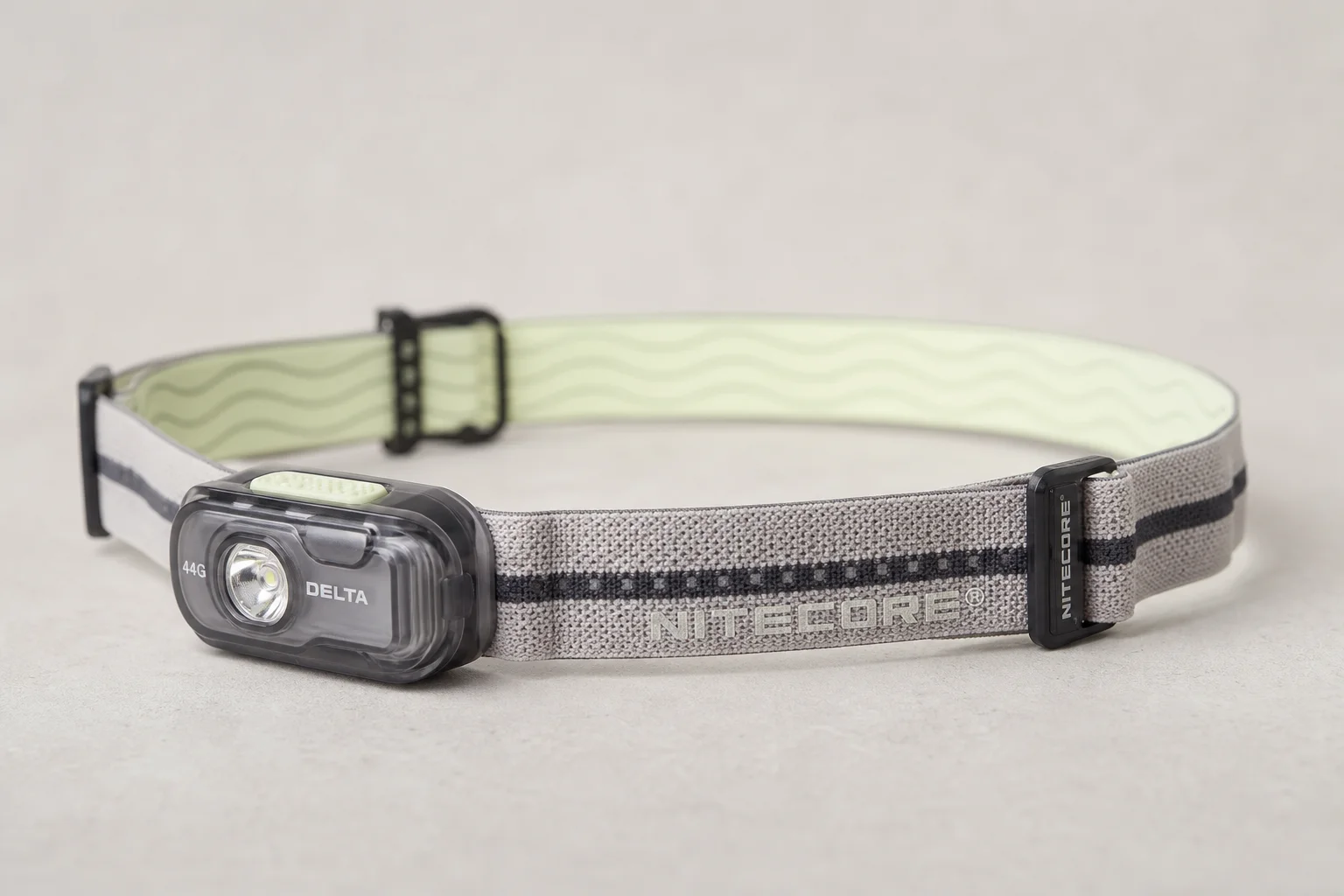
Nitecore NU21
The Nitecore NU21 is a $30 headlamp that covers the core jobs: lighting a campsite, lighting the inside of a tent, and making it possible to see in the dark. For the conditions most backpackers actually meet, that is the entire brief.
What you give up at this price is beam reach and a proprietary rechargeable battery system. What you keep is a light that works, at a cost that leaves budget for the gear that affects your comfort more.
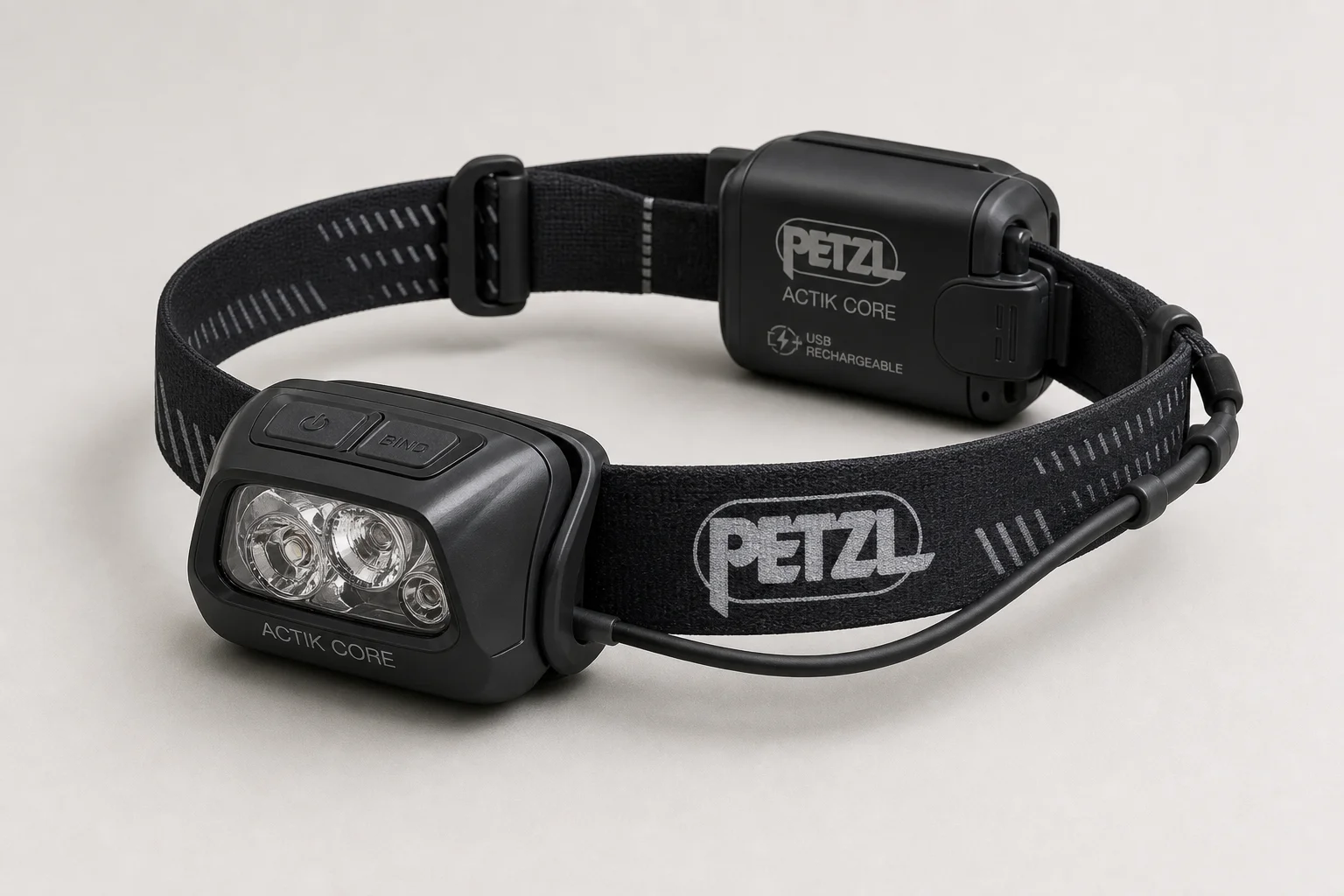
Petzl Actik Core
The Petzl Actik Core sits at nearly $90, and part of that price goes to its rechargeable Core battery and a higher lumen output. The practical result is more light spread across a larger area, plus a beam that carries further down the trail.
If you regularly hike after dark, need to read terrain at distance, or simply prefer a rechargeable battery system, that extra output earns its keep. If your headlamp mostly lights a tent and a stove, the additional spend buys capability you will rarely switch on.
Footwear: Waterproof Boots for the Shoulder Seasons
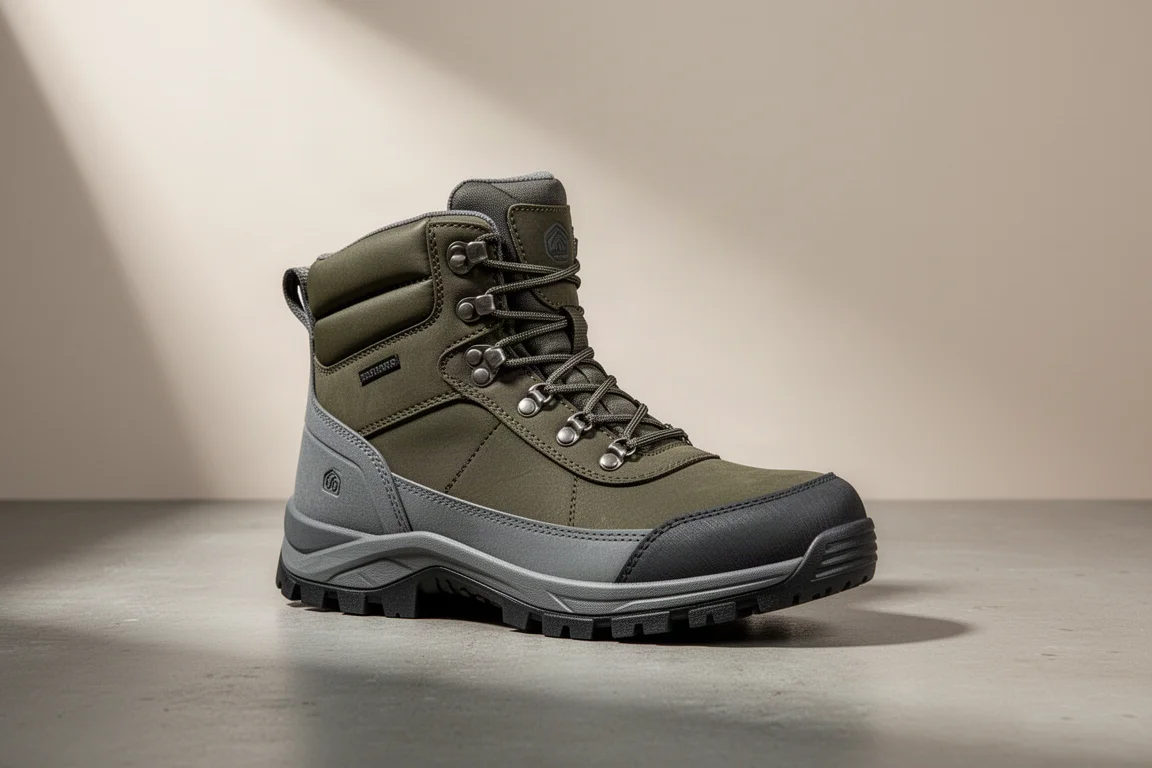
Nortiv 8 Drift Shield
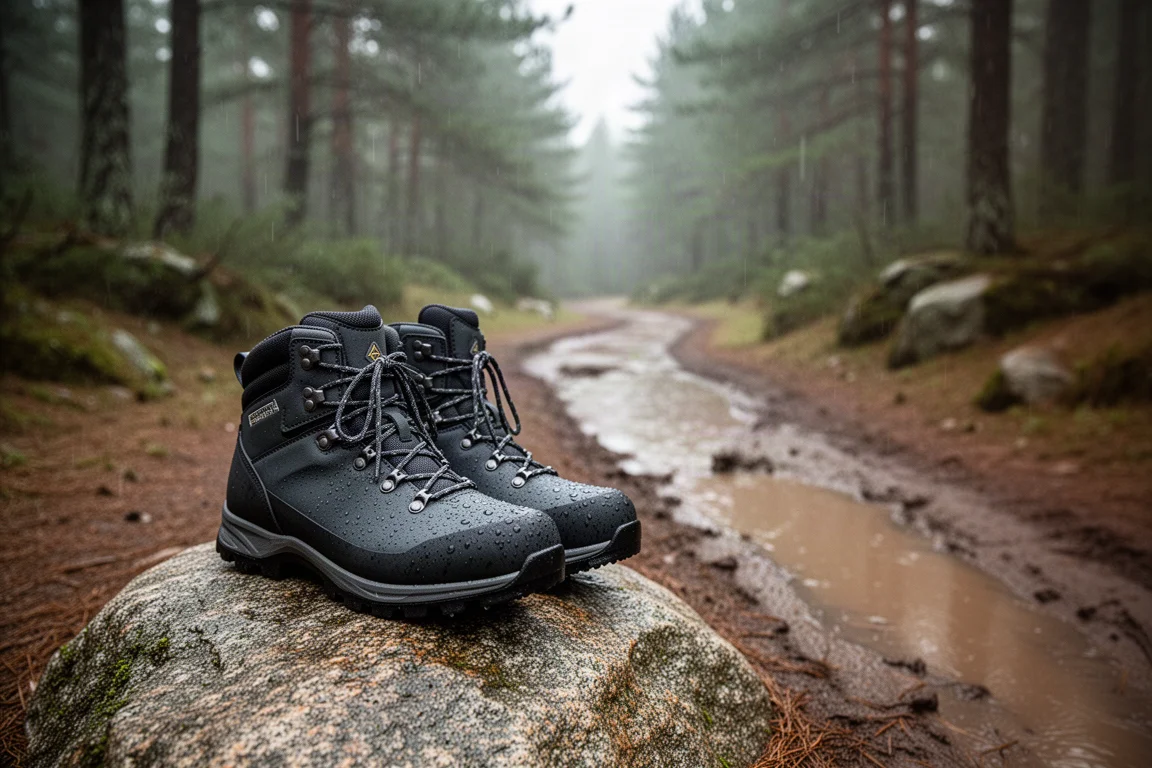
The Nortiv 8 Drift Shield is a waterproof, mid-height boot at $60. A gusseted tongue keeps debris out, and the supportive build suits the wet, sloppy conditions of early-season and late-season trips when a trail runner is not enough.
The compromise is a sole with a less aggressive tread pattern than premium boots. Across extended winter use the boot has held up well and the sole has performed decently, which is the standard that matters when a boot is a seasonal tool rather than your everyday pair.
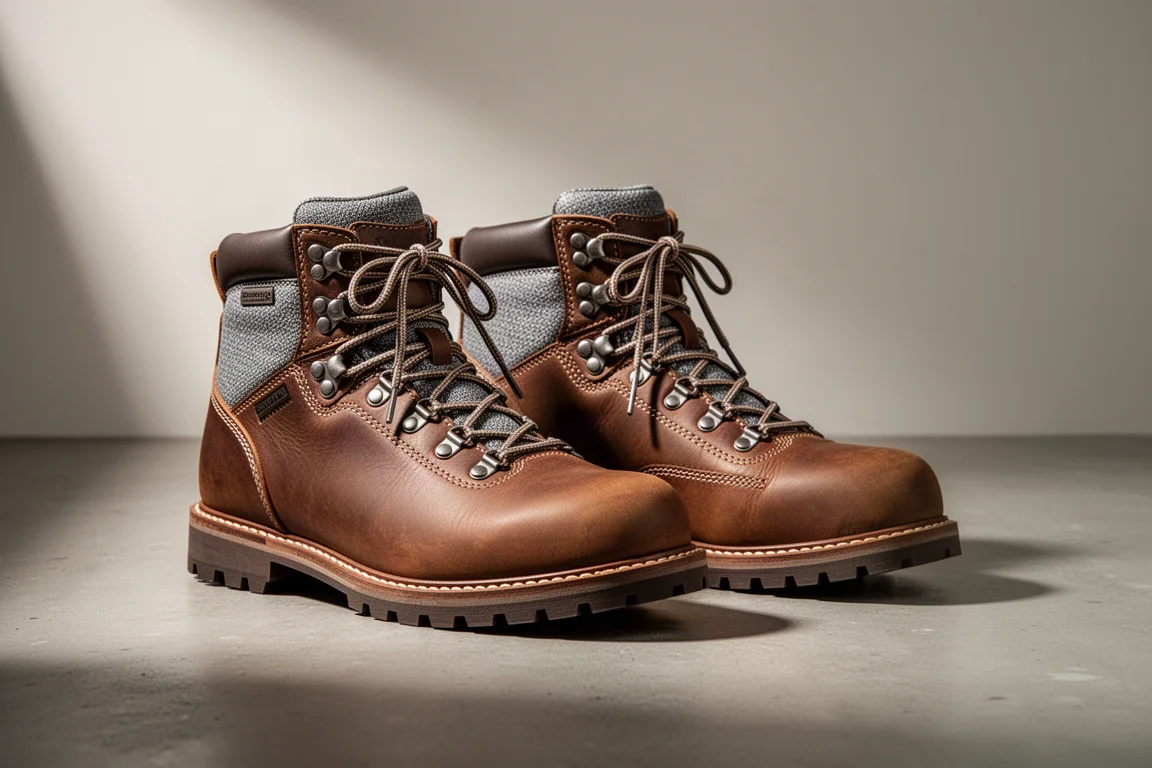
Danner Trail 2650 Mid
The Danner Trail 2650 Mid is the premium counterpart here, a waterproof boot priced around $160 to $180. It makes sense when waterproof footwear is central to your hiking rather than an occasional need.
That is close to $100 more than the Drift Shield. For a boot that comes out a few times a year in shoulder-season weather, the gap is hard to justify on performance alone.
Down Jackets: Warmth Without the Price Jump
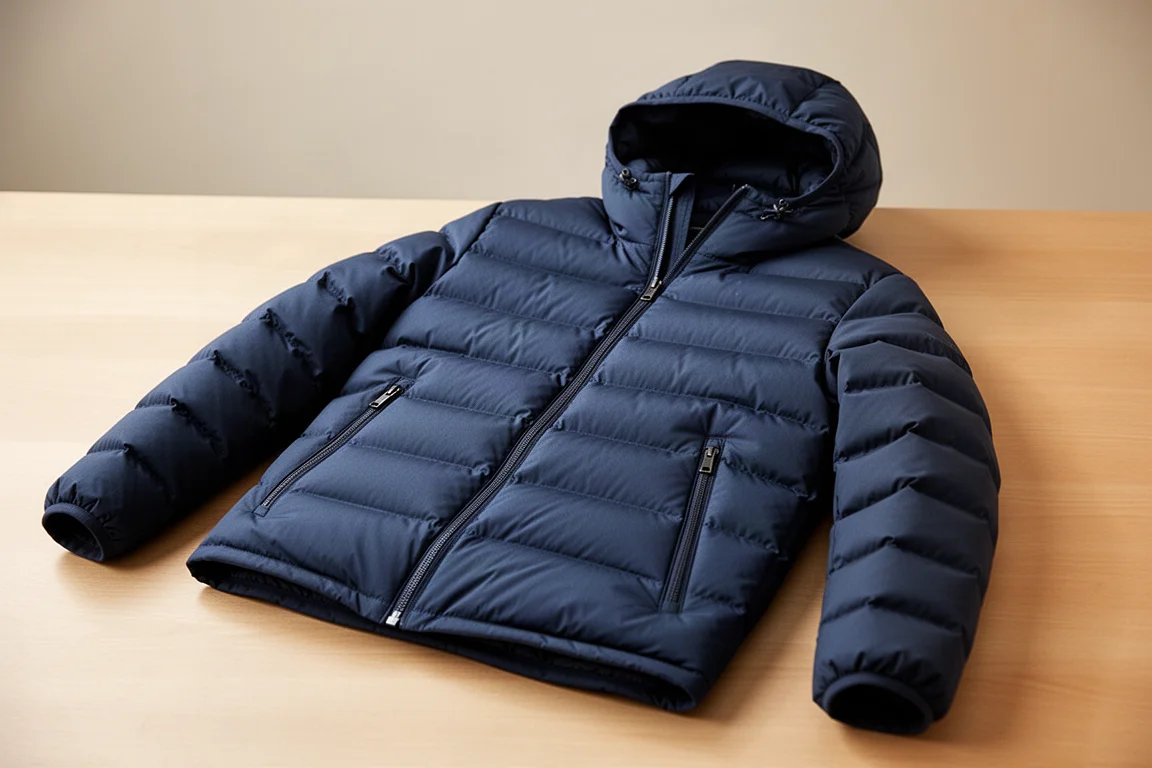
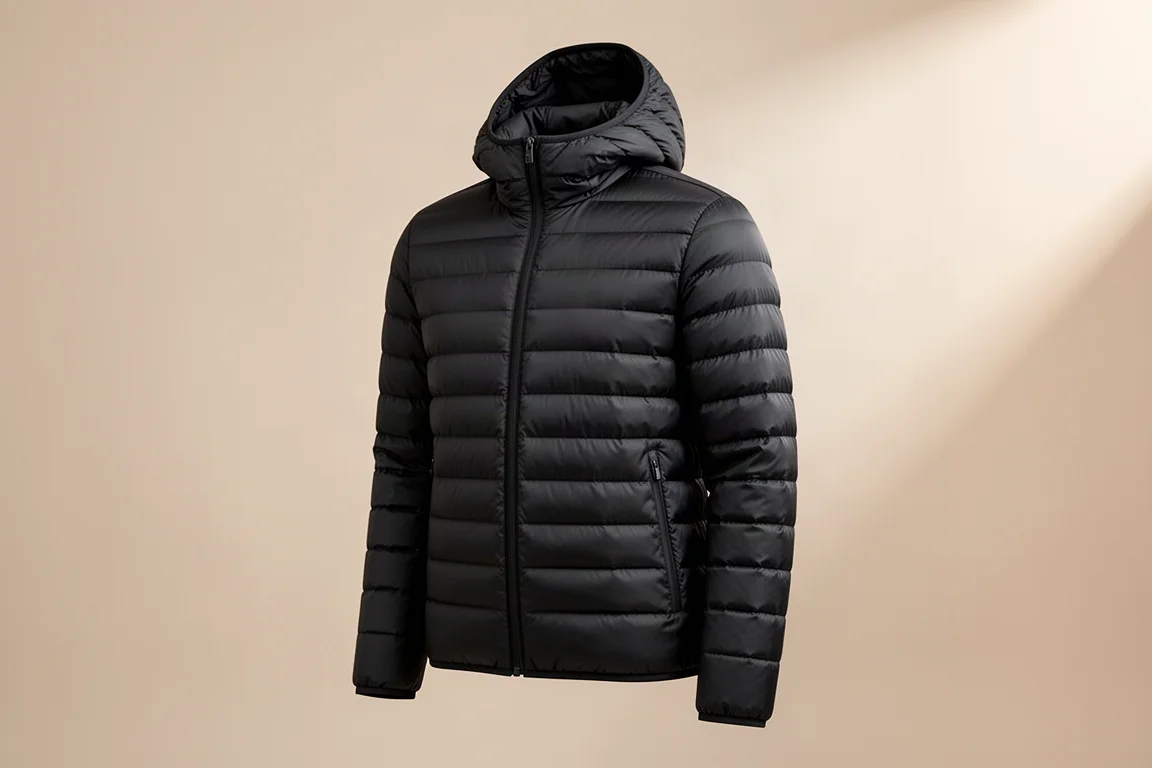
Decathlon MT500 Down Jacket
The Decathlon MT500 down jacket lists at $180 and often sells for less. In warmth and comfort, the difference between it and a $400 jacket is negligible in ordinary use, which makes this one of the simplest places in a backpacking kit to save money.
Long-term durability is the open question, because a decade of hard use is the benchmark the more expensive jacket has already set. What is not in question is that the jacket is warm, comfortable, and costs less than most one-person tents.
For three-season backpacking, that covers the whole brief.
Arc’teryx Cerium Down Jacket
The Arc’teryx Cerium Down Jacket retails around $400 and has a track record to match. A previous version lasted at least a decade of trips, which is a genuine argument for spending more on a layer you wear constantly.
If a down jacket is the piece you live in for months at a time, that durability has value. If it is a camp layer that appears on a few trips a year, the same warmth is available for a lot less.
Tents: Freestanding One-Person Shelters
Hill Zero Scout
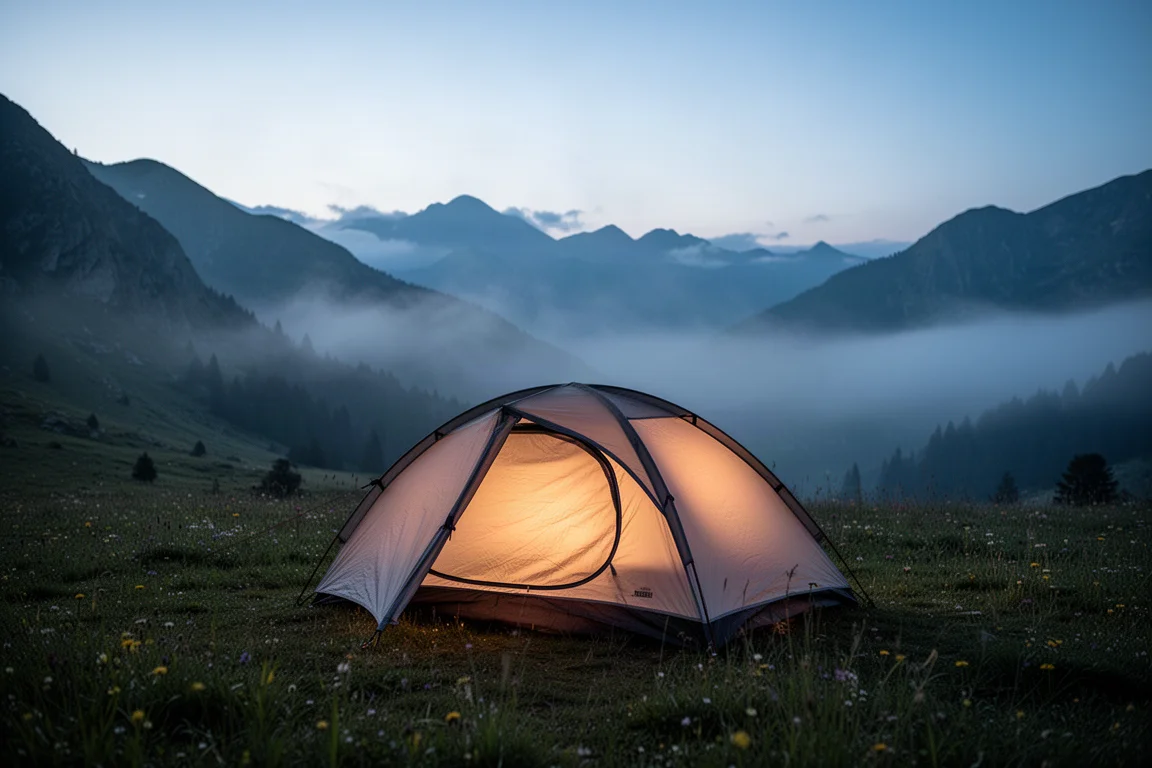
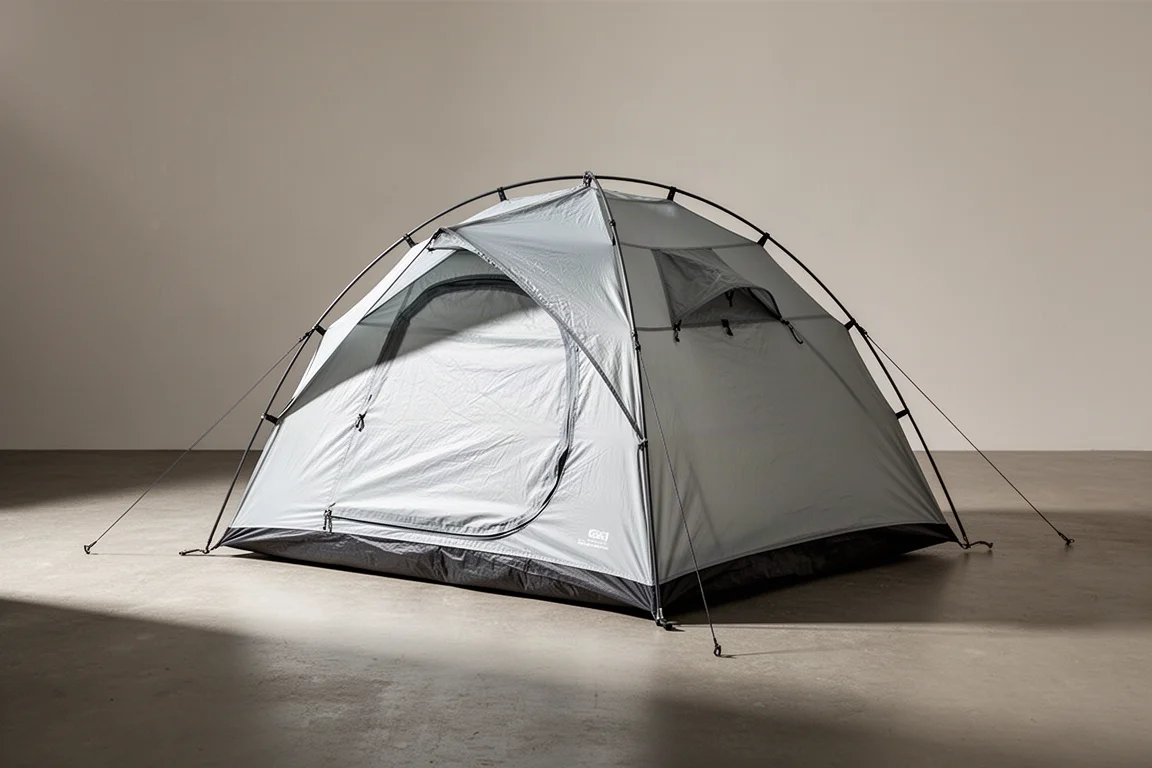
The Hill Zero Scout is a $260 one-person tent. It is fully freestanding, double-walled, and made from nylon, with a dome-style layout that matches far more expensive shelters in the ways that matter on an ordinary trip.
Spending less here does not have to mean carrying more. A tent in this class can still be lightweight and handle the same trips as more expensive counterparts, which is part of why shelters are one of the easier categories to save in.
For backpackers who want a straightforward, dependable shelter, this is an easy recommendation.
MSR Hubba Hubba LT1
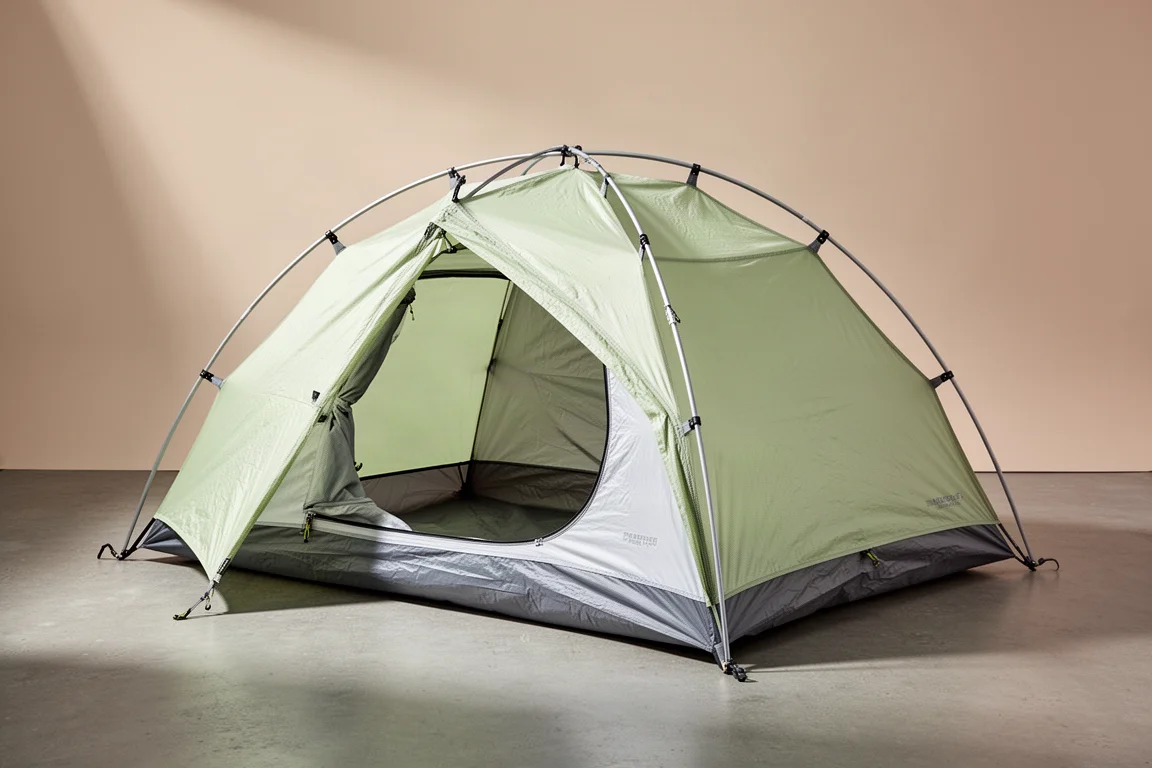
The MSR Hubba Hubba LT1 is the premium option at $470, and it is also the clearest example of price not guaranteeing satisfaction. It is a fully freestanding, double-walled nylon one-person tent, similar in concept and materials to shelters that cost roughly $200 less.
For many backpackers the extra spend buys brand recognition and a set of details rather than a meaningfully better night outdoors. This is a category where the budget shelter is the confident recommendation and the premium one needs a specific reason behind it.
Sleeping Bags: Loft, Warmth, and Features You Choose
Big Agnes Greystone 20
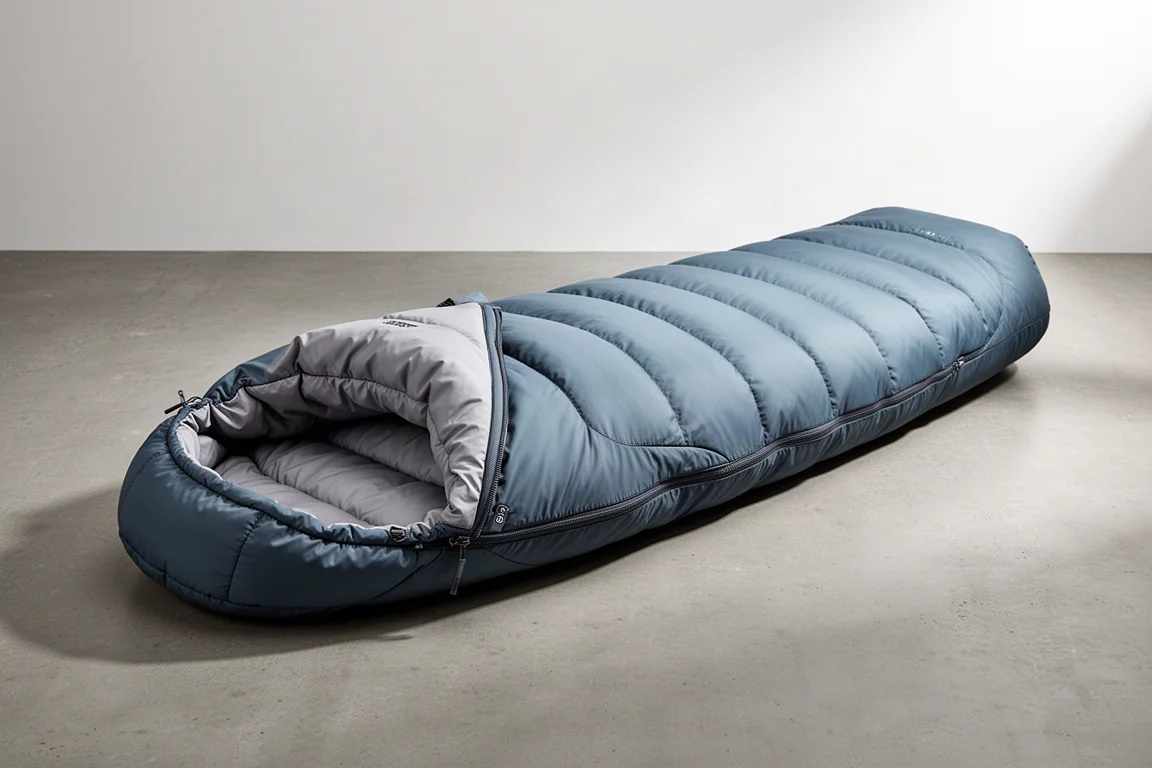
The Big Agnes Greystone 20 is a down sleeping bag at $270 that gets the fundamentals right. It has a full-length side zipper, plenty of loft, a draft collar across the opening, and a generous hood, which together add up to a comfortable night.
It does not use the highest fill power down, so it is not the lightest bag available. That is the trade: a little more weight in exchange for a bag that costs far less than the premium alternatives while still sleeping warm.
Sea to Summit Ascent Down
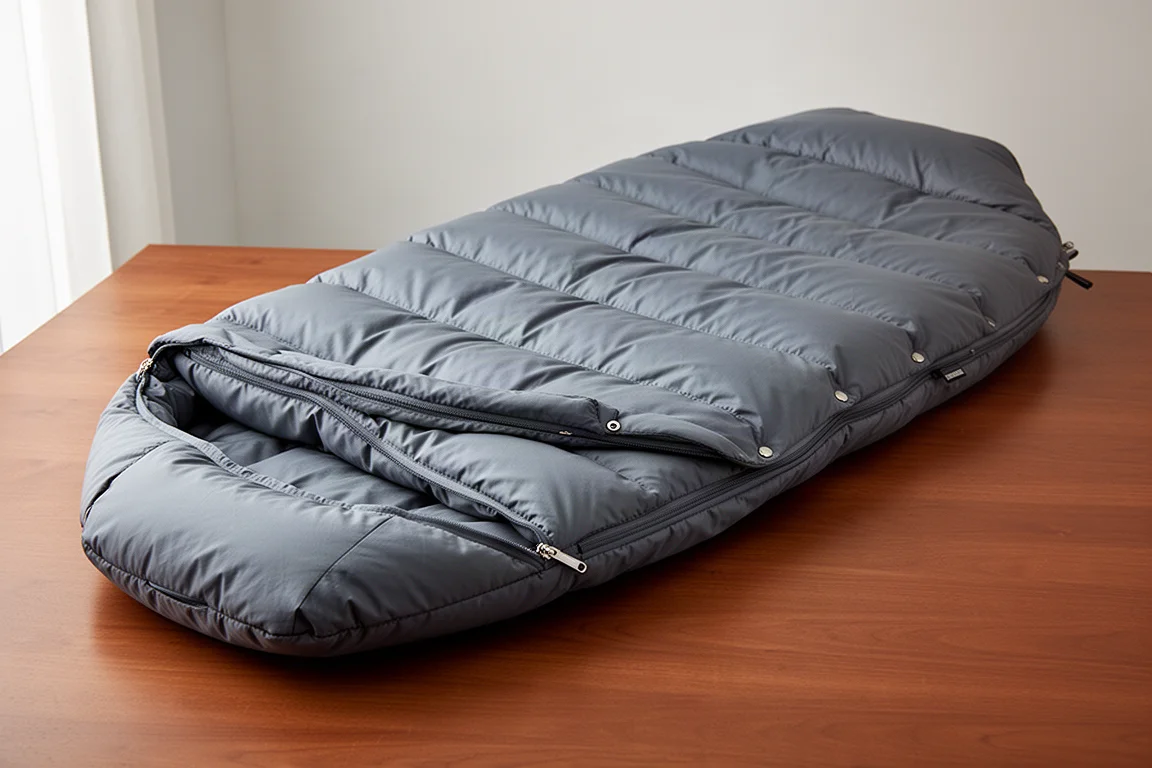
The Sea to Summit Ascent Down is a $450 bag rated to 15 degrees, and its higher price buys features rather than a fundamentally different night of sleep. A zipper at the foot box lets you vent your feet, a full-length zipper runs down one side, and a second zipper on the other side opens the bag into a quilt configuration. Snaps at the top let it be worn almost like a poncho around camp.
Those comforts add weight and cost. The Greystone is rated to 20 degrees, and even a zero-degree version of it costs less than the Ascent. The choice comes down to whether you want a convertible bag with camp-friendly features or a simpler bag that keeps you warm.
Buying Advice: Match the Gear to the Trip
The pattern repeats in every category. Work out what the item has to do, then buy the least expensive option that does it well and will keep doing it. That approach protects your budget without compromising the experience on the trail.
Budget does not mean disposable. The headlamp, boot, jacket, tent, and sleeping bag covered here are all built to be used season after season, and the money you do not spend on them stays available for the items where the difference is obvious to you, whether that is a lighter pack, a better sleeping pad, or simply more trips.
If you are unsure where to start, upgrade the gear you use most often first. Frequent use is the only reliable way to make an expensive item pay for itself, and the categories in this guide are exactly where most backpackers can hold back without noticing.
Conclusion
Premium backpacking gear is not a mistake. It is simply priced for people whose trips demand it. For everyone else, a $30 headlamp, a $60 waterproof boot, a $180 down jacket, a $260 one-person tent, and a $270 sleeping bag cover the same ground at a fraction of the cost.
Decide what each item needs to do on your trips, buy the option that does it well, and put the savings toward more time outside. That is a trade most backpackers will be happy to make.
Further reading
Related Reviews

Backpacking Gear
Building a 10 lb Base Weight: An Ultralight Backpacking Gear List
A practical walkthrough of the ultralight pieces behind a 10 lb base weight, from a 765 g pack and a roomy one-person tent to a full camp chair and a dependable water filter.
Backpacking Gear
A 15-Pound Lightweight Backpacking Gear List for Solo Trips
A beginner-friendly 15-pound backpacking setup built from easy-to-find gear, with notes on what each piece does, how it packs, and where to spend your attention.
Backpacking Gear
8 Ultralight Backpacking Gear Upgrades Worth Carrying
Eight small, affordable backpacking upgrades that solve real trail annoyances, from a pillow that stays put to a fuel valve that rescues leftover canister gas.