Backpacking Gear
Budget Backpacking Gear: 12 Affordable Picks for a Complete Kit
Twelve budget backpacking picks covering clothing, cooking, water treatment, shelter, sleep, lighting, and packs, with the trade-offs worth knowing before you buy.
Introduction
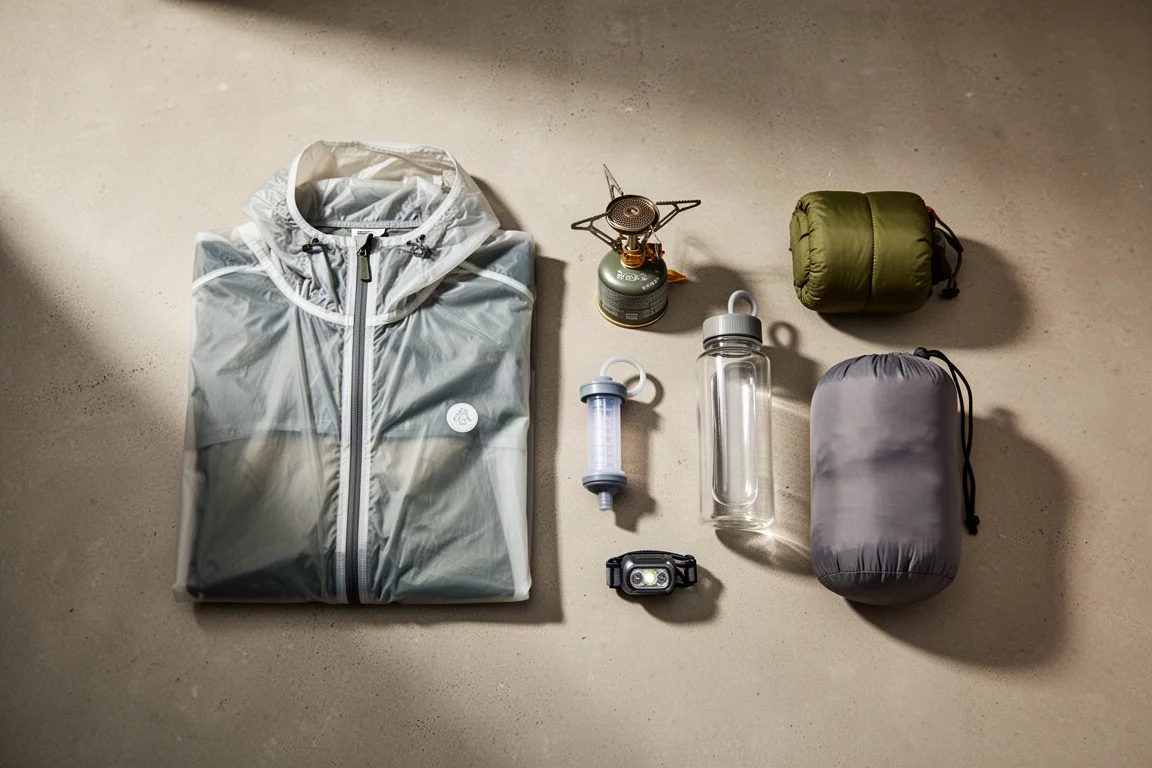
A complete backpacking kit does not have to cost a fortune. Every item in this list has been used over hundreds or thousands of miles of backpacking and hiking, and in most cases these affordable options are the ones that get chosen over far more expensive alternatives. None of them are filler.
The list is organised the way a pack is loaded: clothing first, then cooking and water treatment, then shelter and sleep, then lighting and the pack itself. Where a price or a weight is known, it is included, along with the trade-offs that come with saving money.
How These Budget Picks Were Chosen
Three questions decided what made the cut. Does the item genuinely work over long distances rather than just on a weekend trip? Is the weight reasonable, because a cheap item that is heavy is not a real bargain on a long trail? And can it be repaired or replaced cheaply when it wears out?
Durability matters differently at different price points. A $20 shell that lasts a season and can be patched with tape is a reasonable deal. A shelter that fails in bad weather is not, no matter how little it cost. That distinction shapes several of the recommendations below.
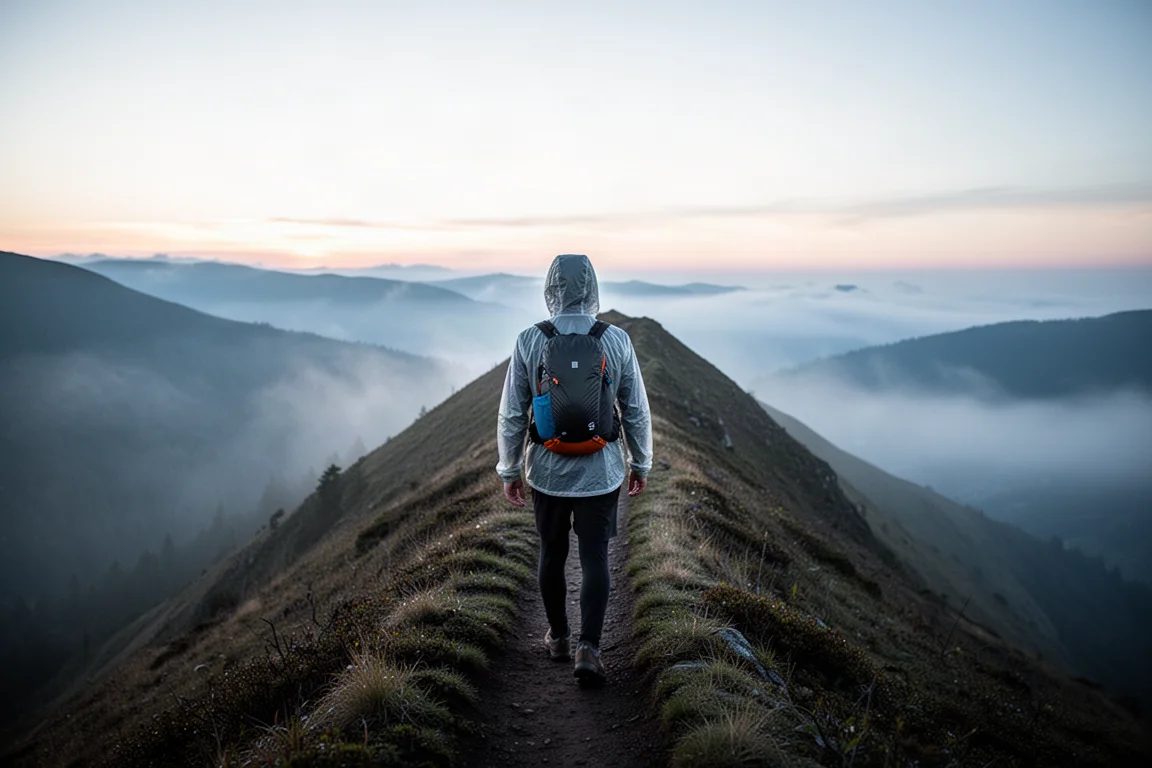
The result is a kit that leans ultralight in some places and pragmatic in others. A few categories reward spending a little more, and the notes below say where that applies.
Frogg Toggs Rain Jacket
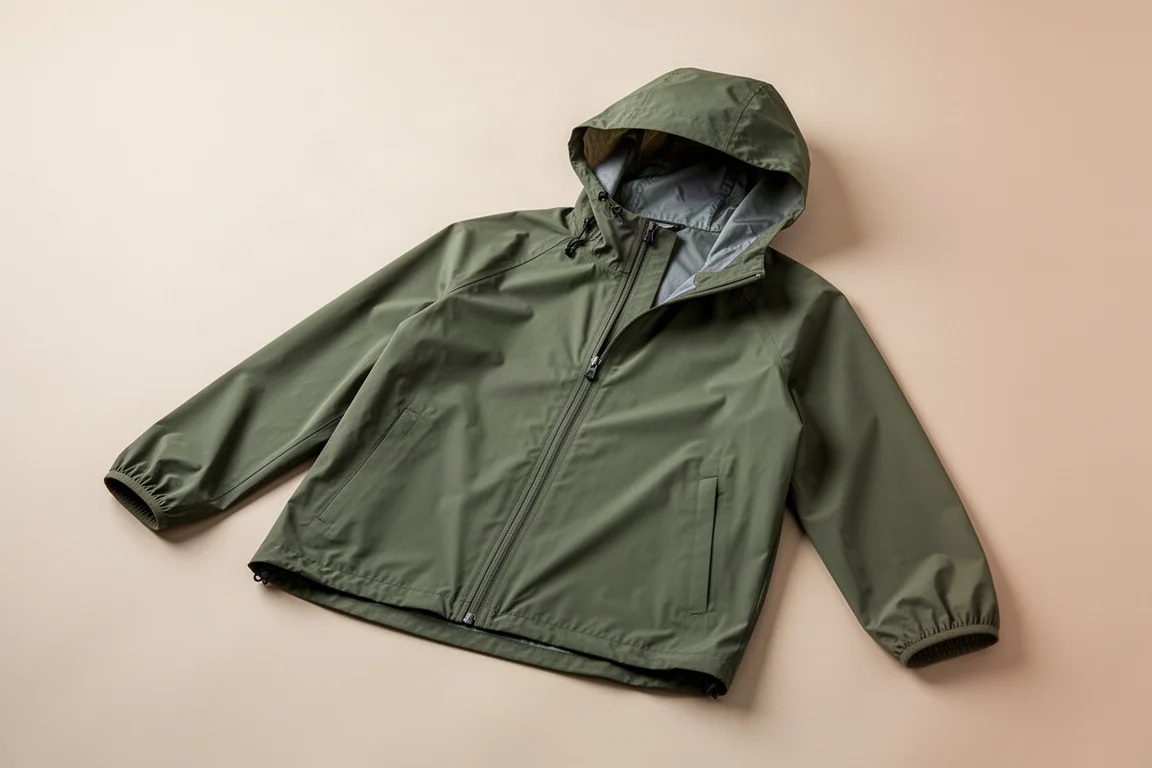
The Frogg Toggs rain jacket costs about $20 and weighs 5.9 oz, which makes it one of the cheapest and lightest rain shells you can carry. It has been used for thousands of miles of backpacking.
The one thing to watch is durability. The fabric is not tough, and it can pick up rips and holes over time. Carrying a small amount of duct tape to patch it on trail solves most of that problem. For the price and the weight, it remains an excellent rain jacket.
Cascade Mountain Tech Trekking Poles
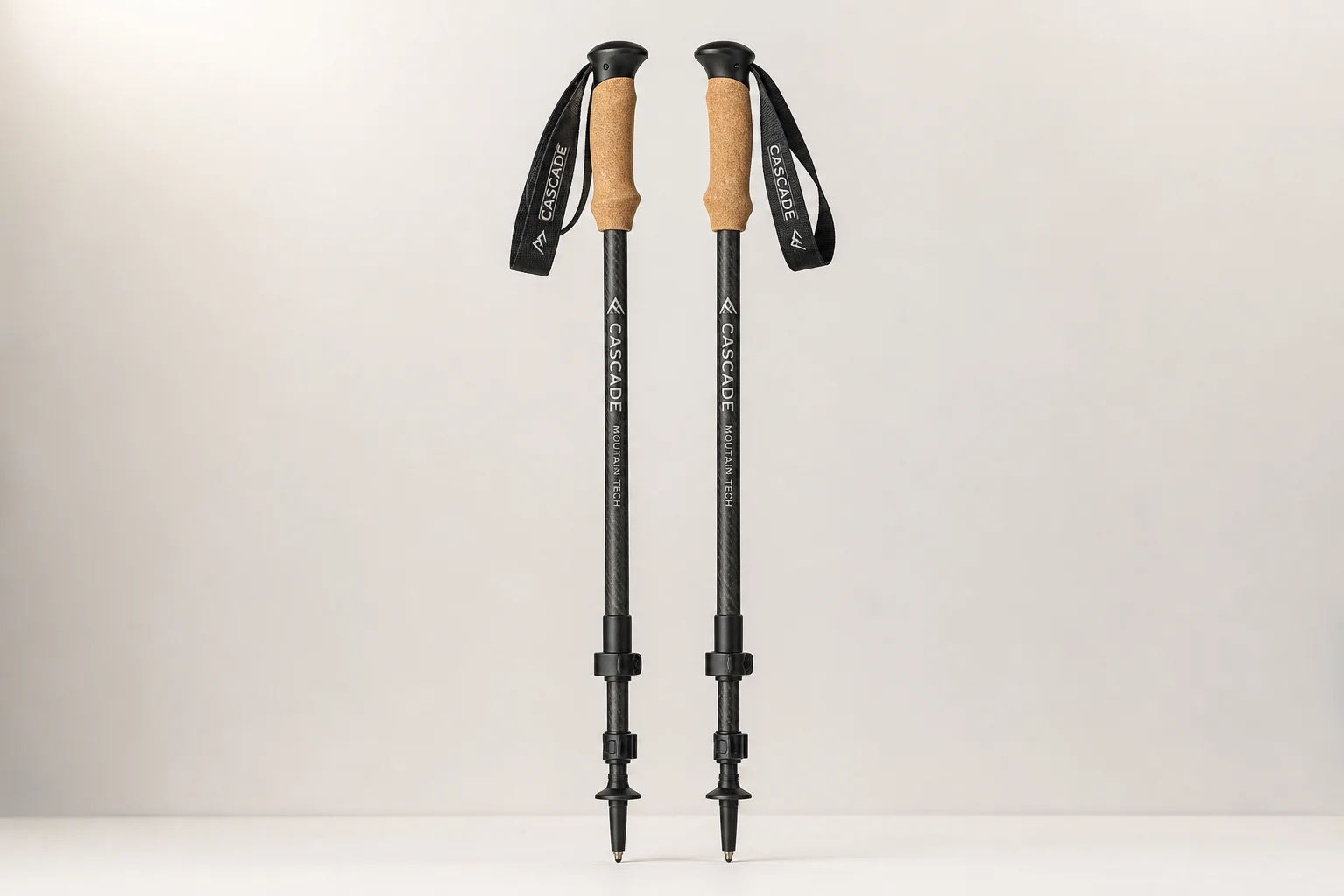
Cascade Mountain Tech trekking poles cost around $30 on Amazon and they perform well above that price. They have covered a 1,000-mile stretch of trail.
Trekking poles do more than steady you on descents. They take load off joints, muscles, and feet, which matters over long days. Many lightweight tents also require trekking poles to pitch, including the tent recommended further down this list. For those two reasons, the vast majority of hikers are likely to benefit from carrying a pair, and these are a strong budget option.
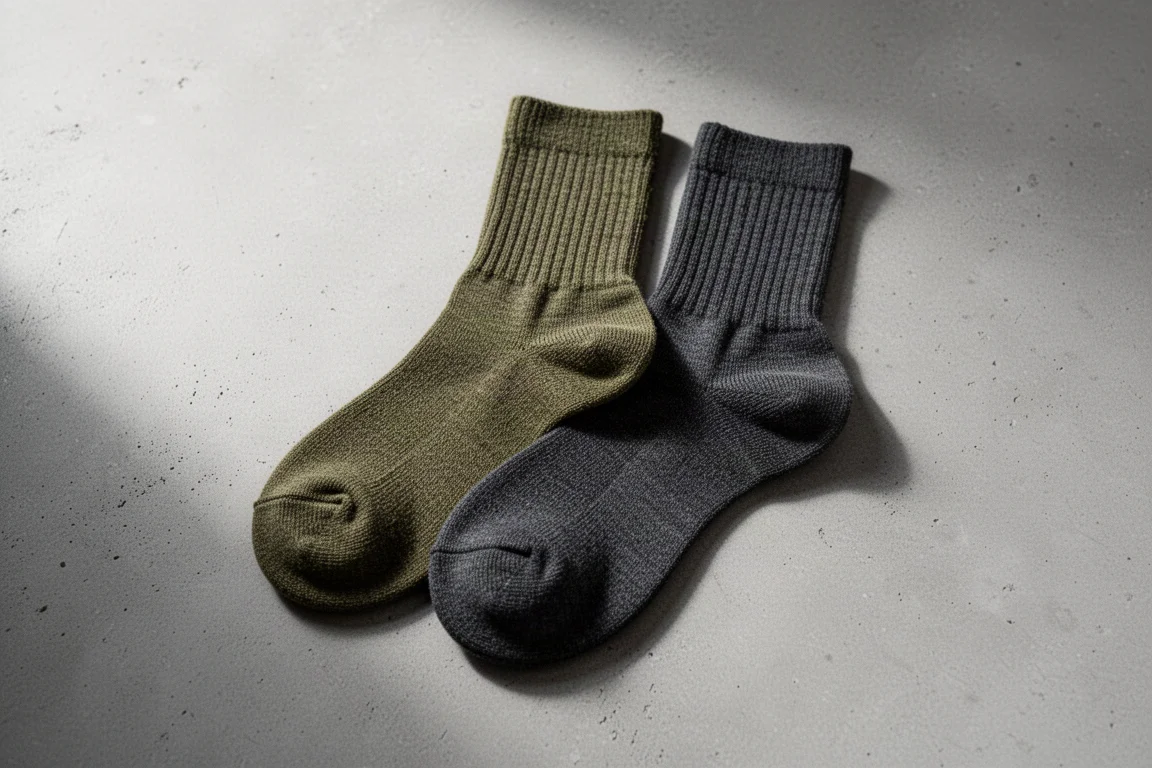
Darn Tough Socks
Darn Tough socks cost about $22 and come with a lifetime warranty. If they develop a hole, filling out a short form on the company website gets a brand new pair sent out at no charge.
That warranty changes the maths on socks. A pair worn through a full Pacific Crest Trail thru-hike, now with a hole in it, can simply be replaced. At $22, that effectively works out to a pair of socks for life.
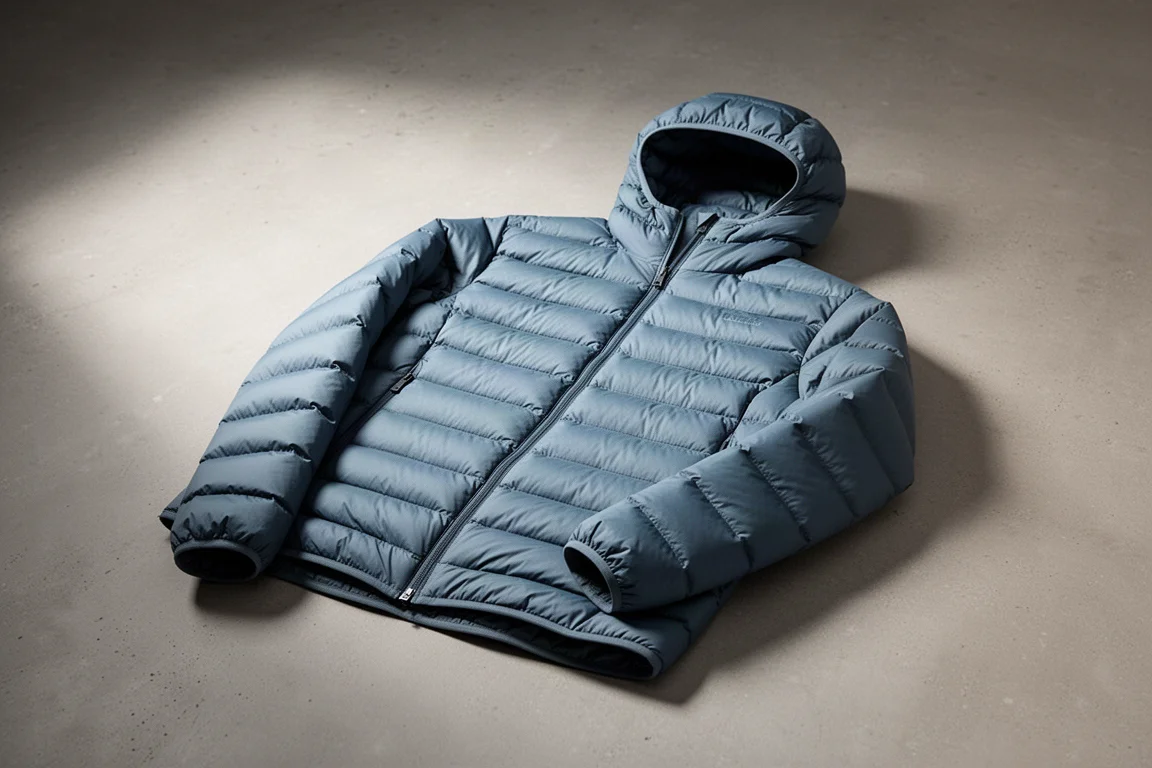
Decathlon Down Puffy Jacket
Decathlon makes inexpensive gear that is more than good enough for real trips, and the down puffy jacket is the clearest example. It costs about $80, and in a size large it weighs 10.5 oz.
That weight is competitive with insulated jackets that cost three times as much, which is unusual at this price. It is a straightforward way to add serious warmth to a budget kit without giving up much in the pack.
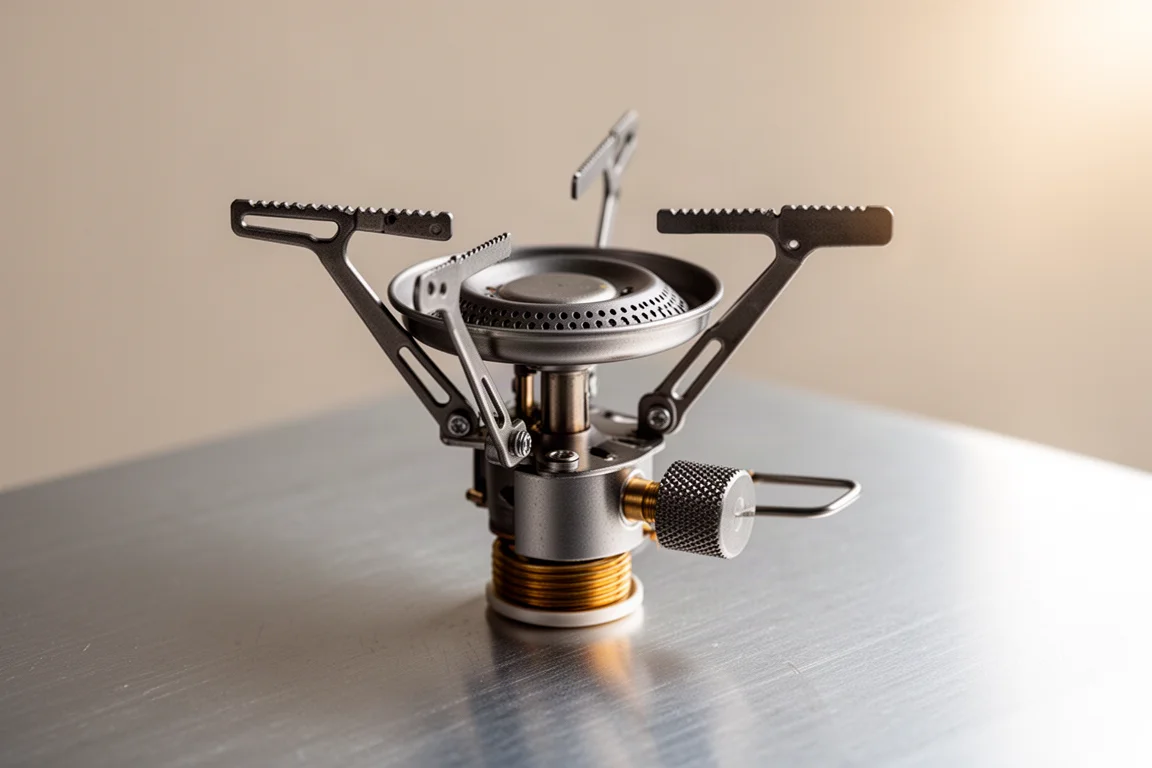
BRS 3000T Stove
If warm meals and hot coffee matter to you, the BRS 3000T is the cheapest stove worth considering and the best value at its price. It costs about $16, weighs roughly 0.9 oz, and it is genuinely tiny.
The alternative is cold soaking, which needs no stove, no fuel, and no cook pot at all. For anyone who wants a hot meal at the end of the day, this little canister stove is the affordable answer, and it works with a simple aluminium pot.
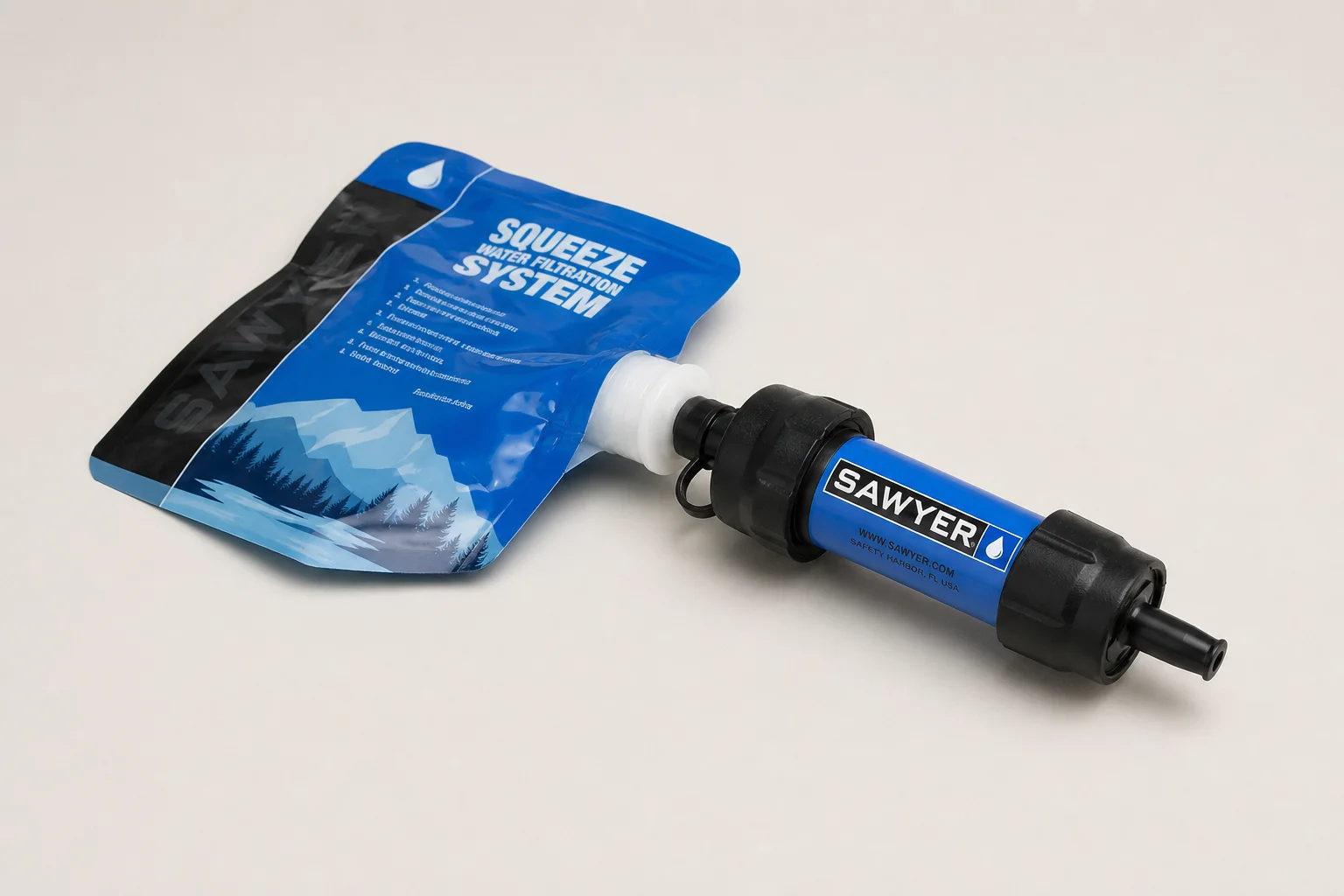
Sawyer Squeeze
The Sawyer Squeeze is a squeeze-style water filter that has been used on many trails over a long period. It threads directly onto a Smartwater bottle, which is the main reason that particular bottle has become the standard choice, since many filters will not fit other bottles.
The filter is fast. It requires no waiting, and you can drink straight from the bottle as you walk. The trade-off is that a squeeze filter can be damaged beyond use, which is what happened to one after a long stretch of desert hiking.
Platypus QuickDraw
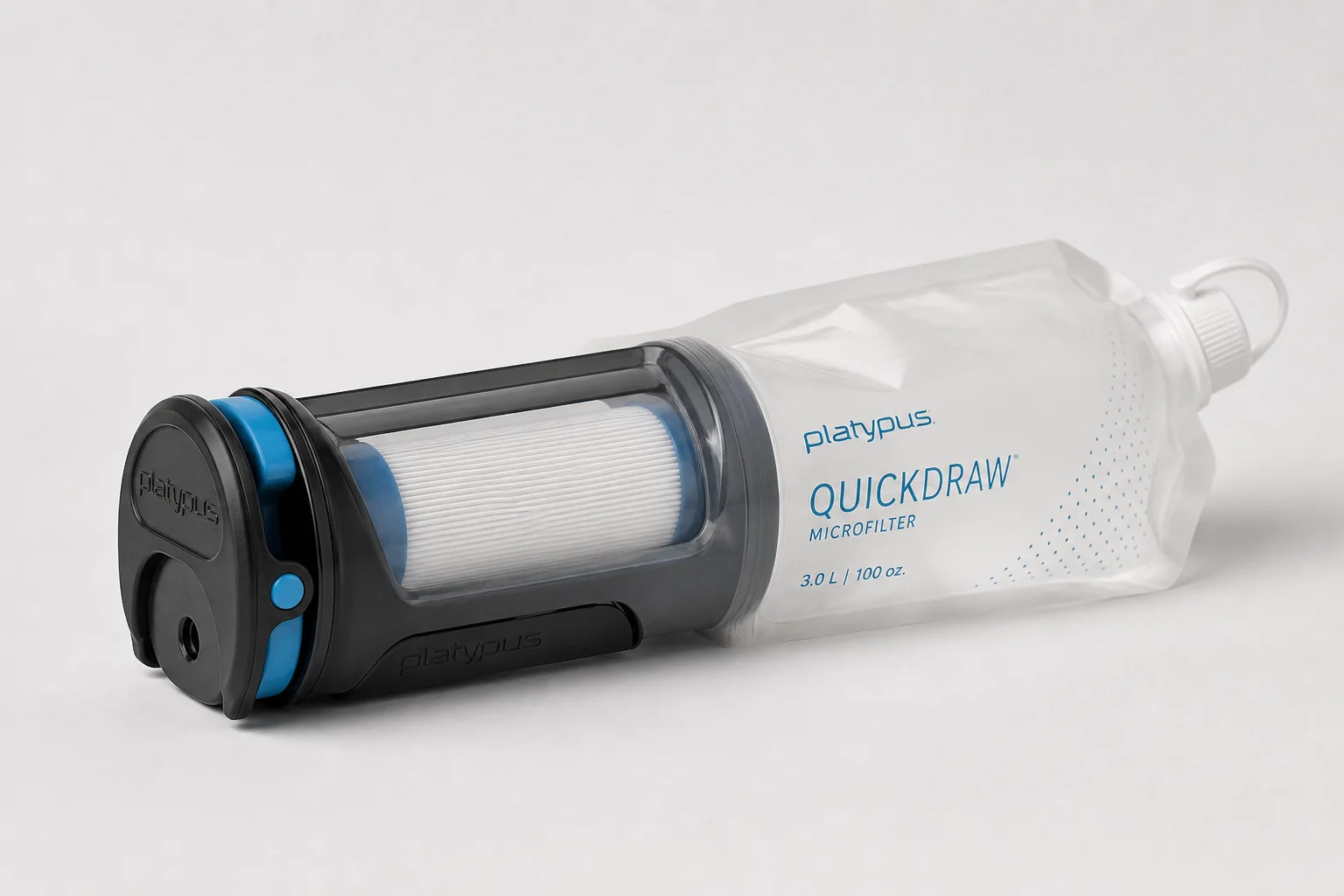
The Platypus QuickDraw is the filter that makes more sense going forward. It costs $25 on Amazon and weighs 3.3 oz, and the main appeal is that it is designed to be considerably easier to clean than a Sawyer Squeeze.
Ease of cleaning matters more than it sounds on a long trail. A filter that can be flushed and refreshed quickly keeps performing properly for longer, and the QuickDraw’s design makes that routine far less of a chore.
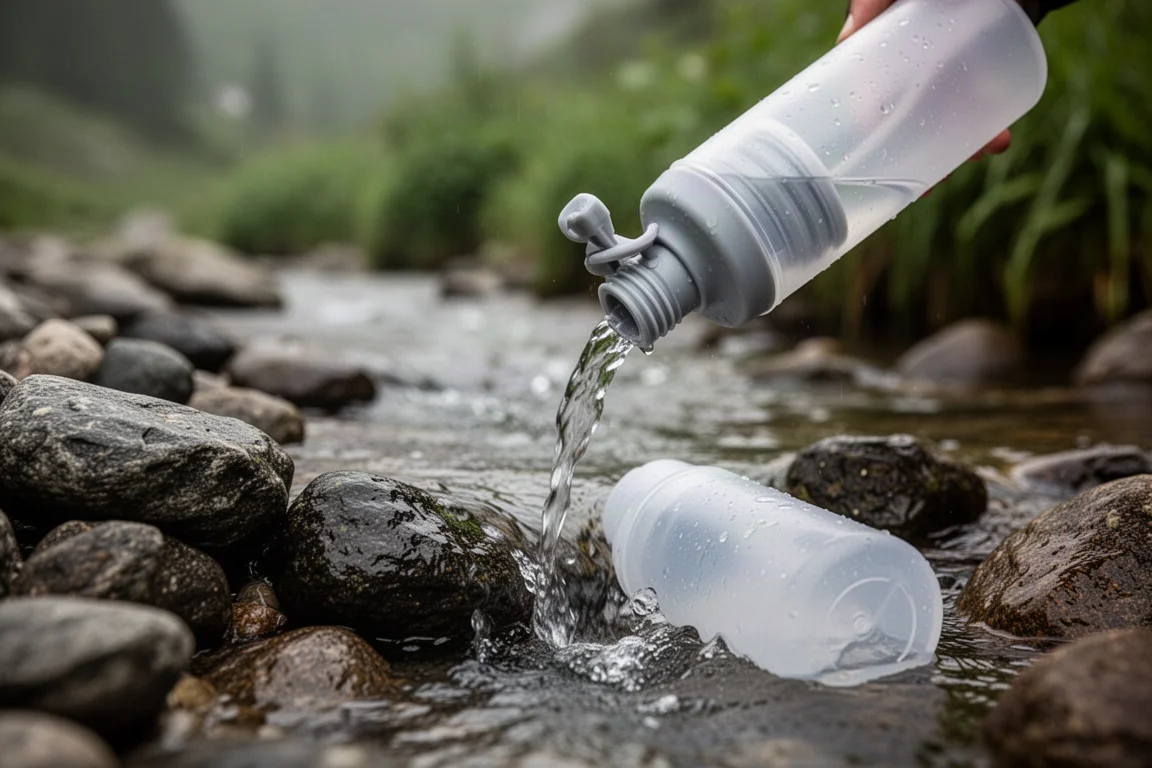
Both filters solve the same problem, so the choice between them comes down to maintenance. The QuickDraw is the one to pick if you would rather spend less time cleaning gear at camp and more time resting.
Borah Gear Silnylon 7x9 Tarp
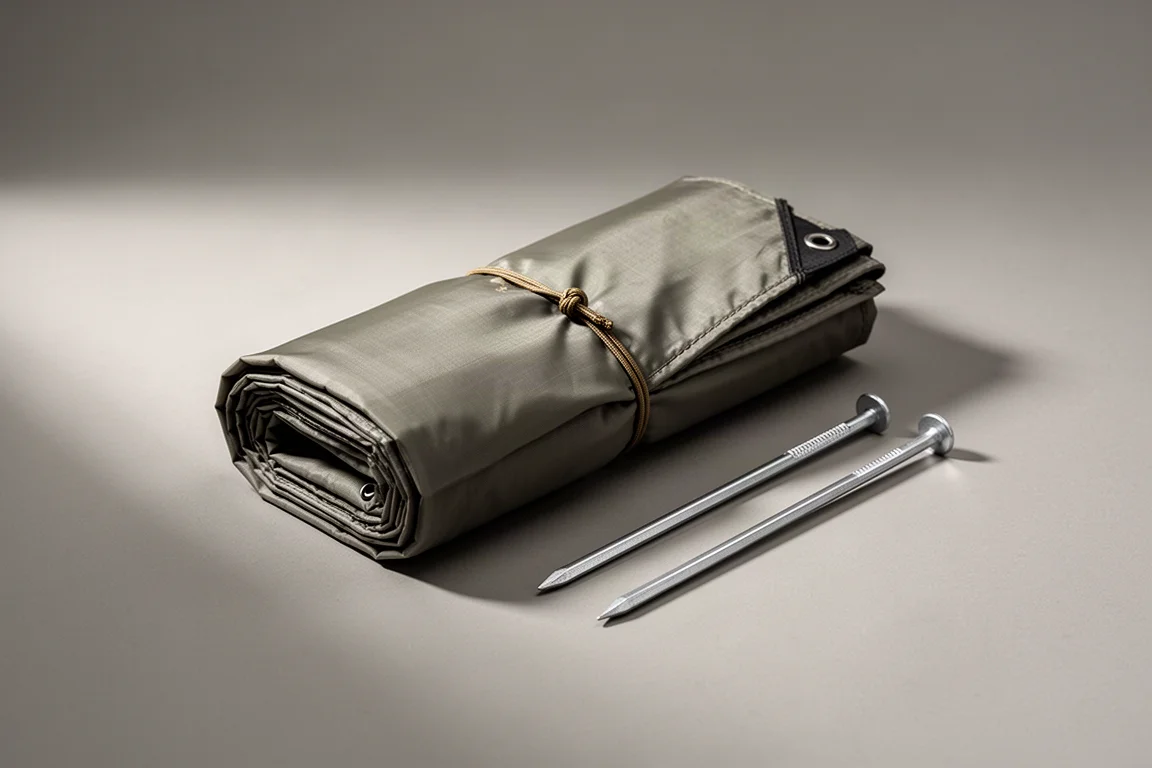
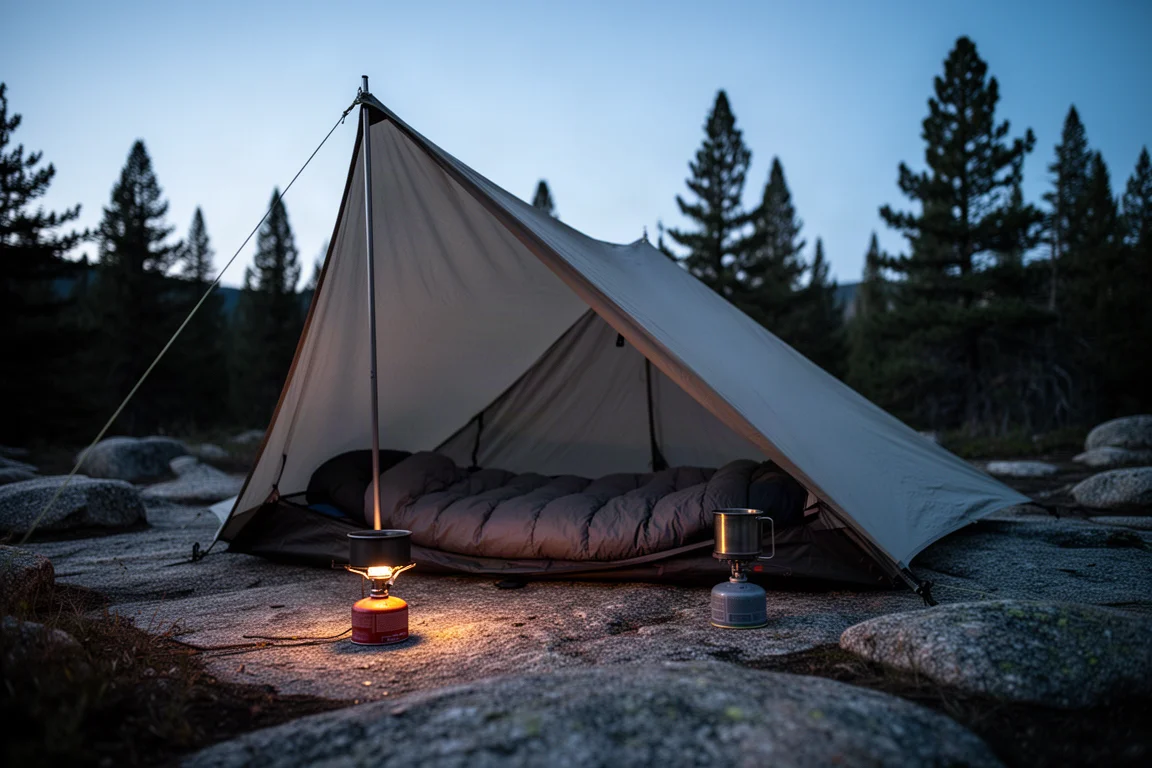
A silnylon tarp is the lightest and cheapest shelter option, and the Borah Gear 7x9 tarp is a good example. It costs about $70 and weighs just 7 oz.
A tarp is not for everyone. It takes more skill to pitch, it offers no bug protection, and it is not the right choice for every trail or every season. For hikers who are comfortable with the learning curve, though, nothing else comes close on weight or price.
Durston Gear X-Mid 1
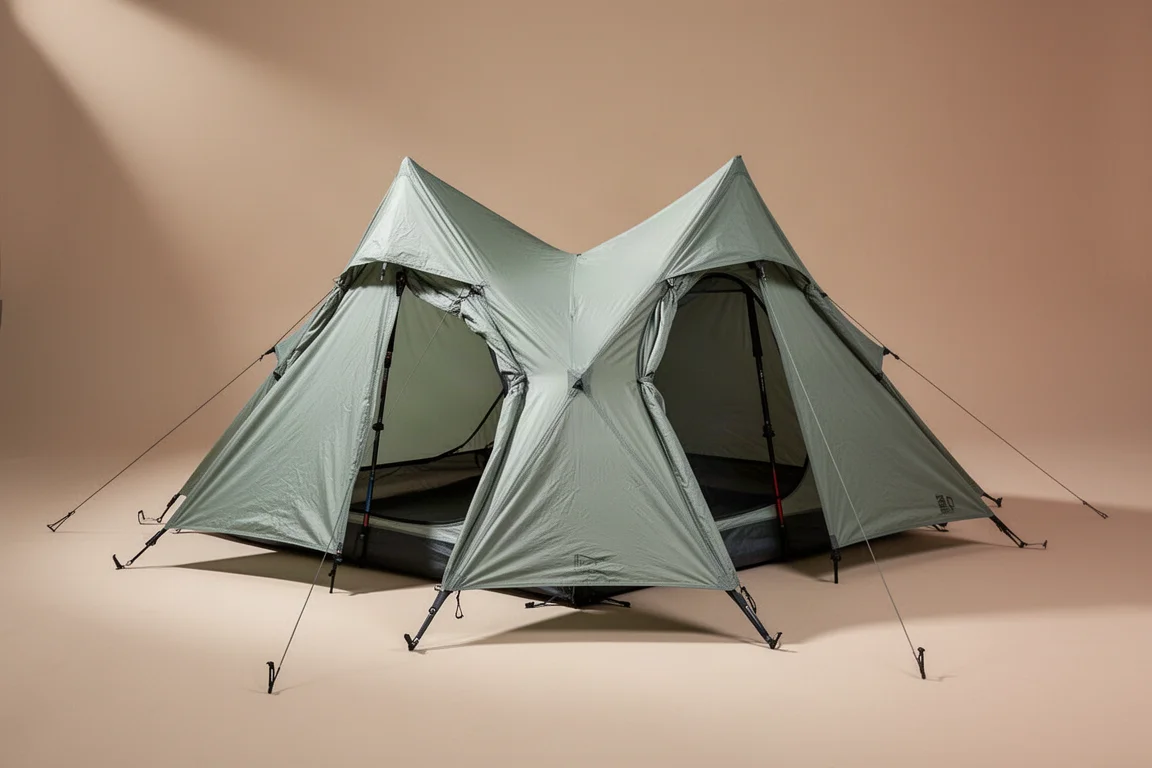
Most people will want a tent instead, and the Durston Gear X-Mid 1 is about as good as it gets without spending far more. It is made from silpoly and costs around $240, which is inexpensive for a top-of-the-line shelter.
It is pitched with trekking poles, which is one reason the pole recommendation above matters. A shelter is also one of the worst places to cut corners. It is the piece of gear standing between you and the weather when you are a long way from help.
Enlightened Equipment Apex Revelation Quilt
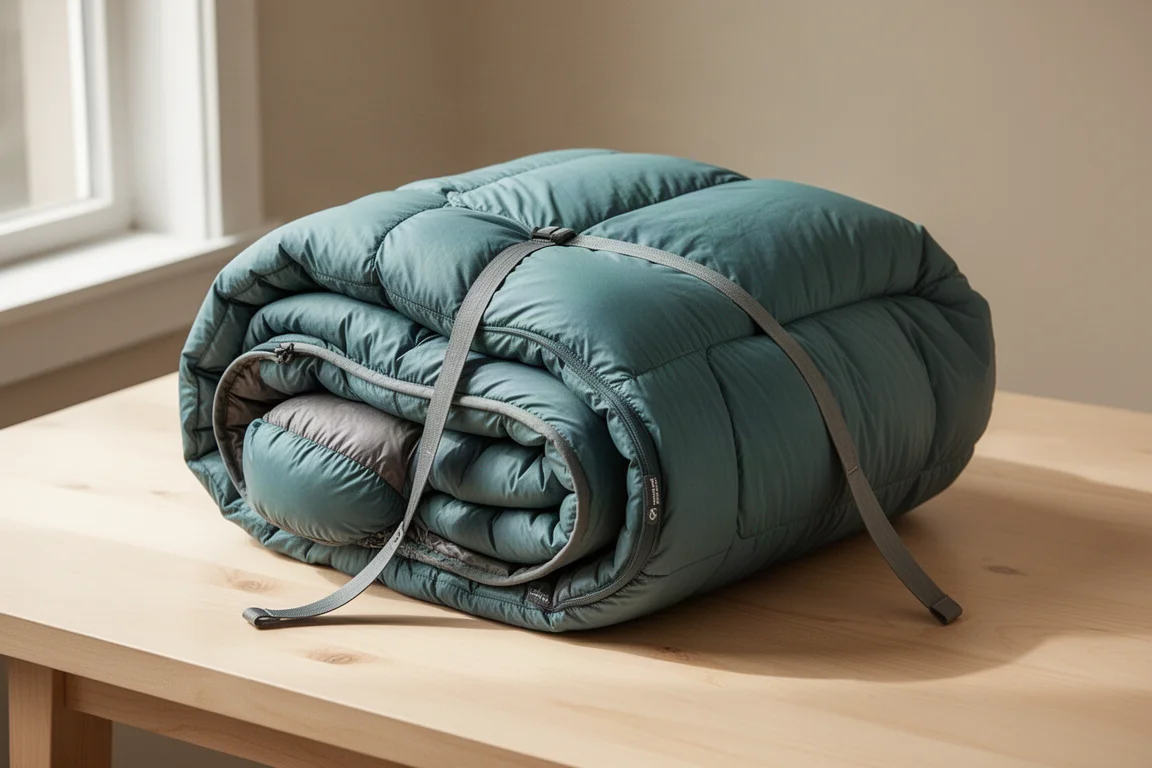
Synthetic insulation makes a quilt significantly cheaper than a down equivalent, and the Enlightened Equipment Apex Revelation is the synthetic quilt to look at. It weighs 25 oz and comes from a brand known for top-of-the-line sleeping insulation.
That brand reputation is the point. A quilt has to keep you warm and safe overnight, and buying from a manufacturer with a long track record is worth more here than saving a little extra money. For budget backpacking, this is the quilt to build a sleep system around.
A foam pad is the budget-friendly match for a quilt like this. Inflatable pads are more comfortable and warmer, but they cost three to five times as much, and a thicker foam pad can be found for around $25.
Nitecore NU25 Headlamp
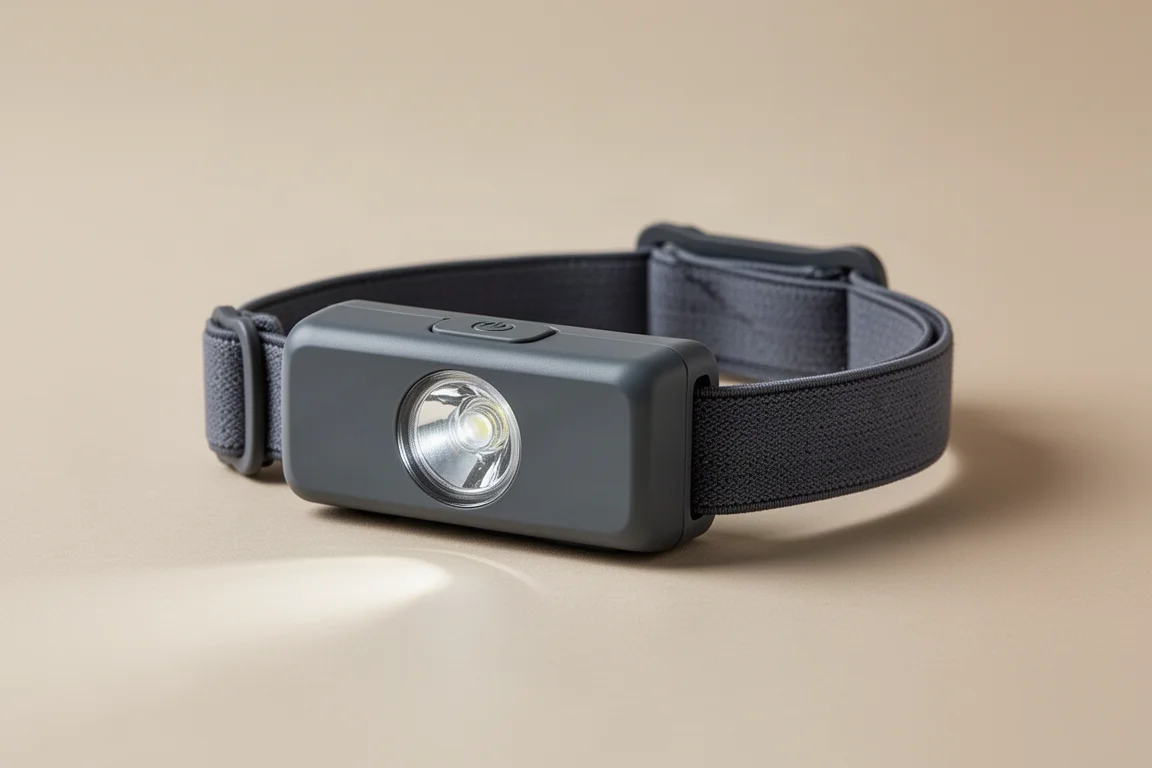
The Nitecore NU25 is a staple in ultralight backpacking and one of the most popular headlamps in that world. It costs about $35 and weighs roughly 1.9 oz.
For hikers who prefer a headlamp over a handheld light, it is hard to beat. It is light enough to disappear into a pack and bright enough for camp chores and night walking.
ULA CDT Backpack
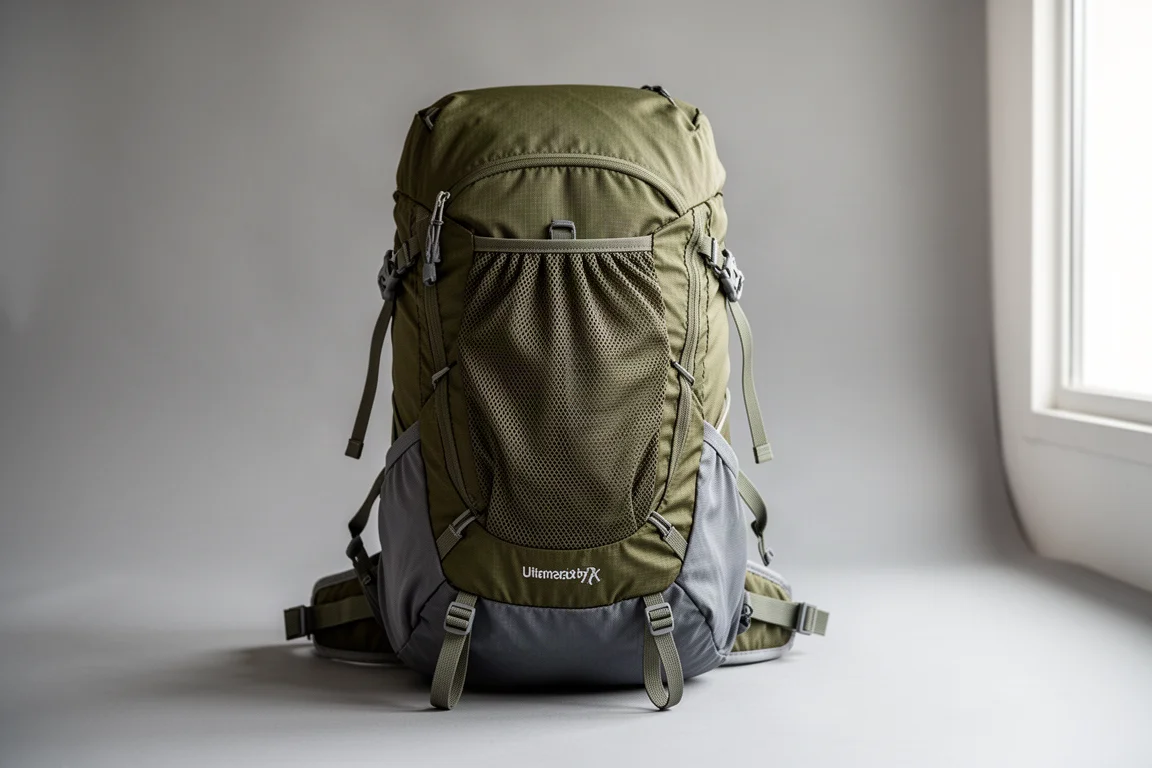
The ULA CDT is one of the nicest packs available and costs around $200. It has a great suspension system and it is built to last a long time.
The broader advice on packs is to shop sales. Discounts of 30 to 50 percent on good backpacks are common, and that is the cheapest route to a quality pack. Granite Gear is another brand worth watching, with dependable packs in the $100 to $200 range.
Overall Buying Advice
Build the kit in the order that protects you first. Shelter, sleep insulation, and water treatment are the categories where a failure has real consequences, so those are the places to spend. Clothing and cookware are easier to replace and easier to improvise, so they are the natural places to save.
Weight and price rarely move together perfectly, so compare both. A $20 jacket at 5.9 oz is a bargain. A cheap item that is heavy usually is not, because you pay for it on every climb.
Finally, buy for the trail you are actually hiking. A tarp makes sense for a confident, experienced hiker on a dry route, and much less sense for someone heading into bug pressure or unpredictable weather. Matching the gear to the conditions is what turns a cheap kit into a good one.
Conclusion
Budget backpacking gear works when it is chosen deliberately. The Frogg Toggs jacket, Cascade Mountain Tech poles, and BRS 3000T stove cover the essentials for very little money, while the Durston X-Mid 1, the Enlightened Equipment quilt, and the ULA CDT backpack are the places where spending a bit more buys real security.
Put together, these picks form a complete kit that can handle a long-distance trail. Start with the categories that keep you warm, dry, and hydrated, then save on everything else.
Further reading
Related Reviews

Backpacking Gear
Building a 10 lb Base Weight: An Ultralight Backpacking Gear List
A practical walkthrough of the ultralight pieces behind a 10 lb base weight, from a 765 g pack and a roomy one-person tent to a full camp chair and a dependable water filter.
Backpacking Gear
A 15-Pound Lightweight Backpacking Gear List for Solo Trips
A beginner-friendly 15-pound backpacking setup built from easy-to-find gear, with notes on what each piece does, how it packs, and where to spend your attention.
Backpacking Gear
8 Ultralight Backpacking Gear Upgrades Worth Carrying
Eight small, affordable backpacking upgrades that solve real trail annoyances, from a pillow that stays put to a fuel valve that rescues leftover canister gas.