Backpacking Gear
Budget Backpacking Gear 2026: A Stove, Pack, Tent, and Sleeping Pad Worth a Look
A field-tested look at four low-cost backpacking items: a $35 canister stove, a feature-rich 60-liter pack, an updated ultralight tent, and a warm three-season sleeping pad.
Introduction
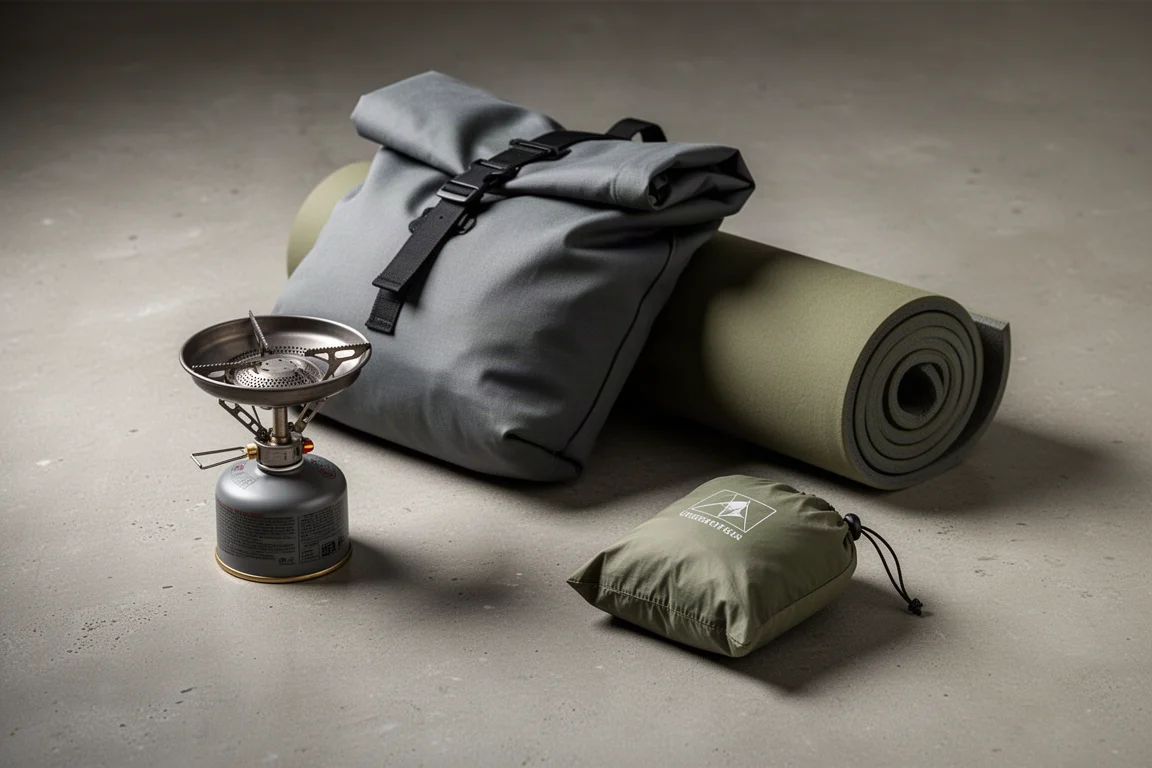
Budget backpacking gear has closed much of the gap with premium kit. The four items covered here were tested on the same overnight trip at roughly 2,200 m elevation, with an overnight low of -3 °C, heavy condensation, and a water source cold enough to make a stove work for its boil. Each one fills a different slot in a pack: the pack itself, the shelter, the stove, and the sleeping pad.
This guide looks at what each item does well, where it compromises, and who is most likely to be happy with it.
What to Look For in Budget Backpacking Gear
Price is the easiest number to compare and the least useful on its own. What matters more is where the savings came from. Sometimes a lower price reflects a simpler feature set that most people will never miss. Other times it reflects a small design decision that only becomes obvious once the gear is under load, wet, or cold.
For packs, the questions are fit, weight transfer to the hip belt, and whether you can reach your water bottles without stopping. For trekking pole tents, it is how the fly behaves in heavy condensation and how much usable space remains inside. For canister stoves, ignition reliability, boil time, and wind protection matter most. For sleeping pads, the useful test is warmth at the temperatures you actually camp in, and how comfort changes as you let air out.
A pattern runs through all four items here. The savings rarely come from outright poor quality. They come from one or two specific compromises that are easy to live with if you know about them in advance.
Naturehike Rock 2.0: A Fully Featured Pack at a Low Price
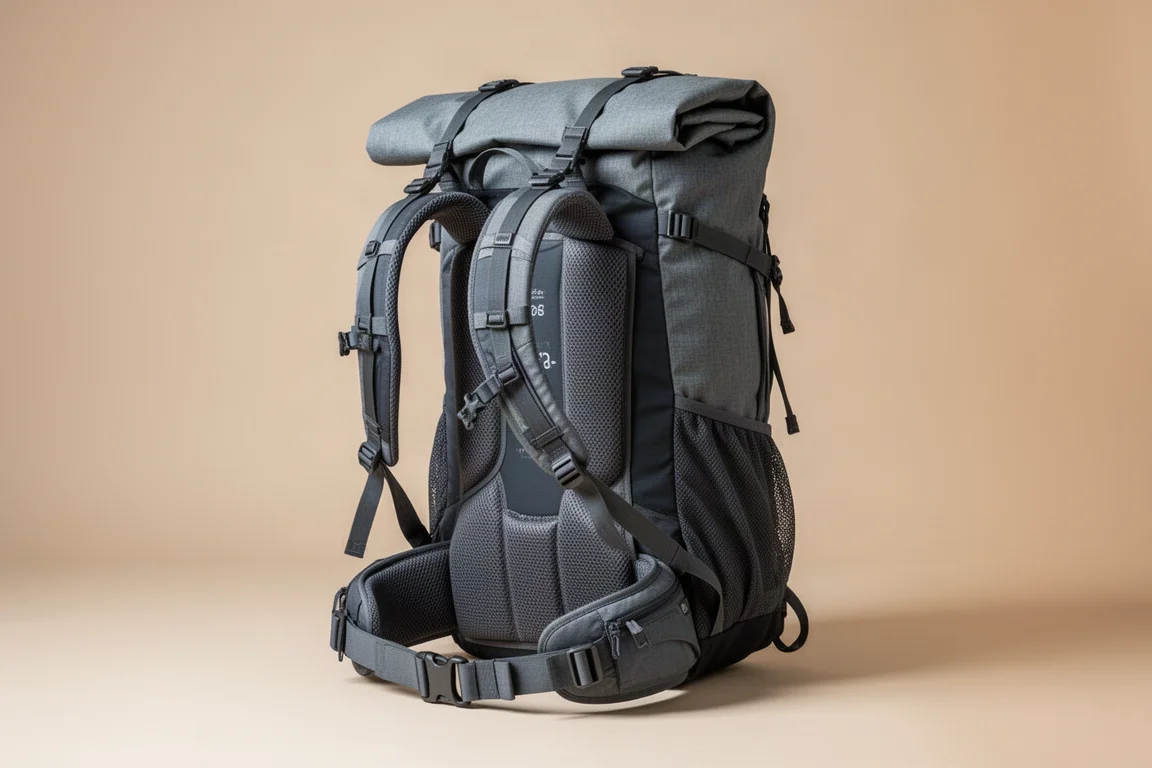
The Rock 2.0 is the second version of a pack that needed work. It keeps the low price at $110 while adding the features that were missing the first time around: a full frame, a proper hip belt, load lifters, and side pockets that you can actually reach while wearing the pack. Reachable side pockets are uncommon at this price, and the hip belt pockets are now generously sized rather than the tiny ones on the previous version.
The closure is a roll top with a flap over it, which is a practical combination, and there is a zippered pocket on the back of the roll top for small items you want to keep secure but do not need during the day.
The tested configuration was the 60-liter version, which weighs 1,200 g. It carried a 30 lb load acceptably but not impressively, and part of that came down to sizing. There is no adjustable torso length. The small/medium was slightly too small and put pressure on the shoulders, while the large was slightly too big and let the shoulder straps ride up. A second issue shows up regardless of fit: there is not enough space between the top of the load lifters and the top of the shoulder straps, which makes it hard to shift weight from the shoulders to the hip belt.
Practically, that puts the comfortable ceiling around 35 lb with a perfect fit and closer to 30 lb without one. Buy it somewhere with easy returns and send it back if the sizing is wrong.
LanShan 1 Pro Tent: Ultralight Updates for 2026
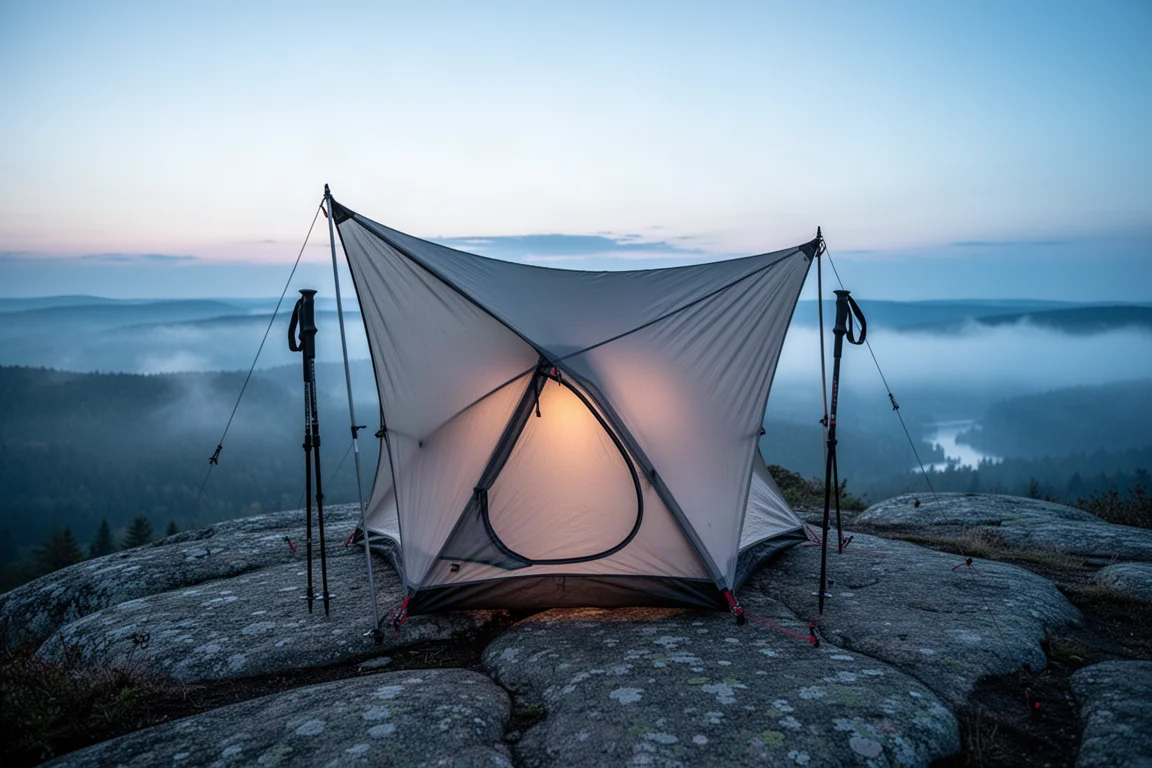
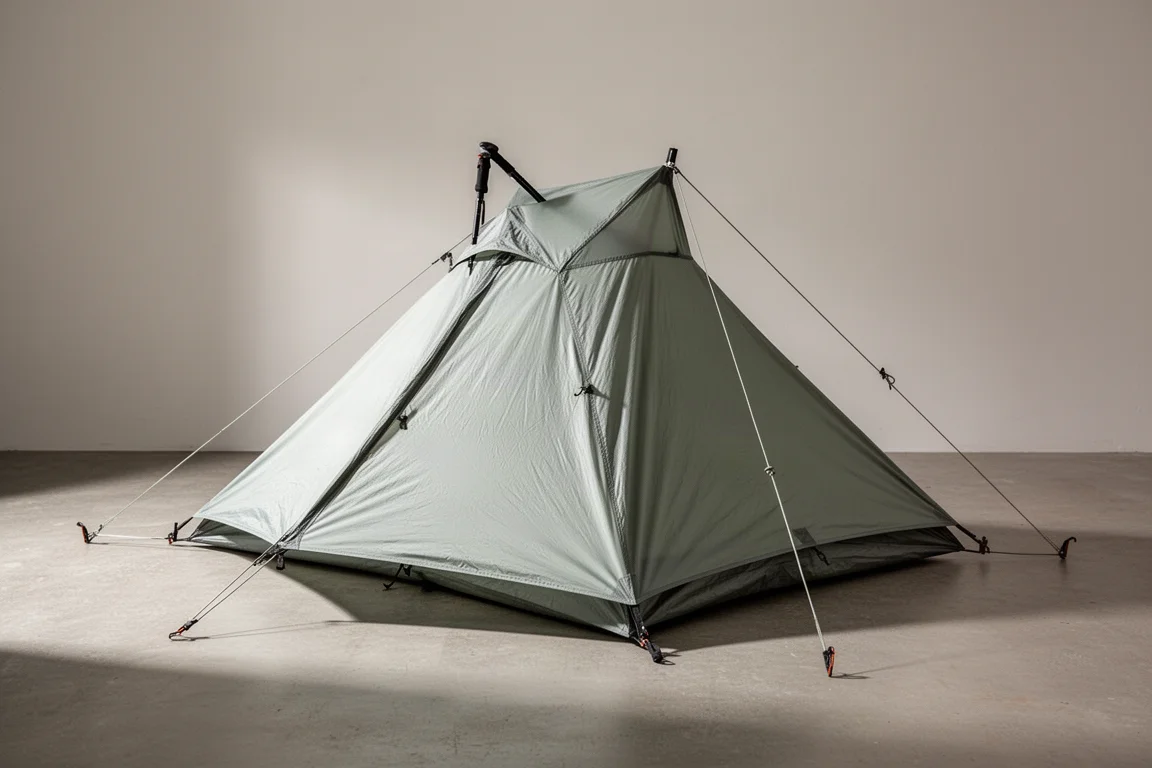
The LanShan 1 Pro is a one-person trekking pole tent that has been updated for 2026. The previous version was a strong value at around $100, and the new model keeps the same lightweight, simple approach while changing several details.
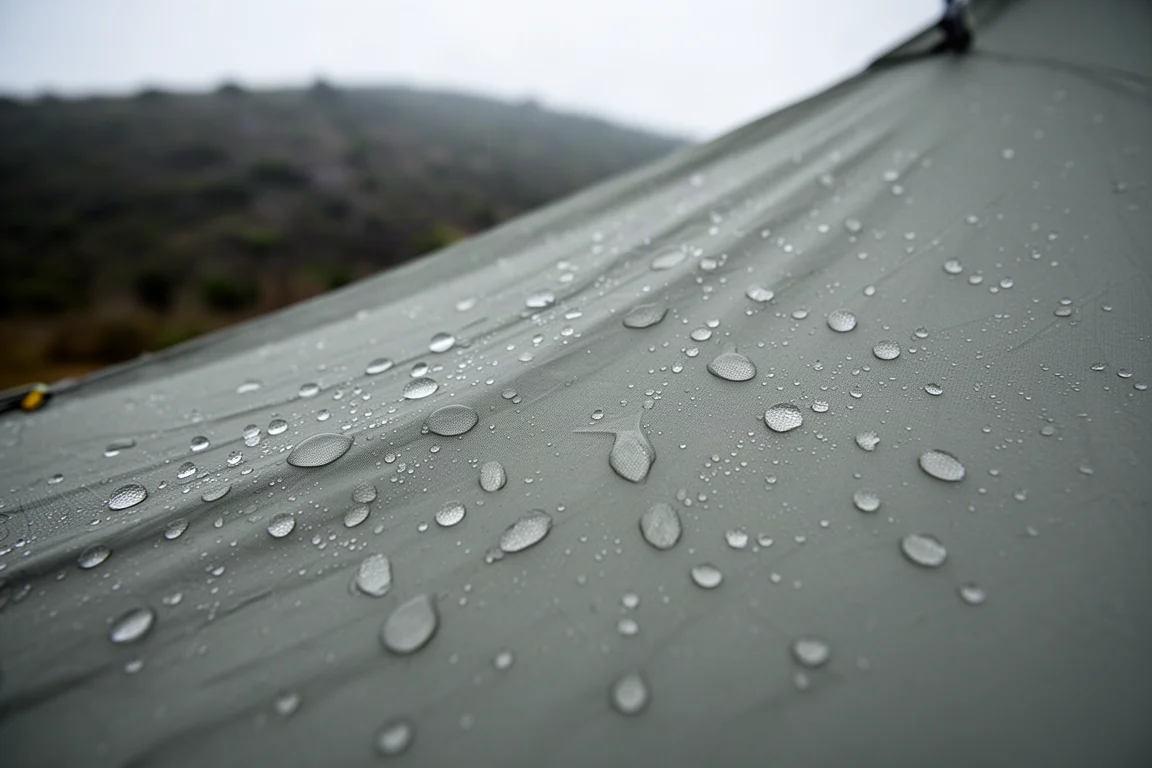
The most significant change is the sil-poly fly. Unlike fabrics that absorb moisture and stretch, sil-poly holds its shape when wet. That matters a great deal on a trekking pole shelter, because sagging fabric pulls the walls inward and into your sleep system. The door has also moved to a T-zip design, so either side can be opened on its own or the whole door can be rolled back. New corner hardware and small interior flaps help keep condensation away from a sleeping bag and add a little wind protection.
The weight is now 671 g, which is a little heavier than ideal for a one-person trekking pole tent, and the price has moved to $130. Part of the added weight comes from thicker guy lines and the new interior details.
The tent is not factory seam sealed, so it needs to be done before the first trip. On this unit the sealer flaked in places after drying, which did not appear to compromise waterproofing but is an annoyance worth planning around.
In the field, conditions were wet without rain. Condensation built up heavily on both the inside and the outside of the fly, and the sil-poly absorbed none of it. The tent stayed taut, which meant the full interior volume stayed usable and nothing sagged into the sleeping area.
Interior space has not grown. At 5 ft 10 in with a thick 4-inch pad and a warm quilt, feet clear the far end and there is reasonable space around the head. Anyone over 6 ft with bulky gear will likely touch the walls. The optional side guy outs pull the head and foot ends outward to buy back a little room.
Camping Moon XD2F: A WindMaster-Style Stove for Less
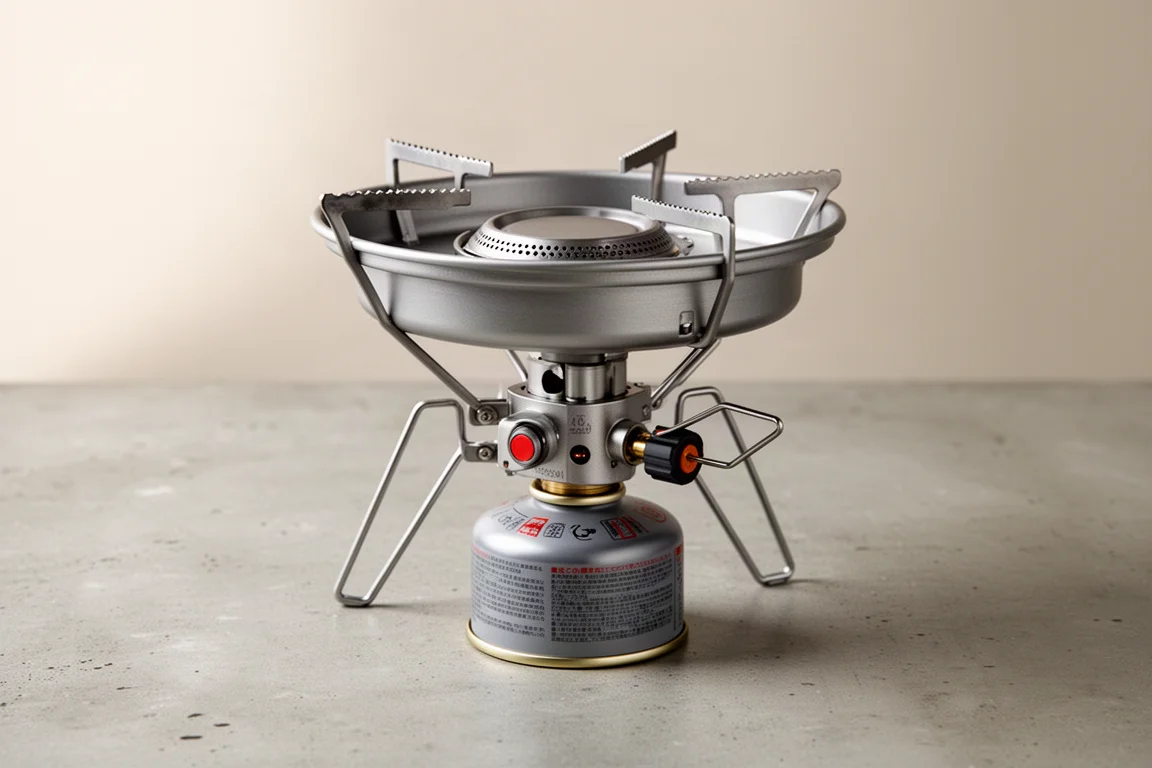
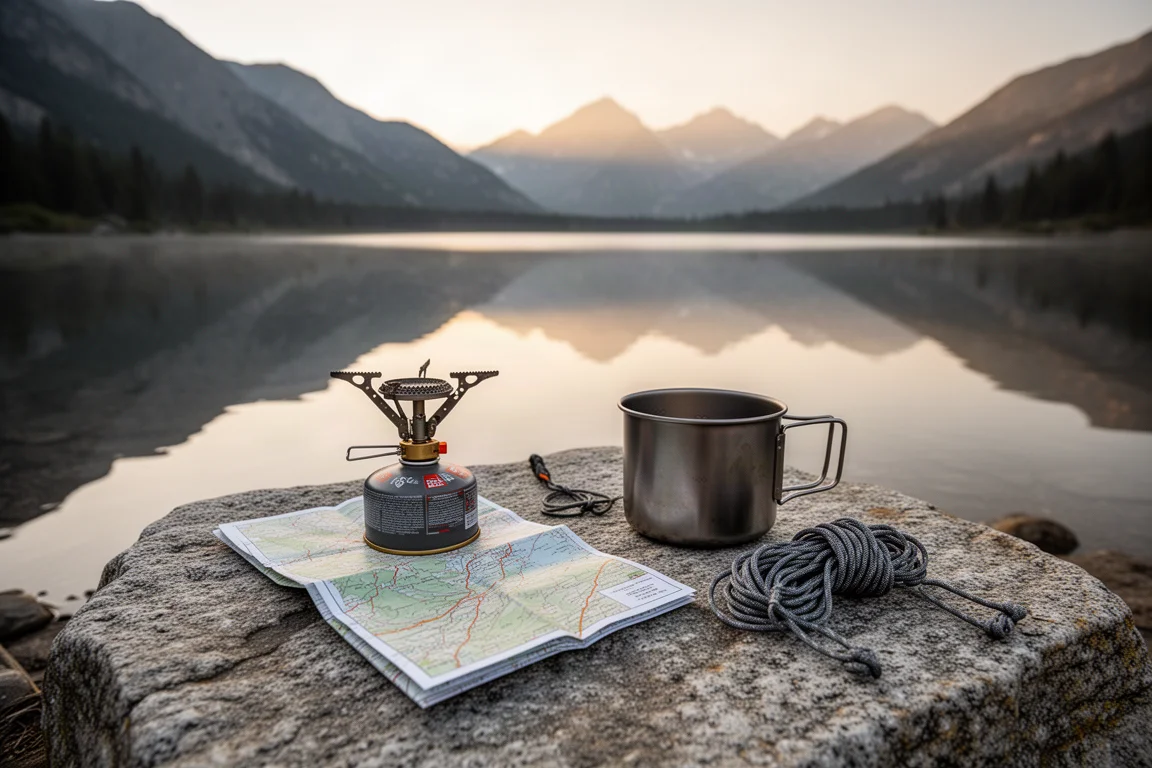
The XD2F is a $35 canister stove that closely follows the layout of a popular premium model selling for around $70. It is regulated, uses a wide burner with a raised lip to shield the flame from wind, and includes a removable four-arm pot support. The four-arm system is fiddly to stow, but it provides good stability once a pot is on.
Build quality was the first question, since halving the price of a very similar looking product usually means something has to give. In this case the stove is essentially all metal and feels solid in the hand, and the wind-blocking lip looks effective.
The piezo igniter was the second question, since a cheap igniter is one of the usual places to cut costs. It fired on all 20 attempts, a strong result at this price.
The boil test is where the compromise shows. At roughly 2,200 m elevation with near-freezing water, 500 ml reached a boil in about 3 minutes 20 seconds. The premium comparison managed the same volume in roughly 2 minutes, though that test was run at around 1,000 m. The XD2F is also noticeably louder in use, which may point to a different regulator inside. Fuel consumption may be slightly lower over the long term, though the difference is unlikely to be dramatic, and a 500 ml boil uses only around 10 g of fuel in the worst case.
For many backpackers, the extra 30 seconds or so is a fair trade for half the price, especially with a reliable igniter and a burner that handles wind.
Paria Elevate Sleeping Pad: Warmth and Comfort on a Budget
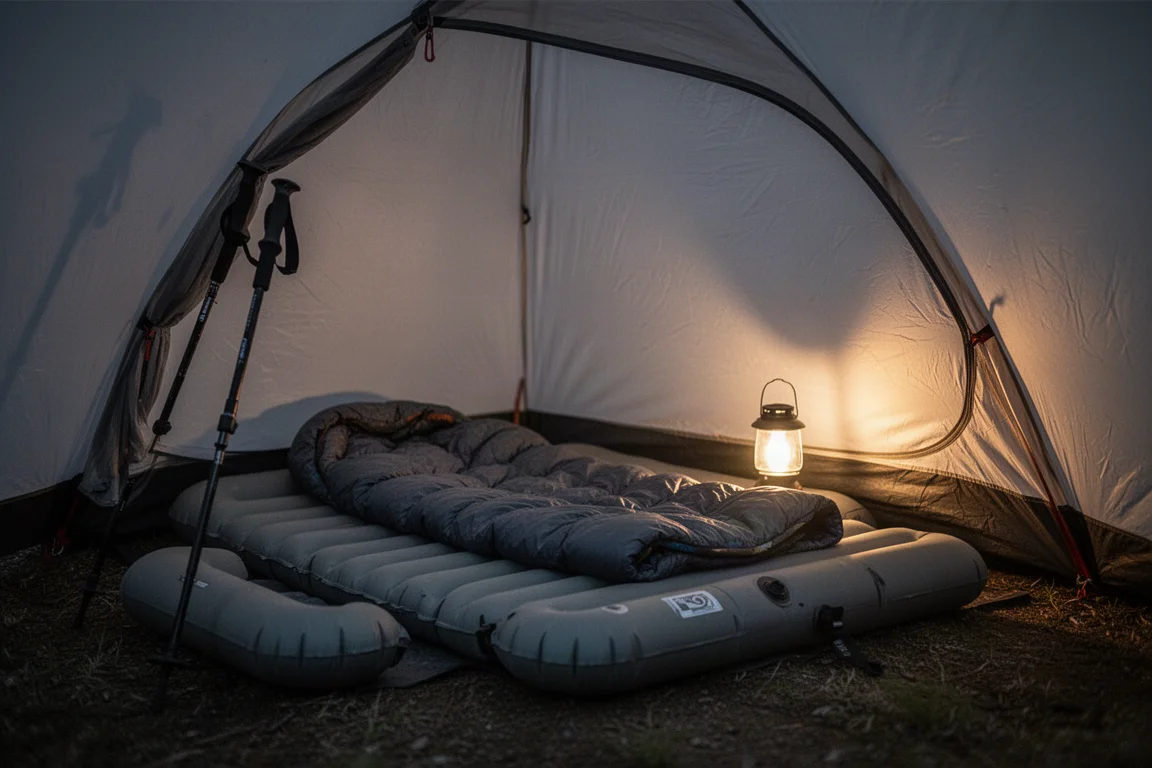
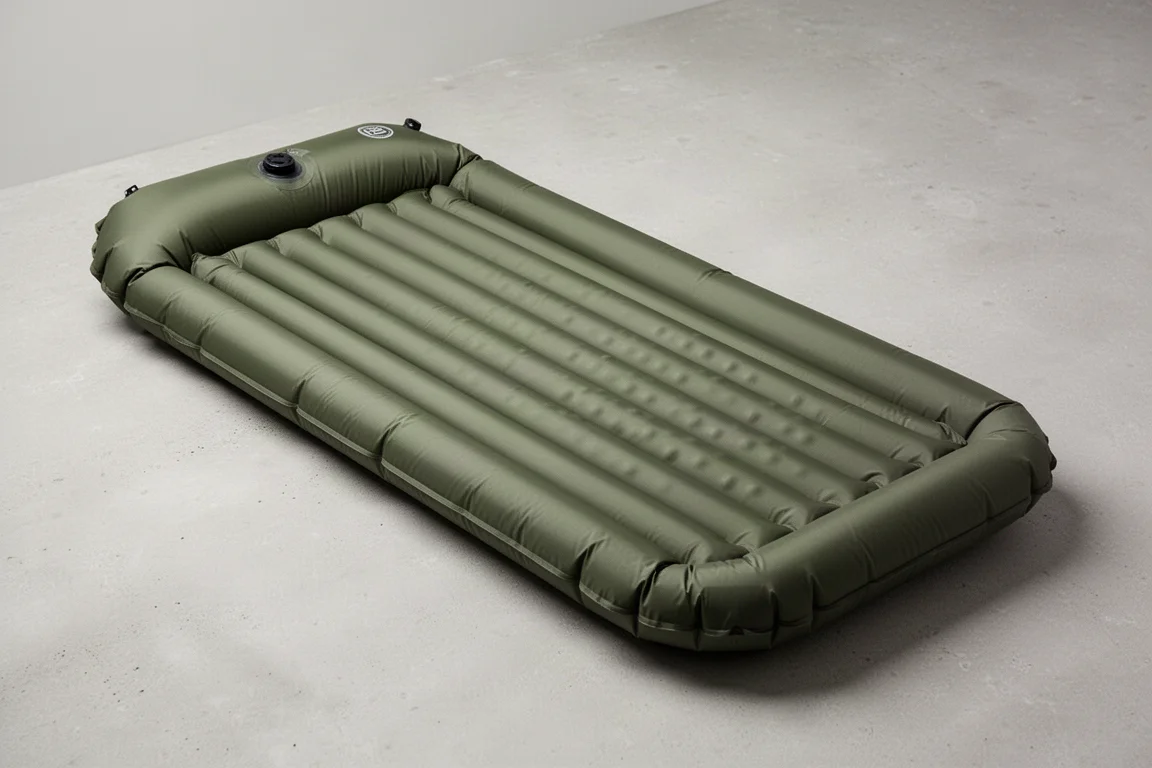
The Elevate uses the vertical, slightly dimpled baffle pattern that has become common on lightweight pads, along with raised outer tubes that help centre you on the pad and add stability. The valve sits on top, which is the most convenient placement for adjusting pressure while lying down.
The headline number is the R-value of 5.7, which puts it firmly in three-season territory. On a night that dropped to -3 °C, it slept warm, arguably warmer than needed. Based on the design and the measured temperatures, it should sleep warmer than the similarly shaped pad it most resembles.
Comfort required some tuning. Starting out quite firm, the pad was comfortable but not ideal. Letting air out through the top valve turned that into a very comfortable night, and warmth held up even with a fair amount of air released, despite the expected drop in insulating value. The trade-off is stability: once deflated, the Elevate did not feel quite as planted as the comparable pad it resembles. Weight sits between the two similar pads, lighter than one and slightly heavier than the other.
For anyone comparing this pad against other lightweight options in the same shape, the Elevate is a warm, comfortable choice that rewards a few minutes spent finding the right pressure.
Fit, Warmth, and Other Real-World Trade-Offs
The clearest lesson across these four items is that fit and sizing deserve as much attention as specifications. The Rock 2.0 is a genuinely well-equipped pack for the money, but with no adjustable torso it only performs at its best for people who land squarely in one of its sizes. Buying from a retailer with a straightforward return policy removes most of that risk.
Seam sealing is the one task that cannot be avoided with the LanShan 1 Pro. It is a normal step for this class of tent, and it is worth doing carefully and allowing plenty of drying time.
Condensation is the other shelter consideration. The sil-poly fly keeps the tent from sagging and the interior flaps help, but the floor plan is compact, so taller users should plan on using the side guy outs.
On the stove side, the compromise is measurable but small in practice. A longer boil time is rarely the difference between a good trip and a bad one, and wind protection plus reliable ignition are the features that matter more often.
For the pad, the biggest variable is air pressure. The difference between a firm pad and a properly dialled-in one was the difference between an acceptable night and a very good one.
Overall Buying Advice
If the goal is to build a capable kit without spending premium money, all four items are worth considering, but they suit different priorities.
The Camping Moon XD2F makes the most sense for anyone who wants a wind-resistant canister stove and is willing to accept a slightly longer boil time. At $35, the savings are large and the functional cost is small.
The LanShan 1 Pro at $130 is a strong option for backpackers who already use trekking poles and want a light shelter. Budget time for seam sealing and check the interior dimensions against your height before committing.
The Naturehike Rock 2.0 at $110 delivers an unusual feature set for the price, provided you can get a good fit. Keep total load under roughly 30 to 35 lb and it should behave well.
The Paria Elevate Sleeping Pad is the simplest recommendation of the group. An R-value of 5.7 and a comfortable night at -3 °C make it a sensible three-season pad, as long as you are willing to fine-tune the pressure and accept slightly less stability when it is heavily deflated.
Conclusion
None of these four items asks you to give up much. The pack gives up some weight transfer and sizing flexibility, the tent gives up a little weight and adds a seam-sealing chore, the stove gives up some speed, and the pad gives up a bit of stability when deflated. In exchange, each one costs a fraction of the premium alternative it competes with, and each one performed well enough in real overnight conditions to justify a place in a budget kit.
Further reading
Related Reviews

Backpacking Gear
Building a 10 lb Base Weight: An Ultralight Backpacking Gear List
A practical walkthrough of the ultralight pieces behind a 10 lb base weight, from a 765 g pack and a roomy one-person tent to a full camp chair and a dependable water filter.
Backpacking Gear
A 15-Pound Lightweight Backpacking Gear List for Solo Trips
A beginner-friendly 15-pound backpacking setup built from easy-to-find gear, with notes on what each piece does, how it packs, and where to spend your attention.
Backpacking Gear
8 Ultralight Backpacking Gear Upgrades Worth Carrying
Eight small, affordable backpacking upgrades that solve real trail annoyances, from a pillow that stays put to a fuel valve that rescues leftover canister gas.