Backpacking Gear
Budget Backpacking Essentials: 5 Affordable Finds Worth Knowing
Five low-cost backpacking items, from a three-person tent to a down sleeping bag, with honest notes on weight, build quality, and what each one is actually good for.
Introduction
Budget backpacking gear has a reputation problem, and it is not entirely undeserved. Cheap gear can be heavy, fragile, or simply not built for the conditions a real trail throws at you. But it can also surprise you, especially when a manufacturer gets the fundamentals right and skips the expensive finishing touches.
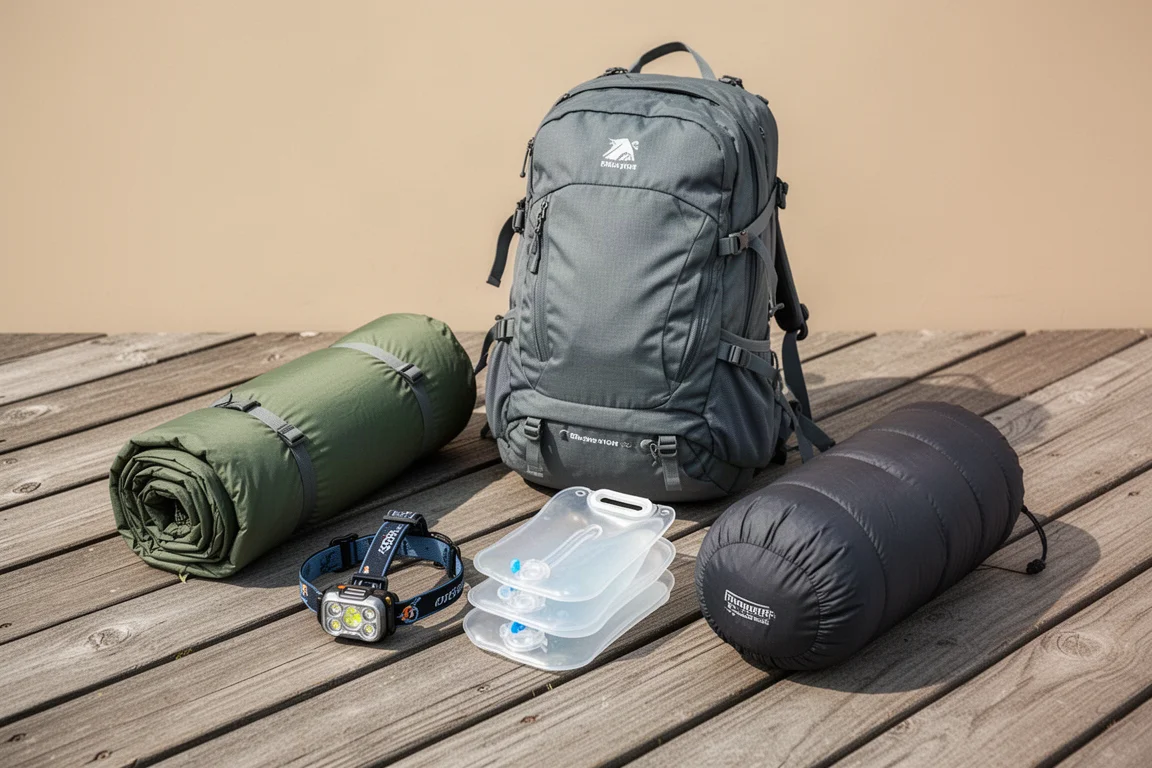
This roundup looks at five backpacking essentials that arrived packed inside a 65-litre pack: a three-person tent, a large-volume backpack, a rechargeable headlamp, a set of water bladders, and a down sleeping bag. Each item was unpacked, handled, weighed, and judged on how it would behave on an actual trip before its price was revealed. The results were mixed in the most useful way: a few genuine bargains, and a few items best left on the shelf.
How These Budget Backpacking Essentials Were Chosen
Every item here had to earn its place through the same lens a backpacker uses at the trailhead. Weight matters, because grams add up over long days. Packability matters, because gear that does not compress or nest wastes space. Durability matters most of all, since a failure three days from a road is far more expensive than a few dollars saved at checkout.
The evaluation also focused on design intent. A three-person tent is judged differently from a one-person shelter, and a car-camping cook set is judged differently from a stove kit. The question for each product was simple: does it do the job it claims to do, and does the price change what you can reasonably expect from it? Weights were measured on a scale rather than taken on trust, and every price noted below reflects what the item actually sells for, not what it looks like it should cost.
Parah ESO 3P Tent: The Standout Value
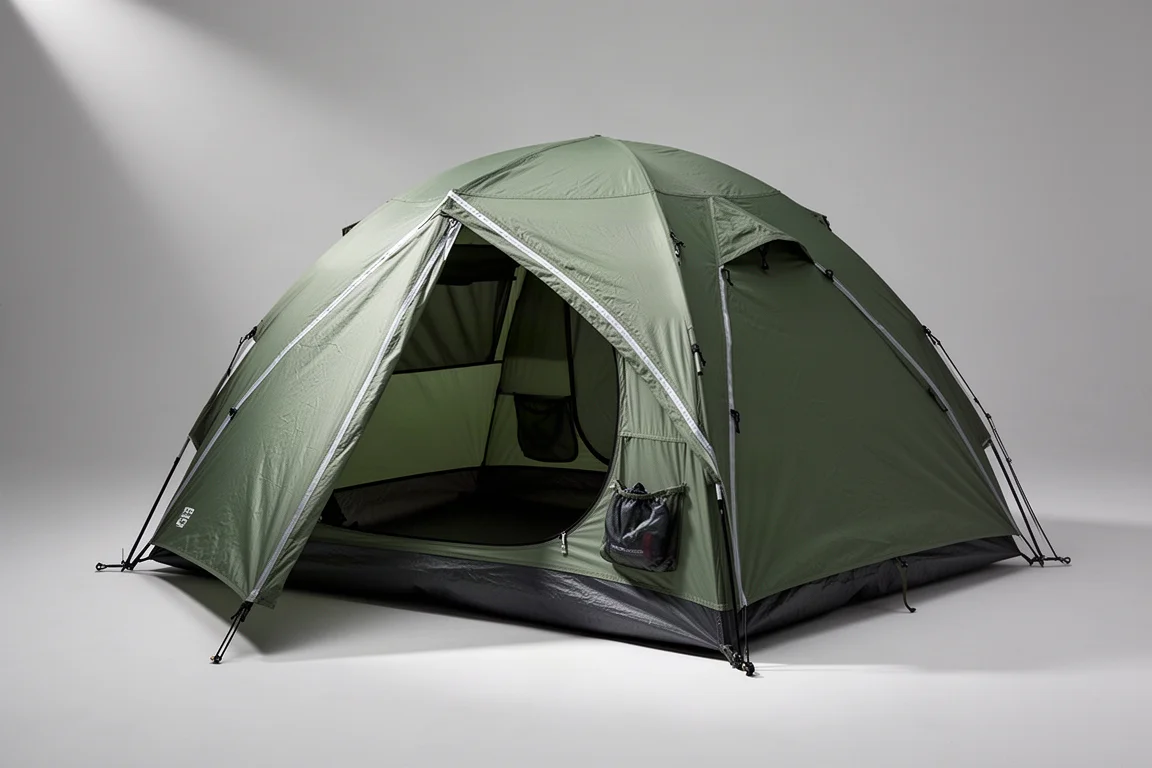
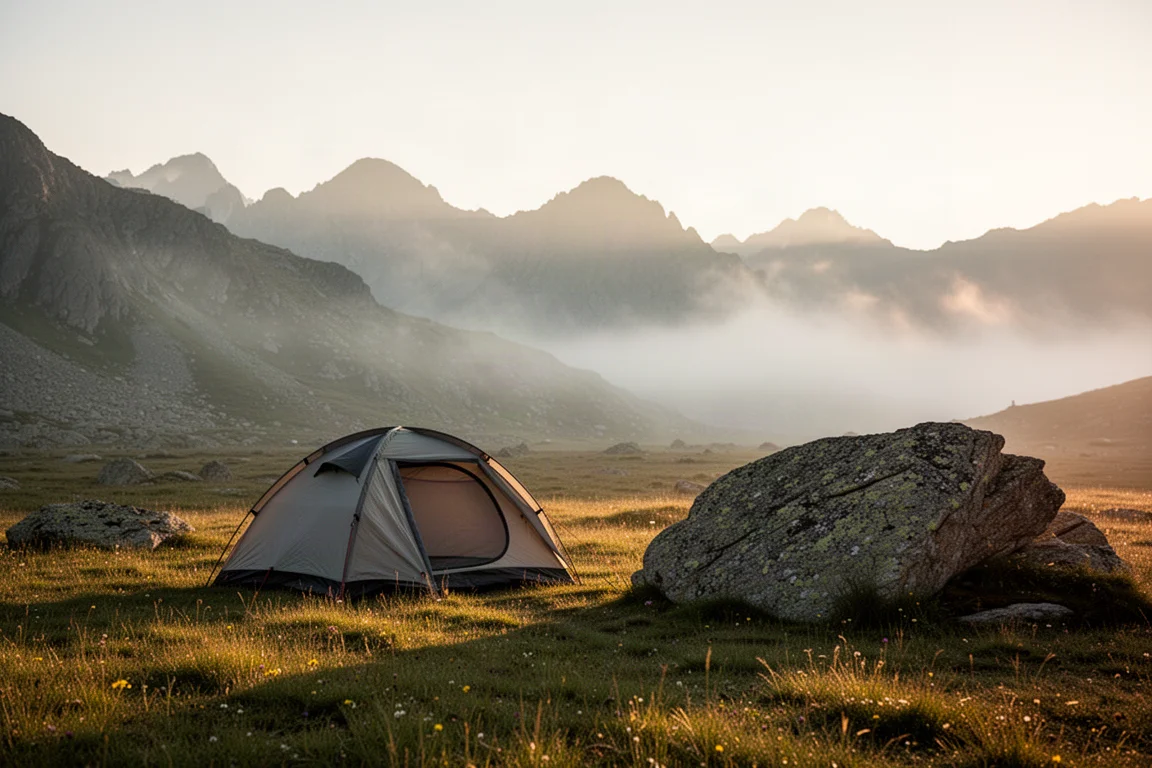
The Parah ESO 3P is a freestanding three-person tent with a full rainfly, and it is the item that most clearly outperforms its price. The package includes 12 stakes, which are noticeably heavy, and a set of shock-corded poles. There is no ground sheet, and the poles travel separately from the main bag, so the tent body alone packs smaller than the full setup suggests.
Pitched correctly, the tent is genuinely spacious, with enough floor area that four adults could squeeze in at a push. The fly is seam taped, there are gear pockets on the interior walls, and ventilation panels are present if not generous. The brow pole connects to the inner tent rather than the fly, which is easy to miss on a first attempt. The single door zipper is the clearest cost saving: a second zipper on the upper panel would allow far better airflow on warm nights.
Two details stand out for the money. The shock-corded poles give the structure useful flex in wind, and the overall architecture borrows heavily from much more expensive freestanding designs. The main caveats are the short door opening, which makes entry and exit awkward, and long-term weather performance that remains unproven. At $69.29, this is the item in the group that most convincingly earns a place in a beginner’s kit.
Zen Gong Backpack: A Pack That Needs a Frame
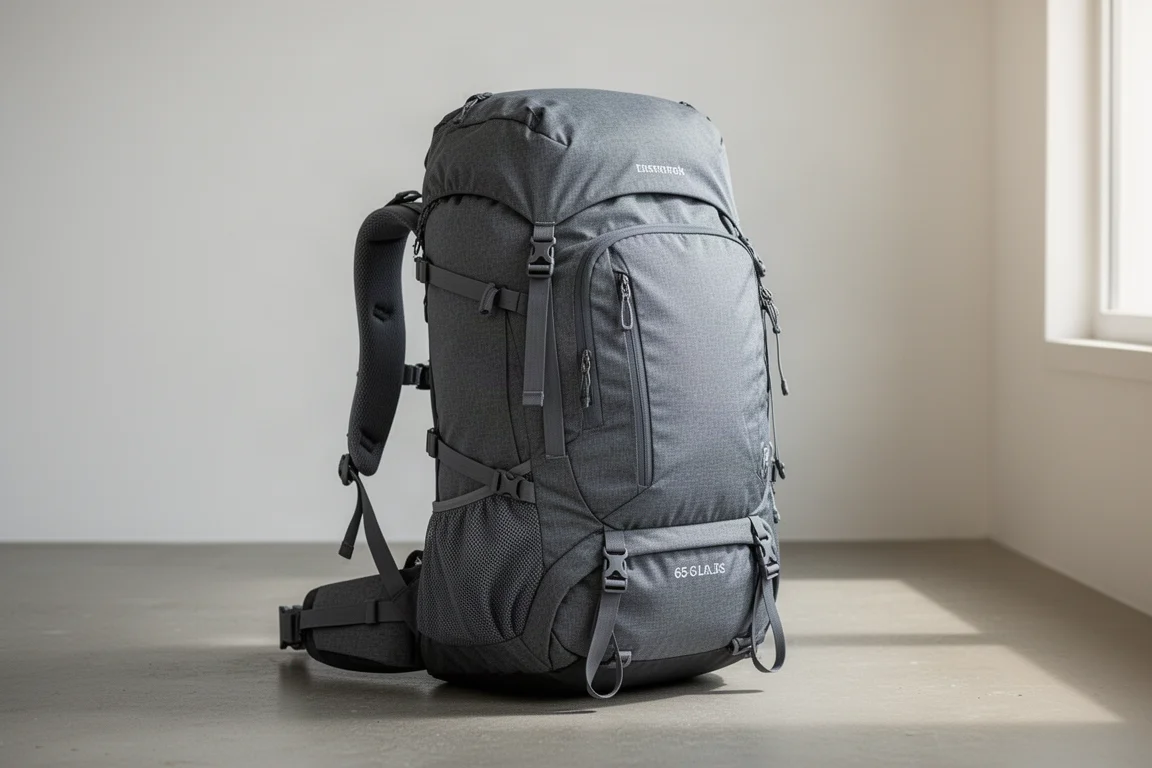
A 65-litre pack plus 5 litres of external pocket space sounds like a lot of capacity for the money, and it is. The problem is what is missing. There is no internal frame. Load-bearing straps and a hip belt are present, but without a frame to transfer load onto the hips, a fully packed bag pulls straight down through the shoulders, and that becomes painful quickly.
The Zen Gong does include a water bottle pouch, a dedicated sleeping bag compartment, and compression straps at the base, and the fabric and stitching look acceptable for light use. There is no rain cover in the box. At $28.01 it is undeniably cheap, but cheap is the wrong metric for the one item that carries everything you depend on.
For day walks, a spare bag for car camping, or a pack to keep in the boot of a car, it could work. For an actual backpacking trip with 12 to 15 kilograms aboard, it is not a pack to trust.
LED Headlight Headlamp: Light, Cheap, and Limited
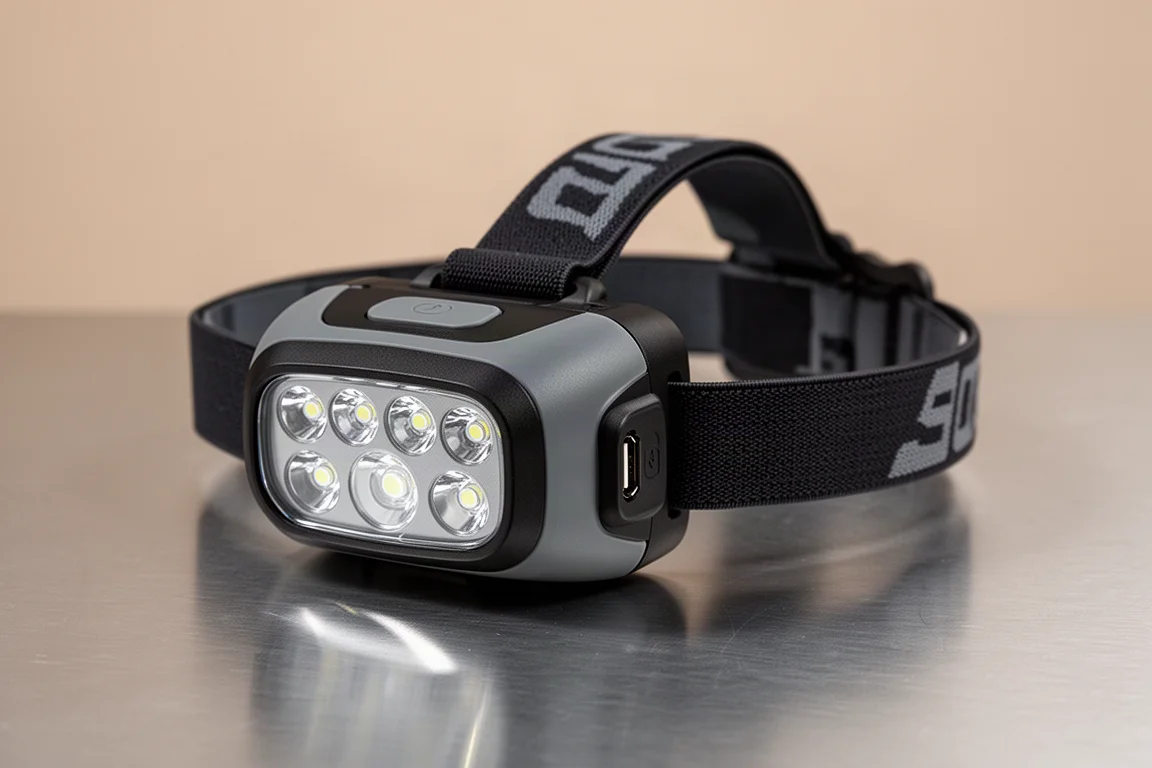
The branding on this one is refreshingly literal. It is a headlamp, it uses LEDs, and that is roughly where the specification ends. There are five LEDs, four modes including a strobe, and USB charging through an integrated port. Claimed output and runtime are not stated anywhere on the packaging.
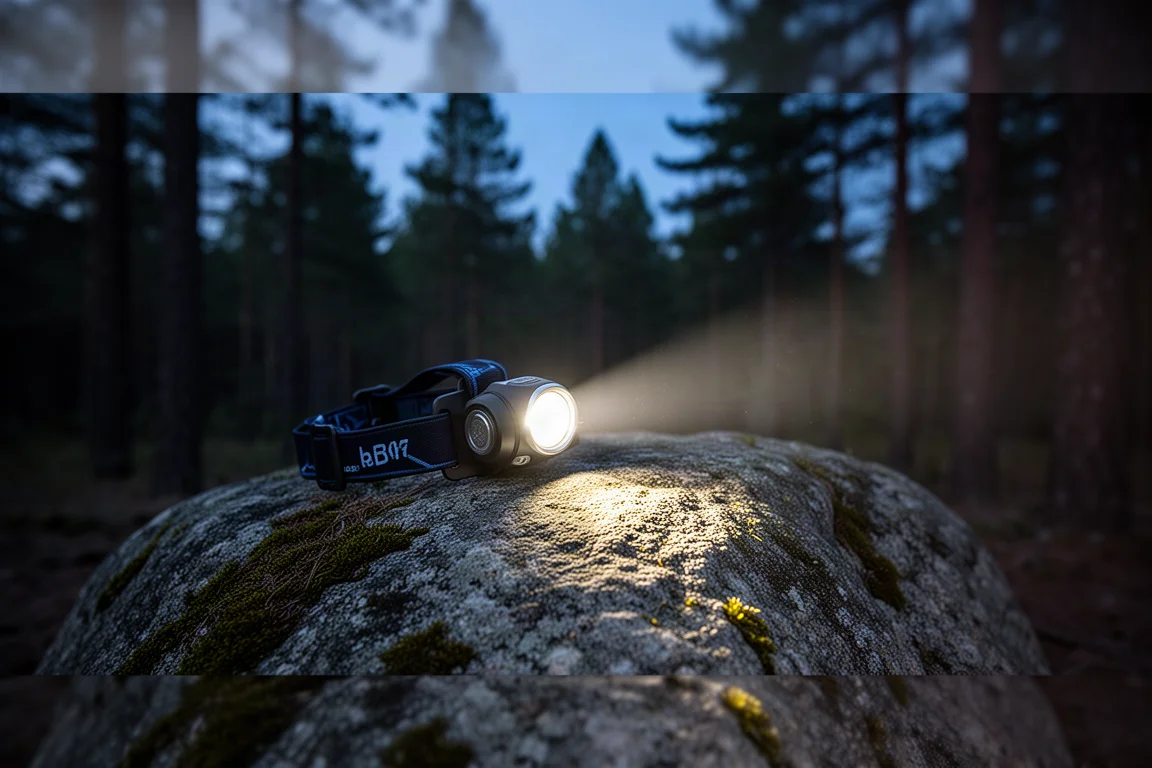
At 2.78 ounces it is light for its size, which is both a plus and a warning sign. A housing this large with so little mass inside usually points to a small battery and minimal heat management. There is no red light mode, which rules it out for camp use where preserving night vision matters, and the absence of a stated lumen figure makes it hard to compare against anything else. At $6.58 it is the kind of light worth keeping in a glovebox or handing to a child for a backyard campout. As a primary trail headlamp, the lack of published performance data is the real problem.
Dunke Water Bladders: Hard to Fill, Hard to Recommend
The Dunke set includes four bladders of roughly one litre each, and each one weighs about three-quarters of an ounce empty. That is genuinely light, and the soft-sided design rolls down small when it is not in use.
The issue is filling them. The openings are narrow and the film is floppy, so getting water from a stream or a shallow pool into the bladder without spilling most of it becomes a two-handed struggle. The seams and closures look adequate for clean water carried from a tap, but they are not built for the repeated squeezing and rough handling that gravity filtration demands.
At $19.87 for four, that works out to roughly five dollars per bladder, which is a lot for a bag that is difficult to fill and offers no filtration of its own. For hauling water from a campsite tap, fine. For backcountry water treatment, look elsewhere.

Geyser 400 Down Sleeping Bag: A Fair-Weather Bargain
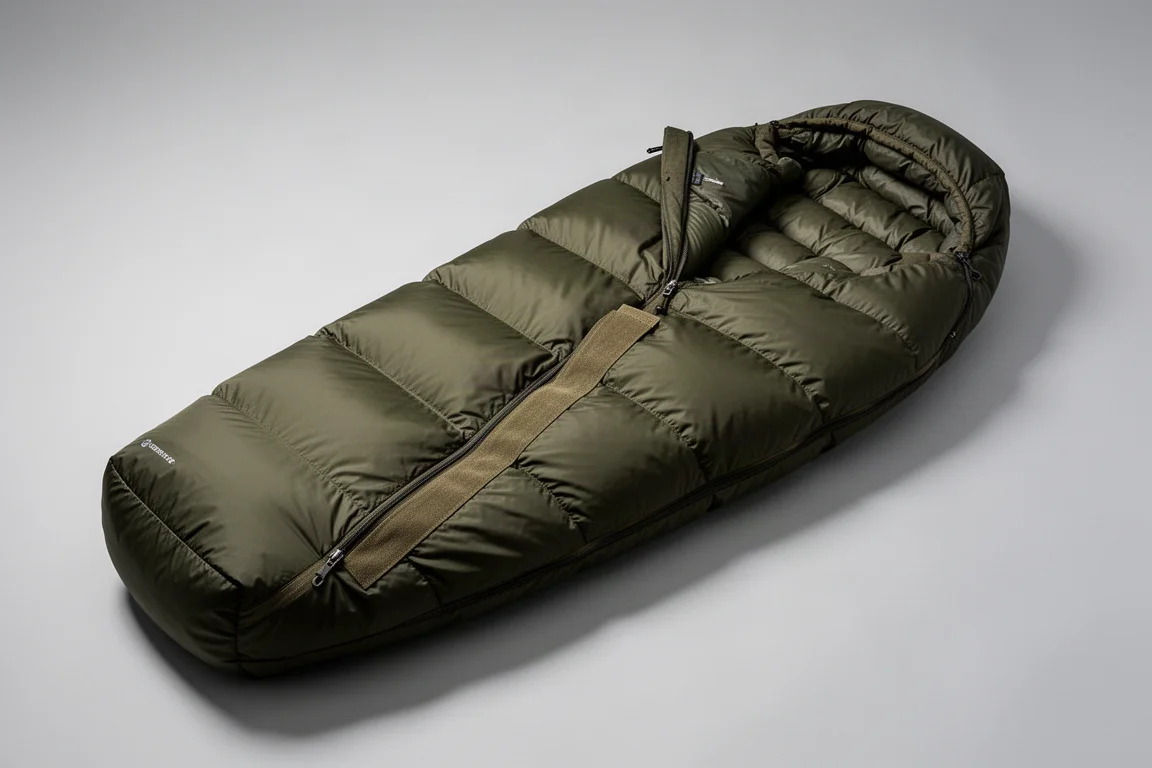
The Geyser 400 is a mummy-style down bag with a hood, a nylon shell described as water repellent, and a stated 600 fill power. There is no temperature rating printed on the bag or its packaging, which is the single biggest omission here. Fill power describes how large the down plumes are: higher numbers mean less down is needed to reach a given loft, and lower numbers generally indicate a less expensive grade of down. On its own, it says nothing about how warm the finished bag will be.
What the bag does have is a comfortable hand feel, a fabric flap behind the zipper to stop it catching, and a measured weight of 1 pound 10.5 ounces including tags. The shoulders are slightly narrow, a common way to save material. The zipper is the weak point: it is thin, and it can be pulled off its track if you yank it. Treated gently, it holds up. Realistically this is a summer bag, or a late spring and early autumn bag for warm sleepers. At $69.30 for a genuine down bag, that is a fair price for the category as long as you match it to mild conditions.
What Else Came in the Pack
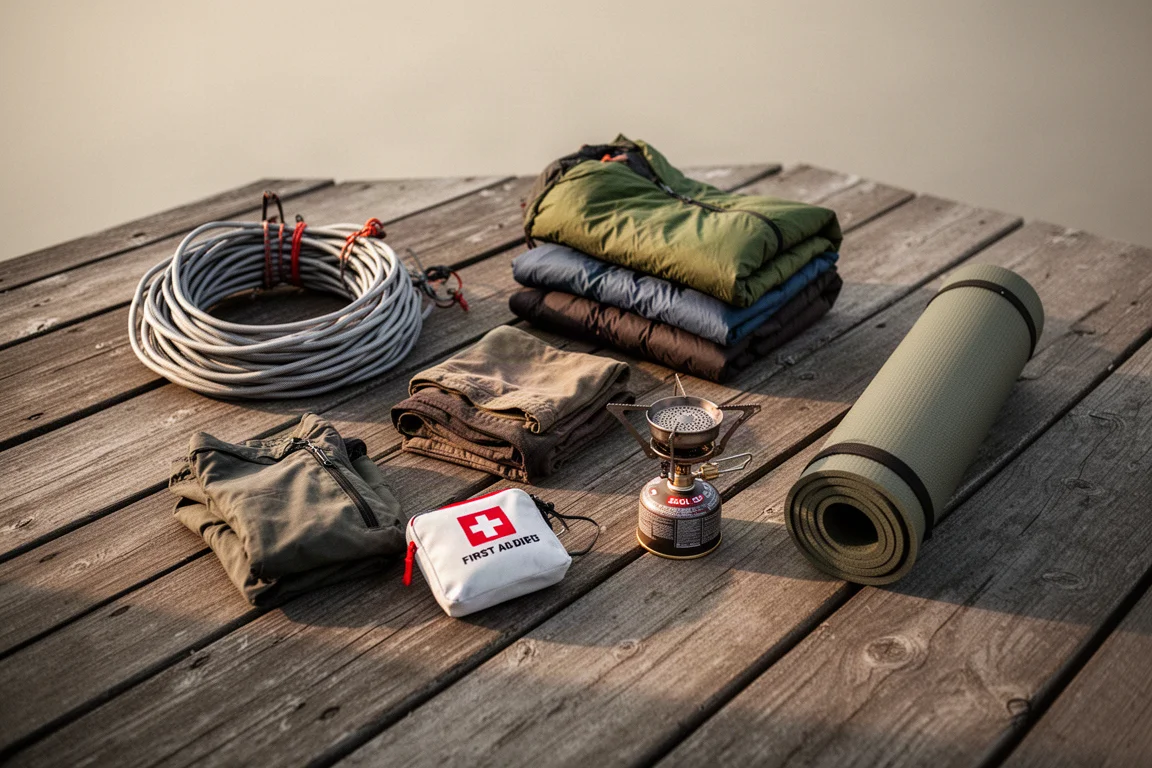
Not everything in a ten-item kit deserves its own recommendation. The same pack also contained a pair of hiking boots, a folding multi-tool, a self-inflating sleeping pad, an aluminium cook set, and a first aid kit. The first aid kit stood out for how thoroughly it was stocked and how little it cost, and the cook set was reasonable value for car camping rather than backpacking. The boots, the multi-tool, and the pad all added weight without adding much confidence, and the pad in particular was thin enough that it barely separated a sleeper from the ground. Those items are worth measuring against what you already own before spending anything.
Overall Buying Advice
The lesson from this group is that budget gear is not uniformly good or uniformly bad. It succeeds when a manufacturer copies a proven design and accepts a few compromises in materials and finishing. It fails when a category depends on engineering that cheap manufacturing cannot fake.
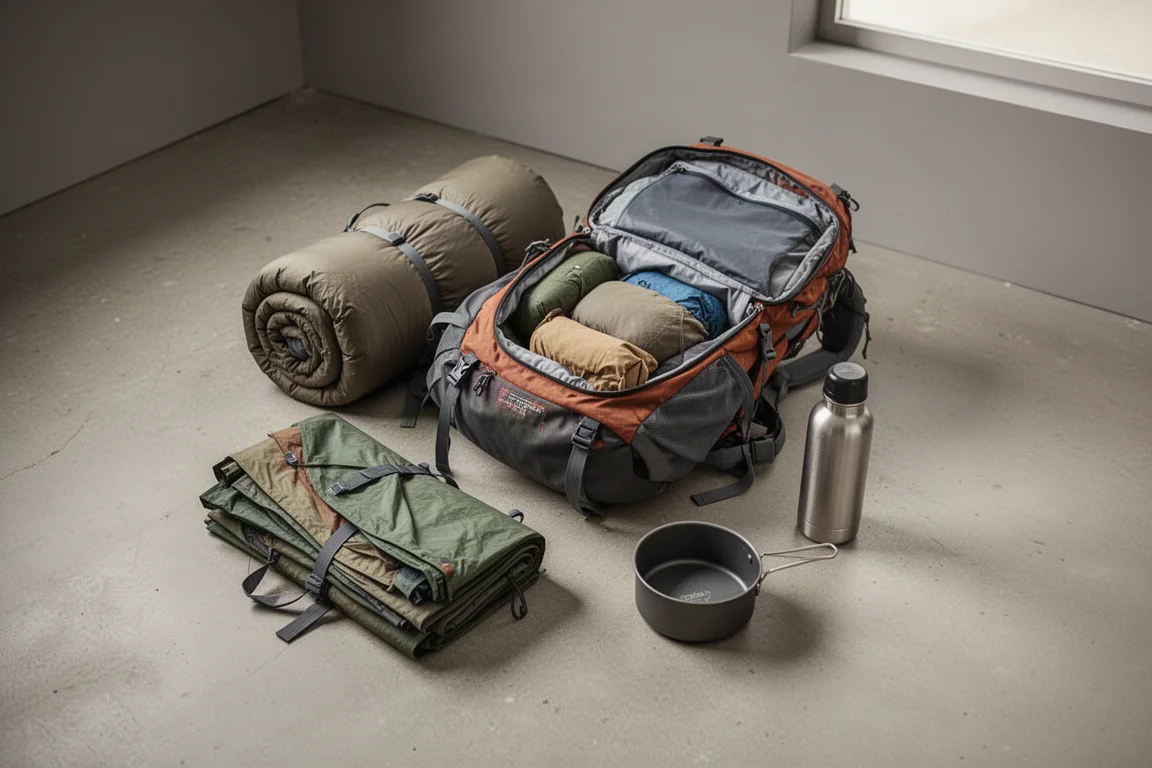
The tent is the clearest example of the first case. A freestanding three-person shelter with a taped fly and shock-corded poles at $69.29 is a genuinely useful purchase, and its compromises, a heavy stake set, a short door, and a single zipper, are ones a beginner can live with. The down sleeping bag is a reasonable second, provided you understand that it is a warm-weather bag and treat the zipper accordingly.
The backpack and the water bladders sit on the other side. A frameless 65-litre pack cannot carry a real backpacking load comfortably no matter how low the price, and bladders that are awkward to fill tend to be left at home once the novelty wears off. The headlamp falls in between: fine as a backup, but too poorly documented to rely on as a primary light.
The practical rule is to spend on the items that carry weight and keep you dry, and to save on the items that only need to work occasionally. A tent, a sleeping bag, and a sleeping pad are worth buying carefully. Spare lights, stuff sacks, and backup water containers are where a low price hurts least.
Conclusion
Five items, one clear winner, and a few honest cautions. The Parah ESO 3P tent delivers far more than its $69.29 price suggests, and the Geyser 400 down bag is a fair-weather bargain for anyone who reads the fine print. The Zen Gong backpack and the Dunke bladders are better avoided for serious trail use, and the headlamp is best treated as a backup rather than a primary light. Buy the pieces that carry you, borrow or upgrade the rest, and let the price tag be the last thing you consider rather than the first.
Further reading
Related Reviews

Backpacking Gear
Building a 10 lb Base Weight: An Ultralight Backpacking Gear List
A practical walkthrough of the ultralight pieces behind a 10 lb base weight, from a 765 g pack and a roomy one-person tent to a full camp chair and a dependable water filter.
Backpacking Gear
A 15-Pound Lightweight Backpacking Gear List for Solo Trips
A beginner-friendly 15-pound backpacking setup built from easy-to-find gear, with notes on what each piece does, how it packs, and where to spend your attention.
Backpacking Gear
8 Ultralight Backpacking Gear Upgrades Worth Carrying
Eight small, affordable backpacking upgrades that solve real trail annoyances, from a pillow that stays put to a fuel valve that rescues leftover canister gas.